
Feather & Bird Encyclopedia
Search and identify feathers by species — with feather type, plumage, colours, size, habitat, and how to tell them apart in the field.

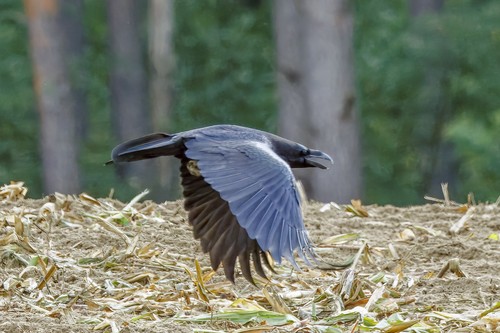
Common Raven
One of the largest songbirds in the world, the Common Raven produces long, heavy, glossy-black feathers with a pronounced iridescent sheen and a distinctive wedge-shaped tail profile.
corvid
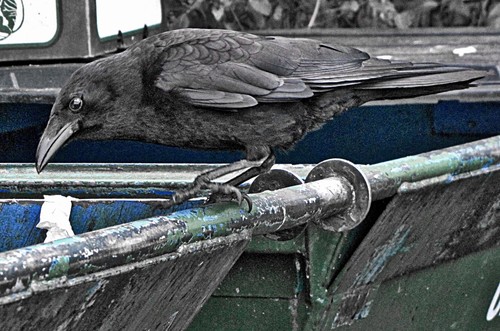
American Crow
A large, all-black corvid found nearly continent-wide, whose sturdy glossy-black feathers with a slight iridescent sheen are among the most commonly found large feathers in North America.
corvid

Chihuahuan Raven
A desert raven of the American Southwest, smaller than the Common Raven, with hidden white feather bases at the neck.
corvid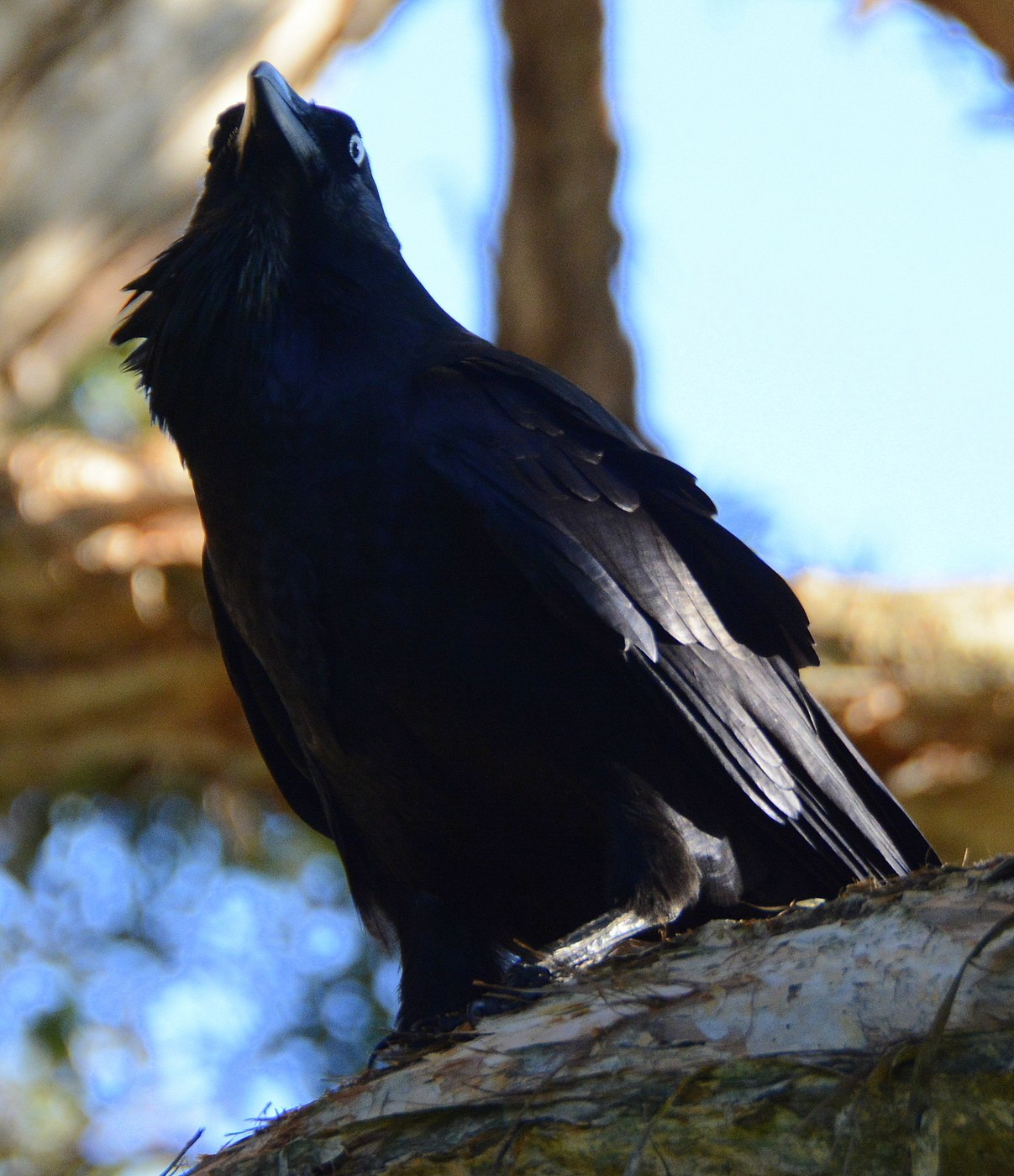
Australian Raven
A large, widespread Australian raven known for long, shaggy throat hackle feathers and a distinctive mournful, drawn-out call.
corvid
Northern Raven
The largest songbird in the world, with massive black flight feathers and a distinctive wedge-shaped tail, plus shaggy throat feathers unlike any other corvid.
corvid
Little Raven
The smallest of Australia's raven species, common across farmland and open woodland in the continent's southeast.
corvid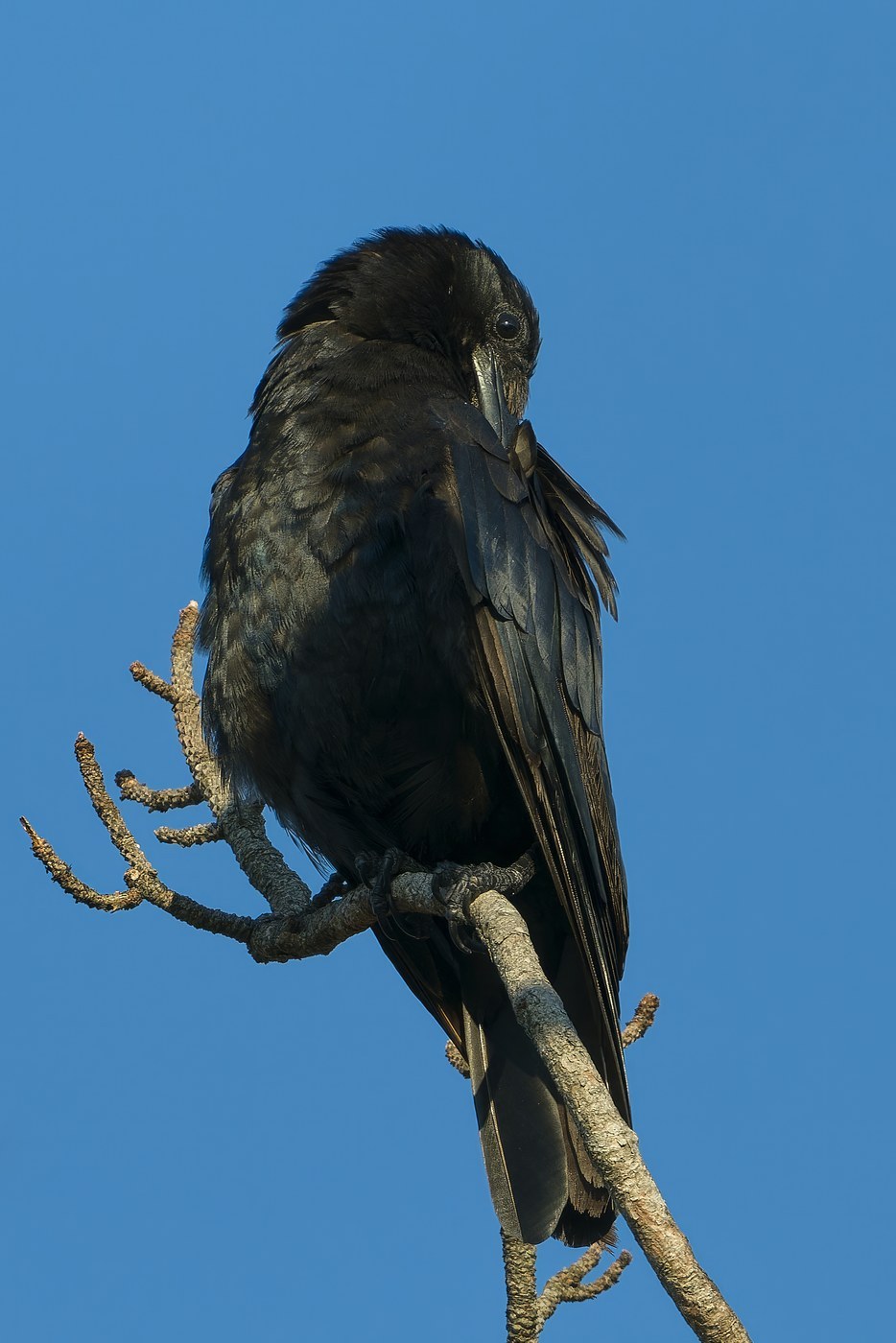
Fish Crow
A slender, glossy all-black corvid of coastal and riverine eastern North America, distinguished from the larger American Crow mainly by voice and slightly smaller size.
corvid
Little Crow
The smallest of Australia's crow species, adapted to arid interior habitats and often seen in nomadic flocks.
corvid
Hawaiian Crow
A critically rare Hawaiian corvid with softer, browner plumage than mainland crows, subject to intensive conservation efforts after disappearing from the wild.
corvid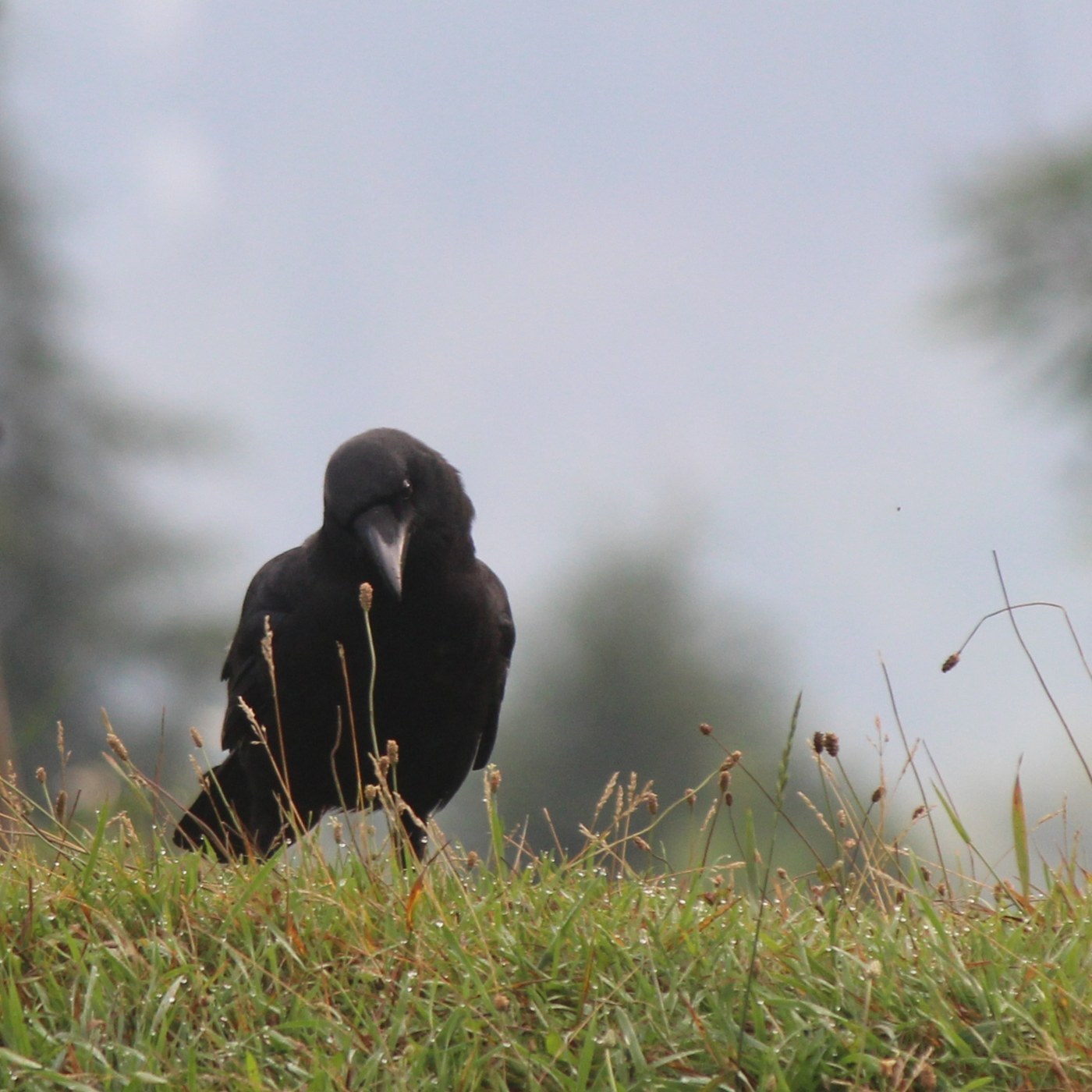
Carrion Crow
A widespread, all-black generalist corvid whose glossy feathers closely resemble those of the Rook, distinguished mainly by context and subtle shape differences.
corvid
Tamaulipas Crow
One of the smallest North American crows, native to northeastern Mexico with a small range extending into southern Texas.
corvid
Thick-billed Raven
The largest raven species, endemic to the Ethiopian highlands, known for its massive, deep bill marked with a pale crescent patch.
corvid
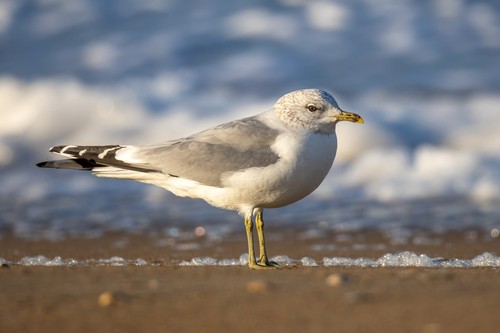
Common Gull
A neat, medium-sized gull of Europe and Asia known as Mew Gull in North American populations, the Common Gull shows pale gray back feathers, black wingtips with white spots, and a gentle, rounded head shape.
seabird

American Flamingo
A vividly colored flamingo of the Caribbean region, showing some of the deepest pink-to-orange body plumage of any flamingo species.
wading bird
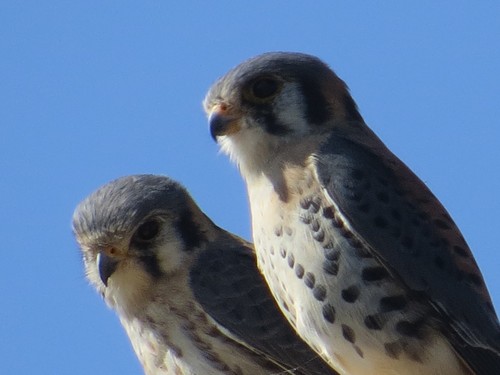
American Kestrel
The smallest and most colorful falcon in North America, a common sight perched on roadside wires, told by its rufous back and tail and, in males, contrasting blue-gray wings.
raptor
Common Green Magpie
A vividly green forest corvid with a bold black mask and chestnut wing patch, whose color can fade toward blue in old feathers.
corvid
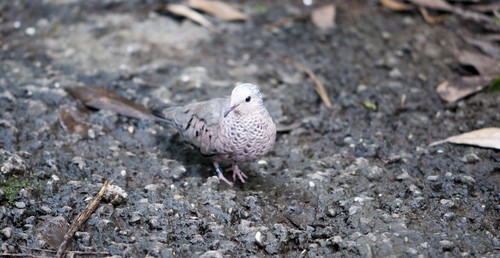
Common Ground Dove
One of the smallest doves in North America, a diminutive, scaly-patterned bird that flushes from the ground to reveal a flash of rufous in the wings.
dove pigeon
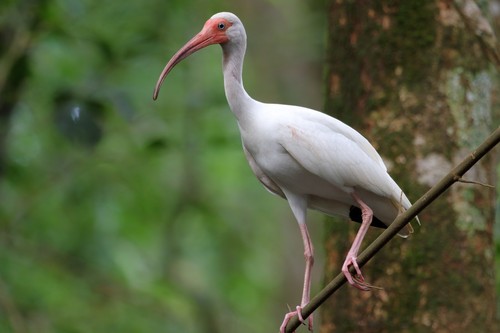
American White Ibis
A common white ibis of the southeastern United States, Central America, and the Caribbean, easily identified by its bright pink-red decurved bill and legs and black wingtips visible in flight.
wading bird
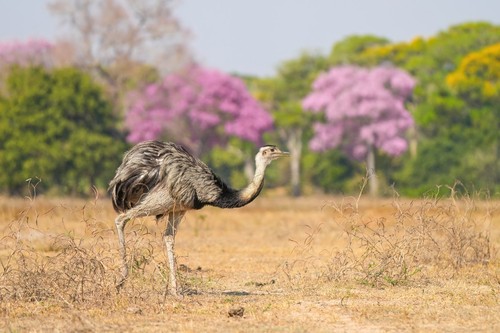
Greater Rhea
A large flightless ratite of South American grasslands, with soft, loose grayish-brown plumage and a long neck, related more to ostriches and emus than to typical flying birds.
other
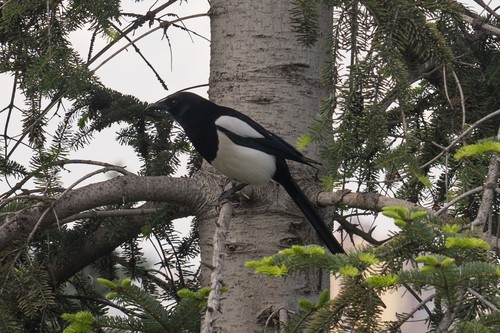
Eurasian Magpie
A boldly pied corvid whose black feathers flash iridescent blue-green and purple in the light, with an unmistakably long, wedge-shaped tail.
corvid
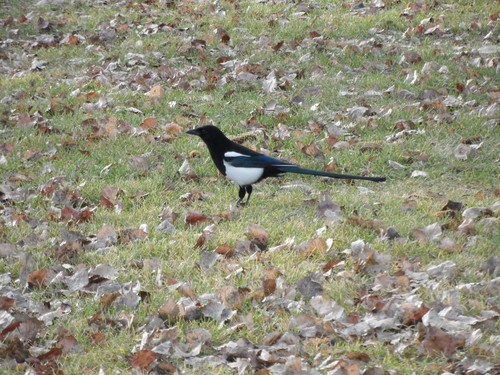
Black-billed Magpie
A boldly patterned black-and-white corvid of the American West, instantly recognizable by its long, iridescent tail and noisy, sociable habits.
corvid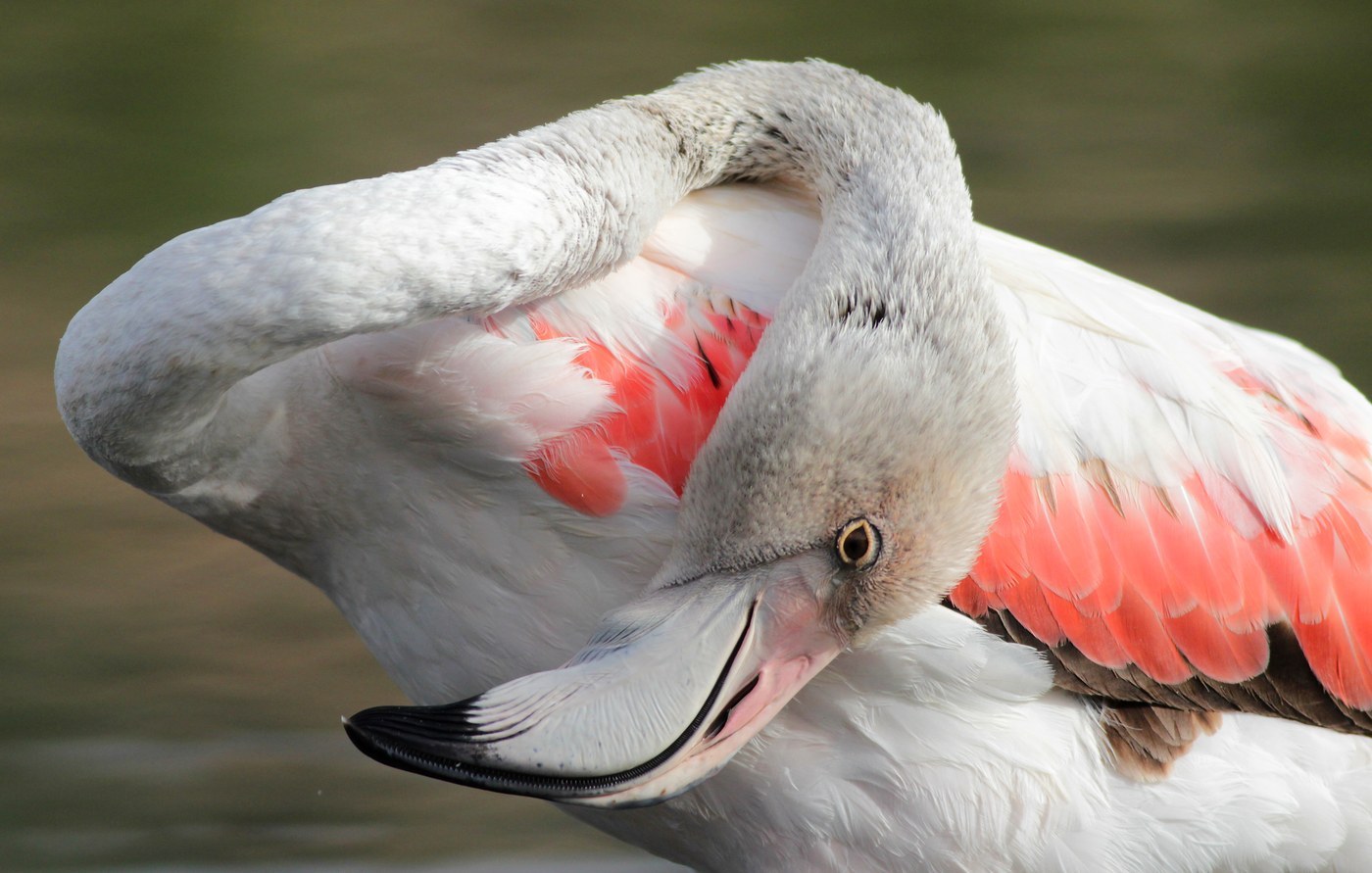
Greater Flamingo
The largest flamingo species, with pale pink body plumage that hides bold black flight feathers revealed only in flight.
wading bird

Common Eider
The Common Eider is a large, heavy-bodied sea duck whose male shows a striking white back and breast against a black belly and crown, with a distinctive sloping bill-and-head profile.
waterfowl
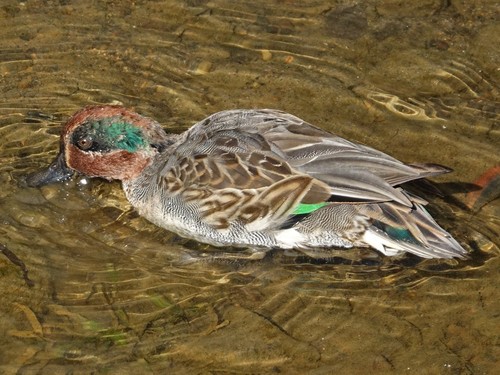
Eurasian Teal
The Old World form of the common teal, closely related to the North American Green-winged Teal, told apart chiefly by a horizontal white scapular stripe rather than a vertical flank stripe.
waterfowl