

Common Gull
Larus canus
A neat, medium-sized gull of Europe and Asia known as Mew Gull in North American populations, the Common Gull shows pale gray back feathers, black wingtips with white spots, and a gentle, rounded head shape.
- Feather type
- Body, flight, and tail feathers
- Colours
- Pale to medium gray back, white underparts, black wingtips with white spots
- Bird size
- Medium gull, ~40-46 cm
Found a feather like this?
Identify any feather from a photo, free.
Overview
The Common Gull is a medium-sized, delicately proportioned gull widespread across northern Europe and Asia, with a related population in northwestern North America often referred to as Mew Gull. It shows the classic gray-backed gull pattern in miniature compared to larger species, with a rounder head, smaller bill, and gentler expression, breeding both along coasts and well inland around lakes and tundra pools.
Identifying the Feather
Adult mantle feathers are pale to medium gray, similar in tone to Ring-billed Gull, contrasting with white head and underparts. Outer primary feathers are black with white tips and typically large white mirrors near the tip, proportionately bold on this smaller species. Immature birds show mottled gray-brown feathers, finer and less coarse than in larger gull species, transitioning over about two to three years to full adult plumage, faster than the larger four-year gulls. The bill is notably slim and unmarked yellow-green in adults, without the black ring of Ring-billed Gull, a helpful supplementary feature alongside feather pattern.
Plumage & Molt
Sexes look alike, with males averaging slightly larger. This species reaches adult plumage in about two to three years, more quickly than the larger four-year gulls, with immature plumages showing a relatively fine, evenly mottled gray-brown pattern rather than blotchy coarse markings. Nonbreeding adults show light brownish streaking on the head and nape, molting to a clean white head for breeding. A complete post-breeding molt replaces flight feathers, typically completed by early winter.
Habitat & Range
Breeds across a broad range of northern Europe and Asia, using coastal areas, inland lakes, rivers, bogs, and tundra pools, with a separate population in northwestern North America and eastern Siberia sometimes treated as Mew Gull. Many populations are migratory, moving to milder coastal areas, estuaries, and agricultural fields for winter, though some populations in maritime climates are more sedentary.
Behavior & Field Notes
Common Gulls forage on a variety of food including fish, invertebrates, insects, and agricultural pest species, often foraging on freshly plowed or grazed fields as well as coastal and lake habitats. Nests are built on the ground near water, on cliff ledges, or occasionally in trees on old nests of other birds, with both parents sharing incubation and chick-rearing. Its call is a higher-pitched, more mewing series of notes than larger gulls, giving rise to the alternate name Mew Gull.
Frequently asked questions
How can I tell a Common Gull feather from a Ring-billed Gull feather?
Both show similar pale-to-medium gray mantle tones, but Common Gull is smaller with proportionately larger white wingtip mirrors, and its bill lacks the black ring band seen in adult Ring-billed Gull.
Why is the Common Gull also called Mew Gull?
Its higher-pitched, mewing call gives rise to the alternate name Mew Gull, particularly used for populations in North America and eastern Siberia.
How quickly does a Common Gull reach adult plumage?
In about two to three years, faster than the four-year maturation typical of larger gulls like Herring Gull.
Where does the Common Gull nest?
On the ground near water, on cliff ledges, and occasionally in trees using the old nests of other birds, across a broad breeding range in northern Europe and Asia.
Common Gull guides
In-depth guides for identifying and understanding Common Gull.

Common Gull identified by the community
Real feathers identified with Feather Identifier.


Other feathers you may enjoy

Western Gull
Body, flight, and tail feathers
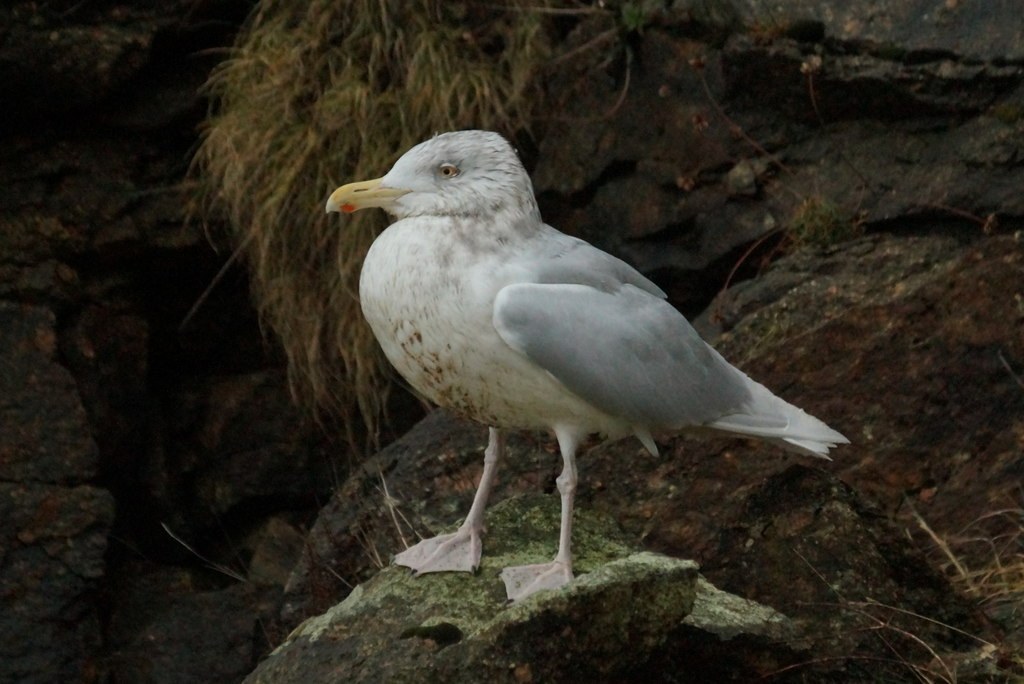
Glaucous Gull
Body, flight, and tail feathers

American Herring Gull
Body, flight, and tail feathers

Great Black-backed Gull
Body, flight, and tail feathers
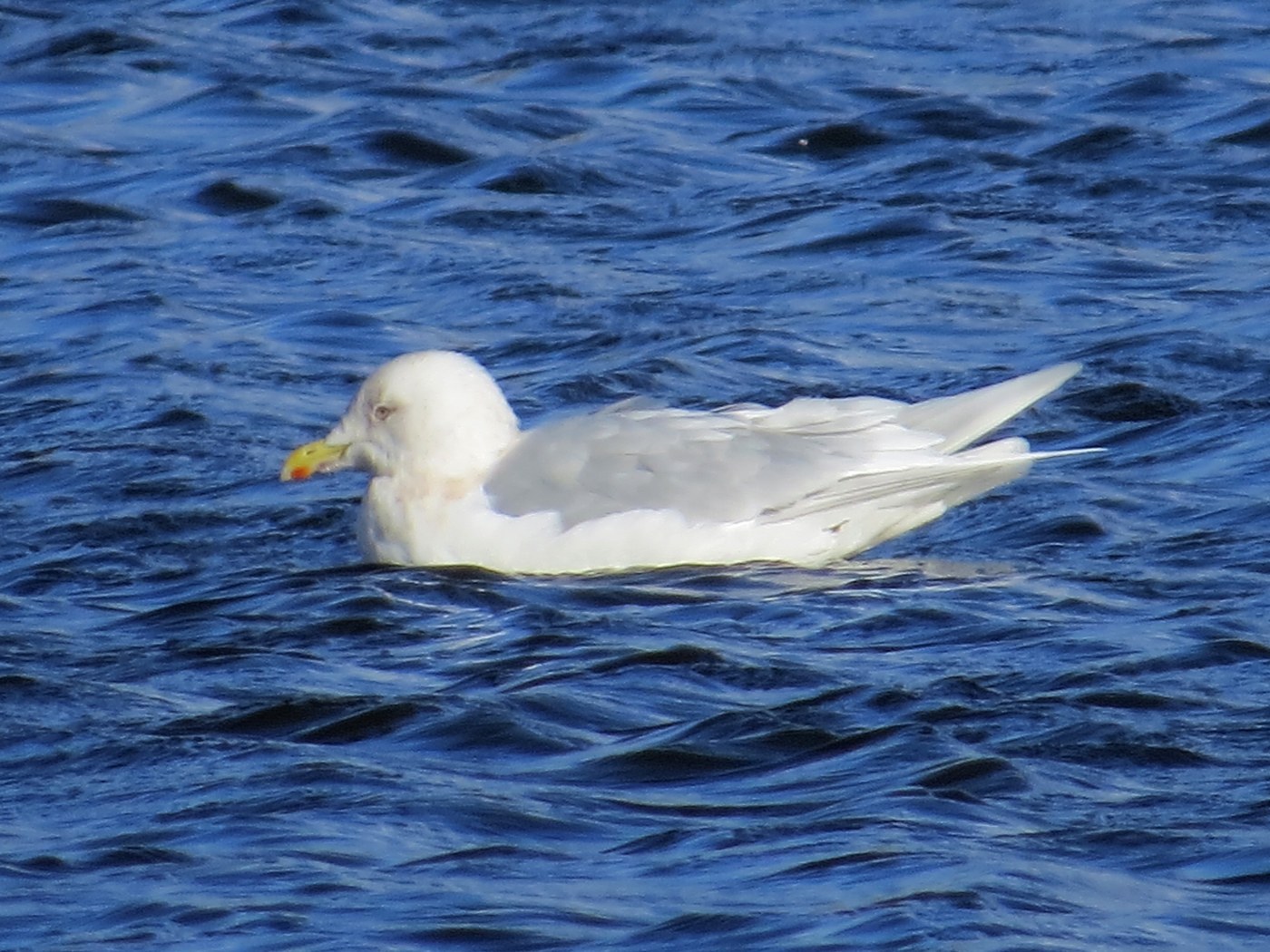
Iceland Gull
Body, flight, and tail feathers

Ring-billed Gull
Body, flight, and tail feathers

Glaucous-winged Gull
Body, flight, and tail feathers

Herring Gull
Body, flight, and tail feathers

Lesser Black-backed Gull
Body, flight, and tail feathers

California Gull
Body, flight, and tail feathers
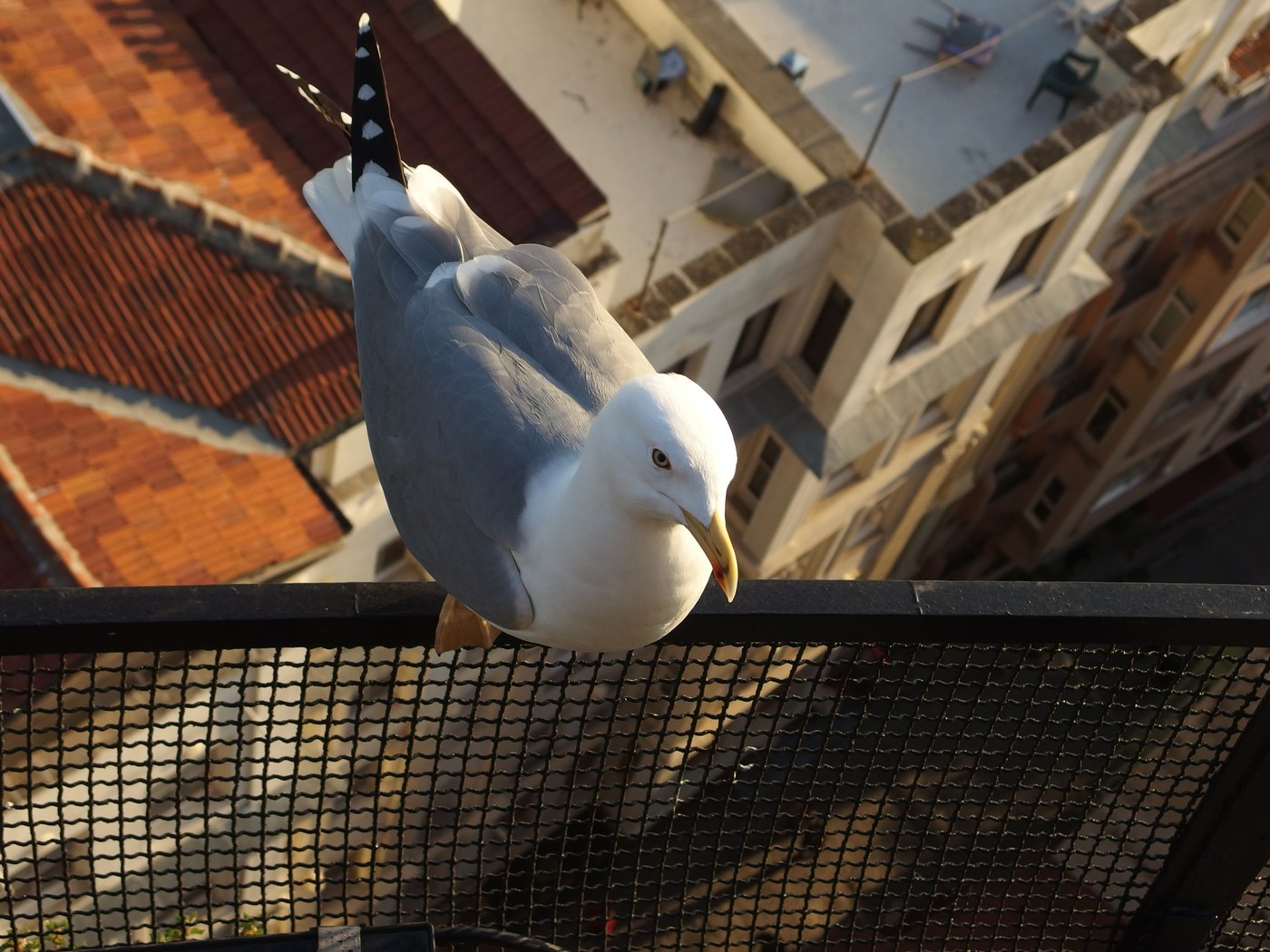
Yellow-legged Gull
Body, wing covert, and flight feathers
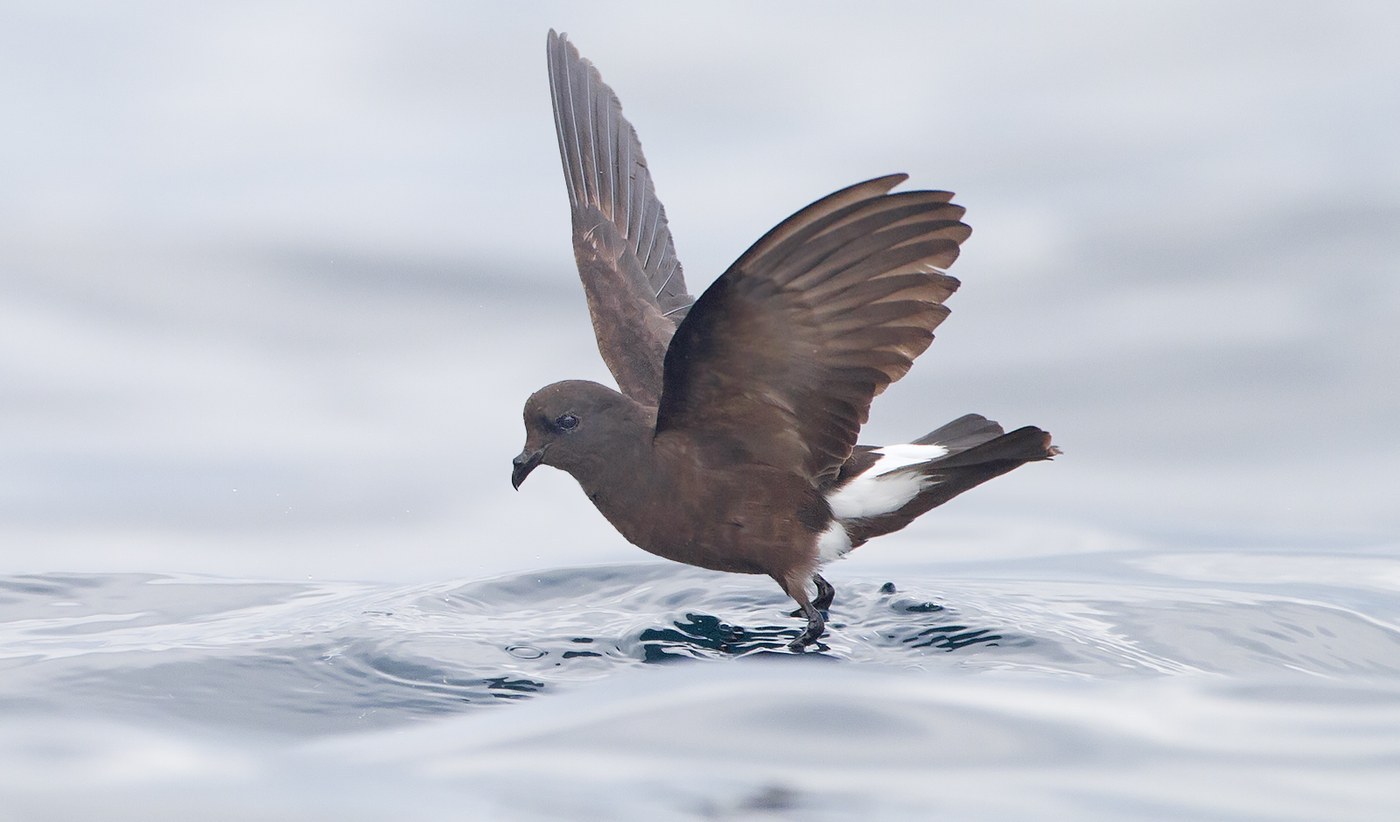
Wilson's Storm-Petrel
Small, soft flight and body feathers