
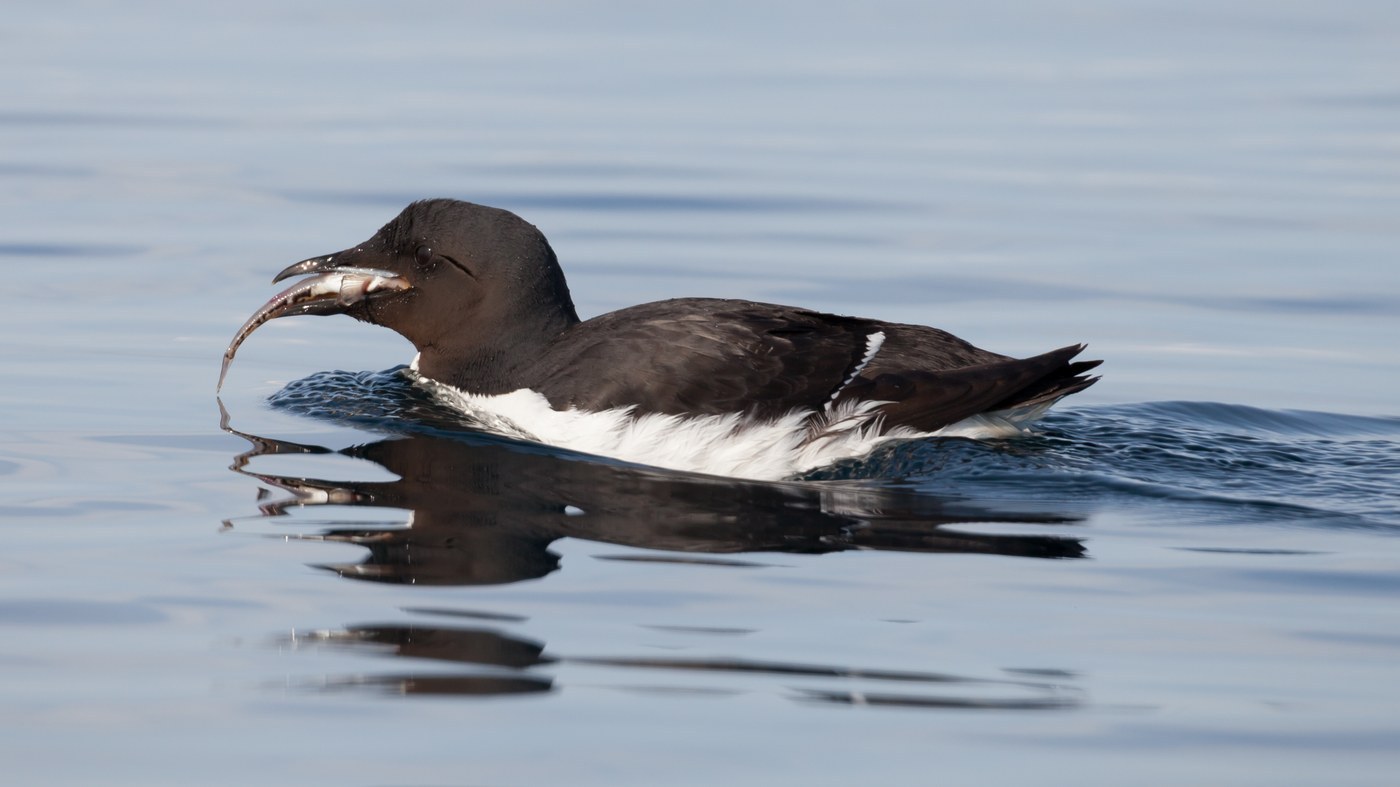
Thick-billed Murre
Uria lomvia
A stocky, high-latitude relative of the Common Murre, distinguished by blacker upperparts, a thicker bill marked with a pale line along the gape, and a hardier tolerance for icy waters.
- Feather type
- Contour, flight, and short tail feathers
- Colours
- Blackish upperparts, white underparts, pale bill stripe
- Bird size
- Large, crow-sized and elongated, ~40-48 cm
Found a feather like this?
Identify any feather from a photo, free.
Overview
The Thick-billed Murre replaces the Common Murre at higher latitudes, breeding farther north into the Arctic and tolerating colder, ice-influenced waters. Its blacker plumage and heavier bill with a distinctive pale stripe help separate it from its close relative where the two overlap.
Identifying the Feather
- Upperpart feathers are a deeper, blacker tone than the browner Common Murre, giving a crisper, higher-contrast appearance against the white underparts
- The border between dark upperparts and white underparts is generally sharper and more clean-cut than in Common Murre
- A pale whitish stripe along the base of the bill (visible on the bird, not the feather) accompanies the thicker bill shape that gives the species its name
- Flight feathers are narrow and pointed, supporting fast, whirring flight typical of murres
- Tail feathers are short and squared, in keeping with the compact, elongated auk body plan
Plumage & Molt
- Breeding adults show blackish head, neck, and upperparts against clean white underparts, with a sharper contrast than Common Murre
- Non-breeding adults show white extending onto the lower face, though generally less extensively than in Common Murre
- Juveniles resemble adults but with softer feather edges and less crisp contrast
- Sexes are alike in plumage
- A complete molt after breeding, including flight feathers, results in a flightless period spent on the water
Habitat & Range
Thick-billed Murres breed on steep sea cliffs in high-Arctic and subarctic regions around the North Atlantic and North Pacific, often nesting alongside Common Murres where ranges overlap. Outside the breeding season they winter over cold continental shelf waters and near pack ice edges, generally remaining farther north than Common Murre in winter.
Behavior & Field Notes
This murre dives to considerable depths in pursuit of fish and invertebrates, using its wings for underwater propulsion much like other auks. It lays a single pointed egg on a bare cliff ledge, with chicks leaving the ledge for the sea well before they can fly, accompanied by a parent. Its call is a low, growling note similar to that of the Common Murre, given mainly at dense breeding colonies.
Frequently asked questions
What is the easiest way to tell Thick-billed Murre feathers apart from Common Murre feathers?
Thick-billed Murre upperpart feathers are blacker with a sharper, cleaner border against the white underparts, while Common Murre feathers tend to be browner with a softer transition.
Why is it called the Thick-billed Murre?
It has a noticeably heavier, thicker bill than the Common Murre, marked with a pale stripe along the gape.
Does the Thick-billed Murre live farther north than the Common Murre?
Yes, it breeds and winters at generally higher latitudes, tolerating colder waters and areas closer to pack ice.
Thick-billed Murre guides
In-depth guides for identifying and understanding Thick-billed Murre.
Other feathers you may enjoy

Western Gull
Body, flight, and tail feathers
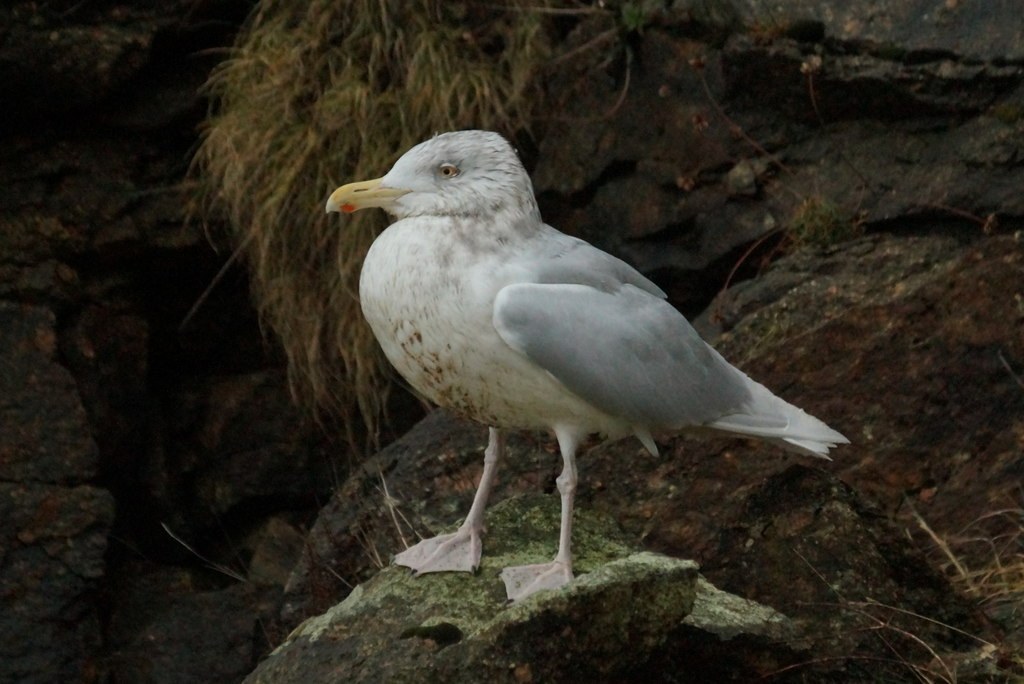
Glaucous Gull
Body, flight, and tail feathers

American Herring Gull
Body, flight, and tail feathers

Great Black-backed Gull
Body, flight, and tail feathers

Common Gull
Body, flight, and tail feathers
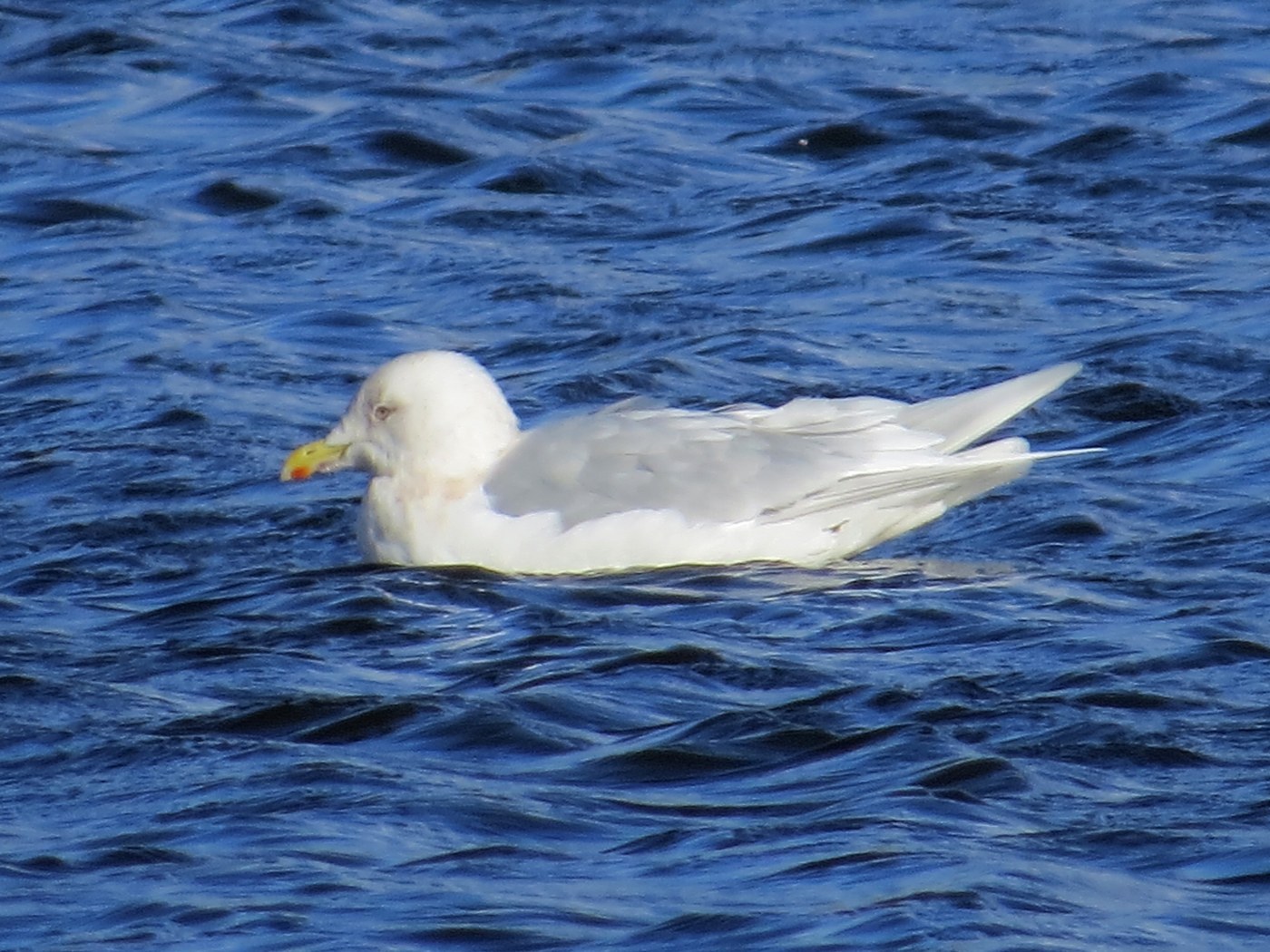
Iceland Gull
Body, flight, and tail feathers

Ring-billed Gull
Body, flight, and tail feathers

Glaucous-winged Gull
Body, flight, and tail feathers

Herring Gull
Body, flight, and tail feathers

Lesser Black-backed Gull
Body, flight, and tail feathers

California Gull
Body, flight, and tail feathers
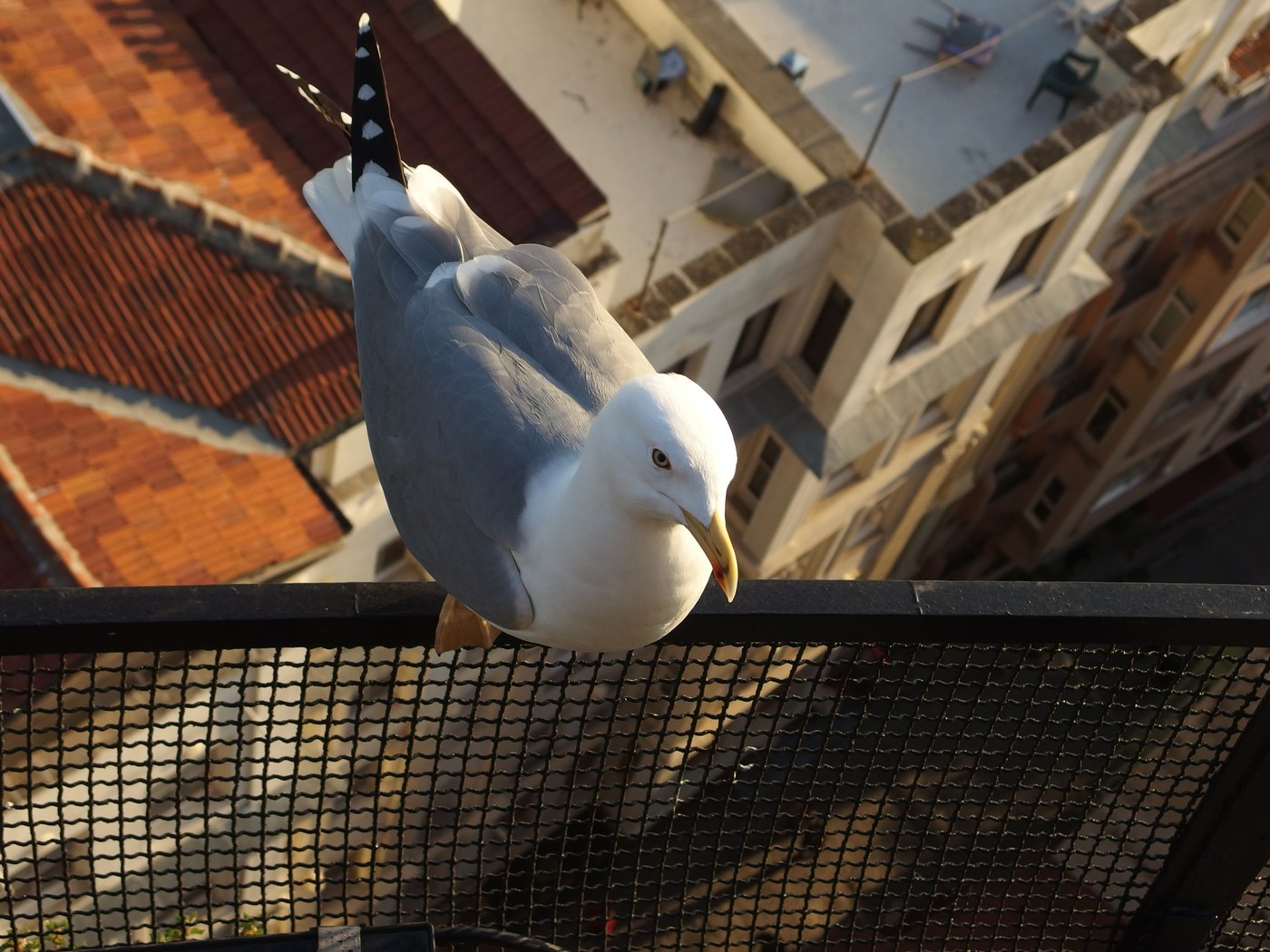
Yellow-legged Gull
Body, wing covert, and flight feathers