

California Gull
Larus californicus
A medium-large gull of the American West, the California Gull shows medium gray back feathers and dark eyes, and is notable historically for its role in protecting early Utah crops from insect swarms.
- Feather type
- Body, flight, and tail feathers
- Colours
- Medium gray back, white underparts, black wingtips with white spots
- Bird size
- Medium-large gull, ~46-55 cm
Found a feather like this?
Identify any feather from a photo, free.
Overview
The California Gull is a medium-large gull breeding primarily around interior lakes and wetlands of the western United States and Canada, wintering along the Pacific coast. It shows the classic gray-backed gull pattern, intermediate in size between Ring-billed and Herring Gull, and is historically notable for a legendary event in which flocks of these gulls helped save early Utah settlers' crops from a locust infestation.
Identifying the Feather
Adult mantle feathers are medium gray, slightly darker than Ring-billed Gull but paler than Lesser Black-backed or Great Black-backed Gull, contrasting with white head and underparts. Outer primary feathers are black with white tips and typically two white mirrors. Immature birds show mottled brown-gray feathers, progressing over three to four years toward the clean adult gray-and-white pattern, with darker, more solidly gray-brown tones than the checkered pattern of Ring-billed Gull immatures. The bill in adults often shows a black-and-red spot pattern near the tip, a useful feature alongside feather tone for identification.
Plumage & Molt
Sexes look alike, with males averaging larger. This species takes three to four years to reach full adult plumage, an intermediate maturation period between the three-year Ring-billed Gull and four-year Herring Gull. Nonbreeding adults show brownish streaking on the head and nape, molting to a cleaner white head for breeding. A complete post-breeding molt replaces flight feathers, generally completed before or during the winter period.
Habitat & Range
Breeds colonially on islands in large interior lakes, marshes, and reservoirs across the western United States and southwestern Canada, notably including the Great Salt Lake region. Outside the breeding season it moves primarily to the Pacific coast, foraging along beaches, harbors, and estuaries, though some individuals remain in interior areas near open water or agricultural fields.
Behavior & Field Notes
California Gulls forage on a wide variety of food including fish, insects, invertebrates, and human refuse, and are notably significant insect predators around interior lakes, historically credited with controlling locust outbreaks that threatened early agricultural crops in the Great Basin region. Nests are built on the ground in colonies on islands within lakes and reservoirs, offering protection from mammalian predators, with both parents sharing incubation and chick-rearing. Its call is similar to other large gulls, a series of wailing and mewing notes.
Frequently asked questions
How can I distinguish a California Gull feather from a Ring-billed Gull feather?
California Gull mantle feathers are slightly darker gray, and immature plumages tend to show a more solidly brown-gray tone rather than the finer checkered pattern typical of young Ring-billed Gulls.
How many years does it take a California Gull to reach adult plumage?
About three to four years, an intermediate maturation period between the faster three-year Ring-billed Gull and the slower four-year Herring Gull.
Where does the California Gull breed?
It breeds colonially on islands within large interior lakes, marshes, and reservoirs across the western United States and southwestern Canada, notably around the Great Salt Lake.
What is the California Gull historically famous for?
Flocks of California Gulls are credited in local history with helping control a locust infestation that threatened early agricultural crops in the Great Basin region.
California Gull guides
In-depth guides for identifying and understanding California Gull.

California Gull identified by the community
Real feathers identified with Feather Identifier.

Other feathers you may enjoy

Western Gull
Body, flight, and tail feathers
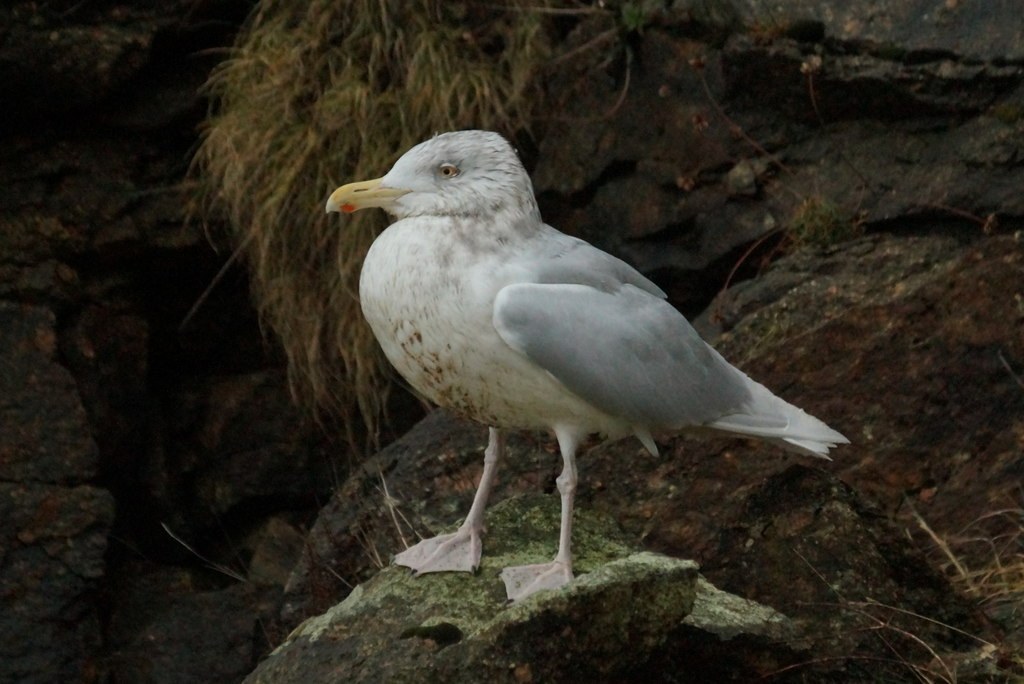
Glaucous Gull
Body, flight, and tail feathers

American Herring Gull
Body, flight, and tail feathers

Great Black-backed Gull
Body, flight, and tail feathers

Common Gull
Body, flight, and tail feathers
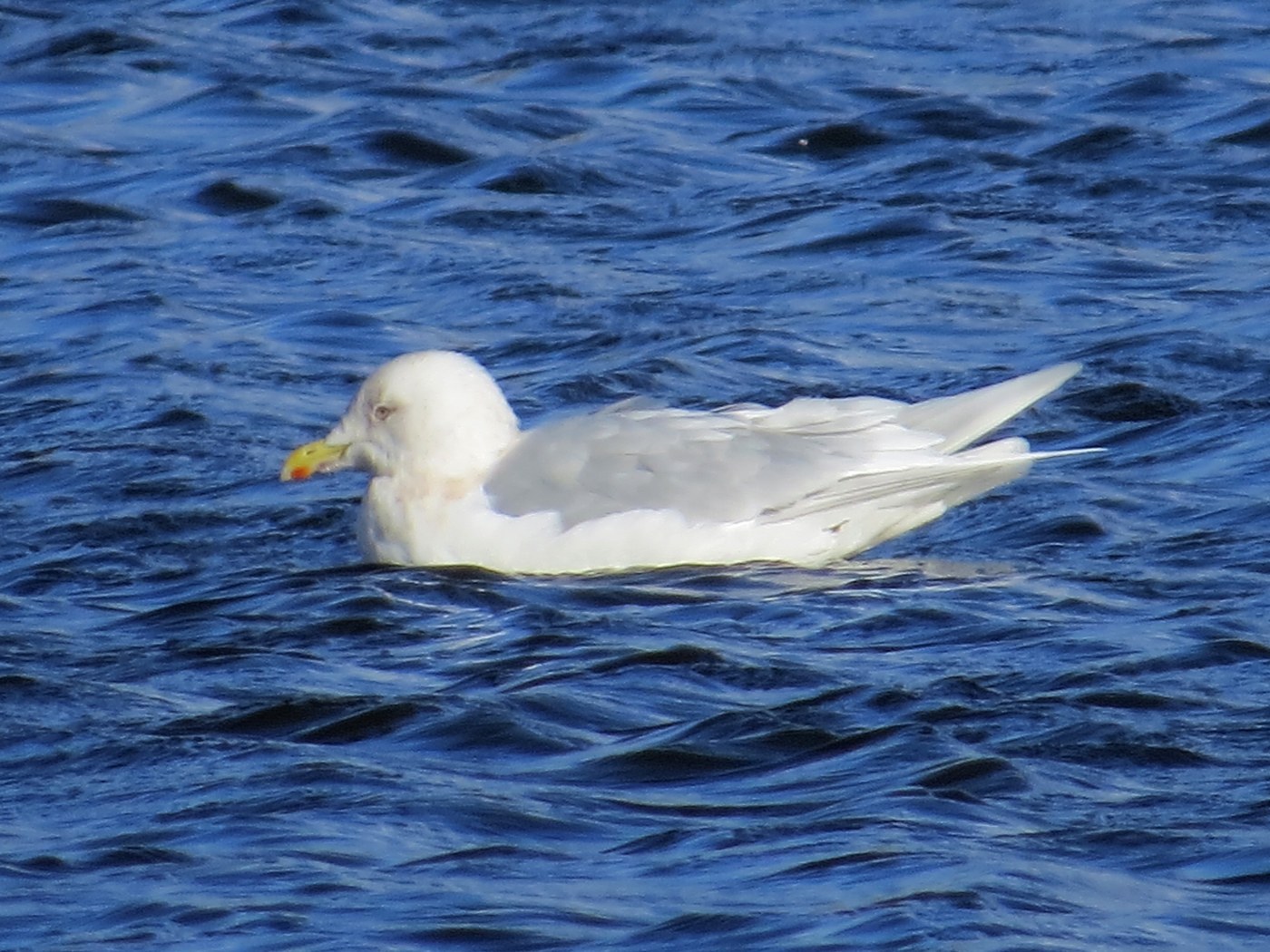
Iceland Gull
Body, flight, and tail feathers

Ring-billed Gull
Body, flight, and tail feathers

Glaucous-winged Gull
Body, flight, and tail feathers

Herring Gull
Body, flight, and tail feathers

Lesser Black-backed Gull
Body, flight, and tail feathers
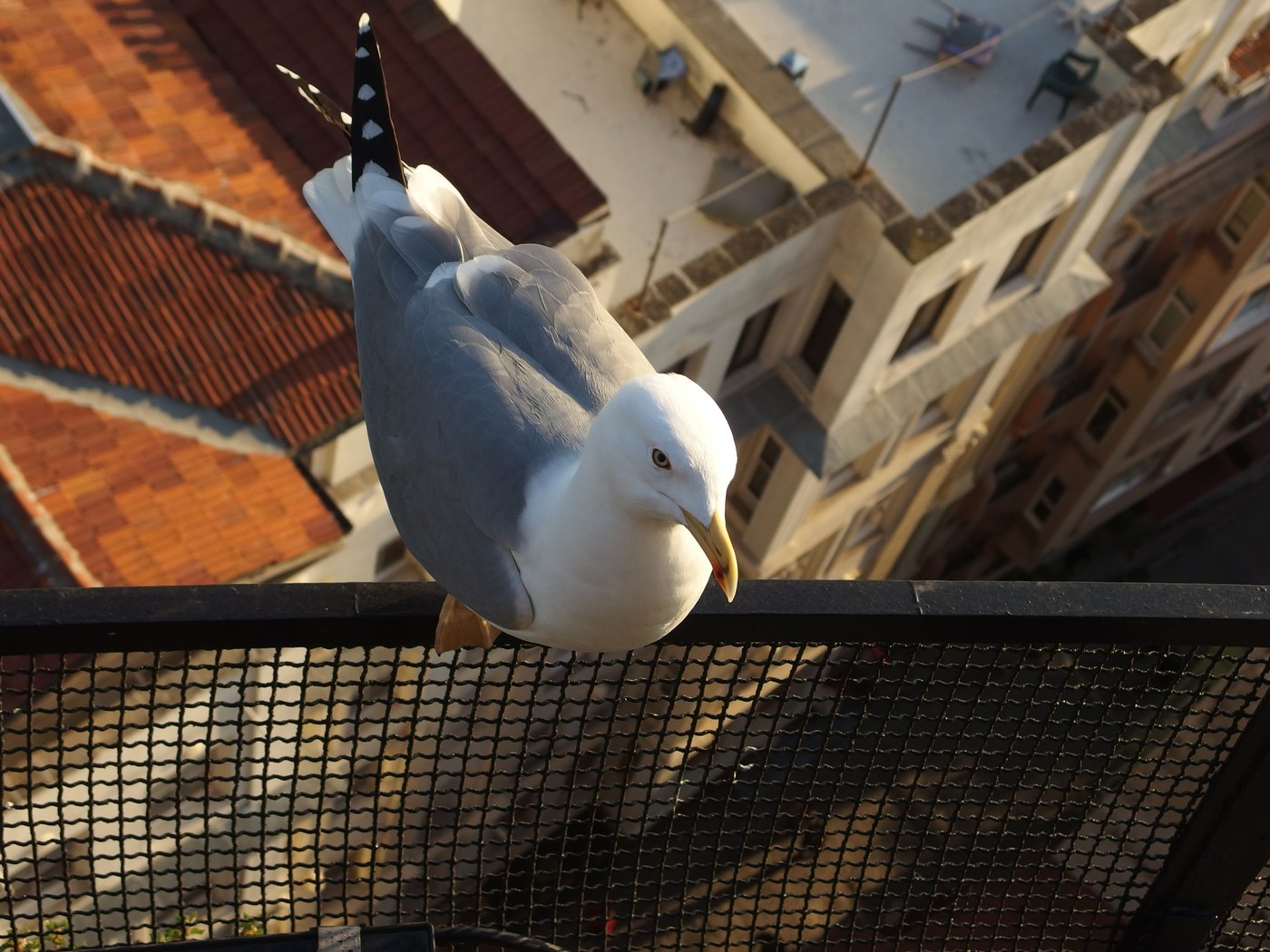
Yellow-legged Gull
Body, wing covert, and flight feathers
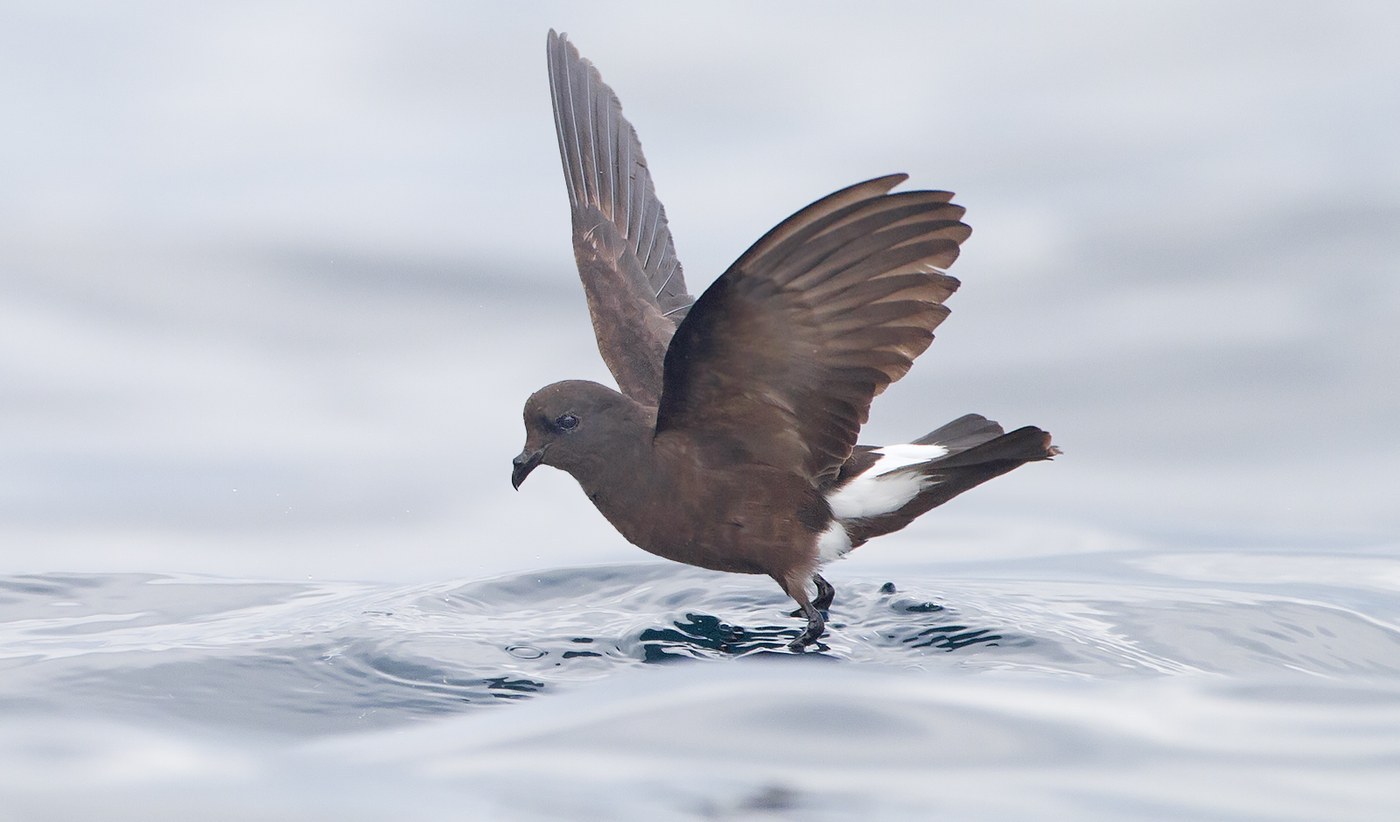
Wilson's Storm-Petrel
Small, soft flight and body feathers