

Sooty Tern
Onychoprion fuscatus
A highly pelagic tropical seabird that spends years continuously at sea outside the breeding season, recognized by its blackish upperparts, crisp white underparts, and deeply forked tail.
- Feather type
- Body and flight feathers
- Colours
- Blackish-brown upperparts, white underparts, white forehead patch
- Bird size
- Medium tern, ~36-45 cm
Found a feather like this?
Identify any feather from a photo, free.
Overview
Overview
The Sooty Tern is a highly pelagic tropical seabird that, remarkably, may remain continuously airborne over open ocean for extended periods outside the breeding season, rarely if ever alighting on the water's surface. Its strongly contrasting plumage, blackish-brown above and crisp white below, combined with a bold white patch on the forehead, sets it apart from the generally paler gray-backed terns of temperate regions. The tail is long and deeply forked, aiding sustained flight over vast stretches of open ocean.
Breeding occurs in enormous colonies on remote tropical and subtropical islands, some hosting hundreds of thousands of pairs, after which adults and young disperse widely over open ocean, sometimes for years at a stretch before returning to breed.
Identifying the Feather
Feather Identification
- Wing and back feathers: Uniformly blackish-brown to sooty black across the upperwing, back, and crown, a notably darker tone than the pale gray upperparts of most temperate terns.
- Body feathers: Crisp white underparts and a bold white patch on the forehead, contrasting sharply with the dark upperparts and cap.
- Tail feathers: Long and deeply forked, an adaptation suited to prolonged, sustained flight over open ocean.
- Compared to similar species: Bridled Tern is similar but shows browner (less black) upperparts, a white collar around the hindneck, and a white forehead patch that extends further back past the eye; Sooty Tern's upperparts are darker and more uniformly blackish, and its white forehead patch is more restricted.
Plumage & Molt
Plumage Details
Adults show blackish-brown upperparts, a black cap, a white forehead patch that does not extend noticeably past the eye, and clean white underparts, with little seasonal variation. Juveniles are entirely dark sooty brown with pale, scaly-looking spotting on the back and wing coverts, lacking the crisp white underparts of adults, and gradually molt toward the adult pattern over a period of a few years spent almost entirely at sea before returning to land to breed.
Habitat & Range
Habitat & Range
Sooty Terns breed in massive colonies on remote tropical and subtropical islands across the Atlantic, Pacific, and Indian Oceans, nesting on open ground often in extremely dense aggregations. Outside the breeding season the species is intensely pelagic, ranging over vast expanses of open tropical and subtropical ocean far from any land, with immature birds in particular remaining at sea for extended periods, sometimes several years, before first returning to a colony.
Behavior & Field Notes
Behavior & Field Notes
Sooty Terns forage by picking small fish and squid from the ocean surface in flight, often in association with predatory fish schools that drive prey toward the surface, and are notable for rarely landing on the water, resting on the wing for extended periods instead. They breed in enormous, densely packed colonies, some of the largest seabird colonies in the world, with constant activity and calling giving rise to the colloquial name "wideawake tern" in some regions due to the incessant noise. The call is a distinctive, sharp "wide-awake" or "ker-wacky-wack" note repeated frequently at colonies. Its dark upperparts, crisp white underparts, and highly pelagic habits distinguish it from nearly all other terns encountered near shore.
Frequently asked questions
Why is the Sooty Tern sometimes called the 'wideawake tern'?
The name comes from its loud, repetitive calls given constantly at breeding colonies, which can create a nearly continuous noise reminiscent of the phrase 'wide awake.'
How does the Sooty Tern differ from the similar Bridled Tern?
Sooty Tern has darker, more uniformly blackish upperparts and a more restricted white forehead patch, while Bridled Tern is browner above, has a white collar around the hindneck, and a forehead patch extending further back past the eye.
Is it true this species rarely lands on water?
Yes, Sooty Terns are known for spending extended periods on the wing over open ocean, resting in flight rather than landing on the water's surface as frequently as many other seabirds.
Where does the Sooty Tern breed?
In massive colonies on remote tropical and subtropical islands across the Atlantic, Pacific, and Indian Oceans, some of which hold hundreds of thousands of breeding pairs.
Sooty Tern guides
In-depth guides for identifying and understanding Sooty Tern.

Other feathers you may enjoy

Western Gull
Body, flight, and tail feathers
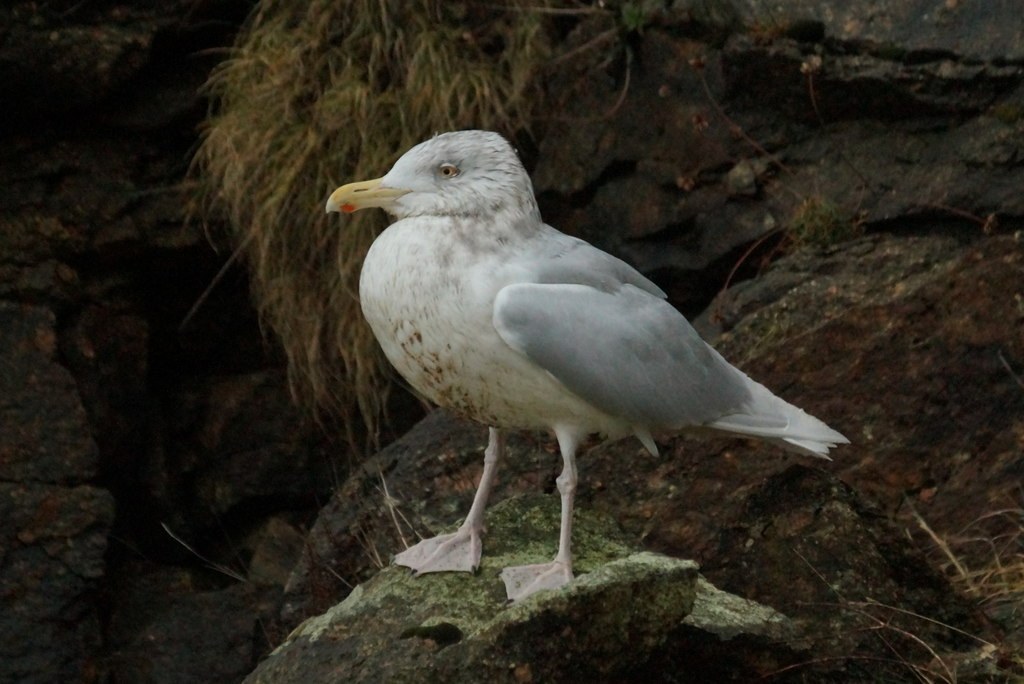
Glaucous Gull
Body, flight, and tail feathers

American Herring Gull
Body, flight, and tail feathers

Great Black-backed Gull
Body, flight, and tail feathers

Common Gull
Body, flight, and tail feathers
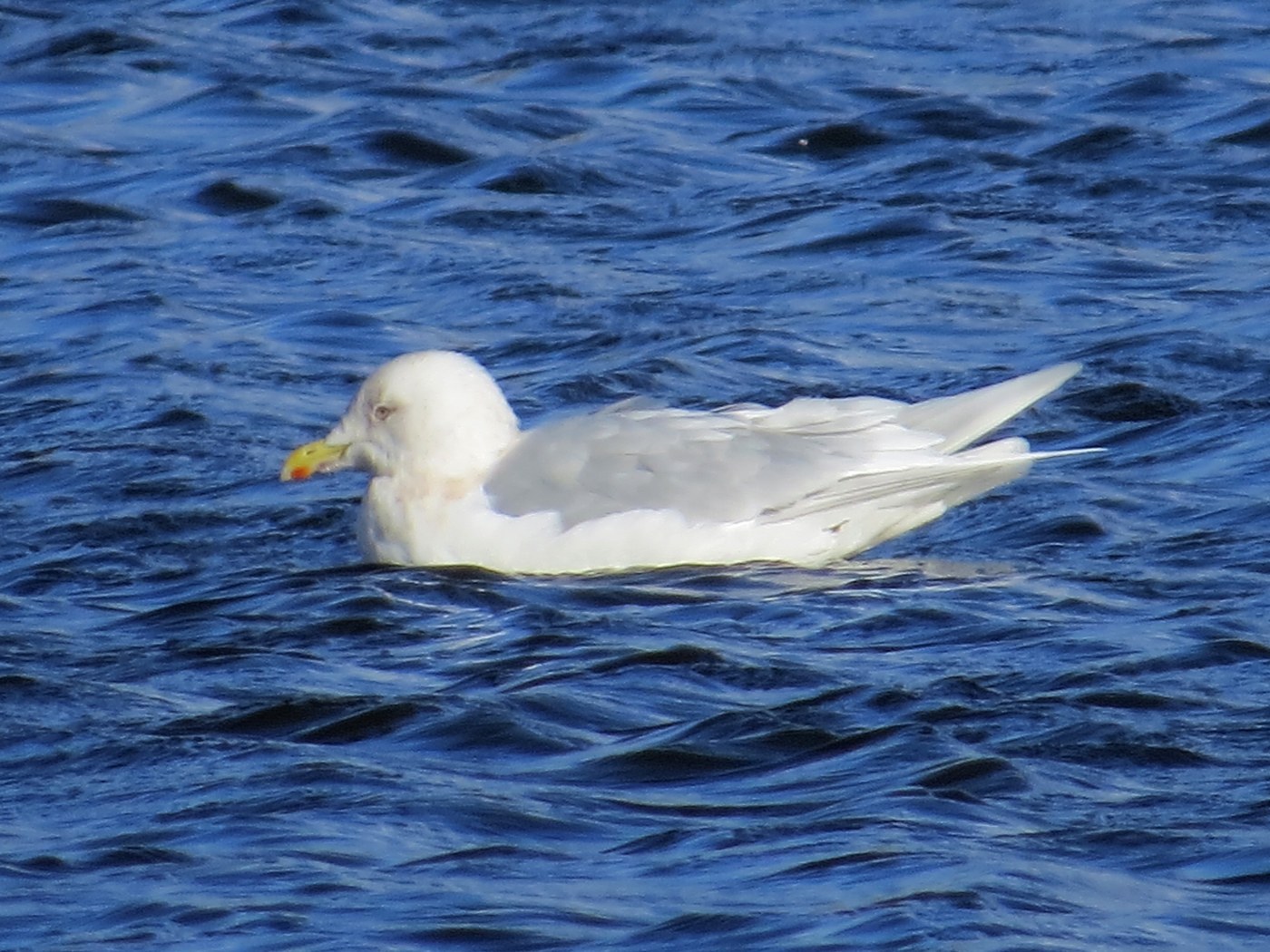
Iceland Gull
Body, flight, and tail feathers

Ring-billed Gull
Body, flight, and tail feathers

Glaucous-winged Gull
Body, flight, and tail feathers

Herring Gull
Body, flight, and tail feathers

Lesser Black-backed Gull
Body, flight, and tail feathers

California Gull
Body, flight, and tail feathers
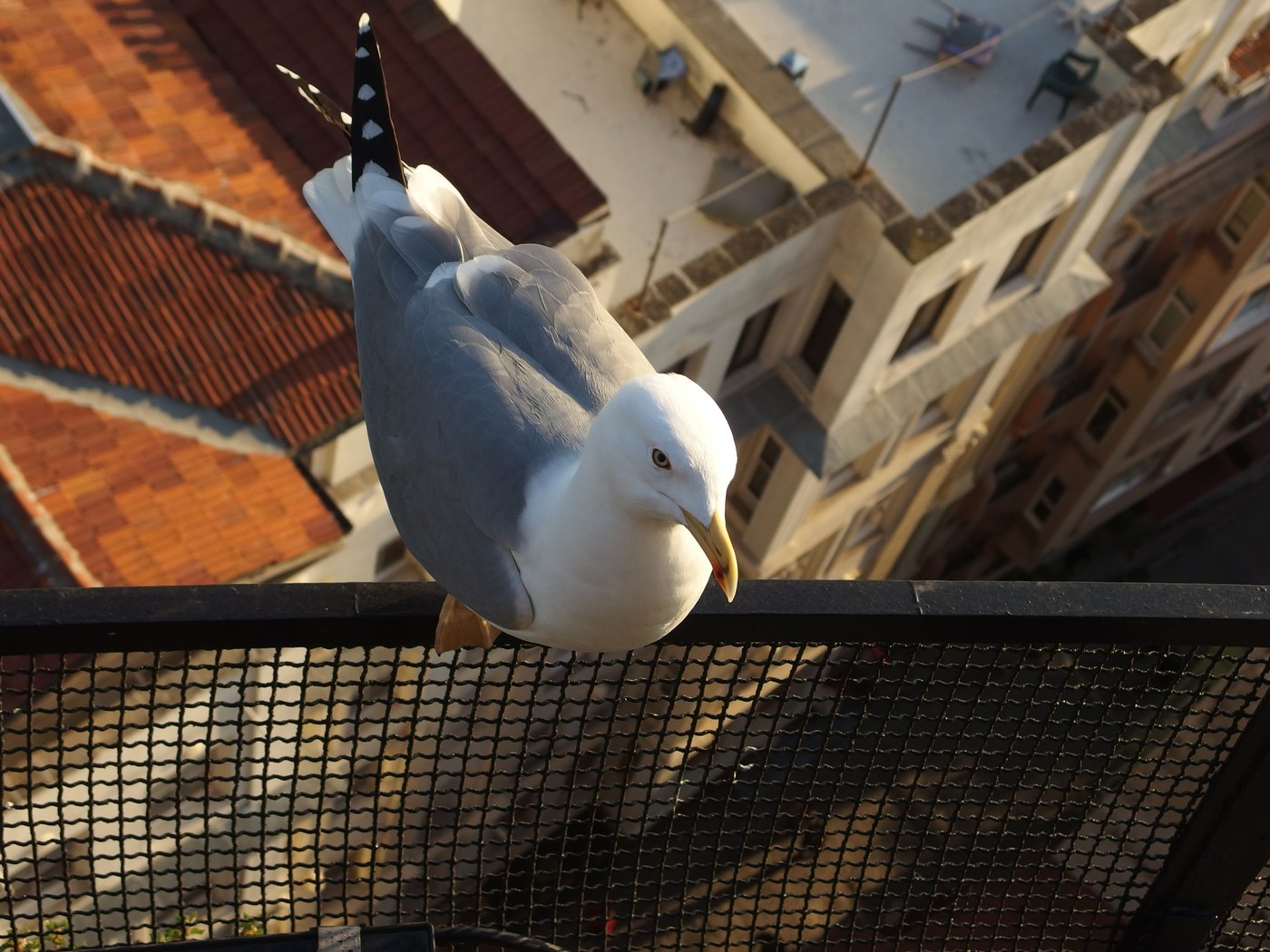
Yellow-legged Gull
Body, wing covert, and flight feathers