

Sandwich Tern
Thalasseus sandvicensis
A slender, crested tern of sandy coastlines, easily recognized by its shaggy black crest and long, slim black bill with a distinctive yellow tip.
- Feather type
- Body and flight feathers
- Colours
- Pale gray upperparts, white underparts, shaggy black crest
- Bird size
- Medium tern, ~37-43 cm
Found a feather like this?
Identify any feather from a photo, free.
Overview
Overview
The Sandwich Tern is a medium-sized crested tern found along coastlines of Europe, the Americas, and parts of Africa, named for the English town of Sandwich where it was first scientifically described rather than for any association with food. Its slender build, shaggy black crest, and long black bill tipped in yellow give it a distinctive appearance among coastal terns, and it is typically paler gray above than several of the smaller Sterna terns with which it may associate.
Sandwich Terns often forage well offshore and nest in dense colonies on sandy or gravelly coastal sites, frequently alongside other terns and gulls, forming large, active breeding aggregations.
Identifying the Feather
Feather Identification
- Wing feathers: Primaries and upperwing are pale gray, generally paler than in the smaller Sterna terns, with a subtle darkening on the outer primaries visible at close range.
- Crest feathers: Elongated black feathers on the crown and nape form a shaggy, often wind-ruffled crest, most pronounced in breeding adults and a useful distinguishing feature from crestless terns.
- Tail feathers: Moderately forked, pale gray and white.
- Size and shape: The bill is notably long, slender, and mostly black with a contrasting yellow tip, a distinctive combination among terns in its range.
- Compared to similar species: Royal Tern is larger with a heavier, mostly orange bill; Elegant Tern has a more slender, orange-yellow bill and different proportions; Sandwich Tern's black bill with a yellow tip is a reliable distinguishing feature from both.
Plumage & Molt
Plumage Details
Breeding adults show a black crest and cap, pale gray upperparts, white underparts, and a black bill with a yellow tip; legs are black. In nonbreeding plumage the forehead becomes white with a streaked or mottled black crown and crest, less crisp than the fully black breeding cap. Juveniles show dark markings on the back and wing coverts along with a duller bill lacking the sharply defined yellow tip, gradually acquiring the adult pattern over their first couple of years.
Habitat & Range
Habitat & Range
Sandwich Terns breed colonially on sandy beaches, dunes, and offshore islands along the coasts of Europe, the Americas, and parts of Africa, often nesting in dense aggregations alongside other terns and gulls. The species is migratory, with populations moving to wintering areas along tropical and subtropical coastlines, including the coasts of Africa and South America depending on the breeding population. It generally avoids inland waters, remaining closely tied to marine and estuarine environments.
Behavior & Field Notes
Behavior & Field Notes
Sandwich Terns forage by plunge-diving for small fish, often foraging further offshore than some smaller terns, and may forage in loose groups over schools of baitfish. They nest in dense colonies, sometimes numbering in the thousands, with minimal nest structure on open sand or gravel. The call is a distinctive, grating "kirrick" note, often given in flight and useful for detecting the species even before it is seen. Its long black bill with a yellow tip and shaggy crest are the most useful features for distinguishing this species from the similarly sized Royal and Elegant Terns.
Frequently asked questions
Why is it called the Sandwich Tern?
The name derives from the English town of Sandwich, where the species was first described scientifically, and has no connection to food.
How can I tell Sandwich Tern from Royal Tern?
Sandwich Tern is smaller with a slender black bill tipped in yellow, while Royal Tern is larger with a heavier, mostly orange bill.
What does the crest look like on this species?
Breeding adults show elongated black feathers on the crown and nape forming a shaggy crest, often visibly ruffled by wind, most pronounced during the breeding season.
Where does this species typically breed?
In dense colonies on sandy beaches, dunes, and offshore islands, often alongside other terns and gulls, along the coasts of Europe, the Americas, and parts of Africa.
Sandwich Tern guides
In-depth guides for identifying and understanding Sandwich Tern.

Other feathers you may enjoy

Western Gull
Body, flight, and tail feathers
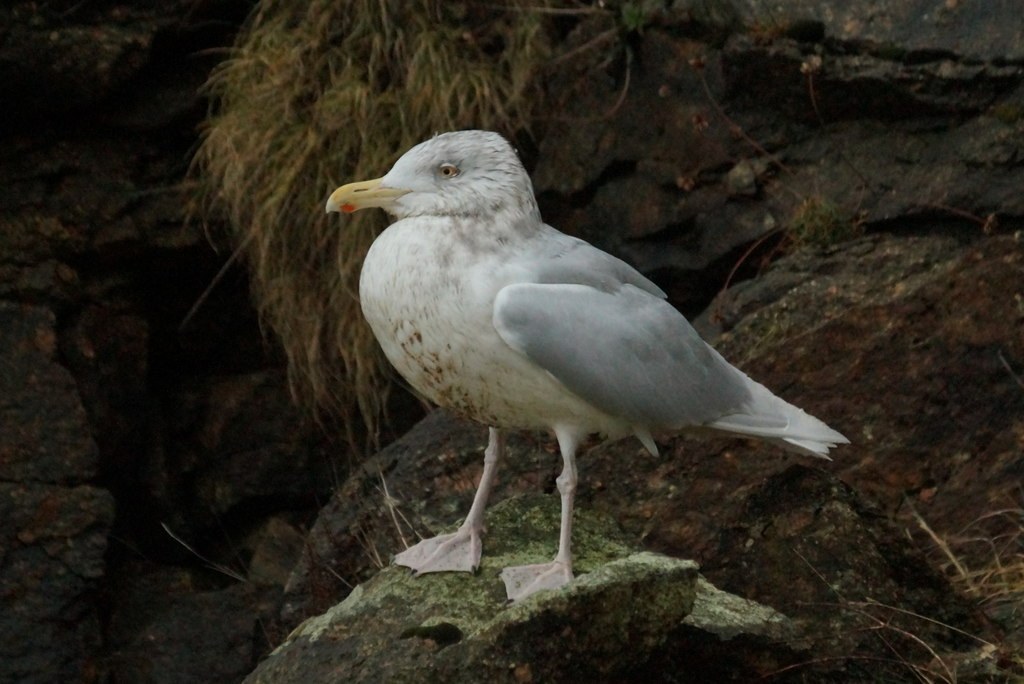
Glaucous Gull
Body, flight, and tail feathers

American Herring Gull
Body, flight, and tail feathers

Great Black-backed Gull
Body, flight, and tail feathers

Common Gull
Body, flight, and tail feathers
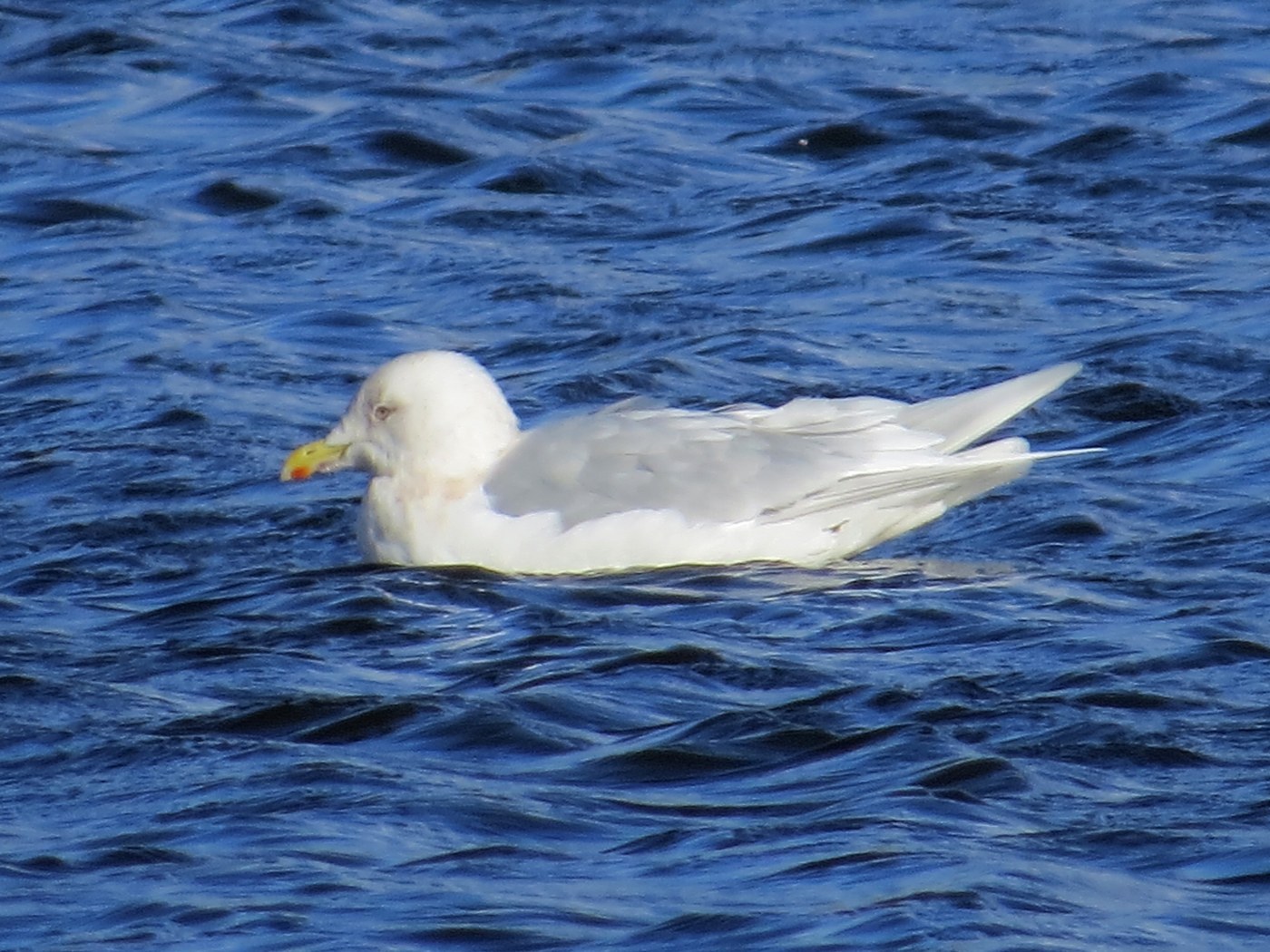
Iceland Gull
Body, flight, and tail feathers

Ring-billed Gull
Body, flight, and tail feathers

Glaucous-winged Gull
Body, flight, and tail feathers

Herring Gull
Body, flight, and tail feathers

Lesser Black-backed Gull
Body, flight, and tail feathers

California Gull
Body, flight, and tail feathers
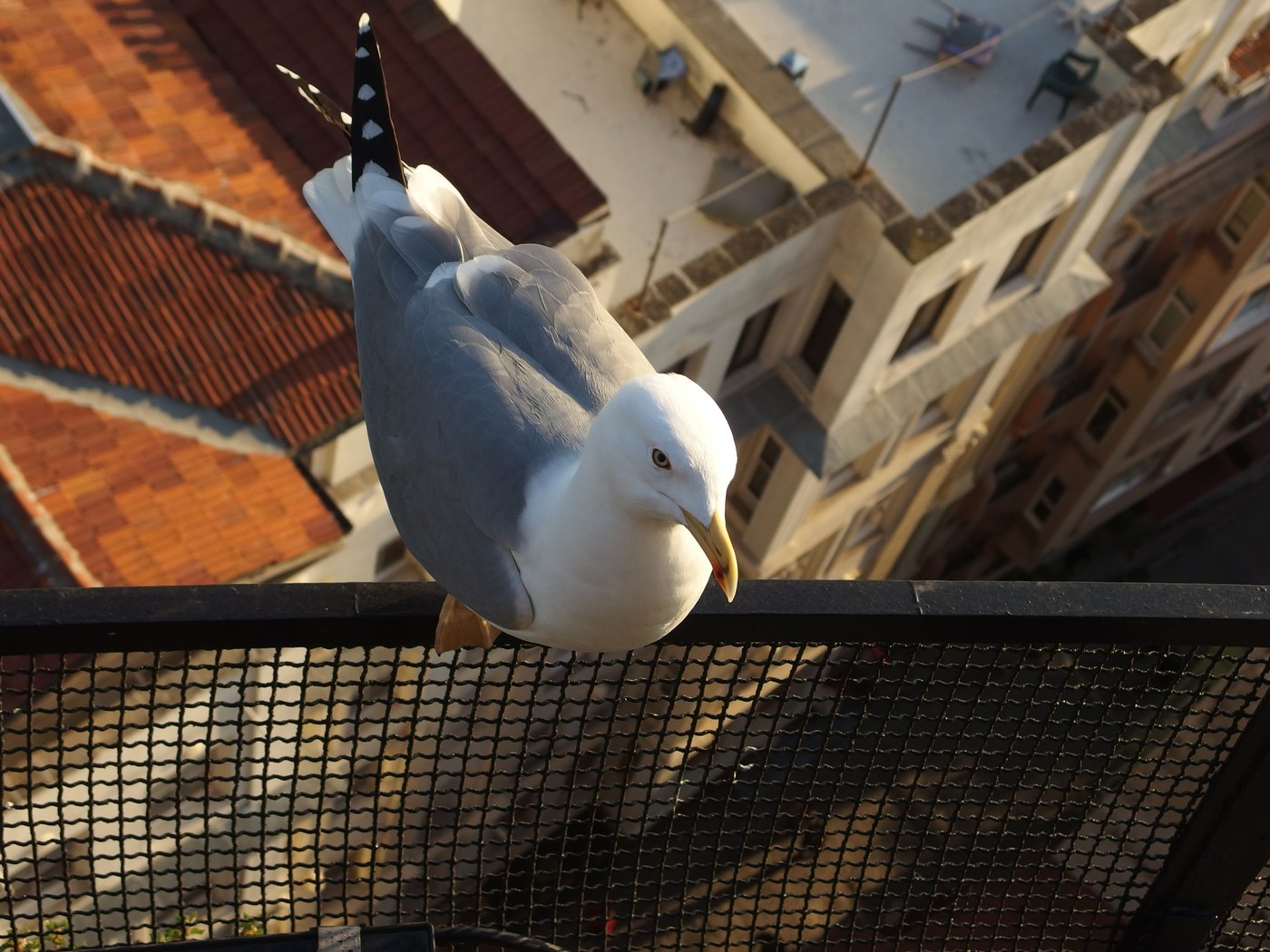
Yellow-legged Gull
Body, wing covert, and flight feathers