

Sooty Shearwater
Ardenna grisea
A dark, uniformly sooty-brown shearwater whose silvery-white underwing linings provide a striking flash of contrast during its long, powerful ocean flights.
- Feather type
- Long, narrow flight feathers built for sustained gliding
- Colours
- Uniform sooty brown with silvery underwing linings
- Bird size
- Medium-large, ~40-51 cm
Found a feather like this?
Identify any feather from a photo, free.
Overview
Overview
The Sooty Shearwater is a large, dark shearwater known for one of the longest annual migrations of any bird, crossing entire ocean basins between southern hemisphere breeding islands and productive northern feeding grounds. Its plumage is almost uniformly sooty brown, broken only by pale silvery underwing linings.
It is often seen in enormous feeding flocks numbering in the thousands, its dark silhouette and long, stiff-winged flight making it a familiar sight far offshore in both hemispheres during different seasons.
Identifying the Feather
Sooty Shearwater feathers are dark and relatively unpatterned compared to many other shearwaters.
- Body and upperwing feathers: Uniform sooty brown to chocolate-brown, without barring or strong contrast between body regions.
- Underwing coverts: Distinctly paler, silvery-gray to whitish, creating a notable two-tone effect when the underwing is spread, even though the flight feathers themselves remain dark.
- Flight feathers: Long, narrow, and dark brown, suited to the extended gliding flight typical of this species.
- Compared to Great Shearwater: Sooty Shearwater lacks the dark cap and pale collar pattern of the Great Shearwater, appearing more uniformly dark overall aside from the underwing contrast.
Plumage & Molt
Adults are uniformly sooty brown across the head, back, and upperwing, with paler, silvery underwing coverts providing the main area of contrast. Sexes look alike. Juveniles closely resemble adults. Molt is timed around the bird's long migratory schedule, with flight feather replacement generally occurring on the wintering grounds when demands of migration are lower.
Habitat & Range
Sooty Shearwaters breed colonially in burrows on islands around New Zealand, southern South America, and other southern hemisphere locations, then undertake a long trans-equatorial migration to feed in highly productive waters of the North Pacific and North Atlantic during the austral winter. They are almost entirely pelagic, favoring cool, nutrient-rich offshore waters.
Behavior & Field Notes
This shearwater feeds by pursuit-diving, sometimes to considerable depths, on small schooling fish and squid, often forming massive feeding flocks with other seabirds and marine mammals over abundant prey. Its flight consists of powerful, stiff-winged glides low over the water, well adapted to covering vast migratory distances efficiently. Nesting takes place in burrows visited at night, with a single egg laid per season. Calls are harsh, throaty notes given mainly at night around breeding colonies.
Frequently asked questions
What is distinctive about Sooty Shearwater feathers?
Uniform sooty brown coloring throughout the body and upperwing, contrasted by notably paler, silvery-gray underwing covert feathers.
How can I tell a Sooty Shearwater feather from a Great Shearwater feather?
Sooty Shearwater lacks the dark cap and pale hindneck collar pattern seen in Great Shearwater, appearing more evenly dark aside from the underwing contrast.
Why does the Sooty Shearwater travel so far between seasons?
It breeds in the southern hemisphere and migrates to highly productive northern hemisphere waters to feed during the austral winter, one of the longest migrations of any bird species.
Where would a Sooty Shearwater feather most likely be found?
Along cool, productive offshore waters in either hemisphere depending on season, or near burrow colonies on southern hemisphere breeding islands.
Sooty Shearwater guides
In-depth guides for identifying and understanding Sooty Shearwater.

Other feathers you may enjoy

Western Gull
Body, flight, and tail feathers
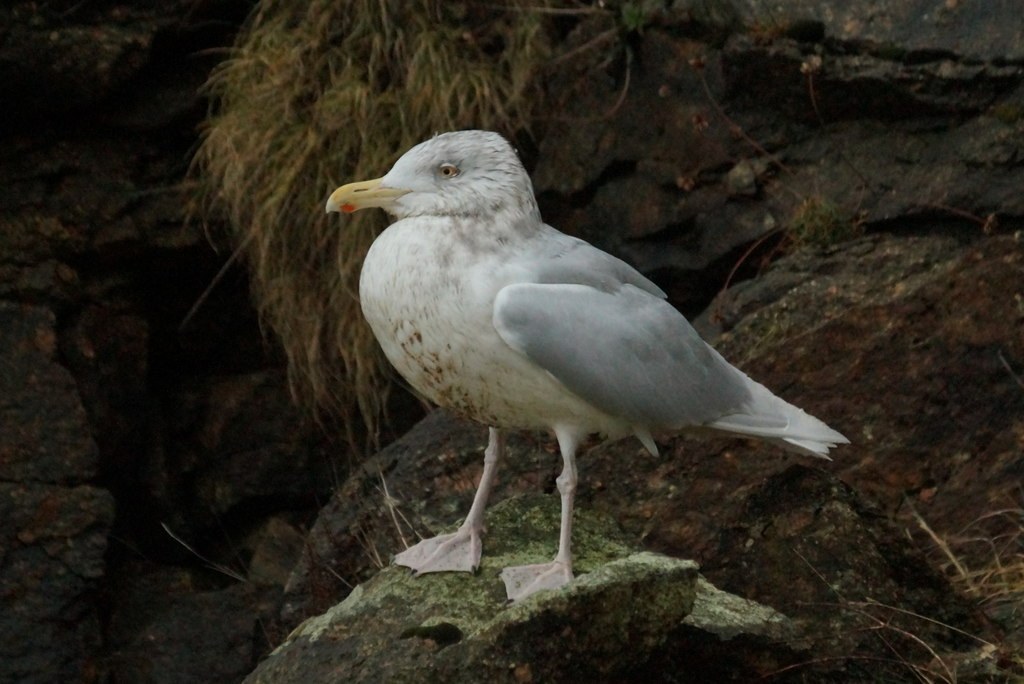
Glaucous Gull
Body, flight, and tail feathers

American Herring Gull
Body, flight, and tail feathers

Great Black-backed Gull
Body, flight, and tail feathers

Common Gull
Body, flight, and tail feathers
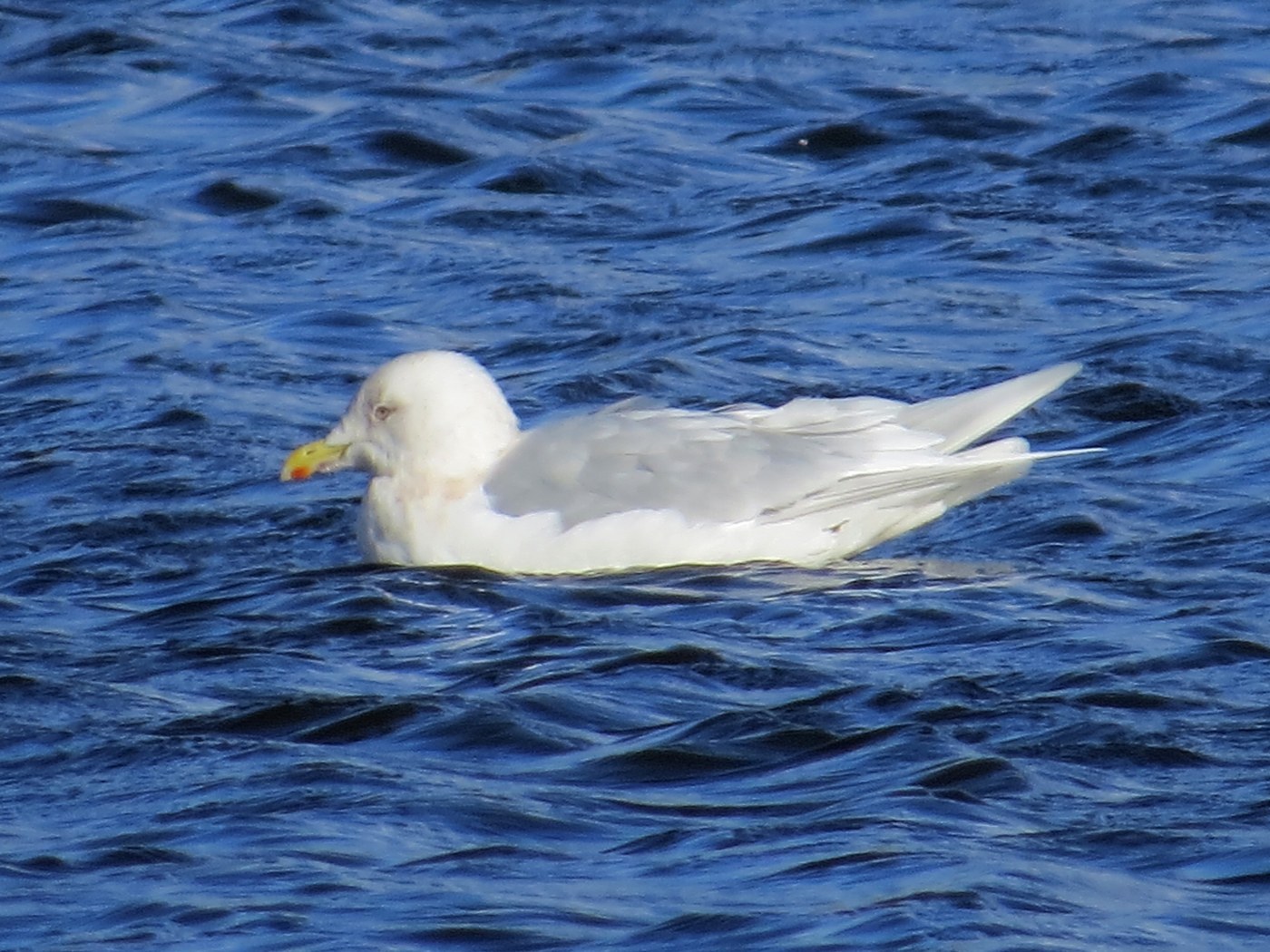
Iceland Gull
Body, flight, and tail feathers

Ring-billed Gull
Body, flight, and tail feathers

Glaucous-winged Gull
Body, flight, and tail feathers

Herring Gull
Body, flight, and tail feathers

Lesser Black-backed Gull
Body, flight, and tail feathers

California Gull
Body, flight, and tail feathers
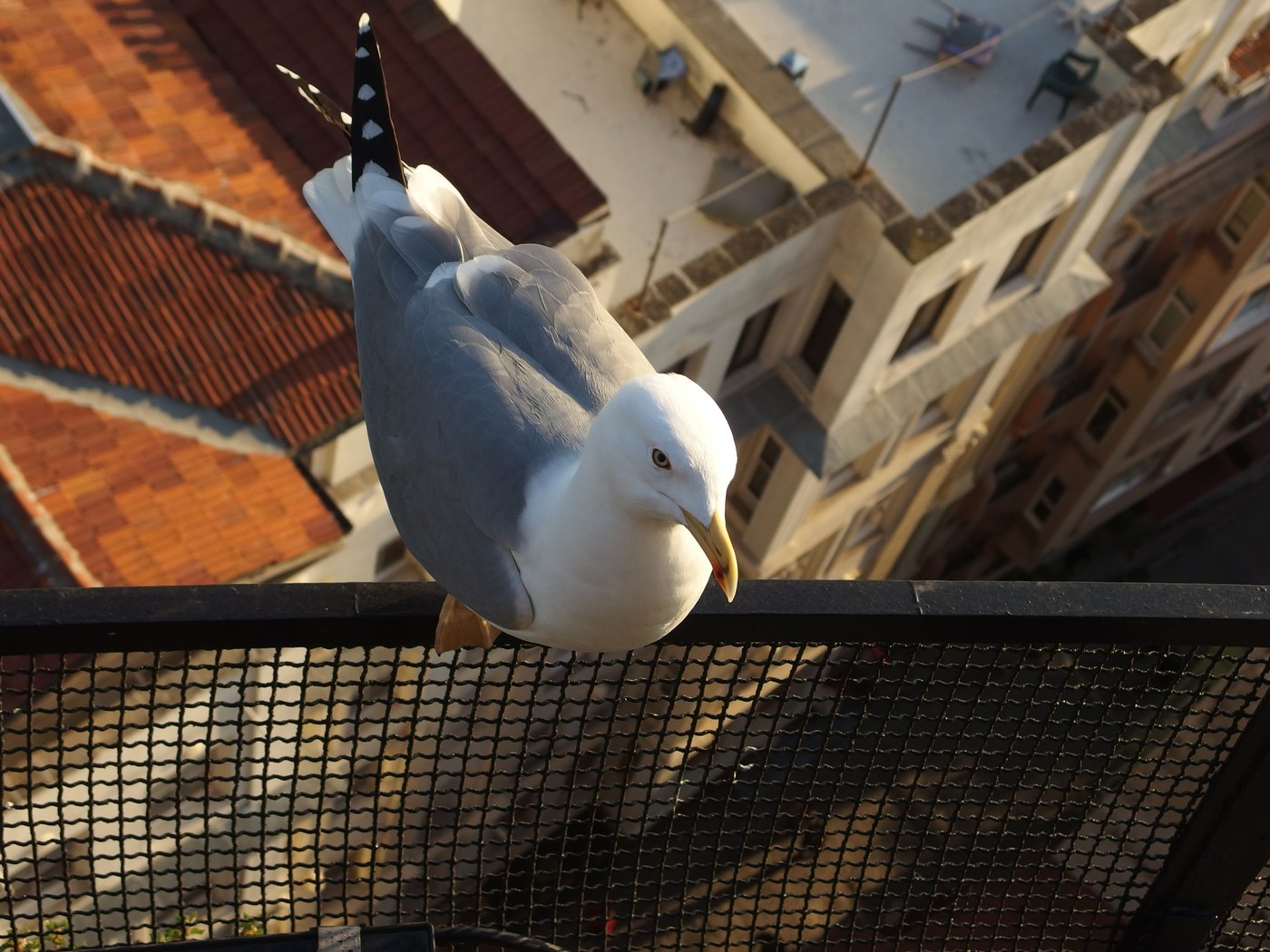
Yellow-legged Gull
Body, wing covert, and flight feathers