
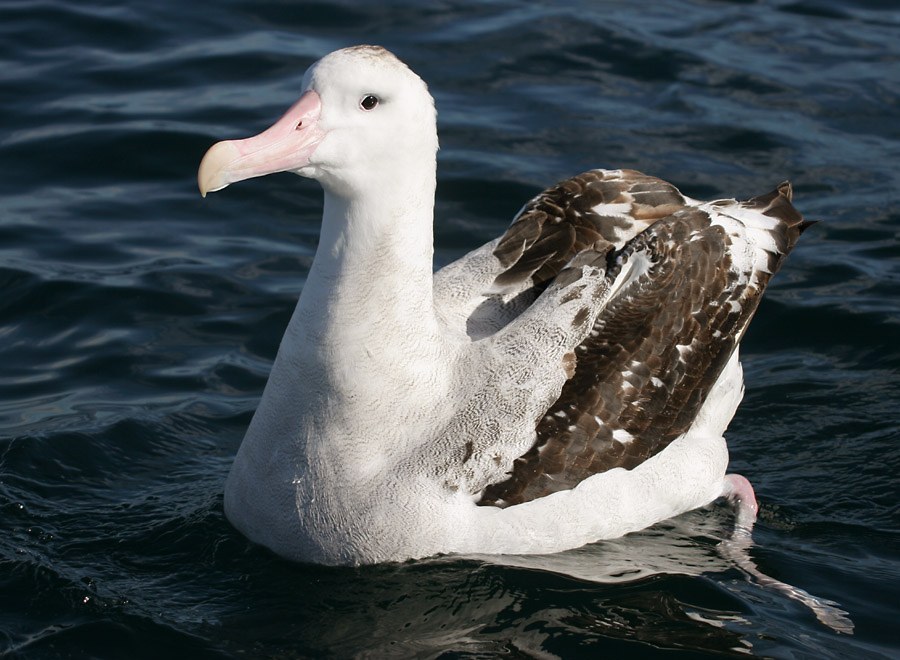
Wandering Albatross
Diomedea exulans
The largest of all flying birds by wingspan, an immense white seabird of the Southern Ocean whose plumage whitens progressively with age over many years.
- Feather type
- Contour, flight (very long primaries and secondaries), and tail feathers
- Colours
- White body increasing with age, black wingtips and trailing edge
- Bird size
- Very large, ~107-135 cm, largest wingspan of any living bird
Found a feather like this?
Identify any feather from a photo, free.
Overview
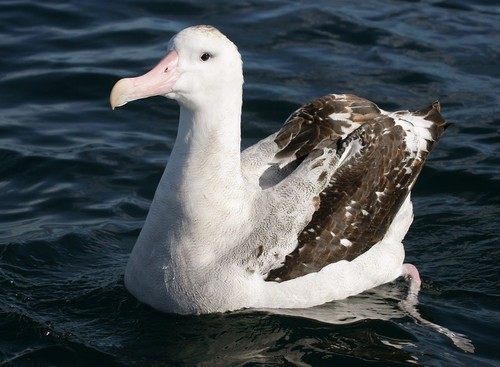
The Wandering Albatross holds the record for the greatest wingspan of any living bird, allowing it to glide for vast distances over the Southern Ocean with minimal effort. Its plumage changes dramatically over a long maturation period, with young birds mostly dark brown gradually becoming almost entirely white as fully mature adults.
Identifying the Feather
- Adult body feathers are predominantly white, with the extent of white increasing with age; the oldest adults can appear almost entirely white apart from black wingtips
- Flight feathers are extremely long, narrow, and stiff, adapted for dynamic soaring over open ocean with minimal flapping
- The upperwing shows black along the trailing edge and wingtips even in the whitest adults, with the amount of black decreasing as birds age
- Juvenile and immature feathers are mostly chocolate-brown, with a white face and underwing, gradually acquiring white body feathers over successive molts
- Tail feathers are white in older adults, sometimes with limited dark markings in younger birds
Plumage & Molt
- Juveniles are largely dark chocolate-brown with a white face mask and white underwing linings
- Plumage whitens progressively over roughly a decade or more of successive molts, passing through variably mottled brown-and-white intermediate stages
- Fully mature adults are almost entirely white with black wingtips and a variable black trailing edge to the wing
- Sexes are similar, though males tend to attain a whiter plumage than females at a given age
- Molt is slow and protracted, spread over long periods between the species' extended breeding cycle
Habitat & Range
Wandering Albatrosses breed on remote subantarctic islands, including South Georgia, the Crozet and Kerguelen Islands, and other far-southern outposts, nesting on open, tussock-covered ground. Outside of breeding they range enormously across the Southern Ocean, circling the globe on prevailing westerly winds and rarely coming near land except to breed.
Behavior & Field Notes
This albatross forages by seizing squid, fish, and other prey from the ocean surface, often following ships and covering immense distances in search of food using dynamic soaring flight that exploits wind gradients over waves. It breeds biennially at most, laying a single egg and raising the chick over a very long fledging period reflecting the difficulty of provisioning over such a huge foraging range. Pairs perform elaborate mutual displays at the nest, and adults are largely silent at sea aside from bill-clattering and braying calls during courtship.
Frequently asked questions
How can feather color tell me the age of a Wandering Albatross?
Younger birds have mostly dark chocolate-brown feathers, while plumage becomes progressively whiter through a series of molts over many years, with only the oldest adults showing an almost entirely white body.
Does the Wandering Albatross always have black wingtips?
Yes, black wingtips persist even in the whitest, most mature adults, though the amount of black along the trailing edge of the wing tends to decrease with age.
Why does the Wandering Albatross need such long wings?
Its extremely long, narrow wings allow it to glide efficiently for great distances over the Southern Ocean using dynamic soaring, conserving energy on long foraging trips.
How often does the Wandering Albatross breed?
Because raising a single chick takes so long, successful pairs typically breed only every other year rather than annually.
Wandering Albatross guides
In-depth guides for identifying and understanding Wandering Albatross.
Other feathers you may enjoy

Western Gull
Body, flight, and tail feathers
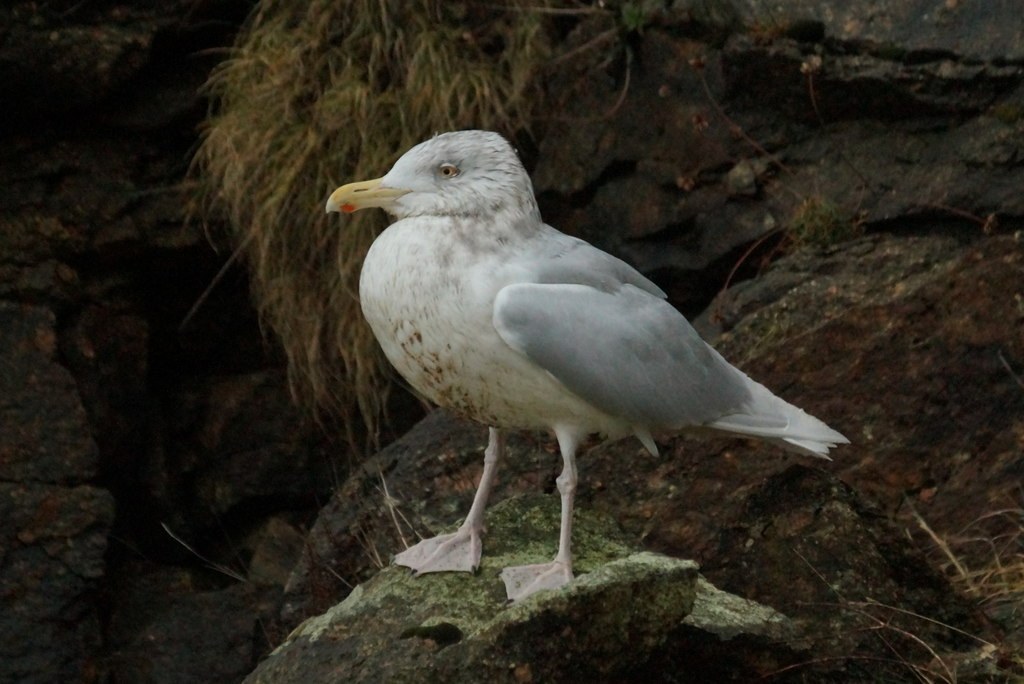
Glaucous Gull
Body, flight, and tail feathers

American Herring Gull
Body, flight, and tail feathers

Great Black-backed Gull
Body, flight, and tail feathers

Common Gull
Body, flight, and tail feathers
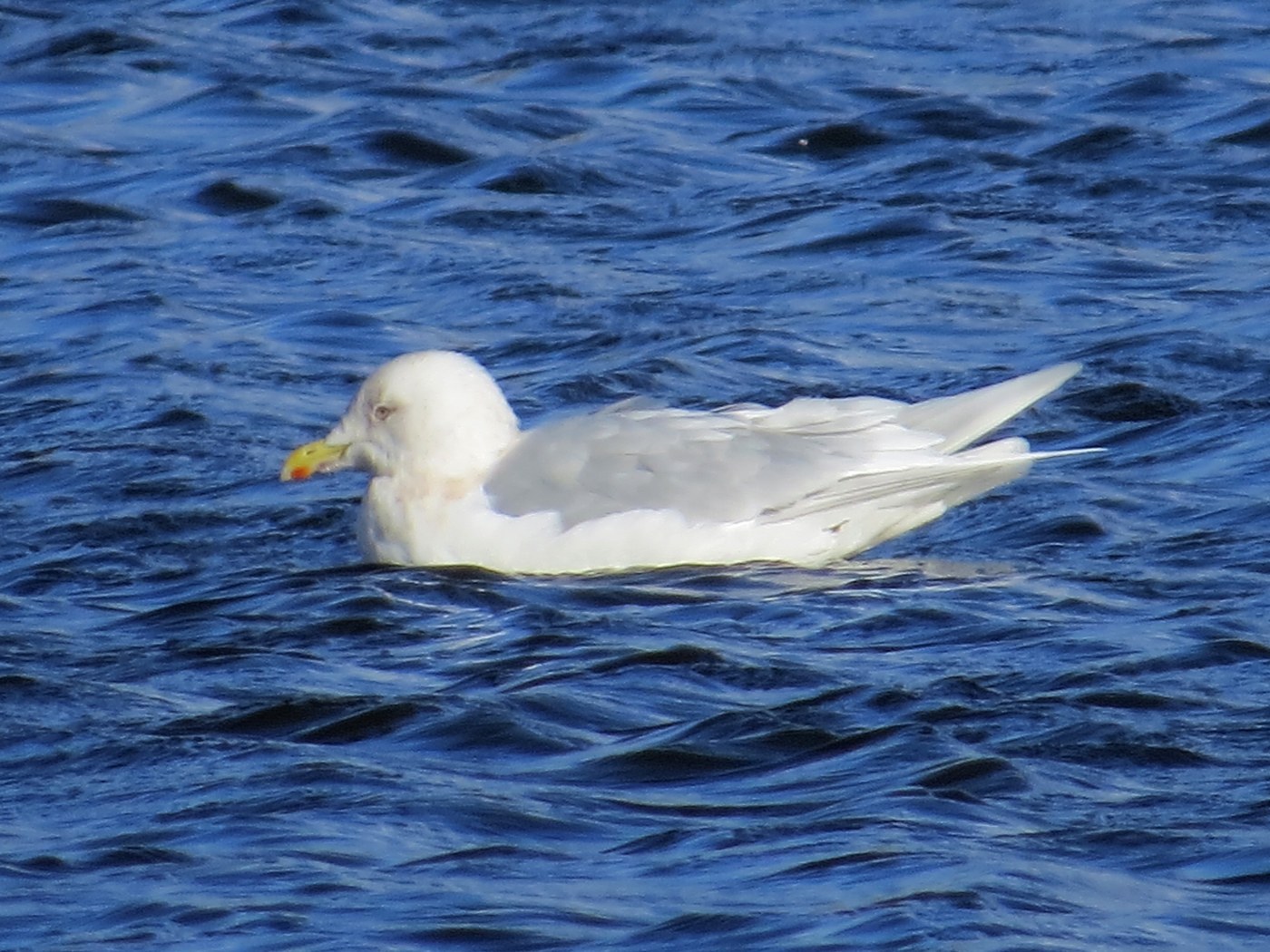
Iceland Gull
Body, flight, and tail feathers

Ring-billed Gull
Body, flight, and tail feathers

Glaucous-winged Gull
Body, flight, and tail feathers

Herring Gull
Body, flight, and tail feathers

Lesser Black-backed Gull
Body, flight, and tail feathers

California Gull
Body, flight, and tail feathers
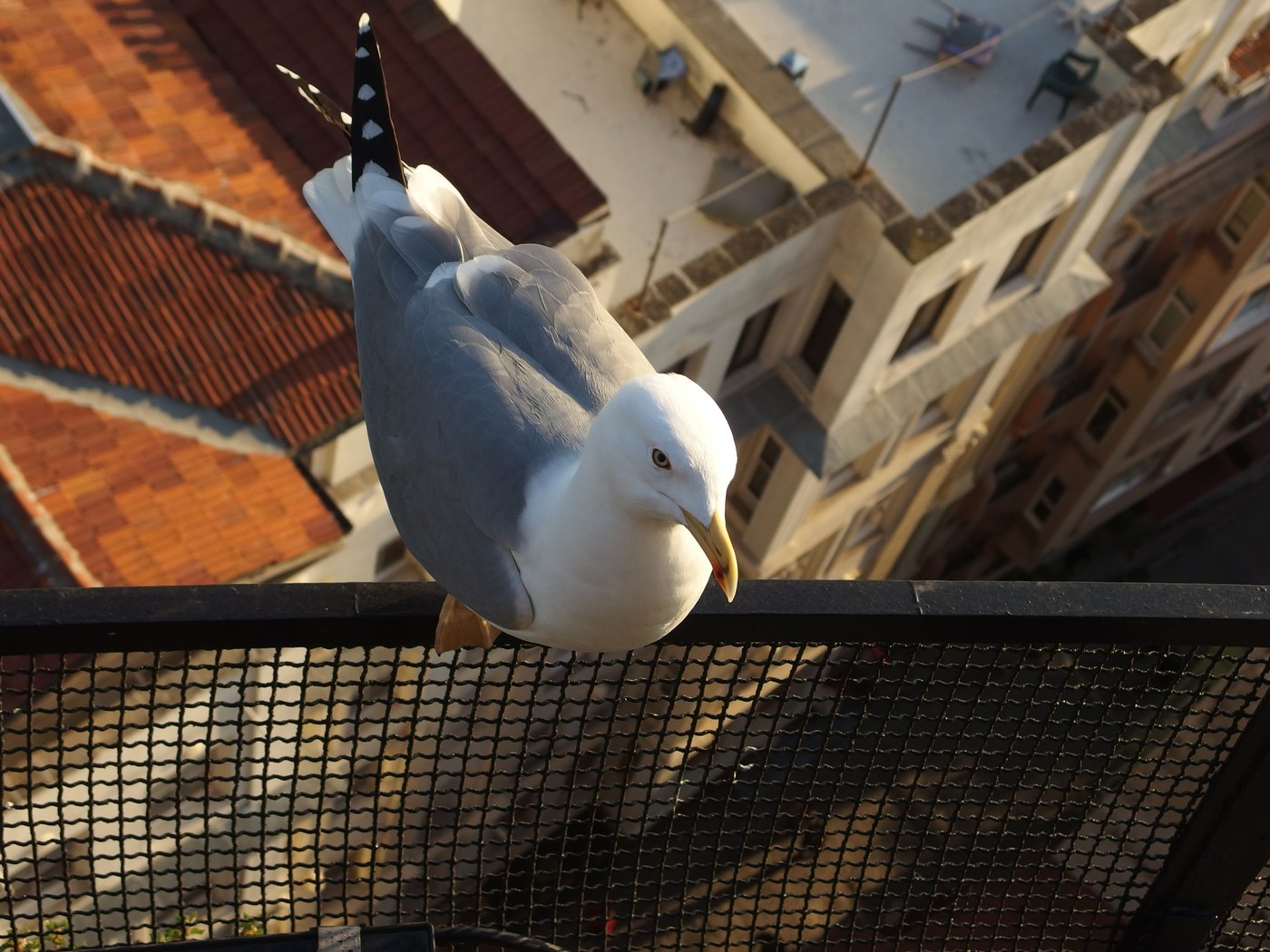
Yellow-legged Gull
Body, wing covert, and flight feathers