

American Herring Gull
Larus smithsonianus
The North American counterpart to the Eurasian Herring Gull, the American Herring Gull shows very similar pale gray-and-white plumage with black wingtip spots, but with subtly darker gray tones and pinkish legs.
- Feather type
- Body, flight, and tail feathers
- Colours
- Pale gray back, white underparts, black wingtips with white mirrors
- Bird size
- Large gull, ~58-66 cm
Found a feather like this?
Identify any feather from a photo, free.
Overview
The American Herring Gull is the common large 'gray-backed' gull of North America, closely related to and formerly considered the same species as the Eurasian Herring Gull. It shows the same classic gull plumage pattern of pale gray back, white head and underparts, and black-tipped wings, and like its Old World counterpart takes several years to mature through a series of mottled brown immature plumages.
Identifying the Feather
Adult mantle feathers are pale to medium gray, similar in shade to Eurasian Herring Gull though averaging slightly darker in some populations, contrasting with clean white head and underparts feathers. Outer primary feathers are black with white tips and one or two white mirrors near the tip. Immature birds in their first year show heavily mottled brown and buff feathers throughout, gradually acquiring gray back feathers and reducing brown mottling over about four years. Winter adults show brownish streaking on the head, unlike the pure white head of breeding adults. Distinguishing this species from Eurasian Herring Gull by feather alone is difficult and often relies on subtle differences in gray tone, wingtip pattern extent, and overall structure rather than a single diagnostic feather feature.
Plumage & Molt
Sexes look alike, with males averaging larger. This is a four-year gull, progressing through a series of increasingly gray, less mottled brown plumages annually before reaching full adult pattern around the fourth year. Nonbreeding adults show streaked brownish head and neck feathers, molting to a clean white head for the breeding season. A complete post-breeding molt replaces flight feathers over an extended period, typically completed before winter.
Habitat & Range
Breeds along coastlines, offshore islands, and around the Great Lakes and other large inland waters across Canada and the northern United States. Outside the breeding season it ranges more broadly along coasts, large rivers, lakes, and landfills throughout much of North America, with northern populations migrating south in winter while others remain closer to breeding areas year-round.
Behavior & Field Notes
American Herring Gulls are opportunistic feeders, taking fish, invertebrates, carrion, and refuse, and are frequent visitors to landfills, harbors, and fishing operations, as well as natural coastal and lake habitats. Nests are built on the ground, cliff ledges, or occasionally rooftops, often in colonies, with both parents sharing incubation and chick-rearing. Its call is a loud, wailing series similar to other large gulls.
Frequently asked questions
How similar are American Herring Gull and Eurasian Herring Gull feathers?
They are very similar, both showing pale gray backs and black wingtips with white mirrors; separating them by feather alone is difficult and often relies on subtle shade and pattern differences rather than one clear diagnostic mark.
How many years does it take for an American Herring Gull to reach adult plumage?
About four years, passing through a sequence of increasingly gray, less heavily mottled immature plumages each year.
Where does the American Herring Gull breed?
Along coastlines, offshore islands, and around the Great Lakes and other large inland waters across Canada and the northern United States.
What do American Herring Gulls eat?
They are opportunistic feeders taking fish, invertebrates, carrion, and human food waste, often foraging at landfills and fishing areas as well as natural habitats.
American Herring Gull guides
In-depth guides for identifying and understanding American Herring Gull.

American Herring Gull identified by the community
Real feathers identified with Feather Identifier.

Other feathers you may enjoy

Western Gull
Body, flight, and tail feathers
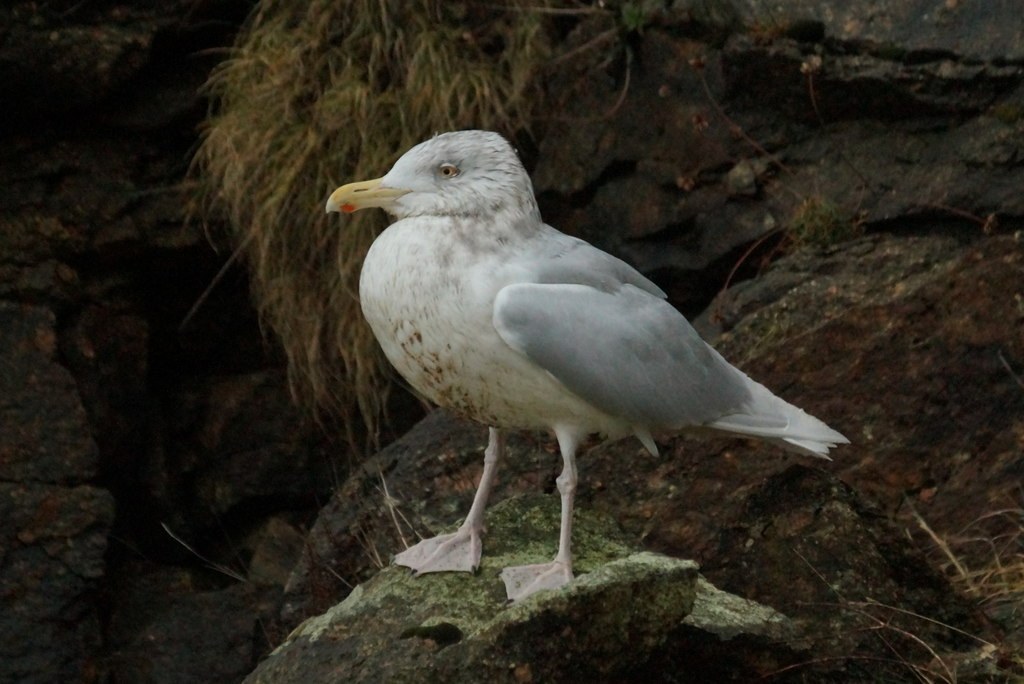
Glaucous Gull
Body, flight, and tail feathers

Great Black-backed Gull
Body, flight, and tail feathers

Common Gull
Body, flight, and tail feathers
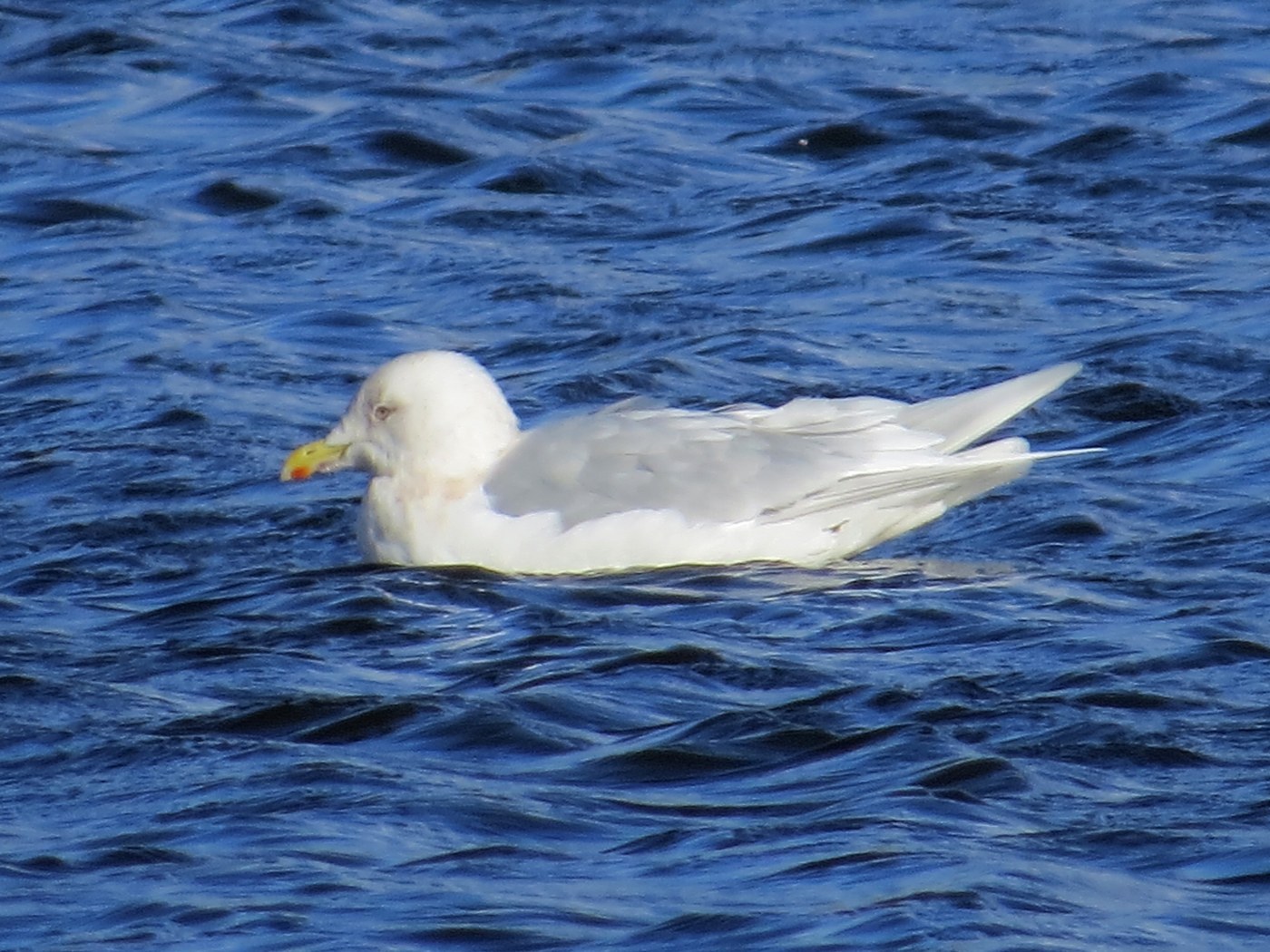
Iceland Gull
Body, flight, and tail feathers

Ring-billed Gull
Body, flight, and tail feathers

Glaucous-winged Gull
Body, flight, and tail feathers

Herring Gull
Body, flight, and tail feathers

Lesser Black-backed Gull
Body, flight, and tail feathers

California Gull
Body, flight, and tail feathers
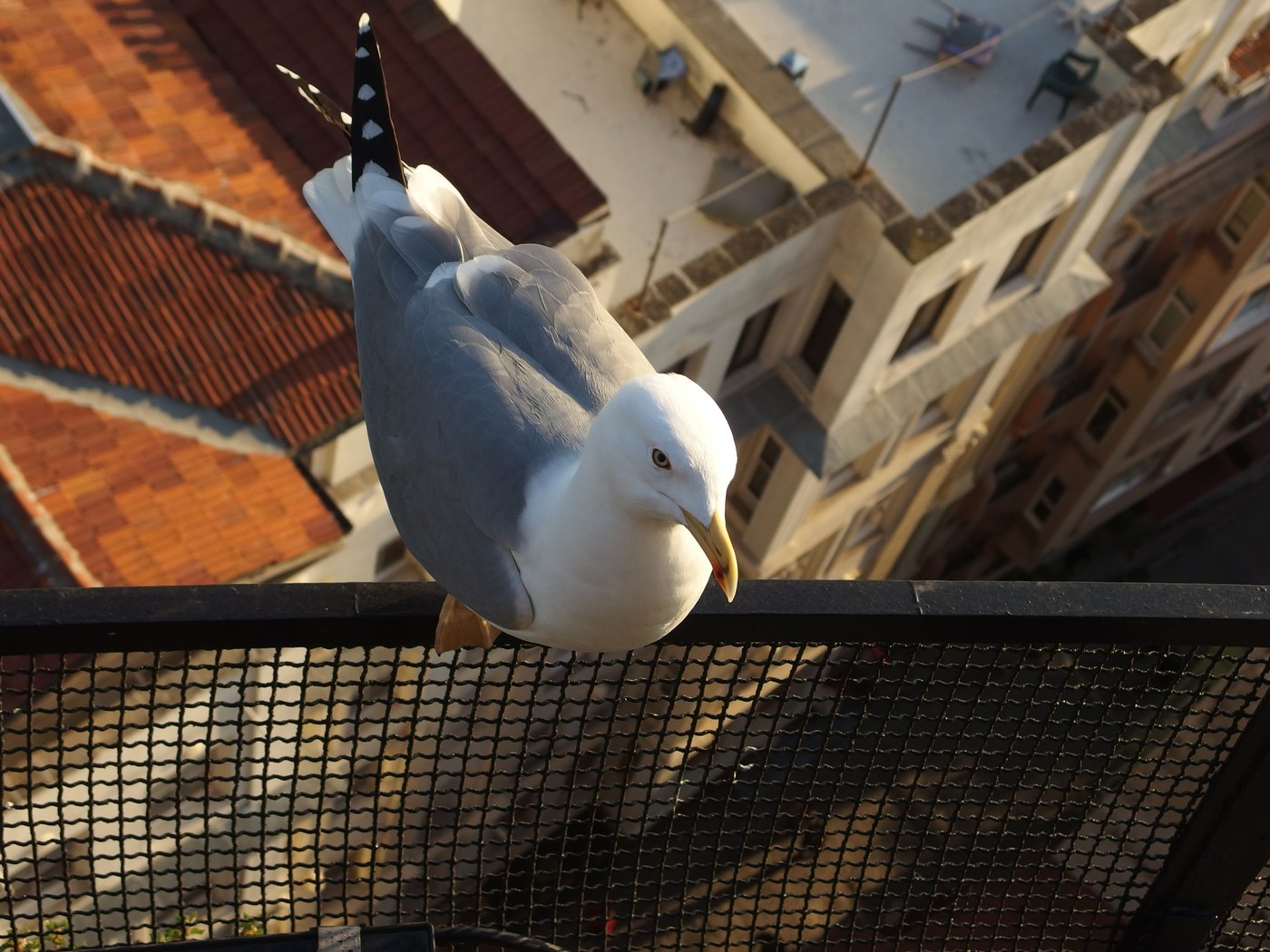
Yellow-legged Gull
Body, wing covert, and flight feathers
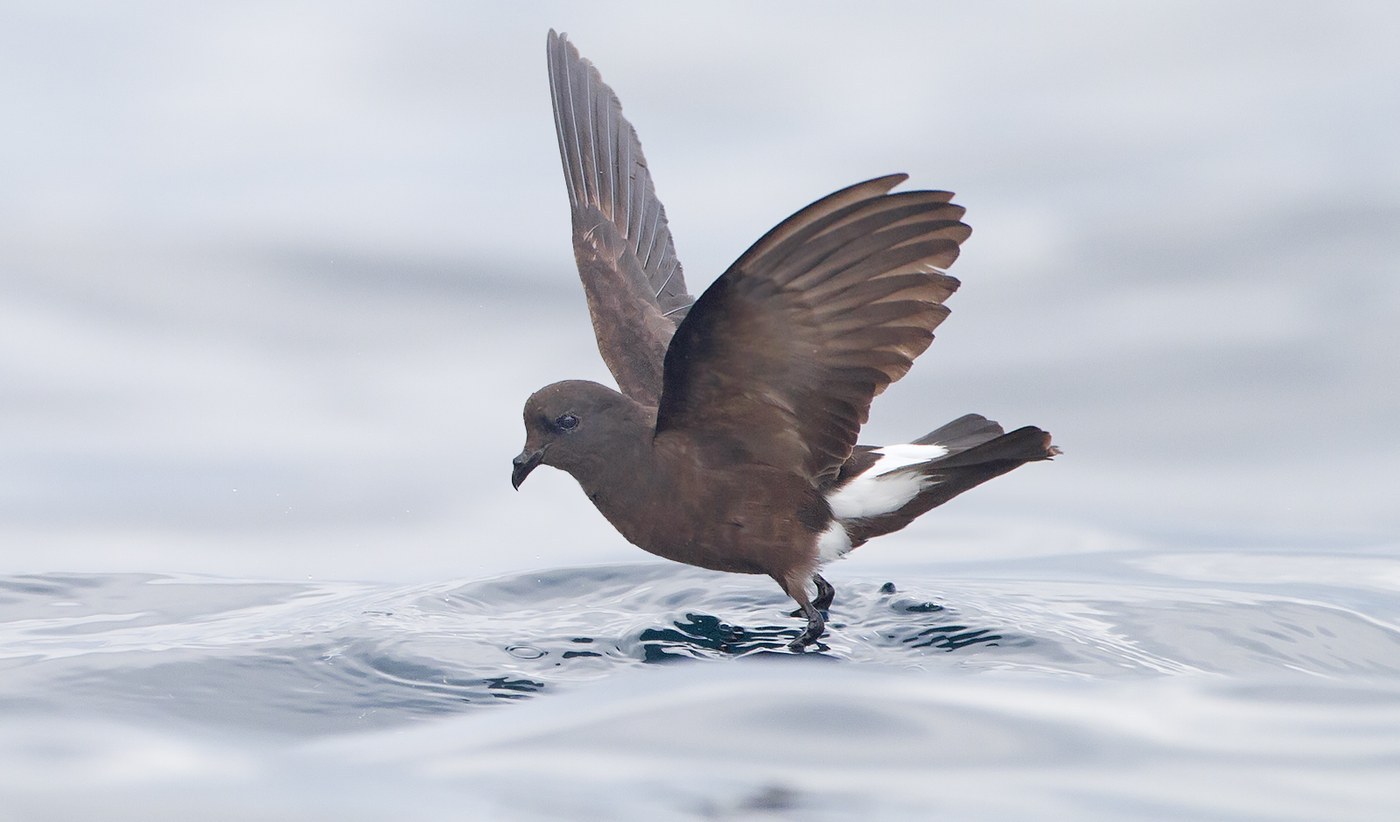
Wilson's Storm-Petrel
Small, soft flight and body feathers