
Identify any featherand the bird it came from.
Found a feather on a trail, in your yard, or by the shore? Snap a photo and Feather Identifier names it in seconds — the feather type, the bird it belongs to, and how to tell them apart in the field.

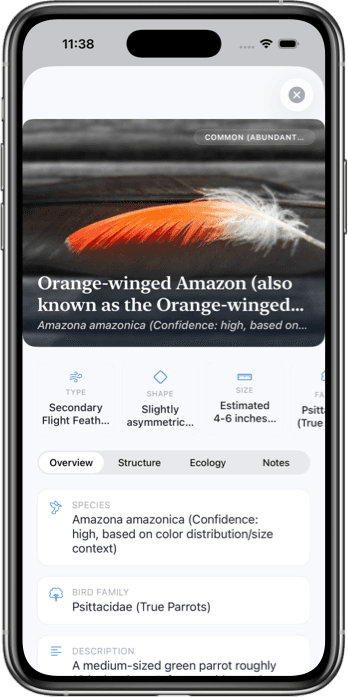
Live from the field
Recent identifications
A rolling collection of feathers just identified by the Feather Identifier community.

Likely Rock Pigeon (Feral Pigeon; also called the Common Pigeon)
Likely a large contour feather or secondary flight feather; exact position is not clear from the photo.
Likely Barred Owl; also known as the Northern Barred Owl
Likely a barred flight feather, perhaps a secondary; exact position cannot be determined confidently from the image.
Likely Mallard (wild or domestic-type Mallard); exact species uncertain
Likely a wing flight feather, probably a secondary; exact position cannot be established from the image.
Large dark bird feather; exact species cannot be identified from this photo. Possible crow, raven, or large dark waterbird.
Likely a large flight feather, possibly a primary or secondary; exact position is unclear.
Likely Barred Owl; also called the Hoot Owl
Likely a contour feather from the wing or tail; exact position cannot be determined confidently.
White or pale domestic pigeon (rock pigeon); exact bird uncertain.
Likely a small contour or body feather; position cannot be determined reliably.
Unidentified bird feather; species cannot be reliably determined from this image.
Loose contour feather, possibly a small body or covert feather; exact tract uncertain.
Likely Wild Turkey (Turkey)
Small contour feather, possibly from the body or wing coverts; exact position cannot be determined.
Likely Wild Turkey (Turkey)
Likely a body or wing-covert feather; exact position cannot be established from the image.
Large dark waterbird; likely a cormorant or goose, but not identifiable to common name from this image
Likely a large wing flight feather, possibly a secondary; exact position uncertain
Likely crow (American Crow or another Corvus species); exact species cannot be determined from this image.
Likely a wing flight feather, though its exact position is uncertain.
Likely Great Horned Owl; also called Tiger Owl or Hoot Owl.
Several feathers are visible, including long tail feathers (rectrices) and possibly wing feathers; exact positions are uncertain.
Owl feather; likely a large owl, but species cannot be reliably identified from this close-up. Barred Owl or Great Horned Owl are possibilities.
Likely a body contour feather or covert; exact placement is unclear.
Unidentified small bird; exact common name cannot be determined from this feather alone.
Small contour or semiplume feather, likely from the body; exact tract is indeterminate.
Unknown; the white feather is not diagnostic enough to identify a bird or alternate common name.
Small contour feather, possibly from the body; exact tract cannot be determined.
Wild Turkey (Turkey)
Likely a wing flight feather, probably a secondary; exact position cannot be established from the photo.
Owl, species undetermined
Small contour or covert feather with a downy base; exact tract cannot be determined.
Likely Rock Pigeon (feral pigeon), also called Rock Dove; exact species uncertain from a single feather.
Likely a wing flight feather, perhaps a secondary; the feather is too worn or damaged to determine position confidently.
Large dark waterbird; possibly a Canada Goose or cormorant, but species cannot be identified reliably from this feather alone.
Likely a large flight feather, possibly a primary, though the image does not establish its exact position.
Likely Barred Owl; also called the hoot owl
Likely a body or wing-coverts feather; exact tract uncertain
Likely Common Raven (Northern Raven)
Two small contour or covert feathers; exact tract and position are uncertain.
Unidentified gray-and-white bird; possibly a dove or pigeon
Likely a small contour feather or covert; exact position cannot be established
Likely Barred Owl; exact species uncertain from one feather.
Likely a body or wing-covert feather; exact position is not determinable from the photograph.
Unidentified bird feather; species cannot be reliably determined from the image
Likely a small contour feather, though the specimen is partly obscured by vegetation
Domestic pigeon (Rock Pigeon; also called Rock Dove)
Several overlapping feathers are visible, likely wing flight feathers or large coverts; exact positions cannot be determined.
Likely Northern Mockingbird (also called Common Mockingbird)
Likely a wing flight feather, perhaps a secondary or primary; exact position cannot be determined from the photo.
Likely Barred Owl (also known as Hoot Owl); identification is tentative from one feather.
Likely a contour feather, possibly from the wing or tail; exact tract cannot be determined confidently from the image.
Wild Turkey (also Turkey)
Likely a tail or upper-tail covert feather; exact position uncertain.
Unidentified small brown bird; species cannot be determined reliably from this image.
Likely a small contour or wing covert feather; exact placement is uncertain.
Likely domestic chicken (also called chicken or fowl); exact bird is uncertain.
Several feathers are shown, likely body/wing feathers; exact feather tract is indeterminate.
Unidentified dark-colored bird; possibly a crow or raven
Likely a wing flight feather, possibly a secondary, but position cannot be confirmed from the image
Unidentified bird; likely a medium-sized dark-colored bird. The image does not support a reliable species identification.
Likely a flight feather, possibly a secondary or tail feather; exact position cannot be determined.
Likely crow (American Crow or Northwestern Crow); exact species cannot be determined from this image.
Likely a contour feather, possibly from the wing or tail; its exact position is not identifiable from the image.
Peacock (Indian Peafowl); the colorful feather eye is often called a train feather.
Likely a small train/upper-tail-cover feather fragment, though its exact position is uncertain.
Domestic pigeon (rock pigeon; common pigeon)
Likely a wing flight feather, perhaps a secondary; exact position is indeterminable from the image.
Unidentified small bird; possibly a pigeon/dove or other gray-and-white bird (no reliable common-name identification from this view).
Likely a small flight feather or large covert; exact position is unclear.
Domestic chicken (likely a pale or white chicken); exact breed unknown.
Loose, fluffy body feather, likely a downy contour feather or semiplume; precise tract cannot be determined.
Helmeted Guineafowl (also Guinea fowl)
Likely contour feather, possibly from the body or wing coverts; exact position is uncertain.
Unidentified small gray bird; possibilities include a dove or pigeon. Species cannot be reliably identified from this feather alone.
Likely a small contour or covert feather; exact position cannot be determined.
Likely wild turkey (Turkey), though the species cannot be confirmed from this single, worn-looking feather.
Likely a narrow contour feather or small flight feather; exact position is indeterminable.
Likely Rock Pigeon (Common Pigeon; Feral Pigeon)
Likely a secondary flight feather or large upperwing covert; exact position cannot be determined from the image.
Likely Mourning Dove (American Mourning Dove; formerly commonly called the Turtle Dove in parts of North America)
Likely tail feathers (rectrices), possibly outer rectrices; the rounded tips and contrasting dark subterminal bands fit dove tail feathers.The feather & bird encyclopedia
A visual field guide to feathers
Browse species by feather type, plumage, colour, size, and habitat — each entry written like a page from a naturalist's notebook, with photographs and field notes.
Explore the encyclopedia
Australian Hobby
Long, narrow pointed flight feathers; slender tail feathers

California Condor
Massive flight feathers; long broad primaries; large tail feathers

Yellow-billed Spoonbill
White contour and flight feathers with fine breeding plumes on the back and breast
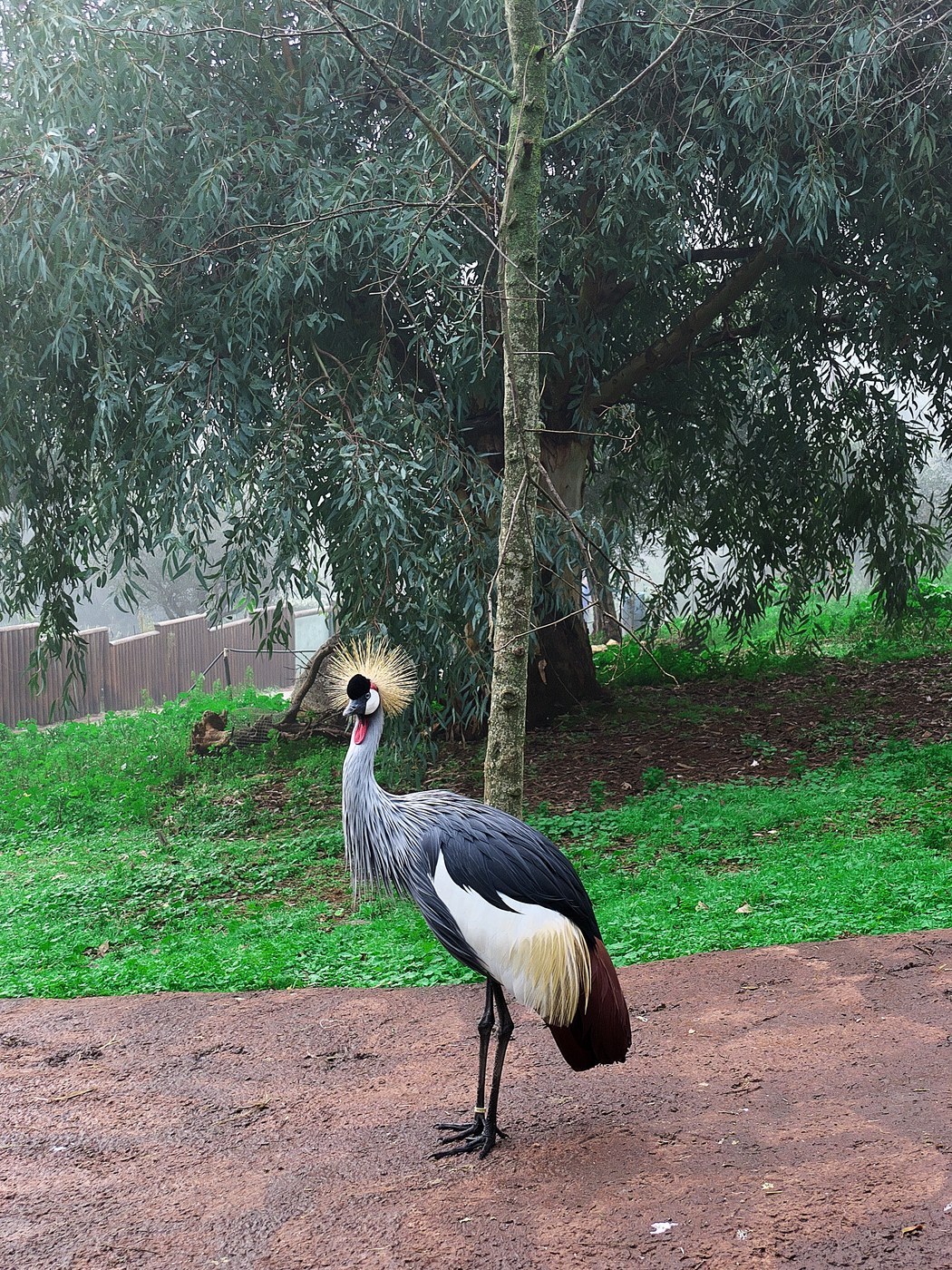
Grey Crowned Crane
Grey body feathers with white wing coverts, chestnut flight feathers, and stiff golden crown bristles

Victoria Crowned Pigeon
Large lace-like fan crest plumes over dense body contour feathers
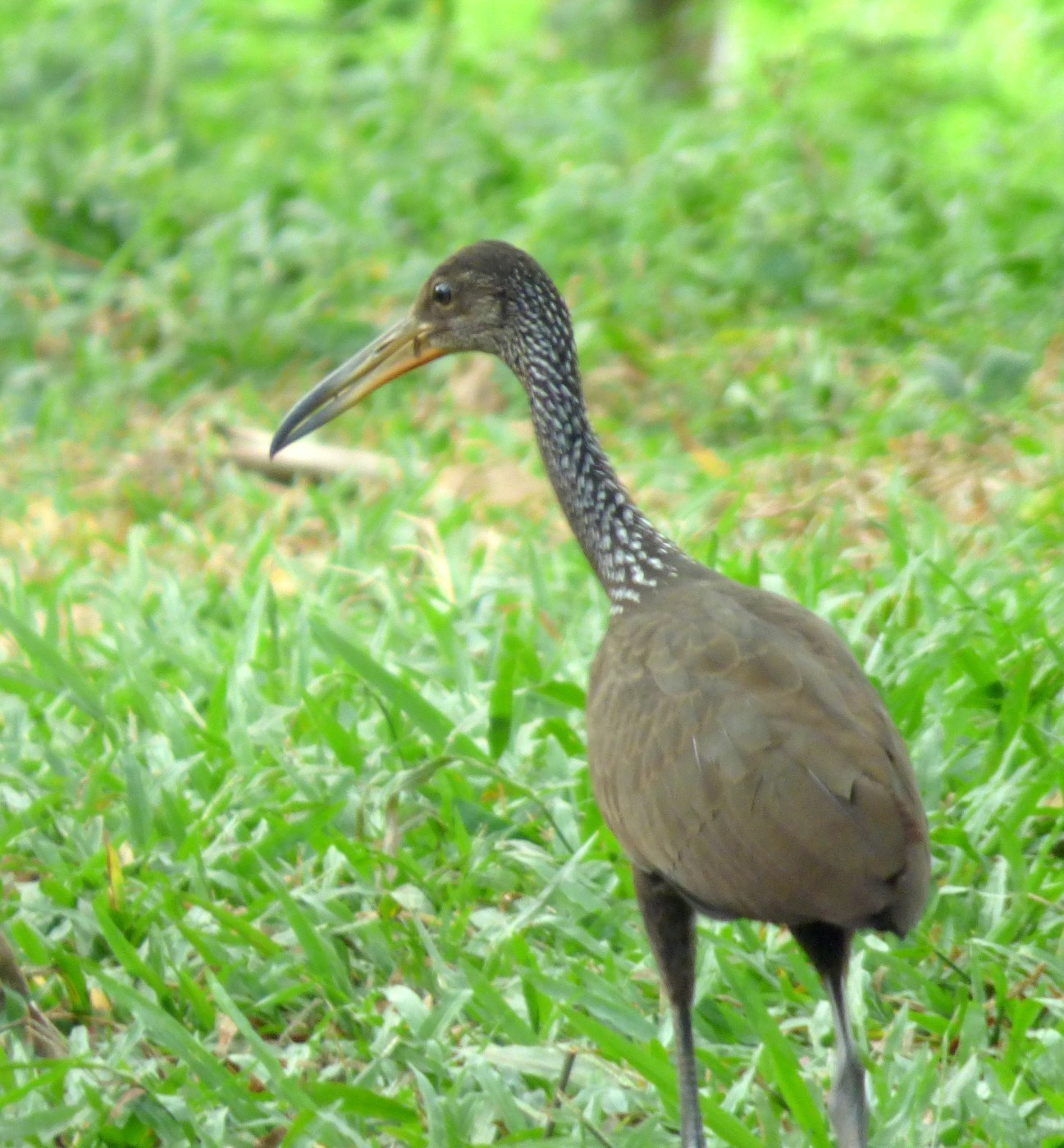
Limpkin
Brown contour feathers with white teardrop-shaped spots and streaks
What you get
A pocket ornithologist, always with you
Identify a feather, then explore everything about it — the bird, its plumage, and where it lives — all in one app.
Photo identification
Point your camera at any feather and get an answer in seconds — no field guide, no guesswork.
The bird behind the feather
Every feather leads back to its bird: common name, scientific name, and family, so you know exactly what you found.
Feather anatomy
Feather type, barb structure, texture, shape, size, and colour pattern — the details that set one species apart from the next.
Habitat & range
Where the bird lives, migrates, and nests — so a single feather tells a story about place and season.
Culture & ecology
Cultural history, interesting facts, and the ecological role each species plays in its habitat.
Field notes & facts
Similar species, conservation status, and fascinating notes — written like a real naturalist would.
How it works
From photo to identification in seconds
- Step 01
Snap a photo
Lay the feather on a plain surface in natural light. A clear shot of the vane and colour is all the AI needs.
- Step 02
AI reads the feather
Our model reads shape, barb structure, pattern, and colour to identify the feather and the bird it came from.
- Step 03
Read the field guide
Get species, family, habitat, and field notes — written like a page from a real ornithology guide.
More from our studio
Try our other identifier apps
Love identifying feathers? We make AI identifiers for the rest of the world too.
 Plant IdentifierPlants & flowers
 Fish IdentifierFish
 Bird IdentifierBirds
 Bug IdentifierInsects
 Snake IdentifierSnakes
 Mushroom IdentifierFungi
 Nature IdentifierAnything outdoors
 Wood IdentifierWood
 Rock IdentifierRocks & minerals
 Coin IdentifierCoins
 Stamp IdentifierStamps
 Art IdentifierArt
 Jewelry IdentifierJewelry
 Car IdentifierCars
 Appraiser.AIAI value estimates
Take Feather Identifier out into the field.
Free to download. The next feather you find — name it, and the bird it came from.