

Tufted Puffin
Fratercula cirrhata
The largest of the puffins, distinguished from its black-and-white relatives by an almost entirely dark body plumage set off by long, pale yellow head plumes in breeding adults.
- Feather type
- Contour, flight, and short tail feathers
- Colours
- Blackish body overall, pale yellow head tufts in breeding adults
- Bird size
- Small, dove-sized, ~38 cm
Found a feather like this?
Identify any feather from a photo, free.
Overview
The Tufted Puffin stands apart from the Atlantic and Horned Puffins by lacking the crisp white underparts of those species, instead showing an overall sooty-black body. Breeding adults compensate with dramatic pale yellow tufts that sweep back from behind the eyes, along with a bold white facial patch.
Identifying the Feather
- Body feathers are dark sooty-black to blackish-brown overall, without the clean white underparts seen in Atlantic and Horned Puffins
- Breeding adults show elongated, curling pale yellow tuft feathers behind the eyes, unique among the puffins
- The face shows a bold white patch in breeding adults, contrasting with the otherwise dark plumage
- Flight feathers are short, broad, and rounded, adapted for wing-propelled underwater swimming
- Feather structure is dense and stiff, typical of diving auks, with a slightly larger, heavier build than the other puffins
Plumage & Molt
- Breeding adults are dark overall with a white face patch and long, backward-curling yellow tufts behind the eyes
- Non-breeding adults lose the yellow tufts and much of the white facial patch, appearing more uniformly dark-faced
- Juveniles are duller and browner, with a smaller bill and no tufts
- Sexes are alike in plumage
- A complete molt after breeding replaces body and flight feathers, including a period of flightlessness at sea
Habitat & Range
Tufted Puffins breed on grassy cliff-tops, rocky slopes, and offshore islands around the North Pacific, from California north to Alaska and west to Japan and Russia, nesting in burrows dug into turf or soil. Outside the breeding season they disperse widely over the open North Pacific, spending months far from land.
Behavior & Field Notes
This puffin dives and swims underwater using its wings to pursue small fish and invertebrates, much like its relatives, and can carry multiple prey items crosswise in the bill. It nests in burrows on grassy slopes, often in large colonies alongside other seabirds. Its calls are low, growling notes given near the nest burrow, with the bird otherwise quiet at sea.
Frequently asked questions
Why don't Tufted Puffin feathers look like other puffins?
Unlike the black-and-white Atlantic and Horned Puffins, the Tufted Puffin has an overall dark, sooty body plumage, so a feather from its back or belly will look uniformly dark rather than showing a crisp white underside.
What are the yellow tufts made of?
They are elongated, curling feathers that grow behind the eyes of breeding adults and are shed after the breeding season along with much of the bright bill coloration.
Is the Tufted Puffin bigger than the Atlantic Puffin?
Yes, it is the largest of the three puffin species, with a stockier build overall.
Tufted Puffin guides
In-depth guides for identifying and understanding Tufted Puffin.

Other feathers you may enjoy

Western Gull
Body, flight, and tail feathers
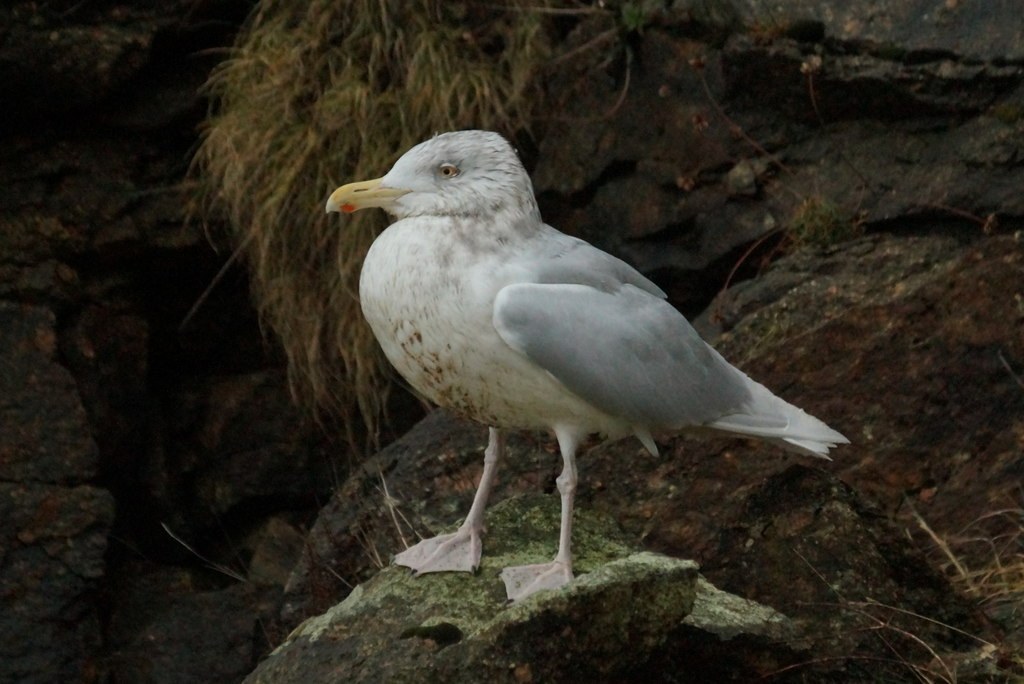
Glaucous Gull
Body, flight, and tail feathers

American Herring Gull
Body, flight, and tail feathers

Great Black-backed Gull
Body, flight, and tail feathers

Common Gull
Body, flight, and tail feathers
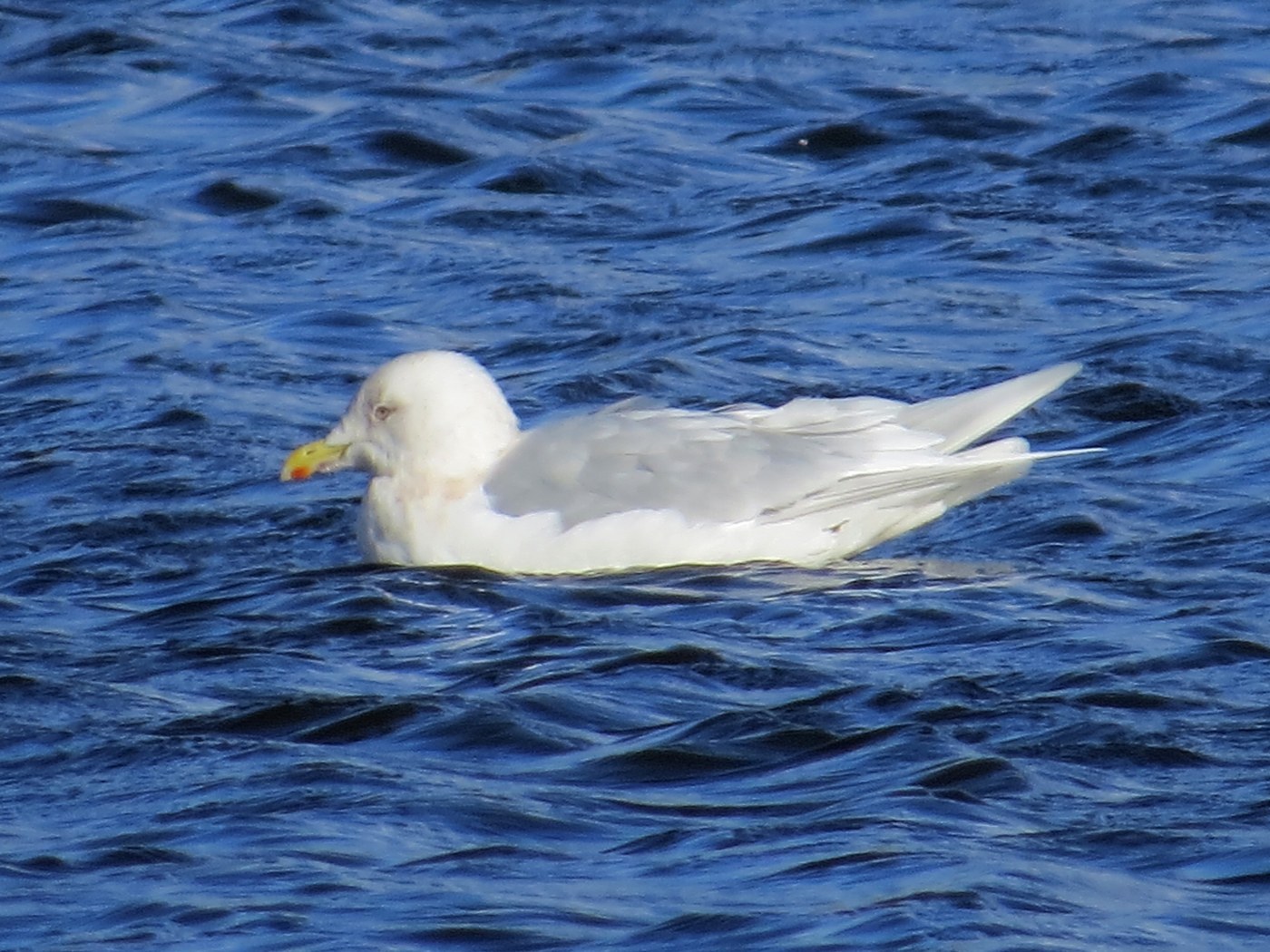
Iceland Gull
Body, flight, and tail feathers

Ring-billed Gull
Body, flight, and tail feathers

Glaucous-winged Gull
Body, flight, and tail feathers

Herring Gull
Body, flight, and tail feathers

Lesser Black-backed Gull
Body, flight, and tail feathers

California Gull
Body, flight, and tail feathers
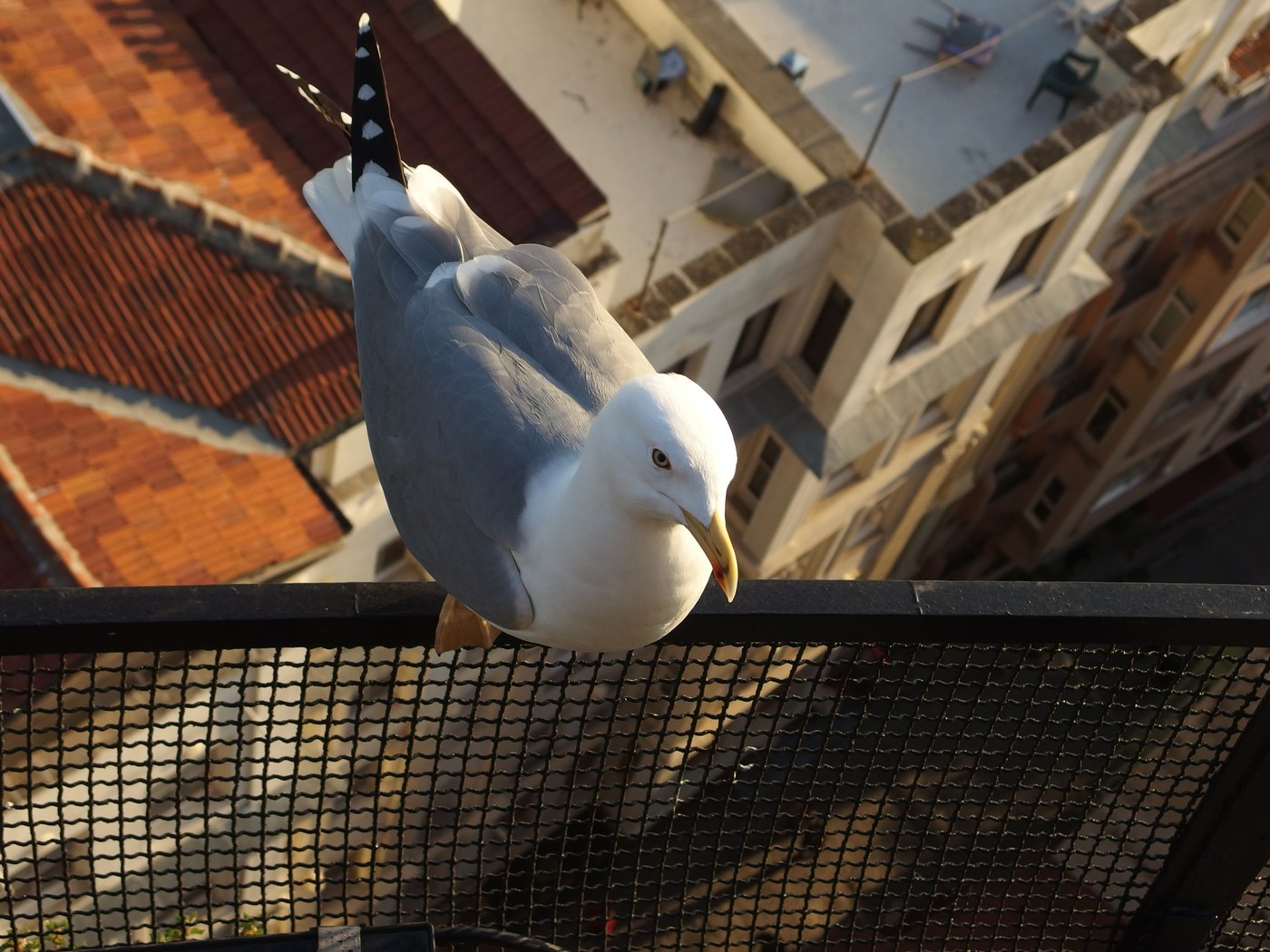
Yellow-legged Gull
Body, wing covert, and flight feathers