
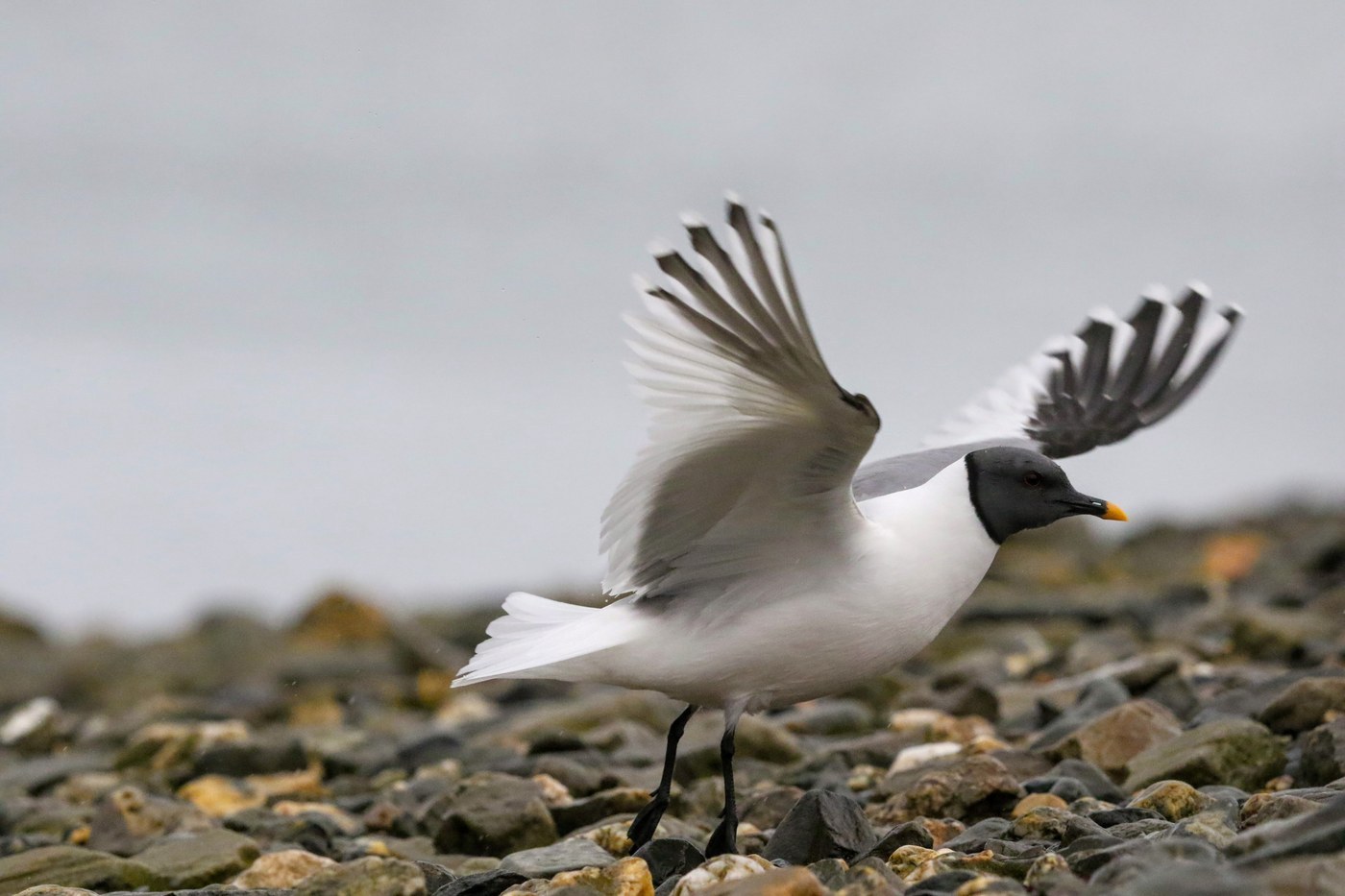
Sabine's Gull
Xema sabini
A strikingly patterned Arctic-breeding gull whose bold black, white, and gray tricolored wing pattern and forked tail make it one of the most distinctive gulls in flight.
- Feather type
- Body, wing covert, and flight feathers
- Colours
- Tricolored upperwing: black outer primaries, white triangle, gray-brown coverts
- Bird size
- Small gull, ~33-36 cm
Found a feather like this?
Identify any feather from a photo, free.
Overview
Overview
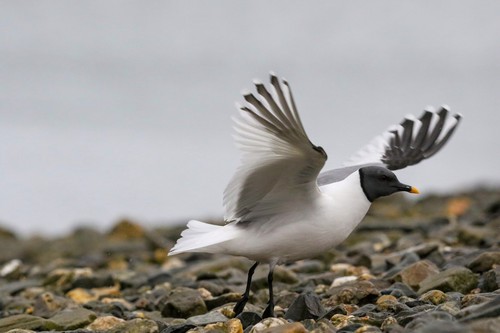
Sabine's Gull is a small, elegantly patterned gull that breeds on Arctic tundra and spends the nonbreeding season far out at sea, often well offshore, making it a highly pelagic species outside the breeding period. Its most striking feature is a bold, tricolored upperwing pattern formed by black outer primaries, a crisp white triangular patch across the inner primaries and secondaries, and gray-brown coverts and back, a combination unlike any other gull. The tail is distinctly forked, another feature setting it apart from most gulls, which have square or rounded tails.
This combination of wing pattern and tail shape makes Sabine's Gull readily identifiable in flight even at a distance, whether over tundra breeding grounds or far offshore during migration.
Identifying the Feather
Feather Identification
- Wing feathers: Outer primaries are solid black, inner primaries and secondaries form a bold white triangle, and the wing coverts and back are gray-brown to slate-gray, together creating a striking three-part pattern visible from above and below.
- Tail feathers: Distinctly forked, a shape shared by very few other gulls and useful in separating shed tail feathers from those of square-tailed species.
- Size and shape: Flight feathers are slim and pointed, consistent with a light, tern-like flight action suited to extended pelagic movement.
- Compared to similar species: The tricolored wing pattern is unique among regularly encountered gulls; kittiwakes and small hooded gulls show either solid pale wings or a white wedge, but none combine black tips, a white triangle, and gray-brown coverts in the same arrangement.
Plumage & Molt
Plumage Details
Breeding adults show a dark slate-gray hood with a thin black neck ring, a yellow-tipped black bill, and the diagnostic tricolored wing pattern with gray-brown back and coverts. Nonbreeding adults lose the hood, showing a white head with dusky shading on the nape. Juveniles show a scaly brown-and-buff pattern on the back and coverts in place of the adult's gray-brown tones, but already display the black-and-white primary pattern and forked tail, allowing identification even in immature birds. Adult-like plumage, including the full slate hood, develops over the first couple of years.
Habitat & Range
Habitat & Range
Sabine's Gull breeds on wet Arctic tundra across northern Canada, Alaska, Greenland, and parts of Arctic Eurasia, typically near coastal marshes, ponds, or river deltas. Outside the breeding season it becomes strongly pelagic, migrating far offshore along oceanic routes to wintering areas in productive upwelling waters off the coasts of South America and southern Africa. It is rarely seen from shore except during migration, when storms or onshore winds occasionally bring individuals within view of coastal watch points.
Behavior & Field Notes
Behavior & Field Notes
Sabine's Gull forages by picking insects and small invertebrates from tundra pools during the breeding season, while at sea it feeds on plankton, small fish, and invertebrates, often in association with productive current boundaries or areas of upwelling. It nests in small, loose colonies or as scattered pairs on tundra, frequently near nesting terns, which may offer some protection from predators through shared vigilance. The call is a harsh, tern-like grating note. Its combination of forked tail and tricolored wing pattern makes this one of the more distinctive gulls to identify, whether observed on breeding tundra or far out at sea during migration.
Frequently asked questions
What makes Sabine's Gull's wing pattern so distinctive?
The upperwing shows three clearly separated zones: black outer primaries, a white triangular patch across the inner primaries and secondaries, and gray-brown coverts and back, a combination not matched by any other common gull.
Why is the tail shape useful for identification?
Sabine's Gull has a distinctly forked tail, unlike the square or rounded tails of most other gulls, making shed tail feathers or in-flight silhouettes relatively easy to distinguish.
Where is this species typically seen outside the breeding season?
It is highly pelagic in the nonbreeding season, migrating and wintering far offshore, often in productive upwelling waters off South America or southern Africa, and is seen from land mainly during storm-driven movements.
Do juvenile Sabine's Gulls show the adult wing pattern?
Yes, even juveniles display the black-and-white primary pattern and forked tail, though the back and coverts show a scaly brown-and-buff pattern rather than the gray-brown tones of adults.
Sabine's Gull guides
In-depth guides for identifying and understanding Sabine's Gull.
Other feathers you may enjoy

Western Gull
Body, flight, and tail feathers
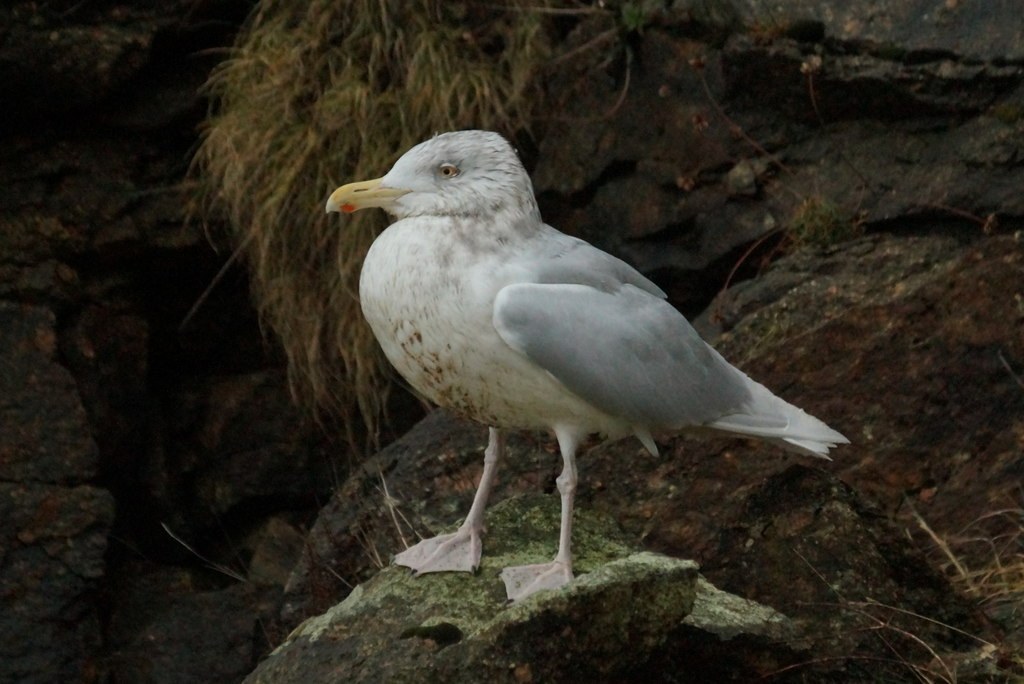
Glaucous Gull
Body, flight, and tail feathers

American Herring Gull
Body, flight, and tail feathers

Great Black-backed Gull
Body, flight, and tail feathers

Common Gull
Body, flight, and tail feathers
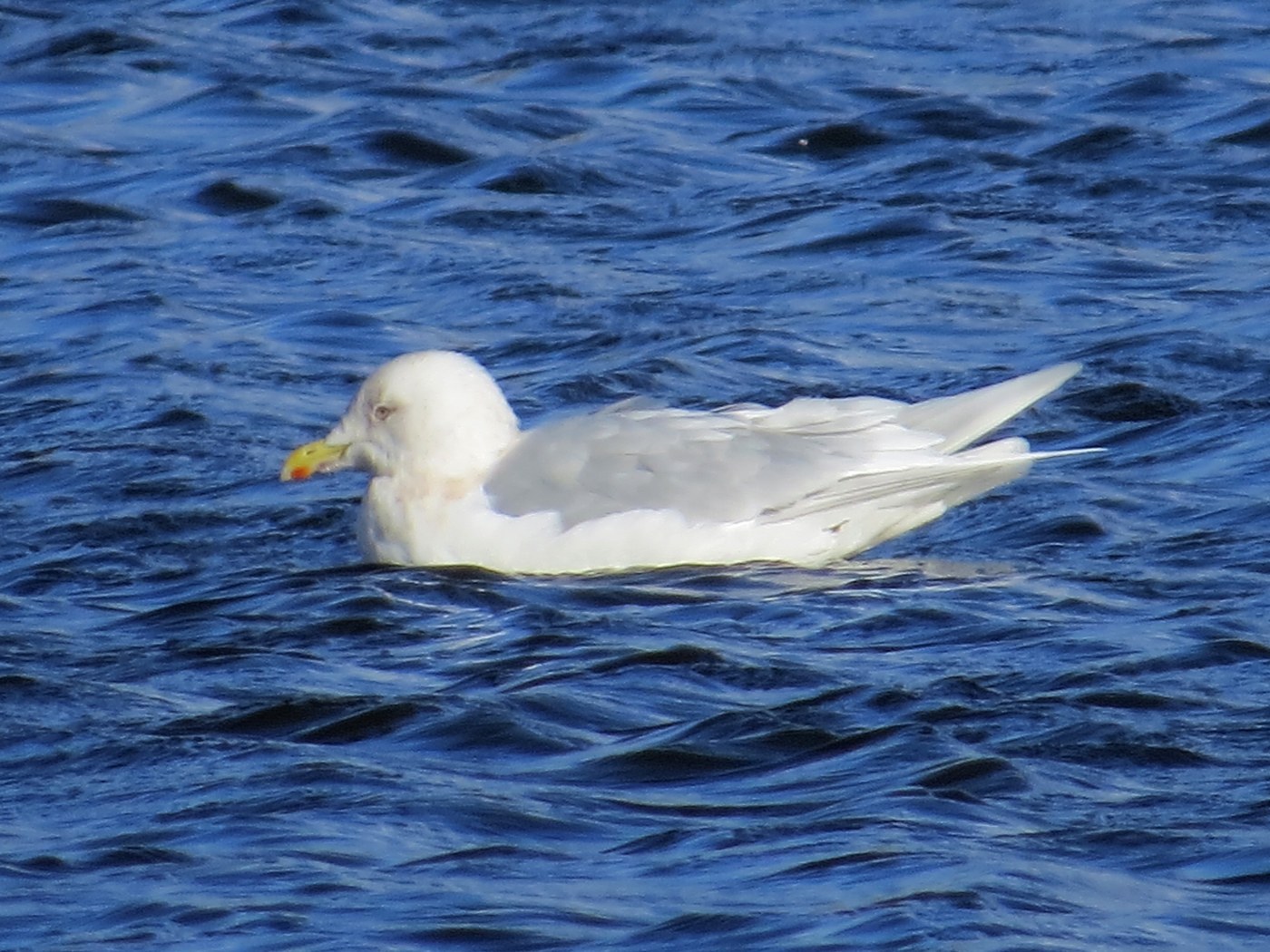
Iceland Gull
Body, flight, and tail feathers

Ring-billed Gull
Body, flight, and tail feathers

Glaucous-winged Gull
Body, flight, and tail feathers

Herring Gull
Body, flight, and tail feathers

Lesser Black-backed Gull
Body, flight, and tail feathers

California Gull
Body, flight, and tail feathers
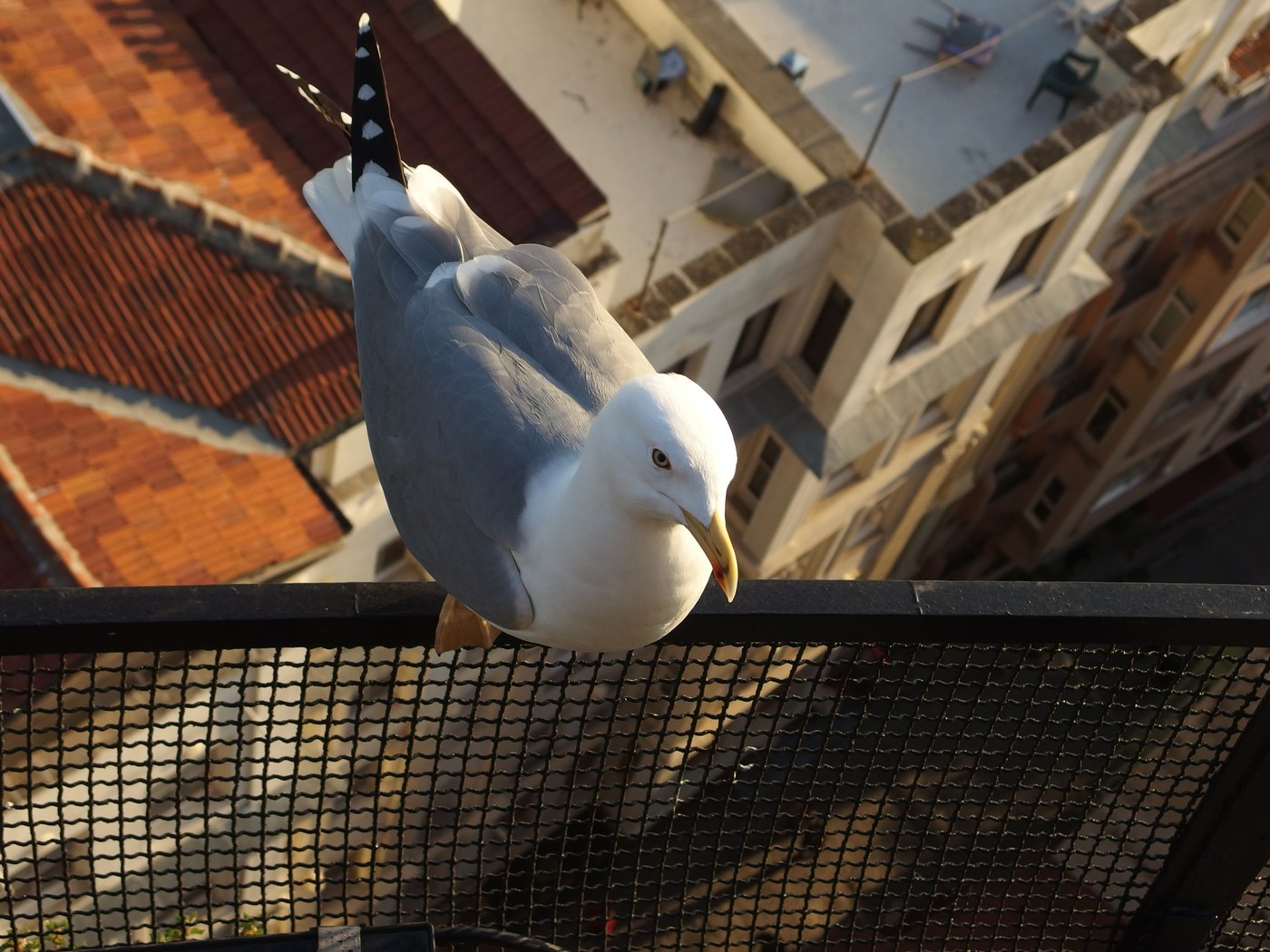
Yellow-legged Gull
Body, wing covert, and flight feathers