
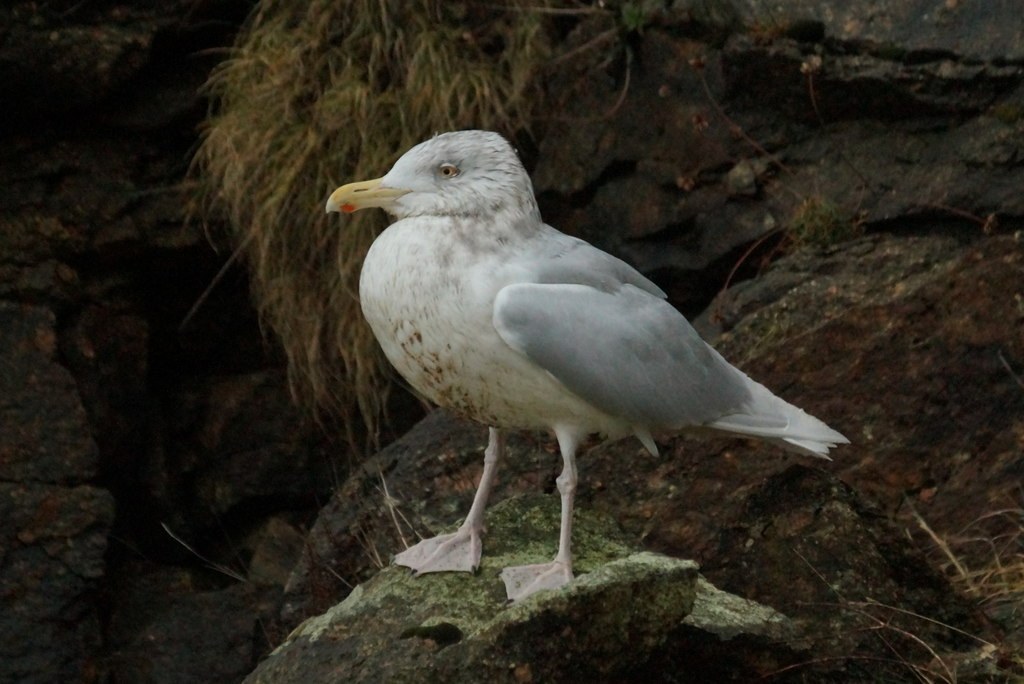
Glaucous Gull
Larus hyperboreus
A massive, pale Arctic gull, the Glaucous Gull is unusual among large gulls for lacking black wingtips entirely, showing instead uniformly pale gray and white feathers well suited to its icy northern range.
- Feather type
- Body, flight, and tail feathers
- Colours
- Very pale gray back, white wingtips (no black), white underparts
- Bird size
- Very large gull, ~64-77 cm
Found a feather like this?
Identify any feather from a photo, free.
Overview
The Glaucous Gull is one of the largest gulls in the world, breeding in the high Arctic where its very pale plumage, lacking any black wingtip pattern, blends effectively with snow and ice. It is a powerful predator and scavenger of Arctic coastlines, taking advantage of seabird colonies, carrion, and marine life in one of the planet's harshest breeding environments.
Identifying the Feather
Adult mantle feathers are very pale gray, notably paler than Herring Gull, and the outer primary flight feathers are entirely white or very pale gray at the tips, lacking the black wingtip pattern present in nearly all other large gulls, a key distinguishing feature. Immature birds are pale buffy-white to whitish overall with faint pale barring, again lacking dark wingtips, appearing much paler than the heavily mottled brown immature plumages of Herring or Great Black-backed Gull. This overall pale, almost bleached appearance at every age is the single most useful feather-based identification feature for this species.
Plumage & Molt
Sexes look alike, with males averaging larger. This is a four-year gull, though because the plumage is pale at every age, aging can be more subtle than in dark-backed species, relying on bill pattern and feather wear rather than dramatic color change. Nonbreeding adults show light brownish streaking on the head, similar to other large gulls, contrasting with the pale gray mantle. A complete post-breeding molt replaces flight feathers, typically over an extended Arctic summer and early autumn period.
Habitat & Range
Breeds along Arctic coastlines, cliffs, and tundra across the high Arctic of North America, Greenland, and Eurasia, often near seabird colonies. Outside the breeding season it moves somewhat south along northern coastlines and open water near sea ice, with some individuals reaching temperate coastlines in winter, though it remains a predominantly northern, cold-water species year-round.
Behavior & Field Notes
Glaucous Gulls are powerful predators and scavengers, taking eggs, chicks, and even adult birds from seabird colonies, in addition to fish, carrion, and marine invertebrates, making them a significant predatory presence in Arctic seabird nesting areas. Nests are built on the ground on cliffs or open tundra, with both parents sharing incubation and chick defense. Its call is a deep, resonant series similar to other large gulls.
Frequently asked questions
What is the single best feather feature for identifying a Glaucous Gull?
Its wingtip feathers are entirely white or very pale, lacking the black tips present in almost all other large gulls, at every plumage stage from juvenile to adult.
How pale is a Glaucous Gull compared to other large gulls?
It is among the palest large gulls overall, with a notably light gray mantle and whitish immature plumage, much paler than the mottled brown young of Herring Gull or Great Black-backed Gull.
Is the Glaucous Gull a predator as well as a scavenger?
Yes, it is a significant predator around Arctic seabird colonies, taking eggs, chicks, and sometimes adult birds, in addition to scavenging carrion and marine life.
Where does the Glaucous Gull breed?
Along Arctic coastlines, cliffs, and tundra across the high Arctic of North America, Greenland, and Eurasia, often near seabird colonies.
Glaucous Gull guides
In-depth guides for identifying and understanding Glaucous Gull.
Other feathers you may enjoy

Western Gull
Body, flight, and tail feathers

American Herring Gull
Body, flight, and tail feathers

Great Black-backed Gull
Body, flight, and tail feathers

Common Gull
Body, flight, and tail feathers
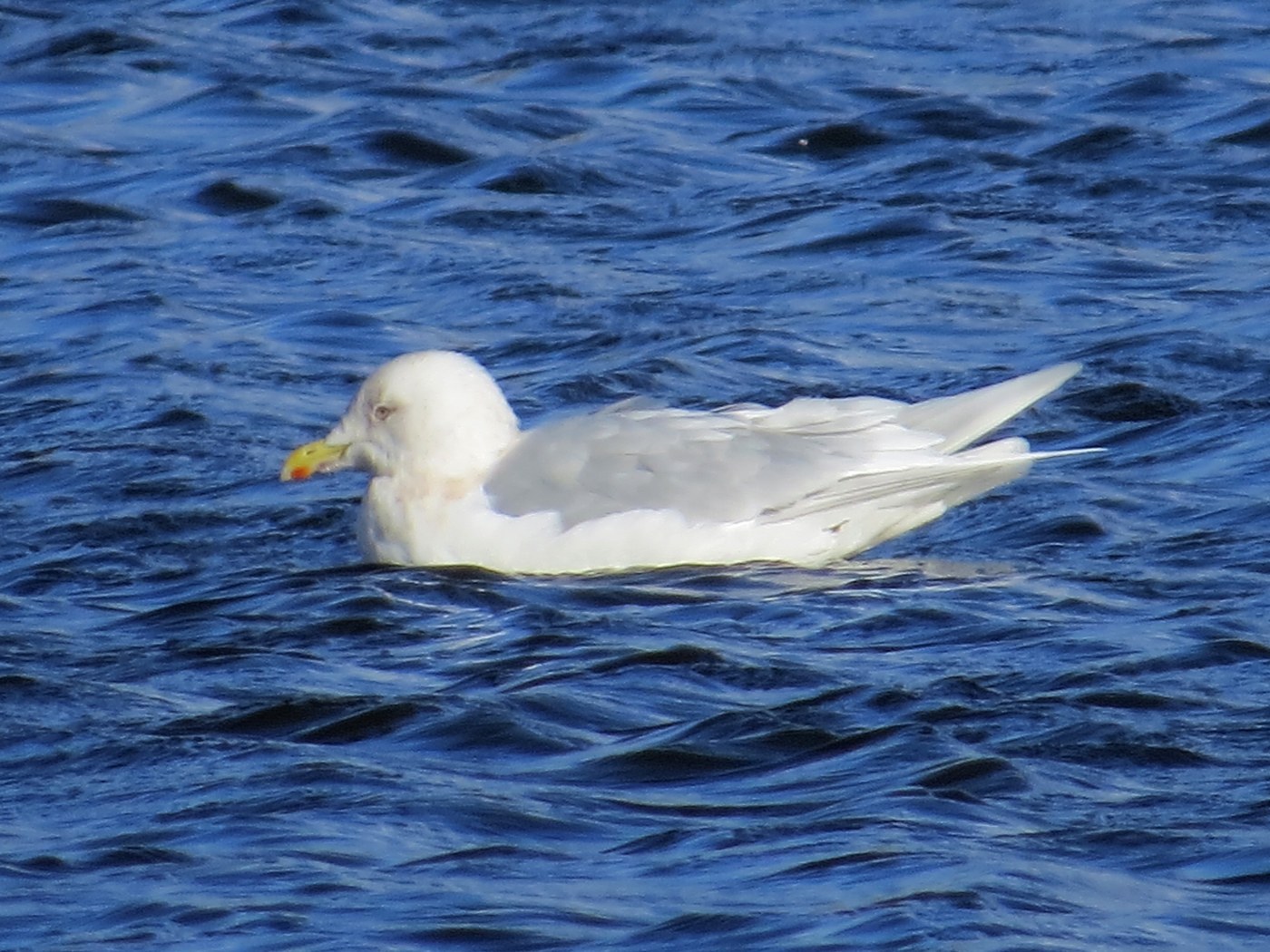
Iceland Gull
Body, flight, and tail feathers

Ring-billed Gull
Body, flight, and tail feathers

Glaucous-winged Gull
Body, flight, and tail feathers

Herring Gull
Body, flight, and tail feathers

Lesser Black-backed Gull
Body, flight, and tail feathers

California Gull
Body, flight, and tail feathers
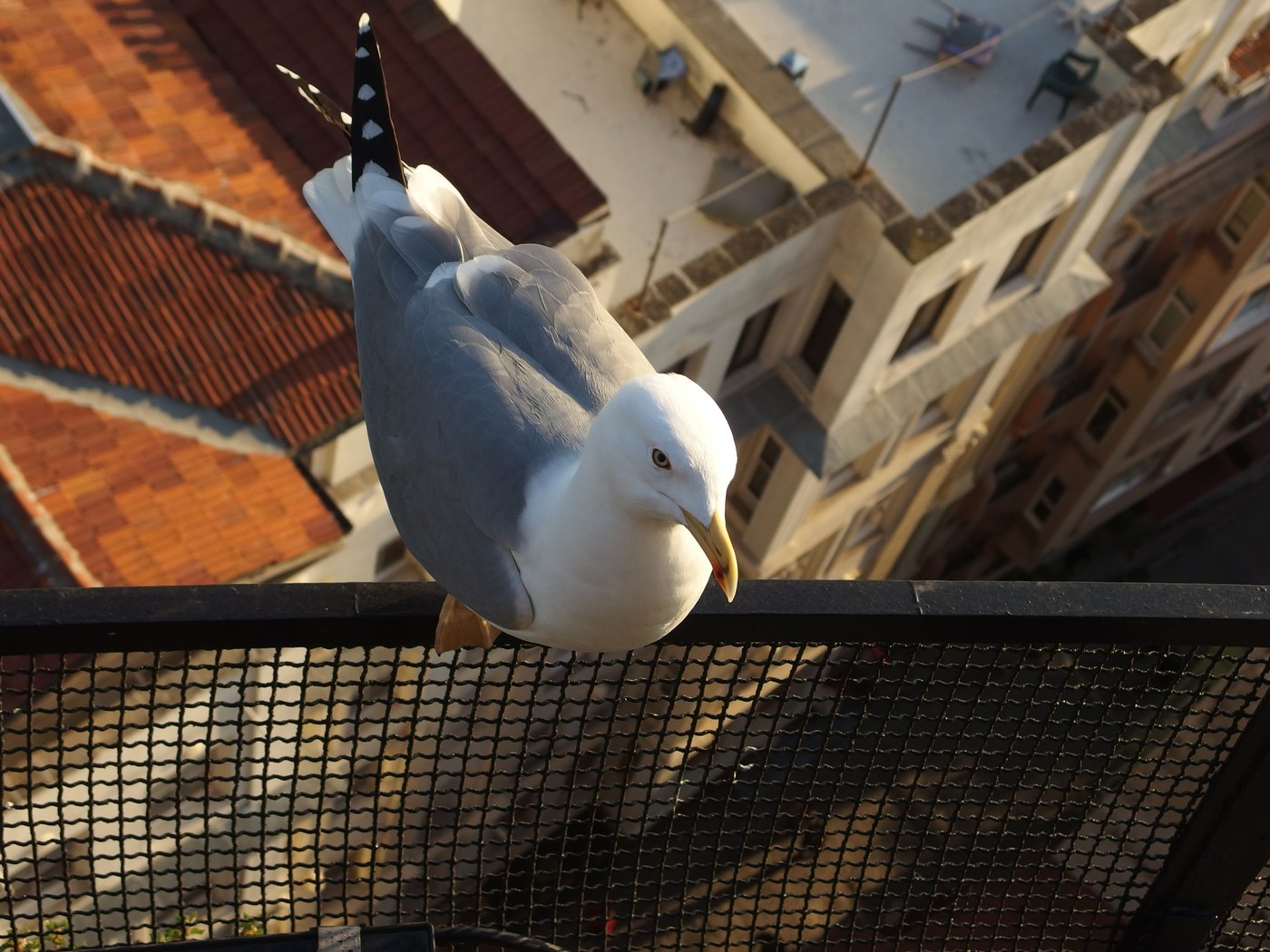
Yellow-legged Gull
Body, wing covert, and flight feathers
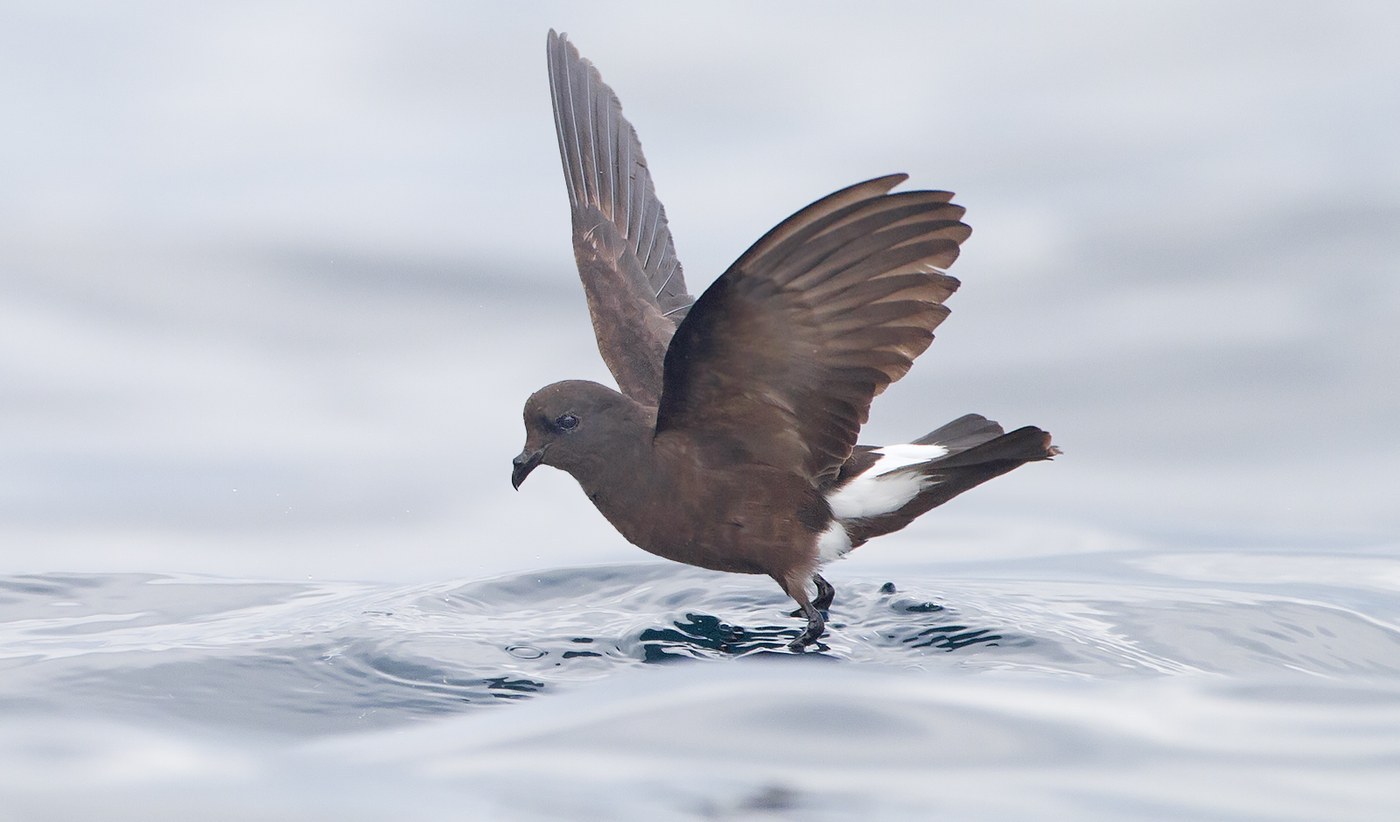
Wilson's Storm-Petrel
Small, soft flight and body feathers