

Lesser Black-backed Gull
Larus fuscus
A medium-large gull of European waters with dark slate-gray to blackish mantle feathers and yellow legs, the Lesser Black-backed Gull has expanded its range widely and increasingly turns up well inland.
- Feather type
- Body, flight, and tail feathers
- Colours
- Dark slate-gray to blackish back and wings, white head and underparts
- Bird size
- Large gull, ~51-61 cm
Found a feather like this?
Identify any feather from a photo, free.
Overview
The Lesser Black-backed Gull is a medium-large gull native to Europe, distinguished from other dark-backed gulls by its combination of dark slate-gray to blackish upperparts and bright yellow legs. Its range and numbers have expanded considerably in recent decades, and it is now regularly found well inland at landfills, reservoirs, and agricultural fields in addition to its traditional coastal haunts.
Identifying the Feather
Adult mantle feathers vary geographically from dark slate-gray to nearly blackish depending on subspecies, generally darker than Herring Gull but somewhat variable, sitting between Herring Gull and the very dark Great Black-backed Gull in tone. Outer primary feathers are black with white tips and typically one or two white mirrors. Immature birds show a mottled dark brown pattern similar to other large gulls, taking about four years to reach full adult plumage, with each successive year showing progressively darker, cleaner gray-black back feathers and less brown mottling in the wings. The relatively slim, elongated body shape compared to Herring Gull can also aid identification alongside feather tone.
Plumage & Molt
Sexes look alike in plumage, with males averaging larger. This is a four-year gull, passing through a sequence of increasingly dark and less mottled immature plumages before reaching full adult pattern. Nonbreeding adults show some brownish streaking on the head and neck, in contrast to the cleaner white head of breeding adults. A complete post-breeding molt replaces flight feathers over an extended period, often completed on wintering grounds.
Habitat & Range
Breeds along coastlines, moorland, and increasingly rooftops across northern and western Europe. Outside the breeding season it has become increasingly common well inland, using landfills, reservoirs, and large agricultural fields in addition to traditional coastal and estuarine habitats, with many populations migrating south to wintering areas in southern Europe and Africa.
Behavior & Field Notes
Lesser Black-backed Gulls are opportunistic feeders, taking fish, invertebrates, carrion, and human food waste, and are frequent visitors to landfills and agricultural fields as well as coastal foraging areas. Nests are built on the ground, cliff ledges, or increasingly on urban rooftops, often in colonies, with both parents sharing incubation and chick-rearing. Its call is a deep, wailing series similar to other large gulls, generally slightly higher-pitched than Great Black-backed Gull. The species has expanded its range and numbers substantially in recent decades.
Frequently asked questions
How dark are Lesser Black-backed Gull feathers compared to other black-backed gulls?
Its mantle feathers are dark slate-gray to blackish, generally darker than Herring Gull but variably lighter than the very dark Great Black-backed Gull, with exact shade varying by subspecies.
Why is the Lesser Black-backed Gull increasingly seen away from the coast?
It has expanded its range and adapted to foraging at inland landfills, reservoirs, and agricultural fields in addition to traditional coastal habitats.
What leg color helps identify a Lesser Black-backed Gull?
Bright yellow legs, which help distinguish it from the pink-legged Herring Gull despite similar overall gray-backed plumage.
How many years does it take a Lesser Black-backed Gull to mature?
About four years, with immature birds passing through progressively darker and less mottled plumages each year.
Lesser Black-backed Gull guides
In-depth guides for identifying and understanding Lesser Black-backed Gull.

Lesser Black-backed Gull identified by the community
Real feathers identified with Feather Identifier.

Other feathers you may enjoy

Western Gull
Body, flight, and tail feathers
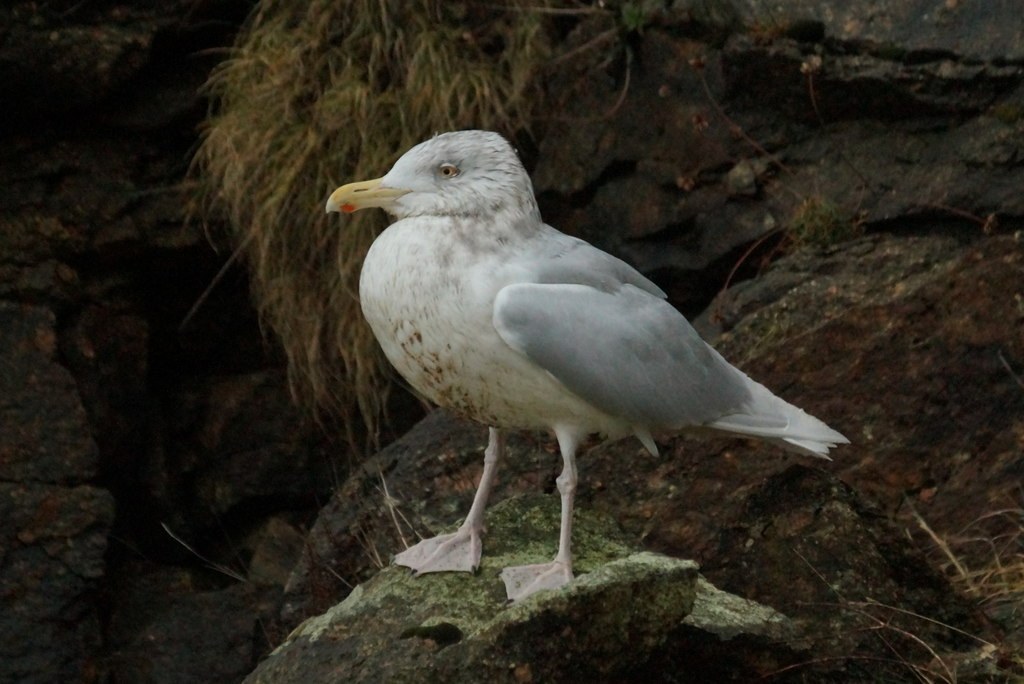
Glaucous Gull
Body, flight, and tail feathers

American Herring Gull
Body, flight, and tail feathers

Great Black-backed Gull
Body, flight, and tail feathers

Common Gull
Body, flight, and tail feathers
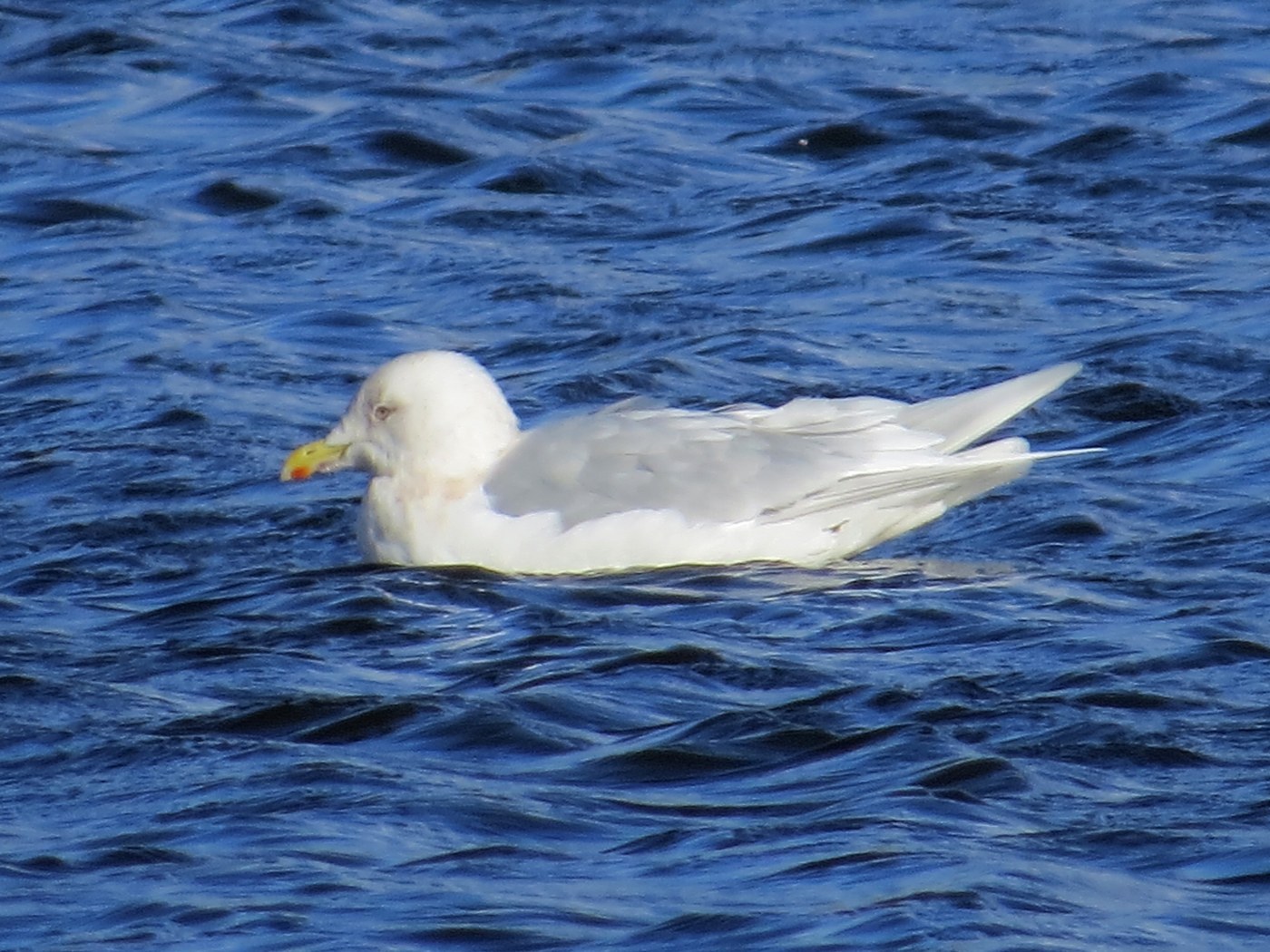
Iceland Gull
Body, flight, and tail feathers

Ring-billed Gull
Body, flight, and tail feathers

Glaucous-winged Gull
Body, flight, and tail feathers

Herring Gull
Body, flight, and tail feathers

California Gull
Body, flight, and tail feathers
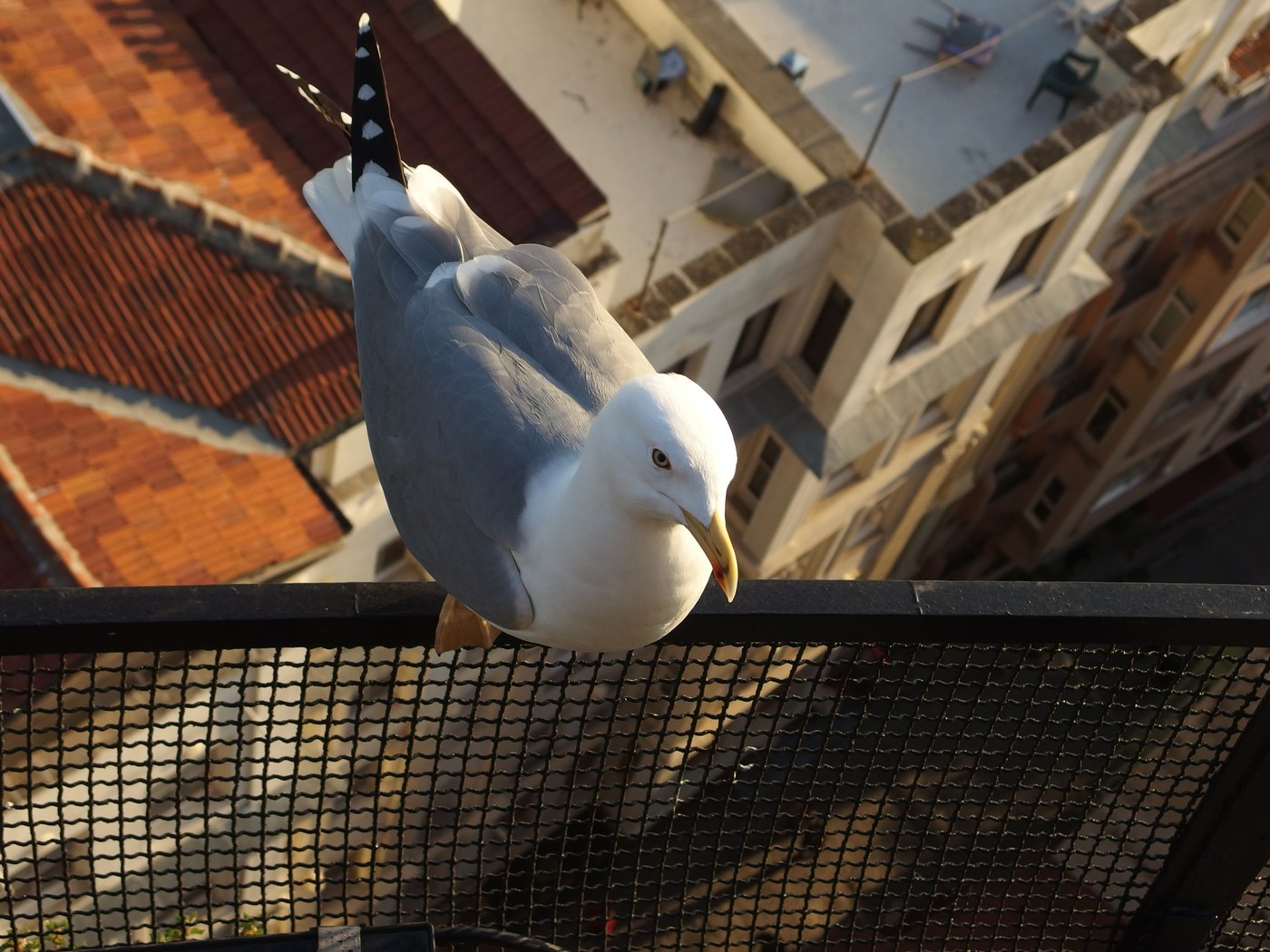
Yellow-legged Gull
Body, wing covert, and flight feathers
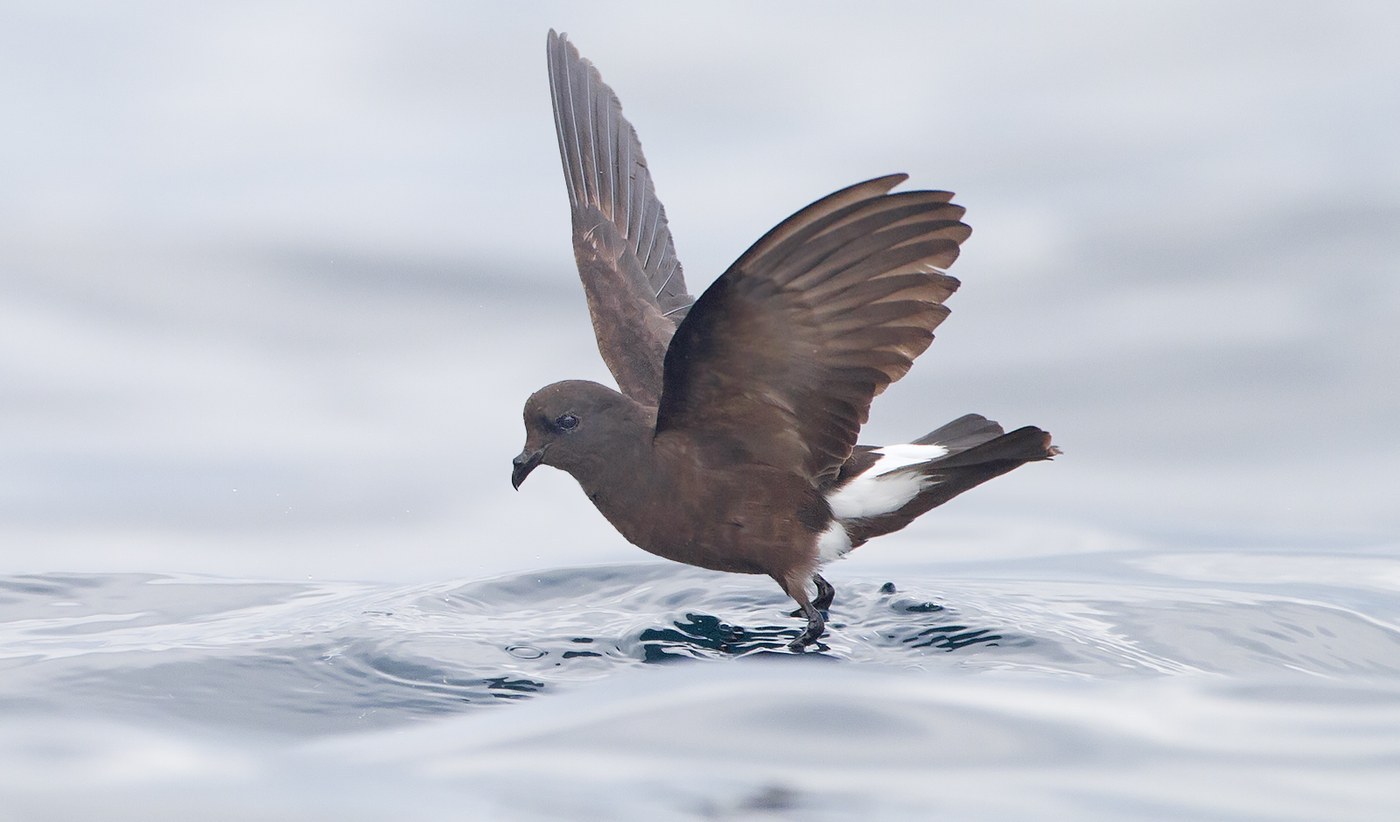
Wilson's Storm-Petrel
Small, soft flight and body feathers