

American Kestrel
Falco sparverius
The smallest and most colorful falcon in North America, a common sight perched on roadside wires, told by its rufous back and tail and, in males, contrasting blue-gray wings.
- Feather type
- Small pointed falcon wings, long narrow tail
- Colours
- Rufous back and tail, blue-gray wings in males, double black facial stripes
- Bird size
- Small falcon, ~19-31 cm
Found a feather like this?
Identify any feather from a photo, free.
Overview
The American Kestrel is a small, brightly patterned falcon found from Alaska and Canada through the United States, Mexico, and much of South America. It is a familiar sight perched on roadside wires and fence posts in open farmland, and it is unique among North American falcons for the strong plumage difference between males and females.
Identifying the Feather
Back feathers are rufous with black barring or spotting, and the tail is rufous with a single black subterminal band. Males show blue-gray wing covert feathers contrasting with the rufous back, while females have rufous wings barred with black rather than gray. Both sexes show two dark vertical facial stripes, giving a distinctive 'double moustache' pattern on an otherwise pale face, a useful feature even on a detached head feather region.
Plumage & Molt
Males have blue-gray wings and crown paired with a rufous back and tail marked by a black band near the tip, while females have rufous wings barred with black and a rufous tail crossed by multiple dark bands rather than one. This sexual dimorphism is present from a young age, making sex identification possible even in juvenile birds. There is no strong seasonal plumage change beyond typical wear between molts.
Habitat & Range
This kestrel occupies open fields, farmland, roadsides, deserts, and urban edges from Alaska and Canada south through Mexico, Central America, and much of South America. Northern populations are migratory, wintering farther south, while populations in milder climates are largely resident.
Behavior & Field Notes
It hunts insects, small rodents, and small birds, often from a perch or while hovering in place over open ground before dropping onto prey. It is a cavity nester, using natural holes, old woodpecker cavities, or nest boxes, and gives a sharp, repeated 'killy killy killy' call, especially near the nest.
Frequently asked questions
How do male and female American Kestrels differ in plumage?
Males have blue-gray wings with a rufous back and tail, while females have entirely rufous wings barred with black.
What facial pattern is typical of American Kestrel?
Two dark vertical stripes on an otherwise pale face, sometimes called a double moustache.
Where does American Kestrel nest?
In cavities such as natural tree holes, old woodpecker holes, or nest boxes.
What is its hunting technique?
It hunts insects, small rodents, and small birds from a perch or while hovering over open ground.
American Kestrel guides
In-depth guides for identifying and understanding American Kestrel.

American Kestrel identified by the community
Real feathers identified with Feather Identifier.


Other feathers you may enjoy

Australian Hobby
Long, narrow pointed flight feathers; slender tail feathers

California Condor
Massive flight feathers; long broad primaries; large tail feathers

Brown Falcon
Broad, rounded flight feathers; variable-toned contour feathers
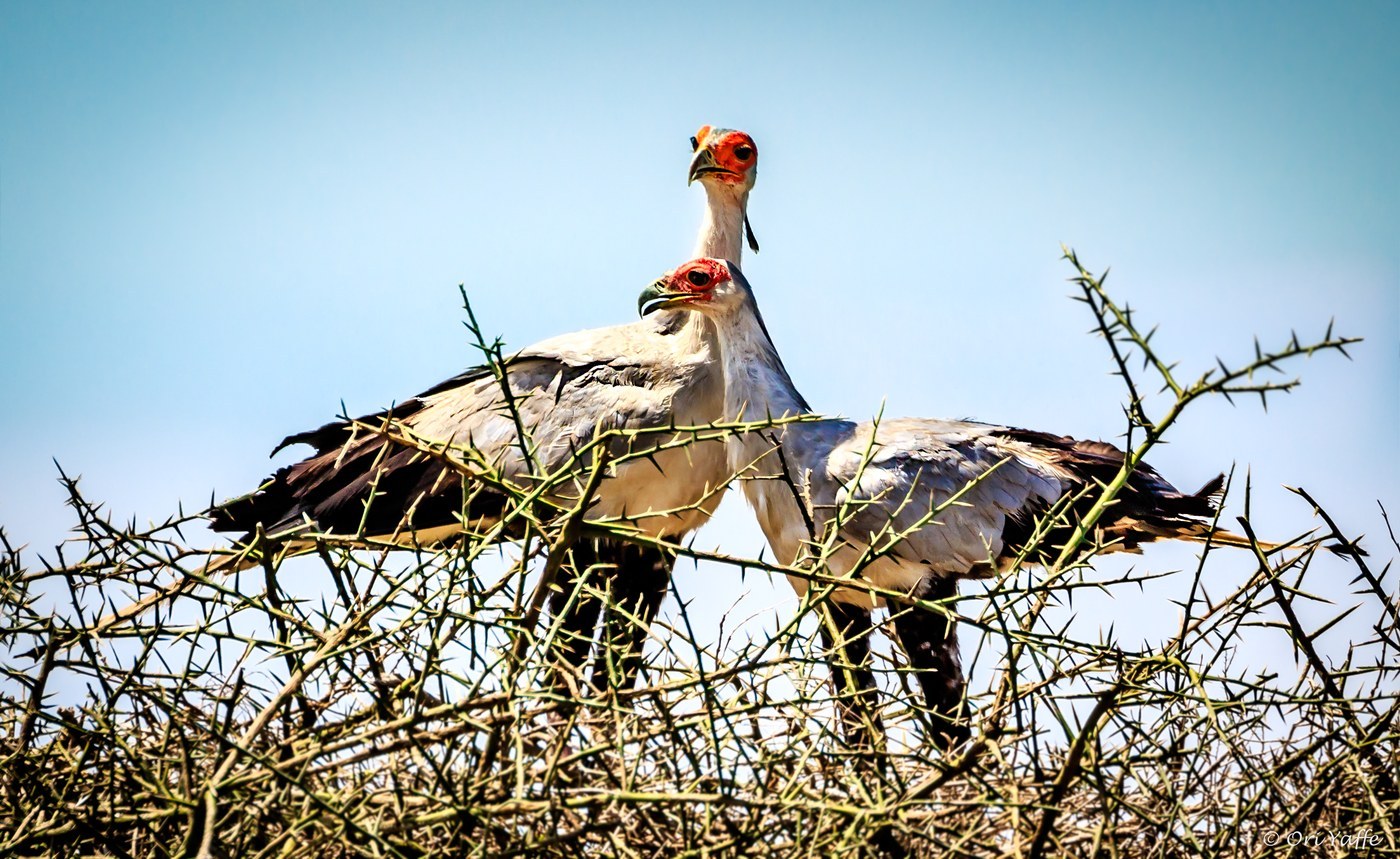
Secretarybird
Long crest feathers; broad flight feathers; elongated central tail feathers

Orange-breasted Falcon
Broad-based pointed flight feathers; bold breast and belly feathers
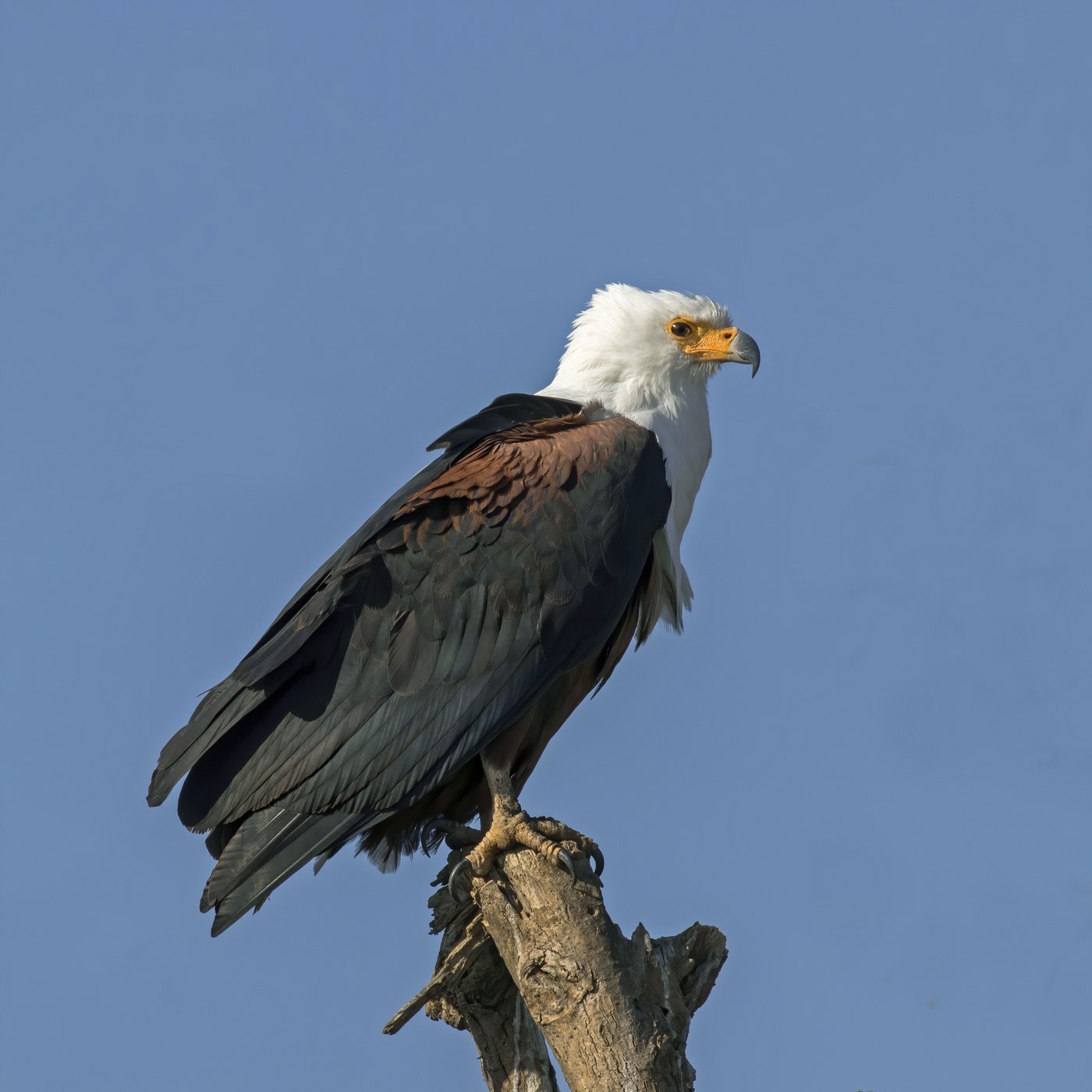
African Fish Eagle
Flight, tail, and body feathers

Amur Falcon
Slender pointed flight feathers; soft slate or orange-buff contour feathers
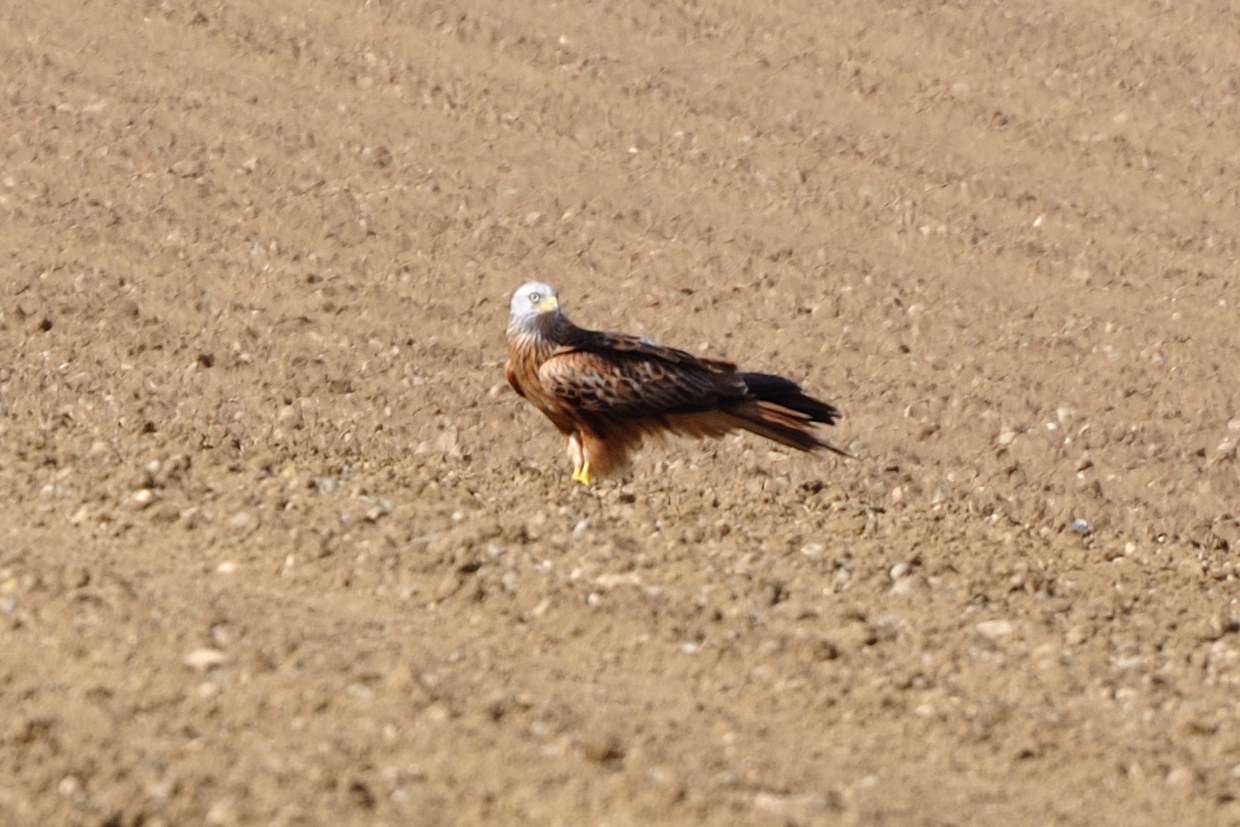
Red Kite
Flight (wing) and tail feathers
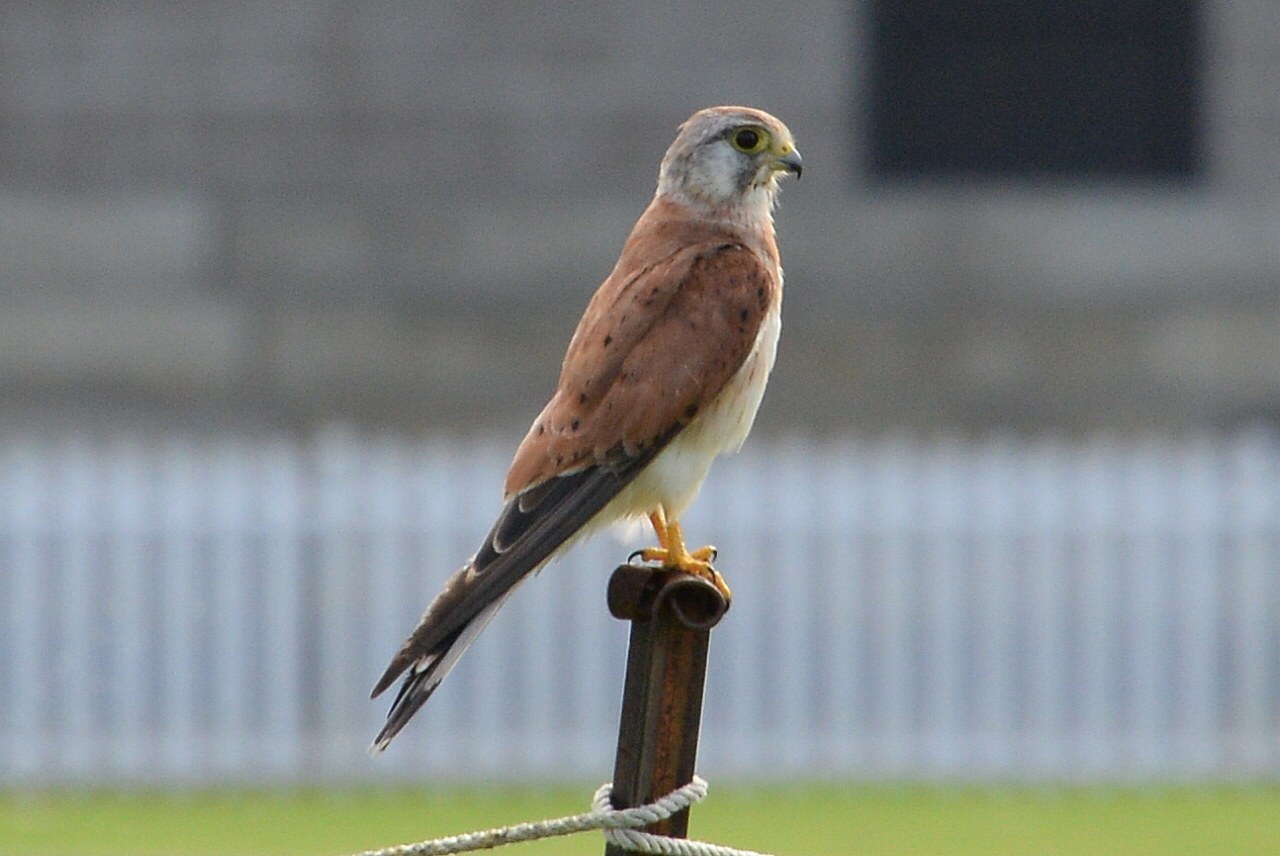
Nankeen Kestrel
Slim pointed flight feathers; lightly marked contour feathers

Andean Condor
Massive flight feathers; broad primaries and secondaries; sturdy tail feathers

Plumbeous Forest Falcon
Short rounded flight feathers; finely barred tail feathers

Sooty Falcon
Long pointed flight feathers; slim tail feathers