
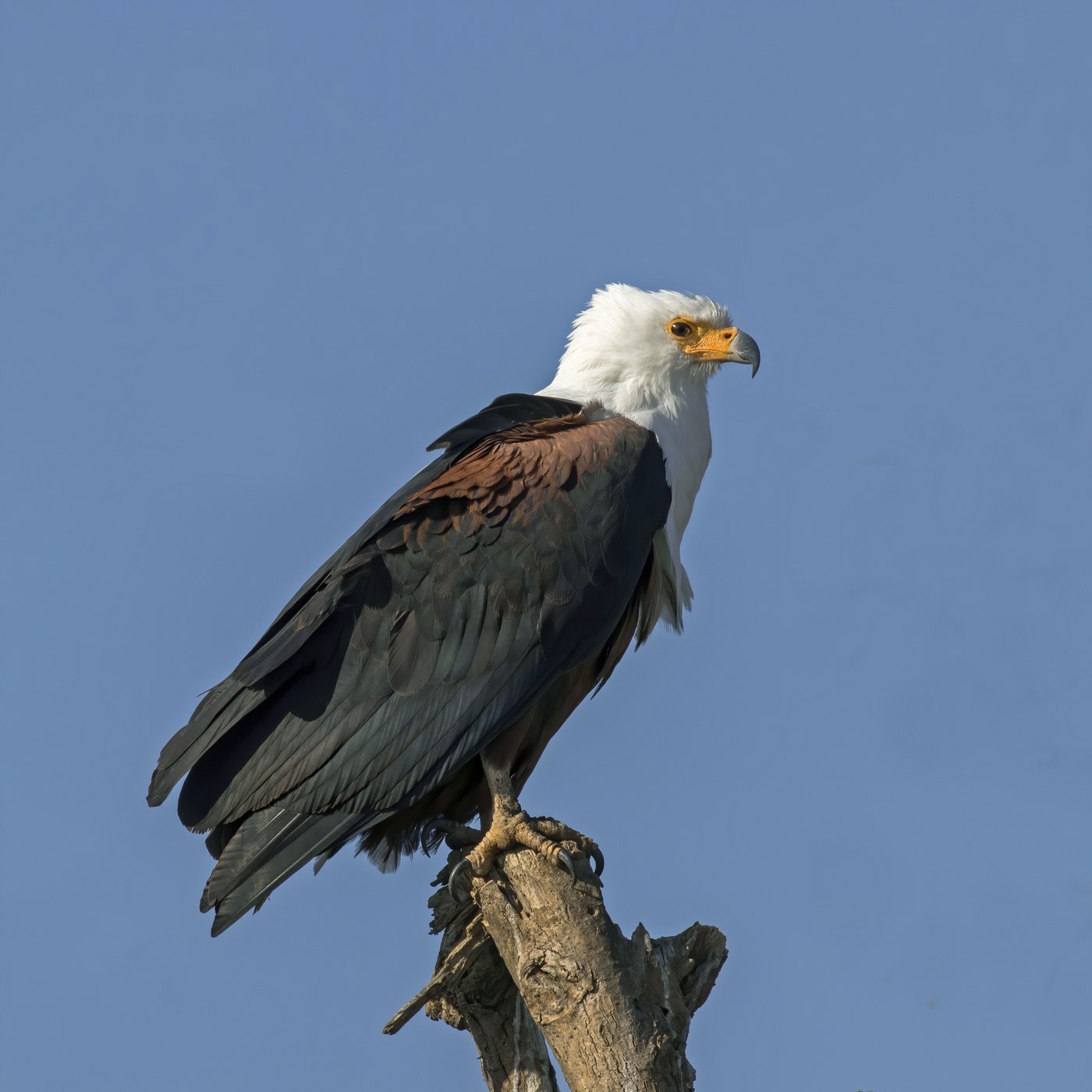
African Fish Eagle
Haliaeetus vocifer
A strikingly tricolor eagle of African waters, with a crisp white head, chest, and tail set sharply against rich chestnut body plumage and black flight feathers.
- Feather type
- Flight, tail, and body feathers
- Colours
- Chestnut body feathers with a white head, breast, and tail, and black flight feathers
- Bird size
- Large raptor, ~63-75 cm
Found a feather like this?
Identify any feather from a photo, free.
Overview
The African Fish Eagle is a widespread raptor of sub-Saharan Africa's lakes and rivers, celebrated for its evocative ringing call as much as for its bold tricolor plumage pattern.
Identifying the Feather
Adult African Fish Eagle plumage shows a sharply demarcated tricolor pattern: the head, upper breast, and tail feathers are pure white, the mantle and belly feathers are a rich chestnut-brown, and the flight feathers of the wing are solid black - a combination that makes this species unmistakable within its range once adult plumage is reached. The contrast between the white tail and black flight feathers is especially clear in flight or in a spread wing. Juveniles are far less patterned, showing mottled brown plumage overall without the clean tricolor blocks of the adult.
Plumage & Molt
Full adult tricolor plumage develops over about four to five years, with juveniles passing through progressively less mottled intermediate stages. Sexes look alike, with females larger than males. Adults undergo a complete molt on a roughly annual cycle.
Habitat & Range
African Fish Eagles are closely tied to permanent water bodies including lakes, rivers, and wetlands across sub-Saharan Africa, generally remaining resident on established territories year-round.
Behavior & Field Notes
This species feeds mainly on fish, snatched from the water's surface in a swift, low swoop, and also takes waterbirds and carrion opportunistically. Its loud, ringing call is often considered emblematic of African wetlands and rivers. Nests are large stick structures built in tall trees near water, reused over many years.
Frequently asked questions
What is the clearest identifying feature of an African Fish Eagle feather?
The sharp division between a white head, chest, and tail, a chestnut body, and black flight feathers is distinctive and not shared by other eagles in the same range.
How do juvenile African Fish Eagle feathers differ from adult feathers?
Juveniles show mottled brown plumage throughout, lacking the crisp white and chestnut blocks that develop over about four to five years.
Are male and female African Fish Eagle feathers different?
No, plumage is essentially identical between the sexes, though females are noticeably larger.
Where would African Fish Eagle feathers most likely be found?
Near permanent lakes, rivers, and wetlands across sub-Saharan Africa, close to nesting or perching trees.
African Fish Eagle guides
In-depth guides for identifying and understanding African Fish Eagle.
Other feathers you may enjoy

Australian Hobby
Long, narrow pointed flight feathers; slender tail feathers

California Condor
Massive flight feathers; long broad primaries; large tail feathers

Brown Falcon
Broad, rounded flight feathers; variable-toned contour feathers
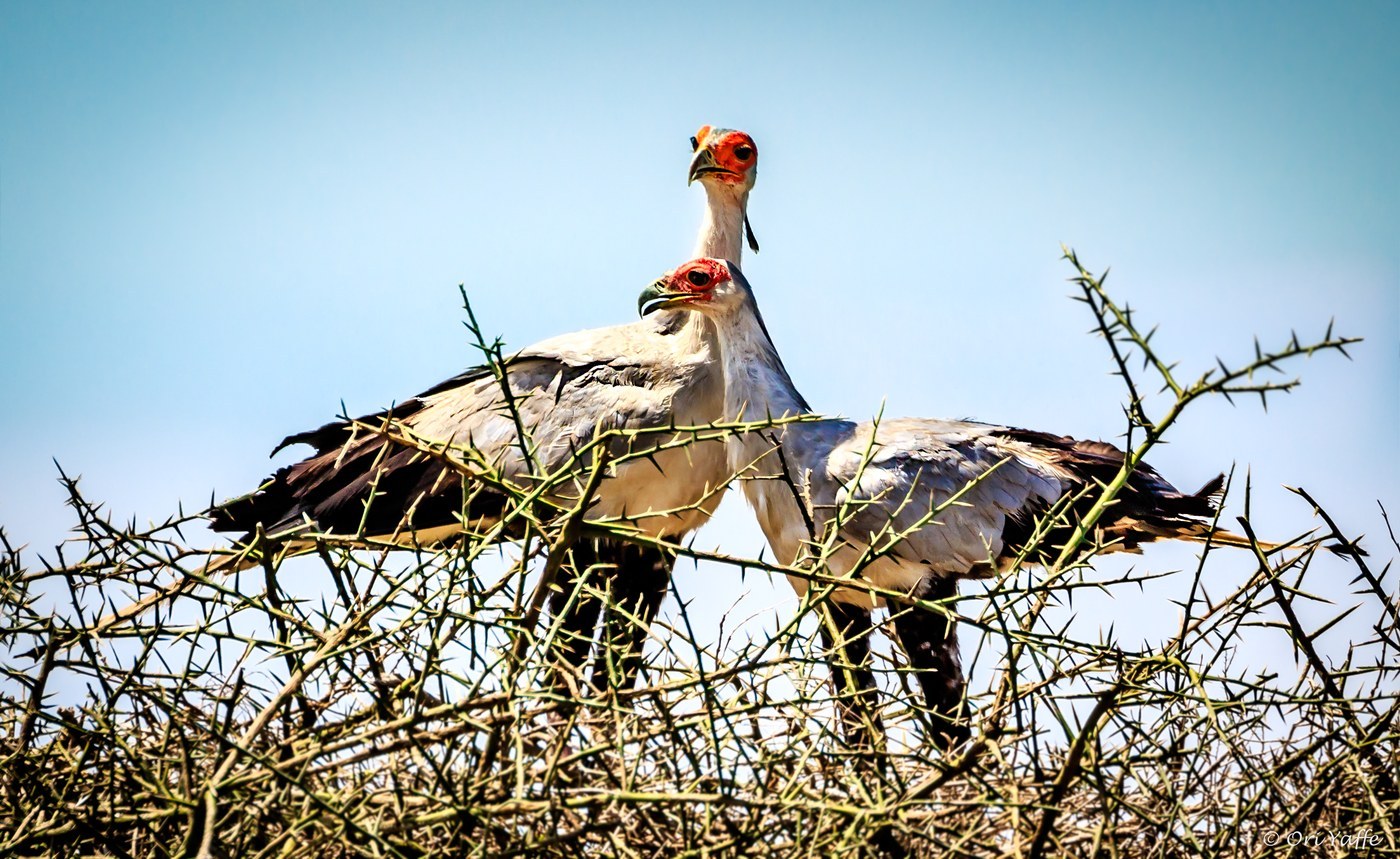
Secretarybird
Long crest feathers; broad flight feathers; elongated central tail feathers

Orange-breasted Falcon
Broad-based pointed flight feathers; bold breast and belly feathers

Amur Falcon
Slender pointed flight feathers; soft slate or orange-buff contour feathers
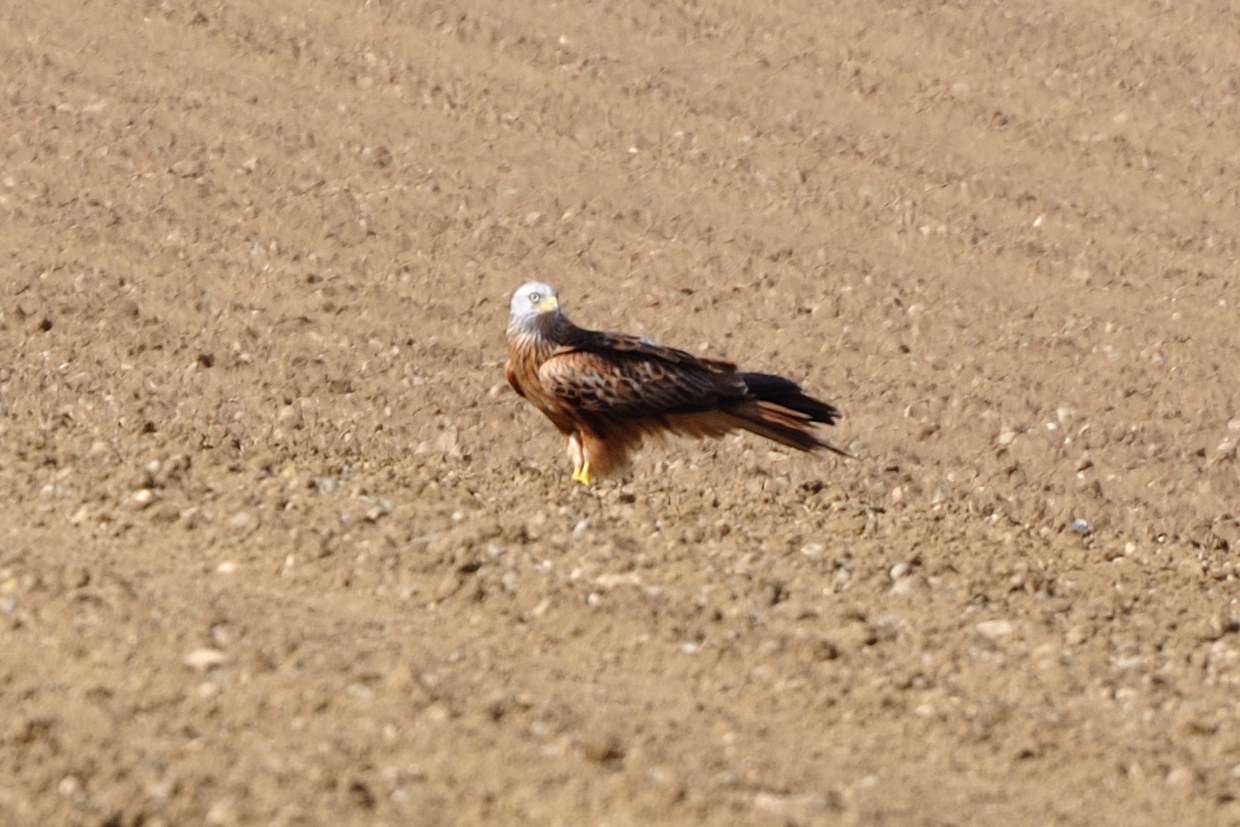
Red Kite
Flight (wing) and tail feathers
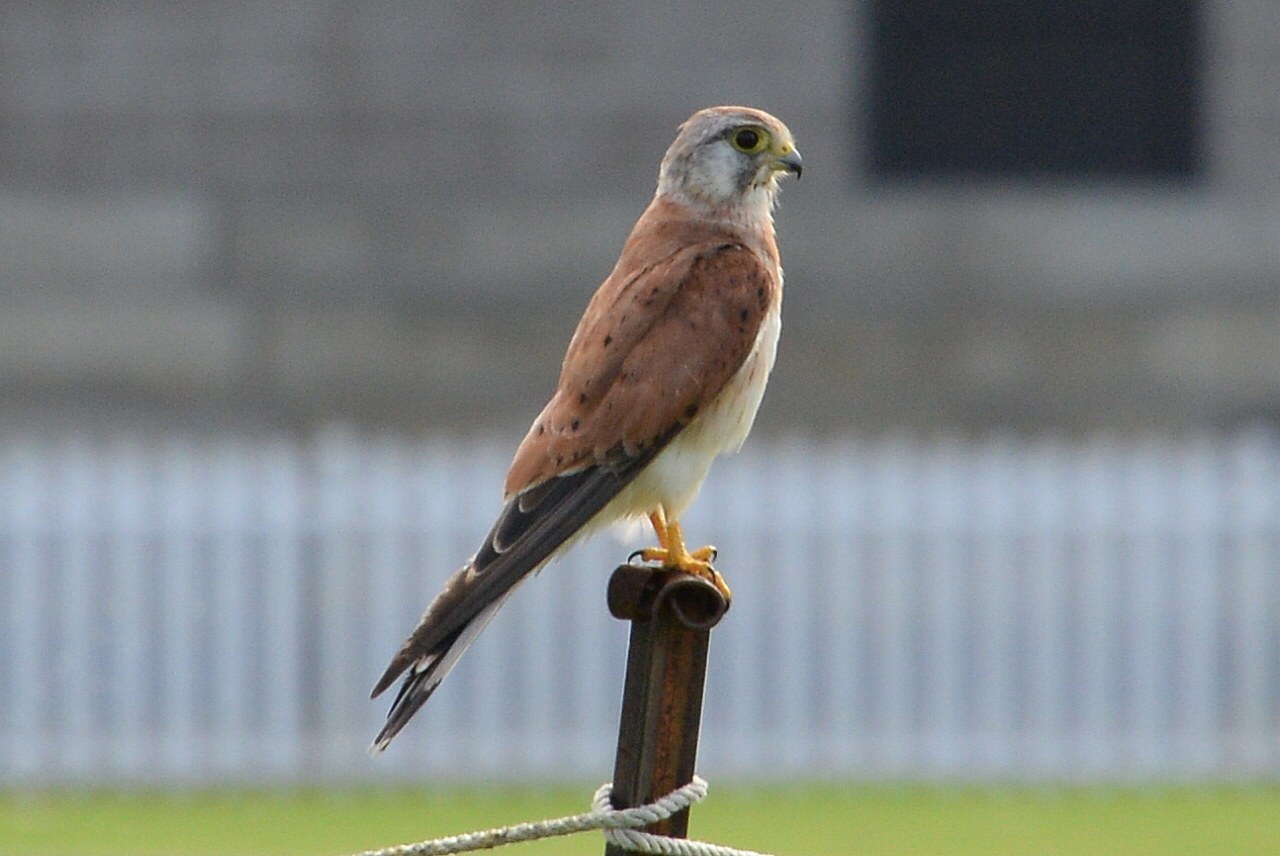
Nankeen Kestrel
Slim pointed flight feathers; lightly marked contour feathers

Andean Condor
Massive flight feathers; broad primaries and secondaries; sturdy tail feathers

Plumbeous Forest Falcon
Short rounded flight feathers; finely barred tail feathers

Sooty Falcon
Long pointed flight feathers; slim tail feathers
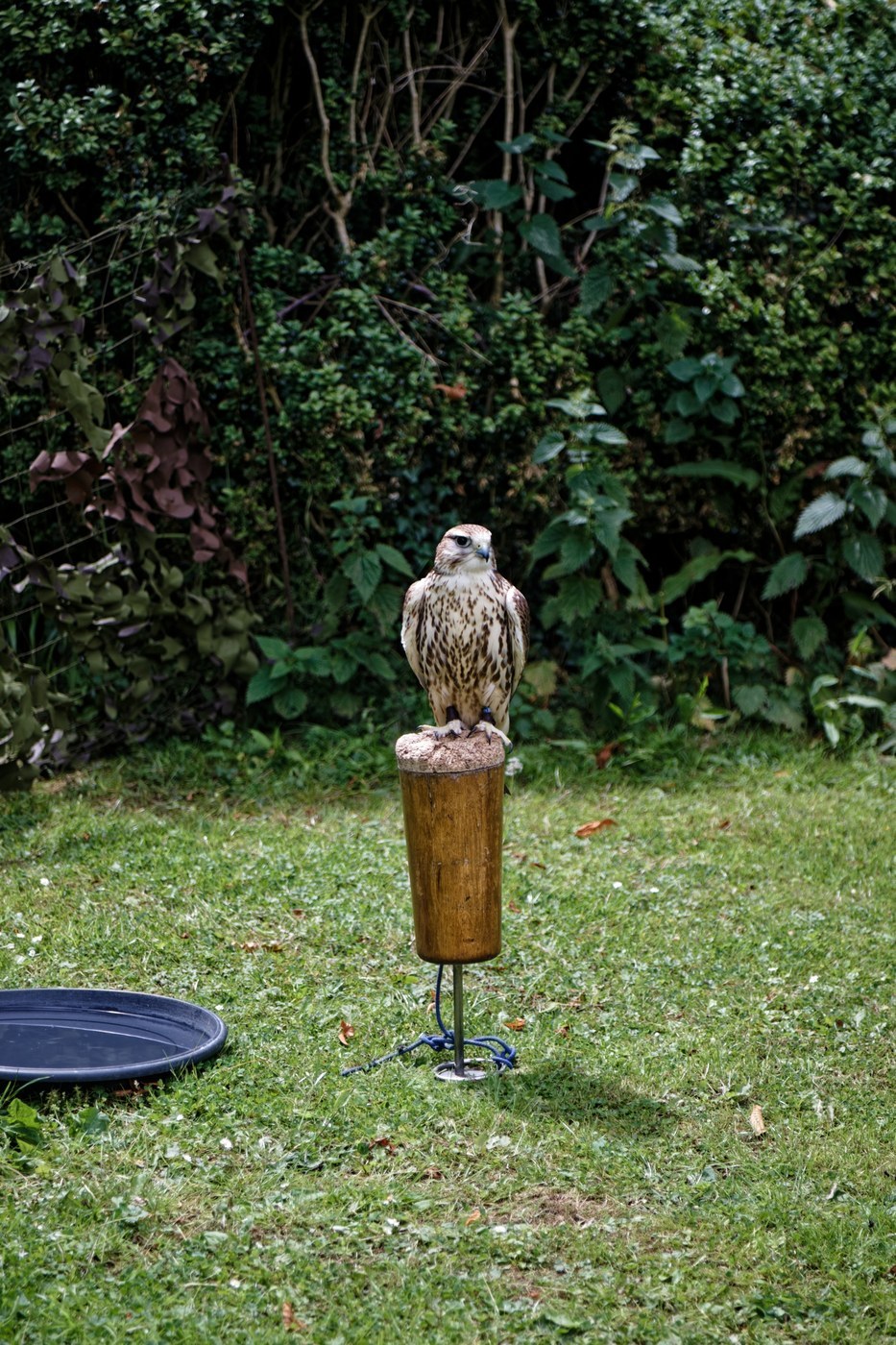
Saker Falcon
Long pointed flight feathers & squared tail; dense back and covert feathers