
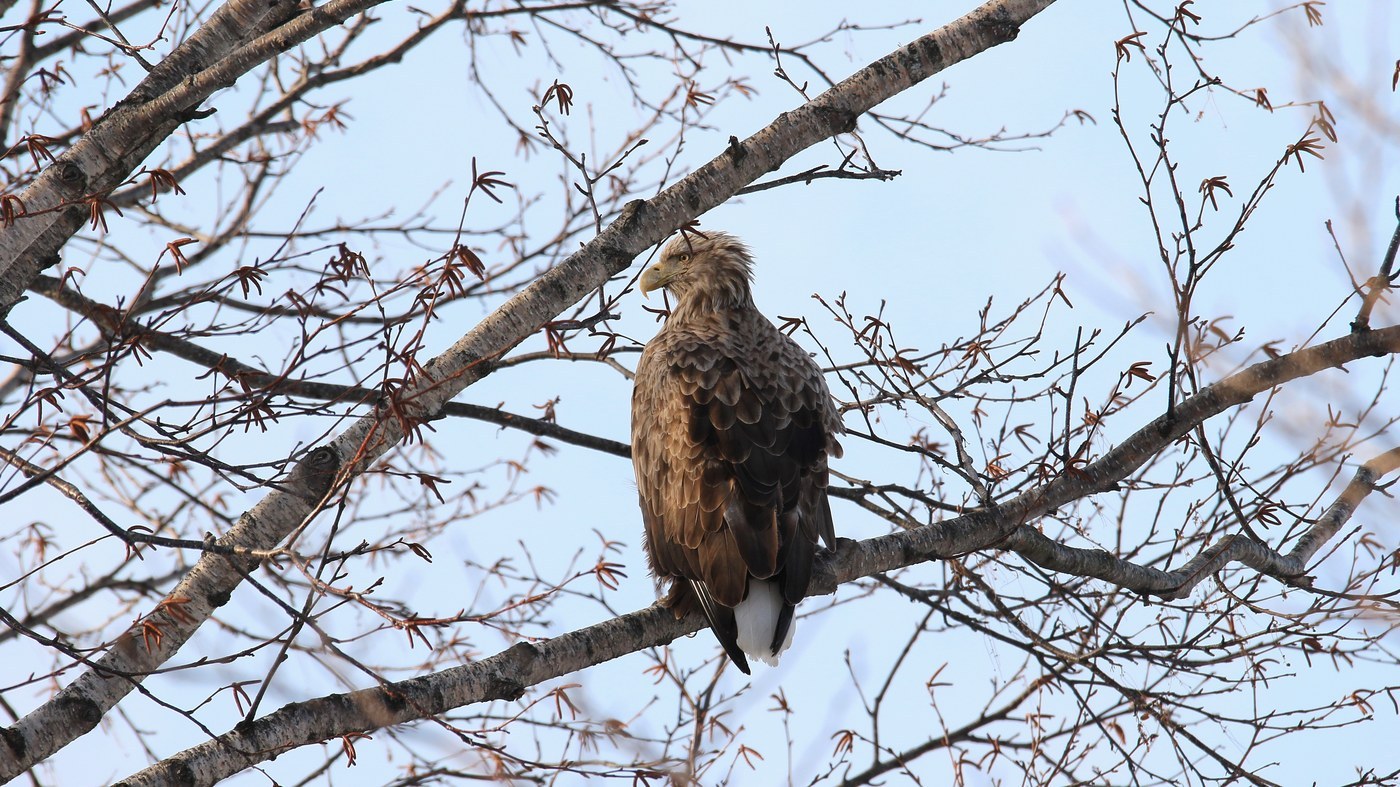
White-tailed Eagle
Haliaeetus albicilla
A massive coastal eagle whose short, white, wedge-shaped tail feathers and pale straw head contrast strongly with dark brown body plumage in adults.
- Feather type
- Flight and tail feathers
- Colours
- Brown body, pale straw-colored head feathers, pure white wedge-shaped tail in adults
- Bird size
- Very large raptor, ~70-95 cm, wingspan up to 2.4 m
Found a feather like this?
Identify any feather from a photo, free.
Overview
The White-tailed Eagle is Europe's largest eagle, closely tied to coastlines, large lakes, and estuaries where it hunts and scavenges fish and waterbirds. It has recovered in numbers and range in parts of Europe following historical declines.
Identifying the Feather
Adult White-tailed Eagle tail feathers are pure white and notably short, forming a wedge shape rather than the long, rounded tail of many other large raptors. The head and upper neck feathers are pale straw to buff, contrasting with the darker brown body and wing plumage, giving a somewhat pale-headed appearance similar in concept to a Bald Eagle but with a brown rather than fully white head. The wings are exceptionally broad and rectangular along their whole length, often described as "barn door" wings in flight, with flight feathers strongly fingered at the tips. Juveniles show a dark tail with irregular mottled edges rather than the clean white wedge of adults, developing full adult tail coloration over about five years.
Plumage & Molt
Full adult plumage, including the white wedge tail and pale head, takes around four to five years to develop, with juveniles passing through progressively paler intermediate stages. Sexes look alike, with females larger than males. Adults undergo a slow, sequential molt over more than a year.
Habitat & Range
White-tailed Eagles favor coastlines, estuaries, and large lakes across much of Europe and northern Asia, foraging over both marine and freshwater habitats. Populations vary from resident to partially migratory, with northern breeders moving to open water further south in winter.
Behavior & Field Notes
White-tailed Eagles feed on fish, waterbirds, and carrion, often robbing other birds of their catches (kleptoparasitism) as well as hunting directly. Flight is typically low and direct with slow, powerful wingbeats. The call is a series of yelping or barking notes. Nests are enormous stick structures built in trees or on cliffs near water, used and enlarged over many years. Populations are recovering in several regions after reintroduction efforts.
Frequently asked questions
What is the clearest identifying feature of a White-tailed Eagle feather?
The short, wedge-shaped, pure white tail feathers of the adult are the most distinctive feature, differing from the longer tails of most other large eagles.
How do juvenile White-tailed Eagle tail feathers differ from adults?
Juveniles show a dark tail with irregular mottled edges, gradually becoming the clean white wedge of the adult over about five years.
How can I tell White-tailed Eagle feathers from Bald Eagle feathers?
White-tailed Eagles have a pale straw-brown rather than pure white head, and the tail, while white, is shorter and more wedge-shaped.
Where would I likely find White-tailed Eagle feathers?
Near coastlines, estuaries, and large lakes across its European and Asian range, especially close to nest sites.
White-tailed Eagle guides
In-depth guides for identifying and understanding White-tailed Eagle.
White-tailed Eagle identified by the community
Real feathers identified with Feather Identifier.


Other feathers you may enjoy

Australian Hobby
Long, narrow pointed flight feathers; slender tail feathers

California Condor
Massive flight feathers; long broad primaries; large tail feathers

Brown Falcon
Broad, rounded flight feathers; variable-toned contour feathers
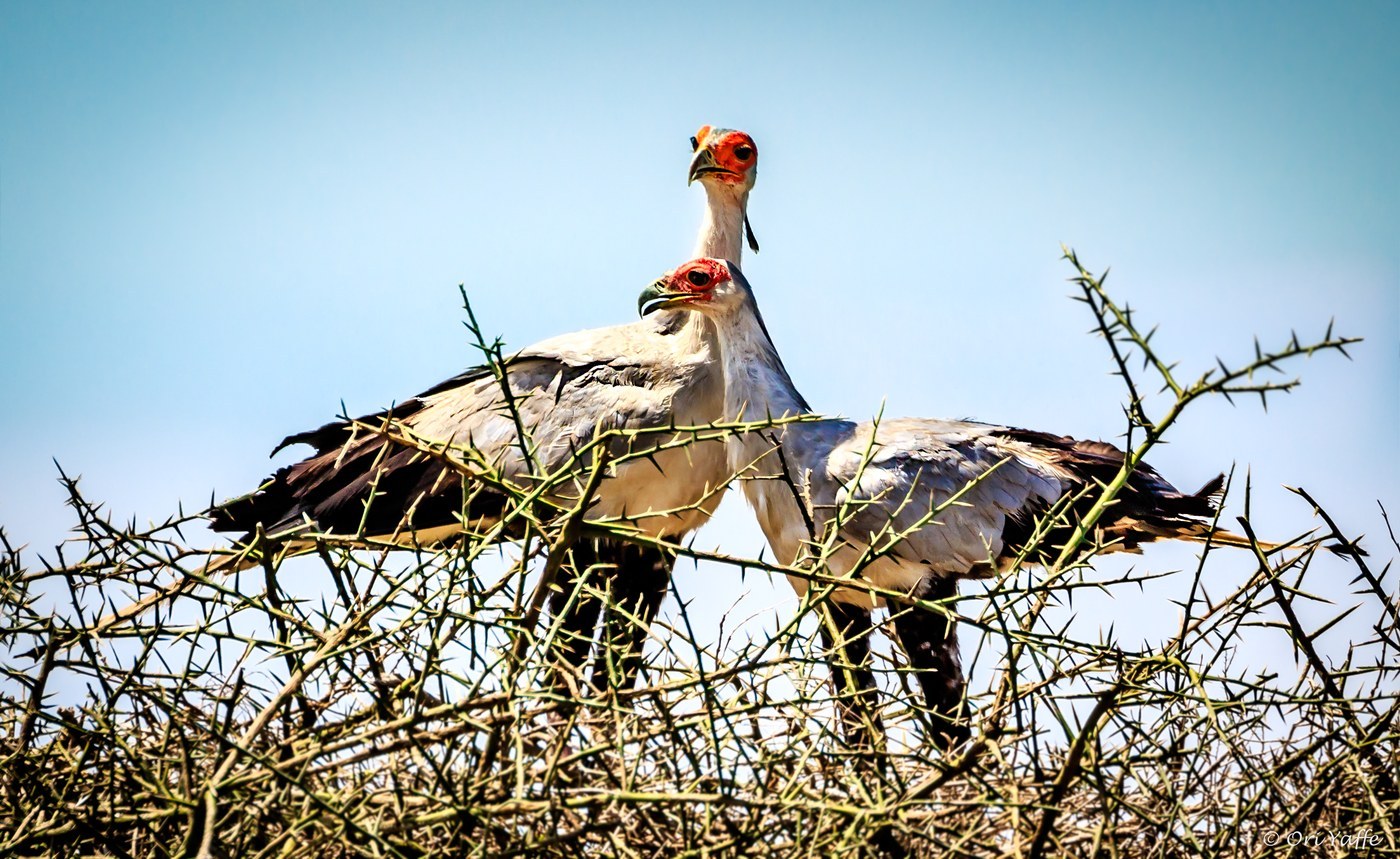
Secretarybird
Long crest feathers; broad flight feathers; elongated central tail feathers

Orange-breasted Falcon
Broad-based pointed flight feathers; bold breast and belly feathers
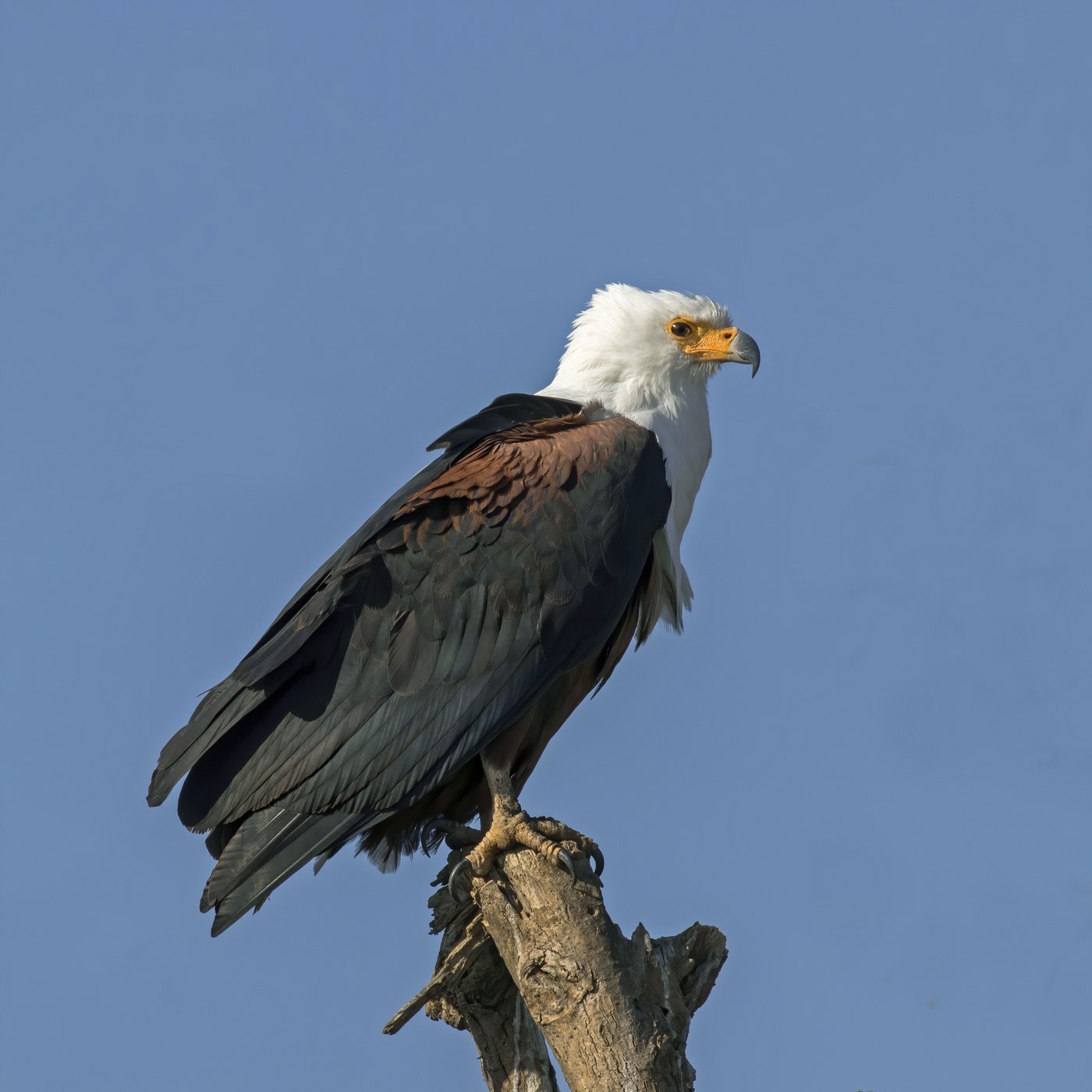
African Fish Eagle
Flight, tail, and body feathers

Amur Falcon
Slender pointed flight feathers; soft slate or orange-buff contour feathers
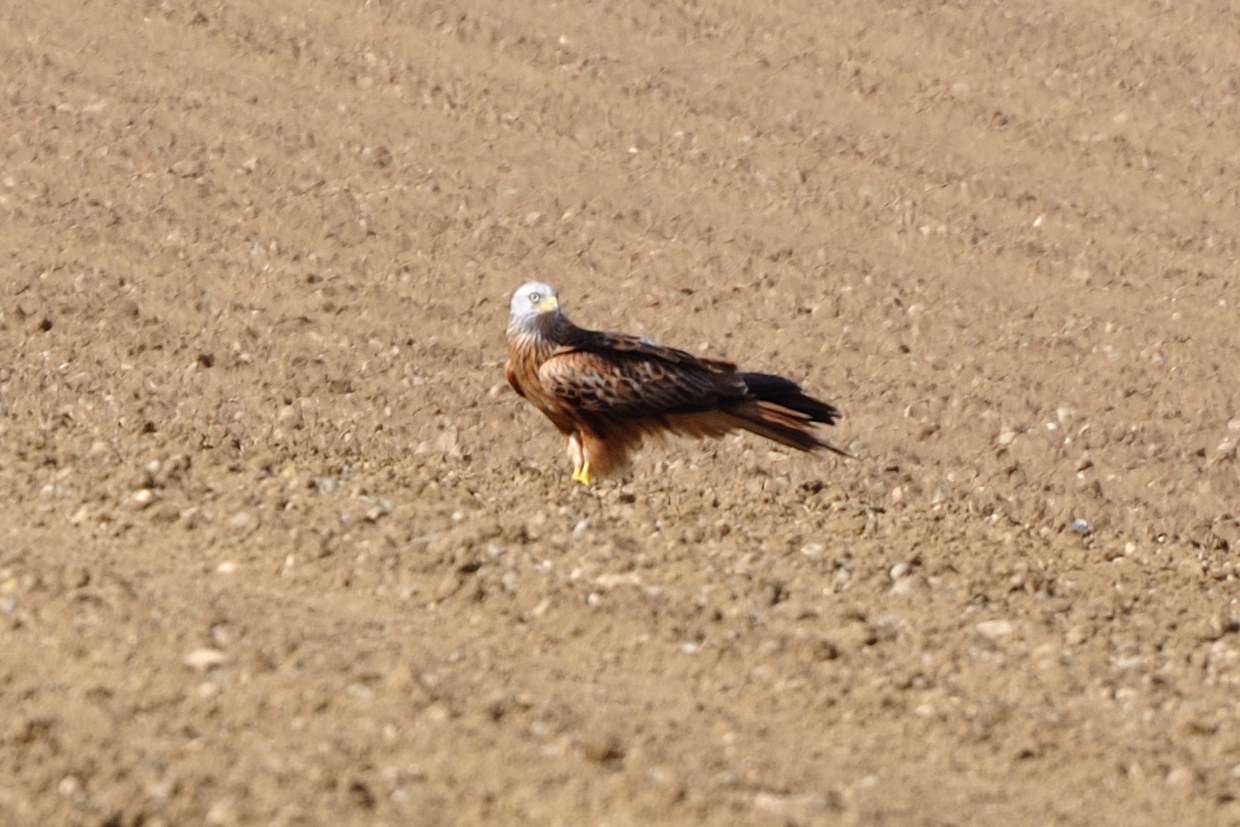
Red Kite
Flight (wing) and tail feathers
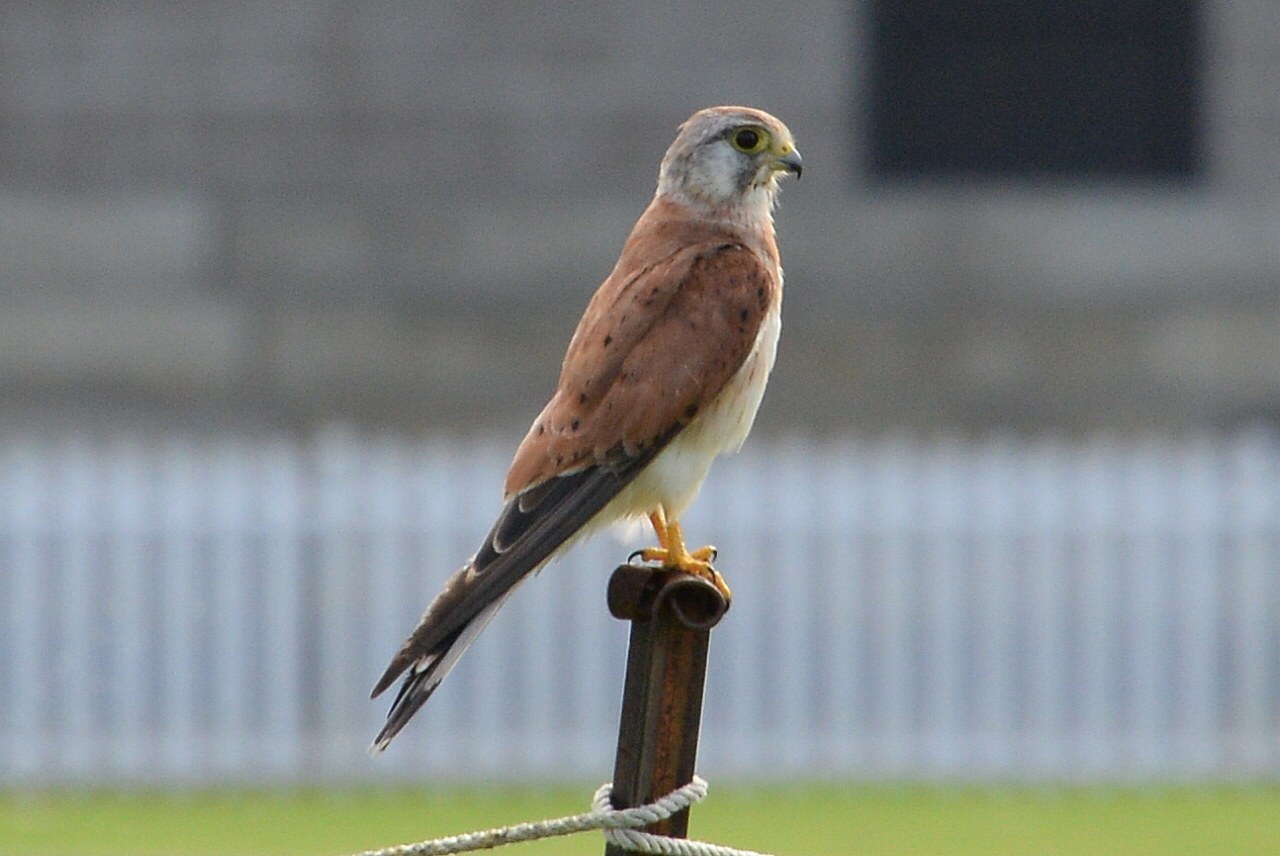
Nankeen Kestrel
Slim pointed flight feathers; lightly marked contour feathers

Andean Condor
Massive flight feathers; broad primaries and secondaries; sturdy tail feathers

Plumbeous Forest Falcon
Short rounded flight feathers; finely barred tail feathers

Sooty Falcon
Long pointed flight feathers; slim tail feathers