

California Condor
Gymnogyps californianus
One of the largest flying birds in the world, with enormous black flight feathers and bold white underwing patches.
- Feather type
- Massive flight feathers; long broad primaries; large tail feathers
- Colours
- Black body plumage with large white triangular patches on the underwing coverts
- Bird size
- Very large raptor, ~117-134 cm, wingspan up to 2.9 m
Found a feather like this?
Identify any feather from a photo, free.
Overview
The California Condor is among the largest flying birds on Earth, with a wingspan approaching three meters. Once reduced to just a handful of individuals in the wild, it survives today thanks to a captive breeding and reintroduction program, with wild populations now established in California, Arizona, and Baja California.
Its plumage is overwhelmingly black, broken by large white triangular patches on the underside of the wing, formed by the white wing linings, visible from a great distance as the bird soars on thermals.
Given its immense size, even a single flight feather from this species is unusually large and heavy compared to nearly any other North American bird.
Identifying the Feather
Shape and Size
Primaries and secondaries are exceptionally long and broad, among the largest feathers of any flying bird; a single primary feather can be well over half a meter long.
Color and Pattern
- Body and most covert feathers: solid black
- Underwing covert feathers: white, forming the bold white wing-triangle seen in flight
- Neck ruff feathers: black, forming a prominent frill at the base of the bare head
- Flight feathers: black on both surfaces
- Shafts: pale, thick, and notably strong given the feather's size
Distinguishing from Similar Species
Sheer feather size is the first clue, as this species' flight feathers dwarf those of the Turkey Vulture and Golden Eagle. The presence of solid white underwing covert feathers, rather than pale flight feather undersides, separates it from vultures whose pale areas are on the flight feathers themselves.
Plumage & Molt
Adults are black overall with white underwing covert patches and a bare pinkish-orange to yellow head; sexes look similar. Juveniles have a darker, grayish head and mostly dark underwing linings that gradually whiten with age over several years.
Molt of the huge flight feathers proceeds slowly, reflecting the species' long feather growth time and multi-year path to full adult plumage.
Habitat & Range
Restricted to a small range in cliffs, canyons, and mountains of central and southern California, the Grand Canyon region of Arizona and Utah, and northern Baja California, Mexico, following intensive reintroduction efforts.
The species is non-migratory but individuals can range widely in search of carrion.
Behavior & Field Notes
Feeds exclusively on carrion, often traveling long distances while soaring to locate carcasses, and can go for days between meals. Roosts and often forages in small groups.
Nests in caves or crevices on cliff faces rather than building a stick nest, and raises a single chick over an extended period. Largely silent, producing only occasional hisses and grunts.
An exceptionally large black flight feather, or one with white underwing covert coloring, found in the mountains of California, Arizona, or Baja California, would be a remarkable and notable find given the species' rarity.
Frequently asked questions
How large is a California Condor feather compared to other birds?
Its flight feathers are among the largest of any flying bird, with primaries that can measure well over half a meter in length.
What is the best color clue?
Solid black body feathers combined with white underwing covert feathers (not white on the flight feathers themselves) point to this species.
Is finding a feather from this species likely?
Given the species' small, closely monitored population, finding a feather is uncommon and would occur only within its limited current range.
How does a young bird's feathering differ from an adult's?
Juveniles show darker underwing linings that whiten only gradually over several years as the bird matures.
California Condor guides
In-depth guides for identifying and understanding California Condor.

Other feathers you may enjoy

Australian Hobby
Long, narrow pointed flight feathers; slender tail feathers

Brown Falcon
Broad, rounded flight feathers; variable-toned contour feathers
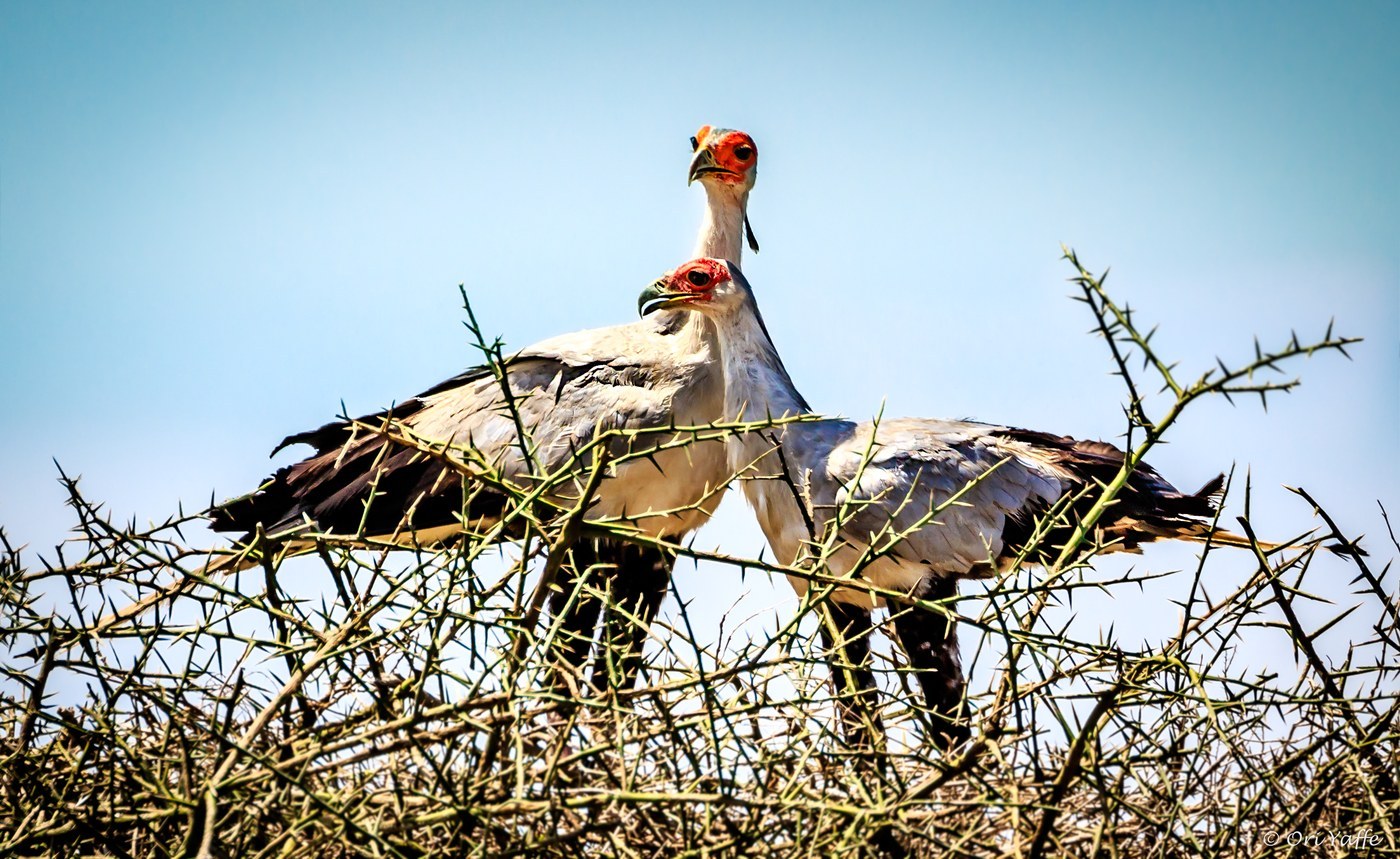
Secretarybird
Long crest feathers; broad flight feathers; elongated central tail feathers

Orange-breasted Falcon
Broad-based pointed flight feathers; bold breast and belly feathers
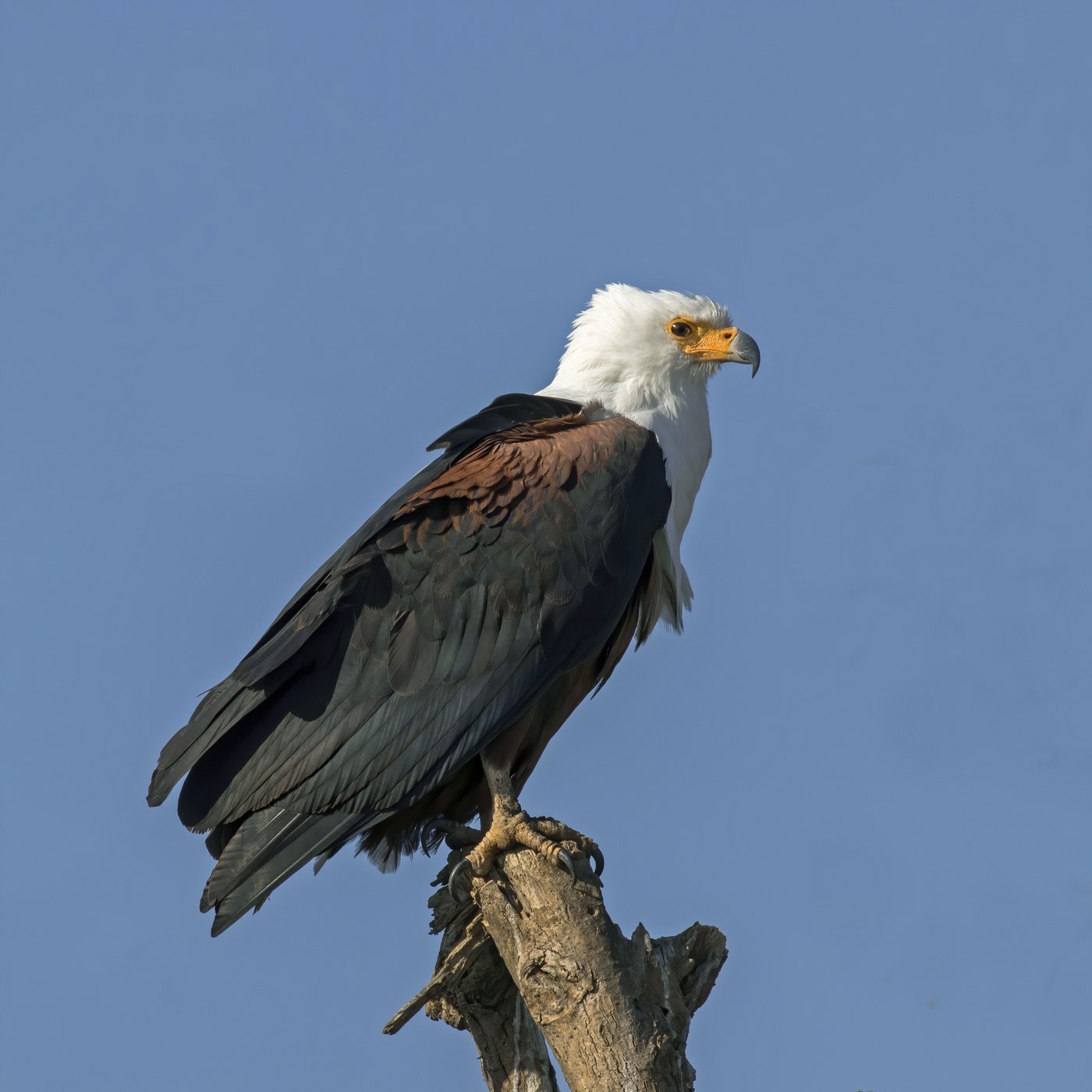
African Fish Eagle
Flight, tail, and body feathers

Amur Falcon
Slender pointed flight feathers; soft slate or orange-buff contour feathers
Red Kite
Flight (wing) and tail feathers
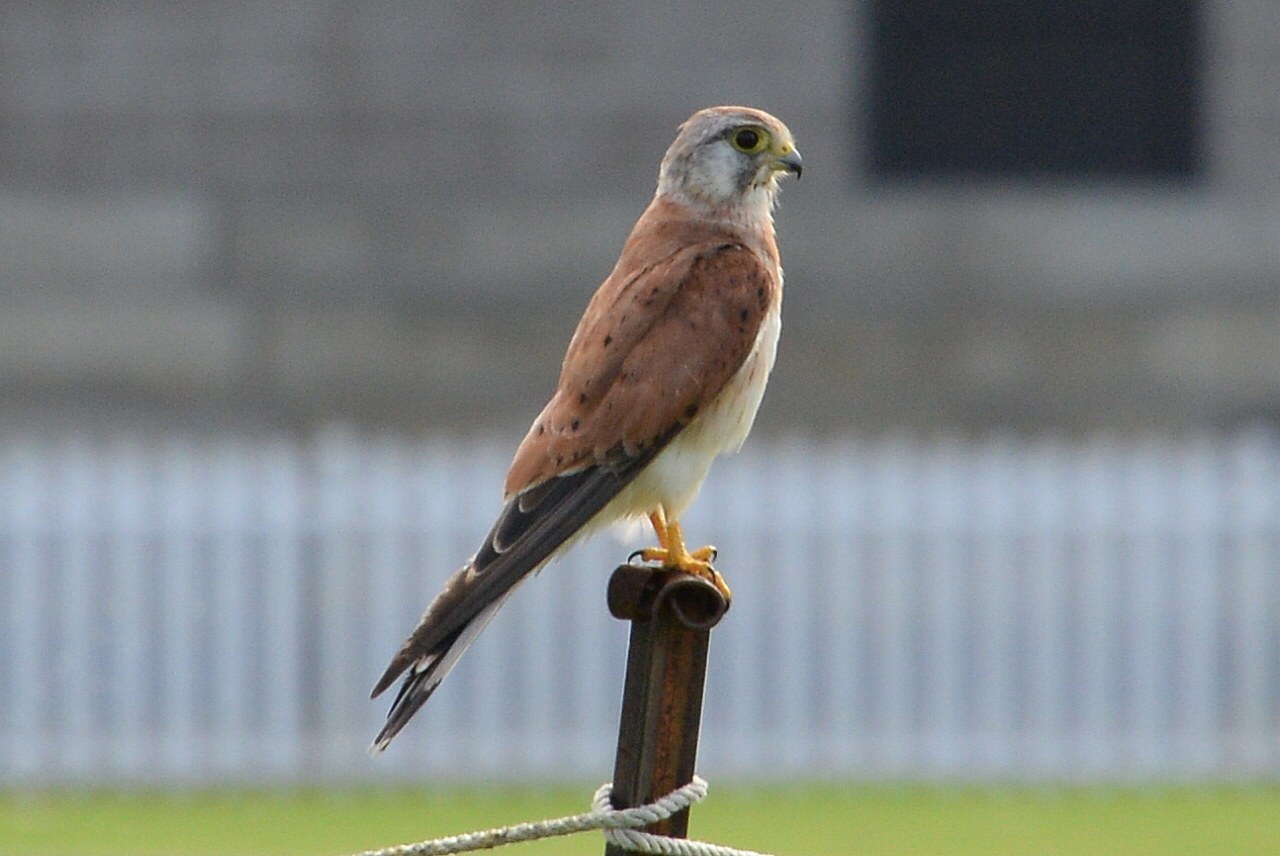
Nankeen Kestrel
Slim pointed flight feathers; lightly marked contour feathers

Andean Condor
Massive flight feathers; broad primaries and secondaries; sturdy tail feathers

Plumbeous Forest Falcon
Short rounded flight feathers; finely barred tail feathers

Sooty Falcon
Long pointed flight feathers; slim tail feathers
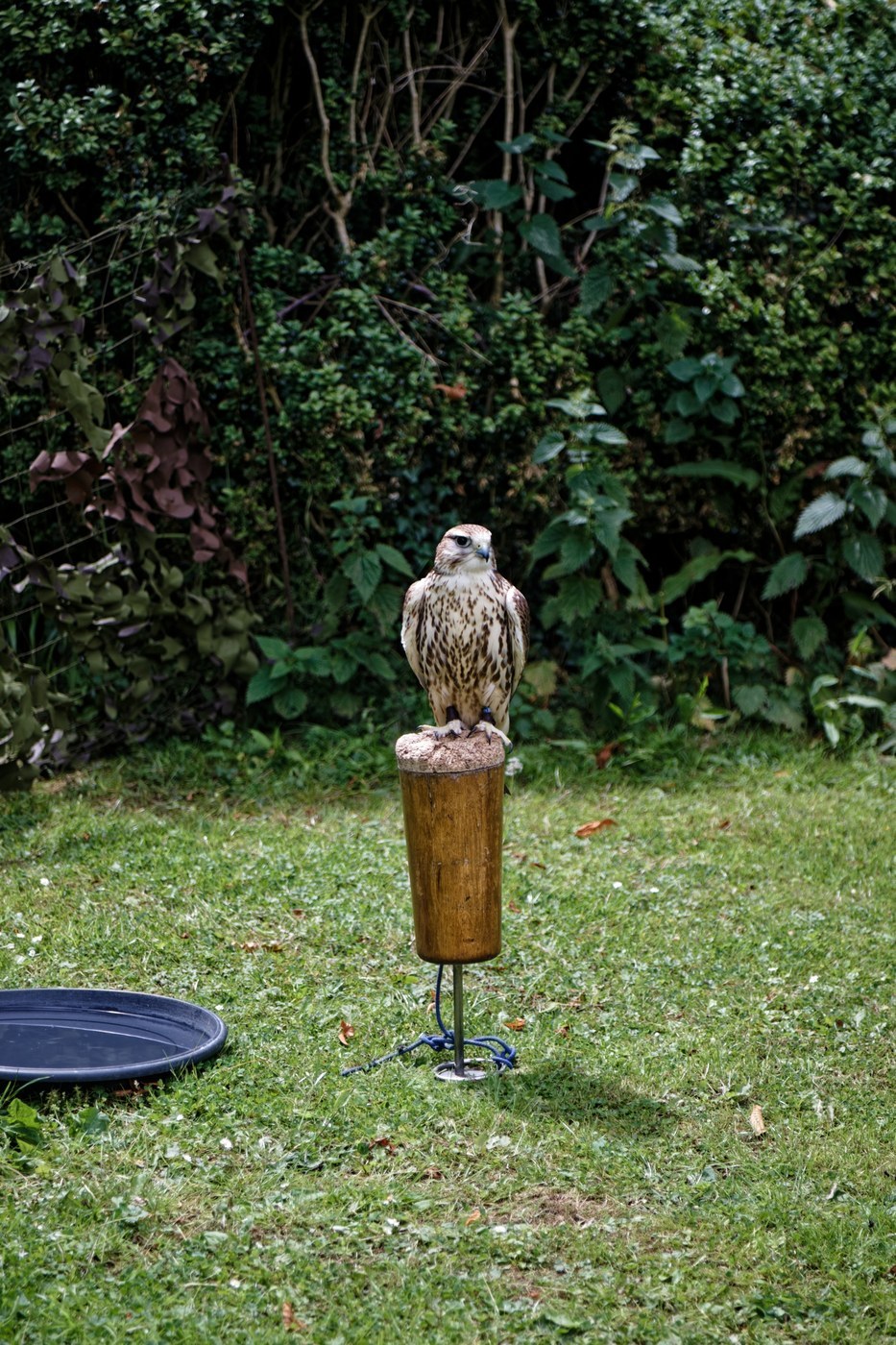
Saker Falcon
Long pointed flight feathers & squared tail; dense back and covert feathers