
Western Marsh Harrier
Circus aeruginosus
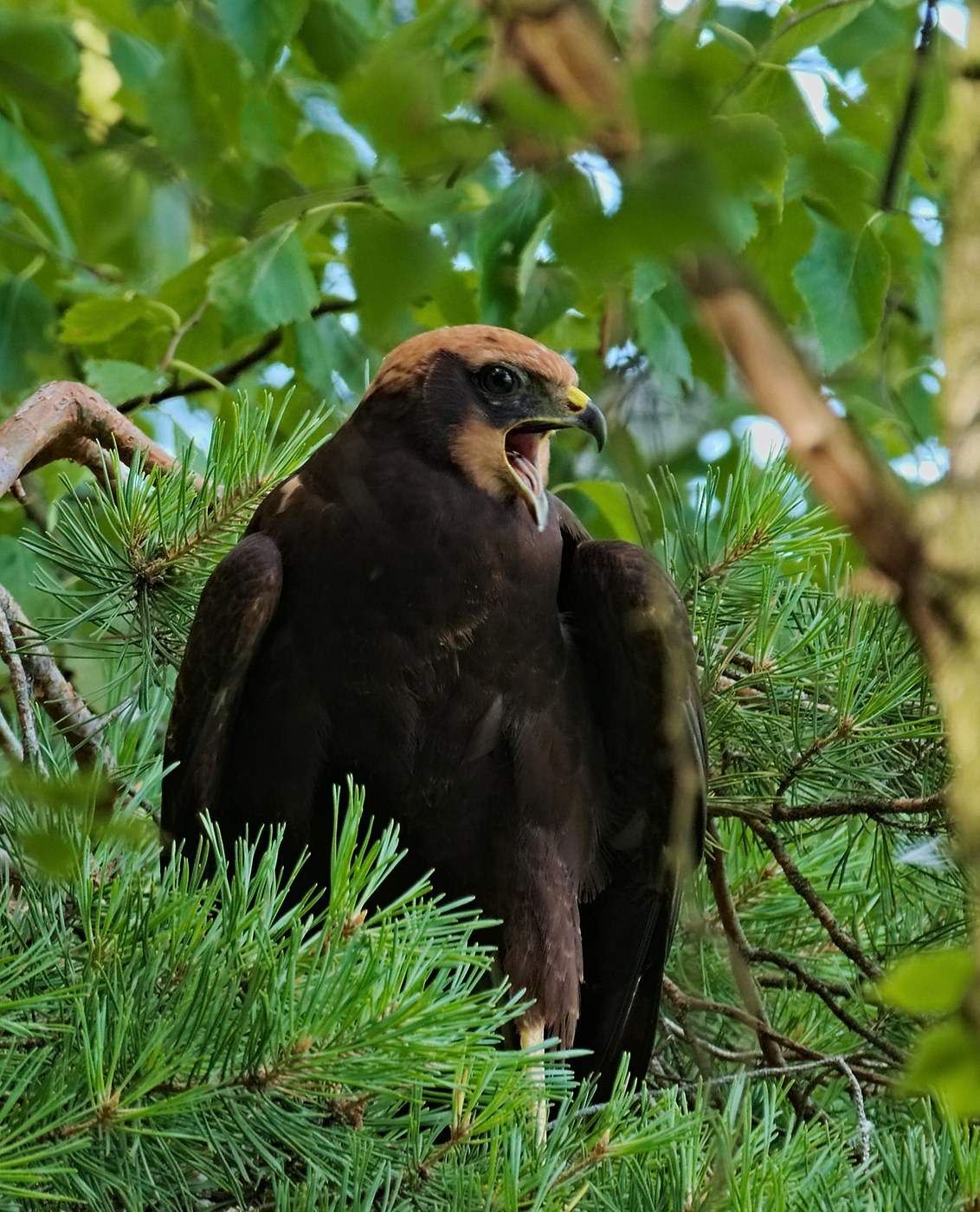
The Western Marsh Harrier is the largest and darkest of the Eurasian harriers, males showing a distinctive tricolor pattern of grey, brown, and black on the wings and tail, while females and juveniles are largely dark chocolate-brown with a pale creamy crown.
- Feather type
- Long broad wings held in a shallow V in flight; long banded tail; body feathers relatively unstreaked compared to other harriers
- Colours
- Males show grey, brown, and black tricolor wings and tail; females and juveniles are largely dark chocolate-brown with a creamy crown and throat patch
- Bird size
- Largest Eurasian harrier, ~48-56 cm, wingspan around 1.1-1.3 m
Found a feather like this?
Identify any feather from a photo, free.
Overview
Western Marsh Harrier
The Western Marsh Harrier, also known as the Eurasian Marsh Harrier, is the largest and bulkiest of the harriers found across Europe, Asia, and Africa, closely tied to reedbeds and other extensive wetlands. Its low, quartering flight over marsh vegetation is characteristic of the harrier group generally, though its size and darker overall tones set it apart from smaller Eurasian relatives such as Hen and Montagu's Harrier.
Males show a striking tricolor wing and tail pattern, while females and juveniles are notably dark with a pale cream patch on the crown and throat, a useful field mark within the harrier group.
Identifying the Feather
Identifying Western Marsh Harrier Feathers
- Primaries: black in males, contrasting with grey secondaries and brown lesser coverts, creating a distinctive tricolor wing pattern; browner and less contrasting in females and juveniles.
- Tail feathers: plain grey in males; dark brown, largely unbarred in females and juveniles, unlike the more evenly banded tails of Hen or Montagu's Harrier.
- Body feathers: females and juveniles are notably dark chocolate-brown overall, offset by a pale creamy patch of feathers on the crown and throat.
- Overall size: feathers average larger than those of Hen or Montagu's Harrier, consistent with this being the bulkiest Eurasian harrier.
- The combination of large size, dark brown female/juvenile body feathers, and a pale crown patch helps distinguish this species from other Old World harriers.
Plumage & Molt
Plumage
Adult males show a grey head, grey secondaries, black primaries, and brown-streaked underparts and covert feathers, a tricolor pattern unique among Eurasian harriers. Females and juveniles are largely dark chocolate-brown with a contrasting pale creamy-buff crown and throat patch. Juveniles closely resemble adult females, gaining full adult male plumage over a few years. Molt occurs mainly on the breeding or wintering grounds.
Habitat & Range
Habitat & Range
Breeds across reedbeds, marshes, and wetlands throughout much of Europe, temperate Asia, and North Africa. Northern and eastern populations are migratory, wintering in sub-Saharan Africa and South Asia, while some southern and western European populations are resident.
Behavior & Field Notes
Behavior & Field Notes
Western Marsh Harriers hunt low over reedbeds and marsh vegetation, taking small mammals, birds, and other prey flushed from cover. They nest on the ground within dense reed or marsh vegetation. Calls include a range of harsh, repeated notes given mainly near the nest. A large, dark brown body feather with a paler creamy patch, or a plain grey or tricolor wing feather, found near reedbeds or wetlands is consistent with this species.
Frequently asked questions
How can I tell this species from Hen Harrier by its feathers?
Western Marsh Harrier feathers average larger and darker overall, and females/juveniles lack the strong tail banding seen in Hen Harrier, instead showing largely plain dark brown feathers with a pale crown patch.
What is distinctive about male wing feathers in this species?
Males show a striking tricolor pattern with black primaries, grey secondaries, and brown covert feathers, a combination not seen in other Eurasian harriers.
What habitat is most linked to this species?
Extensive reedbeds, marshes, and other wetland vegetation, where it nests on the ground and hunts with a low, quartering flight.
Is this species migratory?
Northern and eastern populations migrate to winter in sub-Saharan Africa and South Asia, while some southern and western European populations remain resident year-round.
Western Marsh Harrier guides
In-depth guides for identifying and understanding Western Marsh Harrier.
Other feathers you may enjoy

Australian Hobby
Long, narrow pointed flight feathers; slender tail feathers

California Condor
Massive flight feathers; long broad primaries; large tail feathers

Brown Falcon
Broad, rounded flight feathers; variable-toned contour feathers
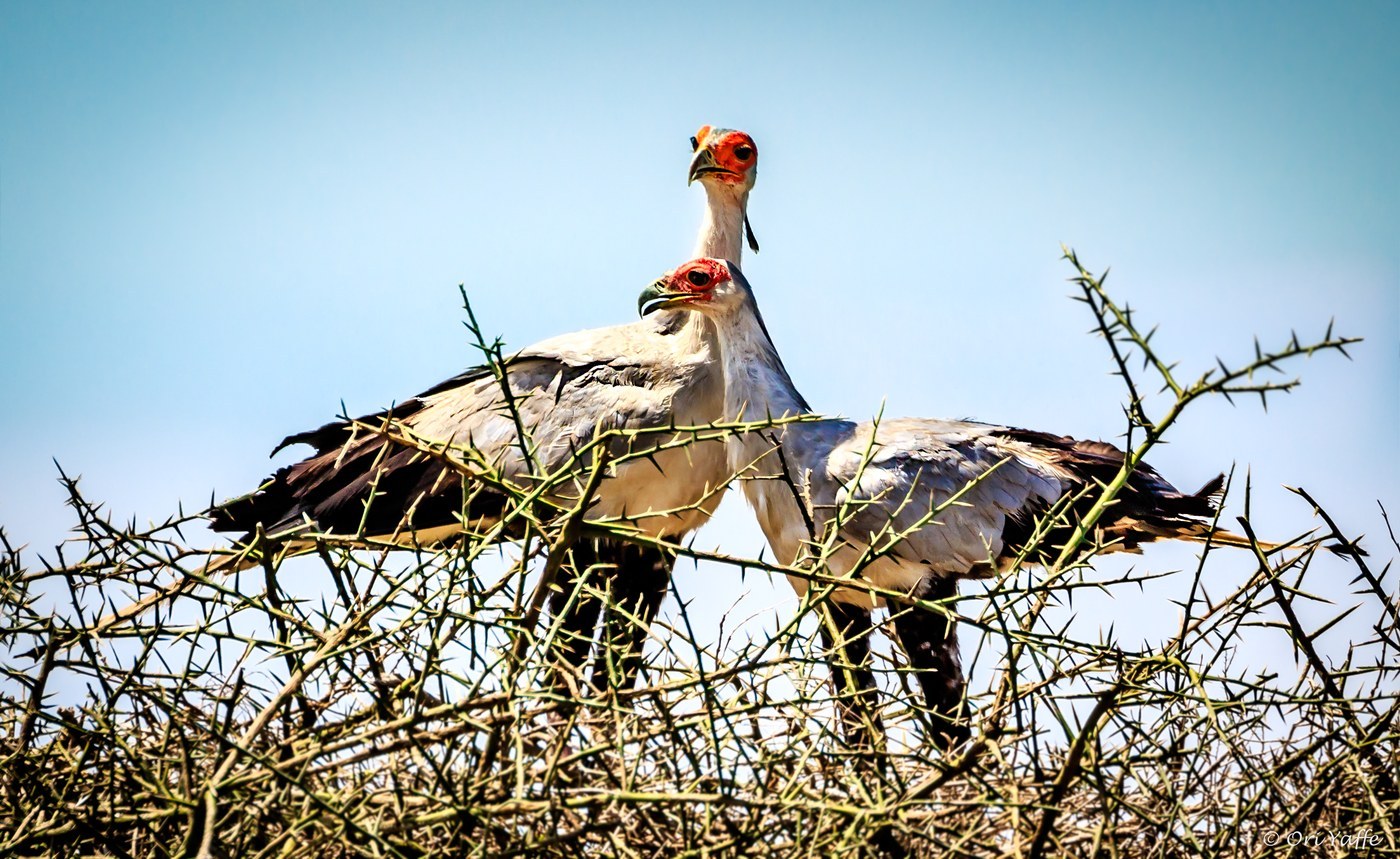
Secretarybird
Long crest feathers; broad flight feathers; elongated central tail feathers

Orange-breasted Falcon
Broad-based pointed flight feathers; bold breast and belly feathers
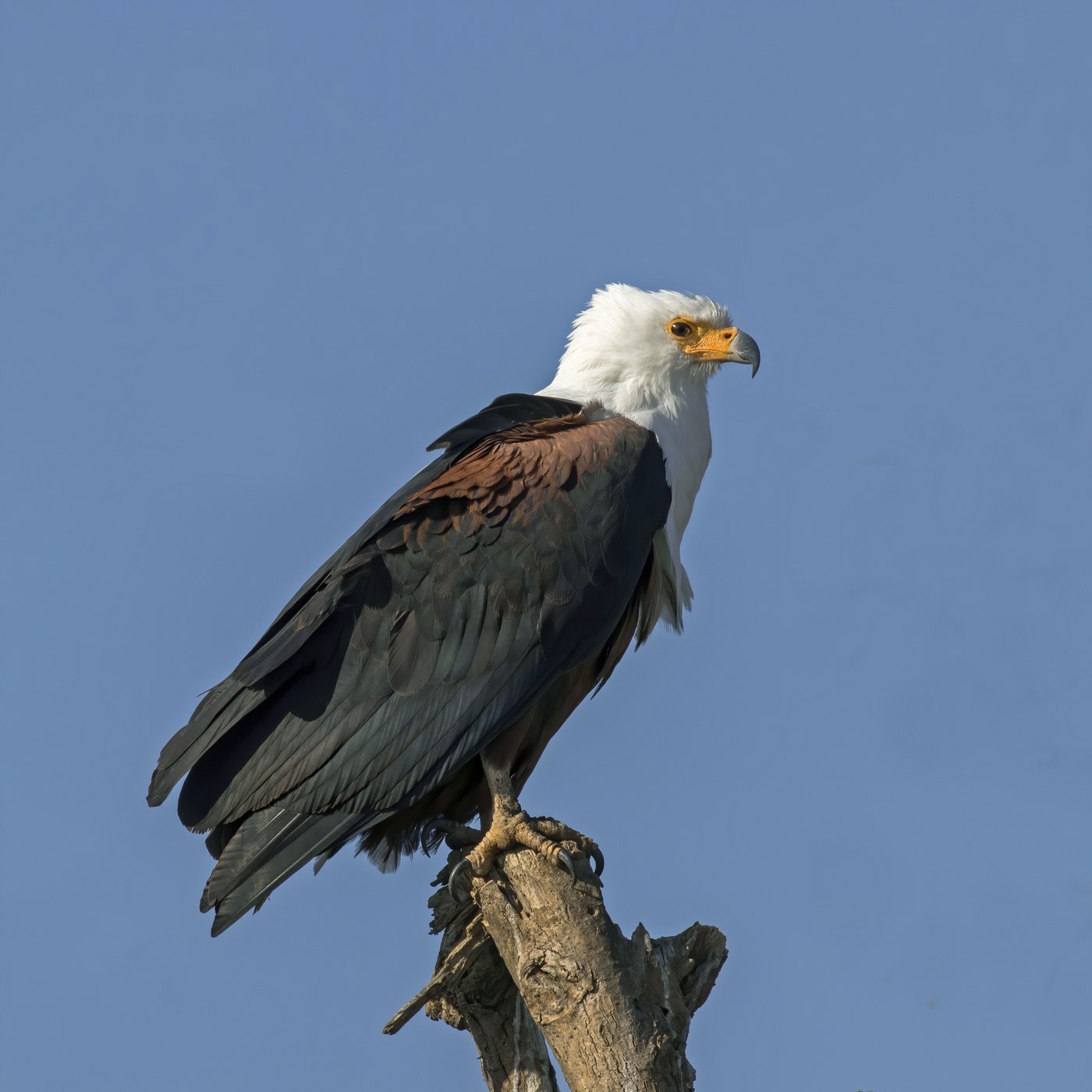
African Fish Eagle
Flight, tail, and body feathers

Amur Falcon
Slender pointed flight feathers; soft slate or orange-buff contour feathers
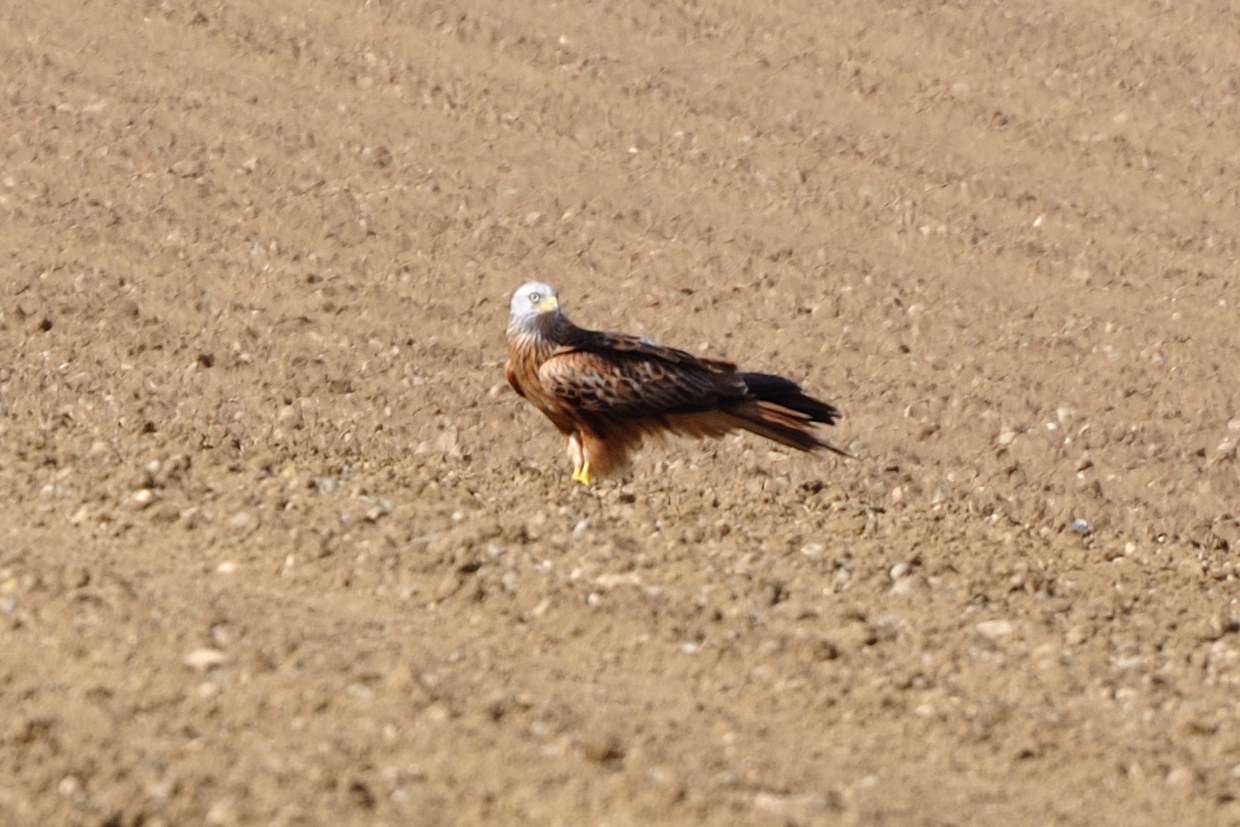
Red Kite
Flight (wing) and tail feathers
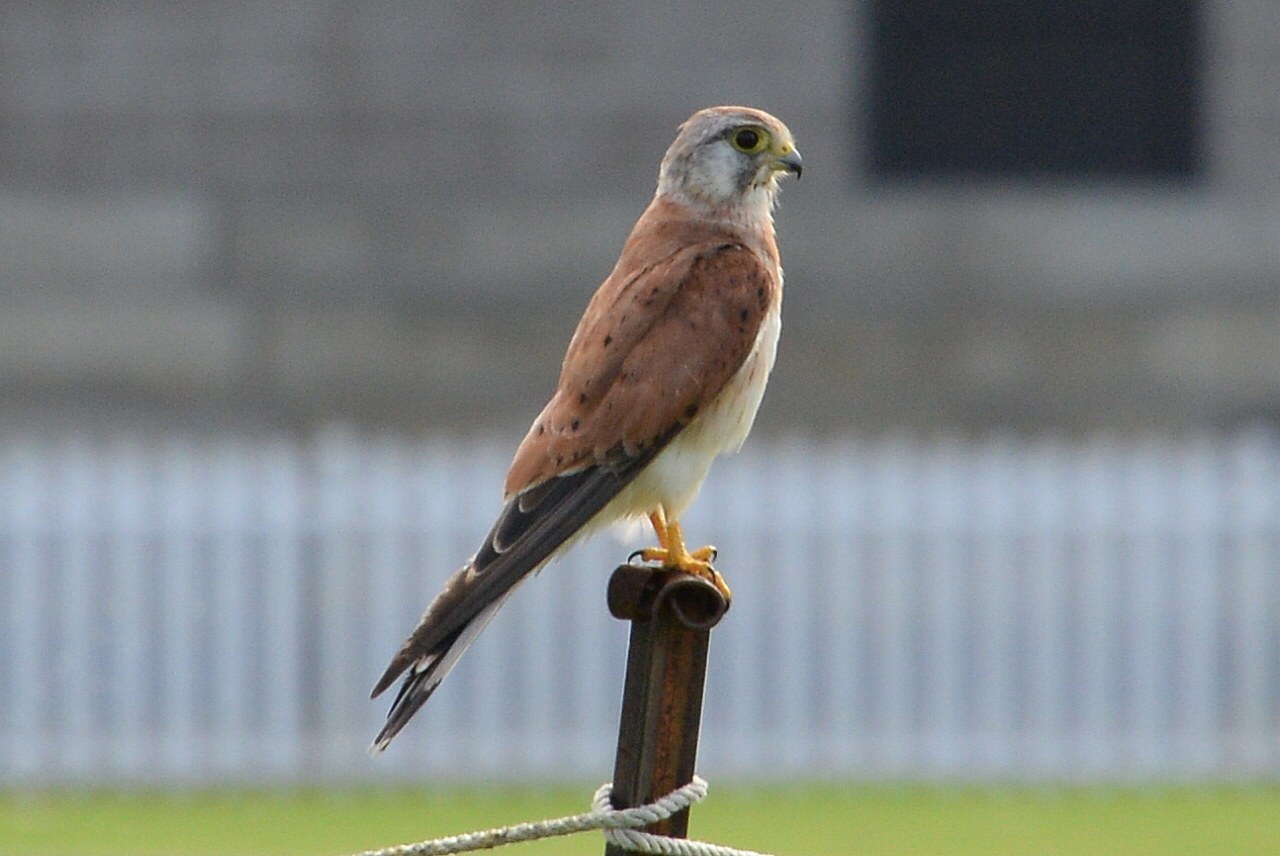
Nankeen Kestrel
Slim pointed flight feathers; lightly marked contour feathers

Andean Condor
Massive flight feathers; broad primaries and secondaries; sturdy tail feathers

Plumbeous Forest Falcon
Short rounded flight feathers; finely barred tail feathers

Sooty Falcon
Long pointed flight feathers; slim tail feathers