
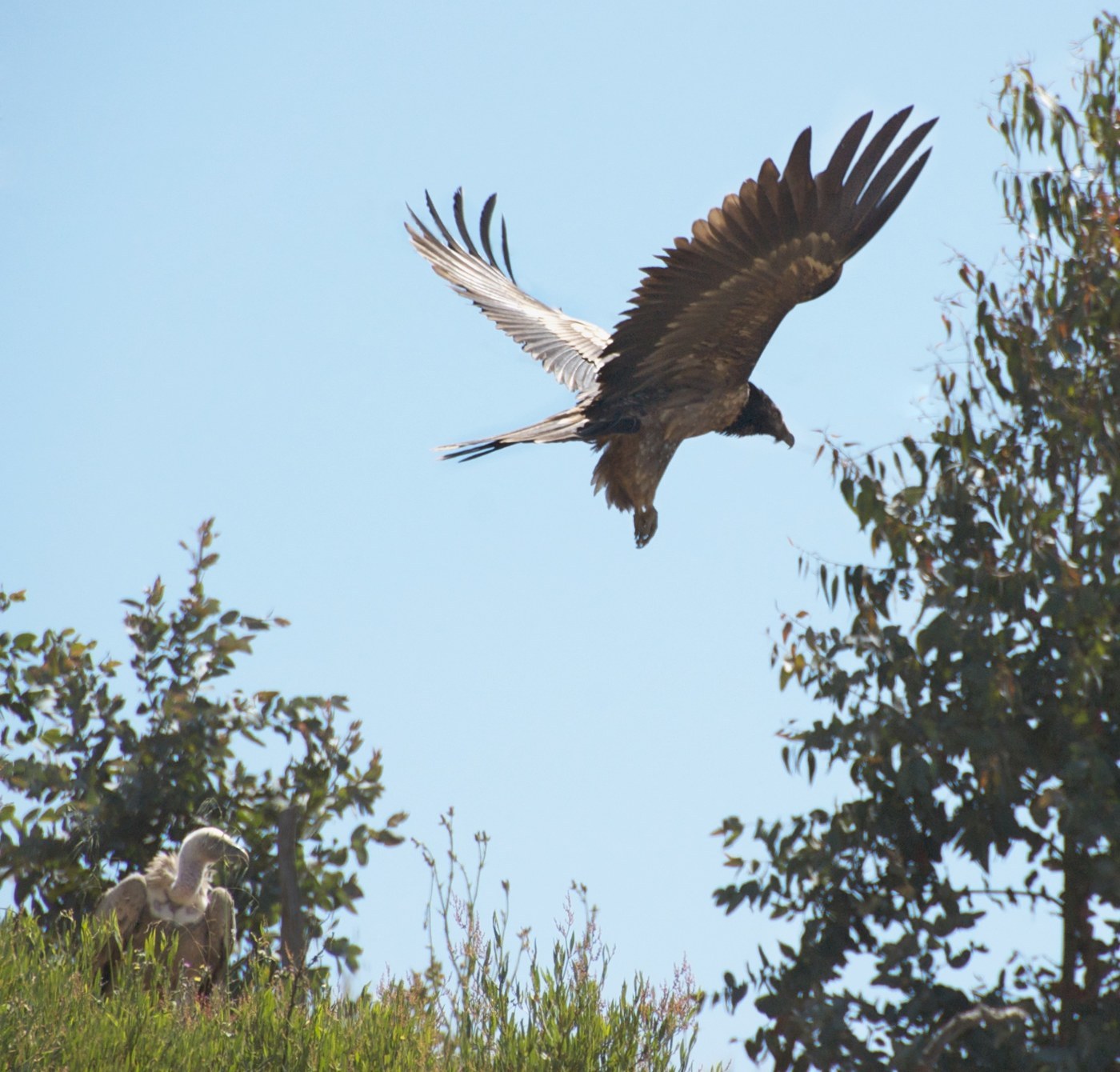
White-backed Vulture
Gyps africanus
A widespread African savanna vulture, mostly brown overall but showing a distinctive whitish patch on the lower back that is especially visible in flight.
- Feather type
- Broad flight feathers; contrasting rump feathers; downy neck feathers
- Colours
- Brownish body plumage with a whitish lower back and rump patch
- Bird size
- Large raptor, ~78-98 cm
Found a feather like this?
Identify any feather from a photo, free.
Overview
The White-backed Vulture is one of the most numerous and widespread vultures across sub-Saharan Africa's savanna regions, closely related to the Griffon Vulture of Europe and Asia. Its plumage is generally brownish, but a patch of white feathers on the lower back and rump gives the species its name and provides a useful field mark, especially visible when the bird is seen from below in flight.
It often gathers in large numbers at carcasses alongside other African vulture species, playing an important ecological role as a scavenger.
Feathers found on the African savanna showing a mix of plain brown body feathers with a patch of white ones are a good indicator of this species.
Identifying the Feather
Shape and Size
Wings are broad, and the tail short and rounded, typical of the Gyps vulture group, adapted for sustained soaring over open savanna.
Color and Pattern
- Body and upperwing covert feathers: medium brown, fairly plain
- Lower back and rump feathers: whitish, forming the diagnostic patch
- Flight feathers: dark brown to blackish
- Neck ruff: white, downy
- Shafts: pale
Distinguishing from Similar Species
The whitish rump/lower-back feather patch, combined with an otherwise plain medium-brown body, separates this species from the scaly-patterned Ruppell's Vulture and the darker, browner Lappet-faced or Cinereous Vultures, none of which show this specific white back patch.
Plumage & Molt
Adults are medium brown overall with a whitish lower back patch and pale downy neck ruff; sexes look alike. Juveniles are more heavily streaked and lack the clean white back patch, which develops with maturity.
Molt is gradual, following the extended replacement pattern typical of large vultures.
Habitat & Range
Widespread across sub-Saharan African savanna, open woodland, and grassland, from West Africa across to East and southern Africa.
Most populations are resident, though individuals may range widely while foraging.
Behavior & Field Notes
A highly social scavenger, often the first species to arrive at a carcass in large numbers, relying on keen eyesight and observing the movements of other vultures and predators.
Nests in flat-topped trees on the savanna, often in loose colonies. Vocalizations include hisses and grunts, mainly at carcasses or nests.
A plain medium-brown feather paired with a whitish lower-back feather, found on African savanna, is a good indicator of this species.
Frequently asked questions
What is the single best feather clue for this species?
A whitish feather from the lower back or rump area combined with otherwise plain brown body feathers is the most useful clue.
How does this differ from Ruppell's Vulture?
White-backed Vulture body feathers are fairly plain brown, while Ruppell's Vulture feathers show pale scalloped edging across the body, giving a scaly appearance.
Is this vulture common?
It is one of the more numerous African vultures, though populations have declined sharply.
Where in Africa is it found?
Across sub-Saharan savanna and open woodland, from West Africa through East and southern Africa.
White-backed Vulture guides
In-depth guides for identifying and understanding White-backed Vulture.
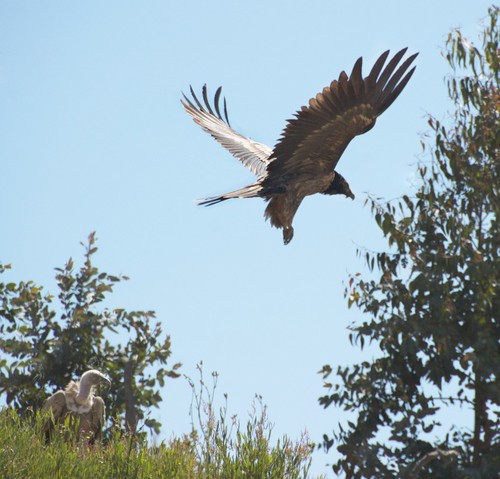
Other feathers you may enjoy

Australian Hobby
Long, narrow pointed flight feathers; slender tail feathers

California Condor
Massive flight feathers; long broad primaries; large tail feathers

Brown Falcon
Broad, rounded flight feathers; variable-toned contour feathers
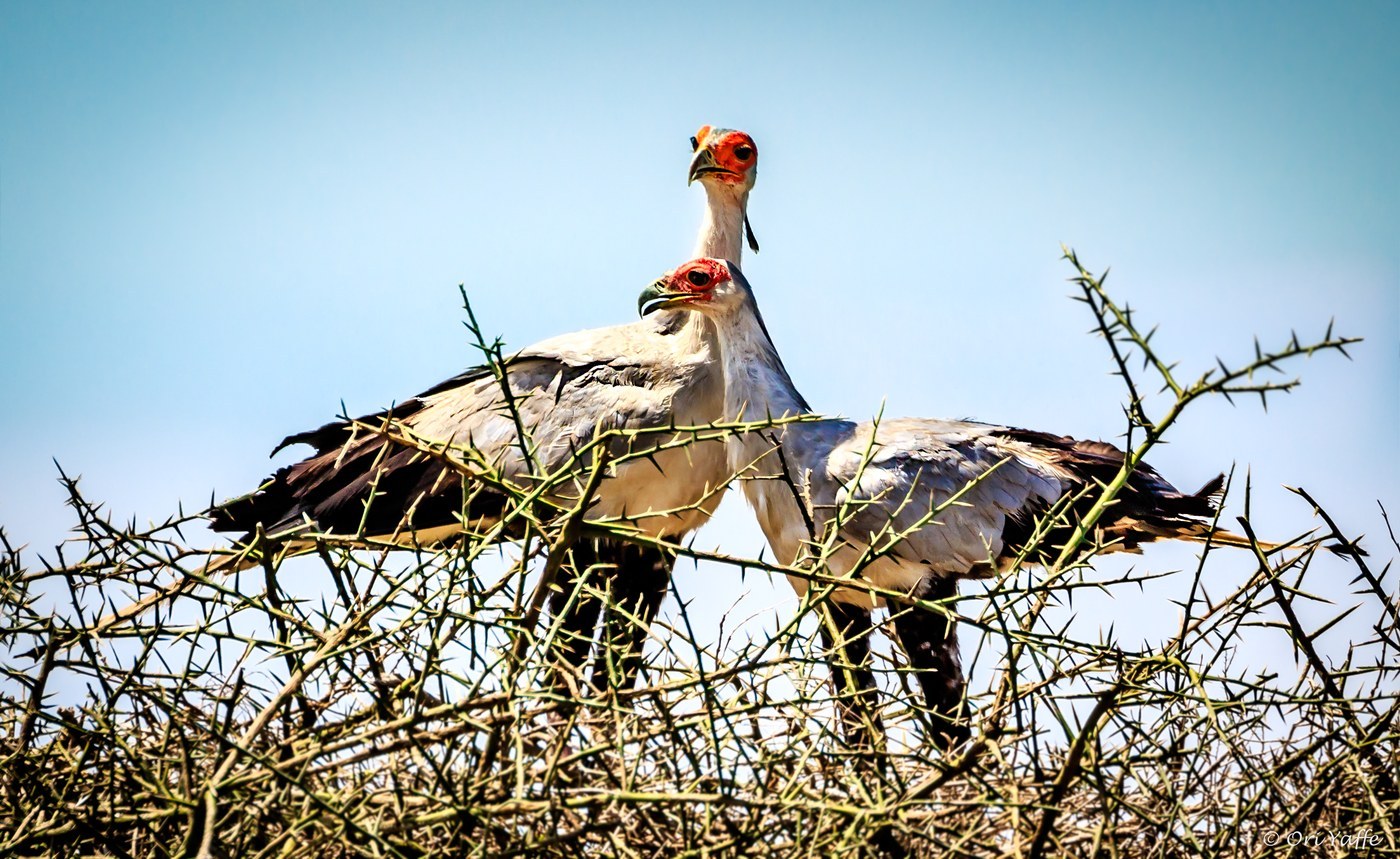
Secretarybird
Long crest feathers; broad flight feathers; elongated central tail feathers

Orange-breasted Falcon
Broad-based pointed flight feathers; bold breast and belly feathers
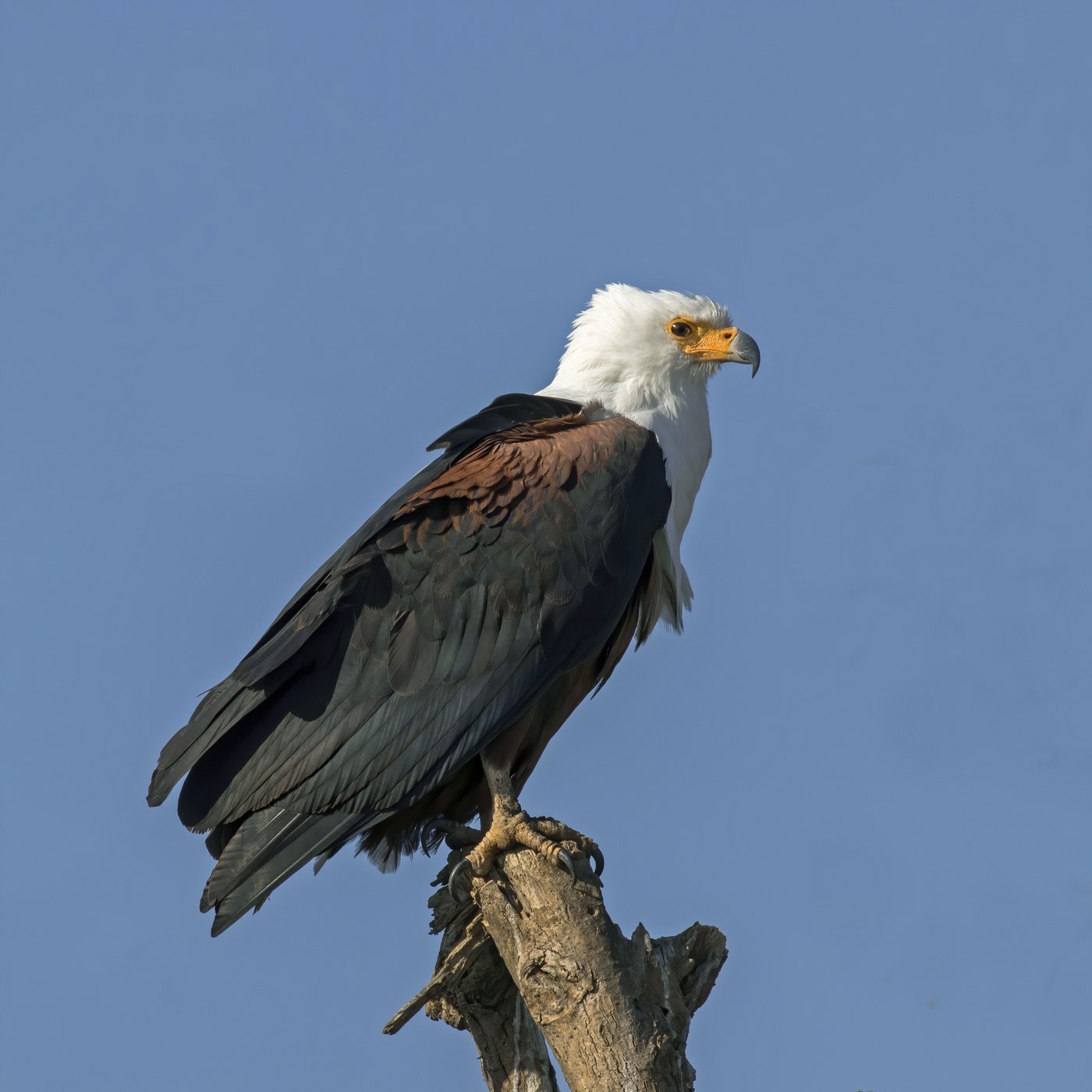
African Fish Eagle
Flight, tail, and body feathers

Amur Falcon
Slender pointed flight feathers; soft slate or orange-buff contour feathers
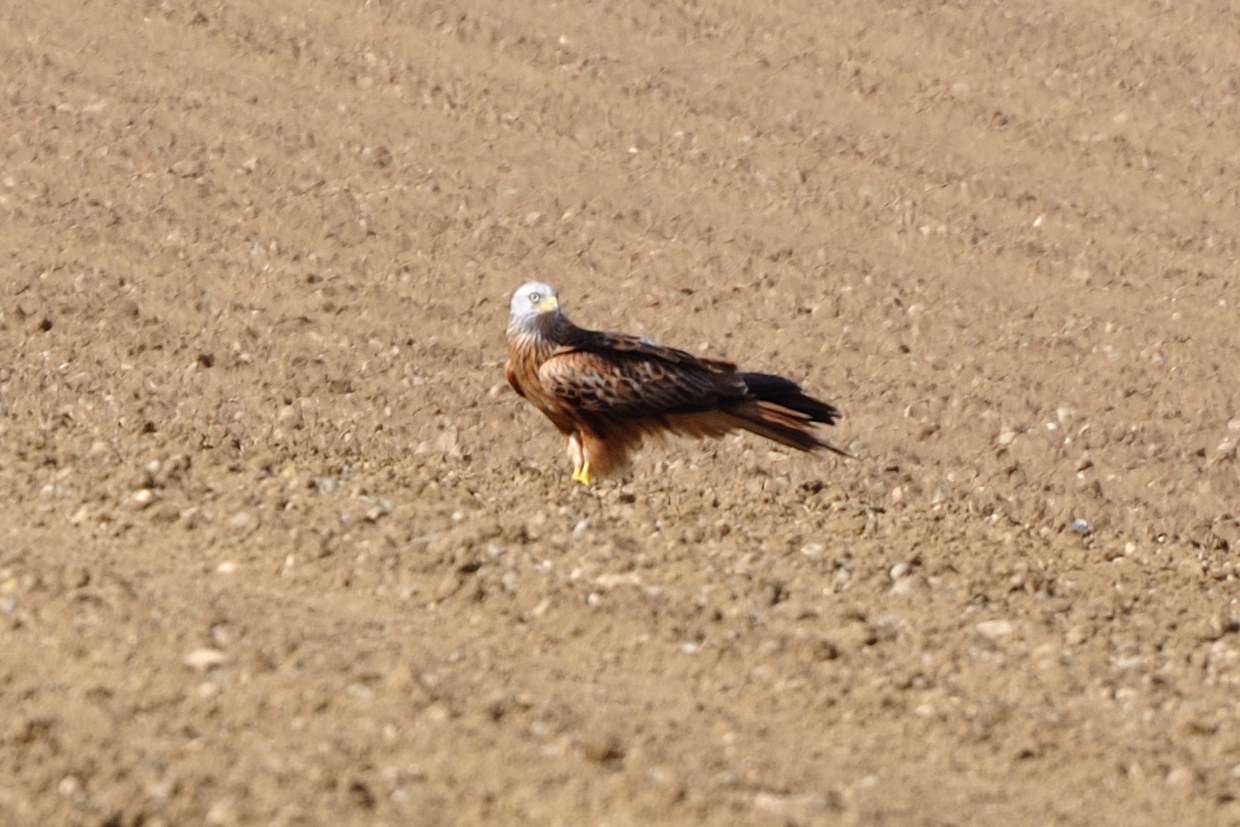
Red Kite
Flight (wing) and tail feathers
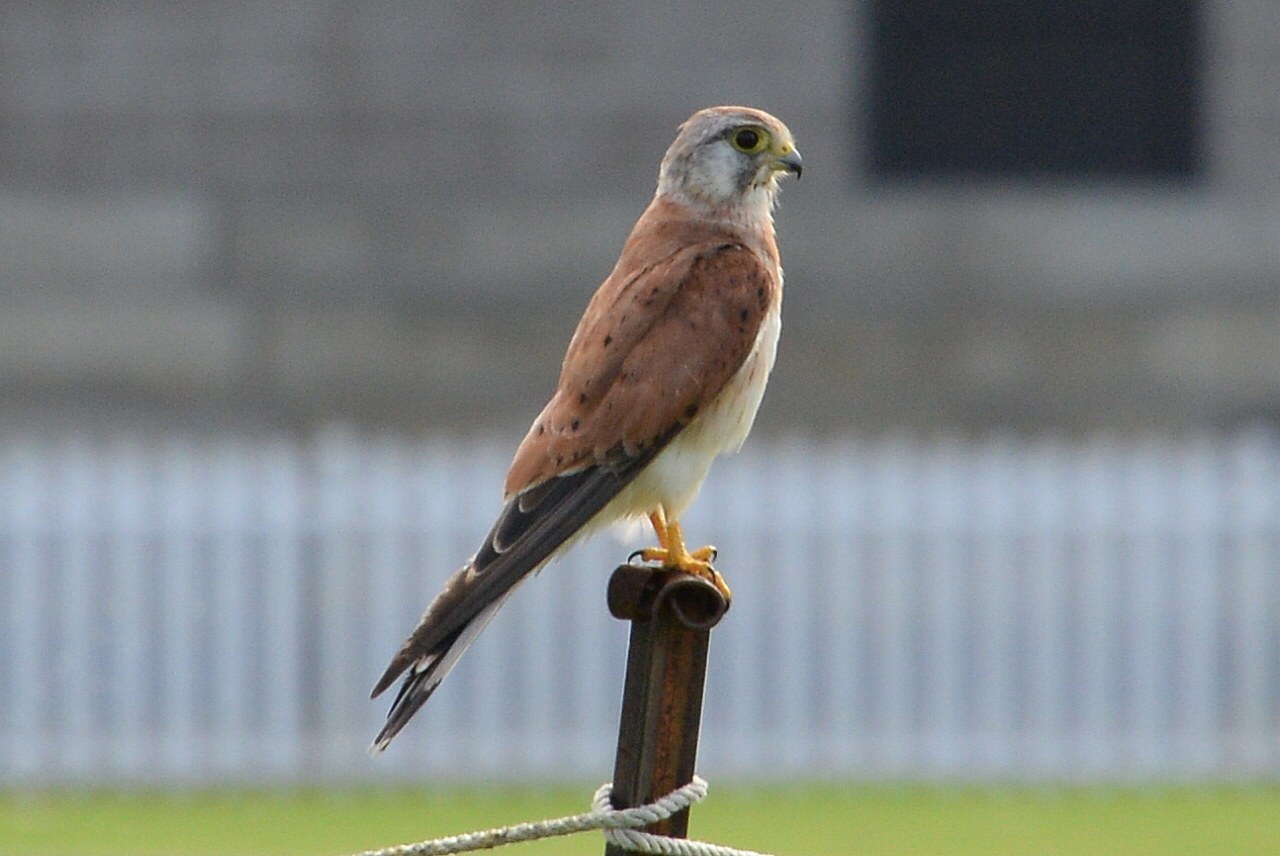
Nankeen Kestrel
Slim pointed flight feathers; lightly marked contour feathers

Andean Condor
Massive flight feathers; broad primaries and secondaries; sturdy tail feathers

Plumbeous Forest Falcon
Short rounded flight feathers; finely barred tail feathers

Sooty Falcon
Long pointed flight feathers; slim tail feathers