
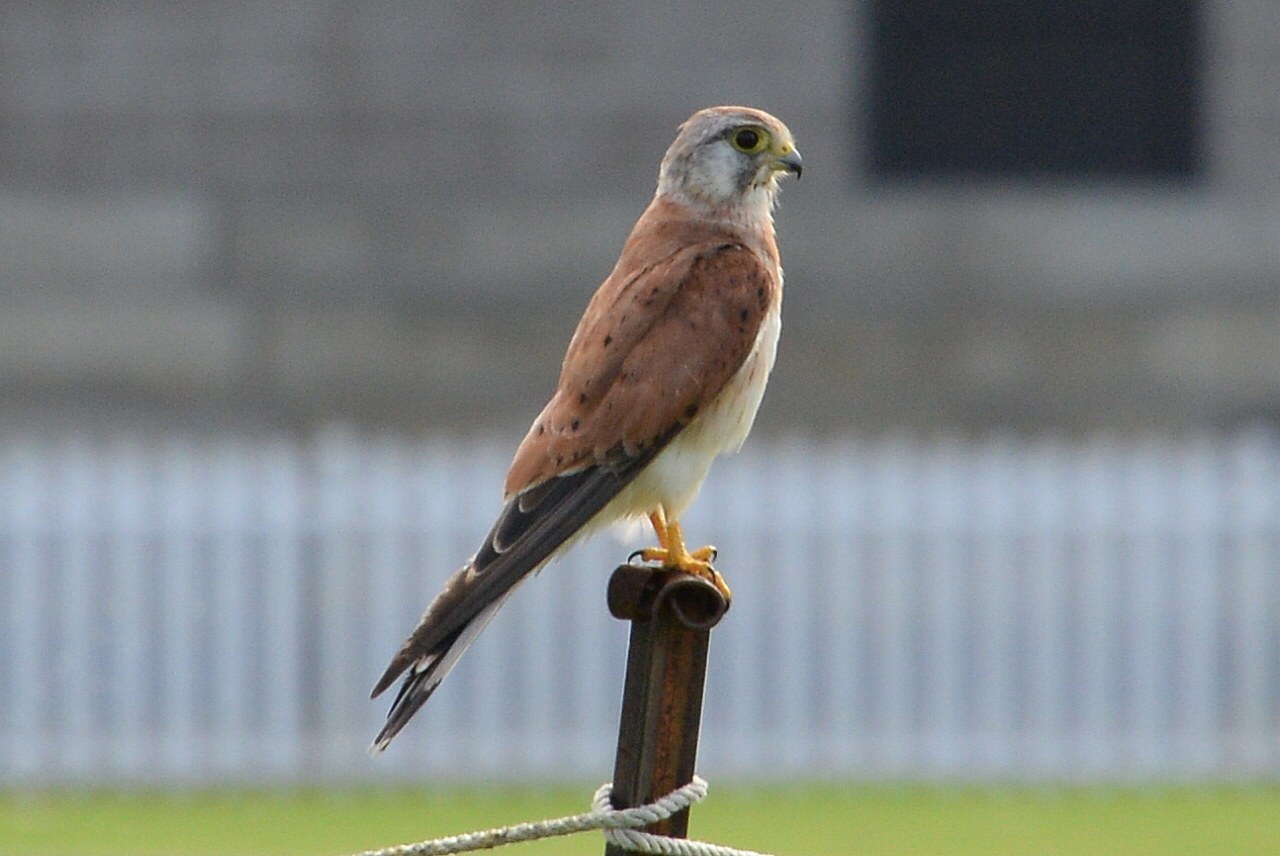
Nankeen Kestrel
Falco cenchroides
The Nankeen Kestrel is Australia's common small hovering falcon, named for the pale rufous-tan 'nankeen' color of its back, with a pale grey head and lightly spotted whitish underparts.
- Feather type
- Slim pointed flight feathers; lightly marked contour feathers
- Colours
- Rufous-tan (nankeen-colored) back, pale grey head, whitish underparts with fine spotting
- Bird size
- Small falcon, ~31-35 cm
Found a feather like this?
Identify any feather from a photo, free.
Overview
The Nankeen Kestrel is a familiar sight across open Australian countryside, often seen hovering over roadsides, farmland, and grassland while scanning for prey. Its name references the pale tan-buff 'nankeen' cloth color that closely matches its back plumage. It is closely related to the widespread Common Kestrel of Eurasia and Africa, sharing a similar hovering hunting technique.
Feathers are commonly found near roadside perches, fence posts, and open paddocks throughout its range.
Identifying the Feather
Recognizing Nankeen Kestrel feathers
- Flight feathers: Rufous-tan above with dark barring toward the tips, moderately pointed.
- Tail feathers: Pale grey in males with a black subterminal band; more barred rufous-brown in females.
- Body feathers: Back feathers warm rufous-tan (nankeen); underside feathers whitish to buff with light dark spotting, sparser than many other kestrels; male head feathers pale grey.
- Shaft color: Pale tan to grey.
- Compared to similar species: Smaller and paler overall than the Brown Falcon; the pale grey male tail feather with a single black band is diagnostic compared to the more barred tail of most other Australian falcons.
Plumage & Molt
Adult males have a pale grey head, rufous-tan back with sparse dark spotting, and a pale grey tail with a broad black subterminal band; underparts are whitish with light spotting. Females are more uniformly rufous-brown above with more barring, including on the tail. Juveniles resemble females, with young males gradually acquiring the grey head and tail through molt.
Habitat & Range
Widespread across Australia in open grassland, farmland, roadside verges, and semi-arid country, and has also colonized New Zealand. Largely resident, though some populations move nomadically or seasonally in response to prey availability.
Behavior & Field Notes
Well known for hovering in place while scanning the ground below, then dropping onto small mammals, insects, and reptiles. Nests in tree hollows, cliff ledges, or old stick nests, and readily uses artificial structures. Calls are shrill, repeated chattering notes. A rufous-tan back feather alongside a pale grey, black-banded tail feather found near open farmland in Australia is a strong indicator of an adult male Nankeen Kestrel.
Frequently asked questions
Why is it called the Nankeen Kestrel?
It is named for the warm tan-buff 'nankeen' cloth color that closely resembles the bird's back plumage.
How can I tell a male from a female Nankeen Kestrel feather?
Male tail feathers are pale grey with a single broad black band, while female tail feathers are more uniformly rufous-brown with multiple bars.
Does the Nankeen Kestrel hover like other kestrels?
Yes, it is well known for hovering in place over open ground while hunting, similar to the Common Kestrel.
Where is the Nankeen Kestrel found?
Throughout Australia in open country, and it has also established populations in New Zealand.
Nankeen Kestrel guides
In-depth guides for identifying and understanding Nankeen Kestrel.
Other feathers you may enjoy

Australian Hobby
Long, narrow pointed flight feathers; slender tail feathers

California Condor
Massive flight feathers; long broad primaries; large tail feathers

Brown Falcon
Broad, rounded flight feathers; variable-toned contour feathers
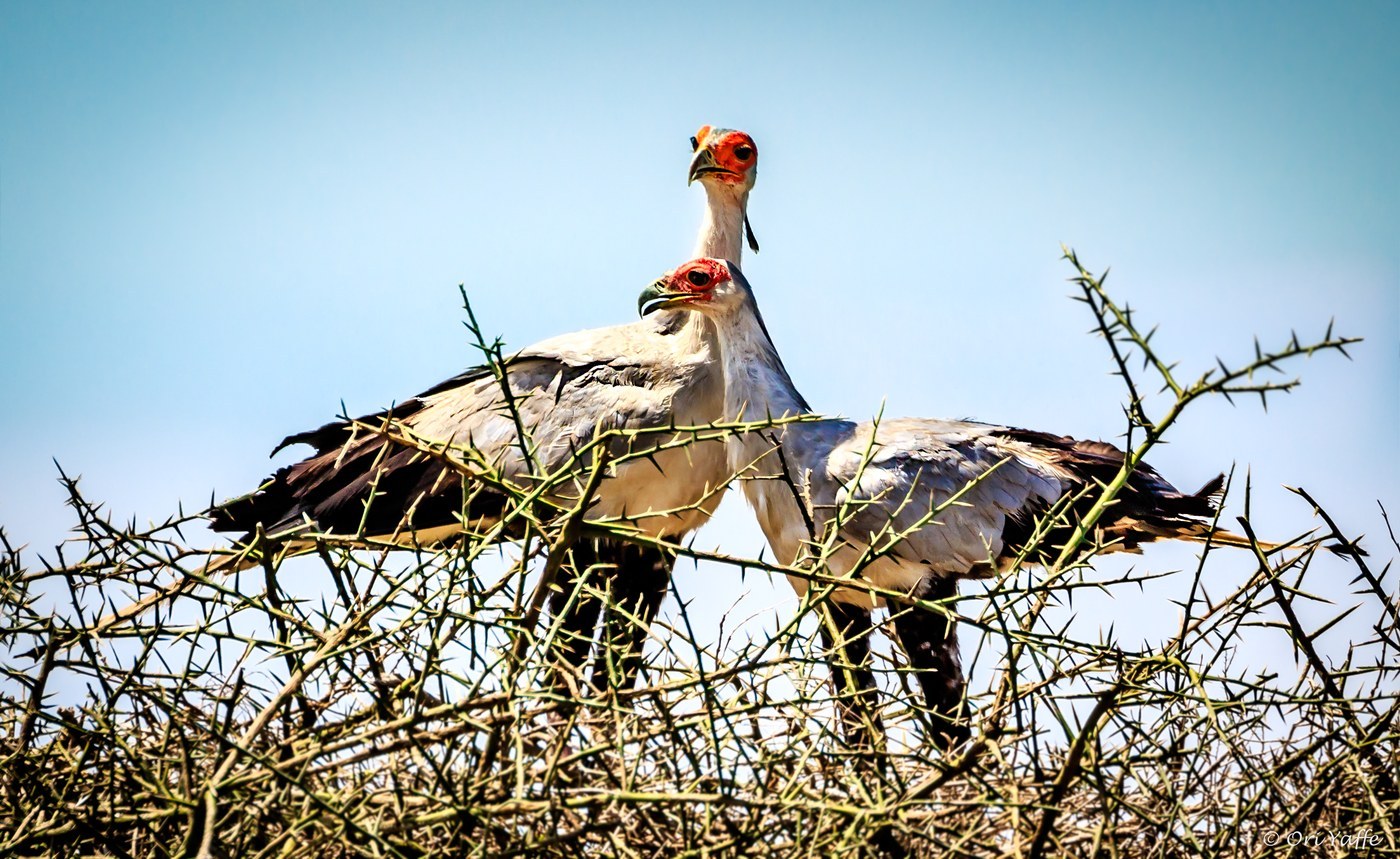
Secretarybird
Long crest feathers; broad flight feathers; elongated central tail feathers

Orange-breasted Falcon
Broad-based pointed flight feathers; bold breast and belly feathers
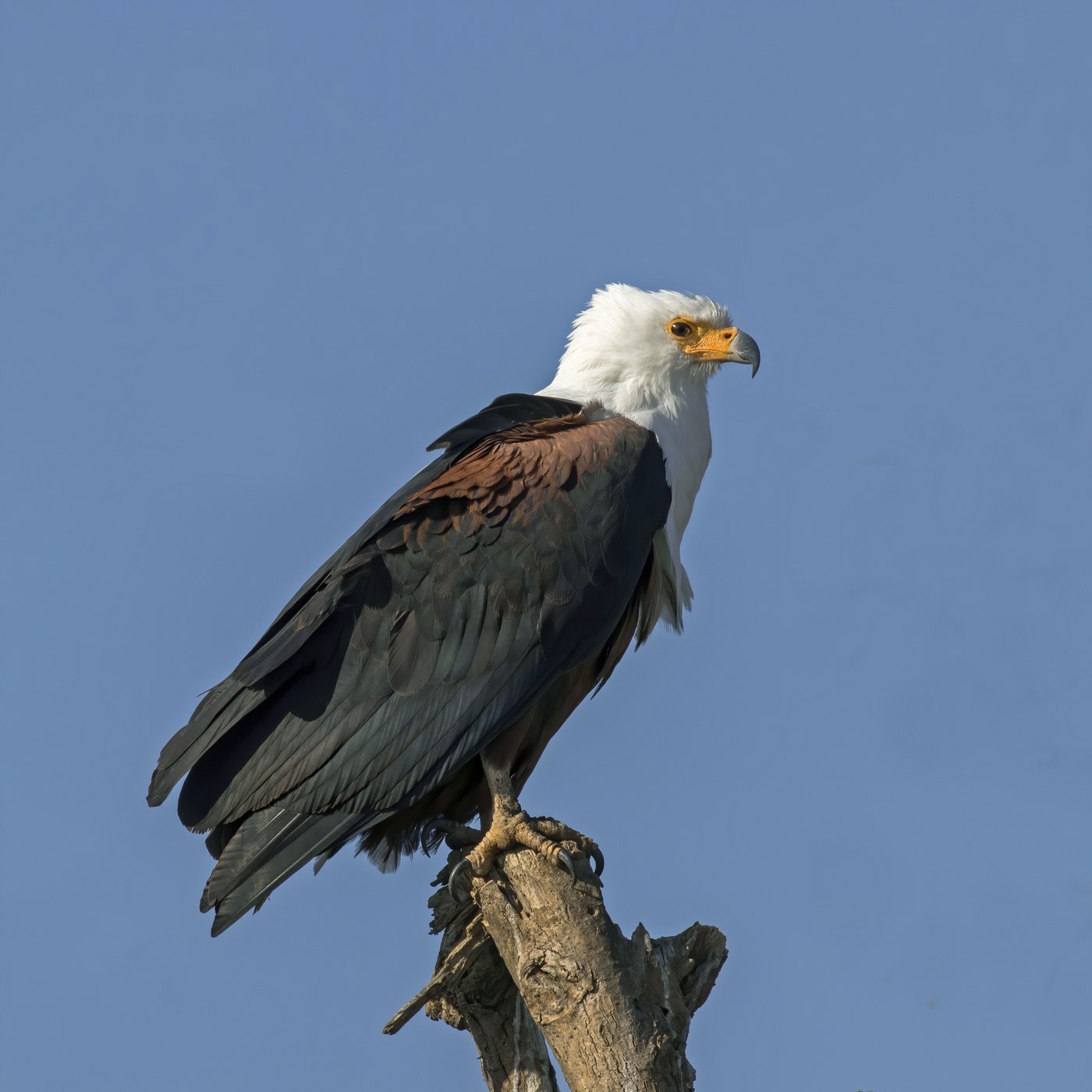
African Fish Eagle
Flight, tail, and body feathers

Amur Falcon
Slender pointed flight feathers; soft slate or orange-buff contour feathers
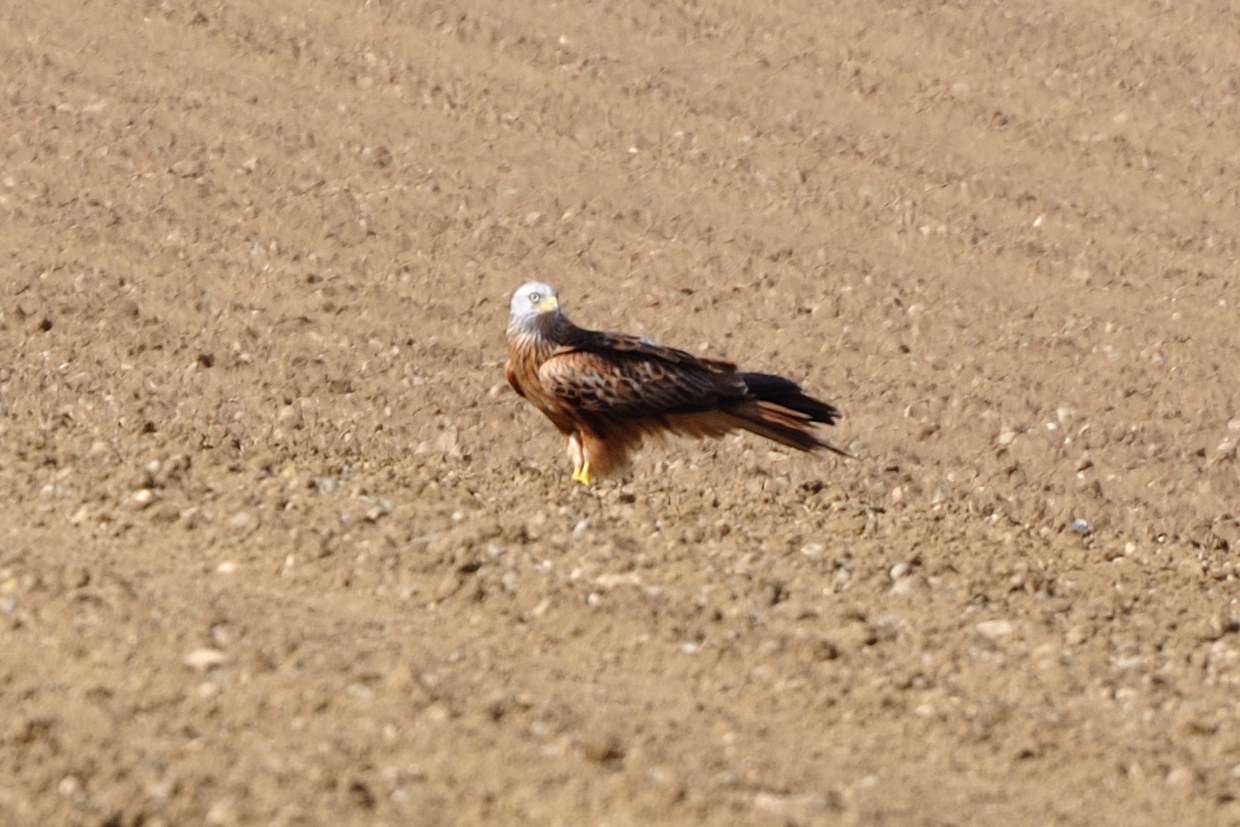
Red Kite
Flight (wing) and tail feathers

Andean Condor
Massive flight feathers; broad primaries and secondaries; sturdy tail feathers

Plumbeous Forest Falcon
Short rounded flight feathers; finely barred tail feathers

Sooty Falcon
Long pointed flight feathers; slim tail feathers
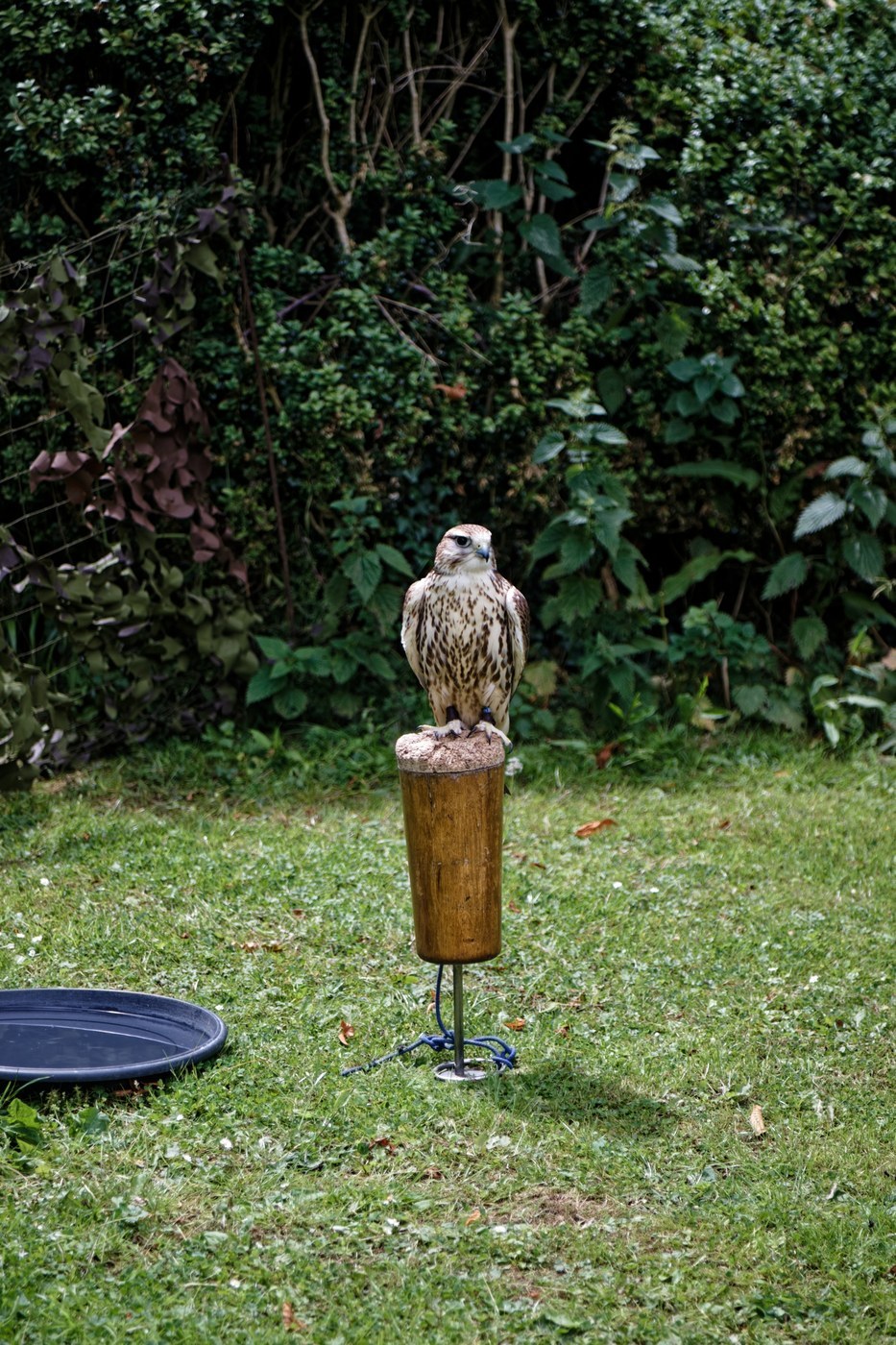
Saker Falcon
Long pointed flight feathers & squared tail; dense back and covert feathers