

White-tailed Kite
Elanus leucurus
A pale, falcon-shaped kite known for hovering over open fields, with soft gray-and-white feathers and a distinctive black shoulder patch.
- Feather type
- Pointed flight feathers; unbarred pale tail feathers; soft pale body feathers
- Colours
- Pale gray back, white underparts and tail, with a black patch on the upperwing coverts
- Bird size
- Small raptor, ~35-43 cm
Found a feather like this?
Identify any feather from a photo, free.
Overview
The White-tailed Kite is a small, pale raptor found across open country in the Americas, from California and Texas south through Central and much of South America. Its ghostly gray-and-white plumage and habit of hovering in place while scanning for rodents make it a familiar sight over fields and marshes.
It has red eyes and a pale, almost tern-like appearance in flight, with long pointed wings held slightly raised.
Its feathers are notably plain and unmarked compared to many hawks, which combined with the small black wing patch makes them fairly easy to place once seen up close.
Identifying the Feather
Shape and Size
Wings are long and pointed for a bird this size, and the tail is fairly long and only slightly notched. Flight feathers are moderate in width, less robust than a buteo's.
Color and Pattern
- Back and upperwing coverts: pale gray, unbarred
- A solid black patch is unique to the lesser upperwing coverts (a small cluster of feathers near the bend of the wing)
- Underparts, tail, and head: white, essentially unmarked, without barring
- Primaries: gray above, whitish-gray below with dusky tips
- Shafts: pale
Distinguishing from Similar Species
The combination of a plain white, unbarred tail with plain pale gray back feathers separates this species from most American hawks, which typically show tail banding. The isolated black shoulder-patch feathers are a strong confirming clue if found alongside the pale gray and white feathers.
Plumage & Molt
Adults are pale gray above and white below with black shoulder patches and a white, unbanded tail; sexes are similar, though females can average slightly darker. Juveniles show a rusty wash on the breast and some light streaking that fades within a few months.
Molt is gradual and can occur over an extended period given the species' ability to breed in multiple seasons in favorable years.
Habitat & Range
Found in open grasslands, savanna, marshes, and agricultural land, often near scattered trees used for perching and nesting. Range extends from the western and southern United States through Mexico, Central America, and much of South America.
Most populations are resident, though some individuals disperse seasonally in response to rodent prey availability.
Behavior & Field Notes
Famous for hovering, or "kiting," motionless in the air on rapidly beating wings while watching the ground for voles and other small rodents, then dropping down feet-first to strike.
They nest in loose stick platforms in trees, sometimes in loose colonies, and can raise multiple broods when prey is abundant. Calls are thin, whistled notes.
A plain pale gray or white feather with a small solid black feather nearby, found over open farmland or marsh edge, is a strong hint for this species.
Frequently asked questions
What is the easiest single clue in a White-tailed Kite feather?
The tiny cluster of solid black feathers from the upperwing coverts is very distinctive when paired with otherwise plain pale gray and white feathers.
Could this be confused with a gull feather?
Superficially the pale gray-and-white pattern can resemble a gull, but kite feathers are narrower and more pointed, and lack the black wingtip markings typical of many gulls.
Do juveniles have different feathers?
Young birds show a rusty wash and light streaking on the breast feathers that adults lack, fading to clean white within the first year.
What habitat is most likely to yield this feather?
Open grassland, hayfields, or marsh edges with scattered perch trees, across the southern and western Americas.
White-tailed Kite guides
In-depth guides for identifying and understanding White-tailed Kite.

White-tailed Kite identified by the community
Real feathers identified with Feather Identifier.


Other feathers you may enjoy

Australian Hobby
Long, narrow pointed flight feathers; slender tail feathers

California Condor
Massive flight feathers; long broad primaries; large tail feathers

Brown Falcon
Broad, rounded flight feathers; variable-toned contour feathers
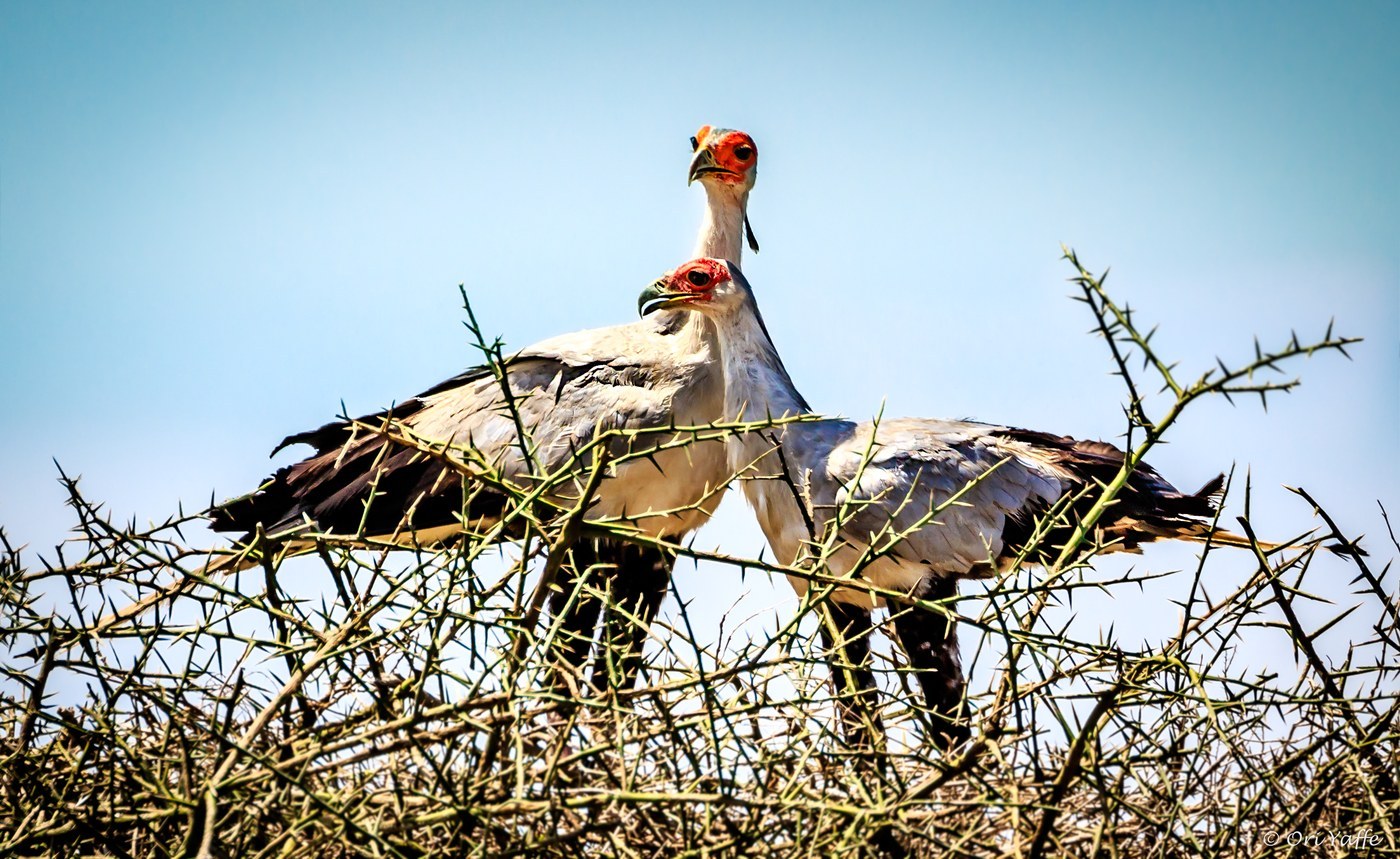
Secretarybird
Long crest feathers; broad flight feathers; elongated central tail feathers

Orange-breasted Falcon
Broad-based pointed flight feathers; bold breast and belly feathers
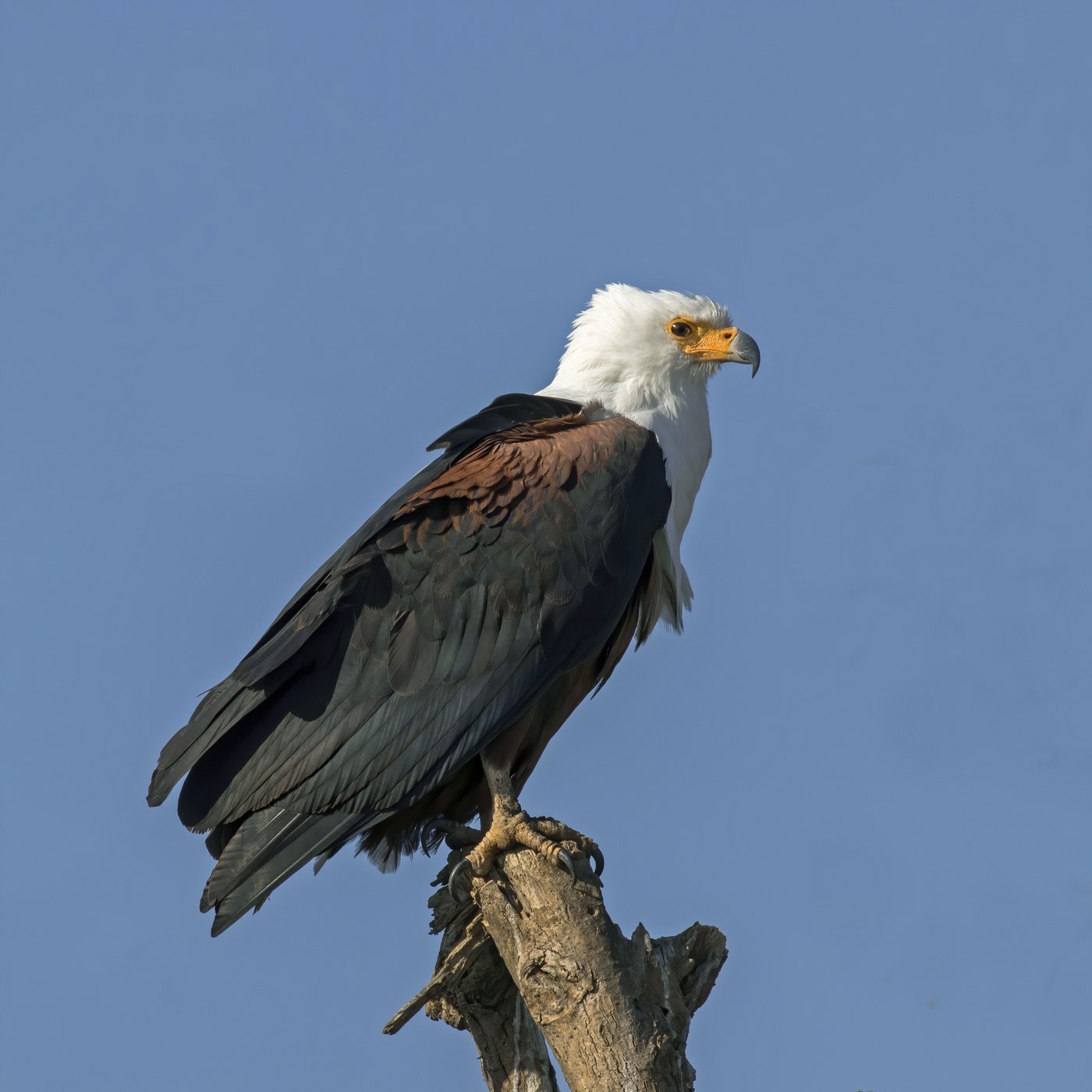
African Fish Eagle
Flight, tail, and body feathers

Amur Falcon
Slender pointed flight feathers; soft slate or orange-buff contour feathers
Red Kite
Flight (wing) and tail feathers
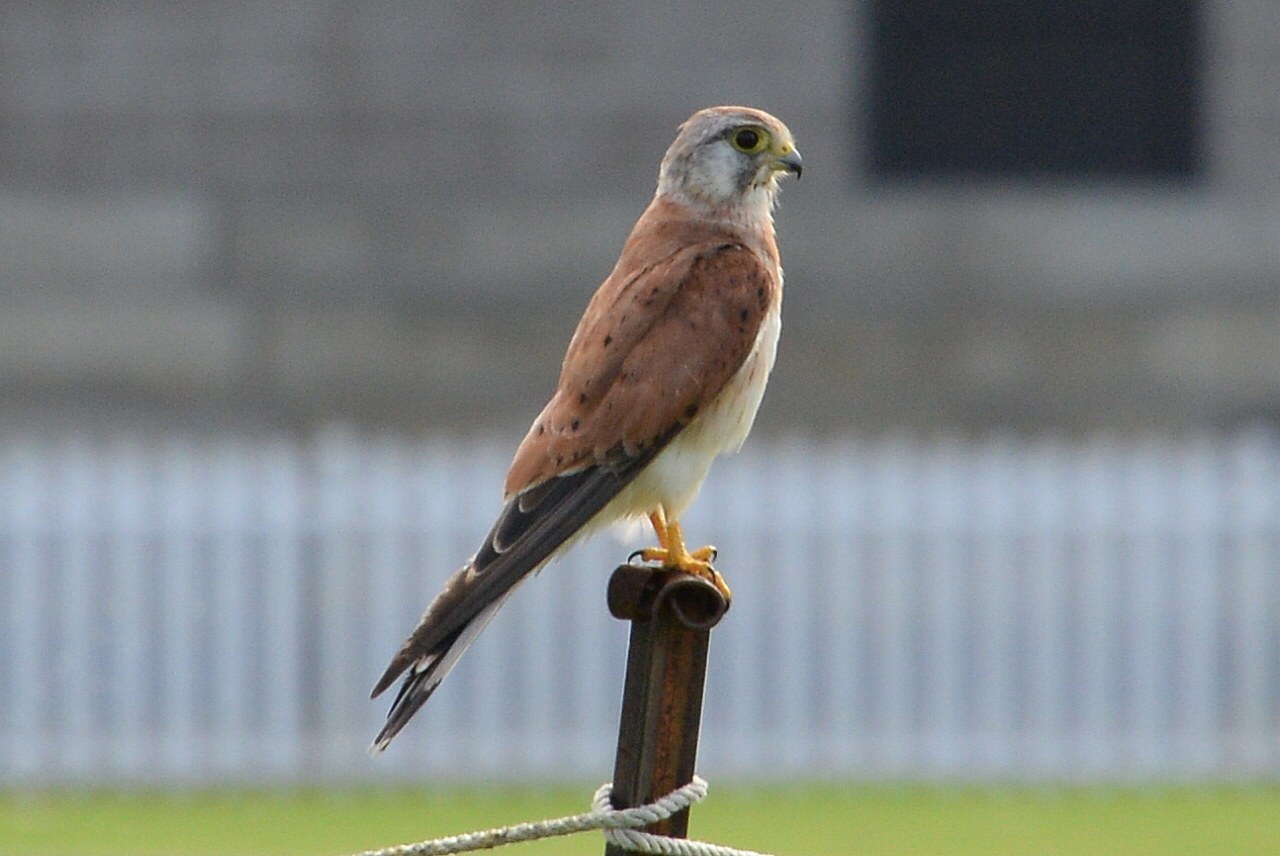
Nankeen Kestrel
Slim pointed flight feathers; lightly marked contour feathers

Andean Condor
Massive flight feathers; broad primaries and secondaries; sturdy tail feathers

Plumbeous Forest Falcon
Short rounded flight feathers; finely barred tail feathers

Sooty Falcon
Long pointed flight feathers; slim tail feathers