

White-throated Caracara
Phalcoboenus albogularis
A southern Andean raptor closely related to the Mountain Caracara, distinguished by a white throat patch separated from its white belly by a solid black chest band.
- Feather type
- Broad rounded flight feathers; dark tail with a pale base; black body feathers with a white throat patch
- Colours
- Black upperparts with a white throat and belly; black chest band separating the two white areas
- Bird size
- Large raptor, ~48-54 cm
Found a feather like this?
Identify any feather from a photo, free.
Overview
The White-throated Caracara occupies grassland, steppe, and rocky foothill habitat in the southern Andes of Argentina and Chile, generally further south than the more widespread Mountain Caracara.
Its feathers show the same general black-and-white Phalcoboenus pattern, but with a key difference: a distinct white throat patch is separated from the white belly by a solid black breast band, rather than the more continuous black breast of the Mountain Caracara.
As a bold, opportunistic feeder, it is often seen near sheep farms and settlements in Patagonian foothill country, where feathers may be found near carrion or refuse.
Identifying the Feather
Shape and size
- Flight feathers are broad and rounded, with a pale patch near the base of the primaries; primaries can reach 28-32 cm.
- Tail feathers are dark with a pale base, similar to other Phalcoboenus caracaras.
Color and pattern
- Throat feathers are white, distinctly separated from the white belly by a solid black breast band.
- Head and upperparts feathers are black.
- Shafts are pale on white feathers, dark on black feathers.
Similar species
- The separated white throat and white belly, divided by a black chest band, distinguish it from the Mountain Caracara's solid black breast; range further south in Patagonia is also a useful clue.
Plumage & Molt
Adults show a black head and upperparts, a white throat patch, a black breast band, and a white belly, sexes similar. Juveniles are browner and less contrastingly marked, gaining the crisp adult pattern with age.
Habitat & Range
Found in grassland, steppe, and rocky foothill habitat of the southern Andes in Argentina and Chile, generally in Patagonian latitudes. It is largely resident.
Behavior & Field Notes
An opportunistic scavenger and predator of small animals, often seen around sheep farms and rural settlements in Patagonia. Nests on cliff ledges or rocky outcrops. Calls are harsh and raucous, typical of the genus.
Field note: a black-and-white feather with a distinct throat patch separated from the belly by a black band, found in Patagonian foothill or steppe habitat, is a good match for this species.
Frequently asked questions
How is this different from the Mountain Caracara?
This species shows a white throat patch separated from the white belly by a black chest band, whereas the Mountain Caracara has a solid black breast.
Where is this species found?
Grassland, steppe, and foothill habitat in the southern Andes of Argentina and Chile, generally in Patagonian latitudes.
Is it associated with human settlements?
Yes, it is often seen near sheep farms and rural settlements where it scavenges.
What does the wing show in flight?
A pale patch near the base of the primaries, similar to other Phalcoboenus caracaras.
White-throated Caracara guides
In-depth guides for identifying and understanding White-throated Caracara.

Other feathers you may enjoy

Australian Hobby
Long, narrow pointed flight feathers; slender tail feathers

California Condor
Massive flight feathers; long broad primaries; large tail feathers

Brown Falcon
Broad, rounded flight feathers; variable-toned contour feathers
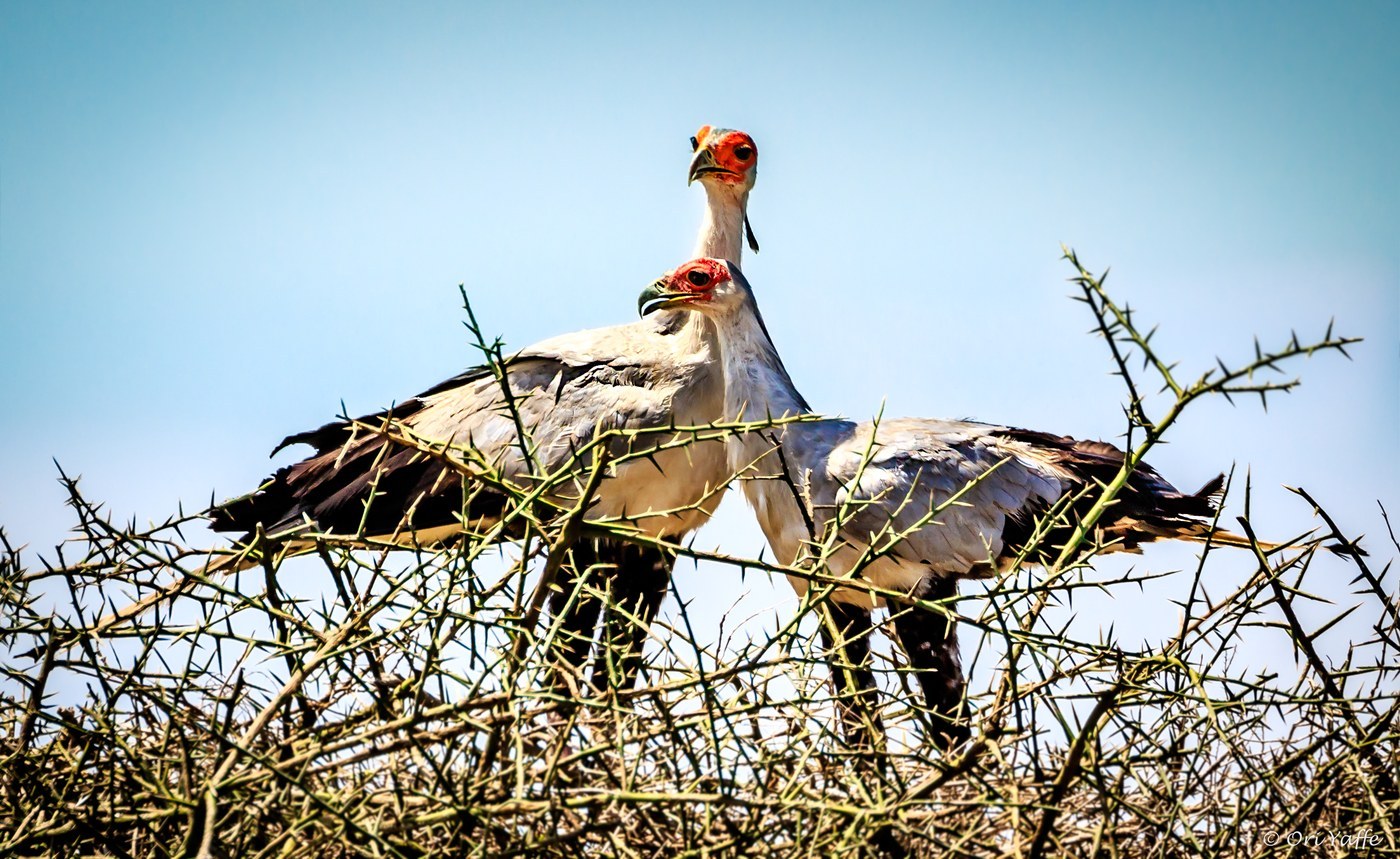
Secretarybird
Long crest feathers; broad flight feathers; elongated central tail feathers

Orange-breasted Falcon
Broad-based pointed flight feathers; bold breast and belly feathers
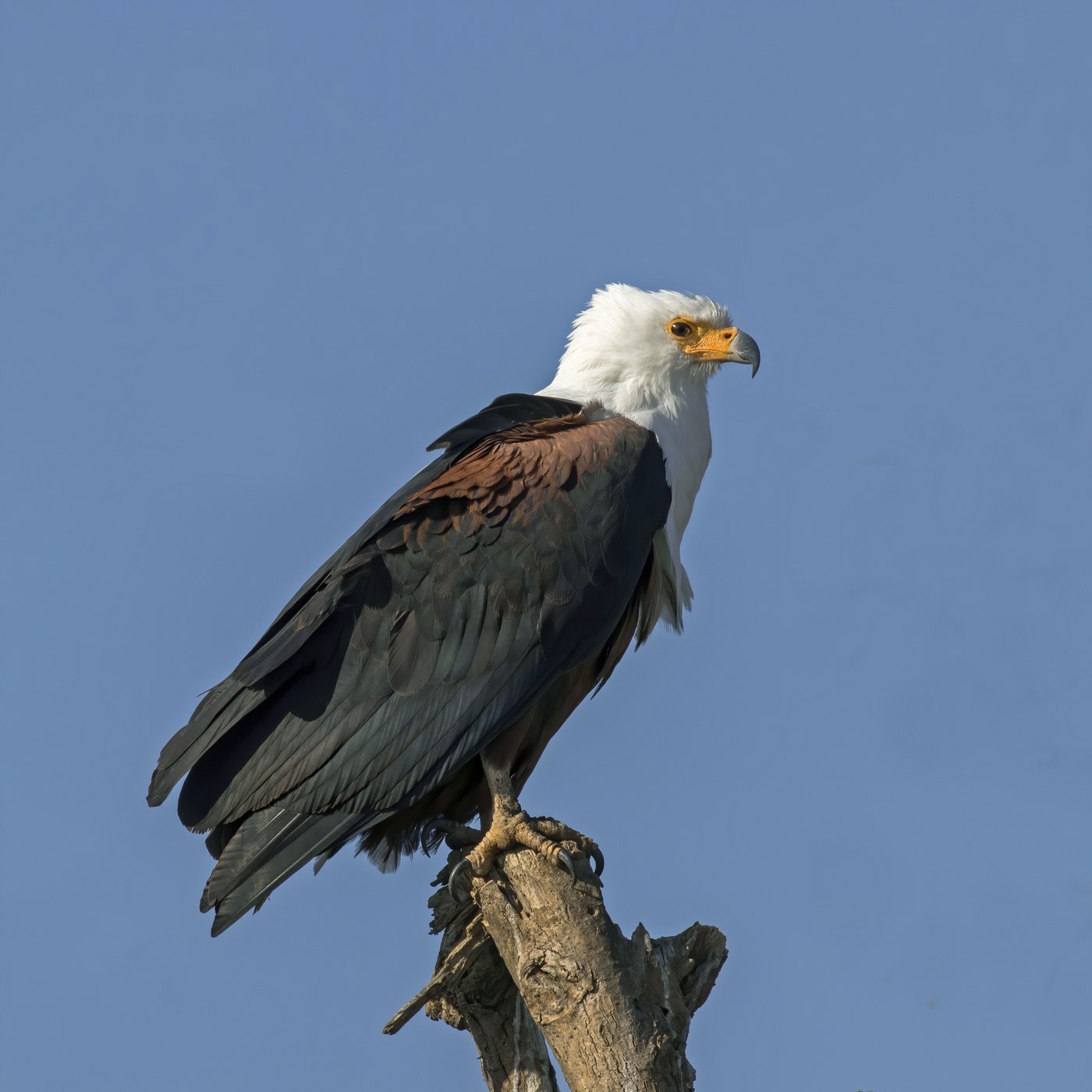
African Fish Eagle
Flight, tail, and body feathers

Amur Falcon
Slender pointed flight feathers; soft slate or orange-buff contour feathers
Red Kite
Flight (wing) and tail feathers
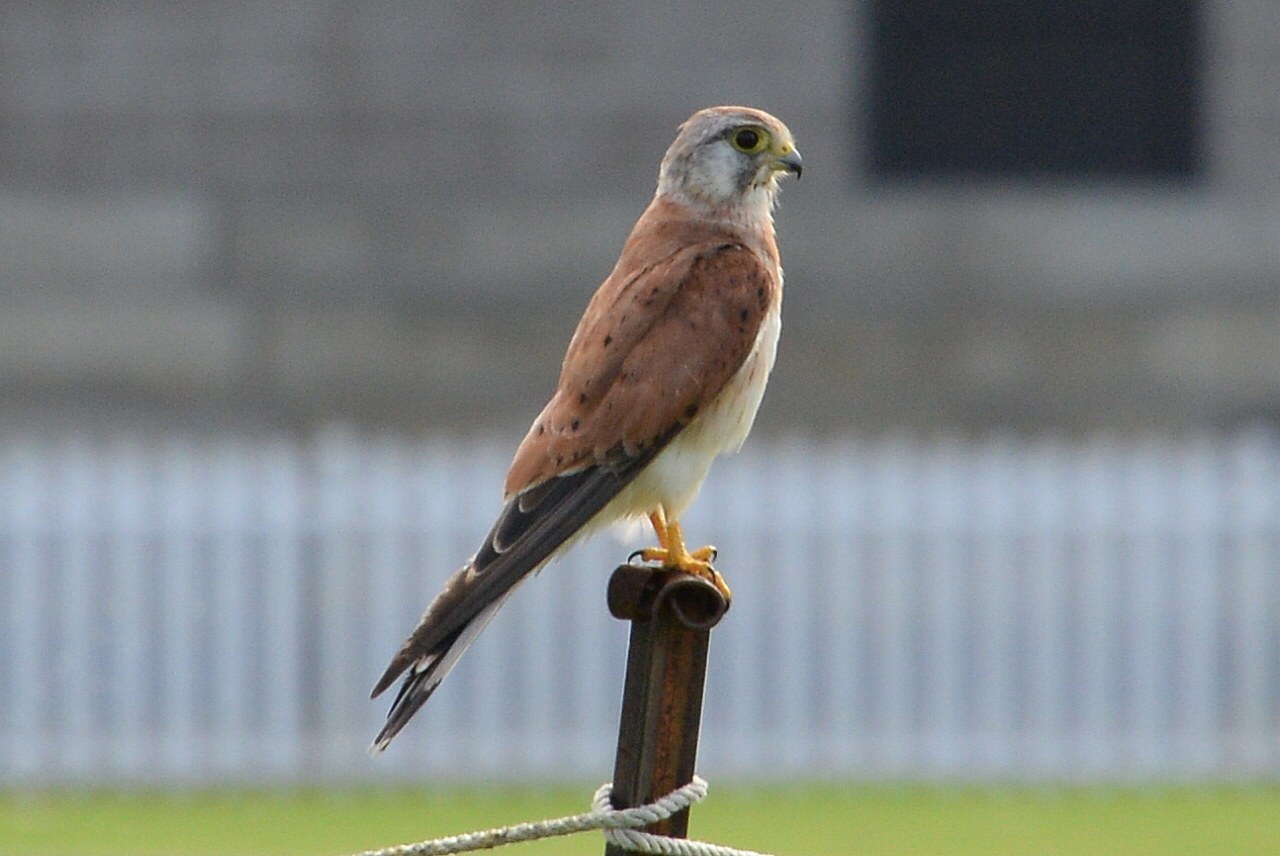
Nankeen Kestrel
Slim pointed flight feathers; lightly marked contour feathers

Andean Condor
Massive flight feathers; broad primaries and secondaries; sturdy tail feathers

Plumbeous Forest Falcon
Short rounded flight feathers; finely barred tail feathers

Sooty Falcon
Long pointed flight feathers; slim tail feathers