

Taita Falcon
Falco fasciinucha
A rare, compact cliff-dwelling falcon whose deep rufous underparts and dark slate back make it one of Africa's most striking small raptors.
- Feather type
- Short, powerful flight feathers; lightly barred tail; dense rufous-washed body feathers
- Colours
- Dark slate upperparts; rich rufous cheeks, nape, and underparts
- Bird size
- Small but powerfully built falcon, ~28 cm
Found a feather like this?
Identify any feather from a photo, free.
Overview
The Taita Falcon is an uncommon and localized falcon found in rugged, rocky gorges of eastern and southern Africa. Despite its small size, it is built like a miniature Peregrine, with short broad-based wings suited to explosive bursts of speed near cliff faces.
Its feathers show a dramatic contrast between a dark slate-grey back and deep rufous underparts, cheeks, and nape, a combination that stands out even among other falcons in its range.
Because it nests and roosts almost exclusively on cliffs, feathers are most likely encountered at the base of rock faces or gorges rather than in open farmland.
Identifying the Feather
Shape and size
- Flight feathers are notably short and broad for a falcon, an adaptation for maneuvering in confined gorge airspace, typically 11-15 cm.
- Tail feathers are short and only lightly barred, sometimes appearing nearly solid dark with faint pale bands.
Color and pattern
- Upperparts feathers are dark slate-grey, almost blackish on the back and wing coverts.
- Underparts, cheek, and nape feathers are a deep, warm rufous, unusually saturated for a small falcon.
- Shafts are dark brown to black throughout.
Similar species
- Distinguished from the larger Peregrine Falcon by smaller overall feather size and much deeper rufous tone on the underparts; distinguished from the Red-necked Falcon by its dark slate (not barred grey) back.
Plumage & Molt
Adults show dark slate upperparts, a blackish moustachial stripe, rufous cheeks and nape, and rich rufous underparts with limited dark streaking. Sexes are similar in pattern with females larger. Juveniles are duller and browner with heavier streaking below, molting into the richer adult rufous tone over their first year or two.
Habitat & Range
Restricted to rocky gorges, cliffs, and escarpments in eastern and southern Africa, including parts of Kenya, Tanzania, Zimbabwe, Mozambique, and South Africa. It is a resident species with a naturally small, scattered population tied closely to suitable cliff habitat.
Behavior & Field Notes
A fast, powerful hunter of small to medium-sized birds, often taken in high-speed stoops near cliff faces. Nests on ledges and in crevices of rocky gorges, laying a small clutch. Its calls are sharp and falcon-like, given mainly near the nest cliff.
Field note: given its rarity and cliff-bound habits, a feather matching this description is a notable find best evaluated alongside known local records from gorge or escarpment habitat.
Frequently asked questions
What makes this falcon's feathers distinctive?
The combination of very short, broad flight feathers with dark slate upperparts and deeply saturated rufous underparts is unusual among small falcons.
Where would I most likely find a shed feather?
At the base of rocky gorges or cliff faces, since this species rarely strays far from such terrain.
How does it differ from a Peregrine Falcon feather?
Taita Falcon feathers are smaller and shorter overall, with much richer rufous tones on the underside compared to the Peregrine's typically paler, more barred underparts.
Is this a common species to find feathers from?
No, it is rare and localized, so a confirmed feather find is unusual outside known gorge habitats.
Taita Falcon guides
In-depth guides for identifying and understanding Taita Falcon.

Other feathers you may enjoy

Australian Hobby
Long, narrow pointed flight feathers; slender tail feathers

California Condor
Massive flight feathers; long broad primaries; large tail feathers

Brown Falcon
Broad, rounded flight feathers; variable-toned contour feathers
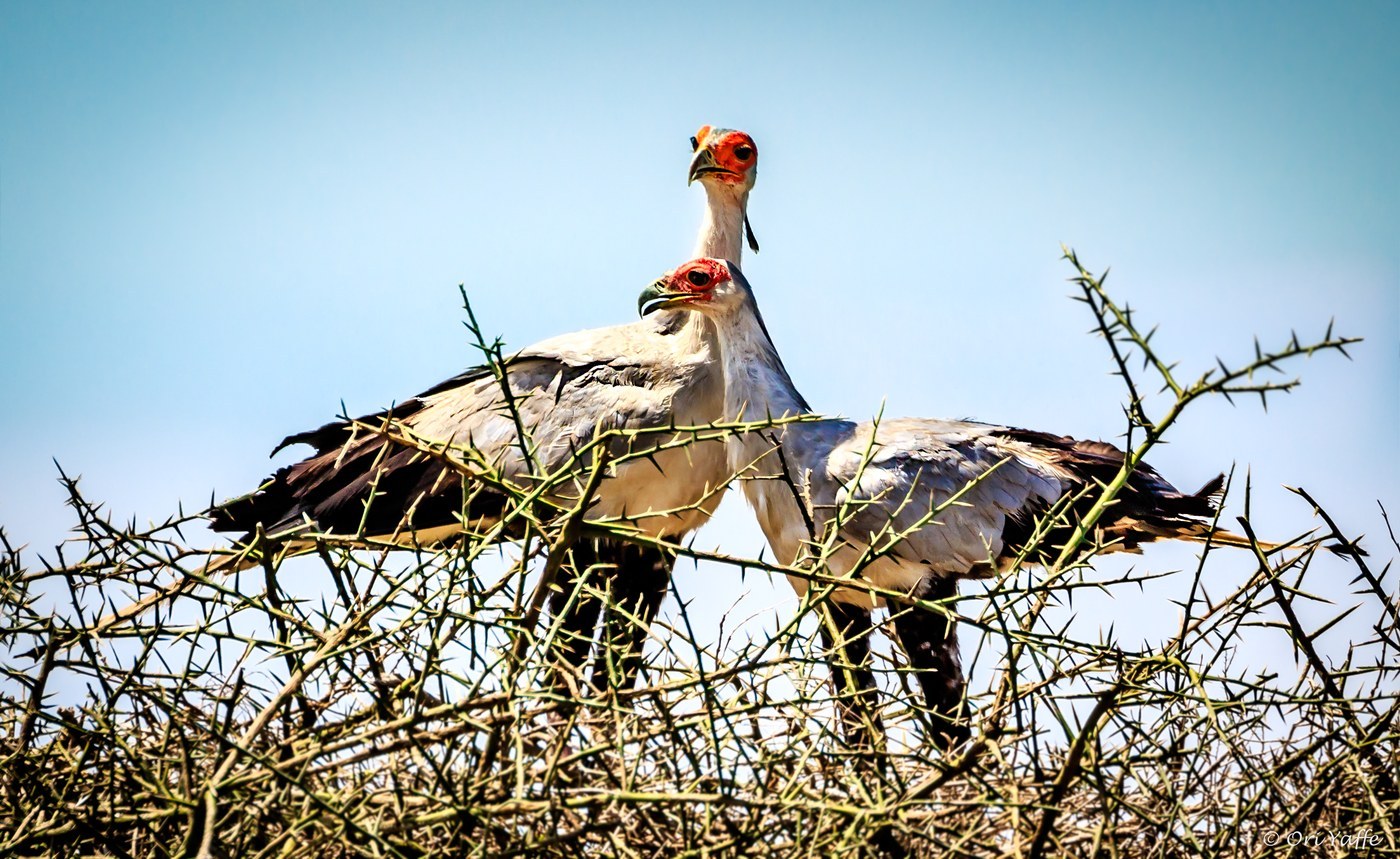
Secretarybird
Long crest feathers; broad flight feathers; elongated central tail feathers

Orange-breasted Falcon
Broad-based pointed flight feathers; bold breast and belly feathers
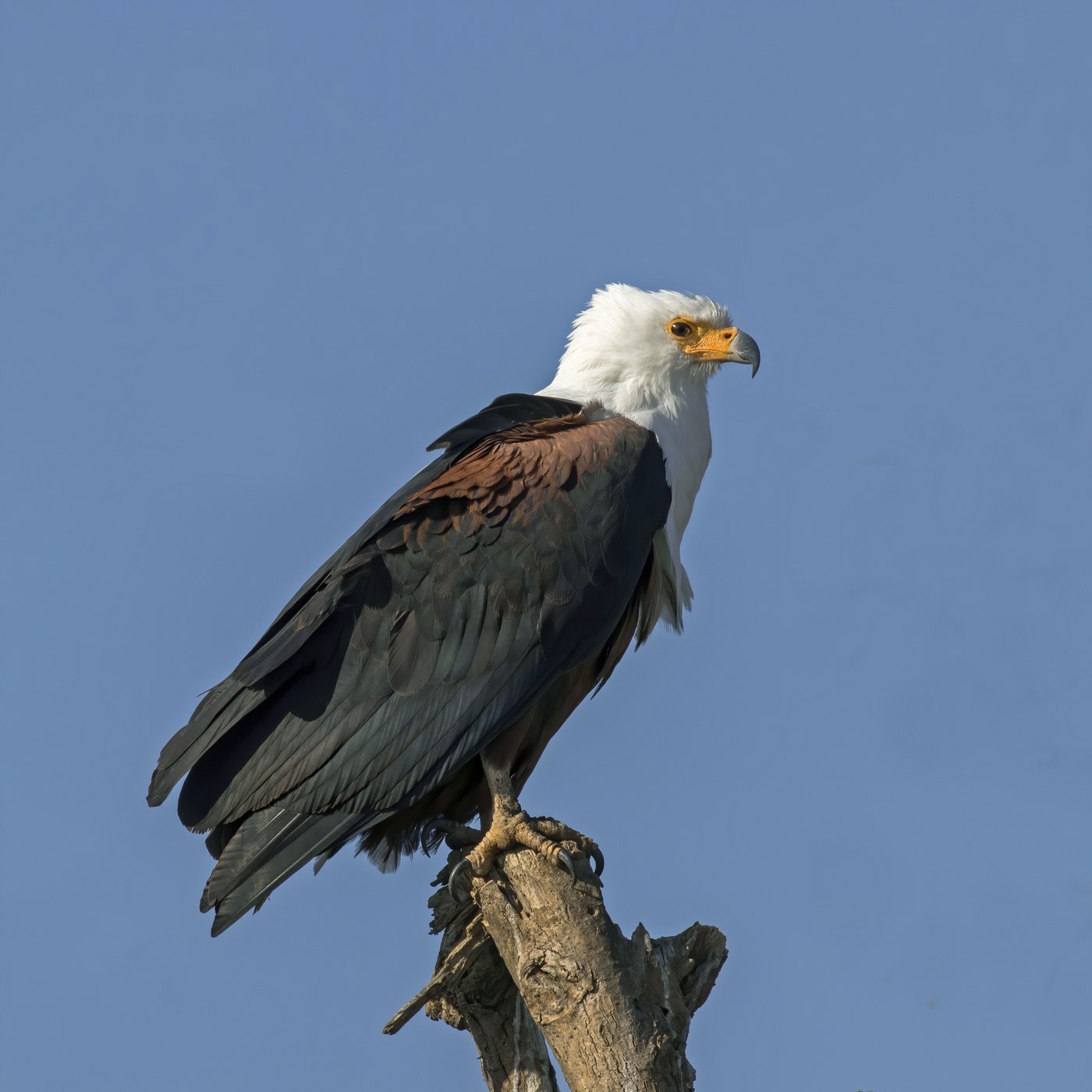
African Fish Eagle
Flight, tail, and body feathers

Amur Falcon
Slender pointed flight feathers; soft slate or orange-buff contour feathers
Red Kite
Flight (wing) and tail feathers
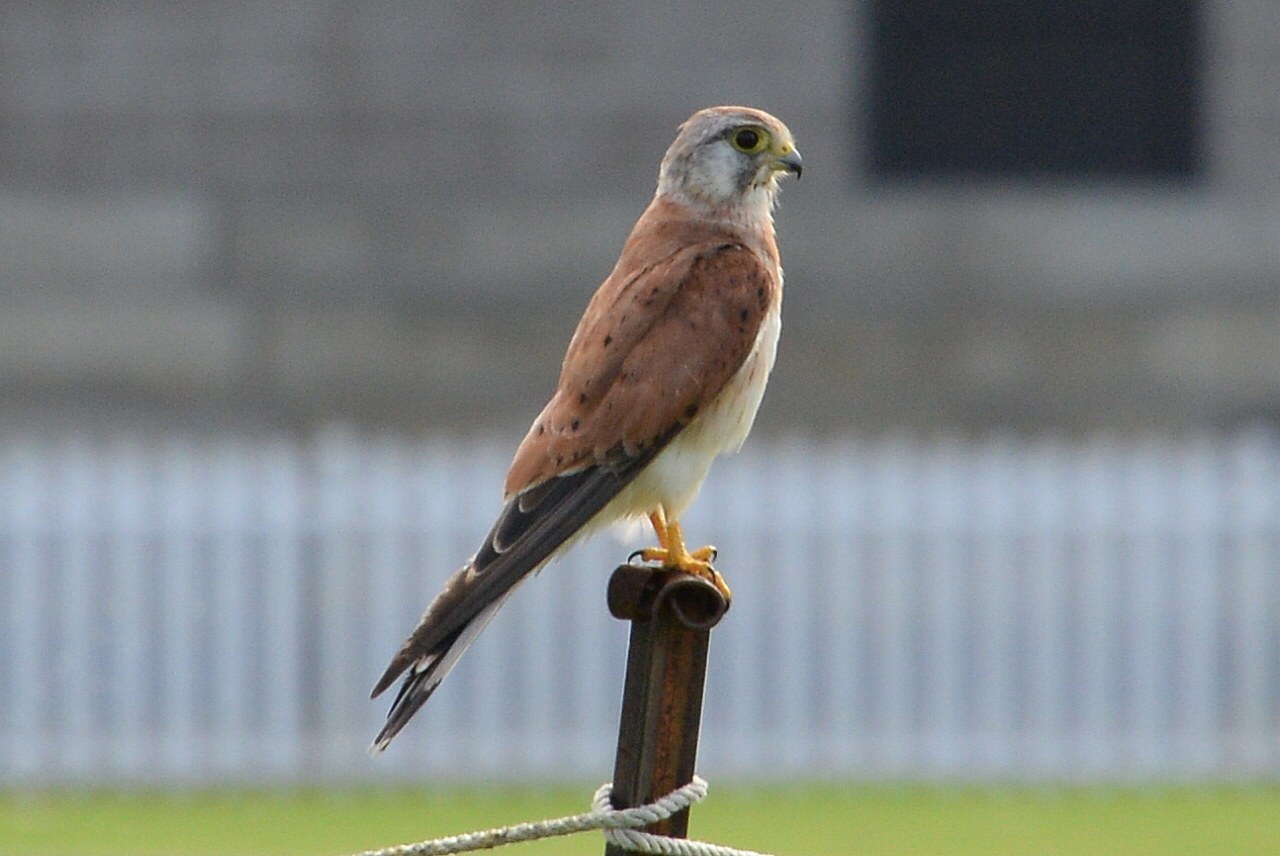
Nankeen Kestrel
Slim pointed flight feathers; lightly marked contour feathers

Andean Condor
Massive flight feathers; broad primaries and secondaries; sturdy tail feathers

Plumbeous Forest Falcon
Short rounded flight feathers; finely barred tail feathers

Sooty Falcon
Long pointed flight feathers; slim tail feathers