

American White Ibis
Eudocimus albus
A common white ibis of the southeastern United States, Central America, and the Caribbean, easily identified by its bright pink-red decurved bill and legs and black wingtips visible in flight.
- Feather type
- Dense white contour feathers with black wingtips
- Colours
- White with black-tipped primary feathers
- Bird size
- Medium ibis, ~53-70 cm
Found a feather like this?
Identify any feather from a photo, free.
Overview
Overview
The American White Ibis is a familiar wading bird across coastal wetlands of the southeastern United States, Mexico, Central America, and the Caribbean, recognized by its clean white plumage, black wingtips visible only in flight, and a long, bright pink-red decurved bill matched by similarly colored legs. It is often seen foraging in flocks on lawns, golf courses, and parks in addition to natural wetlands.
- White body plumage overall
- Black tips on the outer primary feathers, visible mainly in flight
- Long, decurved, bright pink-red bill
- Pink-red legs, matching the bill color in breeding adults
Identifying the Feather
Feather Identification
American White Ibis feathers are predominantly white, with black confined to the tips of the outer primary feathers, a pattern only fully visible when the wing is spread.
- Body contour feathers: pure white throughout
- Primary feathers: white at the base with black tips, most visible in flight or with the wing extended
- Secondary feathers: white, without black tips
- Shaft color: pale in white sections, dark toward the black tips
- Vs. Australian White Ibis / African Sacred Ibis: American White Ibis has a fully feathered white head and neck, unlike the bare black head and neck of those Old World species
- Vs. Scarlet Ibis: identical black wingtip pattern, but American White Ibis lacks the overall scarlet-red body color
Plumage & Molt
Plumage Details
Adults are white overall with black tips on the outer primaries, a long decurved pink-red bill, and pink-red legs that brighten further during the breeding season. Juveniles are quite different, showing brown upperparts, a white belly and rump, and a duller orange-pink bill, gradually molting into the full white adult plumage over about two years. The species undergoes a complete molt on a roughly annual cycle tied to breeding.
Habitat & Range
Habitat & Range
American White Ibis are common in coastal marshes, mangroves, swamps, and increasingly in urban parks and lawns across the southeastern United States, Mexico, Central America, and parts of the Caribbean and northern South America. Many populations are resident, though some northern breeders shift southward outside the breeding season, and the species has adapted well to human-altered landscapes.
Behavior & Field Notes
Behavior & Field Notes
American White Ibis forage by probing soft mud, shallow water, and even lawns with their long, sensitive bill, feeding heavily on small invertebrates such as crayfish and insects along with other small prey. They are highly social, foraging, roosting, and nesting in large flocks and colonies, sometimes alongside herons and other ibis species. Vocalizations include low grunts and honking notes. The combination of white body plumage, black wingtips, and a bright pink-red decurved bill makes this one of the more familiar and easily identified wading birds in its range.
Frequently asked questions
Are American White Ibis feathers ever black?
Only the tips of the outer primary feathers are black; the rest of the plumage, including the body and most of the wing, is white.
How can I tell an American White Ibis feather from a Scarlet Ibis feather?
Both species share the same black wingtip pattern, but American White Ibis body feathers are white while Scarlet Ibis body feathers are a vivid overall red.
Do young American White Ibis look like the white adults?
No, juveniles are mostly brown above with a white belly and rump, gradually molting into full white adult plumage over about two years.
Where would an American White Ibis feather most likely be found?
Near coastal marshes, mangroves, and wetlands across the southeastern United States, Mexico, Central America, and the Caribbean, including urban parks in some areas.
American White Ibis guides
In-depth guides for identifying and understanding American White Ibis.

American White Ibis identified by the community
Real feathers identified with Feather Identifier.

Other feathers you may enjoy

Yellow-billed Spoonbill
White contour and flight feathers with fine breeding plumes on the back and breast
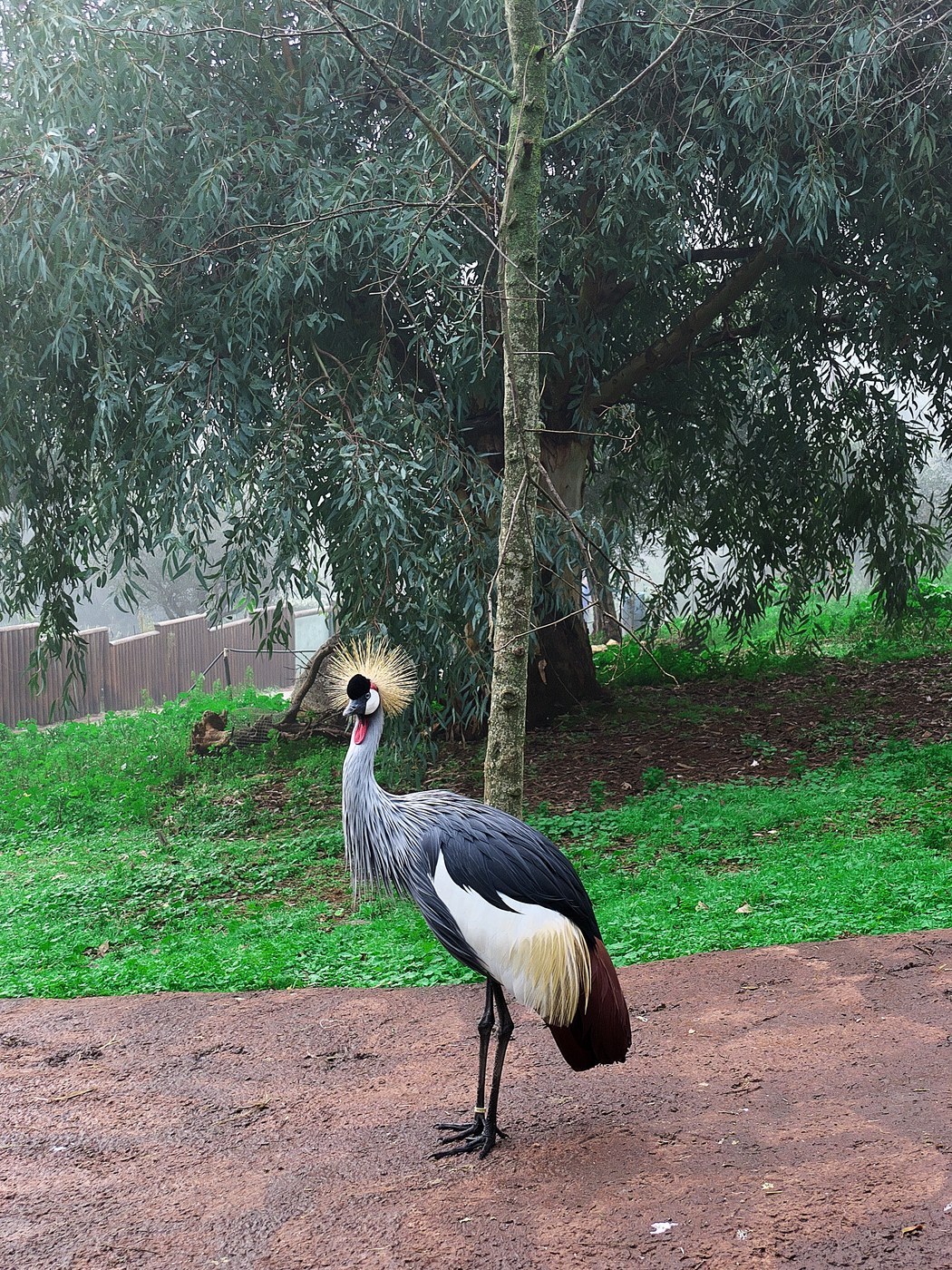
Grey Crowned Crane
Grey body feathers with white wing coverts, chestnut flight feathers, and stiff golden crown bristles
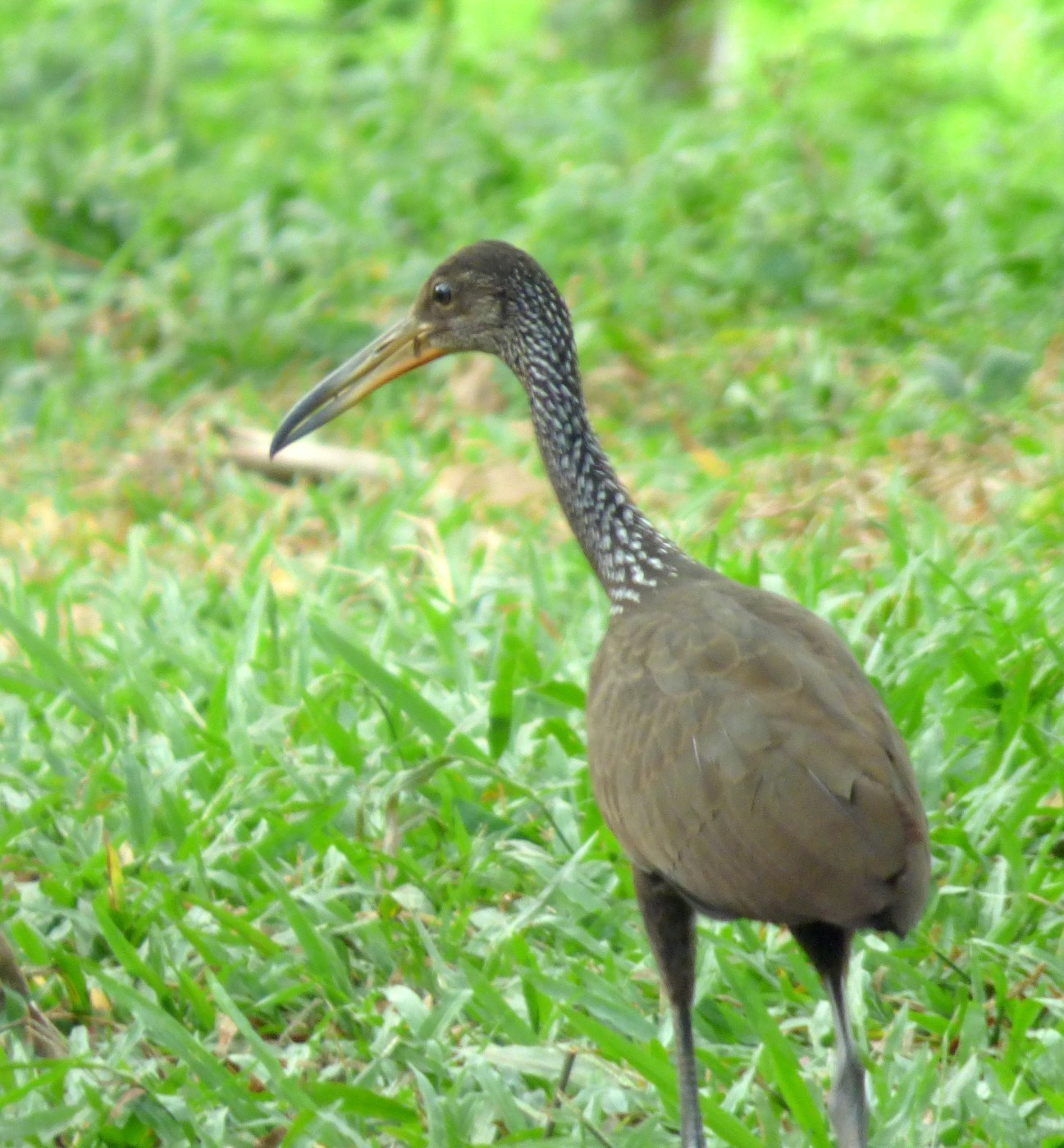
Limpkin
Brown contour feathers with white teardrop-shaped spots and streaks
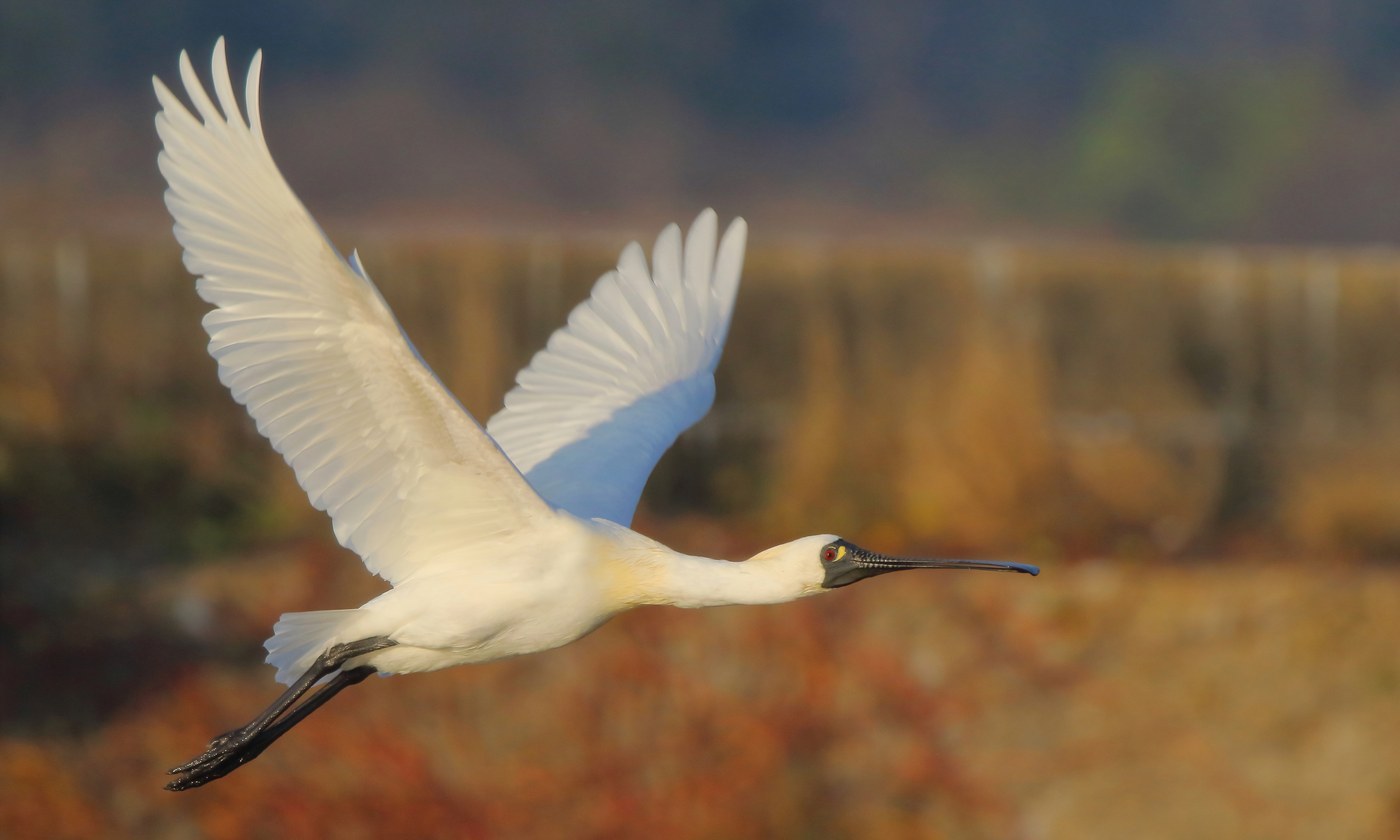
Black-faced Spoonbill
White contour and flight feathers with fine breeding crest and breast plumes
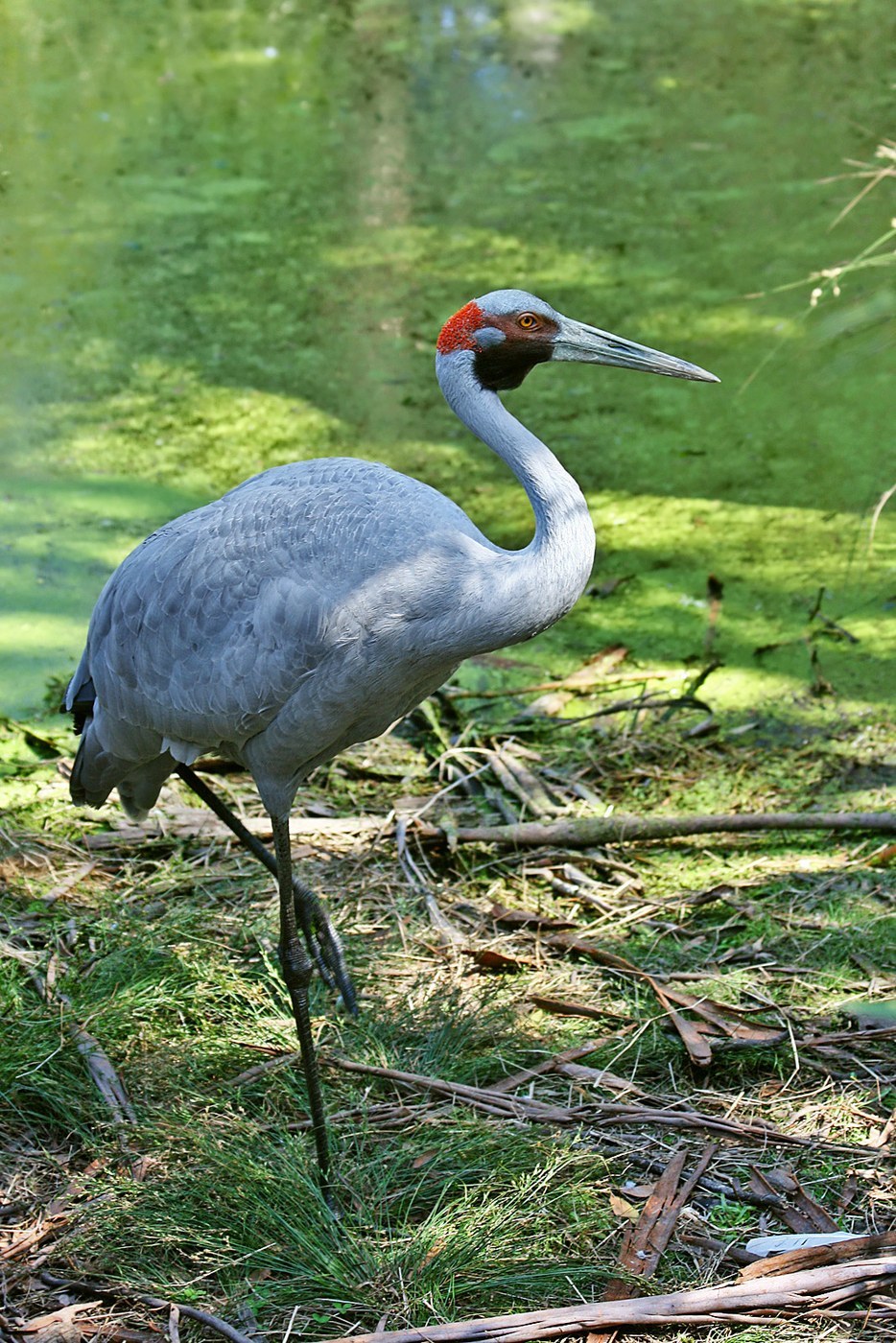
Brolga
Grey contour feathers with drooping bustle plumes
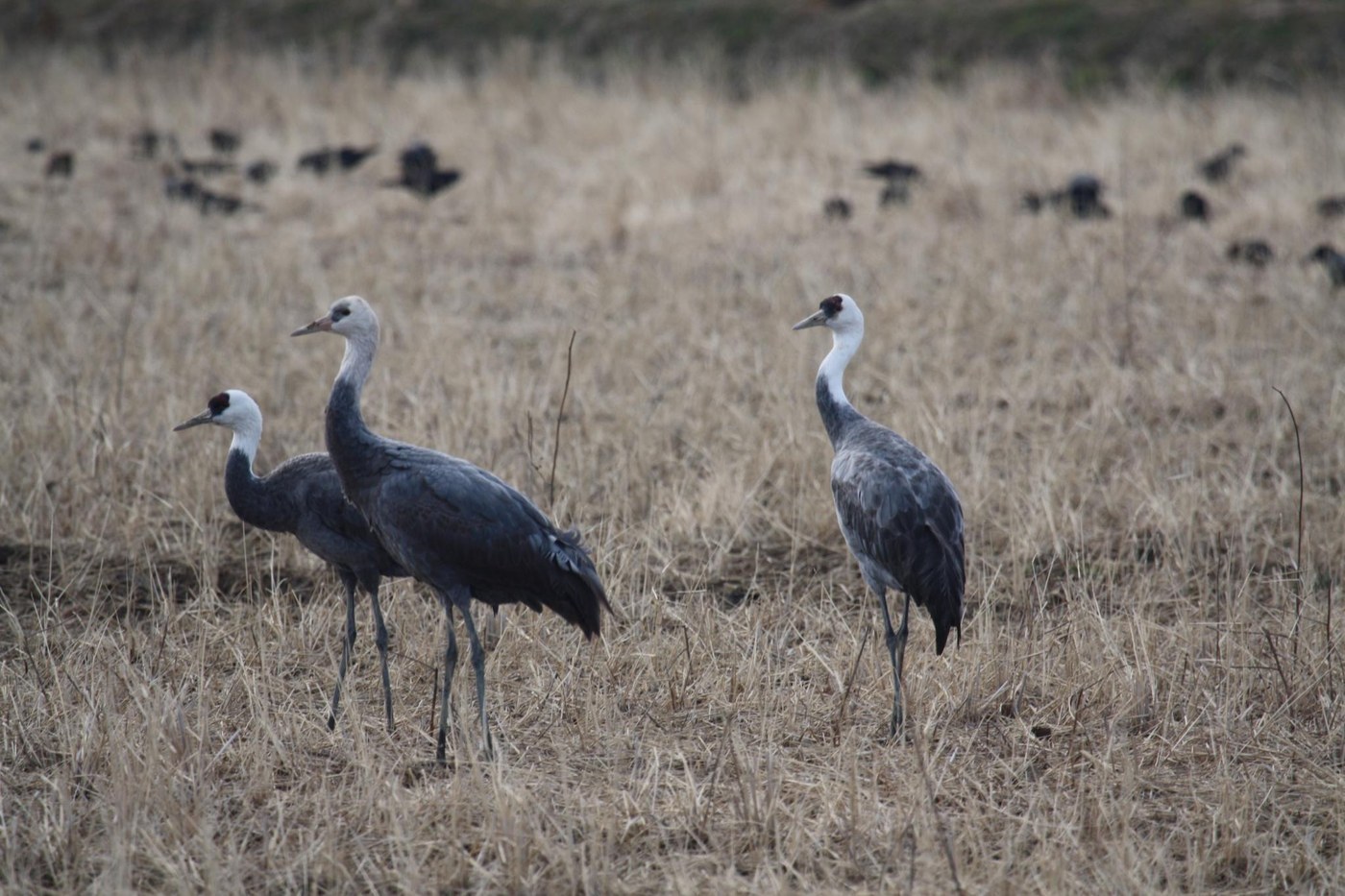
Hooded Crane
Dark slate-grey body feathers with a white head/upper neck 'hood' and black bustle plumes
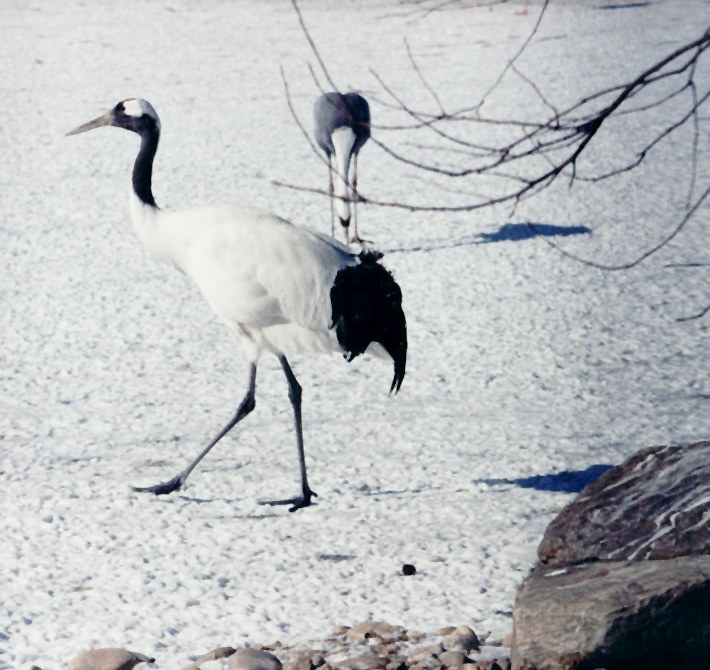
Red-crowned Crane
White contour feathers with black secondary/tertial bustle feathers and a bare red crown

Common Crane
Grey contour feathers with black head/neck feathers and drooping bustle plumes
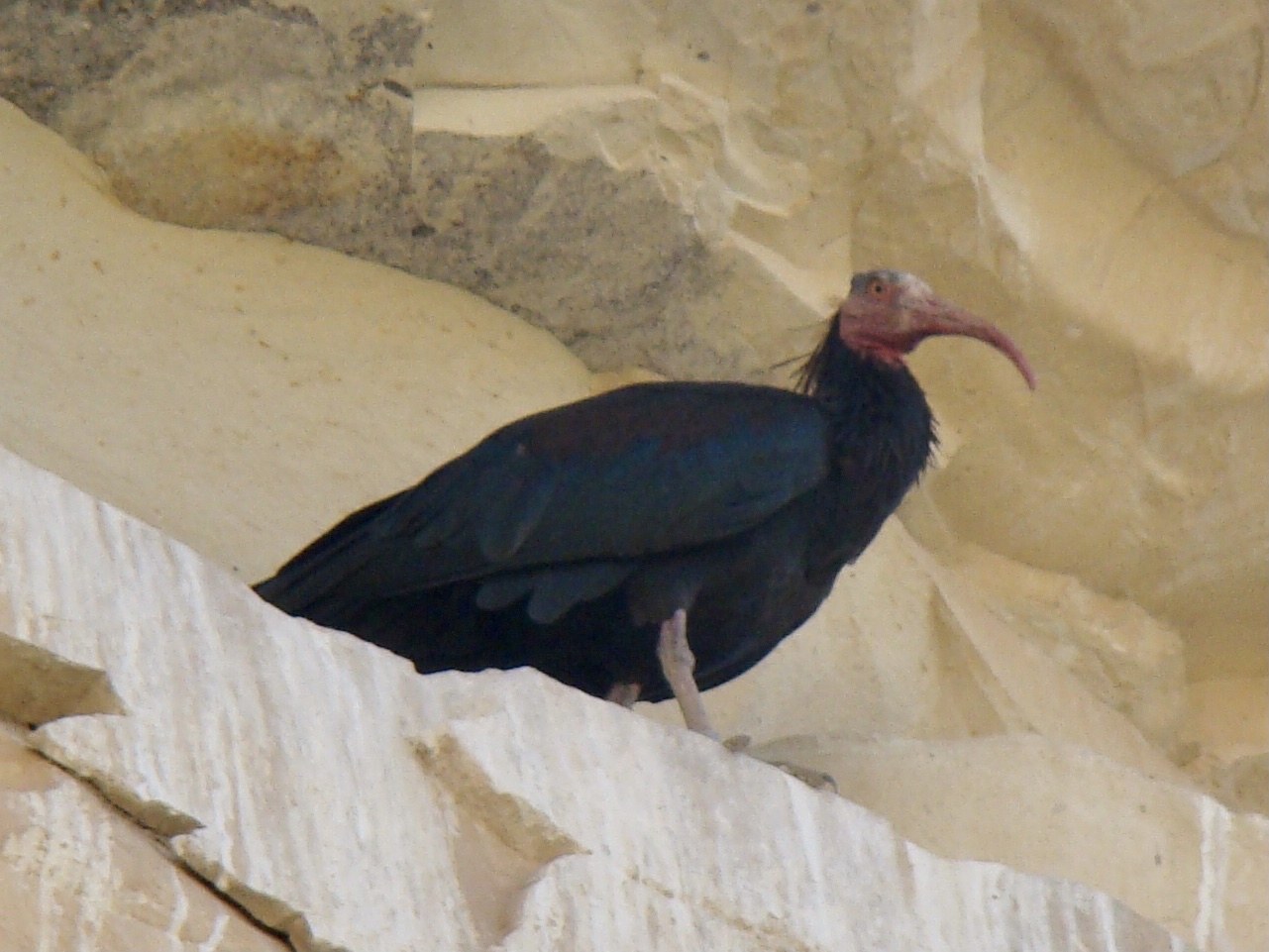
Northern Bald Ibis
Glossy black contour feathers with elongated nape plumes
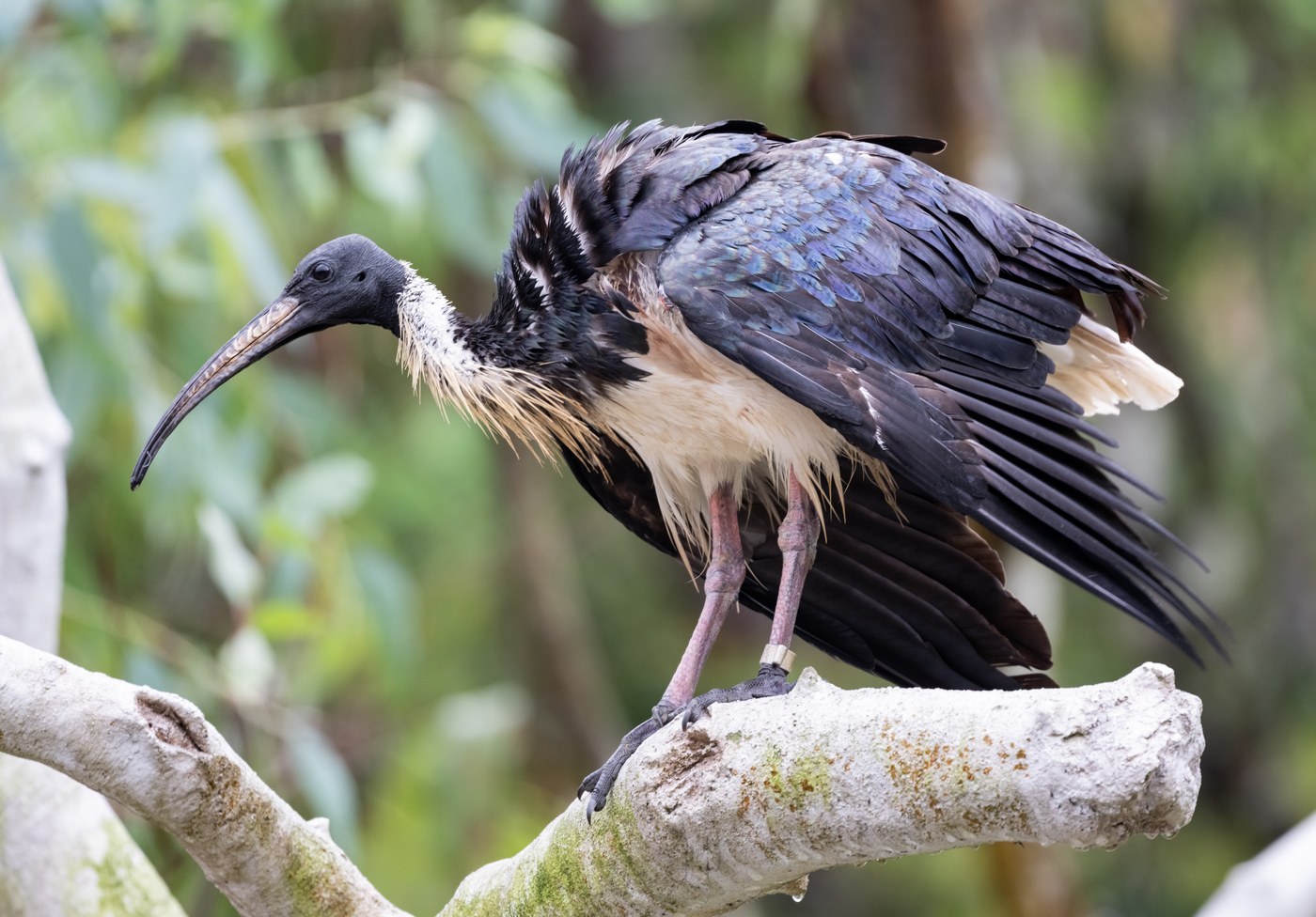
Straw-necked Ibis
Glossy contour feathers with unique straw-like neck plumes
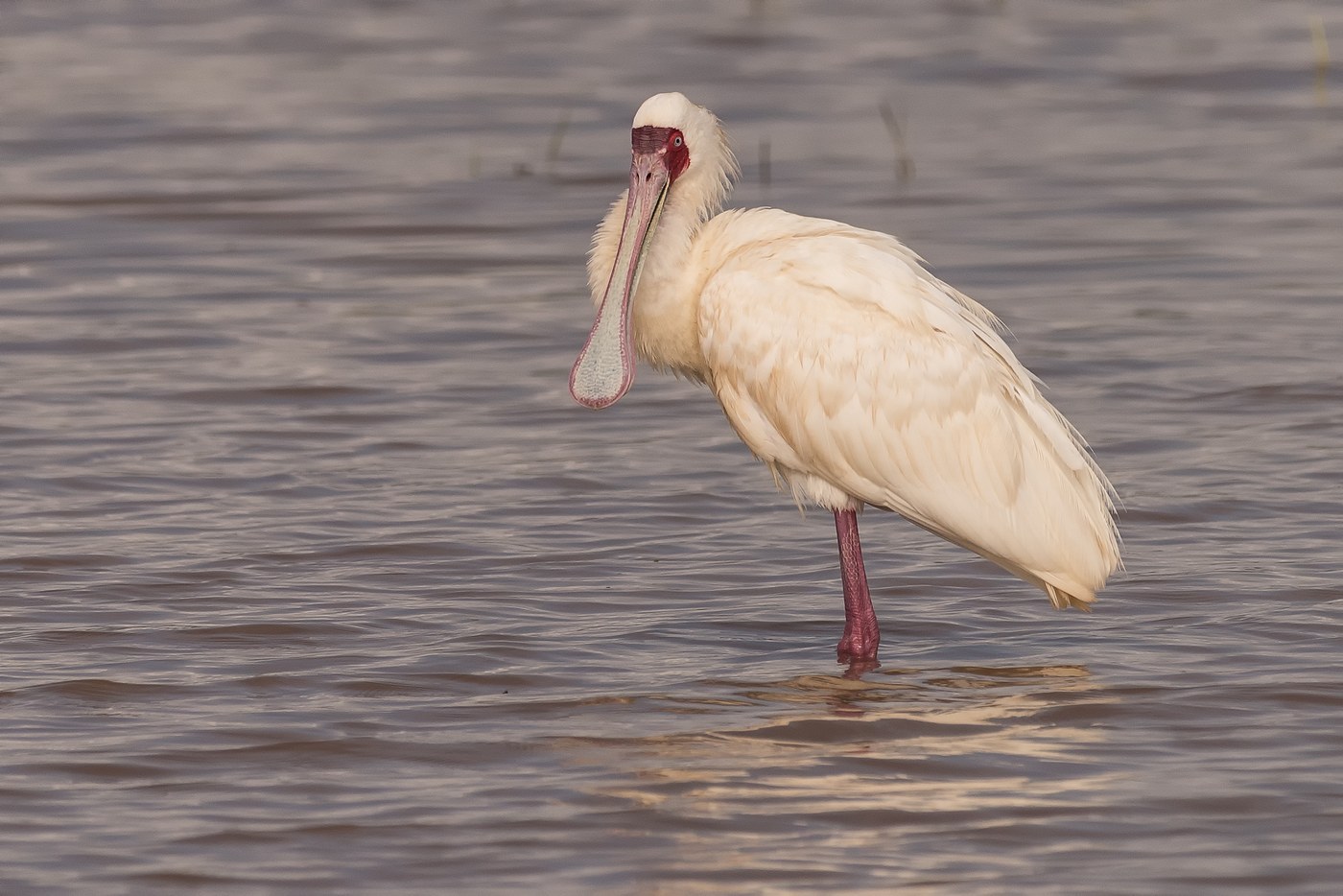
African Spoonbill
White contour and flight feathers, unmarked by black tips

Roseate Spoonbill
Pink and white contour and flight feathers with a carmine shoulder patch