
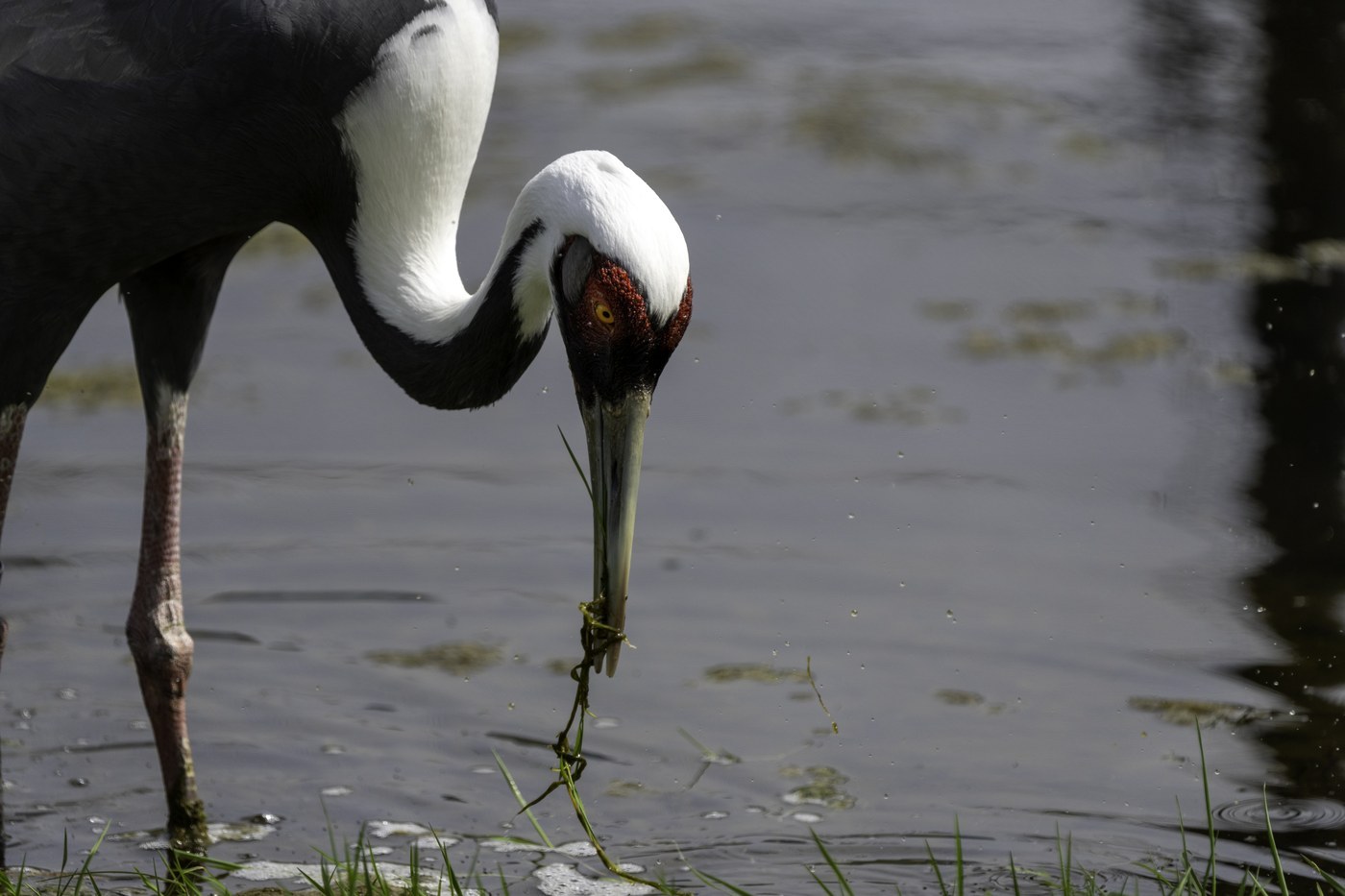
White-naped Crane
Antigone vipio
An East Asian crane with grey body plumage, a bold white stripe running down the nape and hindneck, and extensive bare red facial skin.
- Feather type
- Grey body feathers with a white nape/hindneck stripe and drooping bustle plumes
- Colours
- Grey body with a white nape stripe, bare red facial skin, and pale grey wing panel
- Bird size
- Large crane, ~130 cm tall
Found a feather like this?
Identify any feather from a photo, free.
Overview
The White-naped Crane breeds in wetlands and grasslands of Mongolia, northeastern China, and southeastern Russia, migrating to wintering grounds in Japan, the Korean Peninsula, and eastern China. Its grey body is set off by a distinctive white stripe extending down the nape and hindneck, along with extensive bare red skin on the face, and a paler grey wing panel that stands out against the darker flight feathers.
Identifying the Feather
- Body feathers are grey, generally similar in tone to the Common Crane and Sarus Crane.
- Nape and hindneck feathers are white, forming a bold stripe running down the back of the neck - a key identification feature distinguishing this species from similarly grey cranes.
- Wing covert feathers form a paler grey panel that contrasts somewhat with darker flight feathers, adding a two-toned pattern to the folded wing.
- Tertial (bustle) feathers are elongated, drooping, and grey, curling over the tail.
- Distinguish from the Hooded Crane, whose white feathering covers the entire head and upper neck rather than being confined to a nape stripe, and from the Common Crane, whose white stripe runs from the eye rather than being centered on the nape/hindneck.
Plumage & Molt
Adults are grey with a white nape and hindneck stripe, extensive bare red facial skin, a paler grey wing panel, and elongated drooping grey tertial bustle feathers; legs are pinkish. Sexes look alike. Juveniles have a feathered, buffy-brown head lacking the bare red skin and white nape stripe, gradually acquiring full adult features over their first year or so. Molt follows the breeding season on the East Asian steppe and wetland breeding grounds.
Habitat & Range
White-naped Cranes breed in wetlands, river valleys, and grasslands of Mongolia, northeastern China, and southeastern Russia, and migrate to winter in coastal wetlands and rice paddies of Japan, the Korean Peninsula (including the Demilitarized Zone area), and parts of eastern China. It is a fully migratory species following a relatively narrow East Asian flyway.
Behavior & Field Notes
This crane forages in wetlands, grasslands, and agricultural fields for plant material, grains, and small invertebrates, often in flocks at wintering and staging sites. It nests on the ground in wetland or grassland vegetation, laying a small clutch. Its call is a resonant trumpeting bugle, similar to related Grus and Antigone cranes. Wintering flocks often gather at a limited number of key coastal and agricultural sites, making habitat protection at those locations important to the species' conservation.
Frequently asked questions
How can you identify a White-naped Crane feather?
Look for grey body feathers with a distinctive white stripe running down the nape and hindneck, plus a somewhat paler grey wing panel.
How is it different from the Hooded Crane?
The White-naped Crane's white feathering is confined to a nape/hindneck stripe, while the Hooded Crane has an entirely white head and upper neck against a much darker body.
Is the White-naped Crane migratory?
Yes, it migrates between breeding grounds in Mongolia, China, and Russia and wintering areas in Japan, Korea, and China.
Where does the White-naped Crane breed?
In wetlands, river valleys, and grasslands of Mongolia, northeastern China, and southeastern Russia.
White-naped Crane guides
In-depth guides for identifying and understanding White-naped Crane.
Other feathers you may enjoy

Yellow-billed Spoonbill
White contour and flight feathers with fine breeding plumes on the back and breast
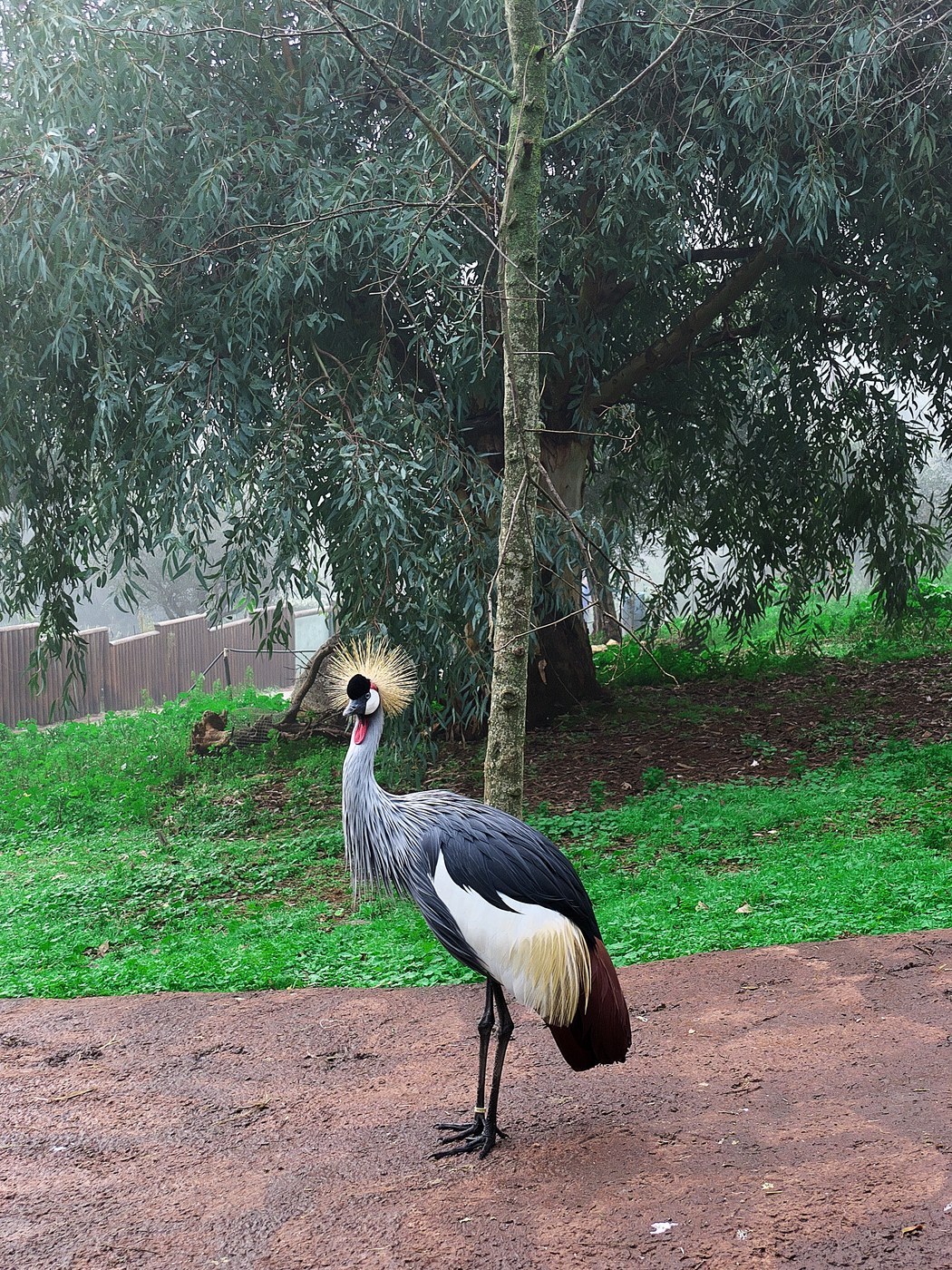
Grey Crowned Crane
Grey body feathers with white wing coverts, chestnut flight feathers, and stiff golden crown bristles
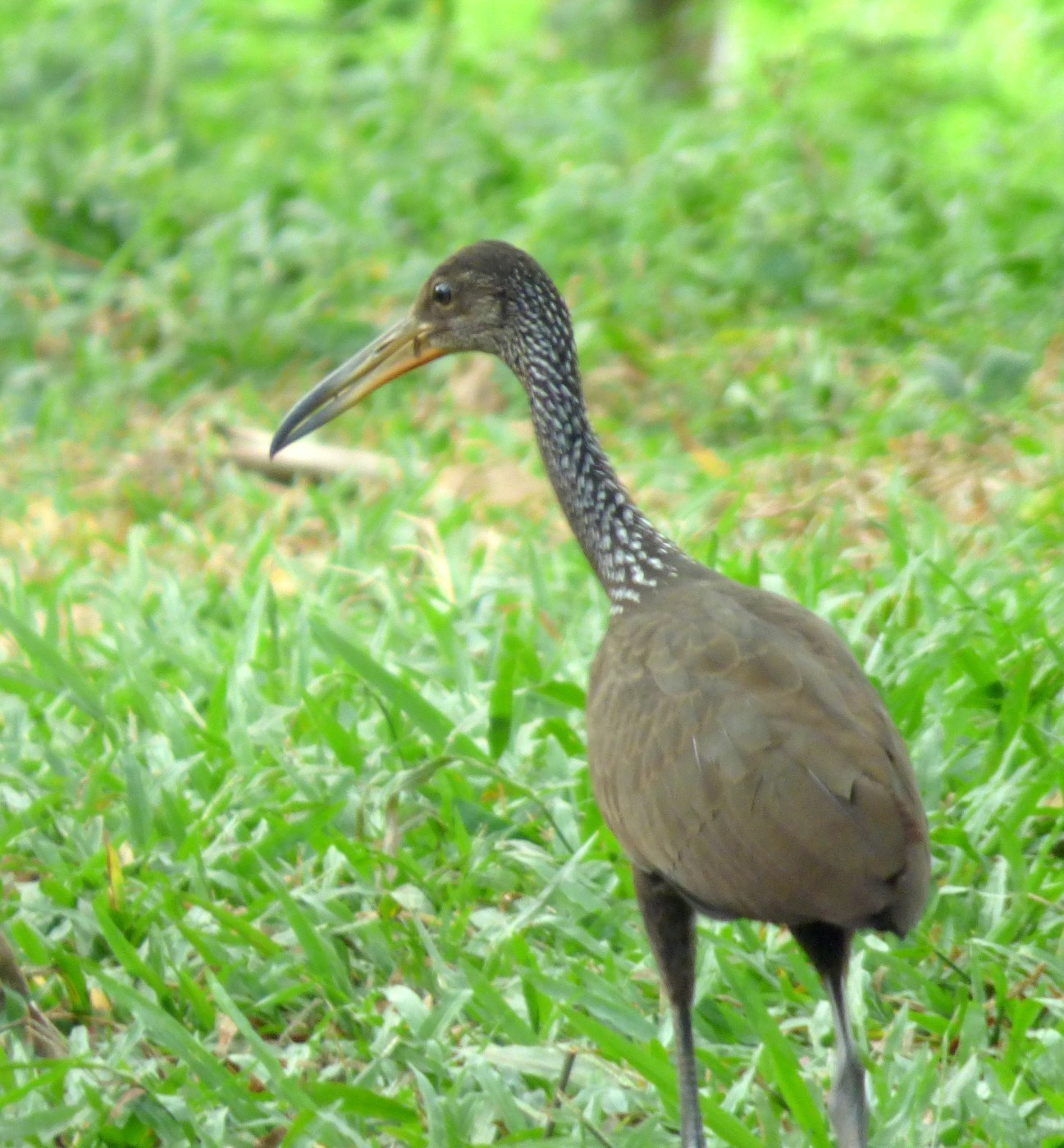
Limpkin
Brown contour feathers with white teardrop-shaped spots and streaks
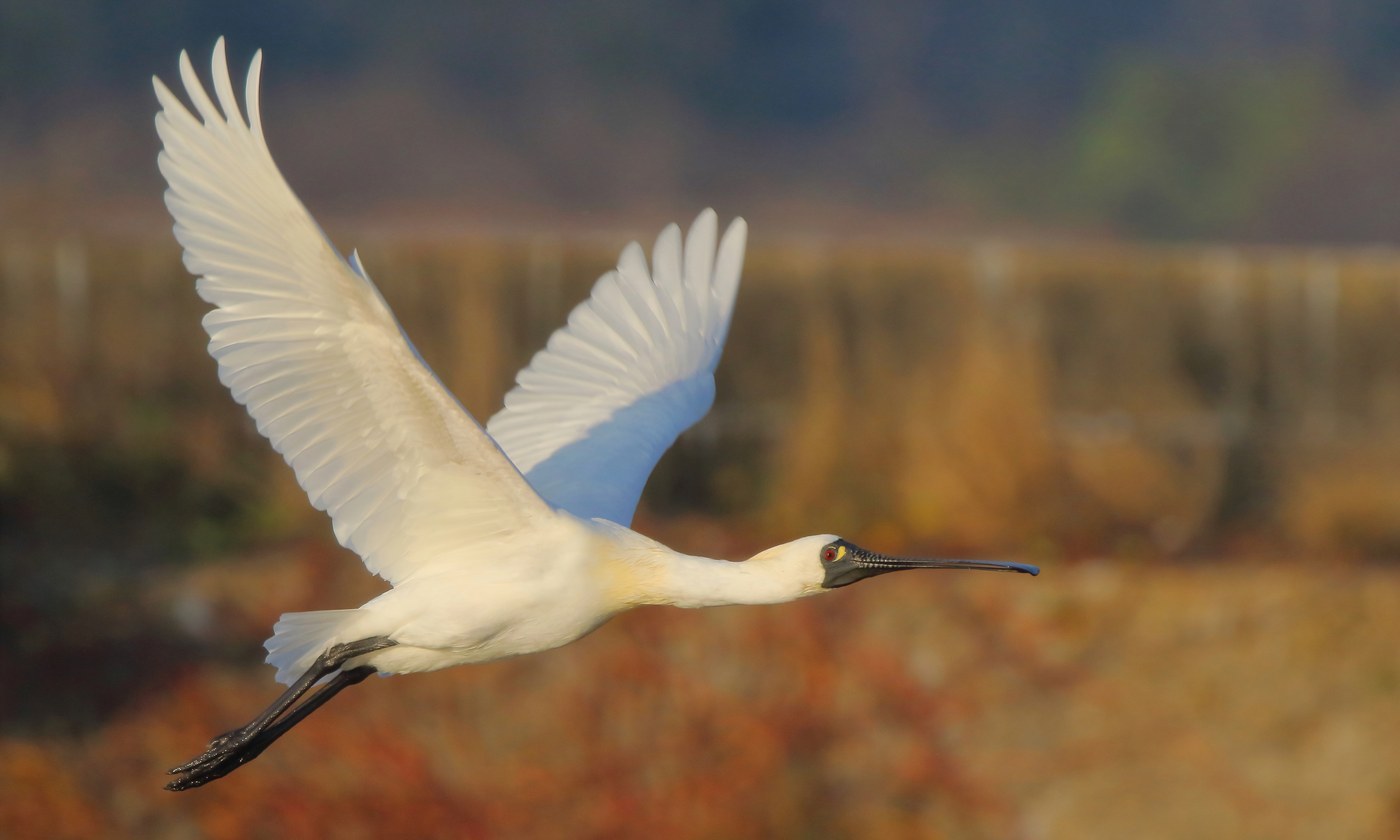
Black-faced Spoonbill
White contour and flight feathers with fine breeding crest and breast plumes
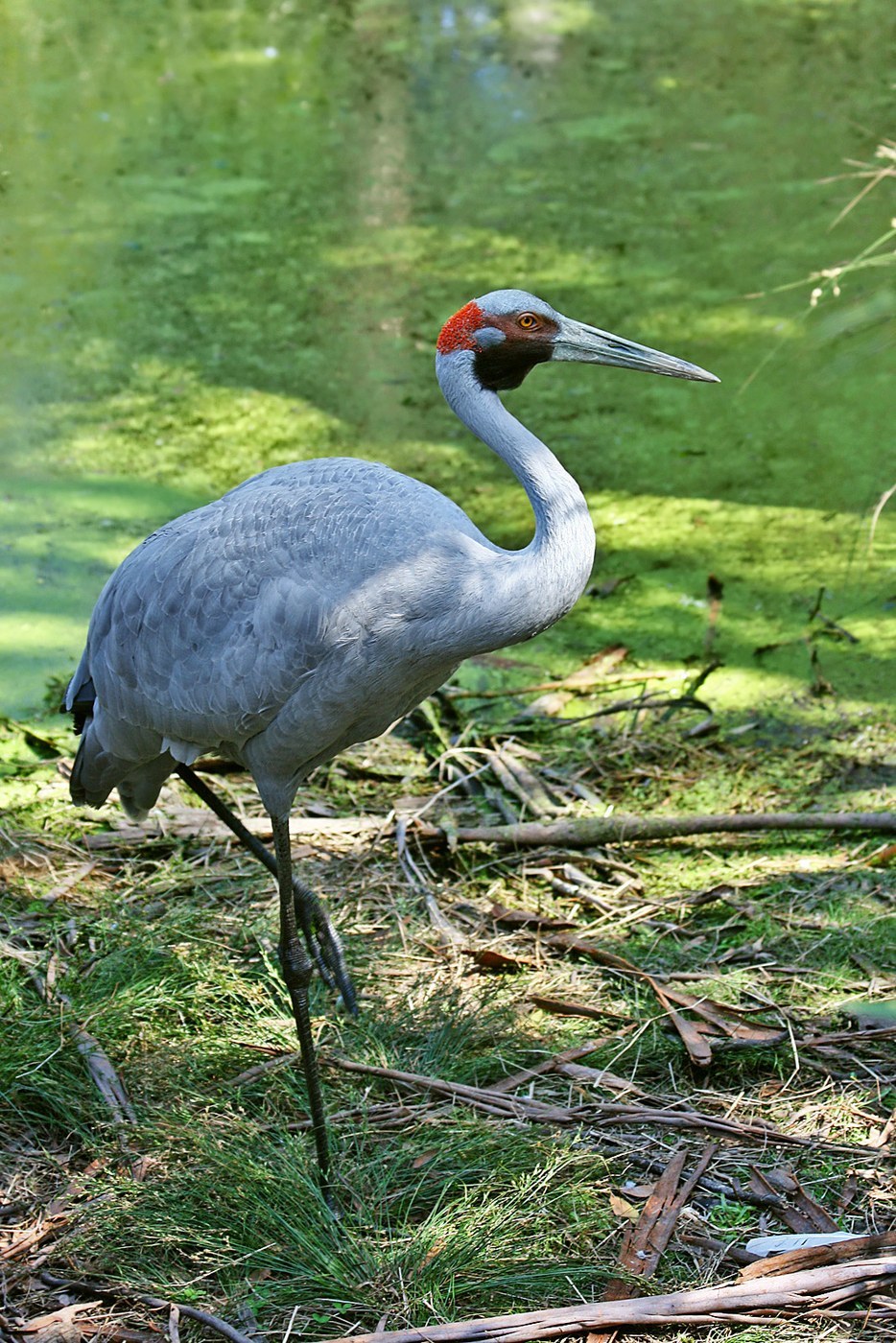
Brolga
Grey contour feathers with drooping bustle plumes
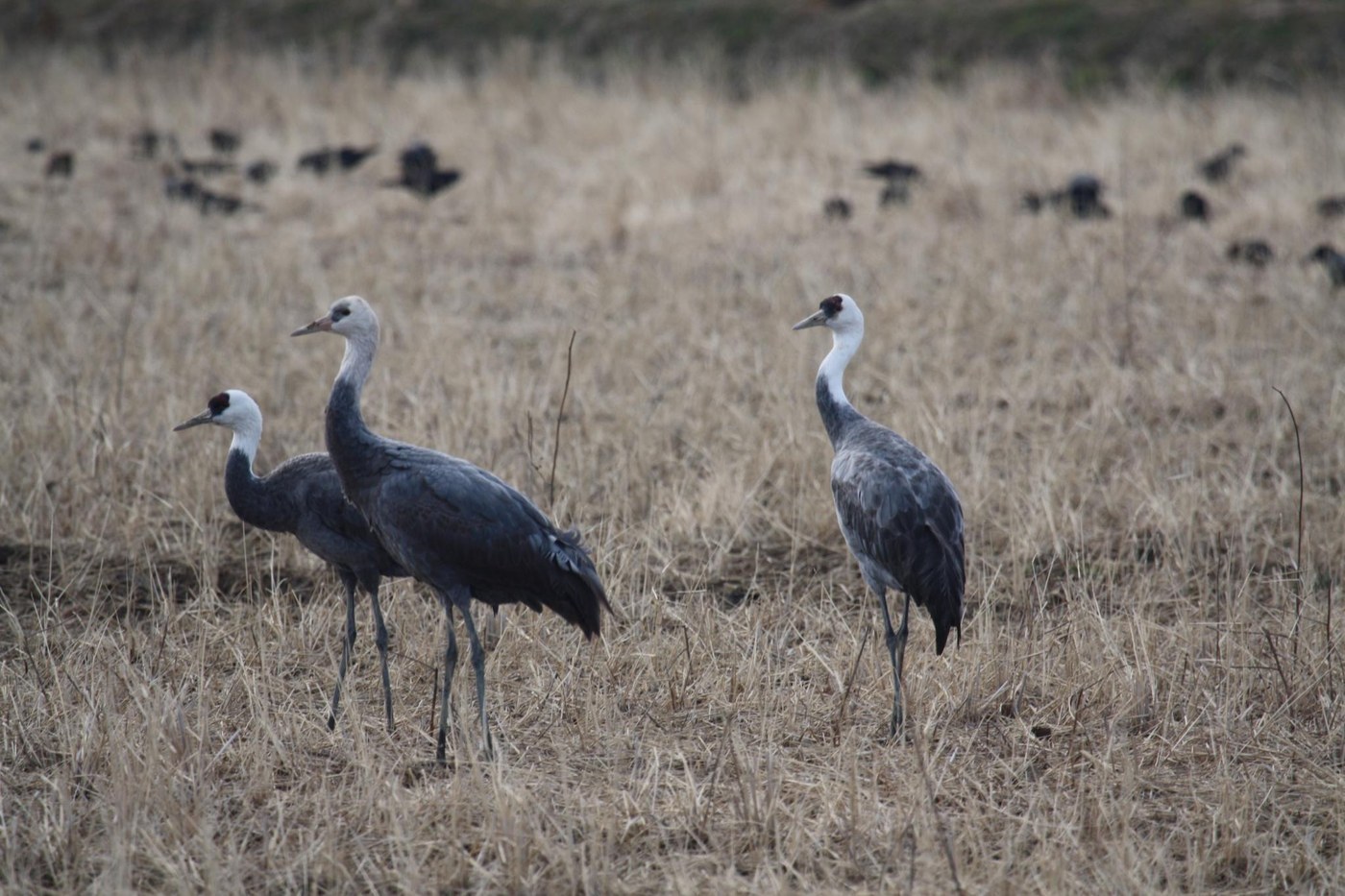
Hooded Crane
Dark slate-grey body feathers with a white head/upper neck 'hood' and black bustle plumes
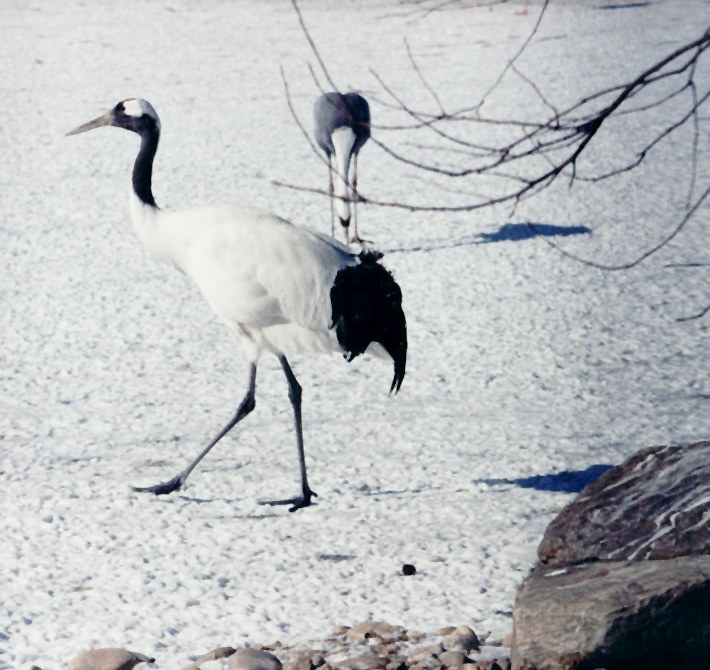
Red-crowned Crane
White contour feathers with black secondary/tertial bustle feathers and a bare red crown

Common Crane
Grey contour feathers with black head/neck feathers and drooping bustle plumes
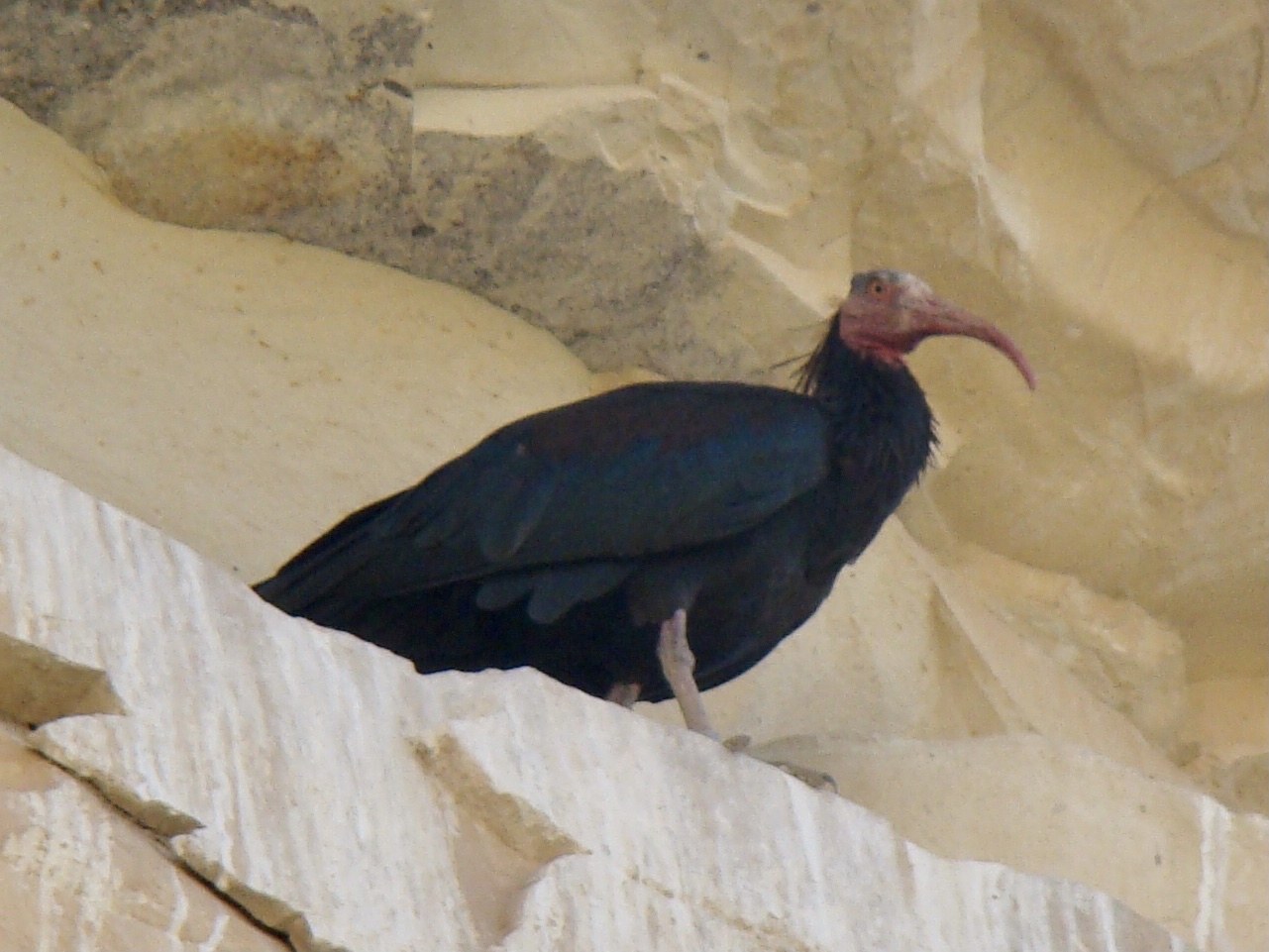
Northern Bald Ibis
Glossy black contour feathers with elongated nape plumes
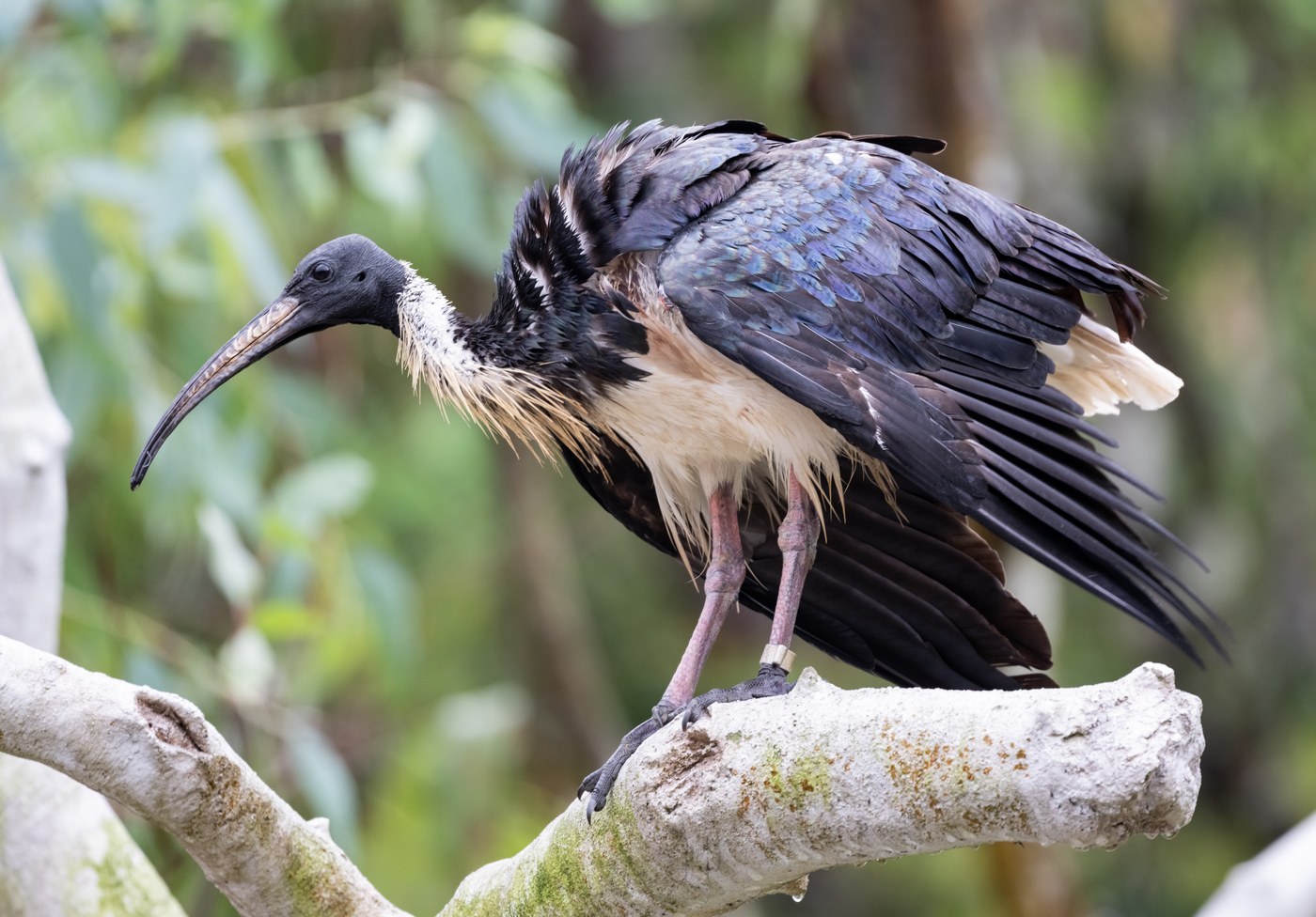
Straw-necked Ibis
Glossy contour feathers with unique straw-like neck plumes
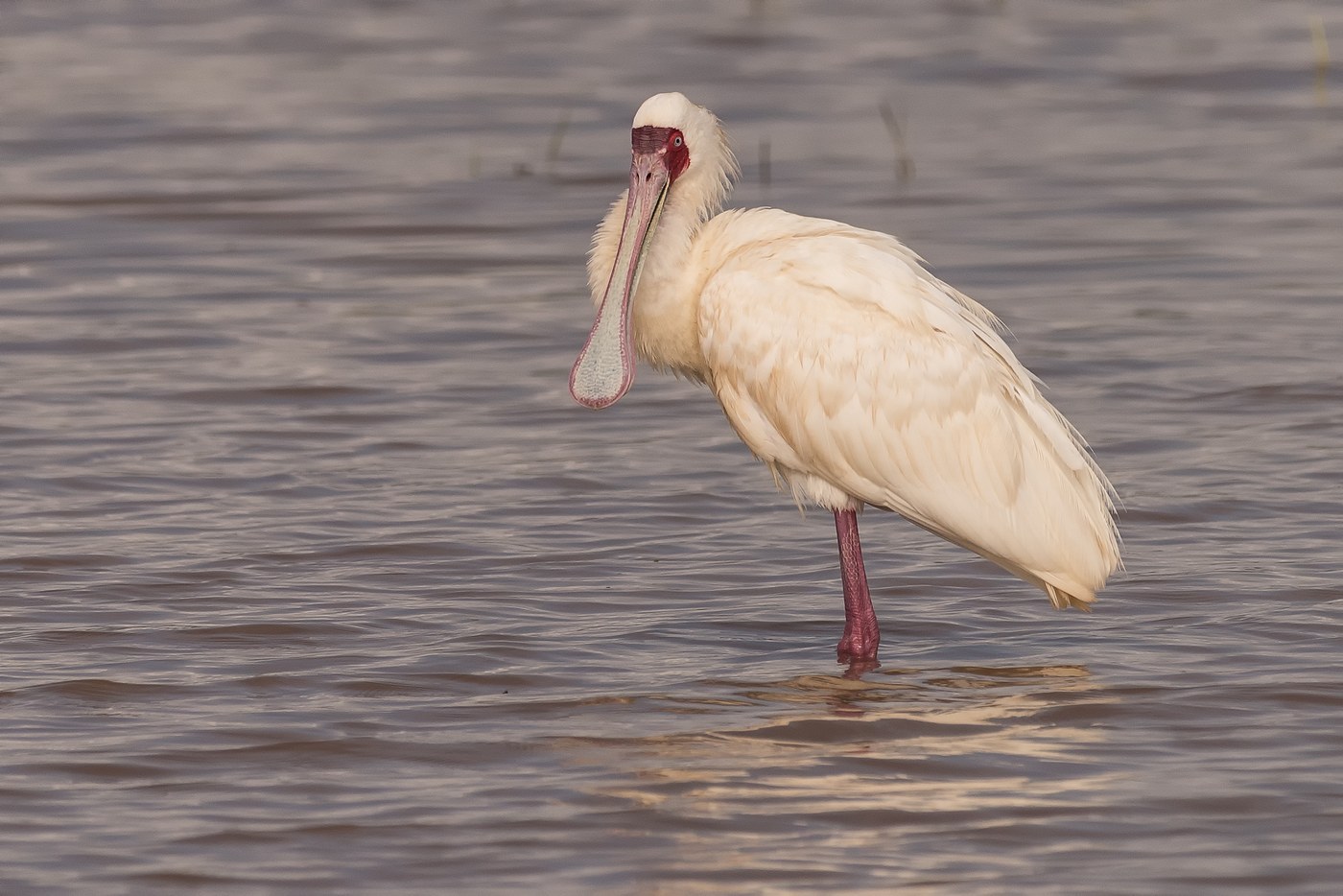
African Spoonbill
White contour and flight feathers, unmarked by black tips

Roseate Spoonbill
Pink and white contour and flight feathers with a carmine shoulder patch