

Wood Stork
Mycteria americana
A large white stork with sharply contrasting black flight feathers and tail, and a bare, dark gray-black head and neck rather than feathered skin.
- Feather type
- Contour and flight feathers
- Colours
- White body, black flight feathers and tail
- Bird size
- Very large wading bird, ~100 cm
Found a feather like this?
Identify any feather from a photo, free.
Overview
The Wood Stork is the only stork species that breeds regularly in North America, found from the southeastern United States south through Central and South America in freshwater and coastal wetlands. Its soaring flight on broad black-and-white wings and distinctive bare head set it apart from the herons and egrets sharing its wetland habitats.
Identifying the Feather
Body feathers are pure white throughout, but the flight feathers—both primaries and secondaries—and the tail are glossy black, creating a bold white-body, black-trailing-edge pattern easily seen in flight and on shed feathers. These flight feathers are notably large, stiff, and broad, suited to the bird's soaring flight style. Unlike white egrets and herons, which are feathered on the head, the Wood Stork's head and upper neck are bare grayish-black skin rather than feathers, so any feathers found will only represent the body, wings, and tail, never the head.
Plumage & Molt
Sexes look alike. Juveniles have a feathered, downy grayish head and neck rather than bare skin, along with a duller, more brownish wash to the body plumage, gradually losing head feathers and developing the bare adult skin with maturity.
Habitat & Range
Inhabits freshwater swamps, marshes, and mangroves across the southeastern United States, Mexico, Central America, and much of South America. Some populations shift seasonally in response to water levels, concentrating where prey becomes accessible as wetlands dry.
Behavior & Field Notes
Forages using a specialized tactile feeding method, sweeping its partly open bill through shallow water to detect and snap up prey by touch rather than sight, particularly effective in murky or drying wetlands. Nests colonially in trees over water, often alongside herons and egrets. Generally silent away from the nest, where it communicates mainly through bill-clattering displays. Frequently seen soaring on thermals at considerable height.
Frequently asked questions
Why is the Wood Stork's head bare instead of feathered?
Its head and upper neck are covered in bare grayish-black skin rather than feathers, unlike the fully feathered heads of herons and egrets.
What is the key feather pattern for identifying a Wood Stork?
A white body combined with solid black flight feathers and tail, creating a strong two-tone contrast visible in flight.
How does the Wood Stork find food?
It feeds by touch, sweeping its bill through shallow water to detect prey rather than relying on sight, which is effective in murky or drying wetlands.
Do young Wood Storks have bare heads too?
No, juveniles have a feathered, downy grayish head that becomes bare skin as they mature.
Wood Stork guides
In-depth guides for identifying and understanding Wood Stork.

Other feathers you may enjoy

Yellow-billed Spoonbill
White contour and flight feathers with fine breeding plumes on the back and breast
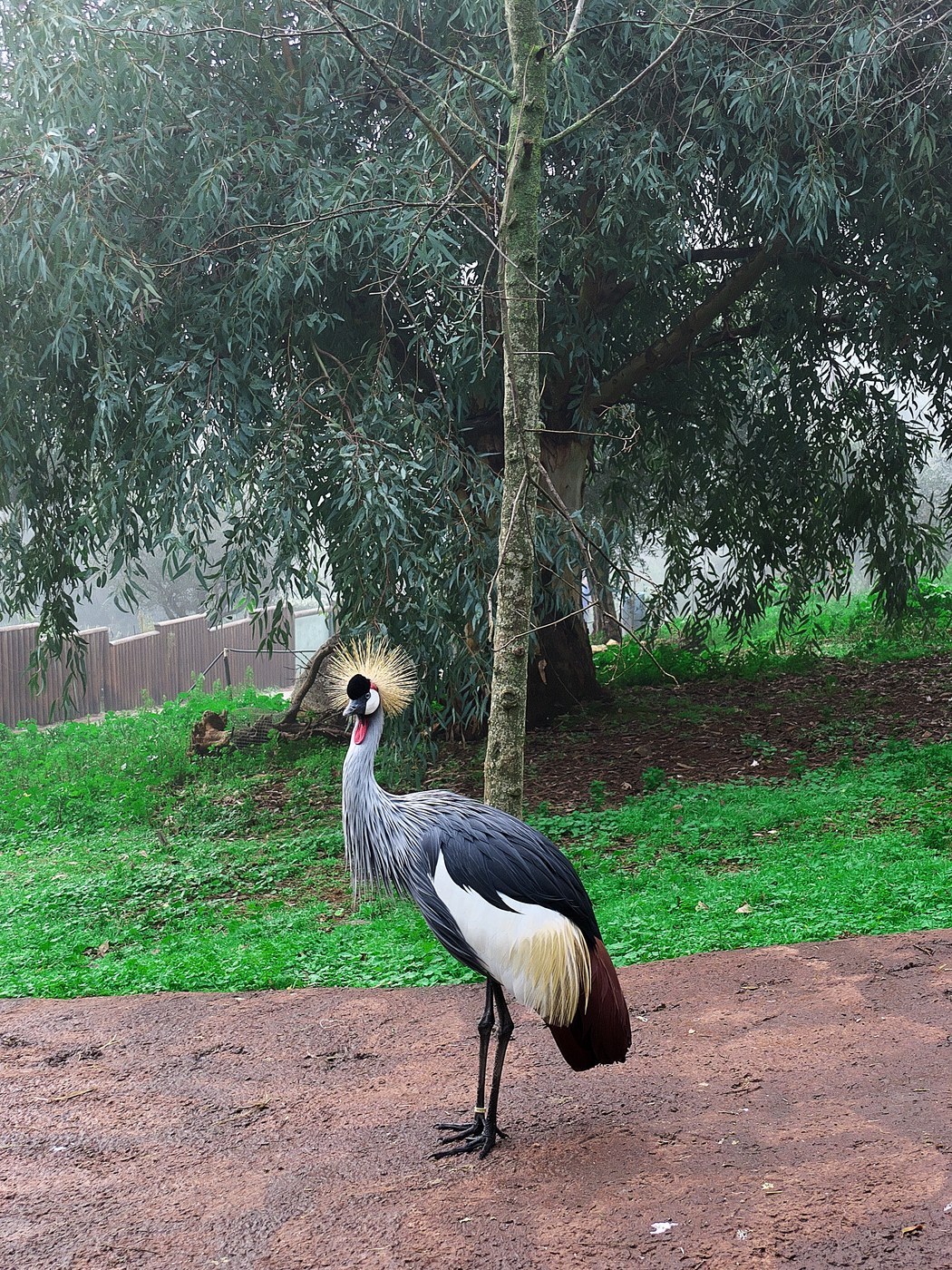
Grey Crowned Crane
Grey body feathers with white wing coverts, chestnut flight feathers, and stiff golden crown bristles
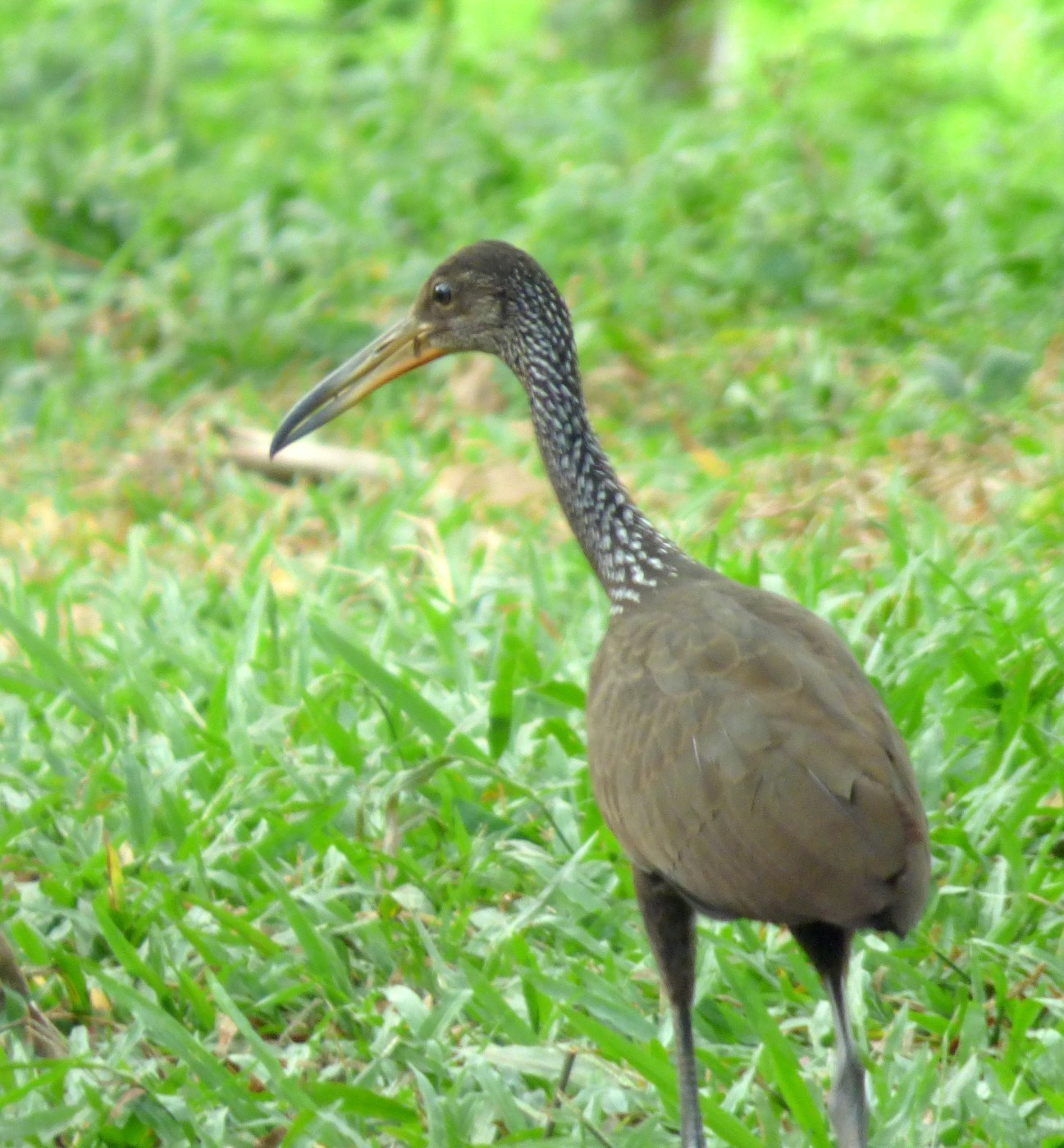
Limpkin
Brown contour feathers with white teardrop-shaped spots and streaks
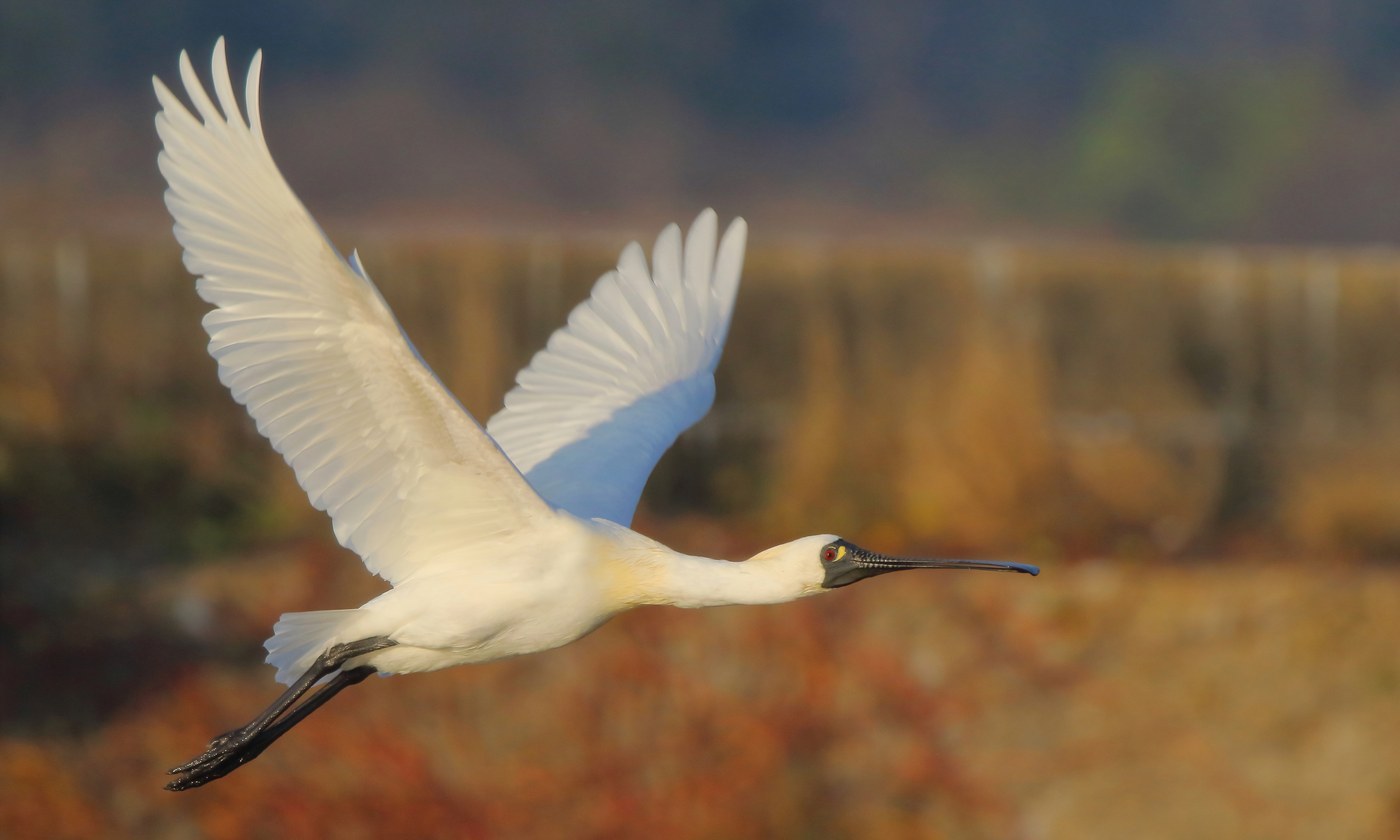
Black-faced Spoonbill
White contour and flight feathers with fine breeding crest and breast plumes
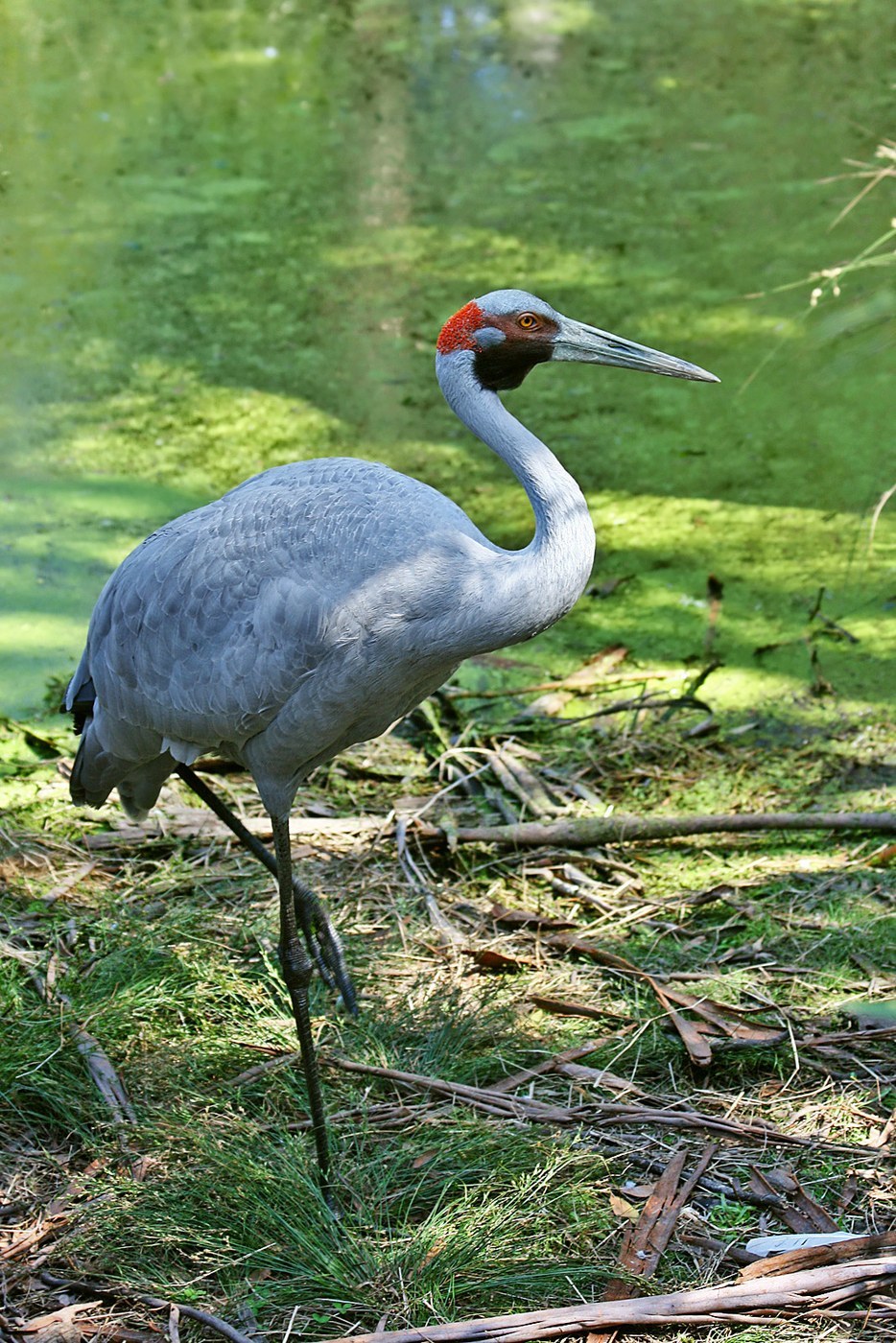
Brolga
Grey contour feathers with drooping bustle plumes
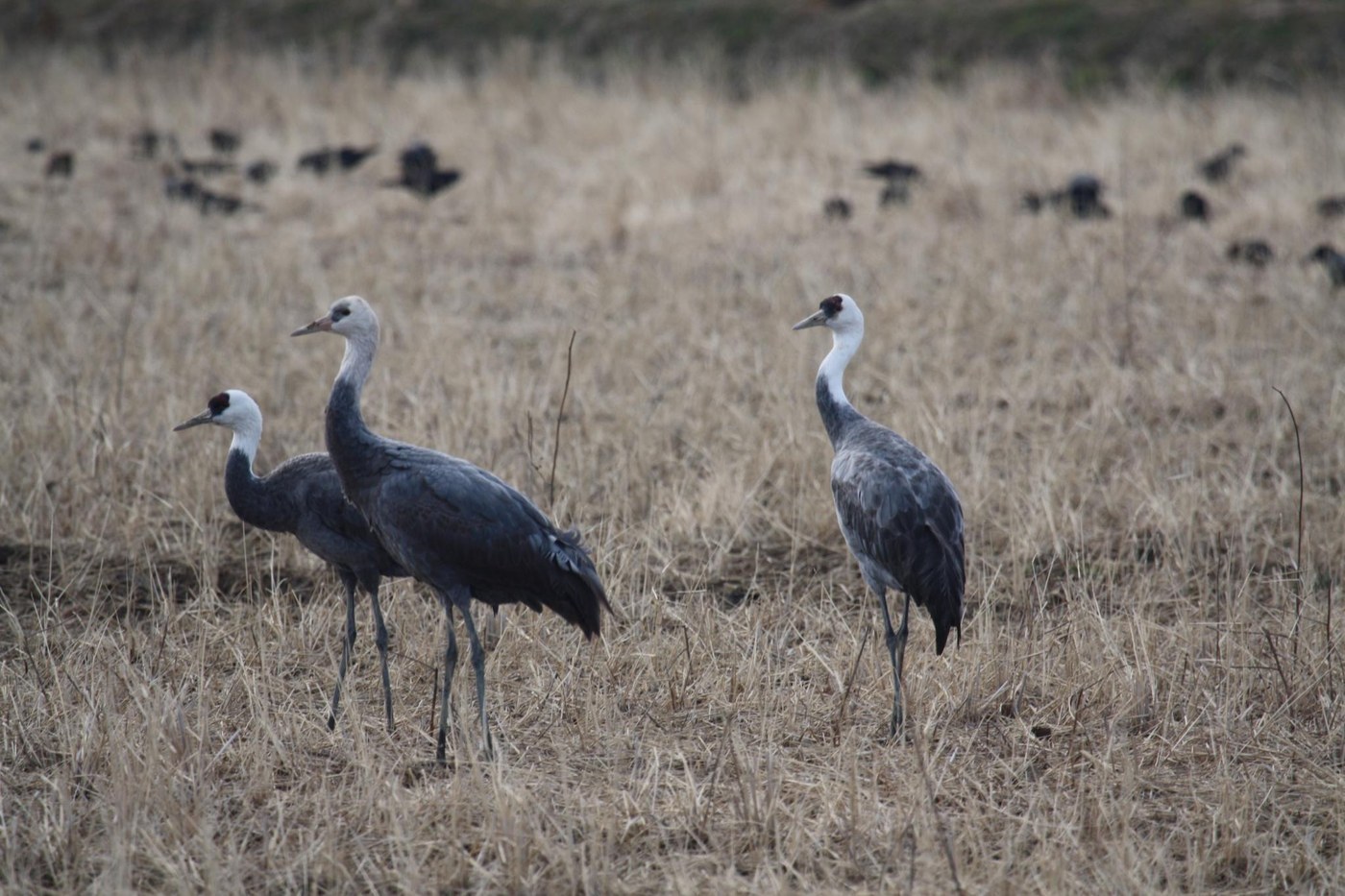
Hooded Crane
Dark slate-grey body feathers with a white head/upper neck 'hood' and black bustle plumes
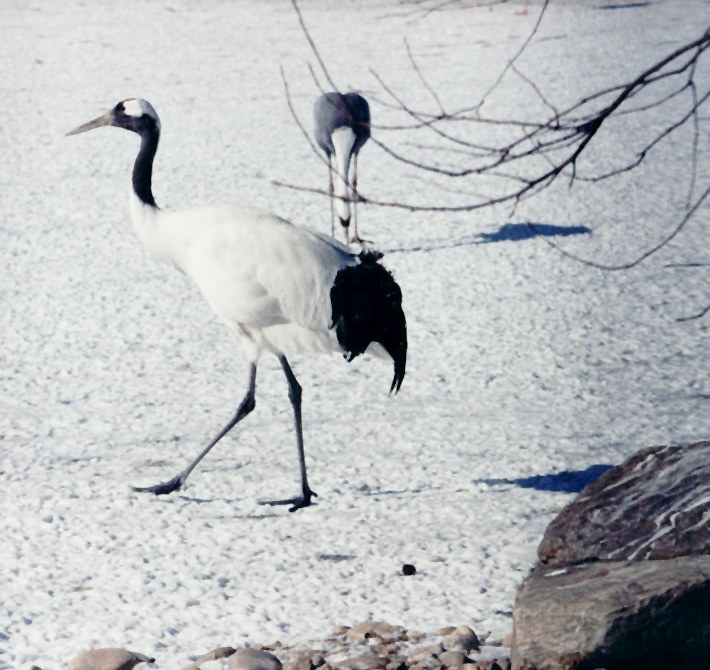
Red-crowned Crane
White contour feathers with black secondary/tertial bustle feathers and a bare red crown

Common Crane
Grey contour feathers with black head/neck feathers and drooping bustle plumes
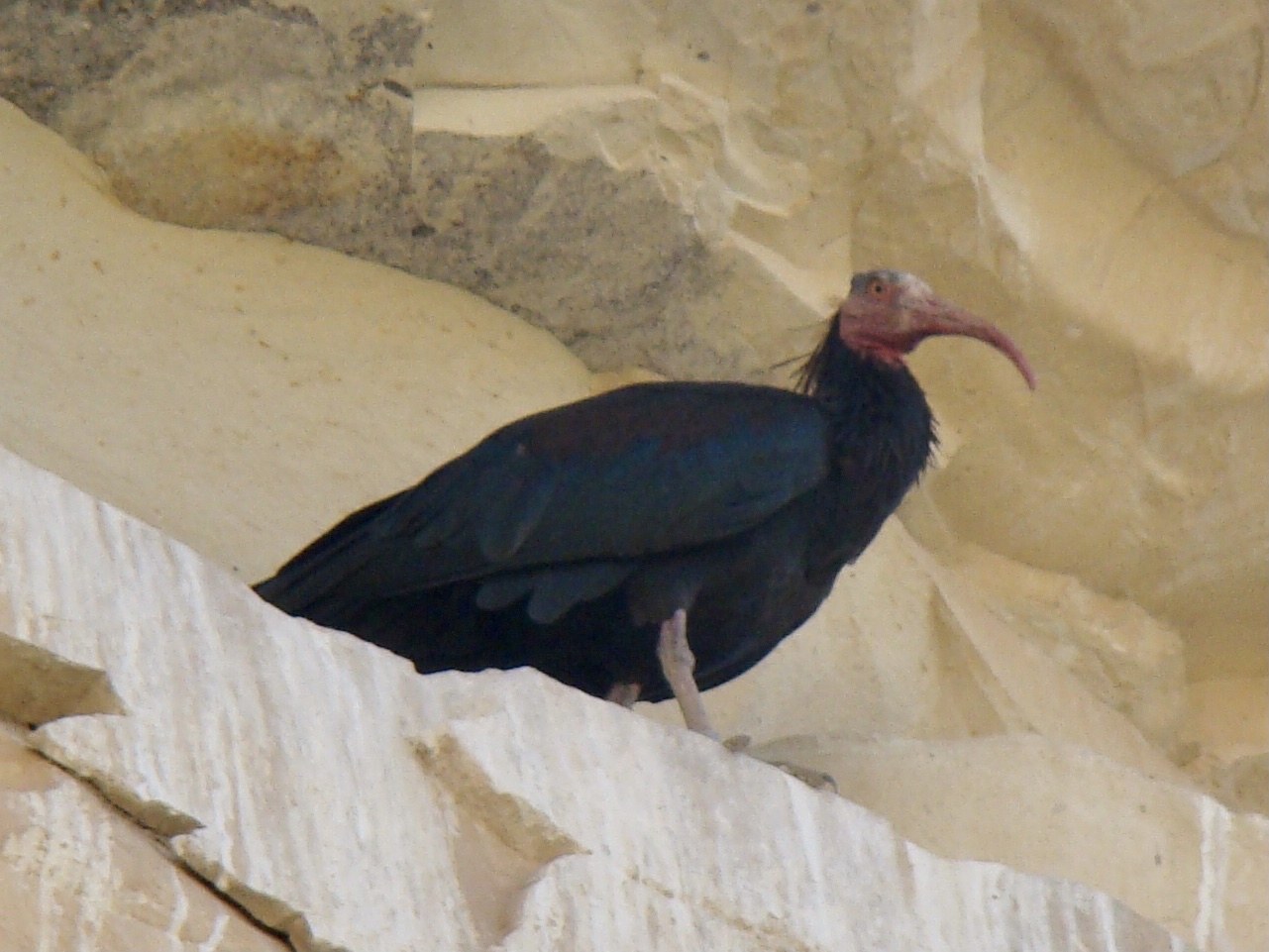
Northern Bald Ibis
Glossy black contour feathers with elongated nape plumes
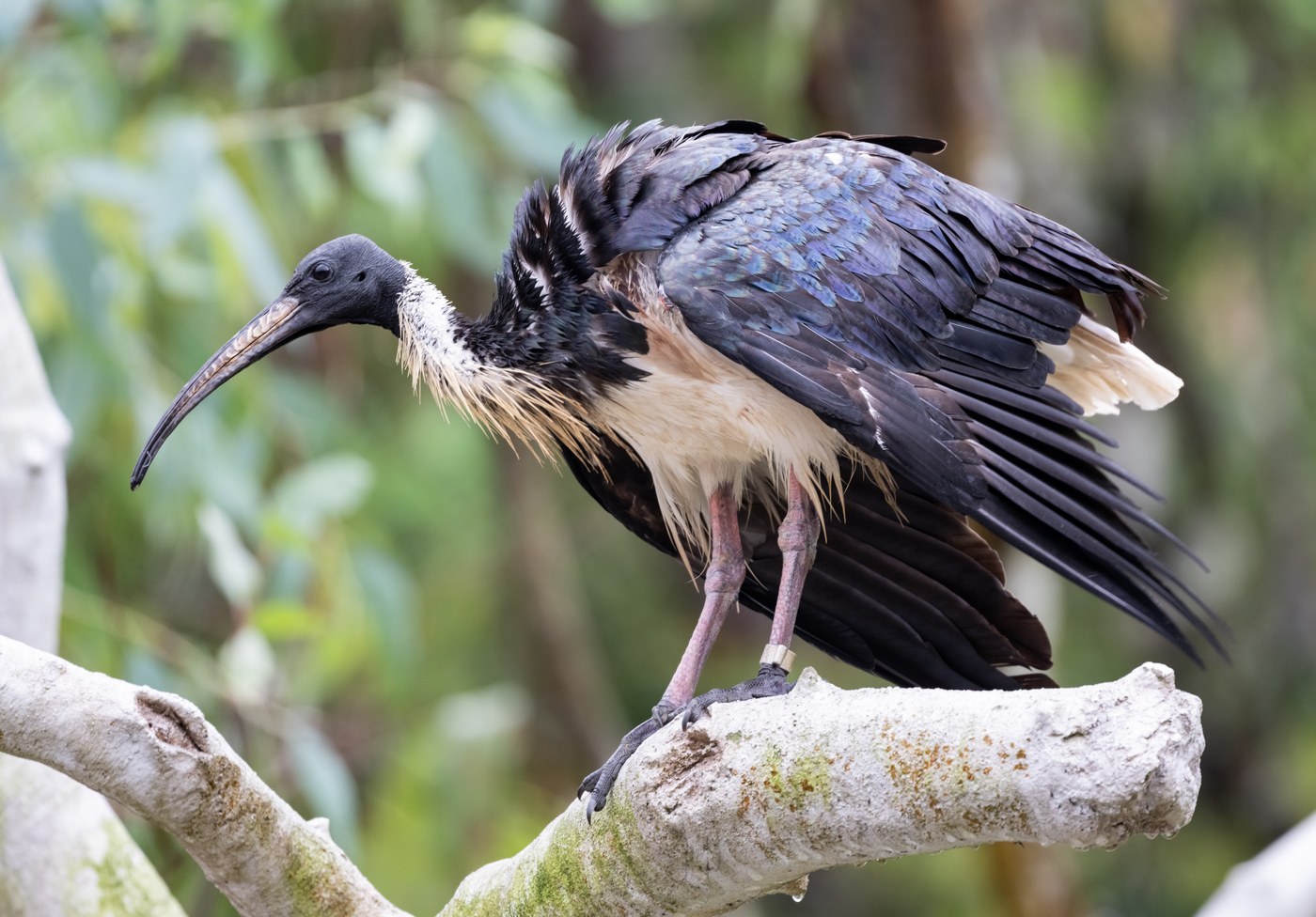
Straw-necked Ibis
Glossy contour feathers with unique straw-like neck plumes
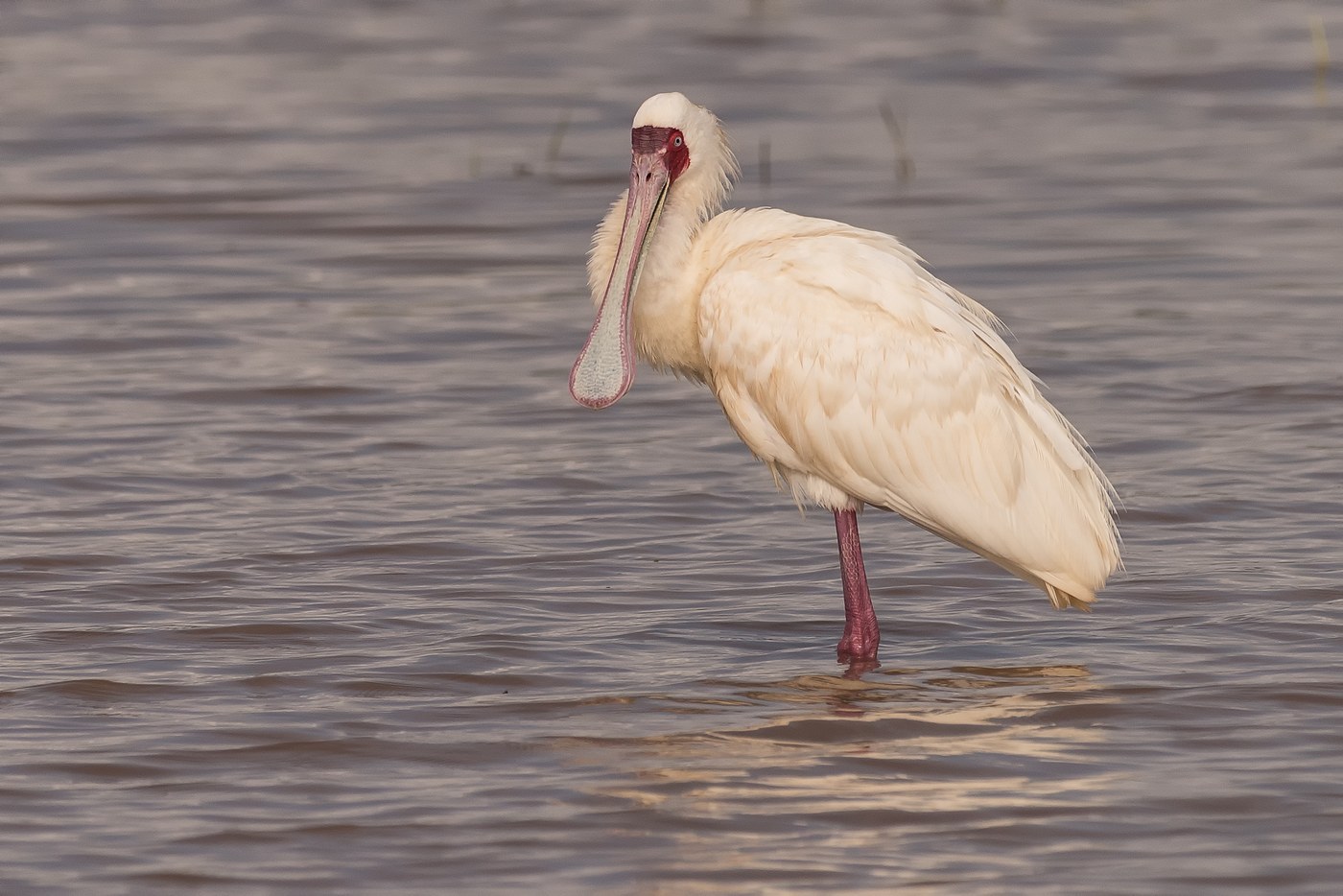
African Spoonbill
White contour and flight feathers, unmarked by black tips

Roseate Spoonbill
Pink and white contour and flight feathers with a carmine shoulder patch