
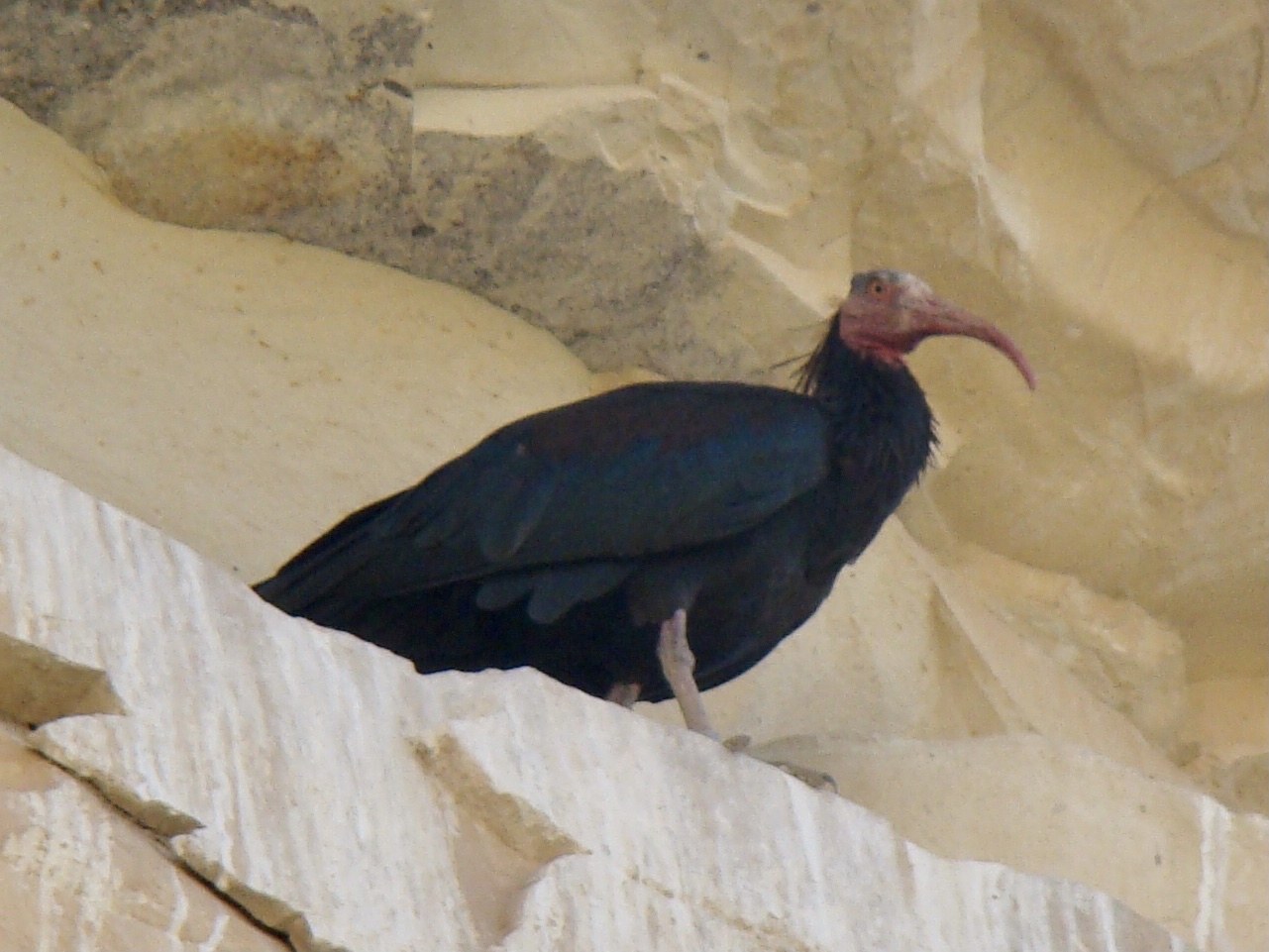
Northern Bald Ibis
Geronticus eremita
An ibis with glossy black, iridescent plumage, a bare red face, and a shaggy ruff of elongated feathers trailing from the back of its head.
- Feather type
- Glossy black contour feathers with elongated nape plumes
- Colours
- Iridescent black with green, purple, and bronze sheen
- Bird size
- Large ibis, ~70-80 cm
Found a feather like this?
Identify any feather from a photo, free.
Overview
The Northern Bald Ibis is one of the rarest birds in the Western Palearctic, its wild population now largely confined to coastal cliffs in Morocco, with additional reintroduced colonies established in parts of Europe. It is instantly distinctive among ibises for its bare red head and the loose, shaggy crest of feathers that gives it an almost prehistoric appearance. Its glossy black body plumage shifts through green, purple, and bronze tones in good light.
Identifying the Feather
- Body and wing feathers are glossy black with a strong iridescent sheen that shifts between green, purple, and bronze depending on the angle of light.
- Nape and hindneck plumes are notably elongated and loosely webbed, forming a shaggy, mane-like ruff rather than lying flat as typical contour feathers do.
- Flight feathers are uniformly dark and glossy, without barring or pale tips.
- The bare red skin of the head means no head feathers are found in this species, unlike most other ibises.
- Distinguish from glossy ibis, which is smaller, more uniformly bronze-chestnut, and fully feathered on the head.
Plumage & Molt
Adults are entirely glossy black apart from the bare red facial skin, with the diagnostic elongated, wispy nape feathers forming a loose ruff. Sexes are similar in plumage, though males tend to be slightly larger with a longer bill. Juveniles lack the bare red head and shaggy plumes, having a feathered, duller blackish-brown head that only develops the adult bare-skin pattern with maturity. Molt in adults typically follows breeding, replacing worn flight feathers before the non-breeding season.
Habitat & Range
Historically found across North Africa, the Middle East, and southern Europe, the Northern Bald Ibis is now largely restricted to a small number of wild colonies on rocky Atlantic coastal cliffs in Morocco, with additional semi-wild and reintroduced populations established in Austria, Spain, and elsewhere in Europe as part of conservation efforts. Some reintroduced European populations have been trained to migrate short distances, while the core Moroccan population is largely resident.
Behavior & Field Notes
This ibis forages on open, sparsely vegetated ground for invertebrates and other small prey, probing the soil with its long, curved bill. It nests colonially on cliff ledges, a trait that has made protecting its remaining coastal breeding sites a conservation priority. Its call is a series of low, guttural grunts and croaks. Because of its small population size, the species is the focus of intensive international conservation and reintroduction programs.
Frequently asked questions
How can you recognize a Northern Bald Ibis feather?
Look for glossy black plumage with strong green-purple-bronze iridescence, along with elongated, loosely webbed nape feathers unique to this species.
Does this species have feathers on its head?
No, the head and upper neck are bare red skin; only the nape has the characteristic shaggy plume feathers.
Where does the Northern Bald Ibis live today?
Its main wild population is on Atlantic coastal cliffs in Morocco, with additional reintroduced colonies in parts of Europe.
How does it differ from a glossy ibis feather?
Northern Bald Ibis feathers are larger and show a shaggy nape plume absent in the smaller, fully feather-headed glossy ibis.
Northern Bald Ibis guides
In-depth guides for identifying and understanding Northern Bald Ibis.

Other feathers you may enjoy

Yellow-billed Spoonbill
White contour and flight feathers with fine breeding plumes on the back and breast
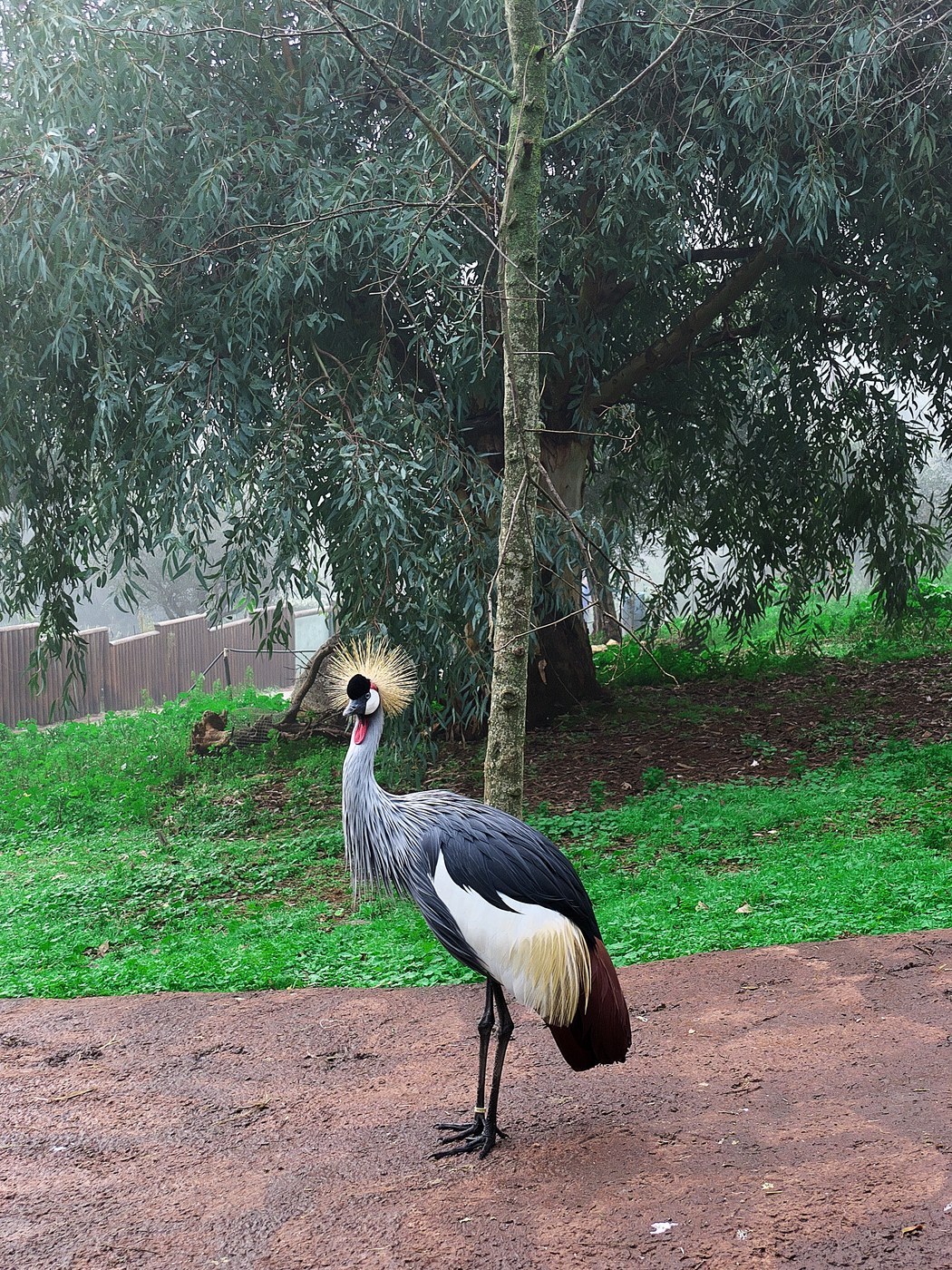
Grey Crowned Crane
Grey body feathers with white wing coverts, chestnut flight feathers, and stiff golden crown bristles
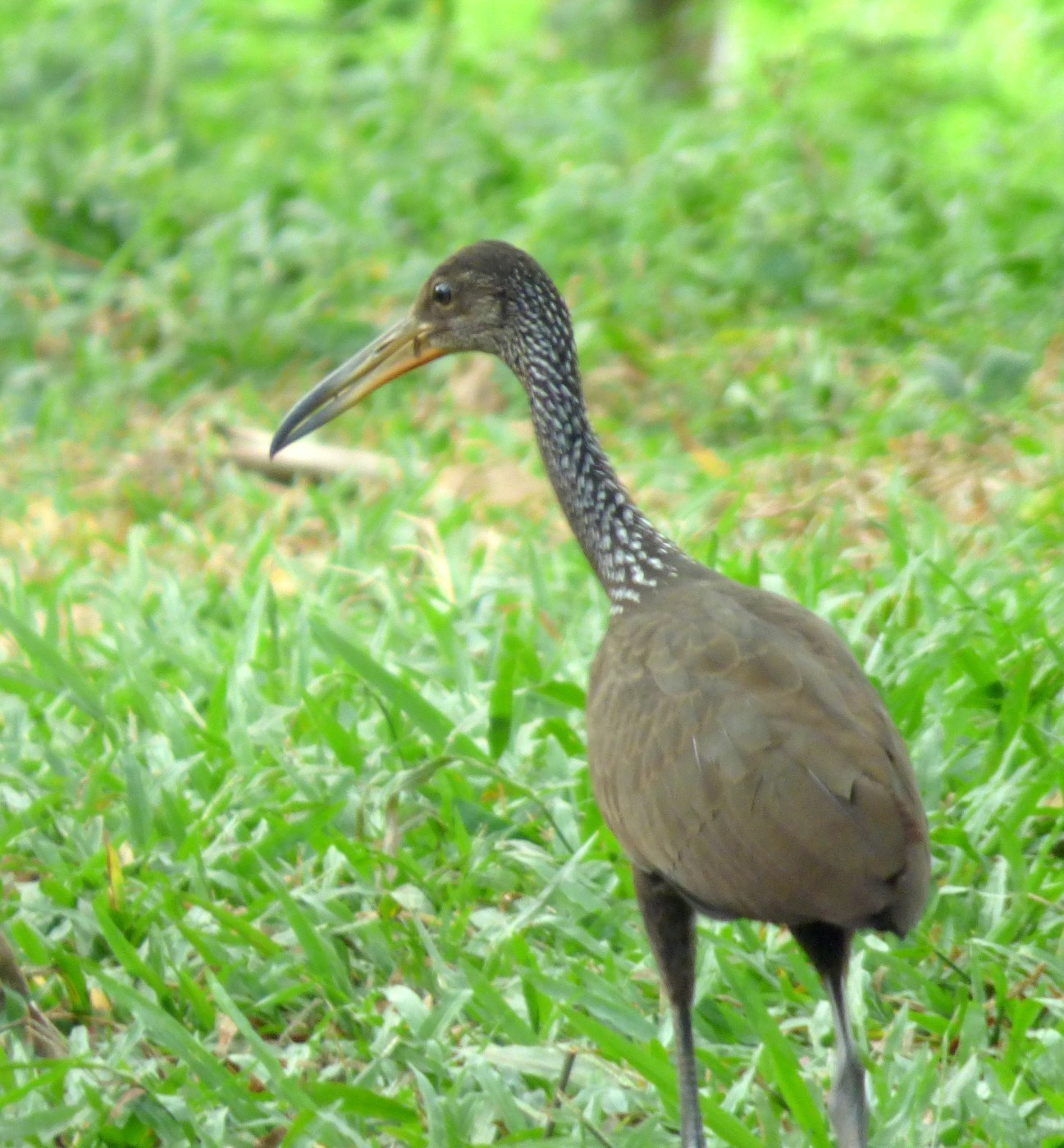
Limpkin
Brown contour feathers with white teardrop-shaped spots and streaks
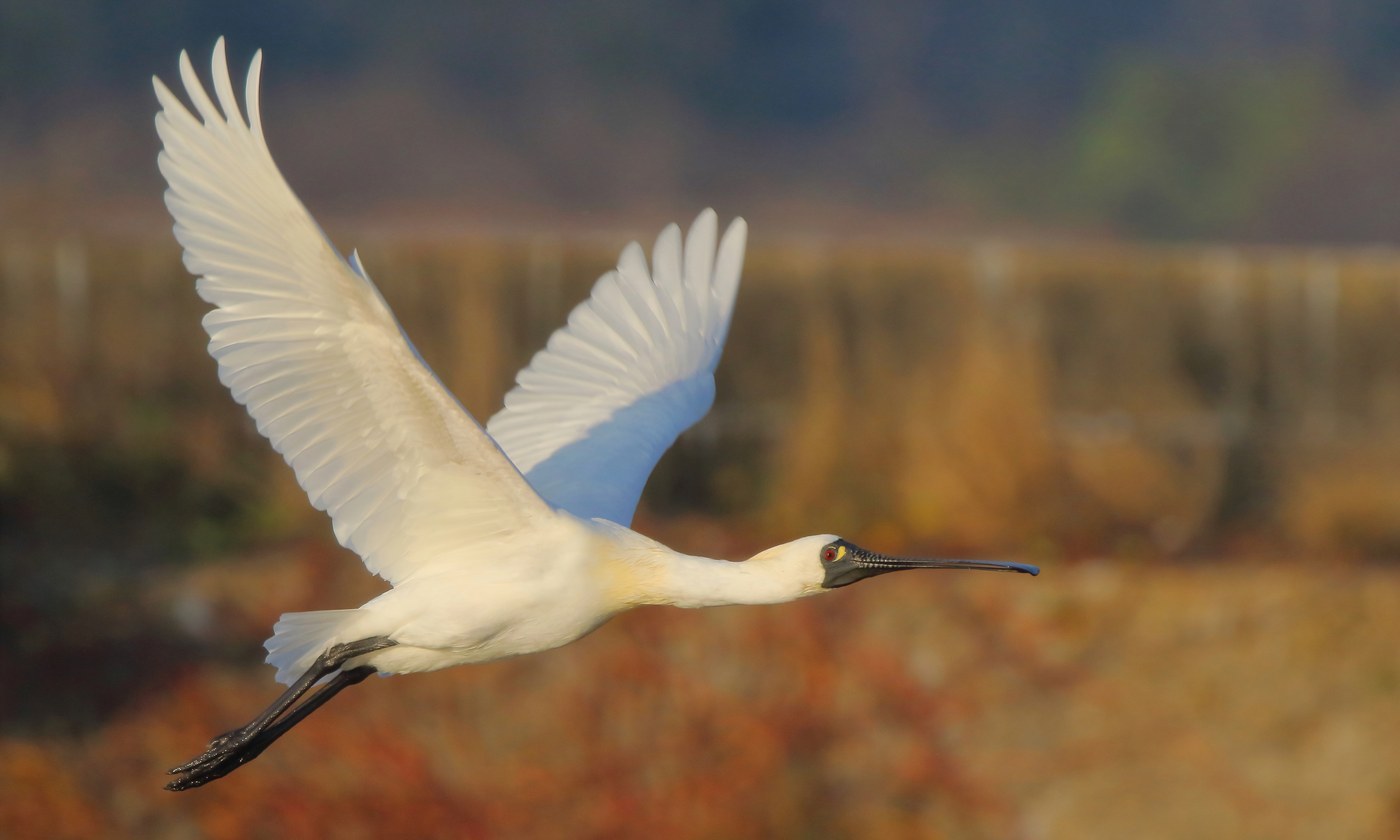
Black-faced Spoonbill
White contour and flight feathers with fine breeding crest and breast plumes
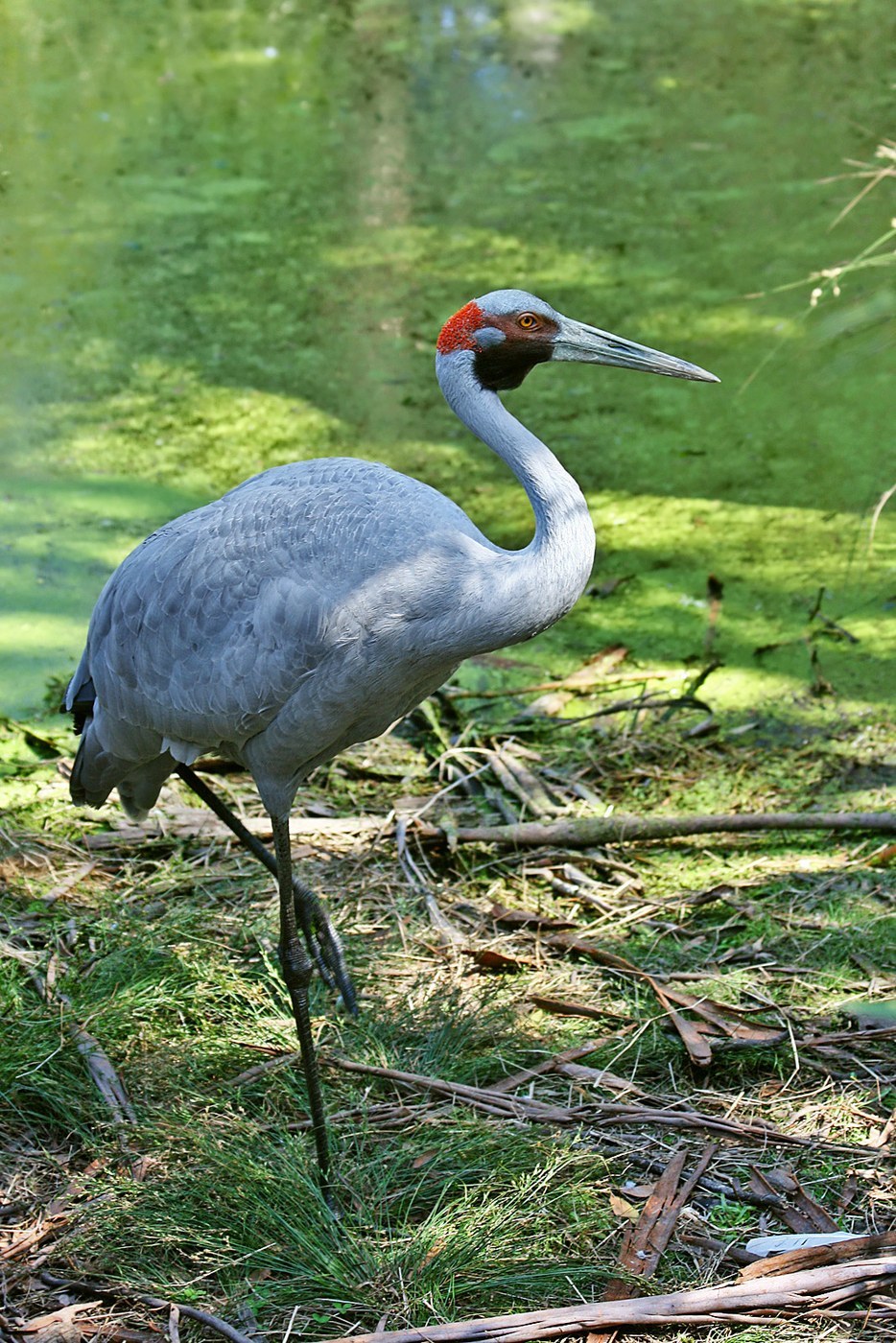
Brolga
Grey contour feathers with drooping bustle plumes
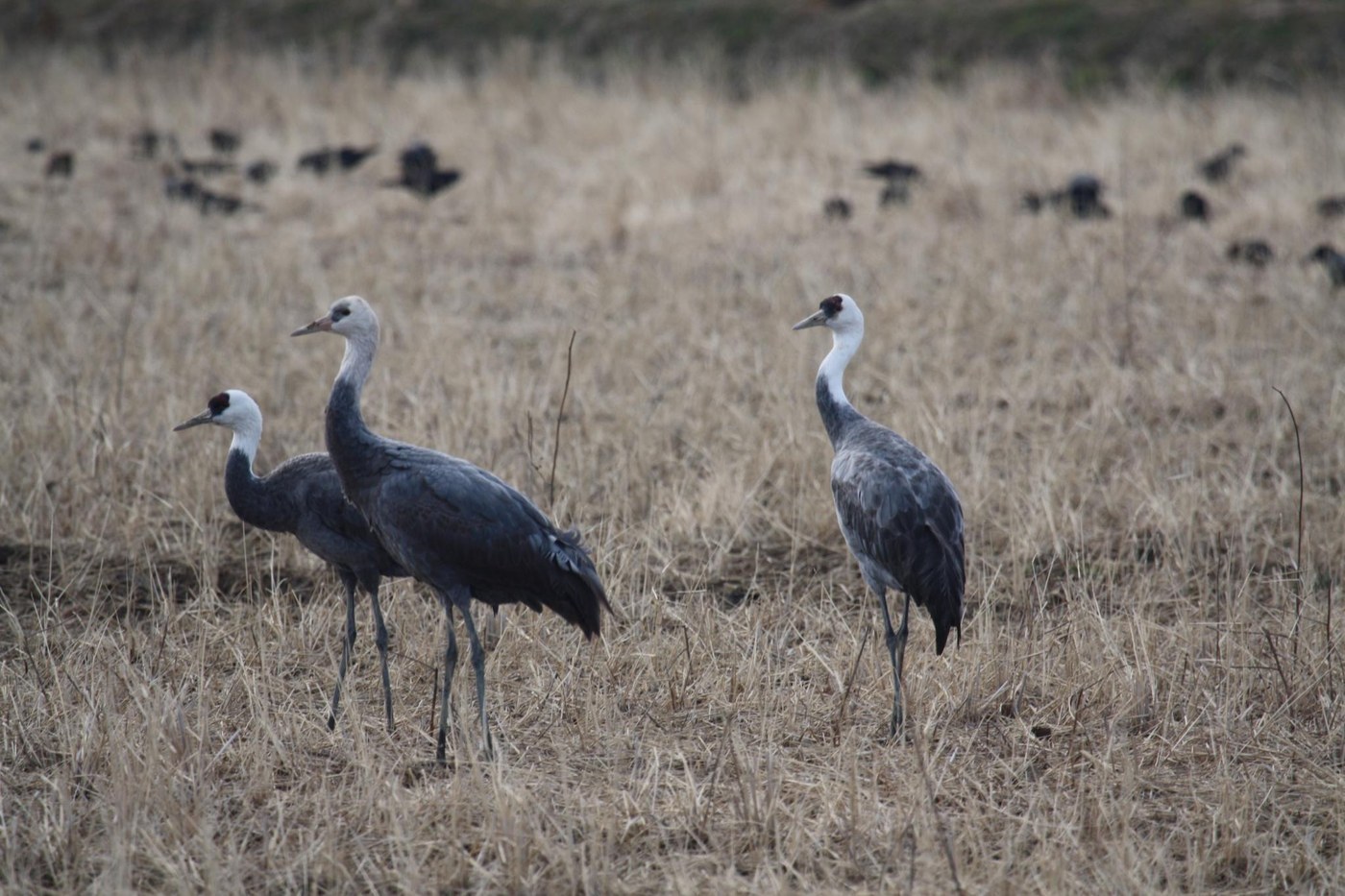
Hooded Crane
Dark slate-grey body feathers with a white head/upper neck 'hood' and black bustle plumes
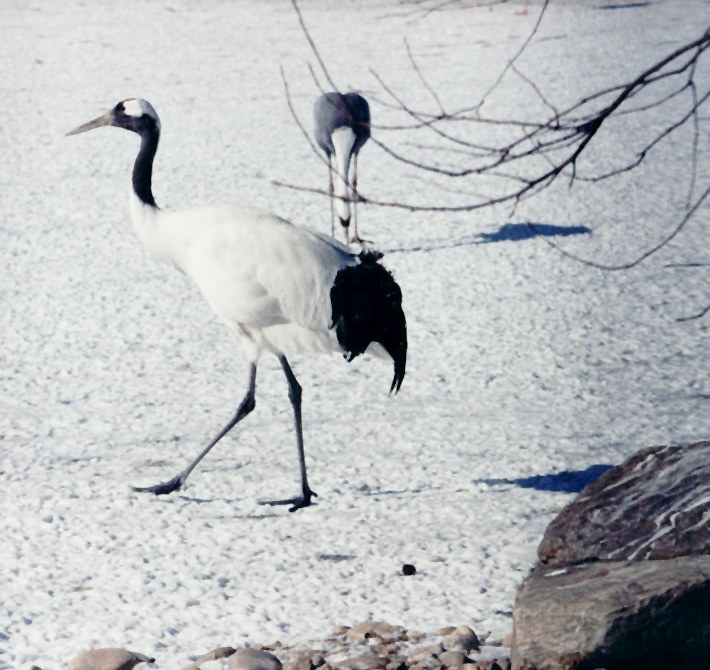
Red-crowned Crane
White contour feathers with black secondary/tertial bustle feathers and a bare red crown

Common Crane
Grey contour feathers with black head/neck feathers and drooping bustle plumes
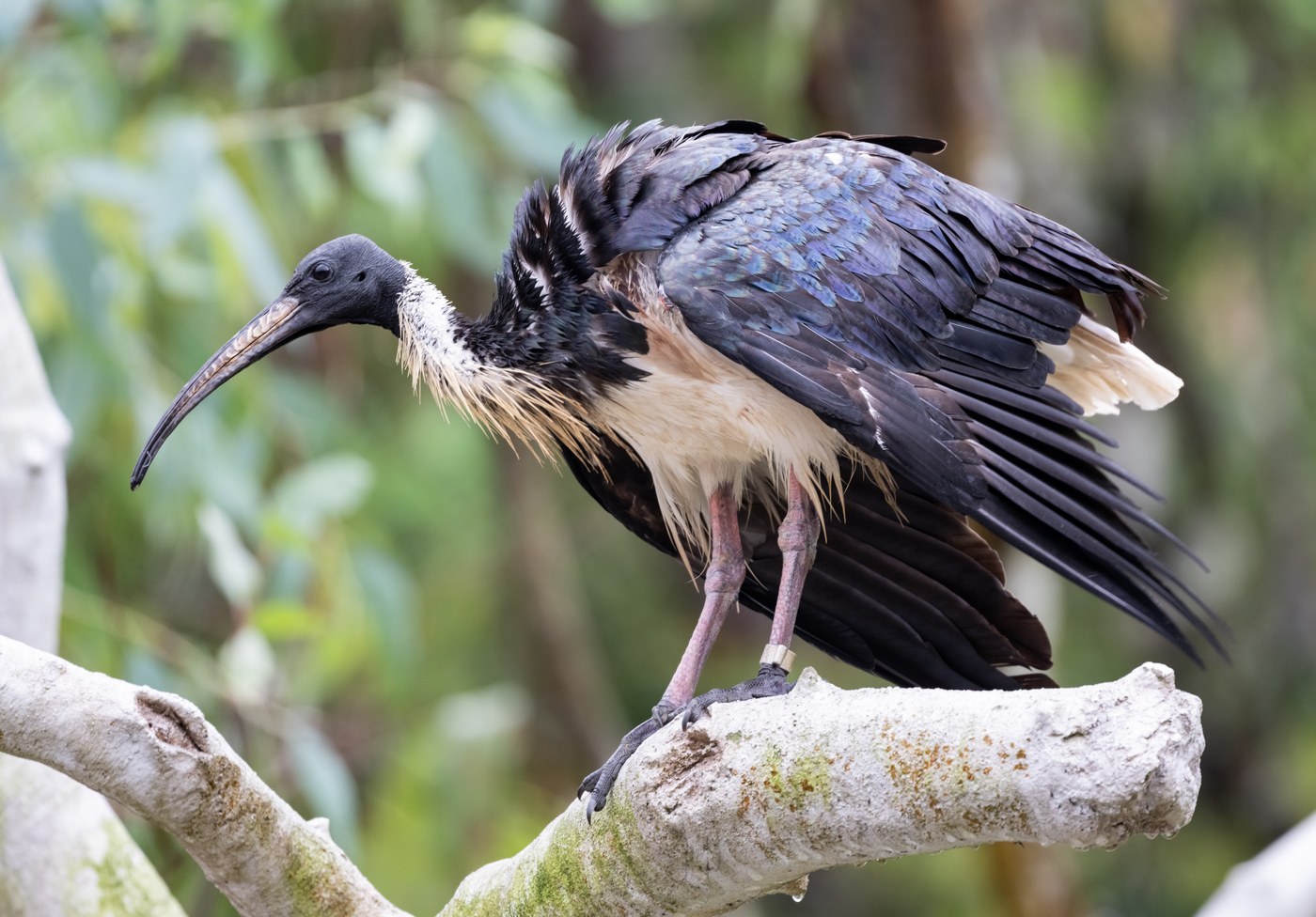
Straw-necked Ibis
Glossy contour feathers with unique straw-like neck plumes
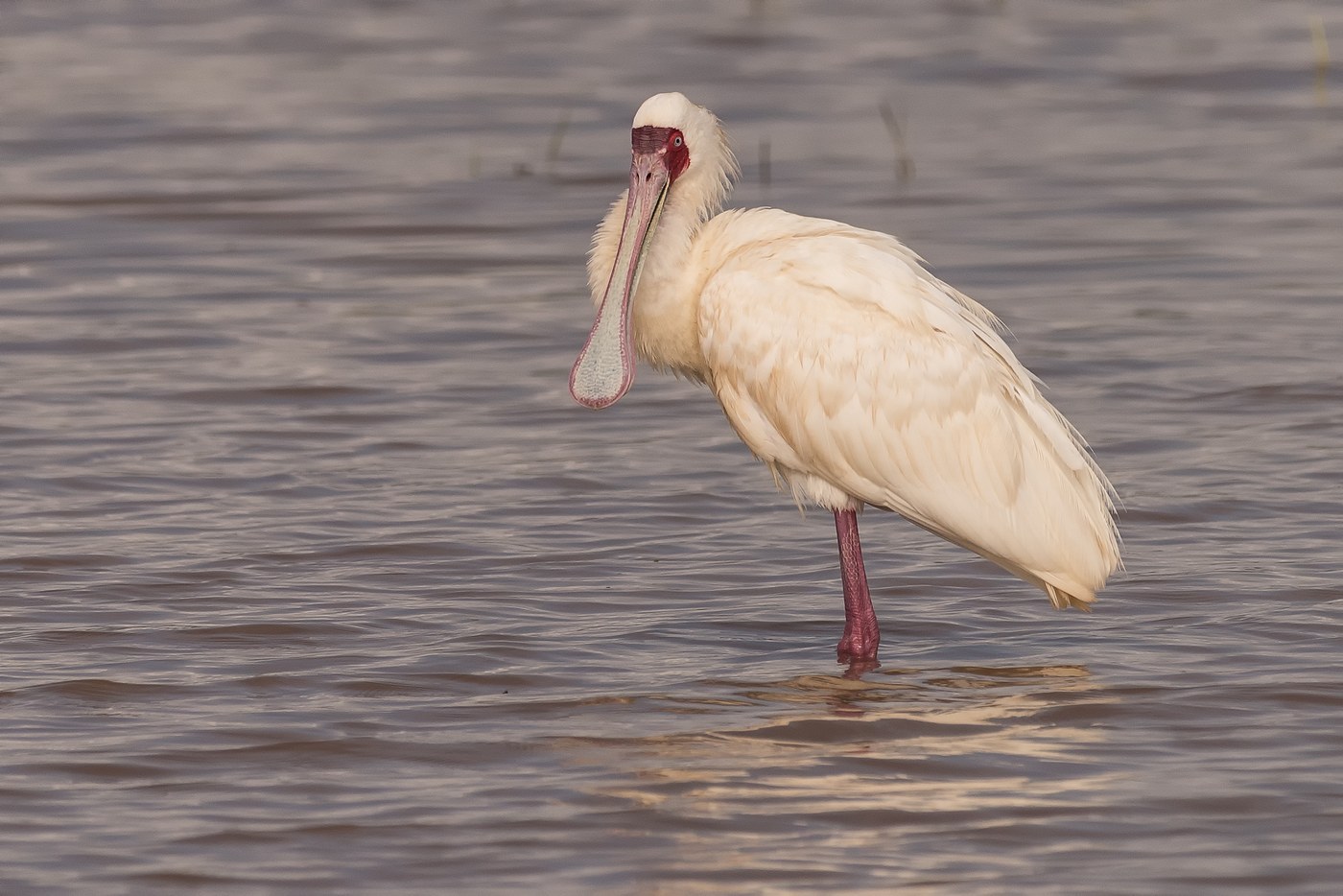
African Spoonbill
White contour and flight feathers, unmarked by black tips

Roseate Spoonbill
Pink and white contour and flight feathers with a carmine shoulder patch
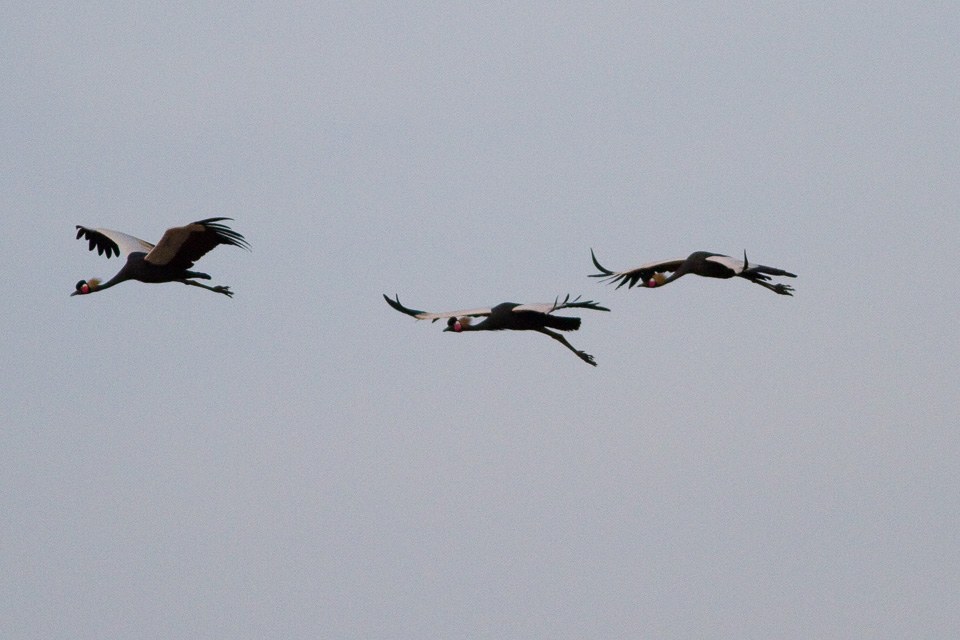
Black Crowned Crane
Dark grey-black body feathers with white wing coverts, chestnut flight feathers, and stiff golden crown bristles