

White-faced Ibis
Plegadis chihi
A close relative of the Glossy Ibis found in the Americas, sharing similar rich chestnut plumage with an iridescent sheen, but distinguished in breeding adults by a thin band of white feathers bordering the bare red facial skin.
- Feather type
- Iridescent contour feathers with a long decurved bill (not a feather feature)
- Colours
- Deep chestnut with iridescent green and purple sheen
- Bird size
- Medium ibis, ~46-56 cm
Found a feather like this?
Identify any feather from a photo, free.
Overview
Overview
The White-faced Ibis closely resembles the Glossy Ibis in overall plumage, sharing the same deep chestnut body color with an iridescent green-purple sheen on the wings, and the two species overlap in parts of their range. The most reliable distinguishing feature in breeding adults is a narrow border of white feathers surrounding the bare red facial skin around the eye and base of the bill, a feature absent in the Glossy Ibis.
- Deep chestnut body plumage with a glossy green-purple sheen on the wings
- Breeding adults show a thin white feather border around bare red facial skin
- Long, slender, downcurved bill
- Red legs and eyes in breeding condition, more subdued outside the breeding season
Identifying the Feather
Feather Identification
White-faced Ibis feathers are nearly identical to those of the Glossy Ibis in color and sheen, with the clearest distinguishing feature being the narrow white feather border found around the face in breeding adults.
- Body contour feathers: deep chestnut brown, similar to Glossy Ibis
- Wing and back feathers: glossy green-purple iridescence over a chestnut base
- Facial border feathers (breeding adults): a thin band of white feathers surrounds the bare red skin of the face, a key distinguishing feature from Glossy Ibis
- Shaft color: dark, blending with the vane
- Vs. Glossy Ibis: virtually identical body feather color; the white facial feather border in breeding birds is the most reliable clue when present
- Vs. American White Ibis: entirely different, since American White Ibis feathers are white with black wingtips rather than chestnut and glossy
Plumage & Molt
Plumage Details
Breeding adults show rich chestnut plumage with a glossy green-purple sheen on the wings and back, along with a narrow band of white feathers bordering the bare red facial skin, red legs, and red eyes. Non-breeding adults are duller, losing much of the facial white border and the vivid red bare-part coloration. Juveniles are browner and more mottled, lacking both the rich chestnut tone and the white facial border until they mature. A complete molt follows breeding, restoring the sheen and facial markings for the next cycle.
Habitat & Range
Habitat & Range
White-faced Ibis breed across parts of western North America and into Mexico and South America, favoring freshwater marshes, wet meadows, and flooded agricultural fields. Northern populations are migratory, moving south for the winter, while some southern populations are largely resident. It frequently forms mixed foraging flocks with other wading birds in productive wetlands.
Behavior & Field Notes
Behavior & Field Notes
White-faced Ibis forage by probing mud and shallow water with their long, downcurved bill for invertebrates, small amphibians, and other prey, often in flocks moving steadily across a marsh or flooded field. They nest colonially in reeds, shrubs, or low trees, frequently alongside herons, egrets, and other ibis species. Vocalizations are low, guttural croaks given mostly at the breeding colony. Careful attention to the facial feather border in breeding adults is the best way to separate this species from the closely related Glossy Ibis where their ranges overlap.
Frequently asked questions
How do White-faced Ibis feathers differ from Glossy Ibis feathers?
Body feather color and sheen are nearly identical; the key difference is a thin white feather border around the bare red facial skin, present in breeding White-faced Ibis but absent in Glossy Ibis.
Do White-faced Ibis have the white facial border year-round?
No, the white feather border is most developed in breeding adults and becomes less distinct in non-breeding plumage.
Where is the White-faced Ibis found?
Across parts of western North America, Mexico, and South America, in freshwater marshes, wet meadows, and flooded fields.
Are White-faced Ibis feathers ever white?
Only the narrow facial border feathers are white in breeding adults; the body plumage remains chestnut with an iridescent sheen.
White-faced Ibis guides
In-depth guides for identifying and understanding White-faced Ibis.

Other feathers you may enjoy

Yellow-billed Spoonbill
White contour and flight feathers with fine breeding plumes on the back and breast
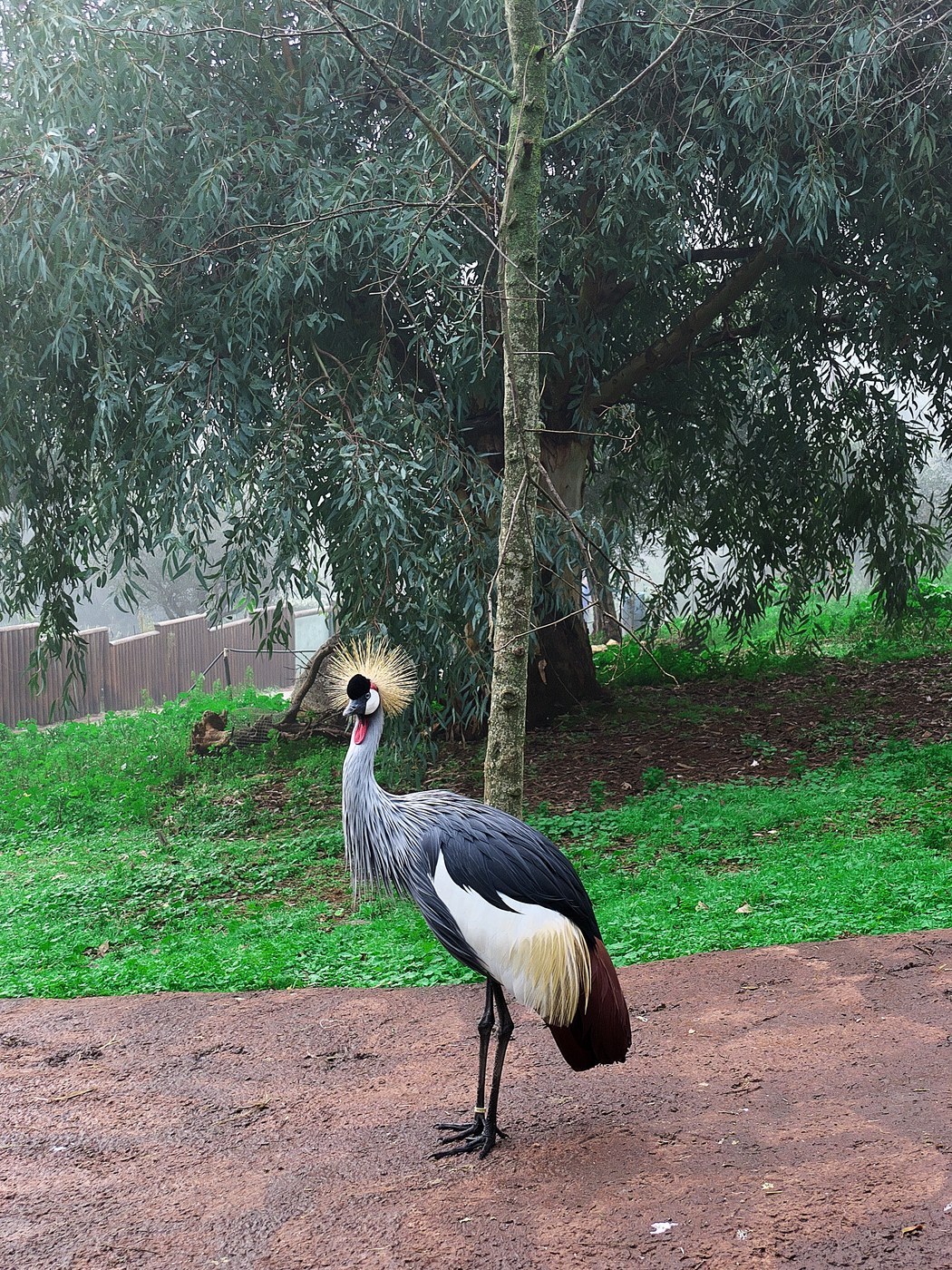
Grey Crowned Crane
Grey body feathers with white wing coverts, chestnut flight feathers, and stiff golden crown bristles
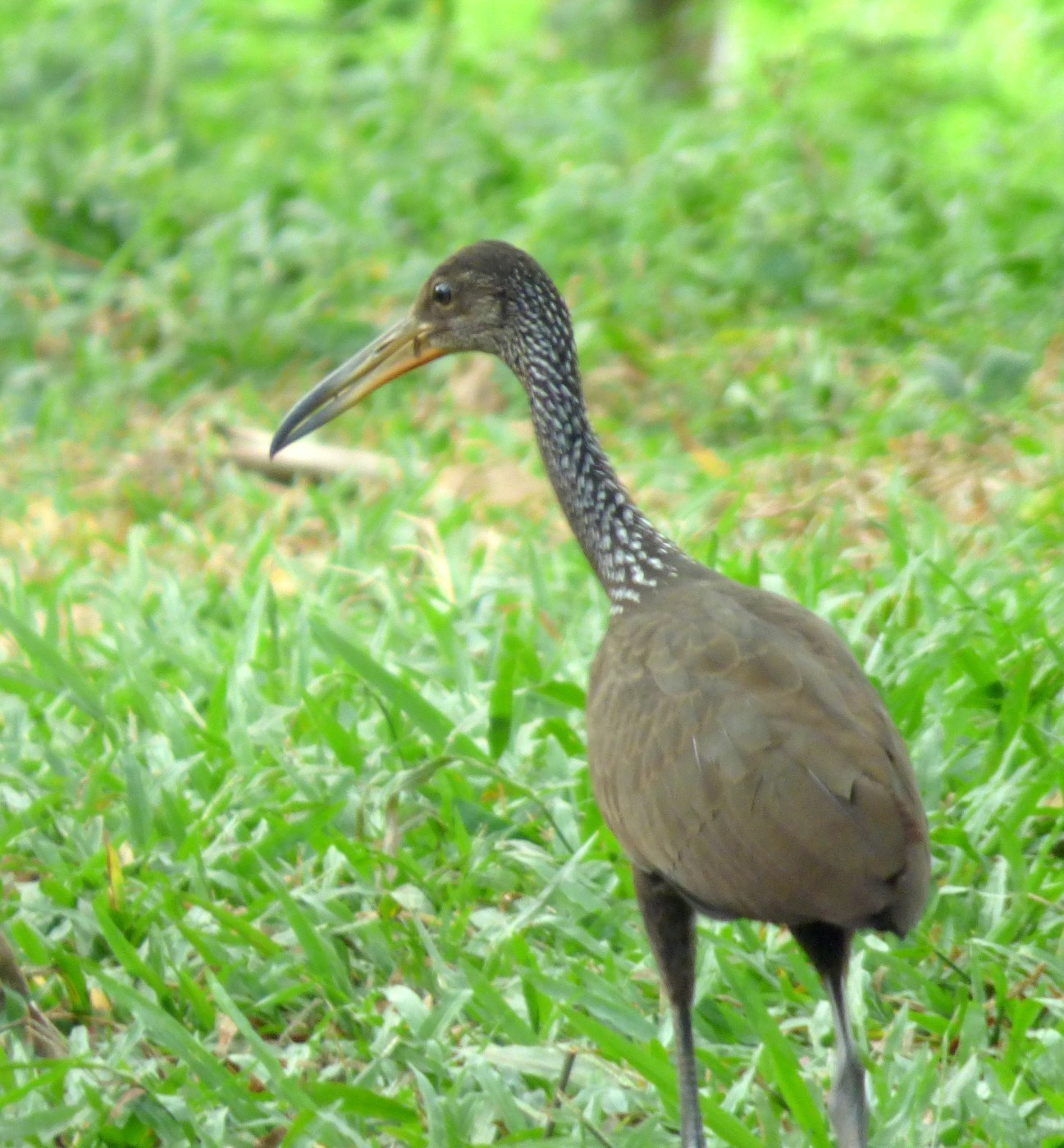
Limpkin
Brown contour feathers with white teardrop-shaped spots and streaks
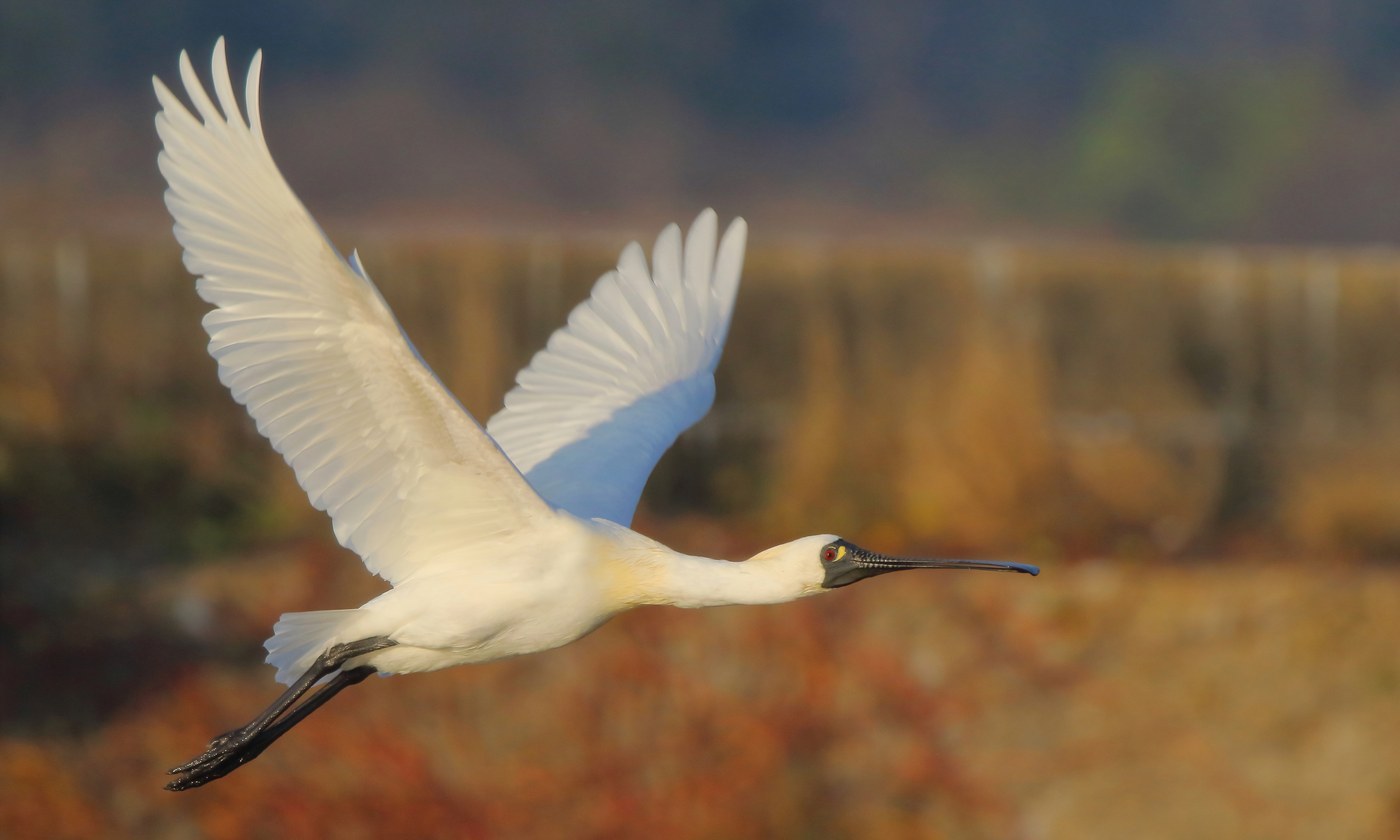
Black-faced Spoonbill
White contour and flight feathers with fine breeding crest and breast plumes
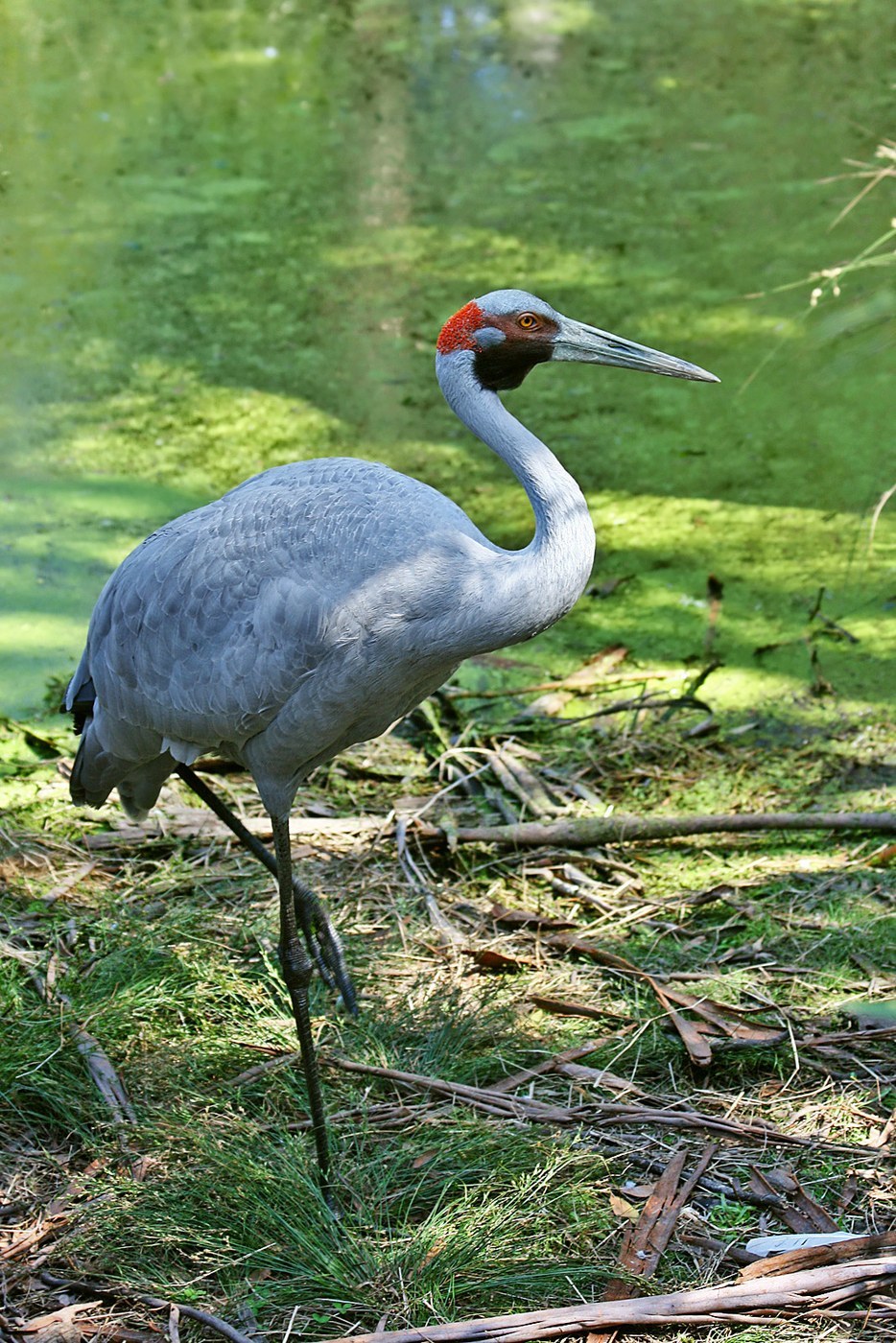
Brolga
Grey contour feathers with drooping bustle plumes
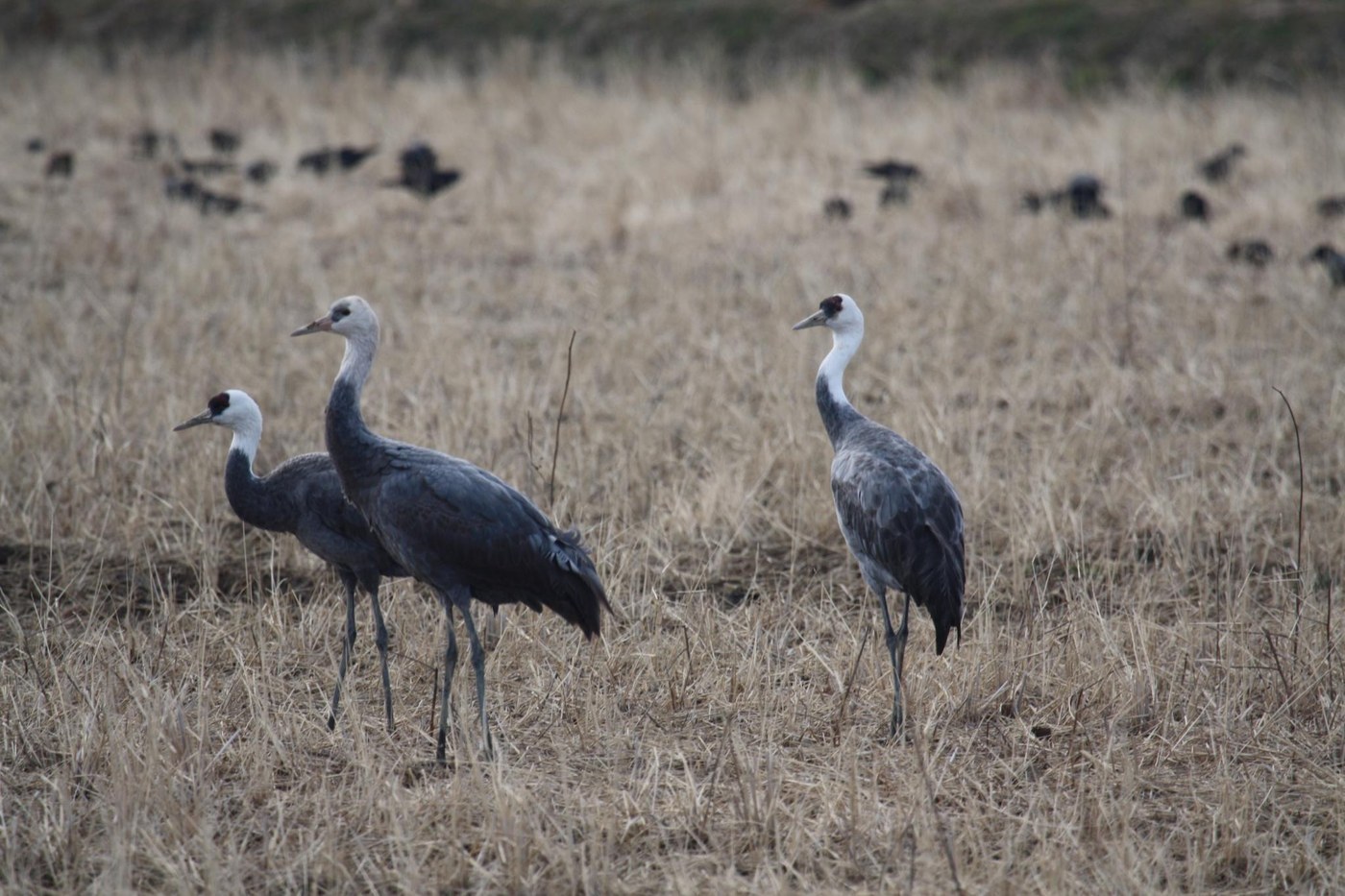
Hooded Crane
Dark slate-grey body feathers with a white head/upper neck 'hood' and black bustle plumes
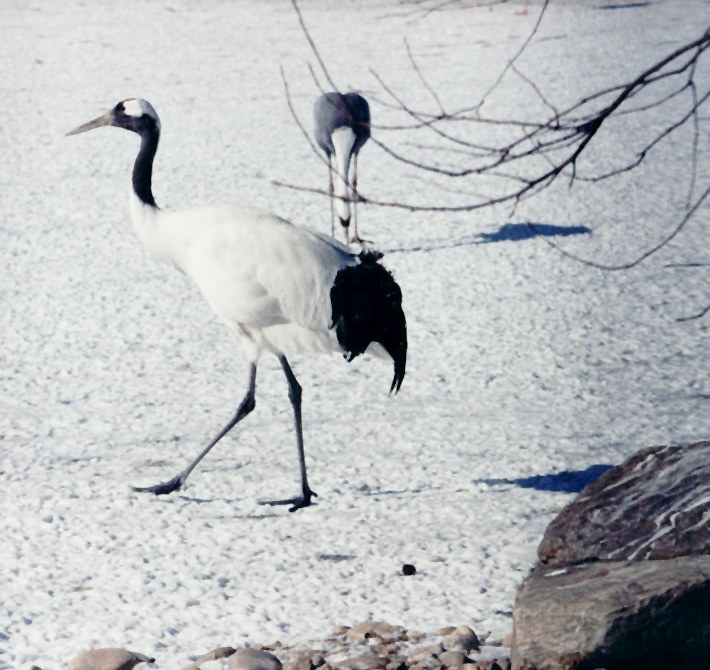
Red-crowned Crane
White contour feathers with black secondary/tertial bustle feathers and a bare red crown

Common Crane
Grey contour feathers with black head/neck feathers and drooping bustle plumes
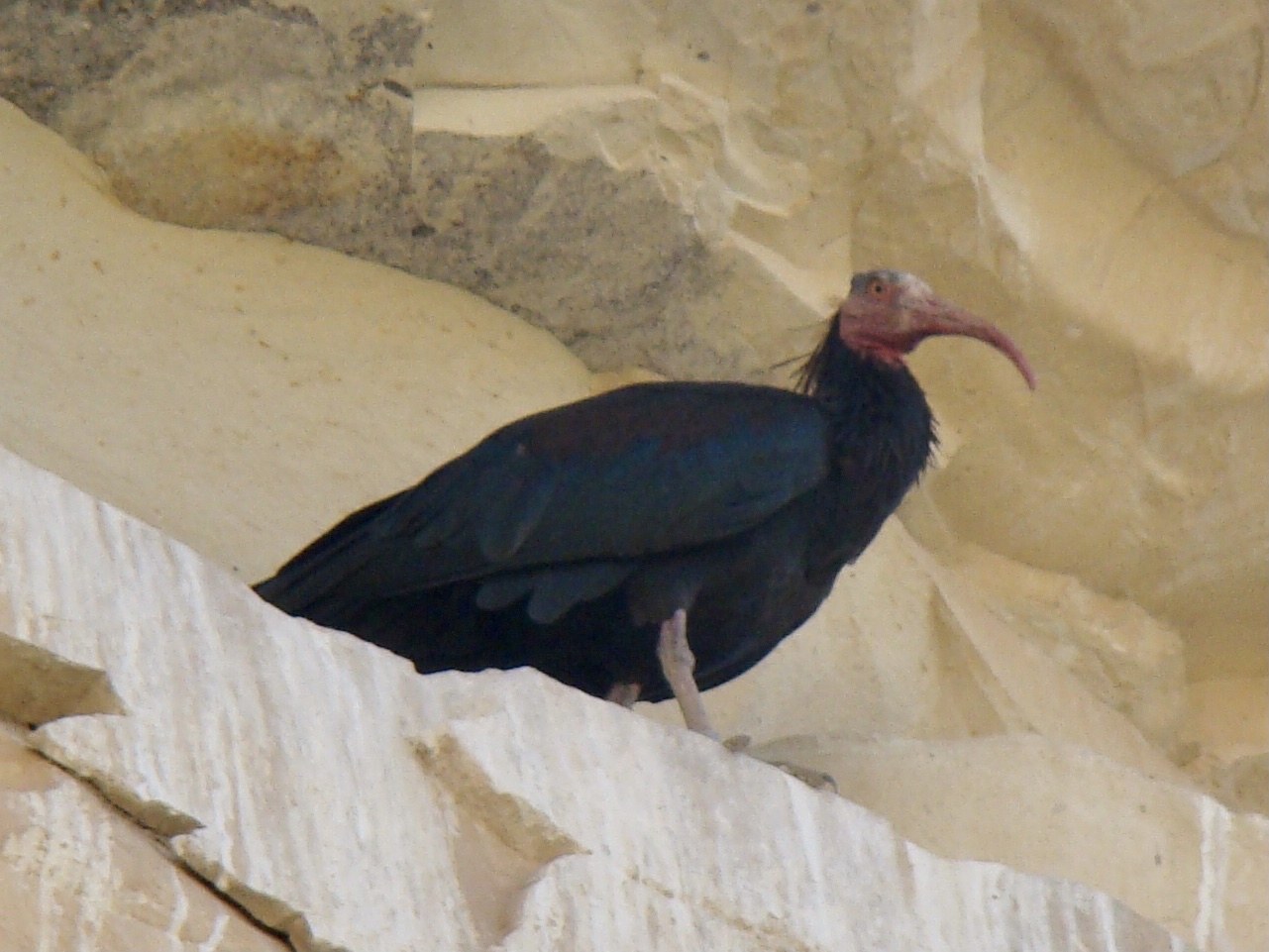
Northern Bald Ibis
Glossy black contour feathers with elongated nape plumes
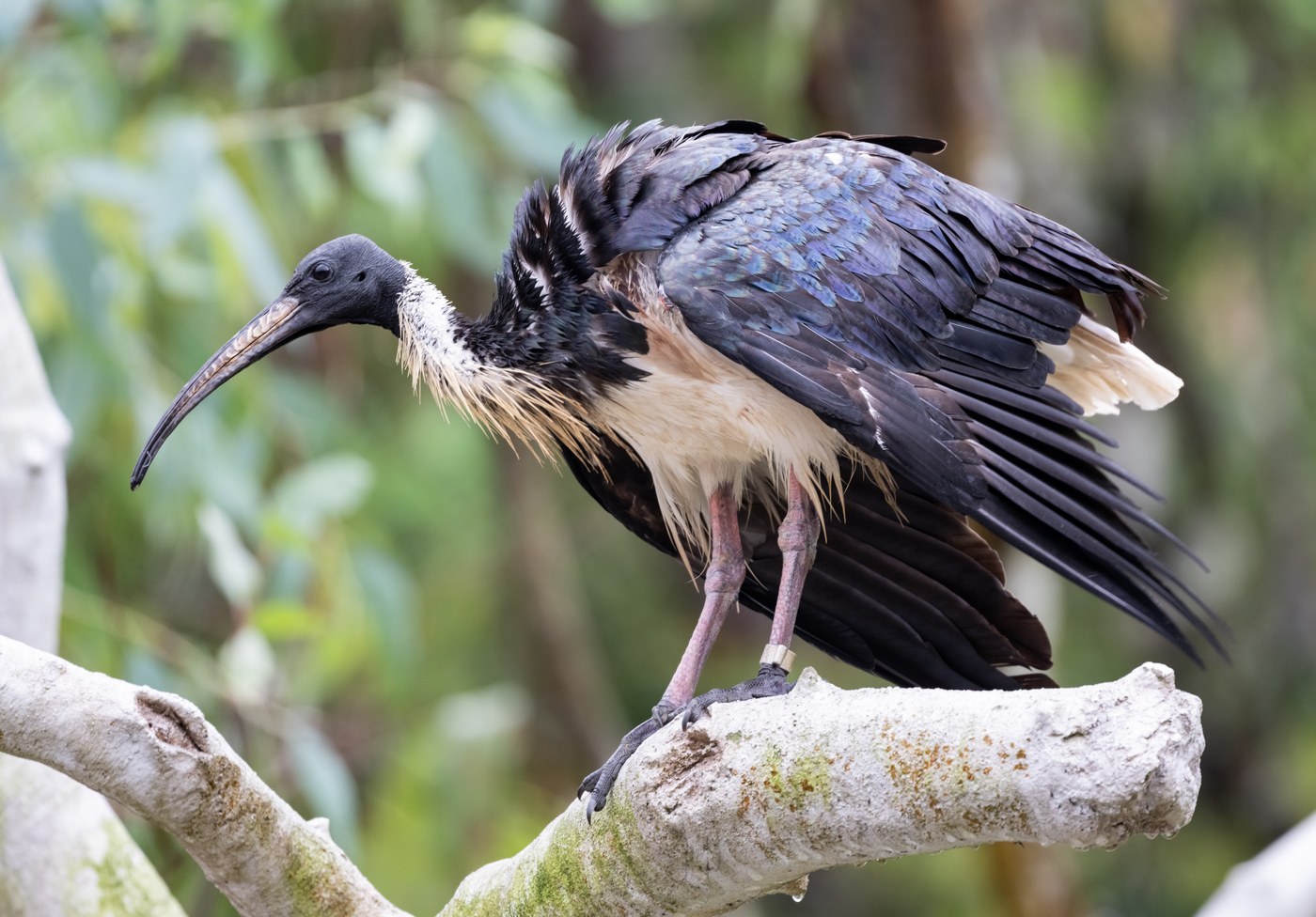
Straw-necked Ibis
Glossy contour feathers with unique straw-like neck plumes
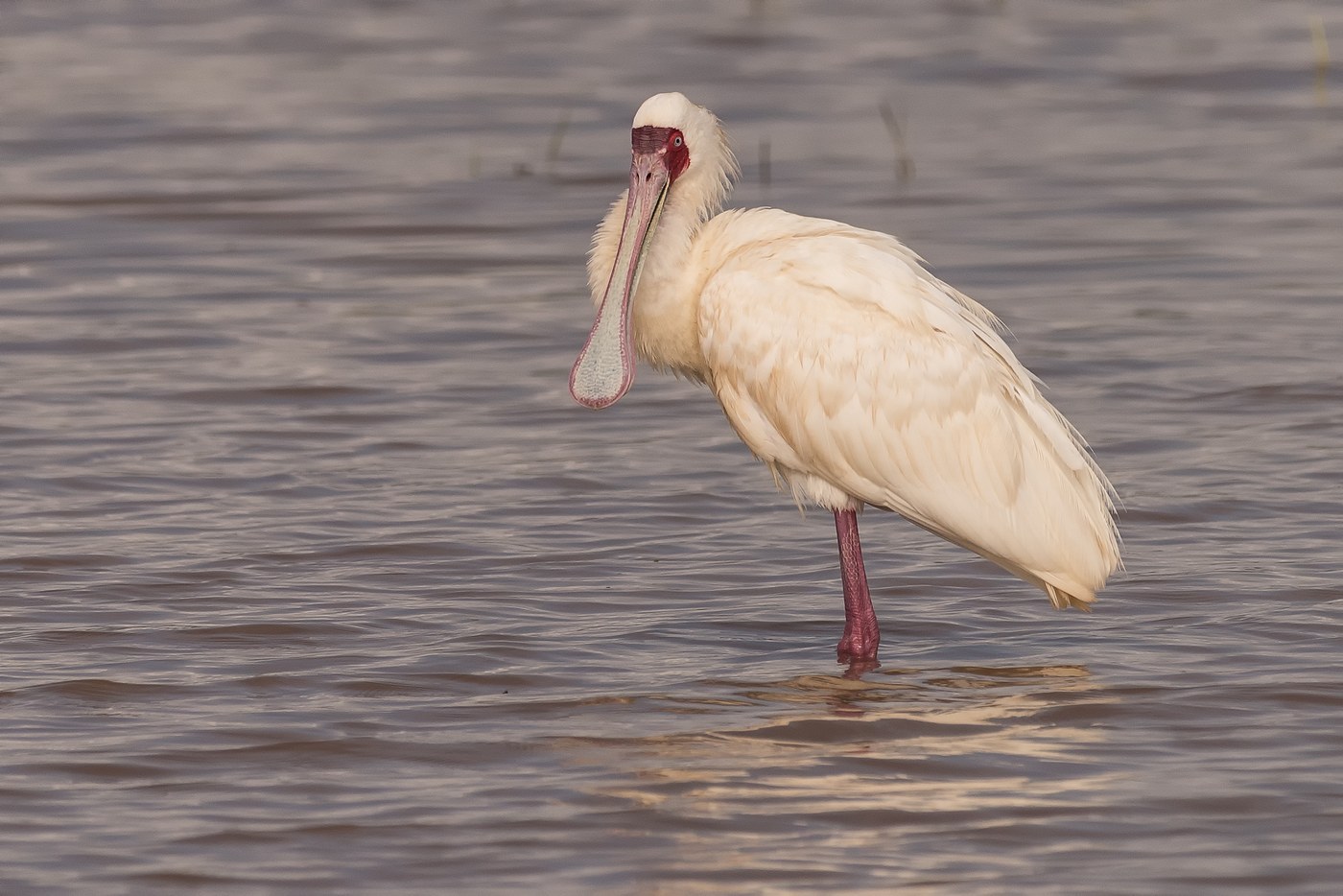
African Spoonbill
White contour and flight feathers, unmarked by black tips

Roseate Spoonbill
Pink and white contour and flight feathers with a carmine shoulder patch