
White Stork
Ciconia ciconia
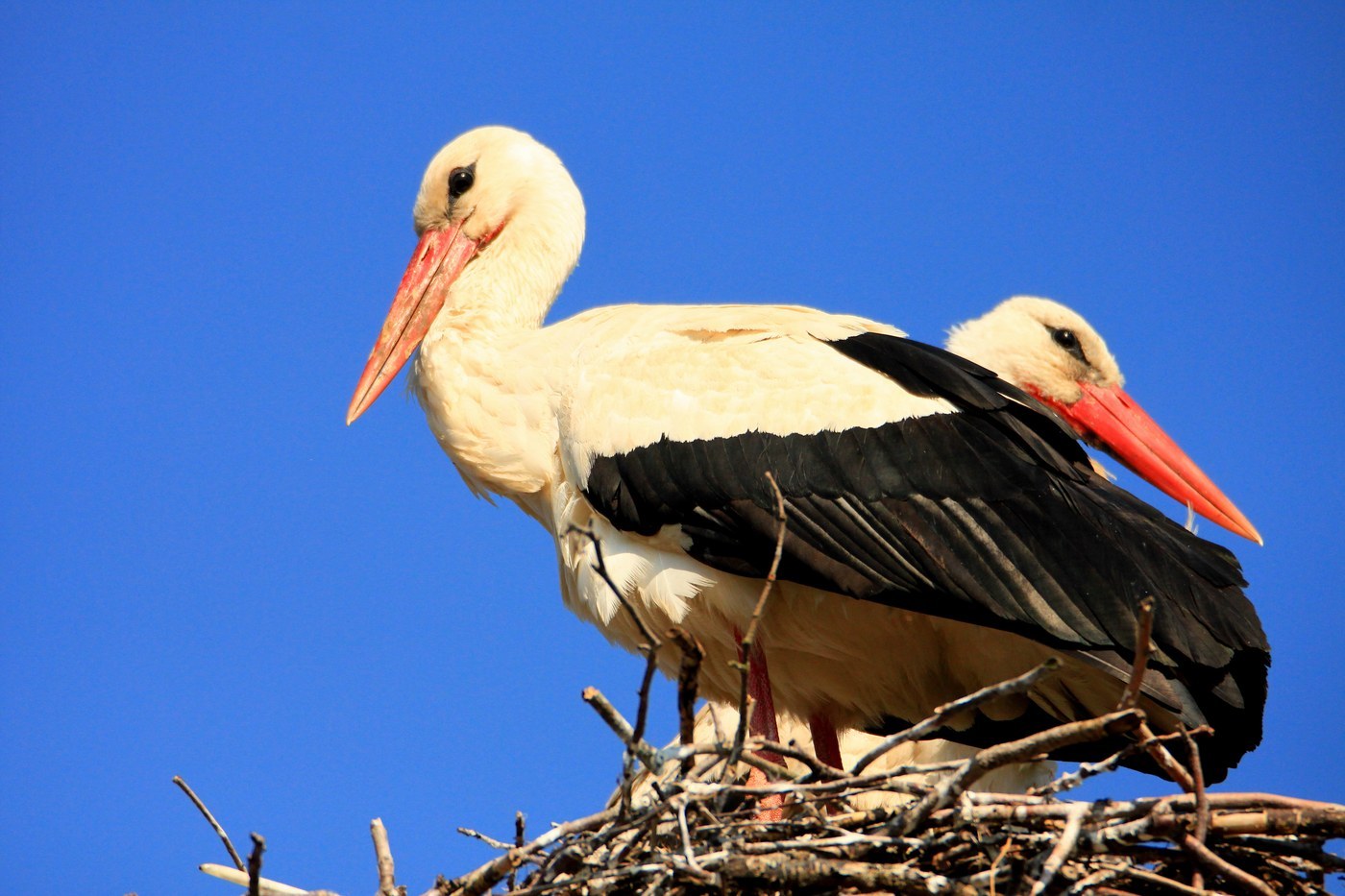
A large, unmistakable white stork with black wing feathers and a bright red bill and legs, famous for its rooftop nests and long migrations between Europe and Africa.
- Feather type
- Large flight feathers and dense white body contour feathers
- Colours
- White body with black flight feathers
- Bird size
- Large stork, ~100-115 cm
Found a feather like this?
Identify any feather from a photo, free.
Overview
Overview
The White Stork is one of the most culturally recognized birds in Europe, long associated with folklore about delivering babies and known for its habit of nesting on chimneys, church towers, and utility poles in villages. It is a very large, white-bodied stork with strikingly black flight feathers and a long red bill and legs, making it easy to identify even at a distance or from a single dropped feather.
- Overall white body plumage contrasting sharply with black wing feathers
- Long red bill and long red legs
- Very large stork, among the tallest storks in its range
- Soars on thermals during migration, often in large flocks
Identifying the Feather
Feather Identification
White Stork feathers show one of the most dramatic contrasts among wading birds: pure white body feathers paired with solidly black flight feathers, with no intermediate barred or mottled feathers in adults.
- Body contour feathers: pure white, dense, and somewhat stiff
- Primaries and secondaries: solid glossy black, long and broad, built for sustained soaring flight
- Tail feathers: white
- Shaft color: black in the flight feathers, pale in the white body feathers
- Size: primaries can be quite long given the bird's large size and soaring flight style
- Vs. Black Stork: White Stork flight feathers are similarly black, but its body feathers are white rather than the Black Stork's glossy black body plumage
Plumage & Molt
Plumage Details
Adults are white overall with black primaries, secondaries, and wing coverts, a combination visible year-round with no seasonal color change in the feathers themselves. The bill and legs are bright red in adults, though young birds show duller, more orange-brown or blackish bill and leg tones that brighten with age. Juveniles otherwise resemble adults in plumage pattern but can show slightly duller, more brownish-black flight feathers. The complete molt typically occurs after the breeding season and before or during the long migratory journey to and from African wintering grounds.
Habitat & Range
Habitat & Range
White Storks breed across much of Europe, parts of North Africa, and western Asia, favoring open farmland, wet meadows, floodplains, and marshes close to human settlements where they often nest on man-made structures. The species is strongly migratory, with most European populations wintering in sub-Saharan Africa, though some Iberian and other populations have become increasingly resident due to milder winters and reliable food at landfill sites. Reintroduction and conservation programs have restored breeding populations in several countries where the species had disappeared.
Behavior & Field Notes
Behavior & Field Notes
White Storks forage by walking steadily through fields and shallow wetlands, taking insects, small mammals, amphibians, and other invertebrates, and they are well known for following agricultural machinery to catch disturbed prey. They build enormous stick nests reused and enlarged over many years, often on rooftops, chimneys, or purpose-built platforms. Adults are largely voiceless, communicating instead through loud bill-clattering displays at the nest. During migration, White Storks form large soaring flocks that ride thermals to cover long distances with minimal flapping, a behavior that helps distinguish distant flying birds from other large white waterbirds.
Frequently asked questions
Why are White Stork feathers only black and white?
The species has a fixed adult plumage pattern year-round, with no seasonal or breeding-specific color change, so feathers are consistently either pure white or solid black.
How do I tell a White Stork feather from a Black Stork feather?
White Stork body feathers are white, while Black Stork body feathers are a glossy black; both species share black flight feathers, so body feathers are the more reliable clue.
Do White Stork feathers change with age?
Juveniles show similar black-and-white patterning to adults but with somewhat duller flight feathers and browner-toned bare parts.
Where are White Stork feathers typically found?
Near rooftop or pole nest sites in European and North African villages, and along farmland and wetland stopover sites on the migration route to and from Africa.
White Stork guides
In-depth guides for identifying and understanding White Stork.
Other feathers you may enjoy

Yellow-billed Spoonbill
White contour and flight feathers with fine breeding plumes on the back and breast
Grey Crowned Crane
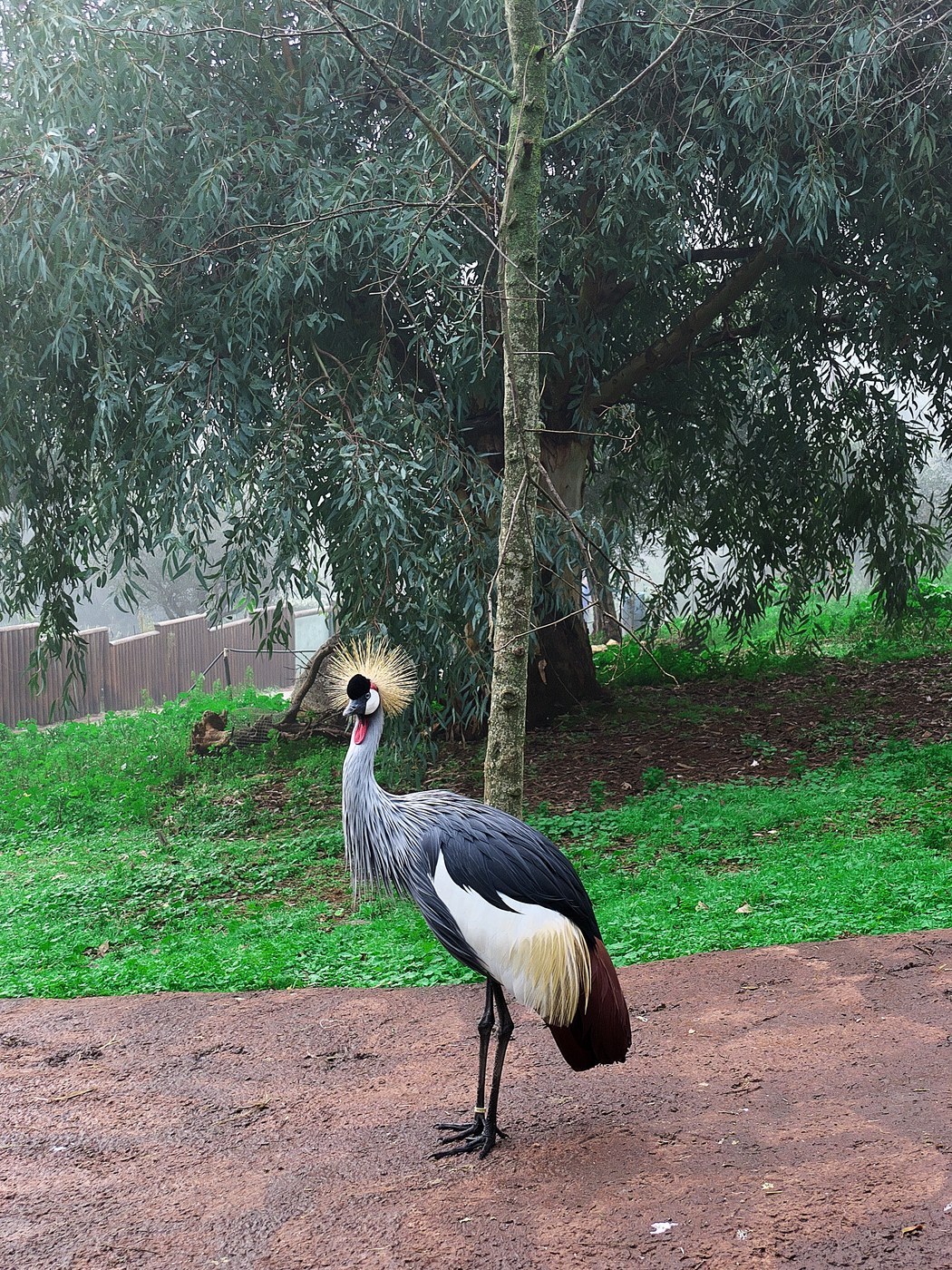
Grey body feathers with white wing coverts, chestnut flight feathers, and stiff golden crown bristles
Limpkin
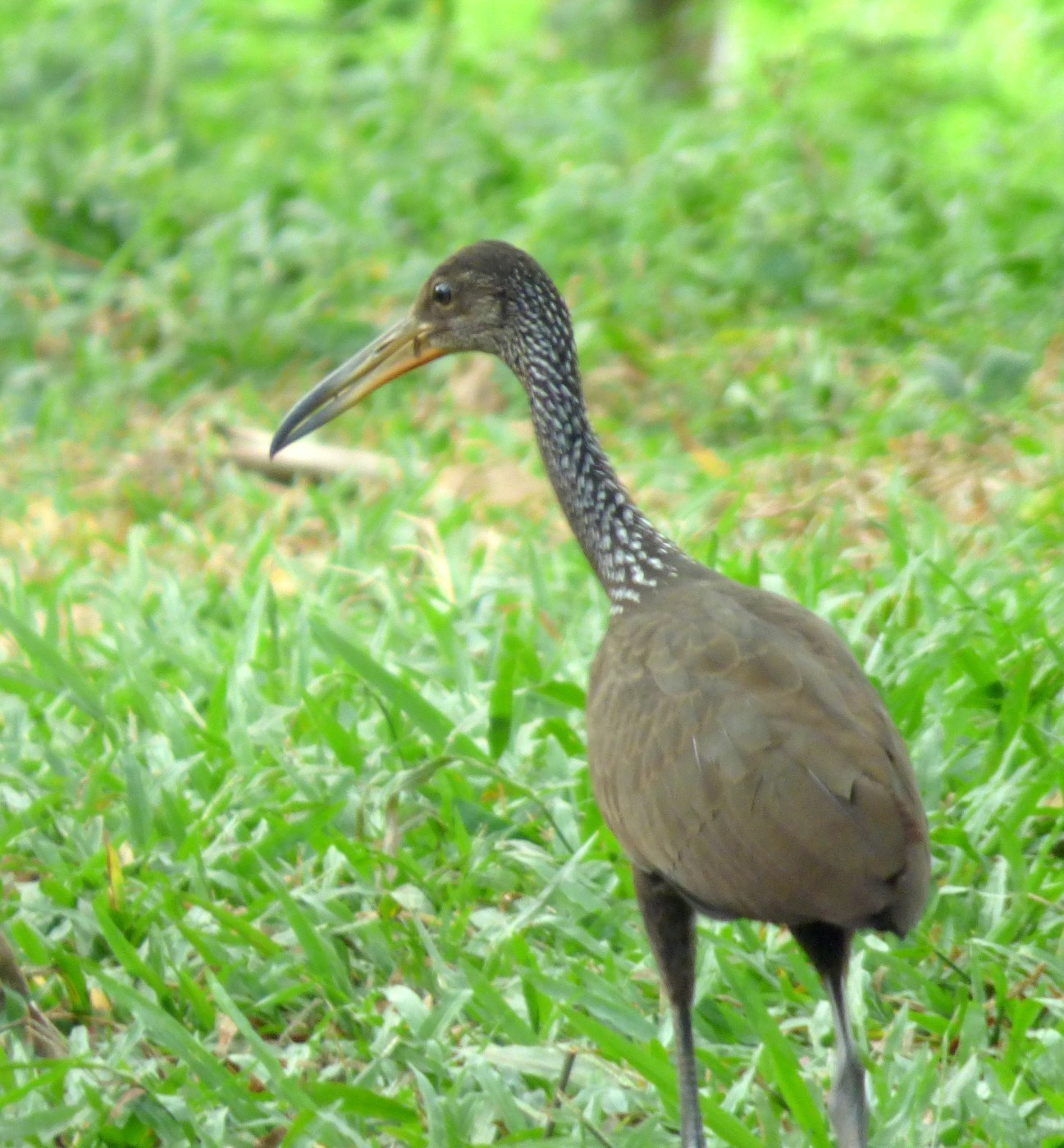
Brown contour feathers with white teardrop-shaped spots and streaks
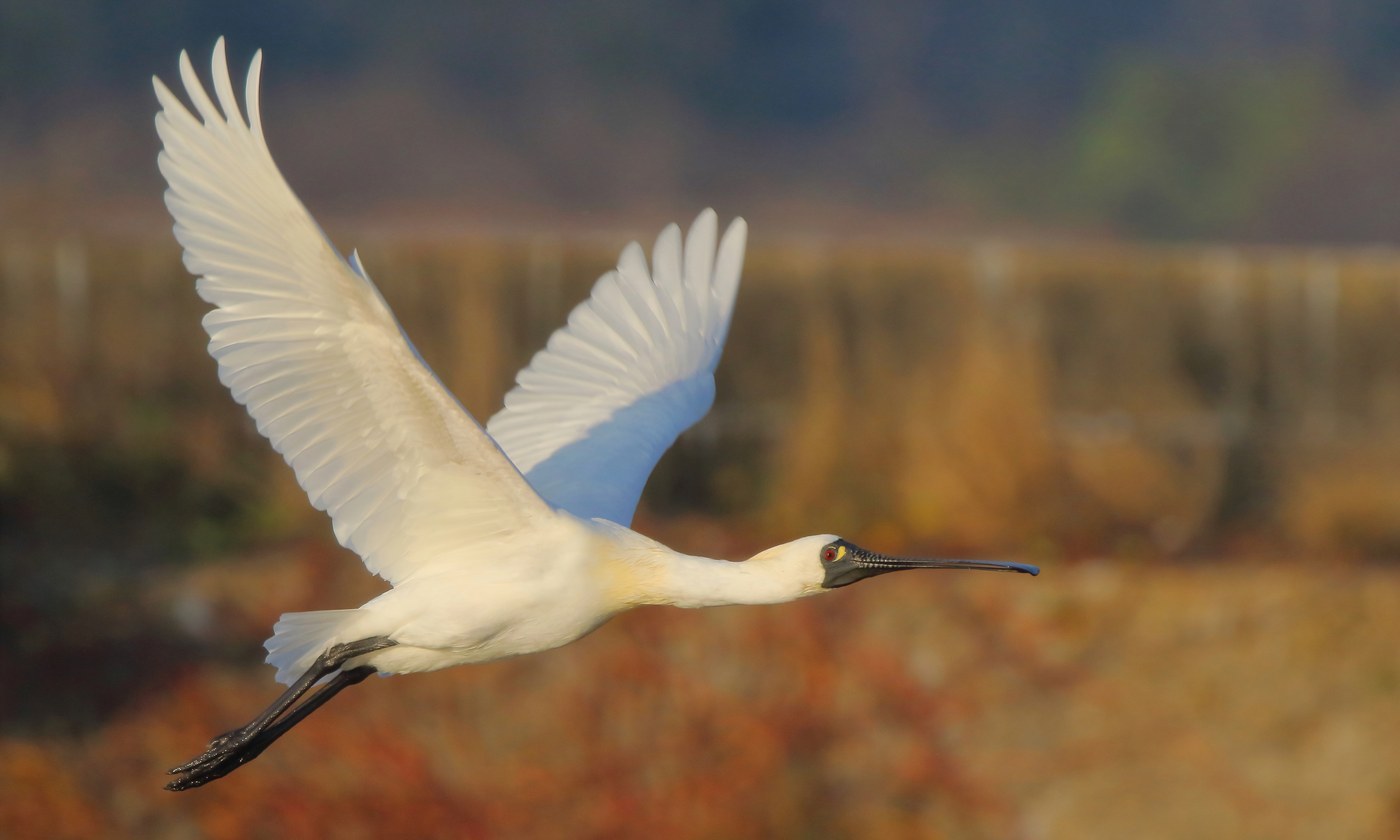
Black-faced Spoonbill
White contour and flight feathers with fine breeding crest and breast plumes
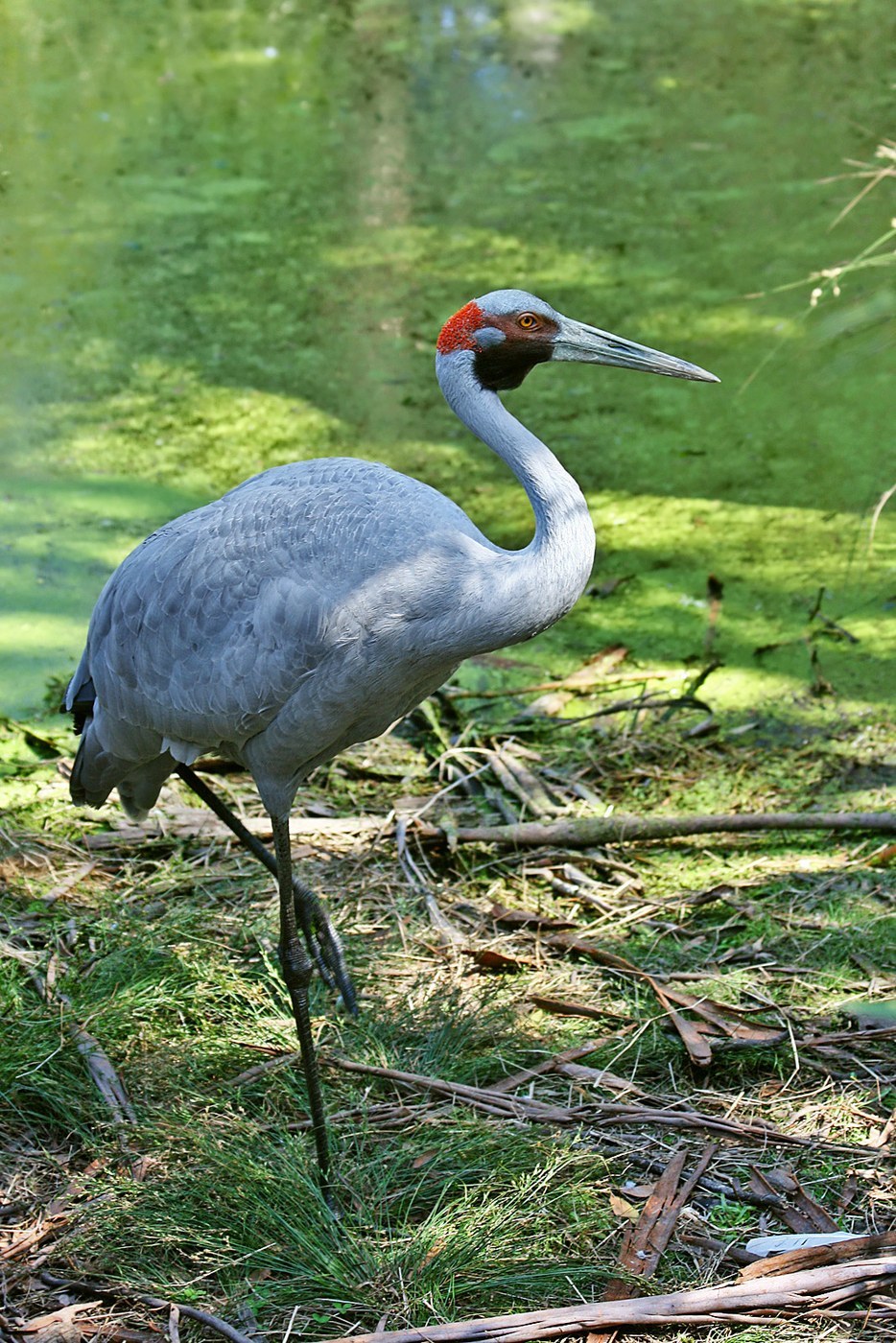
Brolga
Grey contour feathers with drooping bustle plumes
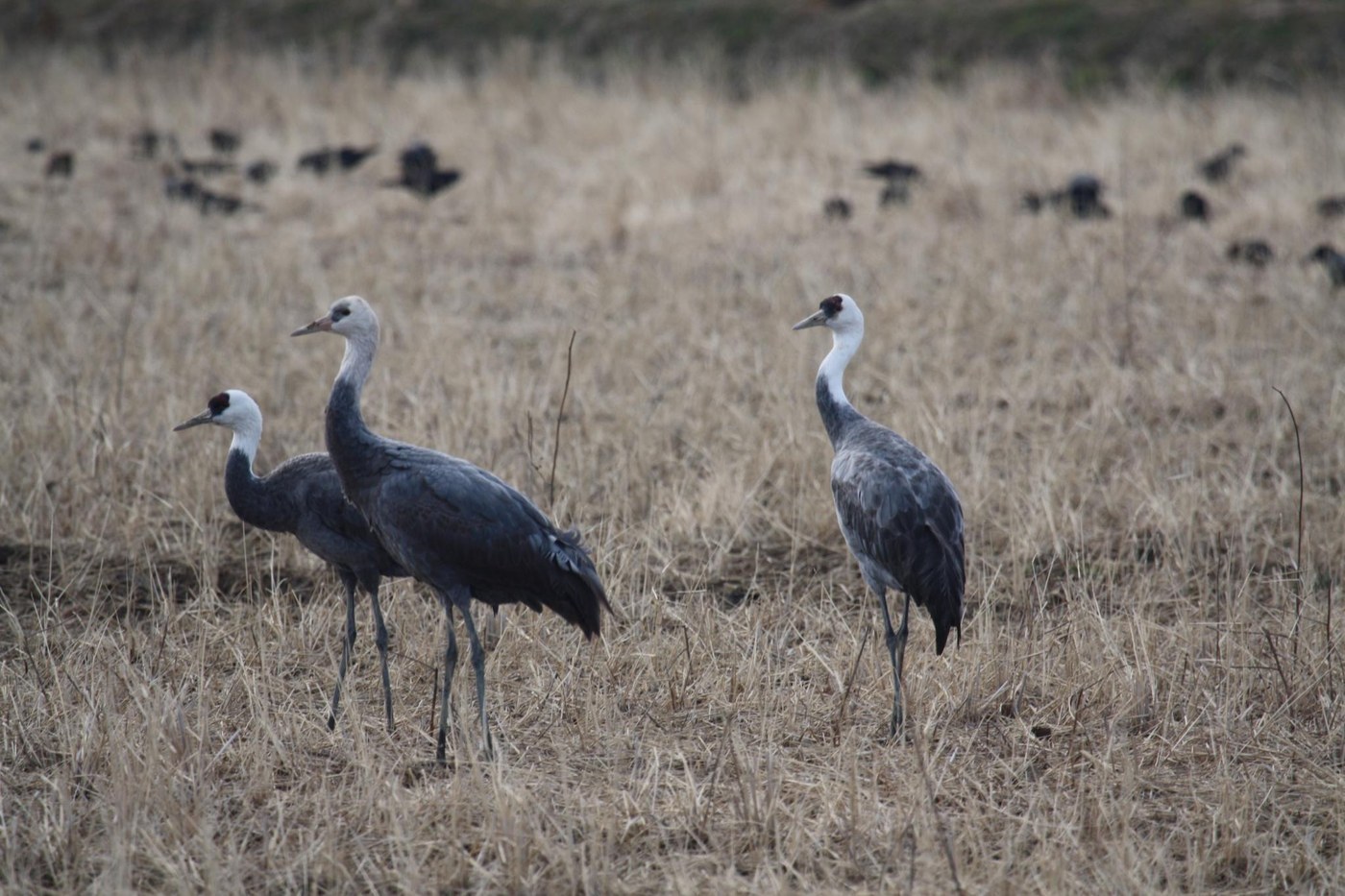
Hooded Crane
Dark slate-grey body feathers with a white head/upper neck 'hood' and black bustle plumes
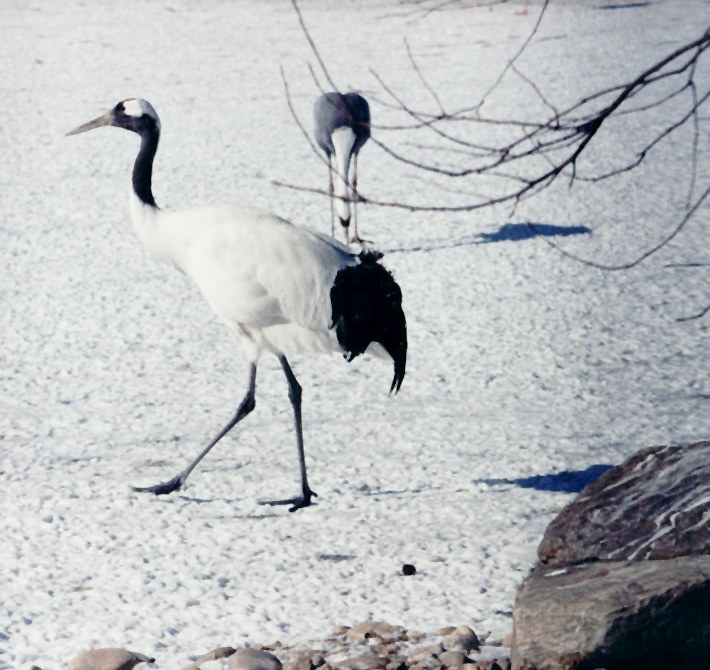
Red-crowned Crane
White contour feathers with black secondary/tertial bustle feathers and a bare red crown

Common Crane
Grey contour feathers with black head/neck feathers and drooping bustle plumes
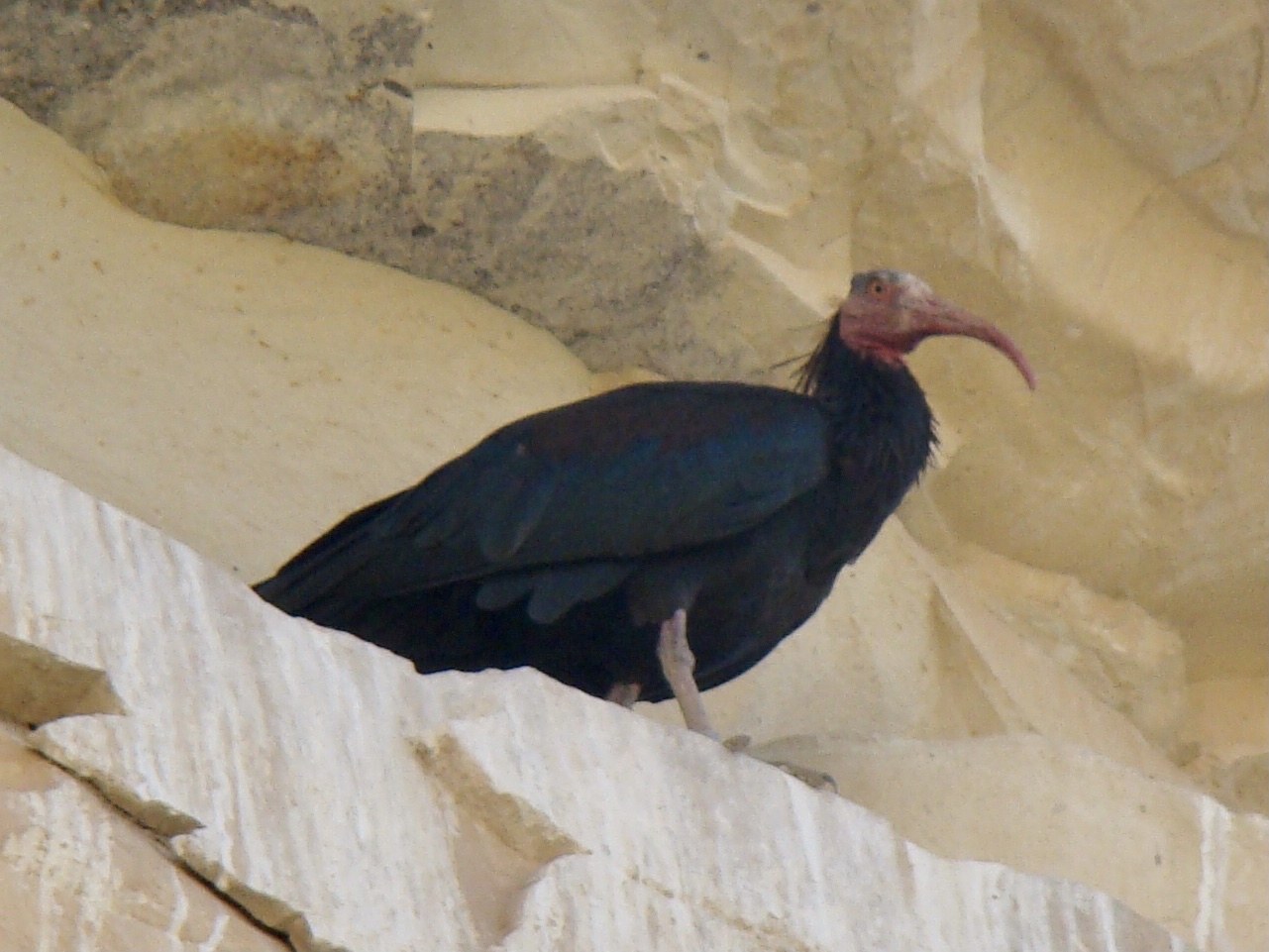
Northern Bald Ibis
Glossy black contour feathers with elongated nape plumes
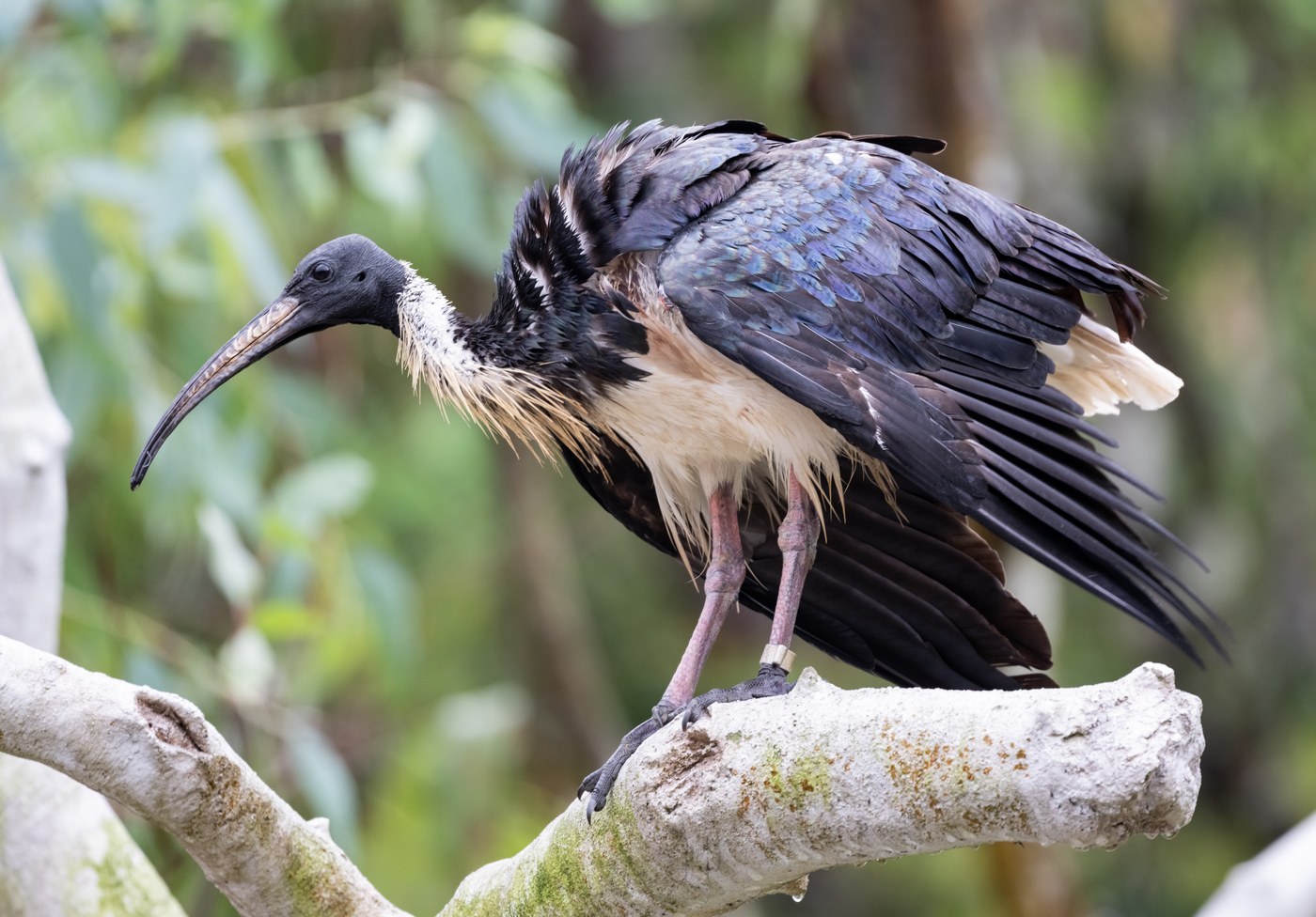
Straw-necked Ibis
Glossy contour feathers with unique straw-like neck plumes
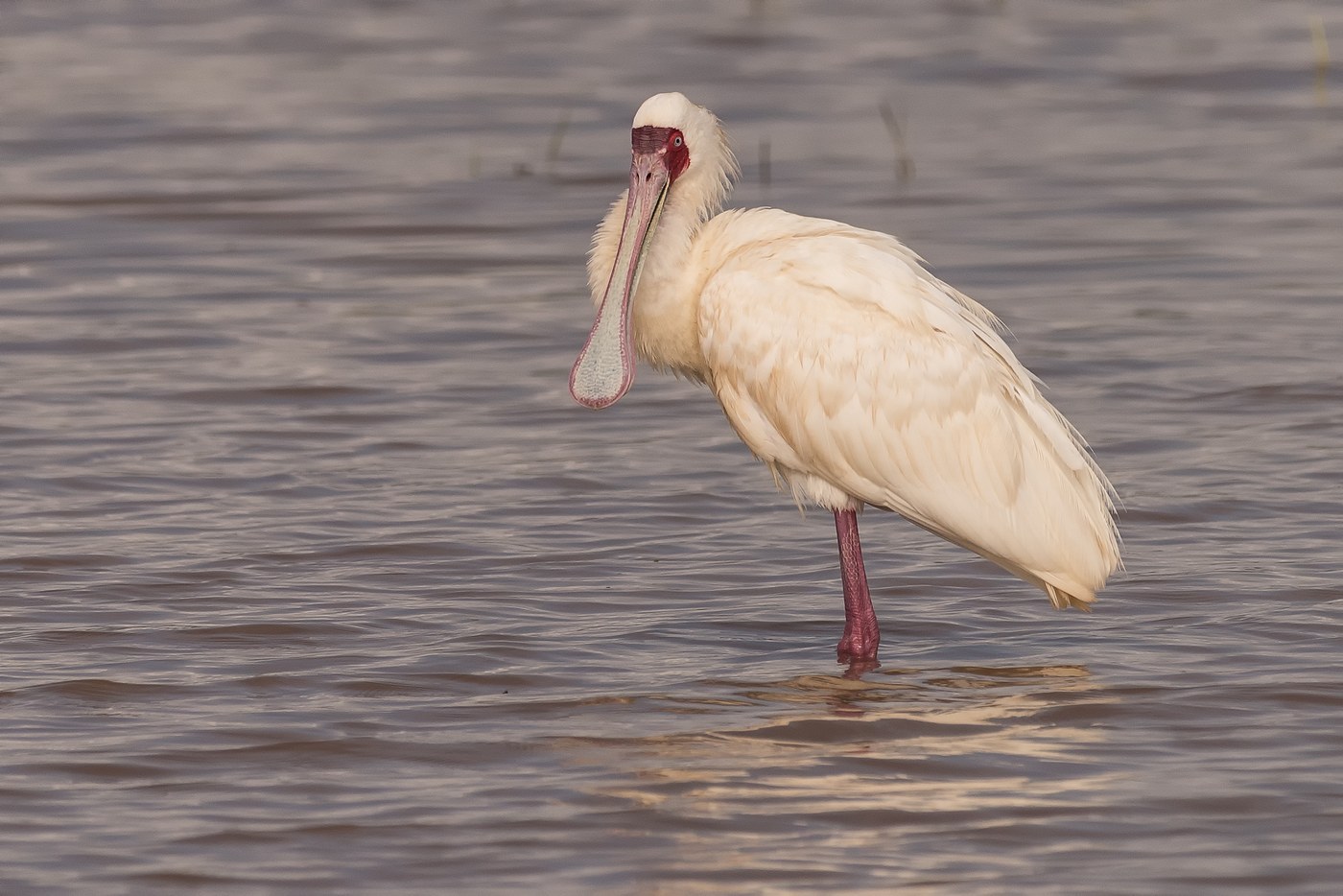
African Spoonbill
White contour and flight feathers, unmarked by black tips

Roseate Spoonbill
Pink and white contour and flight feathers with a carmine shoulder patch