

Tricolored Heron
Egretta tricolor
A slender dark heron of the Americas, easily told from other dark herons by the crisp white line running down its foreneck and belly.
- Feather type
- Slim, dark contour feathers with a contrasting white belly stripe
- Colours
- Slate-blue, purplish, white
- Bird size
- Medium, ~60-70 cm tall
Found a feather like this?
Identify any feather from a photo, free.
Overview
Overview
The Tricolored Heron is a slim, medium-sized heron found along coasts and wetlands of the Americas. Its combination of dark blue-gray upperparts, purplish neck tones, and a bright white belly and foreneck stripe gives it a distinctive tricolored look that sets it apart from other similarly dark herons.
- Slender heron with a notably long, thin neck and bill
- Dark slate-blue body contrasts with a white belly and foreneck stripe
- Found along coastal wetlands throughout the Americas
Identifying the Feather
Feather Identification
Tricolored Heron body feathers are dark slate-blue to purplish-gray on the back, neck, and upper breast, while belly and lower foreneck feathers are white, creating a sharp two-tone contrast unusual among dark herons. Flight feathers are dark slate to blackish, narrow and elongated in keeping with the bird's slim build.
- White belly/foreneck feathers next to dark slate body feathers is a strong diagnostic combination
- Slimmer, more elongated feather shape than the stockier Little Blue Heron
- Compare with Little Blue Heron, which lacks the white belly stripe and shows a more uniformly slate-purple body
- Reddish-purple tinge on foreneck feathers can help separate it from purely gray-toned herons
Plumage & Molt
Plumage
Adults show a dark slate-blue back and wings, a purplish-maroon foreneck streaked with white and buff, and a contrasting white belly and rump. During the breeding season, plumes may develop on the head and back, and the bill can brighten to a bluish tone with a black tip. Juveniles are duller, with more rufous tones on the neck and wing coverts, but retain the diagnostic white belly. Molt of flight feathers occurs gradually, typical of Egretta herons.
Habitat & Range
Habitat & Range
The Tricolored Heron ranges from the eastern and southern United States through Mexico, Central America, the Caribbean, and much of coastal South America. It favors coastal marshes, mangroves, estuaries, and shallow lagoons, generally staying closer to coastal and brackish habitats than some inland-favoring herons. Northern populations may shift south in winter, while populations in warmer regions are largely resident.
Behavior & Field Notes
Behavior & Field Notes
This heron forages actively in shallow water, often moving quickly, sometimes running or using its wings to help corner small fish, its primary prey. It nests colonially, frequently alongside other herons and egrets, building stick nests in mangroves or shrubs near water. Its voice is a harsh, low croak, typical of the group. The sharp contrast between its dark body and white belly, often visible even at a distance or in flight, is one of the more reliable field marks among similarly dark herons.
Frequently asked questions
What is the key feather clue for identifying a Tricolored Heron?
A dark slate-blue body combined with a contrasting white belly and foreneck stripe, a pattern not shared by similarly dark herons.
How is the Tricolored Heron different from the Little Blue Heron?
The Tricolored Heron has a white belly and foreneck stripe, while the Little Blue Heron is uniformly slate-purple without that white contrast.
Where does the Tricolored Heron live?
Along coastal wetlands from the southeastern United States through Mexico, Central America, the Caribbean, and coastal South America.
Does the Tricolored Heron nest alone or in groups?
It typically nests colonially, often alongside other heron and egret species.
Tricolored Heron guides
In-depth guides for identifying and understanding Tricolored Heron.

Other feathers you may enjoy

Yellow-billed Spoonbill
White contour and flight feathers with fine breeding plumes on the back and breast
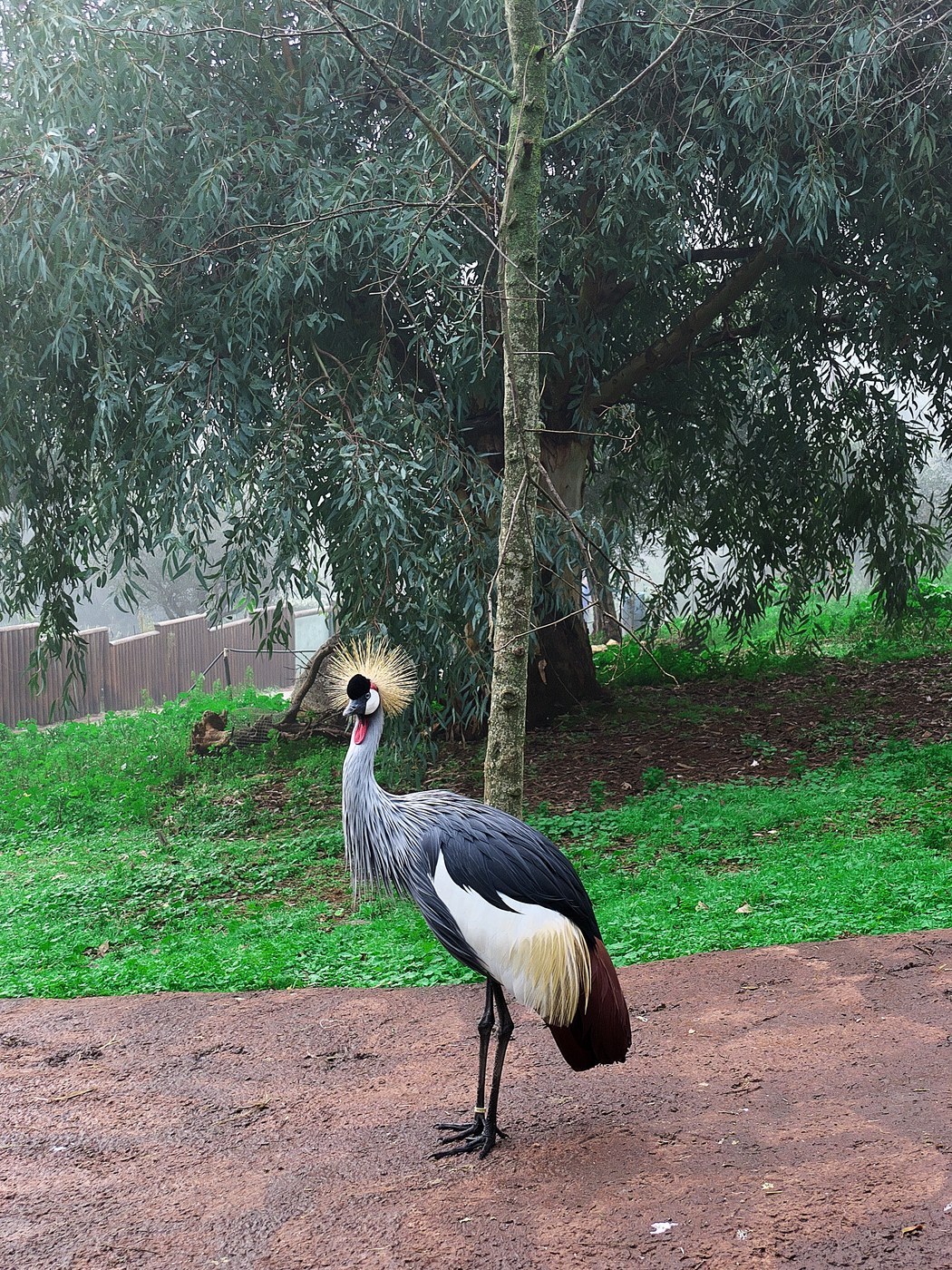
Grey Crowned Crane
Grey body feathers with white wing coverts, chestnut flight feathers, and stiff golden crown bristles
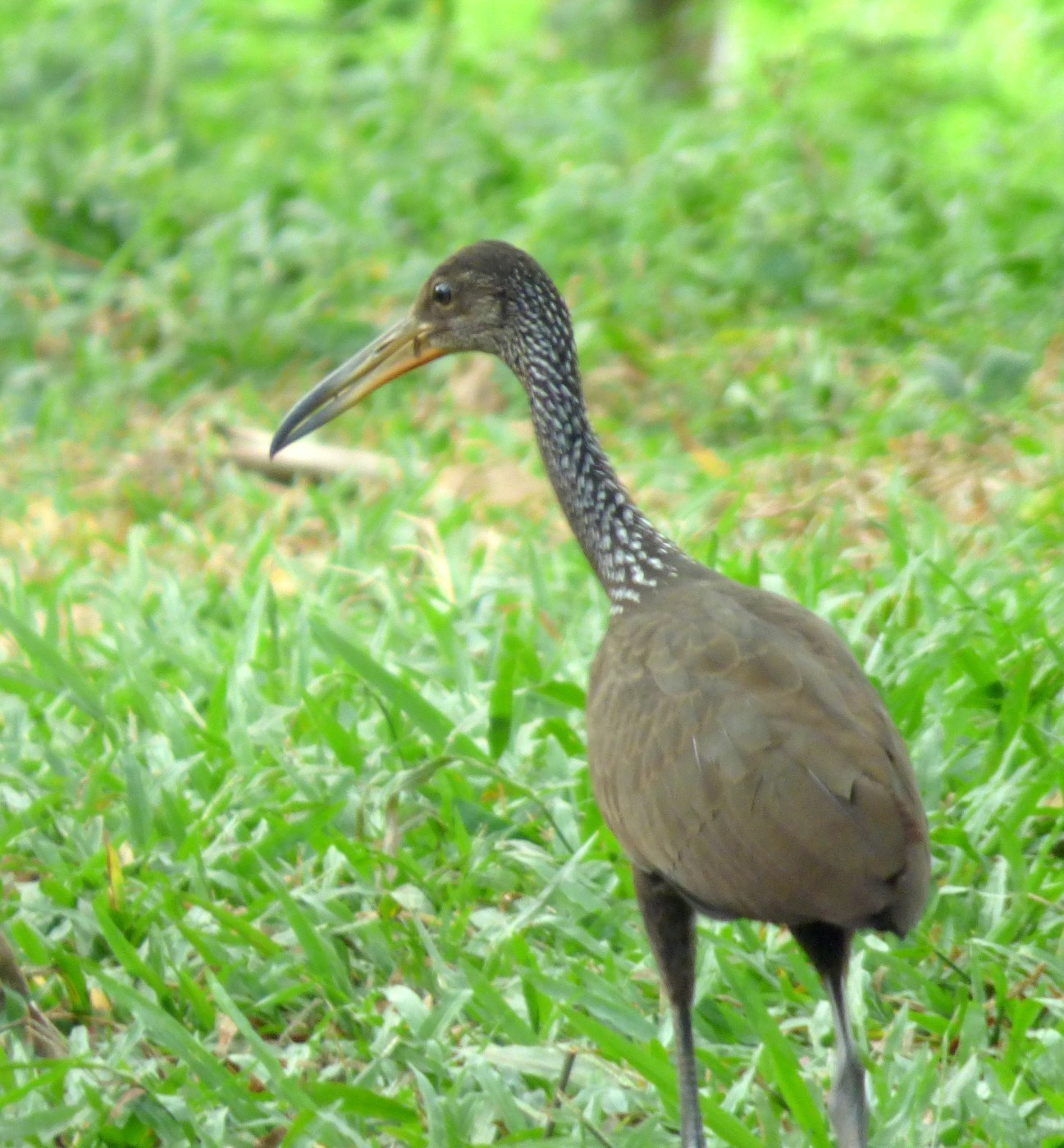
Limpkin
Brown contour feathers with white teardrop-shaped spots and streaks
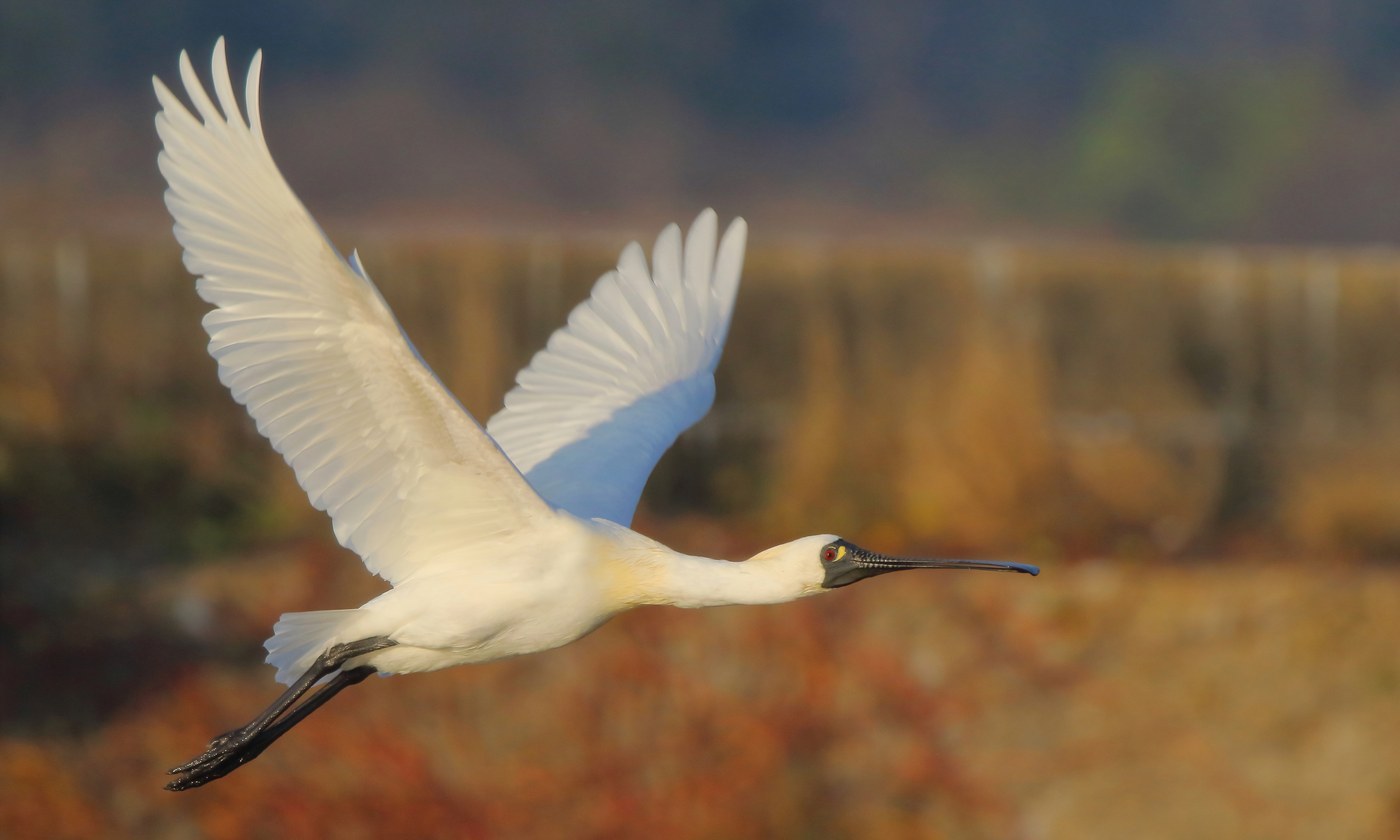
Black-faced Spoonbill
White contour and flight feathers with fine breeding crest and breast plumes
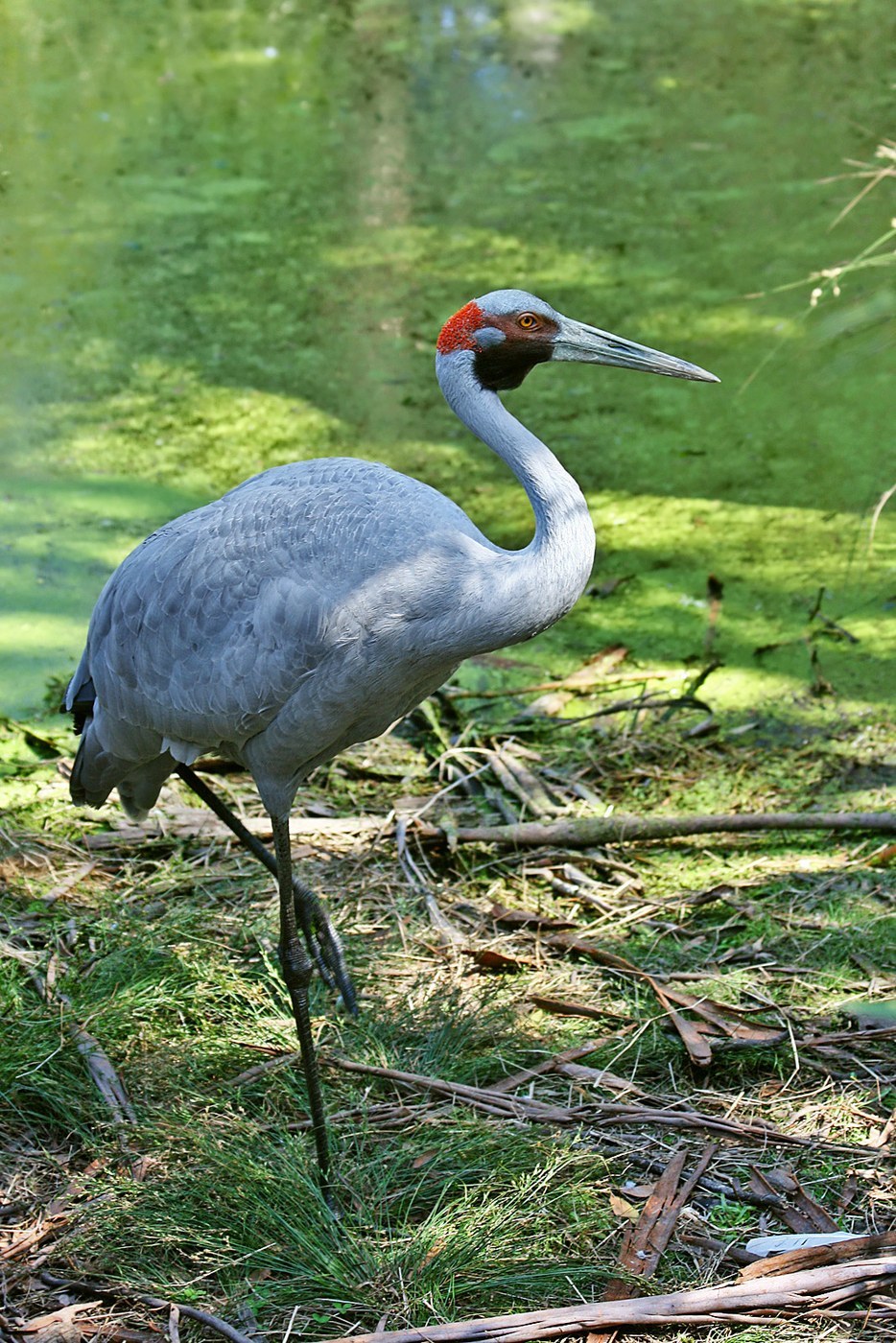
Brolga
Grey contour feathers with drooping bustle plumes
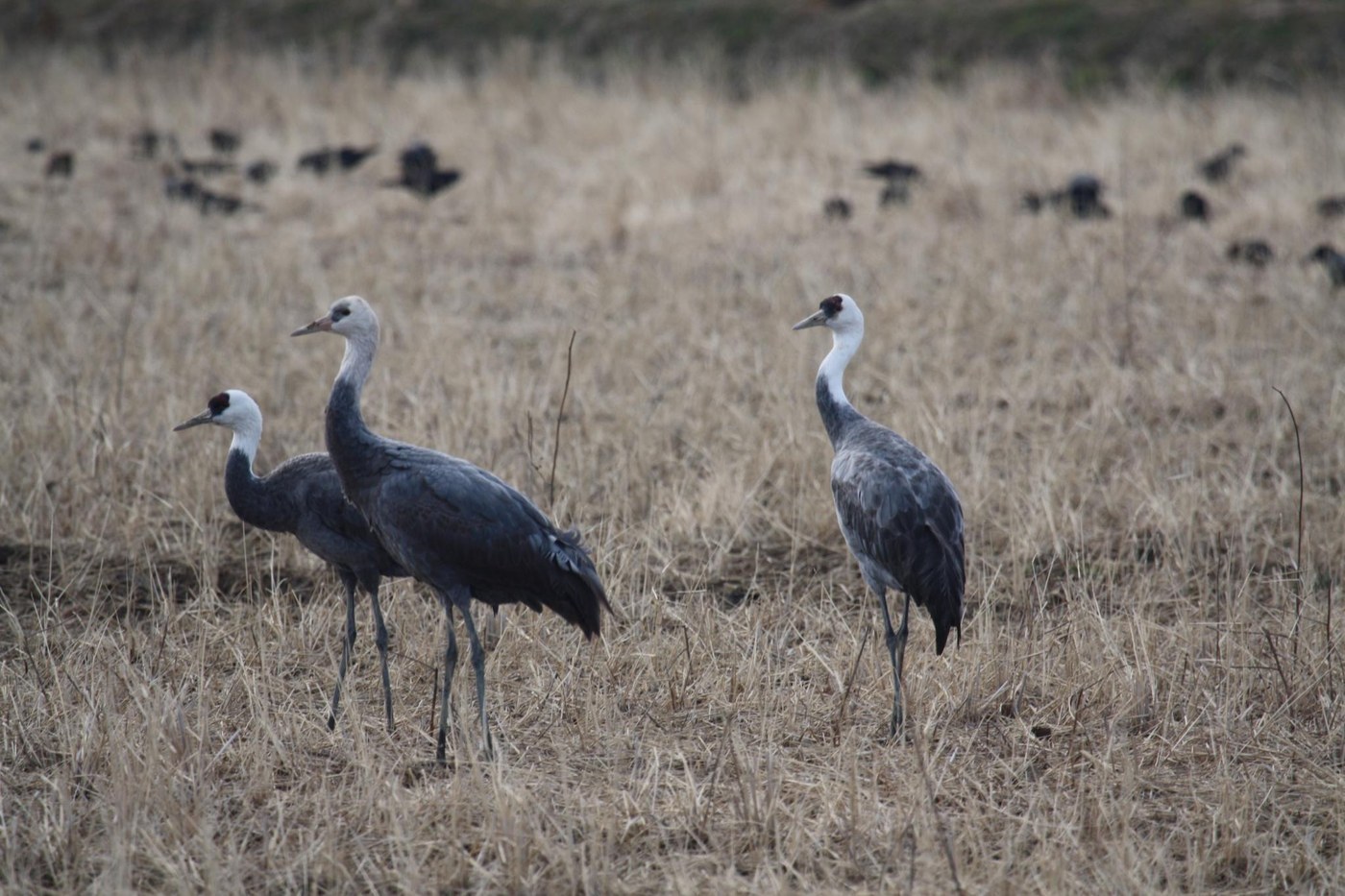
Hooded Crane
Dark slate-grey body feathers with a white head/upper neck 'hood' and black bustle plumes
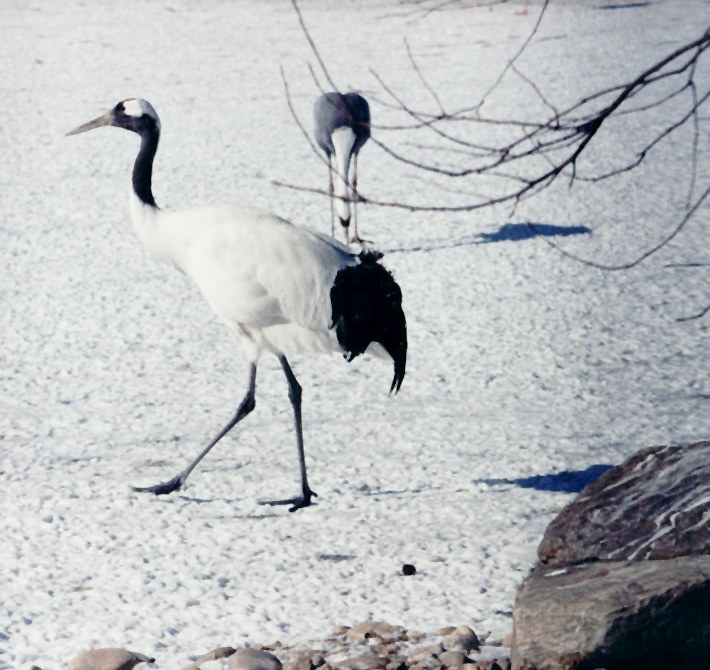
Red-crowned Crane
White contour feathers with black secondary/tertial bustle feathers and a bare red crown

Common Crane
Grey contour feathers with black head/neck feathers and drooping bustle plumes
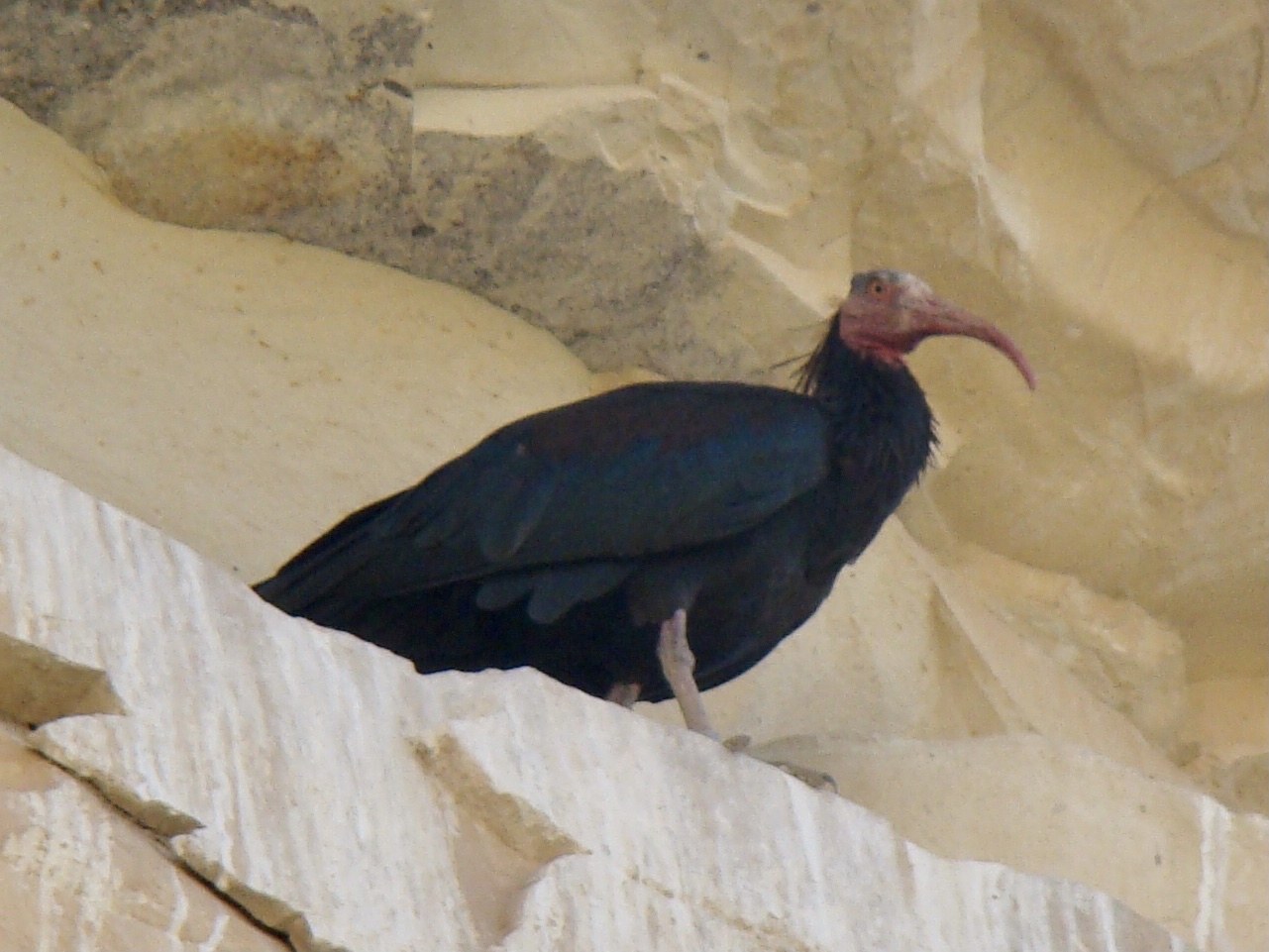
Northern Bald Ibis
Glossy black contour feathers with elongated nape plumes
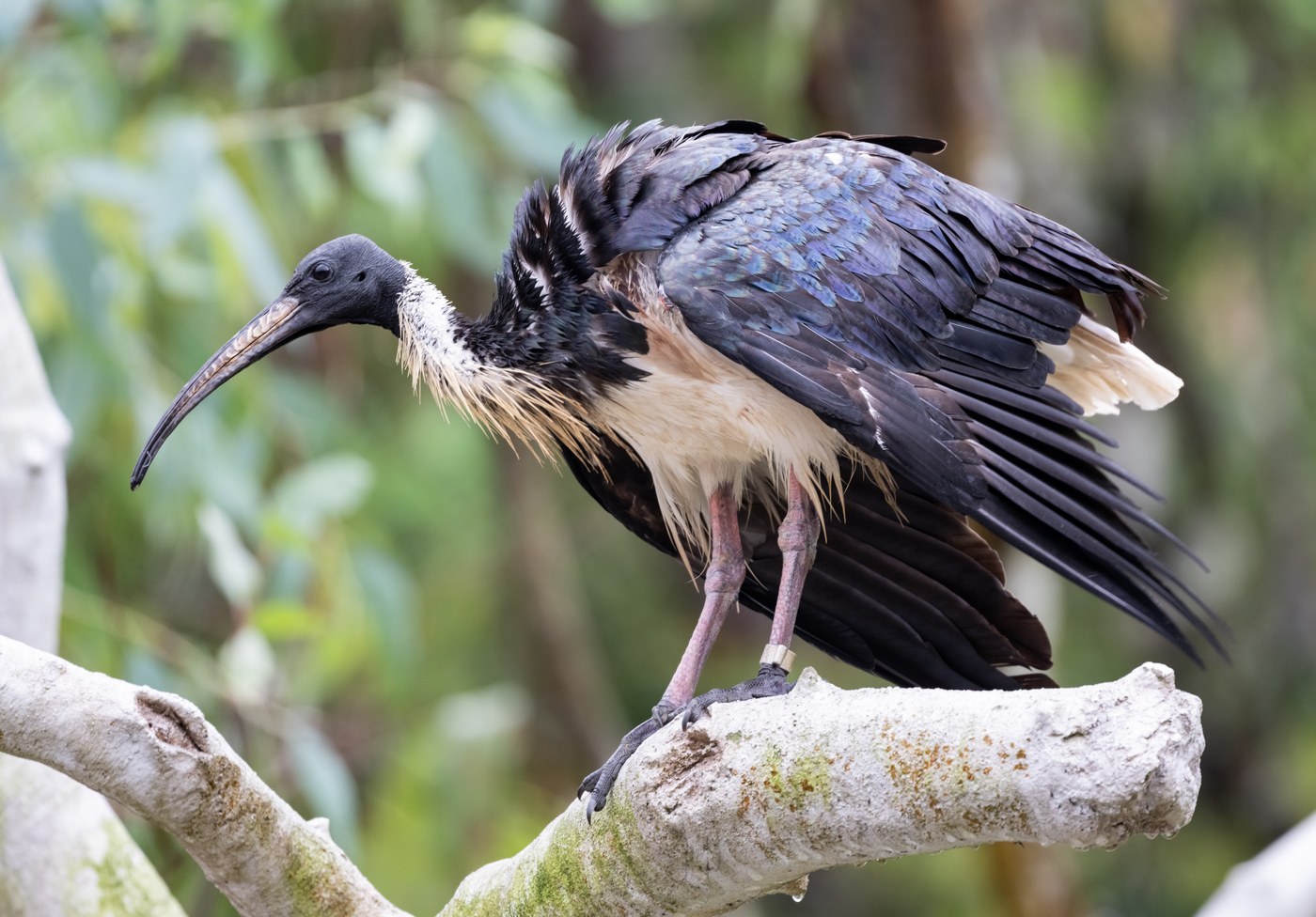
Straw-necked Ibis
Glossy contour feathers with unique straw-like neck plumes
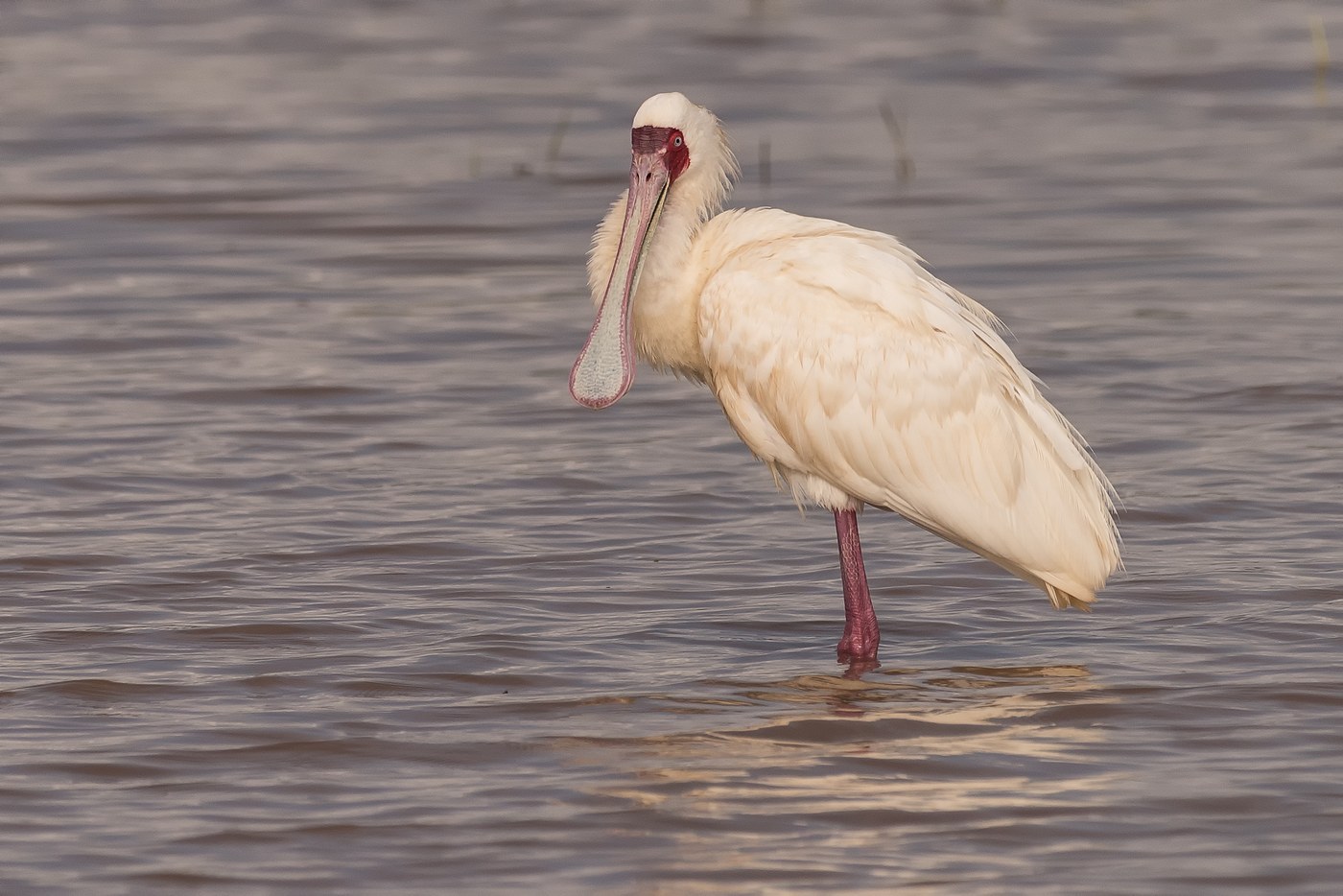
African Spoonbill
White contour and flight feathers, unmarked by black tips

Roseate Spoonbill
Pink and white contour and flight feathers with a carmine shoulder patch