

Whooping Crane
Grus americana
The tallest bird in North America, a white crane with black wingtips visible in flight and a bare red crown, best known for its dramatic conservation recovery story.
- Feather type
- White contour feathers with black-tipped flight feathers and bustle plumes
- Colours
- White overall with black primary flight feathers and a red bare crown
- Bird size
- Tallest North American bird, ~150 cm tall
Found a feather like this?
Identify any feather from a photo, free.
Overview
The Whooping Crane is North America's tallest bird and one of its rarest, having been brought back from the brink of extinction through decades of intensive conservation work. Its predominantly white plumage, set off by black wingtips visible only in flight, along with a bare red facial patch and black "mustache" stripe, make it readily distinguishable from the more common and browner Sandhill Crane.
Identifying the Feather
- Body feathers are pure white, without the rusty staining sometimes seen in Sandhill Crane feathers.
- Primary flight feathers are black, visible as a striking contrast against the white body only when the wing is spread or in flight - folded birds show almost no black.
- Tertial (bustle) feathers are elongated and drooping like in other cranes, but white with black tips rather than uniformly grey.
- The bare red crown and black malar (mustache) stripe mean the face has little or no feathering in those areas.
- Distinguish from the Sandhill Crane, which is grey overall and lacks black primaries, and from egrets, which lack the bustle-type tertial feathers.
Plumage & Molt
Adults are white overall with black primaries, a bare red crown and facial patch, and a black malar stripe running from the base of the bill, along with elongated drooping tertial bustle feathers. Sexes look alike. Juveniles are washed with cinnamon-brown over the white plumage and lack the bare red crown, gradually acquiring full white adult plumage and bare facial skin over their first year or two. Molt follows the breeding season, with adults undergoing a flightless period during wing molt in some years.
Habitat & Range
The Whooping Crane's remaining wild migratory population breeds in wetlands of northern Canada and winters along the Gulf Coast of Texas, with additional reintroduced populations established in the eastern United States and a small non-migratory population in Louisiana. It is a strongly migratory species where wild populations remain, undertaking a long north-south journey each year.
Behavior & Field Notes
This crane forages in shallow wetlands and adjacent uplands for a varied diet including aquatic invertebrates, small vertebrates, and plant material. It nests on the ground in marshy wetlands, typically laying two eggs, though usually only one chick survives to fledging. Its call is a loud, far-carrying, trumpeting whoop, the source of its common name, produced with the aid of an elongated coiled windpipe. Because of its small population size, the species has been the subject of extensive captive breeding, reintroduction, and habitat protection efforts for decades.
Frequently asked questions
How do you distinguish a Whooping Crane feather from a Sandhill Crane feather?
Whooping Crane feathers are white rather than grey, and its primary flight feathers are black, a feature absent in the grey-plumaged Sandhill Crane.
Are Whooping Crane feathers ever seen with black tips?
Yes, the primary flight feathers are black, and bustle plumes on the back can show black tips as well.
Why is the Whooping Crane considered special?
It is the tallest bird in North America and one of the rarest, having recovered from a population of only a couple dozen birds decades ago.
Is the Whooping Crane migratory?
The main wild population migrates between breeding grounds in northern Canada and wintering areas on the Texas Gulf Coast; some reintroduced populations are also migratory or resident.
Whooping Crane guides
In-depth guides for identifying and understanding Whooping Crane.

Other feathers you may enjoy

Yellow-billed Spoonbill
White contour and flight feathers with fine breeding plumes on the back and breast
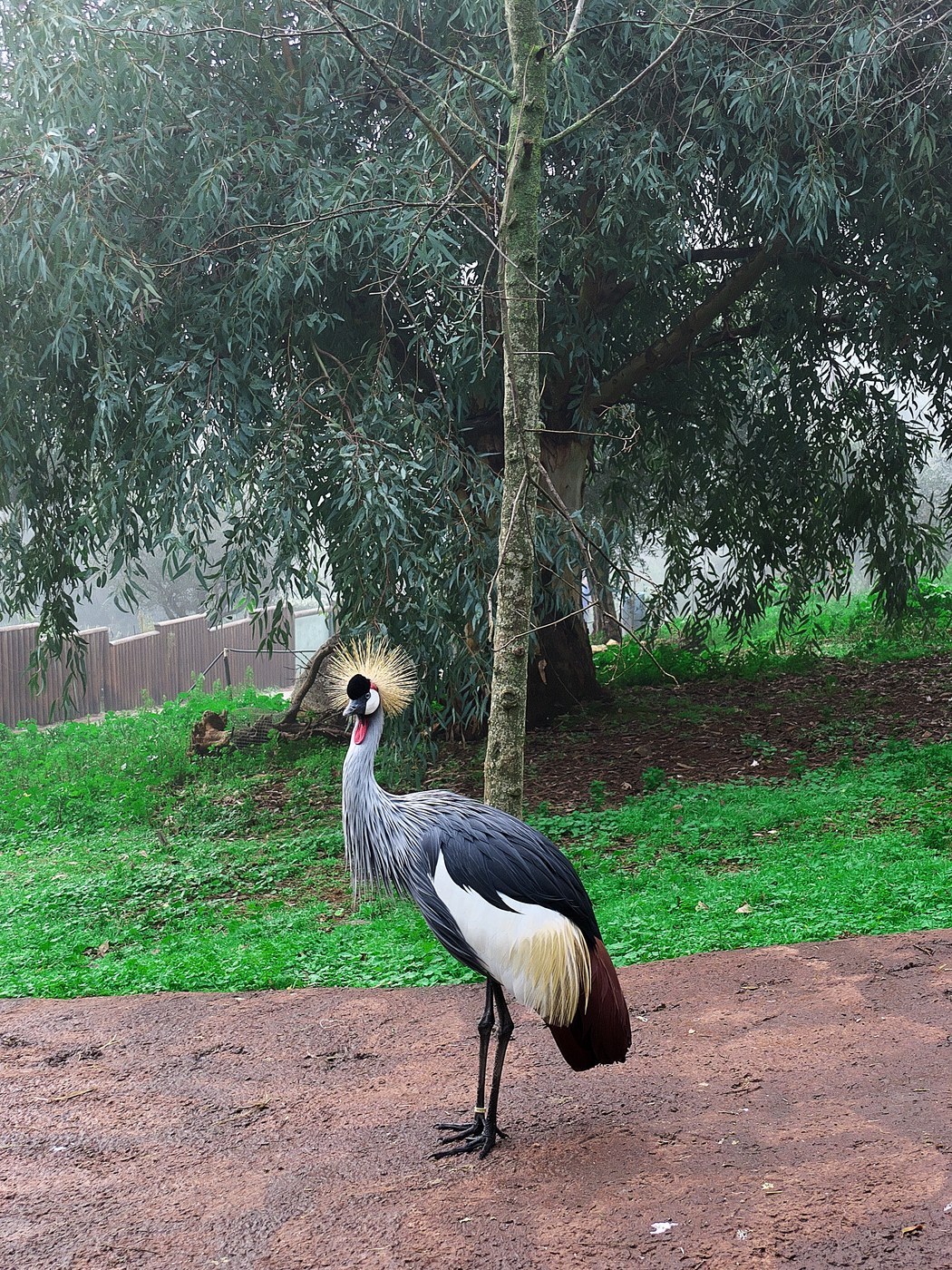
Grey Crowned Crane
Grey body feathers with white wing coverts, chestnut flight feathers, and stiff golden crown bristles
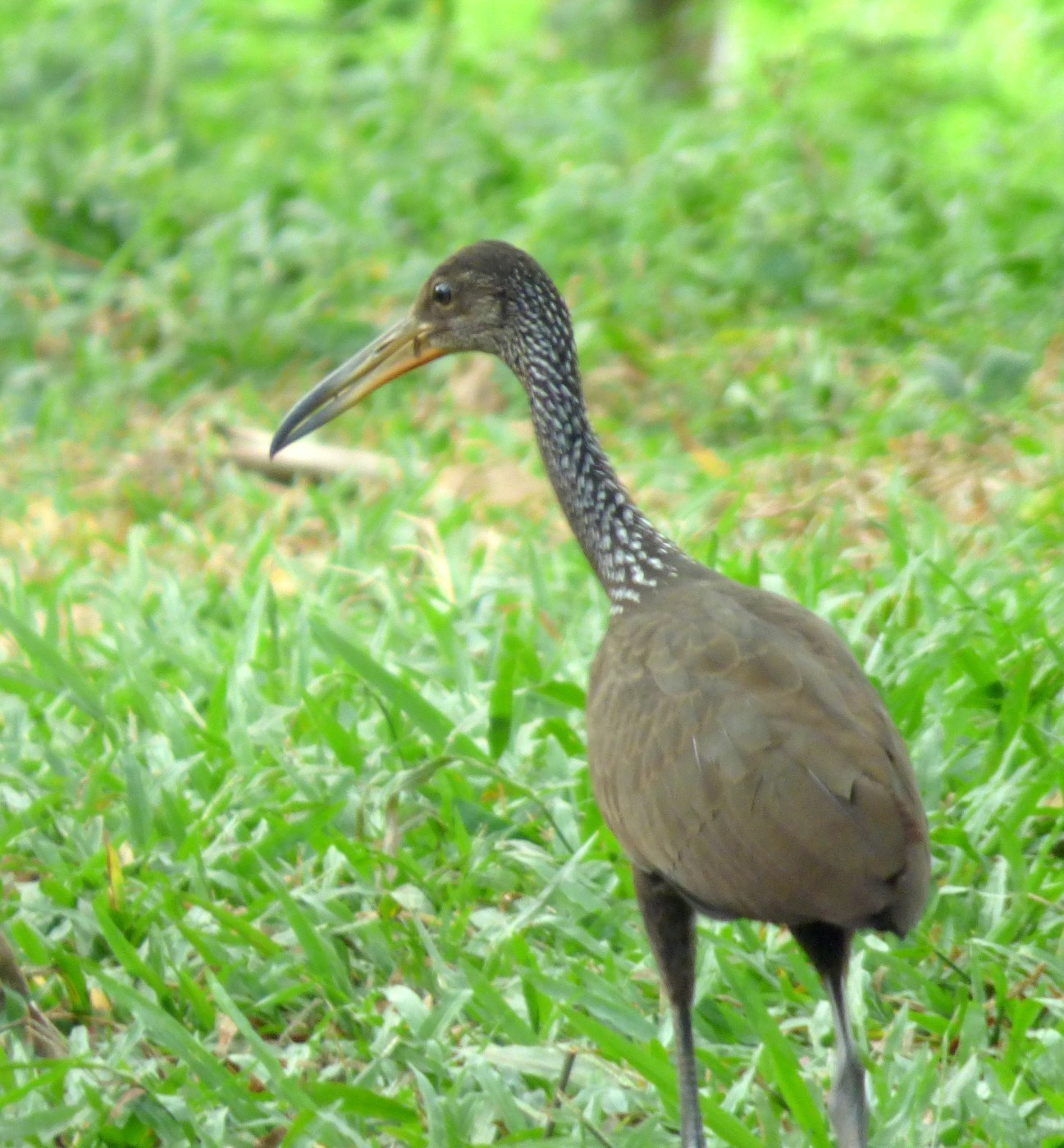
Limpkin
Brown contour feathers with white teardrop-shaped spots and streaks
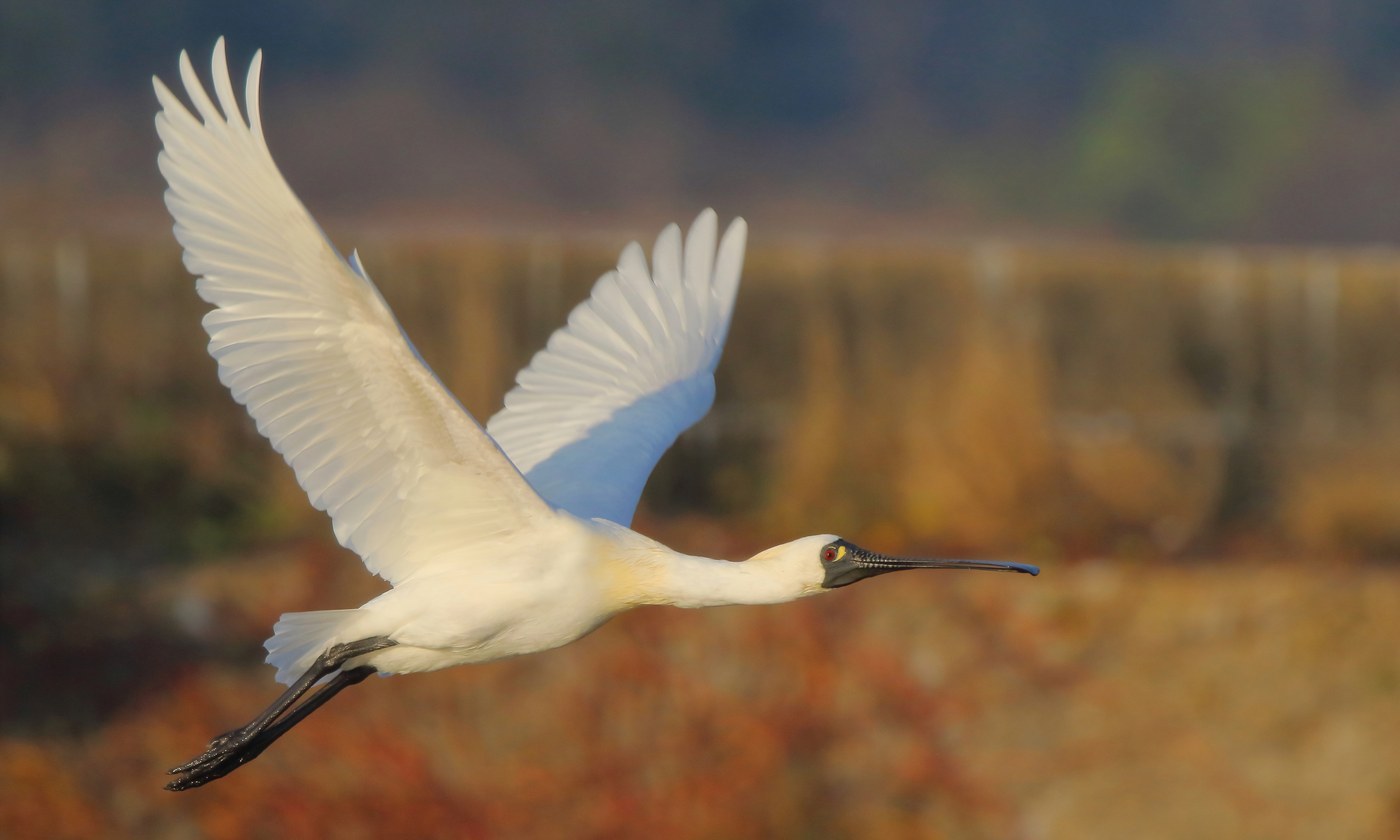
Black-faced Spoonbill
White contour and flight feathers with fine breeding crest and breast plumes
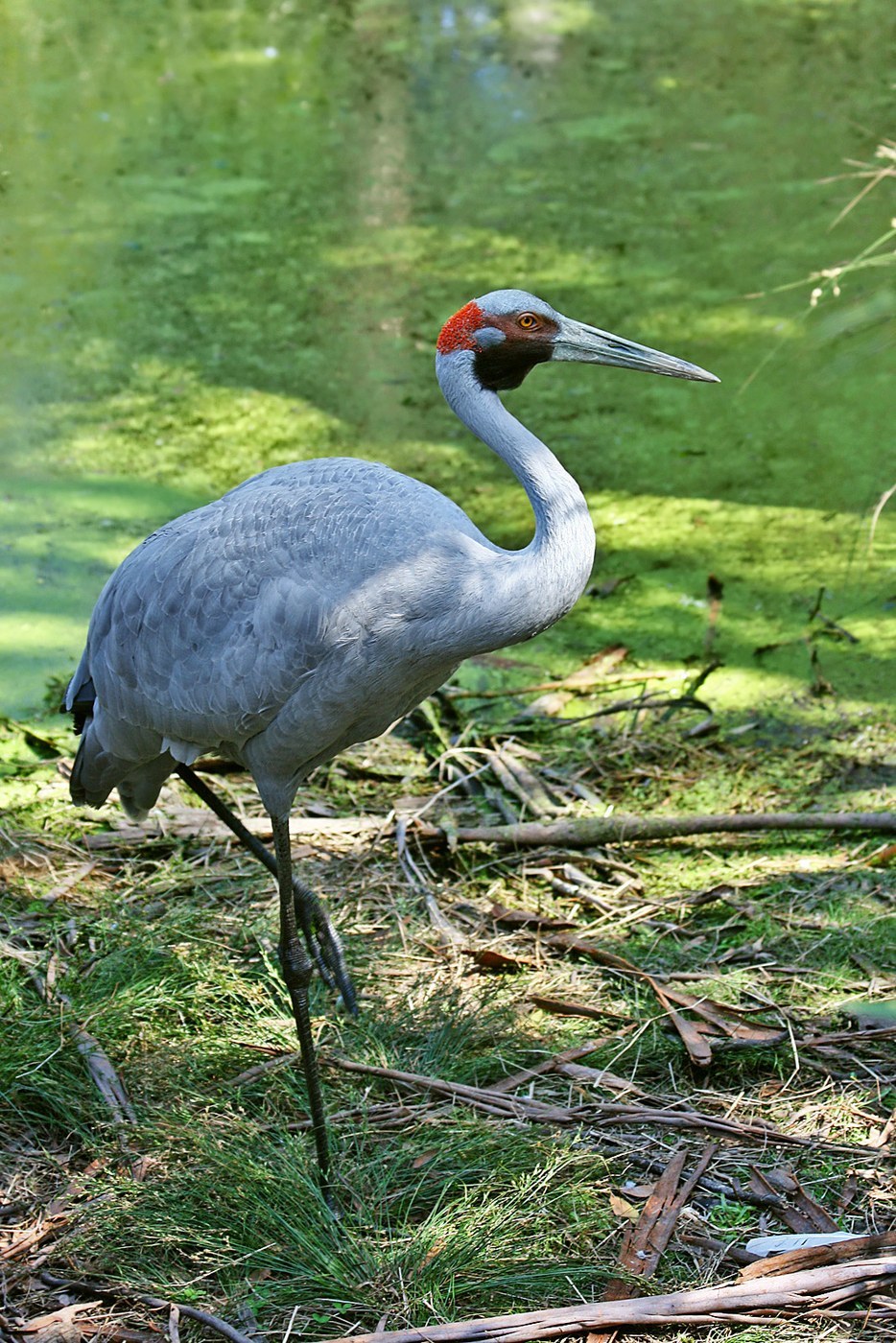
Brolga
Grey contour feathers with drooping bustle plumes
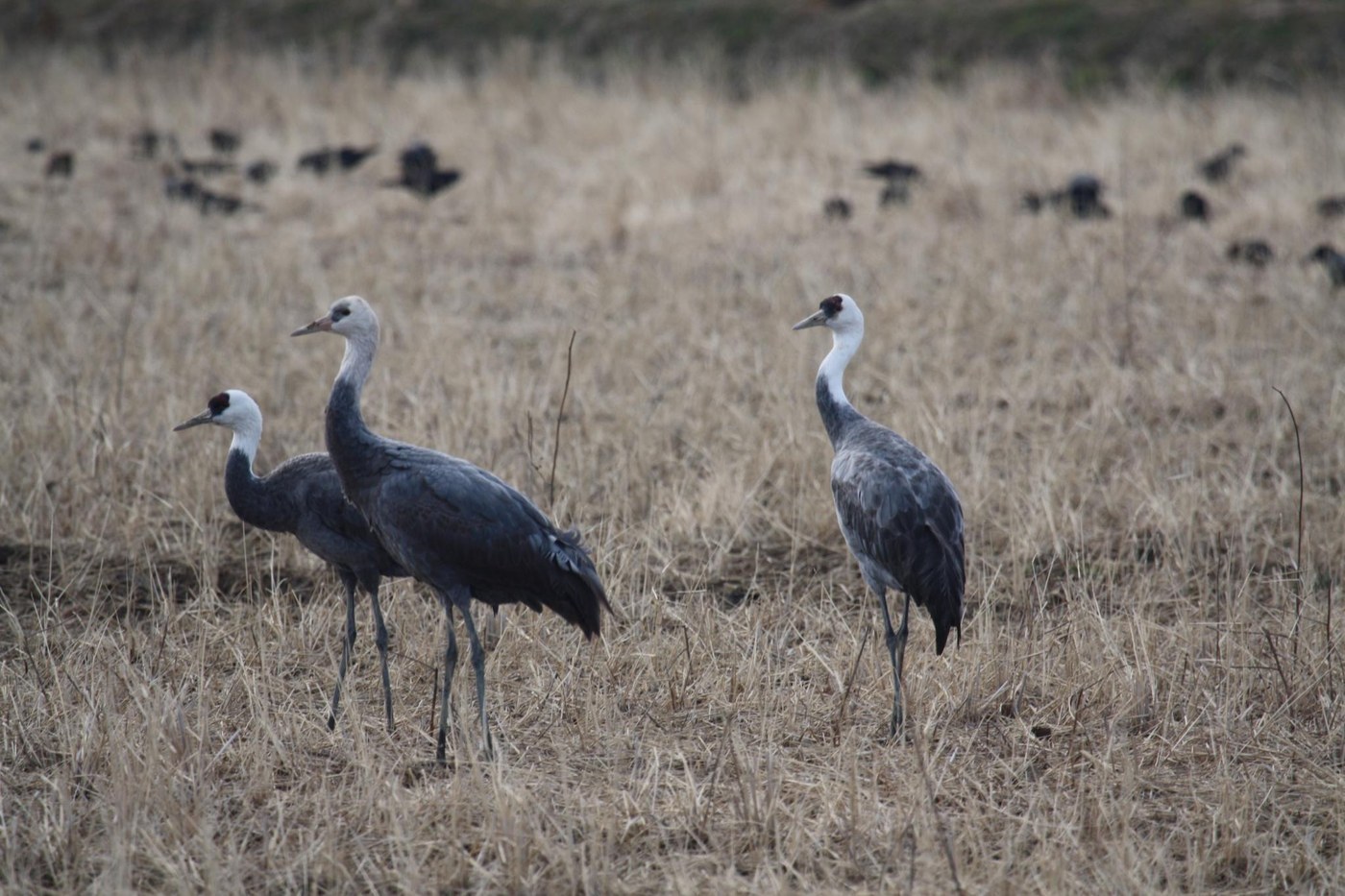
Hooded Crane
Dark slate-grey body feathers with a white head/upper neck 'hood' and black bustle plumes
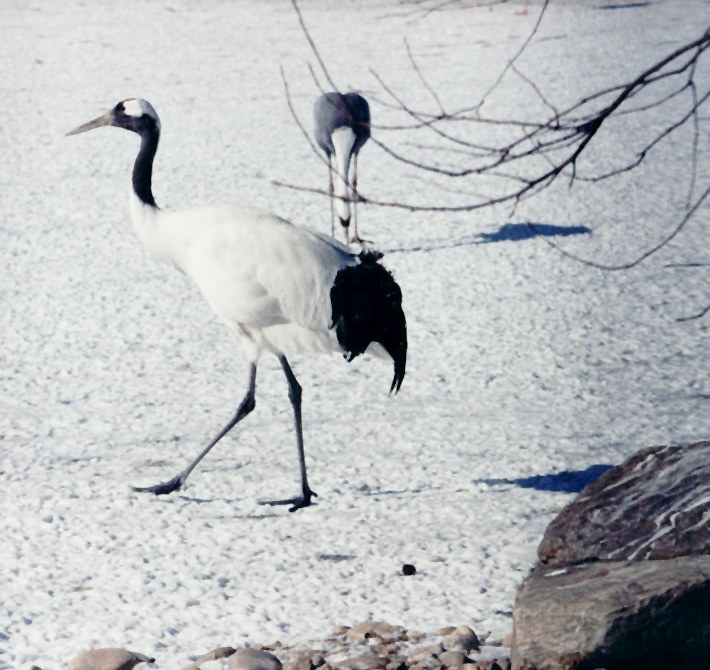
Red-crowned Crane
White contour feathers with black secondary/tertial bustle feathers and a bare red crown

Common Crane
Grey contour feathers with black head/neck feathers and drooping bustle plumes
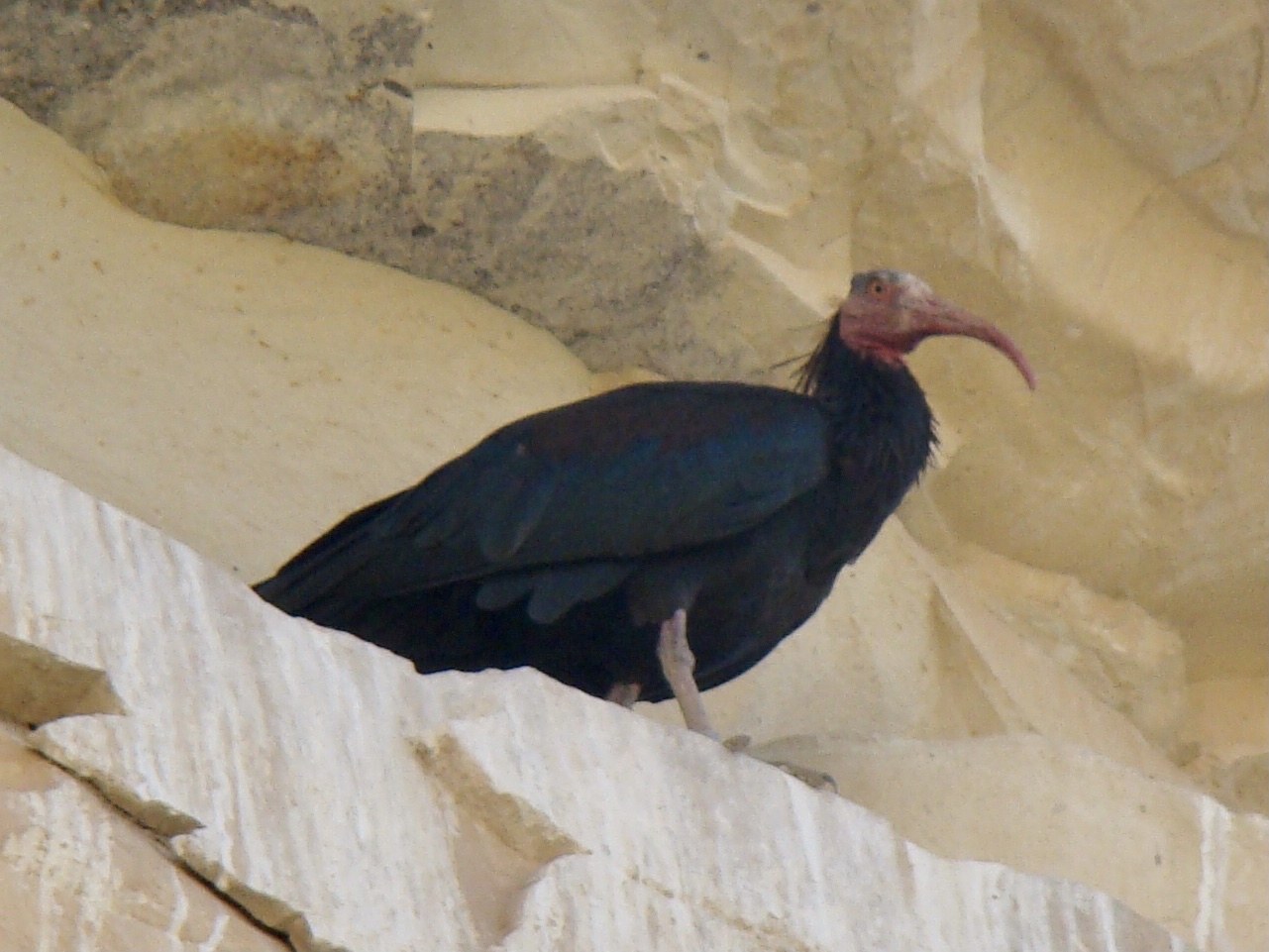
Northern Bald Ibis
Glossy black contour feathers with elongated nape plumes
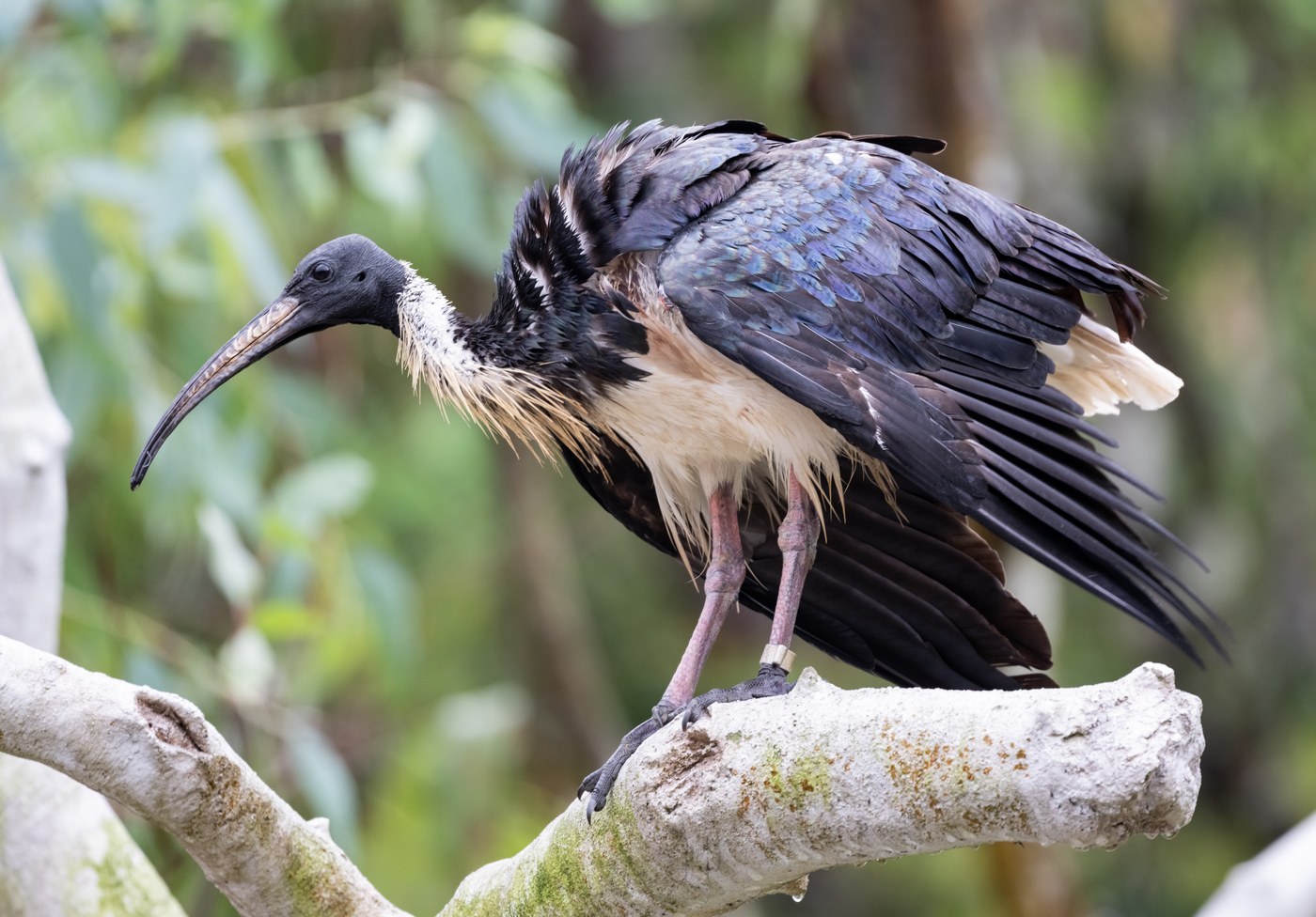
Straw-necked Ibis
Glossy contour feathers with unique straw-like neck plumes
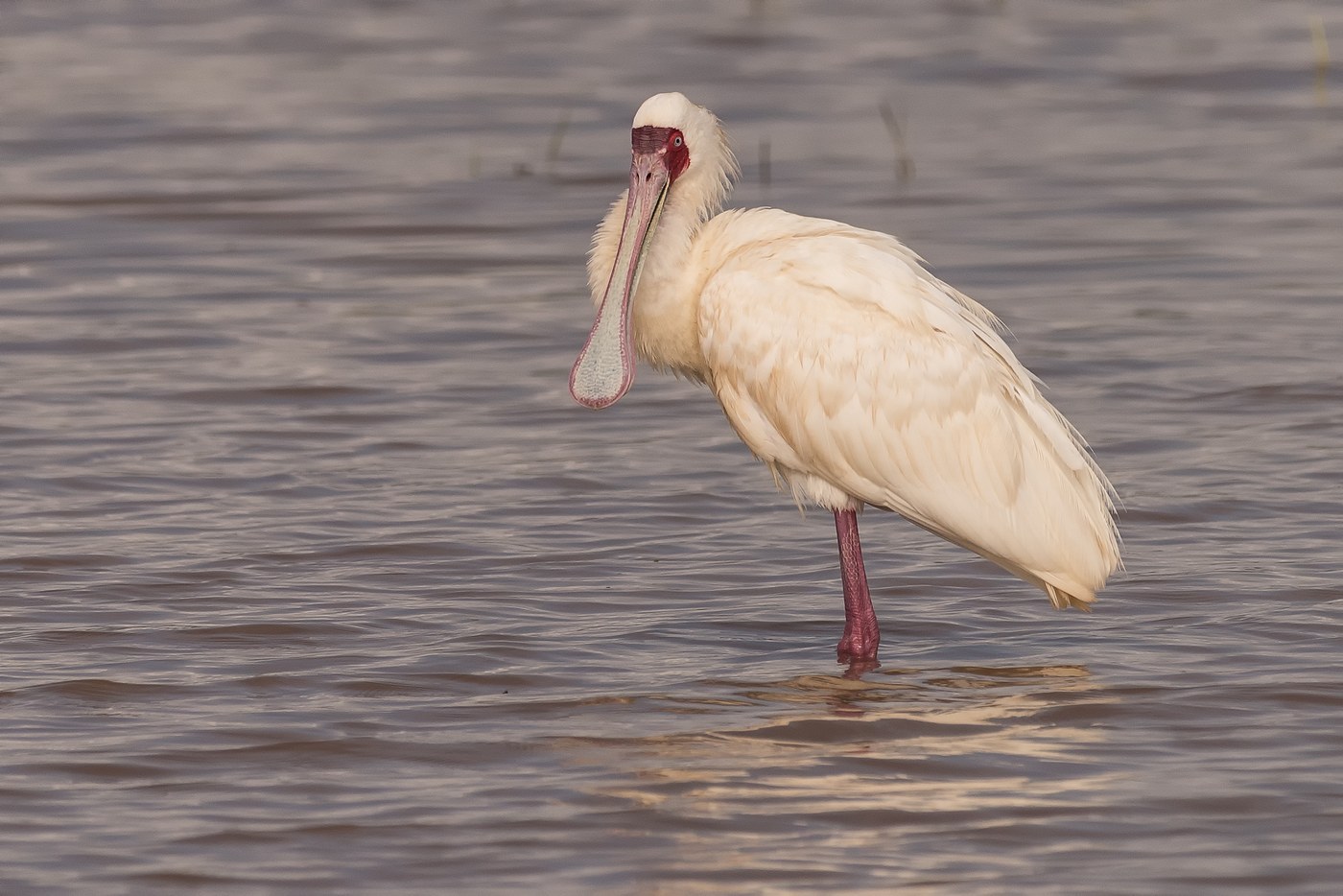
African Spoonbill
White contour and flight feathers, unmarked by black tips

Roseate Spoonbill
Pink and white contour and flight feathers with a carmine shoulder patch