

Yellow-crowned Night Heron
Nyctanassa violacea
A stocky, thick-billed night heron with a bold black-and-white head pattern and a pale, straw-colored crown, often found near crustacean-rich coastal waters.
- Feather type
- Stocky gray contour feathers with a black-and-white head pattern
- Colours
- Gray body, black head with white cheek patch, pale crown
- Bird size
- Medium, stocky, ~56-70 cm tall
Found a feather like this?
Identify any feather from a photo, free.
Overview
Overview
The Yellow-crowned Night Heron is a stocky, medium-sized heron of the Americas, closely related to the Black-crowned Night Heron but with a more uniformly gray body and a bolder black-and-white facial pattern. It has a notably thicker bill, suited to handling harder-shelled prey than many other herons take.
- Stocky heron with a thick, heavy bill relative to its body size
- Overall gray body with a black head marked by a white cheek patch and pale crown
- Found near coastal marshes and wooded wetlands across the Americas
Identifying the Feather
Feather Identification
Yellow-crowned Night Heron body feathers are a fairly uniform slate-gray, without the strong black-crown-versus-pale-wing contrast seen in the Black-crowned Night Heron. Head feathers are black with a distinct white patch below the eye and a pale, straw-yellow crown patch, a combination unique among night herons. Breeding adults grow a few elongated white or pale plumes from the back of the head.
- More uniform gray body feathers than the sharply two-toned Black-crowned Night Heron
- Black head feathers combined with a white cheek patch and pale crown patch is a diagnostic combination
- Thicker, heavier feel to head and bill-adjacent feathers reflects the species' stouter bill
- Compare directly with Black-crowned Night Heron using overall body tone: gray-all-over here versus black-crown/pale-wing there
Plumage & Molt
Plumage
Adults have a slate-gray body, a black face and crown marked by a whitish cheek patch and a pale yellowish crown stripe, and red eyes. During the breeding season, a few long, narrow whitish plumes extend from the nape. Juveniles are brown and heavily streaked with white spotting on the wings, similar in general pattern to young Black-crowned Night Herons but often slightly grayer, and require a similarly extended period to reach adult plumage. Molt is gradual, spanning the multi-year maturation process typical of night herons.
Habitat & Range
Habitat & Range
The Yellow-crowned Night Heron is found from the eastern and southern United States through Mexico, Central America, the Caribbean, and into northern South America. It shows a stronger association with coastal habitats, mangroves, and wooded swamps than some other herons, often favoring areas with abundant crustacean prey. Northern populations are migratory, while many populations in warmer regions are resident.
Behavior & Field Notes
Behavior & Field Notes
This heron is active mainly at dusk, night, and early morning, foraging methodically for crustaceans and other invertebrates, using its thick bill to crush harder-shelled prey more effectively than many other herons. By day it typically roosts quietly in trees or dense shrubs, sometimes solitarily rather than in large communal groups. Its call is a sharp, loud "quawk," similar to but often distinguishable from the Black-crowned Night Heron's call with practice. Its heavier bill and preference for crustacean-rich coastal habitats are useful behavioral and structural clues separating it from its close relative.
Frequently asked questions
How can I tell a Yellow-crowned Night Heron feather from a Black-crowned Night Heron feather?
Yellow-crowned Night Heron feathers are more uniformly gray overall, lacking the sharp black-crown-versus-pale-wing contrast of the Black-crowned Night Heron.
What is distinctive about the Yellow-crowned Night Heron's head pattern?
A black face with a white cheek patch and a pale, straw-yellow crown stripe, a combination not shared by other night herons.
Why does the Yellow-crowned Night Heron have such a thick bill?
Its heavier bill helps it handle harder-shelled invertebrate prey more effectively than many other herons.
When is the Yellow-crowned Night Heron most active?
Mainly at dusk, night, and early morning, roosting quietly during the day.
Yellow-crowned Night Heron guides
In-depth guides for identifying and understanding Yellow-crowned Night Heron.

Other feathers you may enjoy

Yellow-billed Spoonbill
White contour and flight feathers with fine breeding plumes on the back and breast
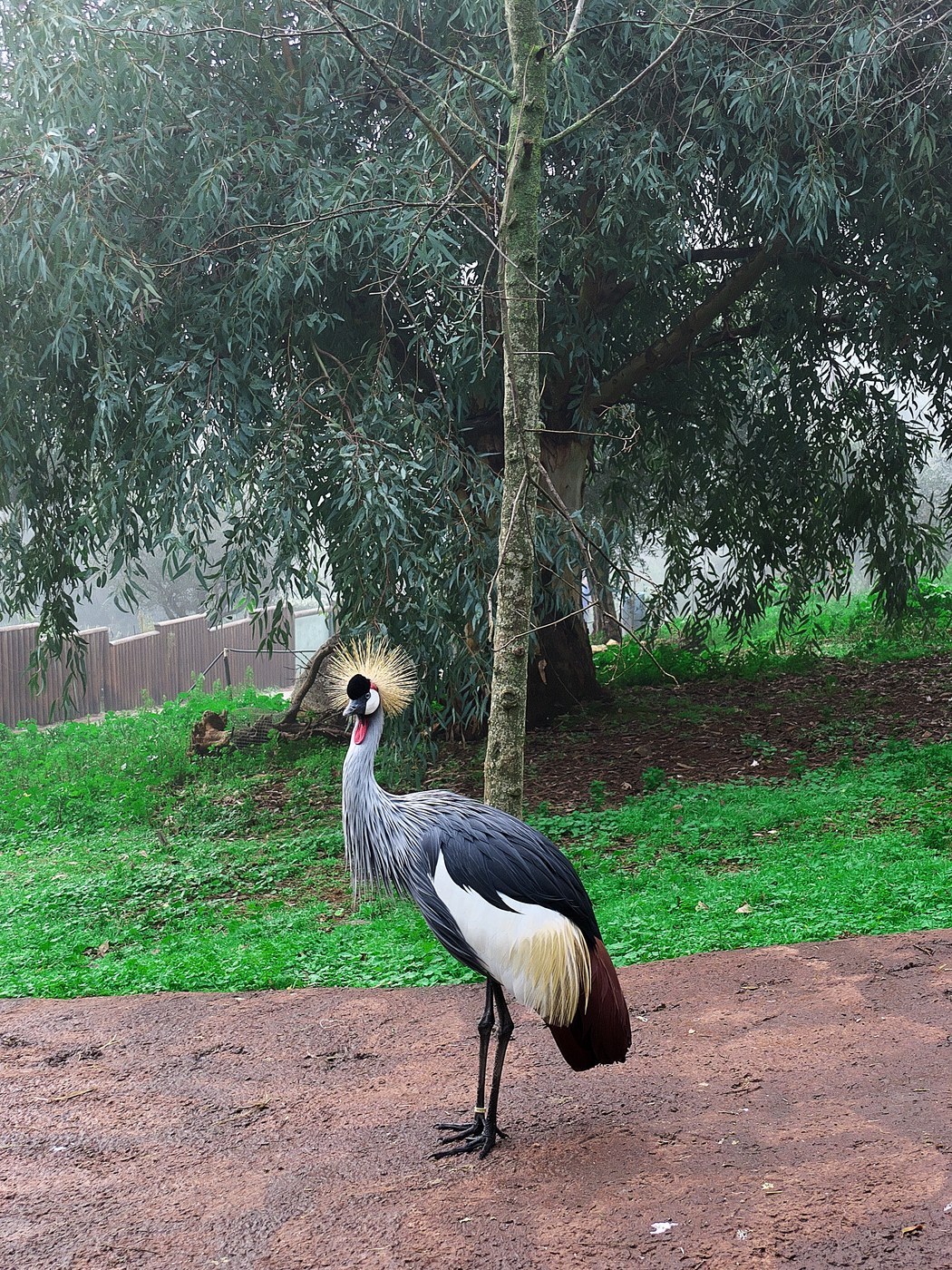
Grey Crowned Crane
Grey body feathers with white wing coverts, chestnut flight feathers, and stiff golden crown bristles
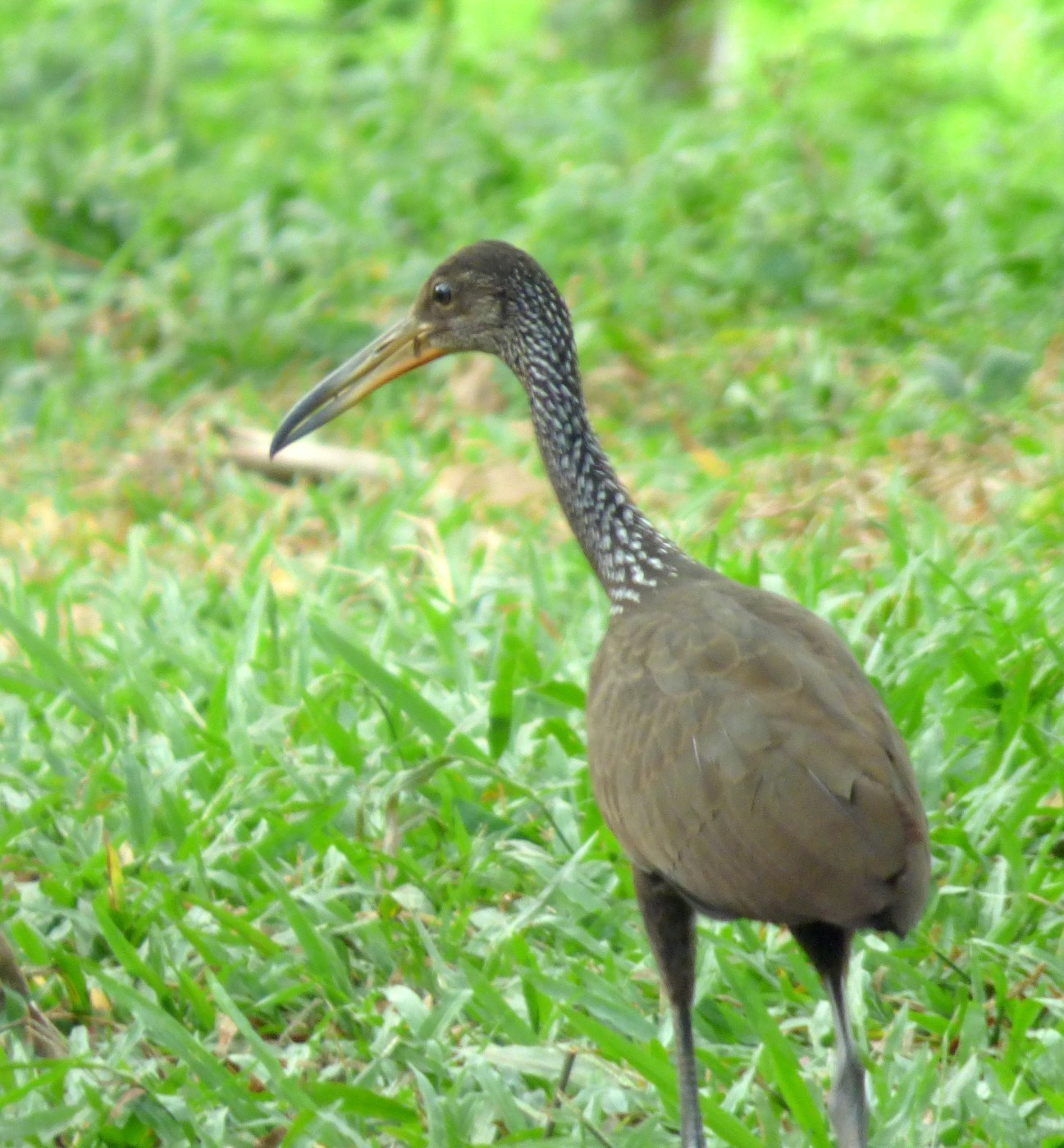
Limpkin
Brown contour feathers with white teardrop-shaped spots and streaks
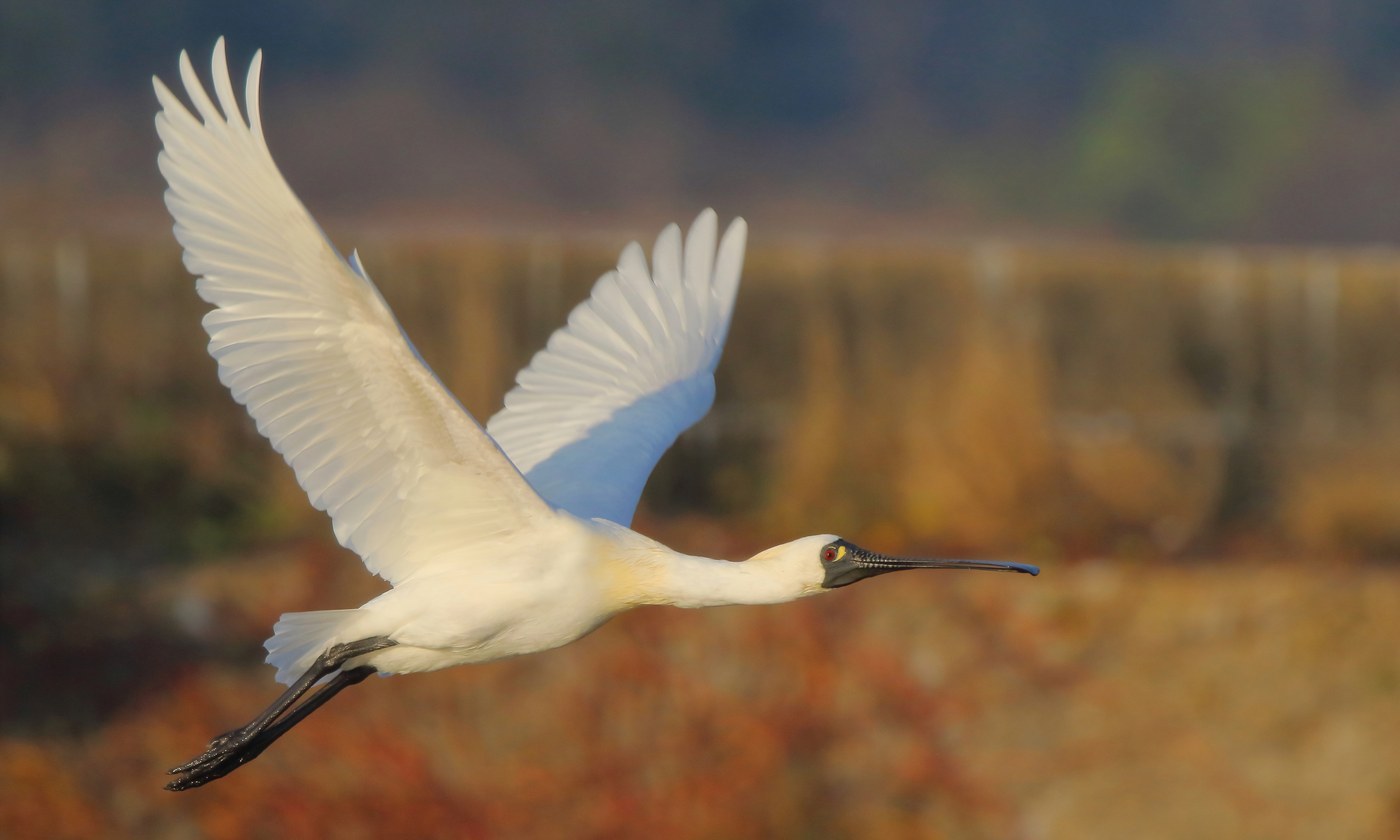
Black-faced Spoonbill
White contour and flight feathers with fine breeding crest and breast plumes
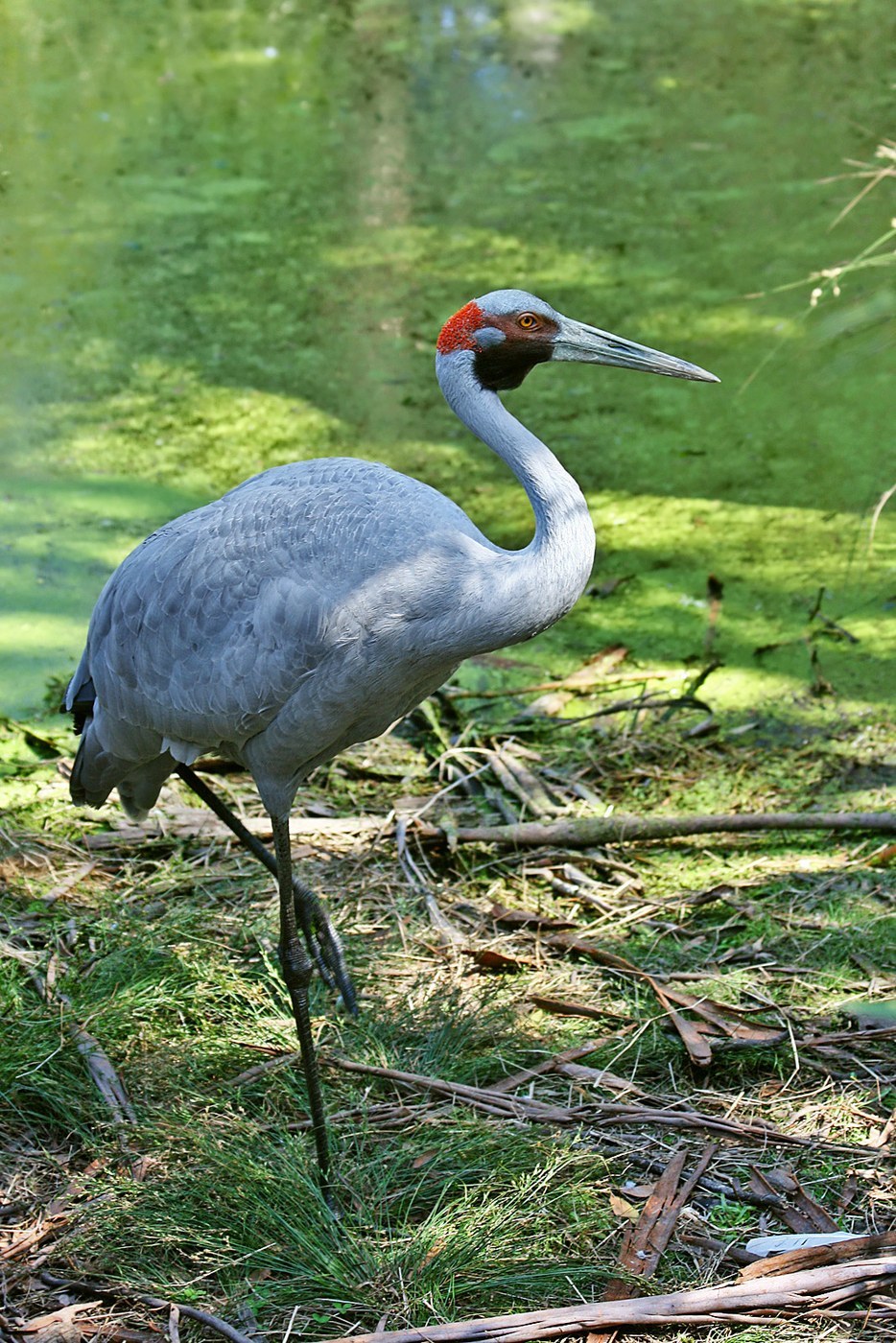
Brolga
Grey contour feathers with drooping bustle plumes
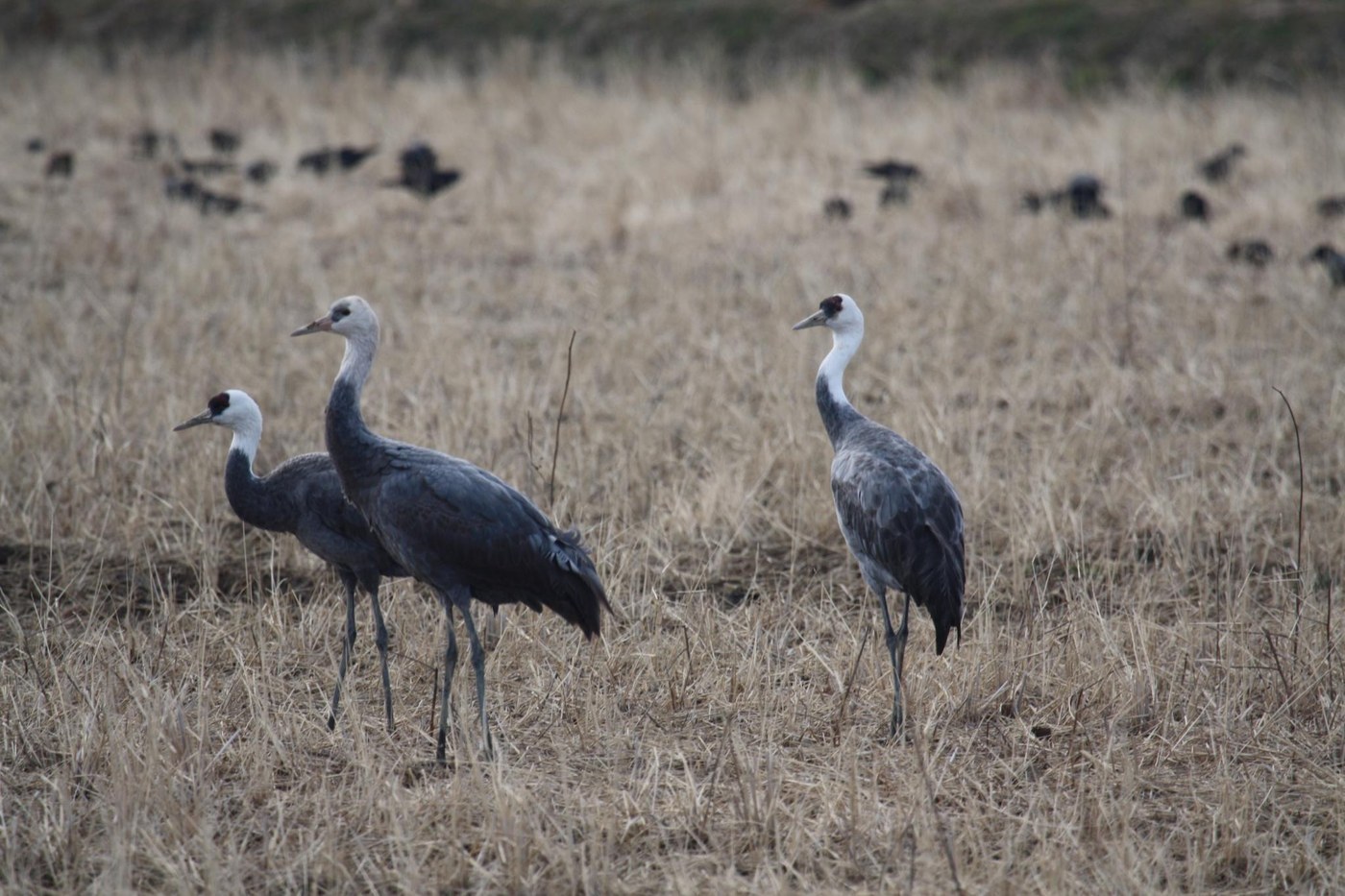
Hooded Crane
Dark slate-grey body feathers with a white head/upper neck 'hood' and black bustle plumes
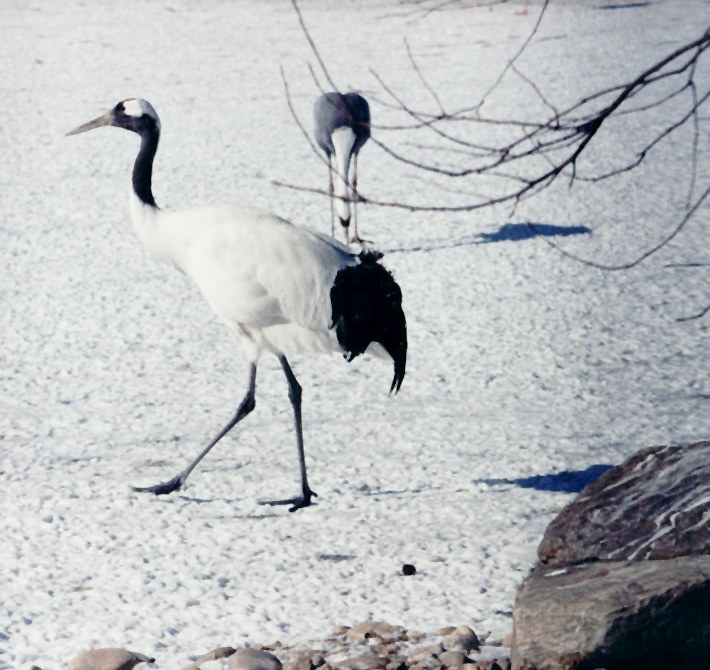
Red-crowned Crane
White contour feathers with black secondary/tertial bustle feathers and a bare red crown

Common Crane
Grey contour feathers with black head/neck feathers and drooping bustle plumes
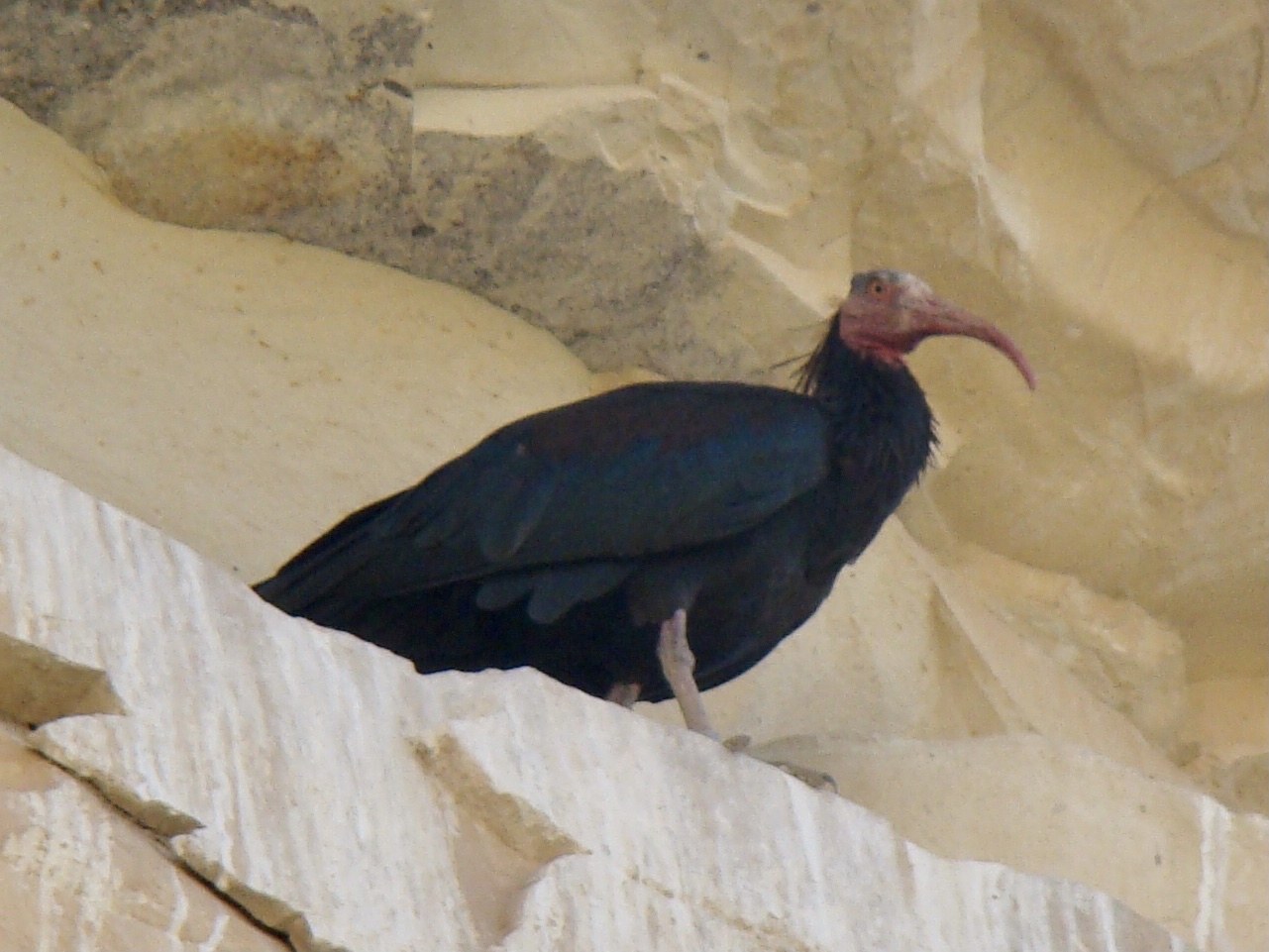
Northern Bald Ibis
Glossy black contour feathers with elongated nape plumes
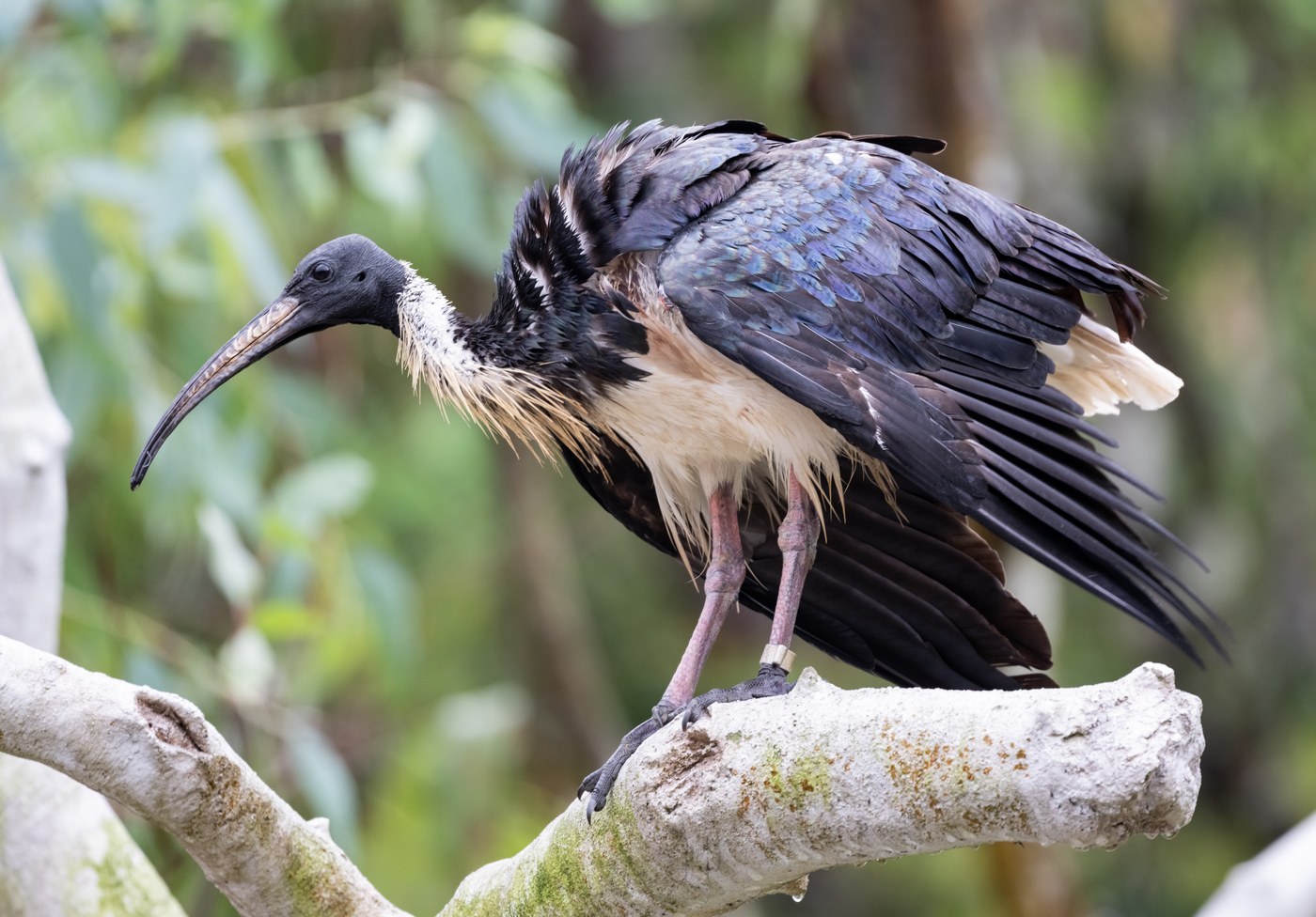
Straw-necked Ibis
Glossy contour feathers with unique straw-like neck plumes
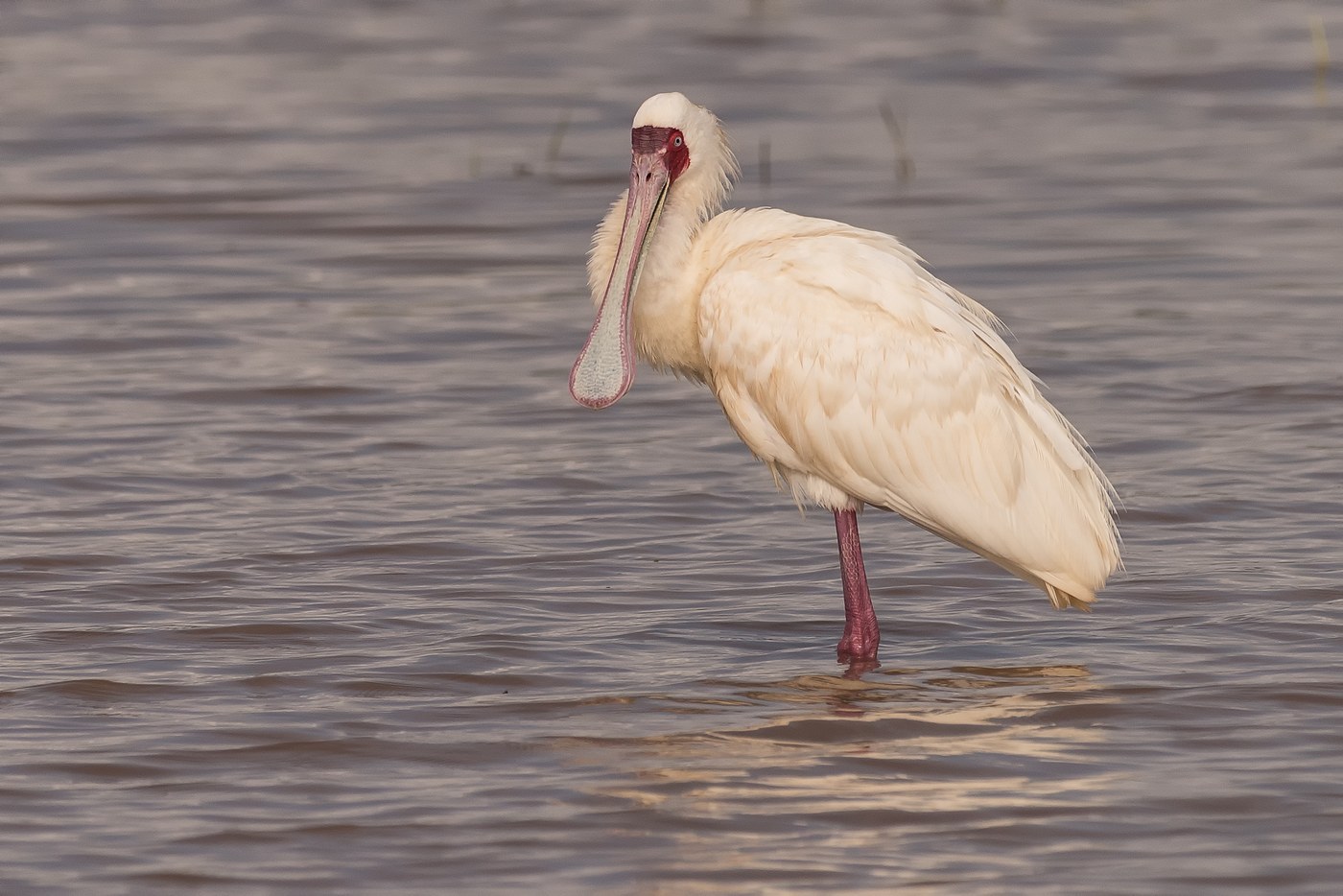
African Spoonbill
White contour and flight feathers, unmarked by black tips

Roseate Spoonbill
Pink and white contour and flight feathers with a carmine shoulder patch