

Roseate Spoonbill
Platalea ajaja
The only pink spoonbill in the world, easily identified by its rosy-pink body plumage, white neck, and spoon-shaped grey bill.
- Feather type
- Pink and white contour and flight feathers with a carmine shoulder patch
- Colours
- Pink body plumage, white neck, and a deep carmine-red shoulder patch in breeding adults
- Bird size
- Large wading bird, ~71-86 cm
Found a feather like this?
Identify any feather from a photo, free.
Overview
The Roseate Spoonbill is unmistakable among wading birds thanks to its pink plumage, a color derived from carotenoid pigments in its crustacean diet, much like flamingos. Found along coastal wetlands from the southeastern United States through the Caribbean and much of South America, its combination of a bare greenish-yellow head, white neck, and pink body makes it one of the easiest large wading birds to identify from a single feather.
Identifying the Feather
- Body feathers range from pale pink to deep rose, generally more intense on the wing coverts and lower body than elsewhere.
- Shoulder (lesser covert) feathers in breeding adults show a distinctive small patch of deep carmine red, brighter than the surrounding pink.
- Neck feathers are white, contrasting with the pink body.
- Flight feathers are pink to pinkish-white, without black tips.
- No other spoonbill species shows pink plumage, so pink coloration alone is generally diagnostic for this species within its range.
Plumage & Molt
Adults have a bare greenish-yellow head, white neck and upper back, pink body and wings, and a small carmine patch on the shoulder, most vivid in breeding condition. Sexes look alike. Juveniles are much paler, washed with pale pink on white, with a fully feathered pale head that only becomes bare as they mature over about three years. Intensity of pink coloration can also vary somewhat with diet and age even among adults. Molt is gradual and not tied to a single sharply defined season across its range.
Habitat & Range
Roseate Spoonbills inhabit coastal marshes, mangrove swamps, tidal flats, and shallow lagoons from the Gulf Coast of the United States through Mexico, Central America, the Caribbean, and much of South America. Populations are generally resident to locally dispersive, with some post-breeding wandering north of the core breeding range rather than true long-distance migration.
Behavior & Field Notes
This spoonbill feeds by sweeping its bill side to side through shallow, often muddy or turbid water to detect small fish, crustaceans, and aquatic invertebrates by touch. It nests colonially in mangroves or coastal shrubs, frequently alongside herons, egrets, and ibises. It is relatively quiet, giving low grunting notes mainly around the nest. Its striking pink color, most vivid in mangrove and coastal habitats, has made it a well-known and popular bird throughout its range.
Frequently asked questions
Why are Roseate Spoonbill feathers pink?
The pink coloration comes from carotenoid pigments obtained from crustaceans in its diet, similar to the source of pink coloration in flamingos.
How can you tell an adult feather from a juvenile feather?
Juvenile feathers are much paler, washed with faint pink on a whiter background, compared to the deeper rose tones of adults.
Is the Roseate Spoonbill the only pink spoonbill species?
Yes, it is the only spoonbill species with pink plumage; all others are white.
Where is the Roseate Spoonbill found?
Coastal wetlands from the southeastern United States through the Caribbean and much of South America.
Roseate Spoonbill guides
In-depth guides for identifying and understanding Roseate Spoonbill.

Roseate Spoonbill identified by the community
Real feathers identified with Feather Identifier.

Other feathers you may enjoy

Yellow-billed Spoonbill
White contour and flight feathers with fine breeding plumes on the back and breast
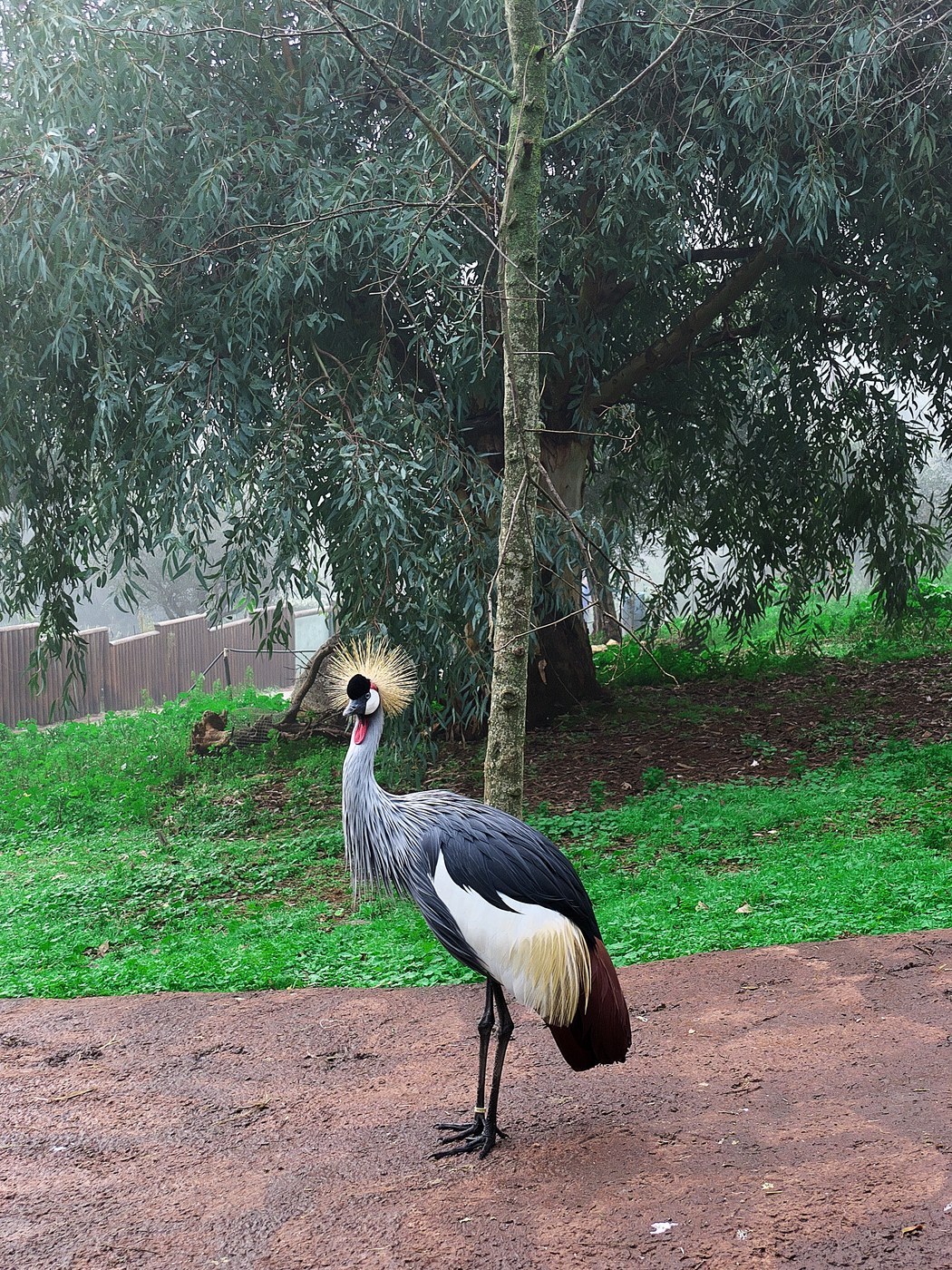
Grey Crowned Crane
Grey body feathers with white wing coverts, chestnut flight feathers, and stiff golden crown bristles
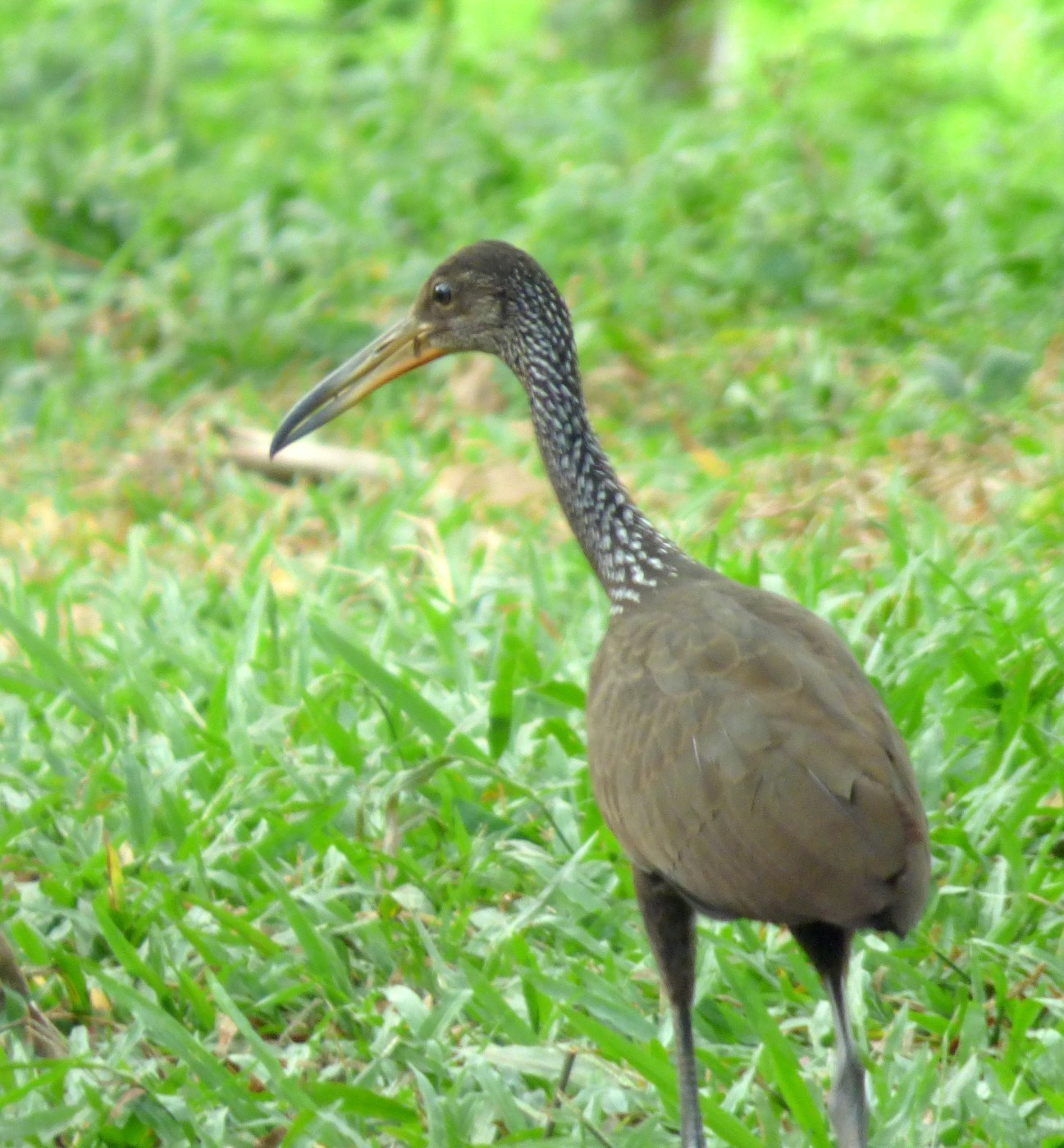
Limpkin
Brown contour feathers with white teardrop-shaped spots and streaks
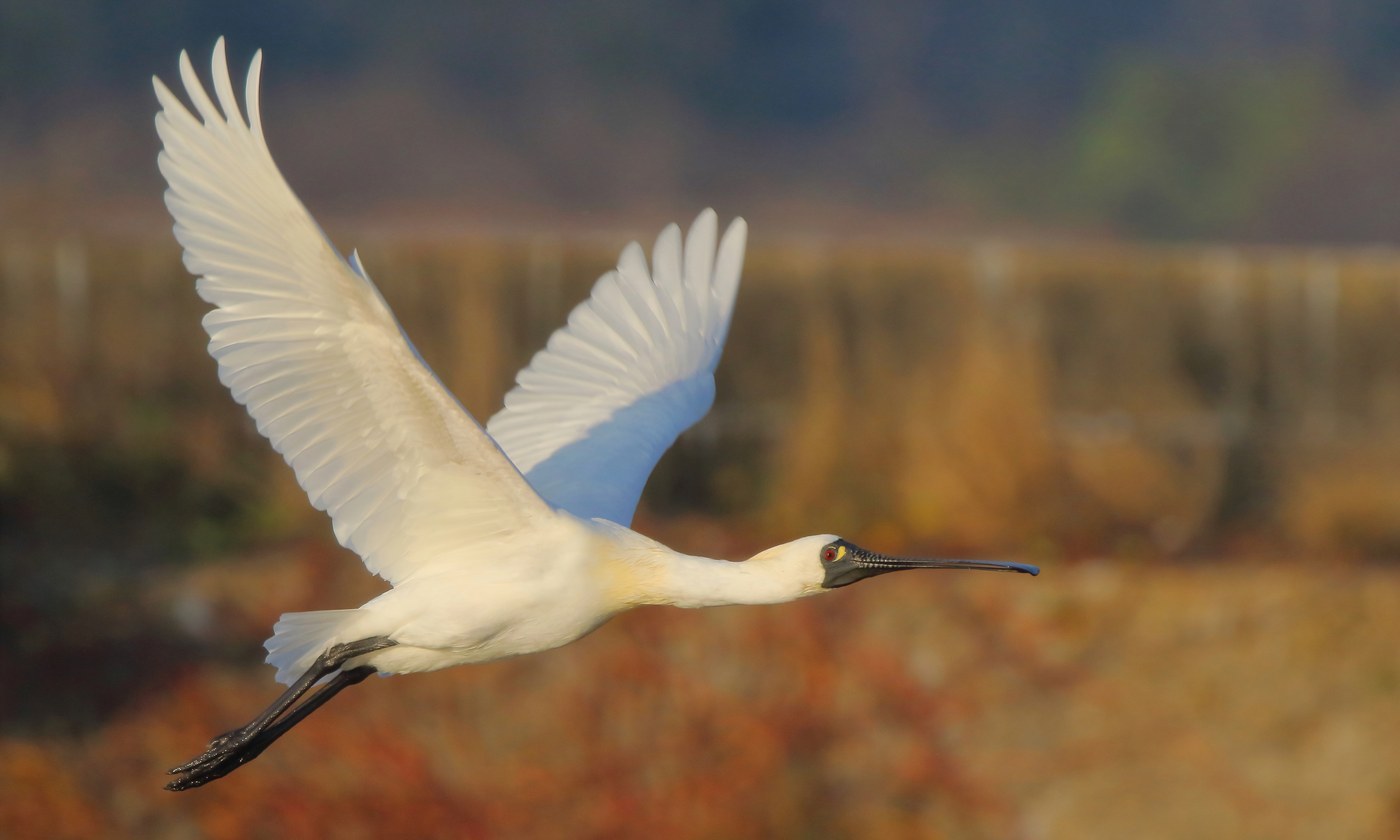
Black-faced Spoonbill
White contour and flight feathers with fine breeding crest and breast plumes
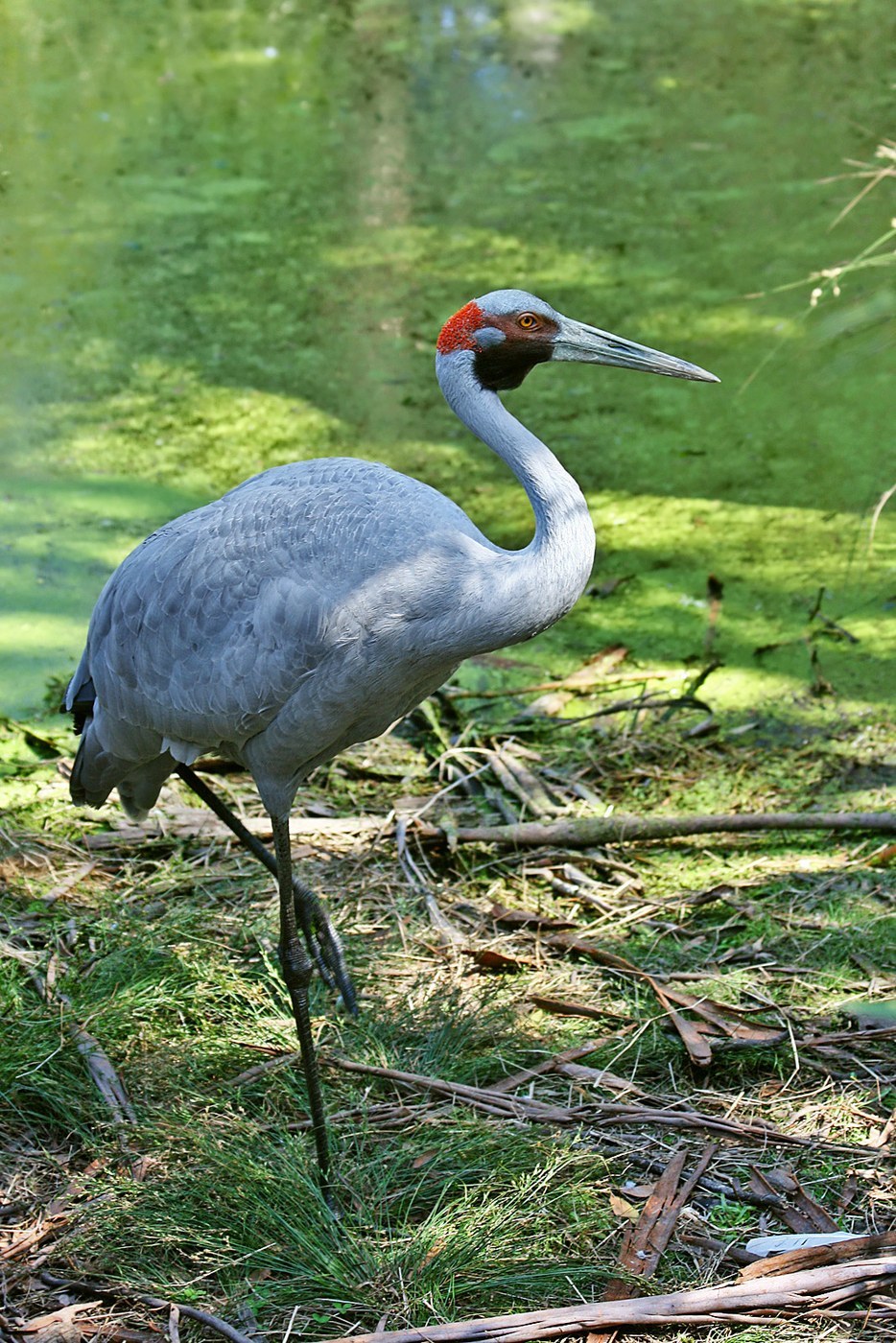
Brolga
Grey contour feathers with drooping bustle plumes
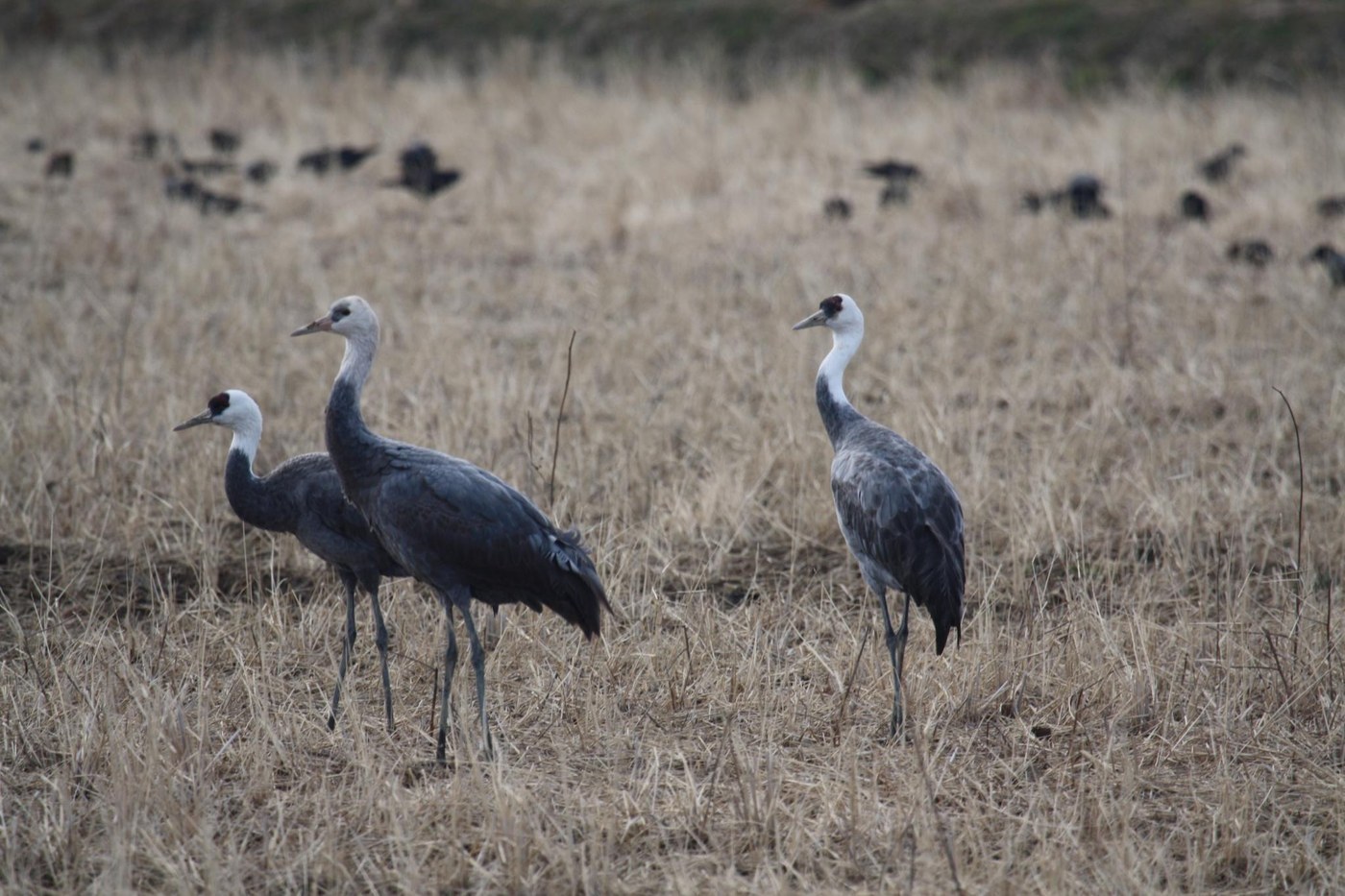
Hooded Crane
Dark slate-grey body feathers with a white head/upper neck 'hood' and black bustle plumes
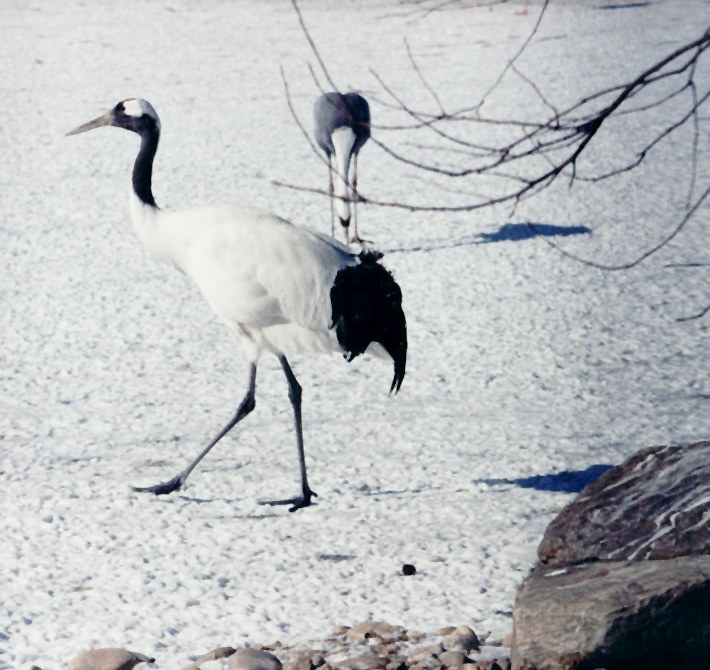
Red-crowned Crane
White contour feathers with black secondary/tertial bustle feathers and a bare red crown

Common Crane
Grey contour feathers with black head/neck feathers and drooping bustle plumes
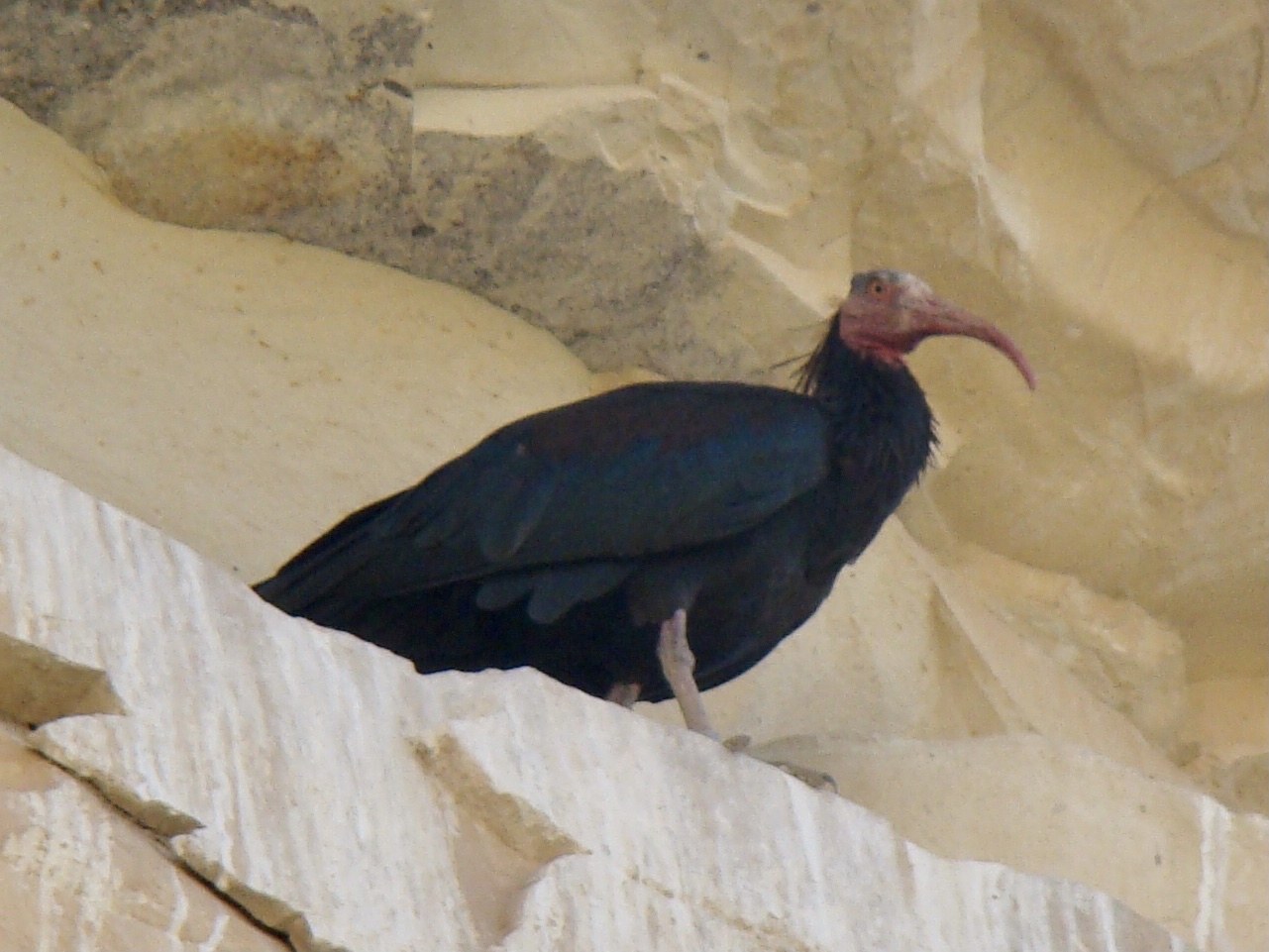
Northern Bald Ibis
Glossy black contour feathers with elongated nape plumes
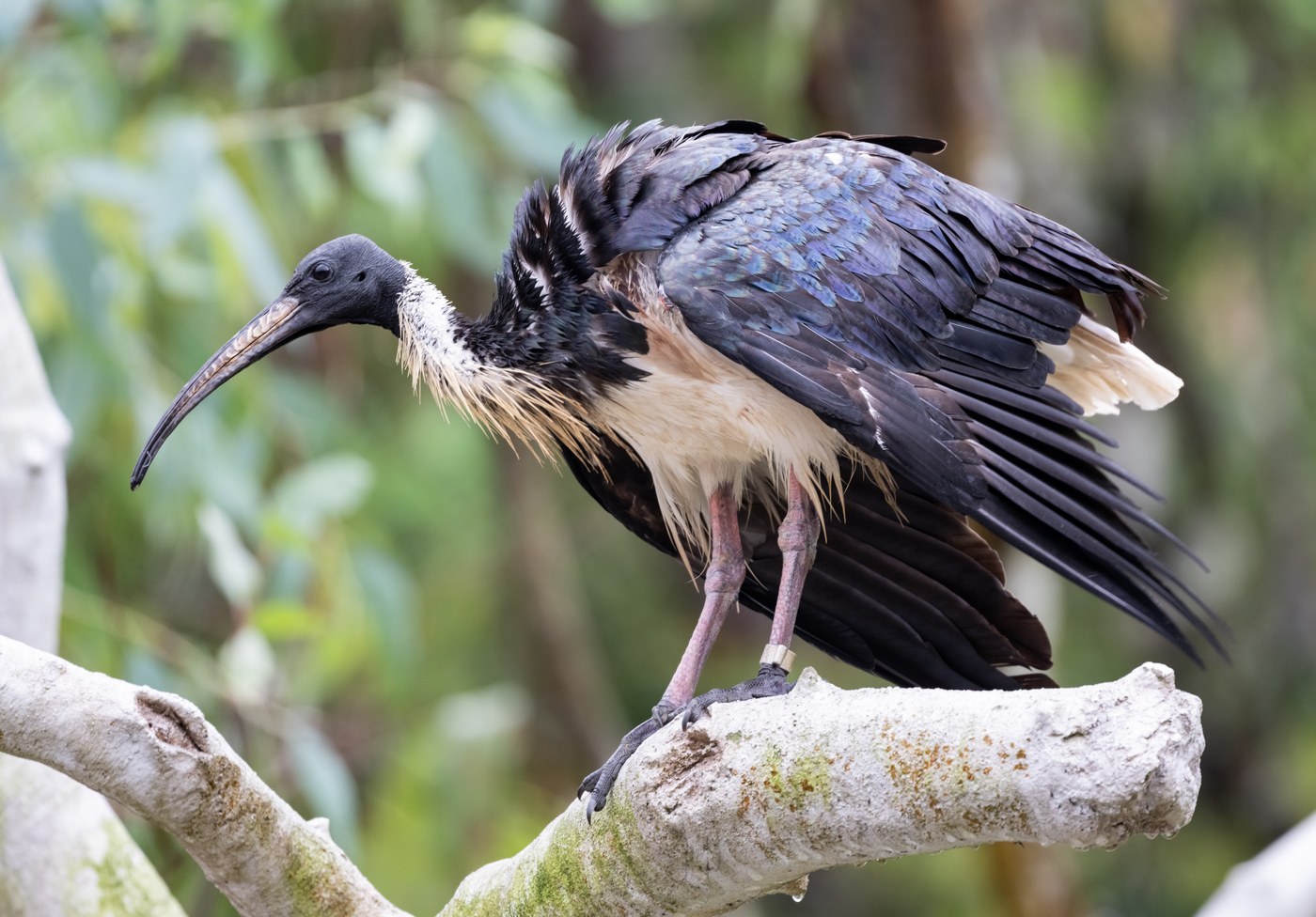
Straw-necked Ibis
Glossy contour feathers with unique straw-like neck plumes
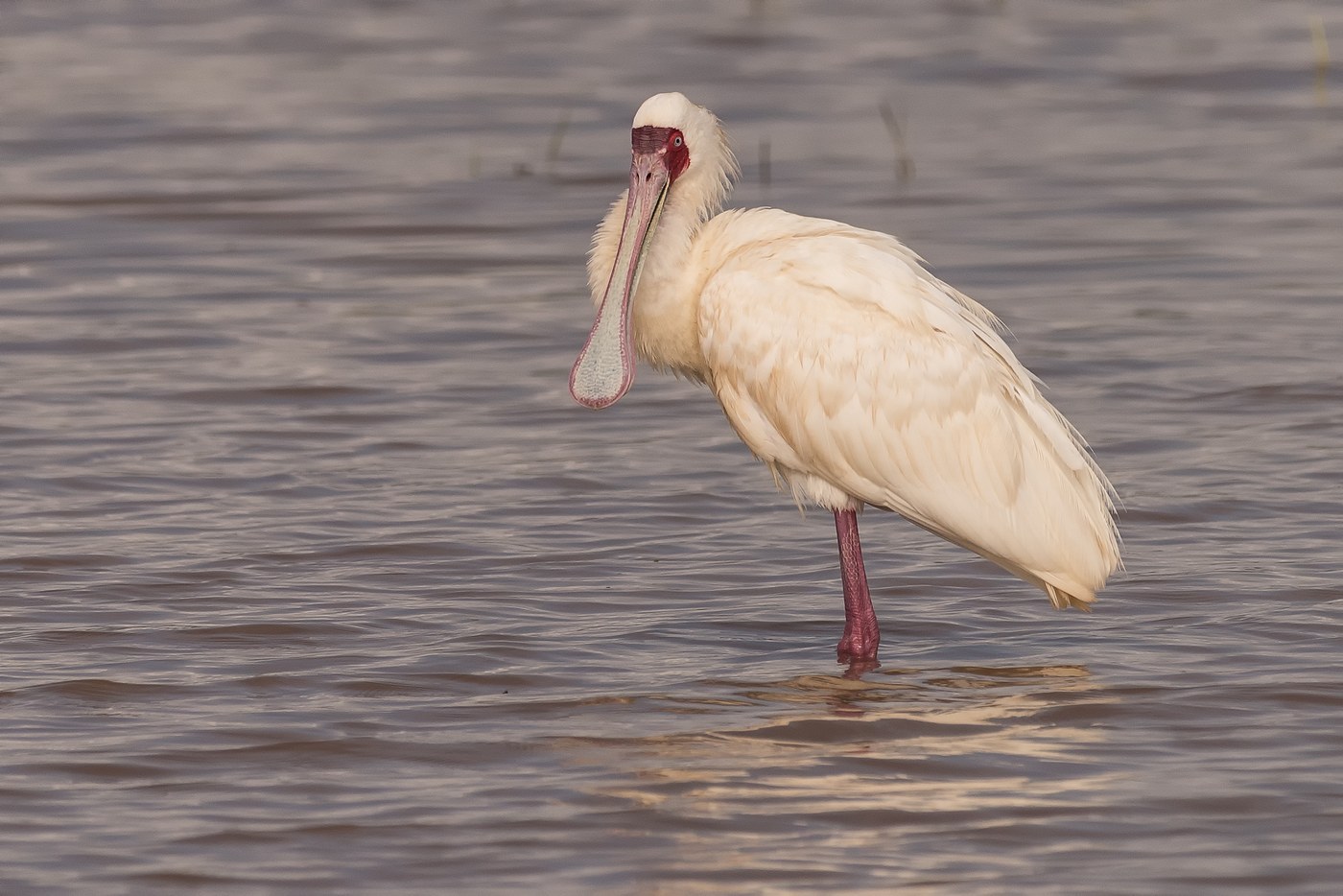
African Spoonbill
White contour and flight feathers, unmarked by black tips
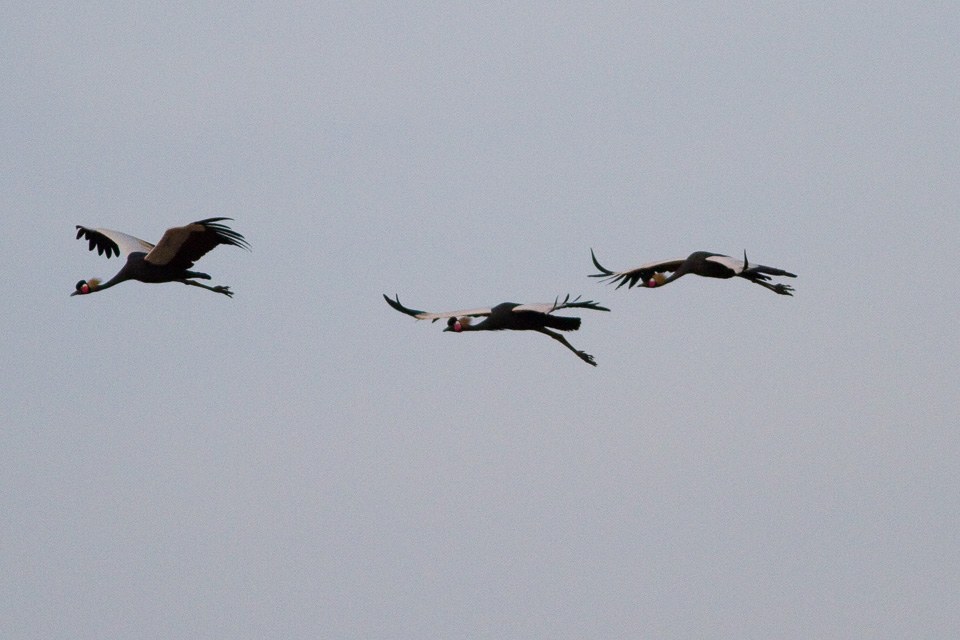
Black Crowned Crane
Dark grey-black body feathers with white wing coverts, chestnut flight feathers, and stiff golden crown bristles