
Red-crowned Crane
Grus japonensis
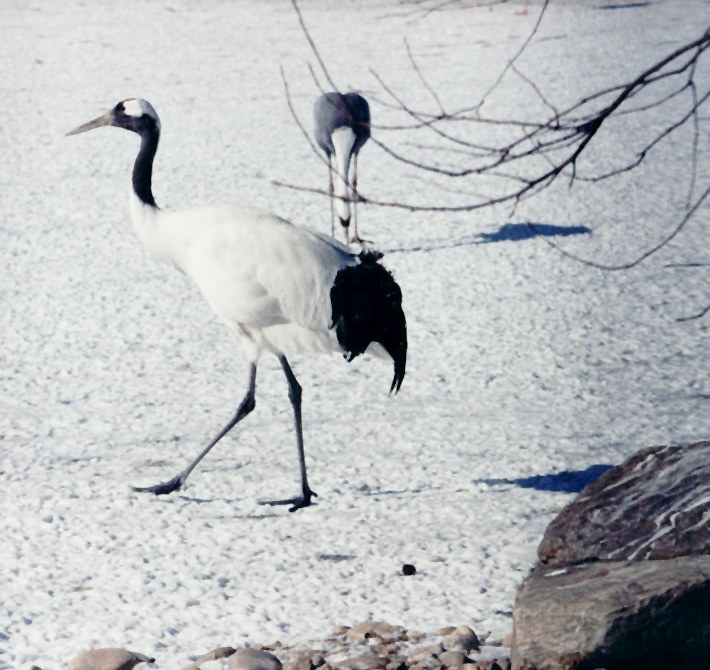
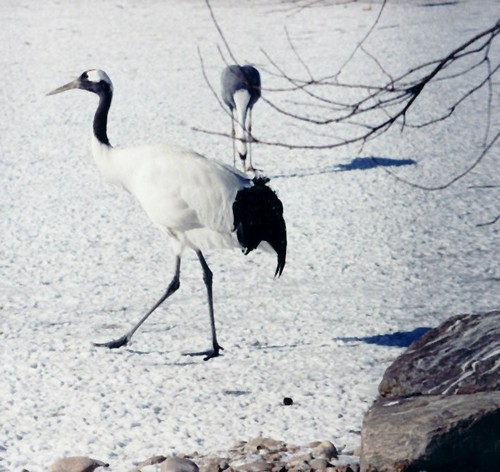
One of the rarest cranes in the world, a large white East Asian crane with a black neck, a bare red crown, and elongated black secondary feathers that form a false 'tail' over its true white tail.
- Feather type
- White contour feathers with black secondary/tertial bustle feathers and a bare red crown
- Colours
- White overall with a black neck, black trailing bustle feathers, and a red crown patch
- Bird size
- One of the largest and heaviest cranes, ~150-158 cm tall
Found a feather like this?
Identify any feather from a photo, free.
Overview
The Red-crowned Crane is among the largest and rarest cranes in the world, found in a limited number of wetland areas across Japan, mainland China, the Korean Peninsula, and eastern Russia. Its white body plumage is offset by a black neck and a bare patch of red skin on the crown, while elongated black secondary and tertial feathers droop over the tail, creating the illusion of a black tail even though the true tail feathers are white.
Identifying the Feather
- Body feathers are white, generally cleaner-toned than the sometimes rust-stained feathers of the Sandhill Crane.
- Secondary and tertial (bustle) feathers are black and notably elongated, drooping over the true white tail to create the appearance of a black tail on a standing bird - a key identification feature.
- Neck feathers are black, contrasting with the white body, distinct from the black-and-white striped neck pattern of the Common Crane.
- The bare red crown patch interrupts feathering at the top of the head.
- Distinguish from the Whooping Crane (which has black wingtip primaries rather than a black neck and bustle) and from the White-naped Crane (which has a grey rather than white body).
Plumage & Molt
Adults are white overall with a black neck, black elongated secondary/tertial bustle feathers overlying the true white tail, and a bare red crown patch. Sexes look alike, with males averaging slightly larger. Juveniles are washed with cinnamon-brown over the white plumage and have a feathered head lacking the bare red crown, developing full adult plumage and bare skin over their first couple of years. Molt follows breeding, with adults undergoing a flightless period during wing molt.
Habitat & Range
Red-crowned Cranes breed in wetlands of eastern Russia, northeastern China, and Hokkaido, Japan, with the Japanese population largely resident year-round due to supplemental winter feeding programs, while continental populations migrate to wintering wetlands in China and the Korean Peninsula, including the Demilitarized Zone area. It is considered one of the rarest crane species due to its small, fragmented population.
Behavior & Field Notes
This crane forages in wetlands and adjacent fields for a varied diet including aquatic plants, grains, fish, and small invertebrates. It nests on the ground in extensive marsh vegetation, laying a small clutch. Its call is a loud, resonant trumpeting duet performed by paired birds, produced with the aid of an elongated, coiled windpipe. It is renowned for elaborate dancing displays and has held deep cultural significance across East Asia for centuries, with dedicated conservation programs supporting its remaining wild populations.
Frequently asked questions
How can you identify a Red-crowned Crane feather?
Look for white body feathers combined with black neck feathers and elongated black bustle feathers, plus a bare red crown patch if head feathers are present.
Why does the Red-crowned Crane appear to have a black tail?
Its elongated black secondary and tertial feathers droop over the true white tail feathers, creating the illusion of an all-black tail on a standing bird.
How is it different from the Whooping Crane?
The Whooping Crane has black wingtip primaries and a white neck, while the Red-crowned Crane has a black neck and its black feathers are on the secondaries/tertials rather than the primaries.
Is the Red-crowned Crane migratory?
Some continental populations migrate between Russia/China breeding areas and wintering wetlands, while the Japanese population is largely resident.
Red-crowned Crane guides
In-depth guides for identifying and understanding Red-crowned Crane.
Red-crowned Crane identified by the community
Real feathers identified with Feather Identifier.

Other feathers you may enjoy

Yellow-billed Spoonbill
White contour and flight feathers with fine breeding plumes on the back and breast
Grey Crowned Crane
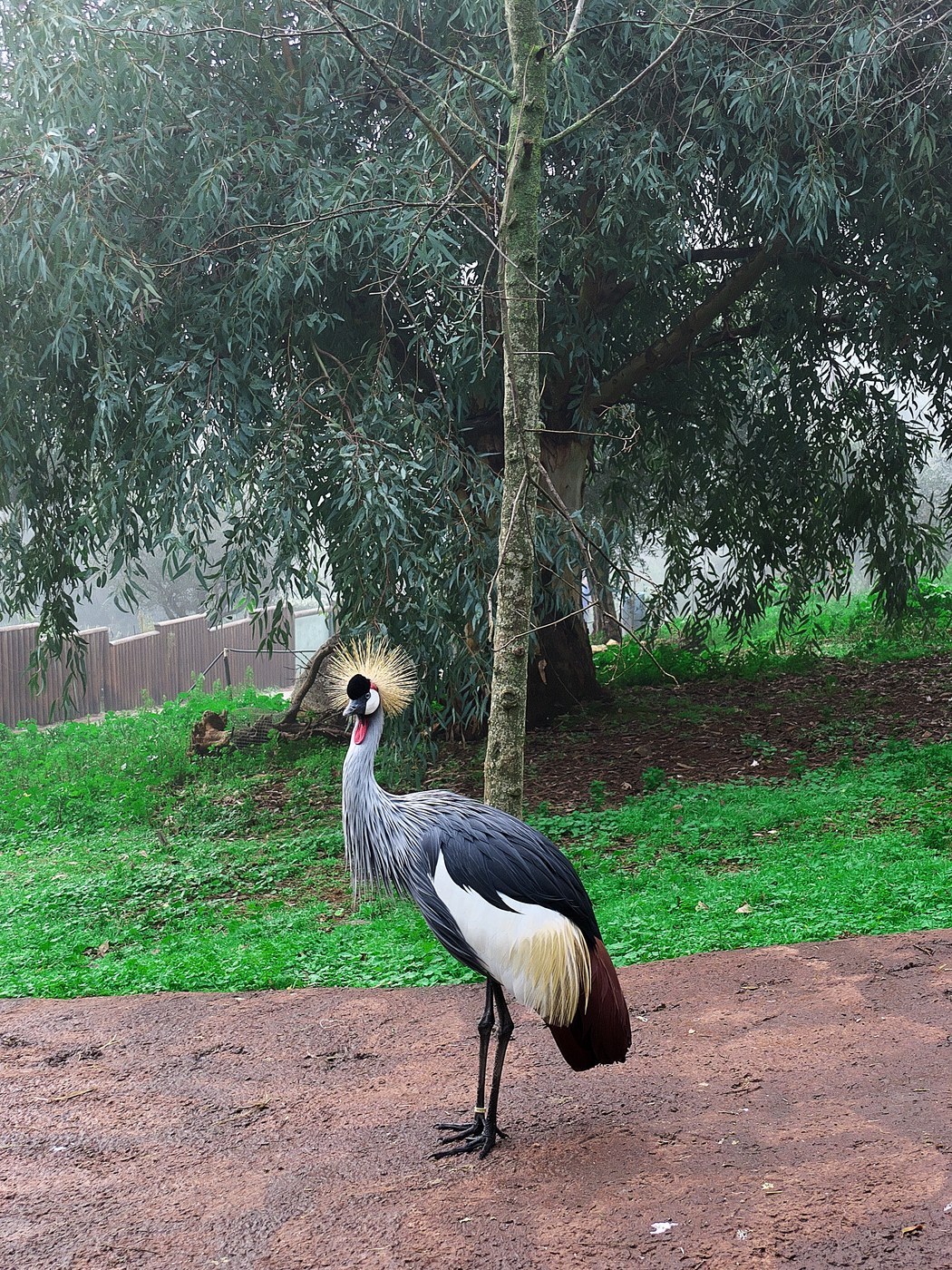
Grey body feathers with white wing coverts, chestnut flight feathers, and stiff golden crown bristles
Limpkin
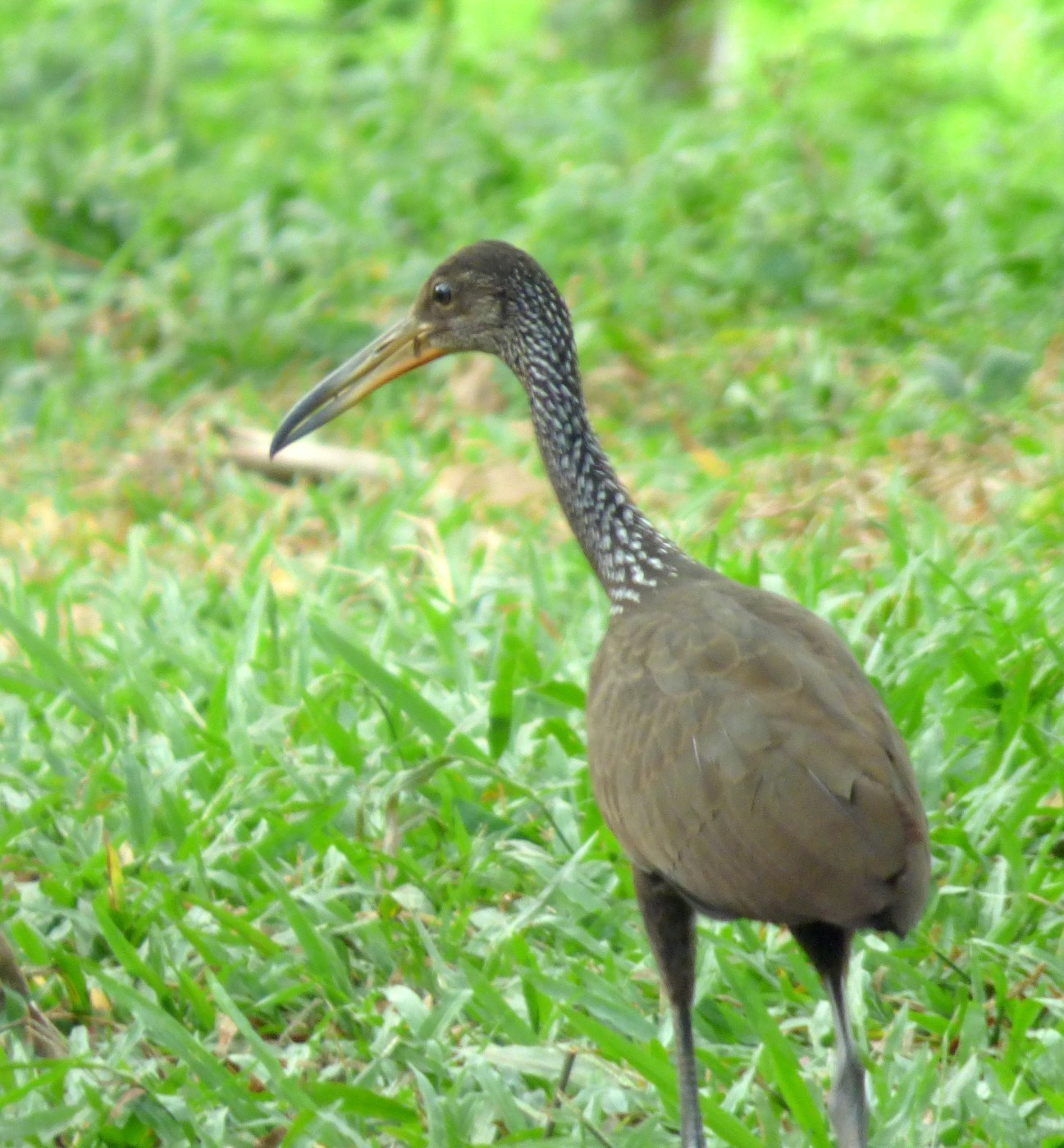
Brown contour feathers with white teardrop-shaped spots and streaks
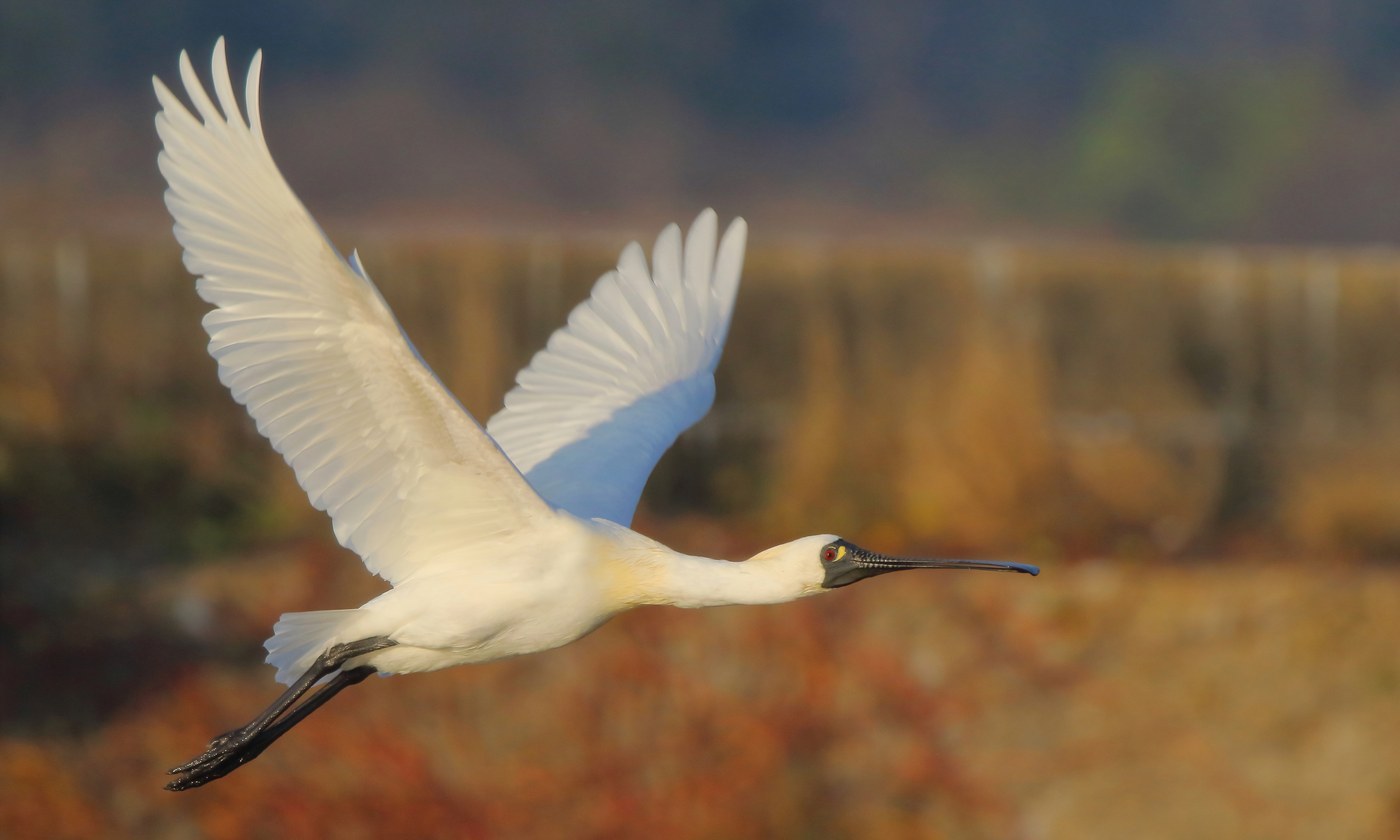
Black-faced Spoonbill
White contour and flight feathers with fine breeding crest and breast plumes
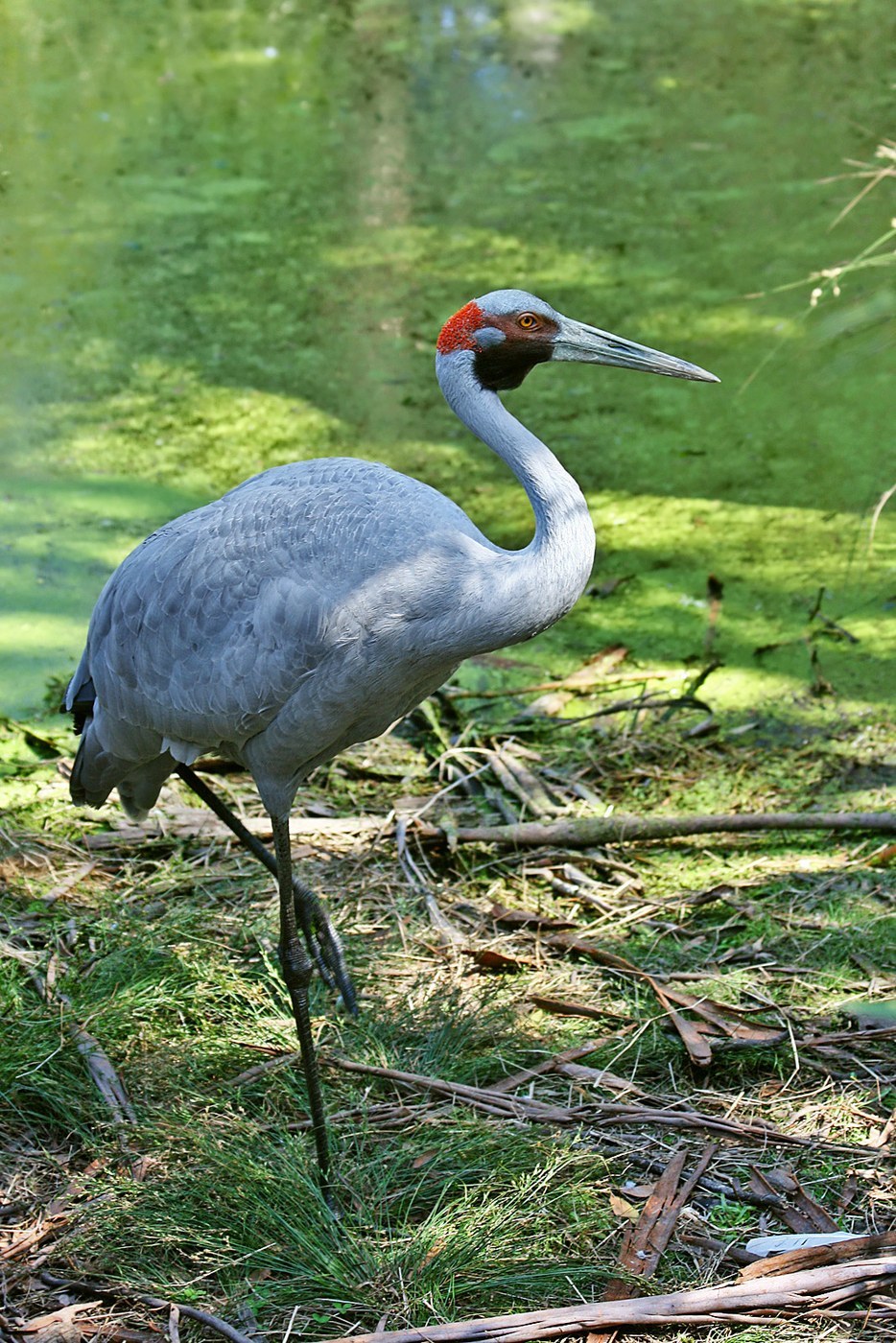
Brolga
Grey contour feathers with drooping bustle plumes
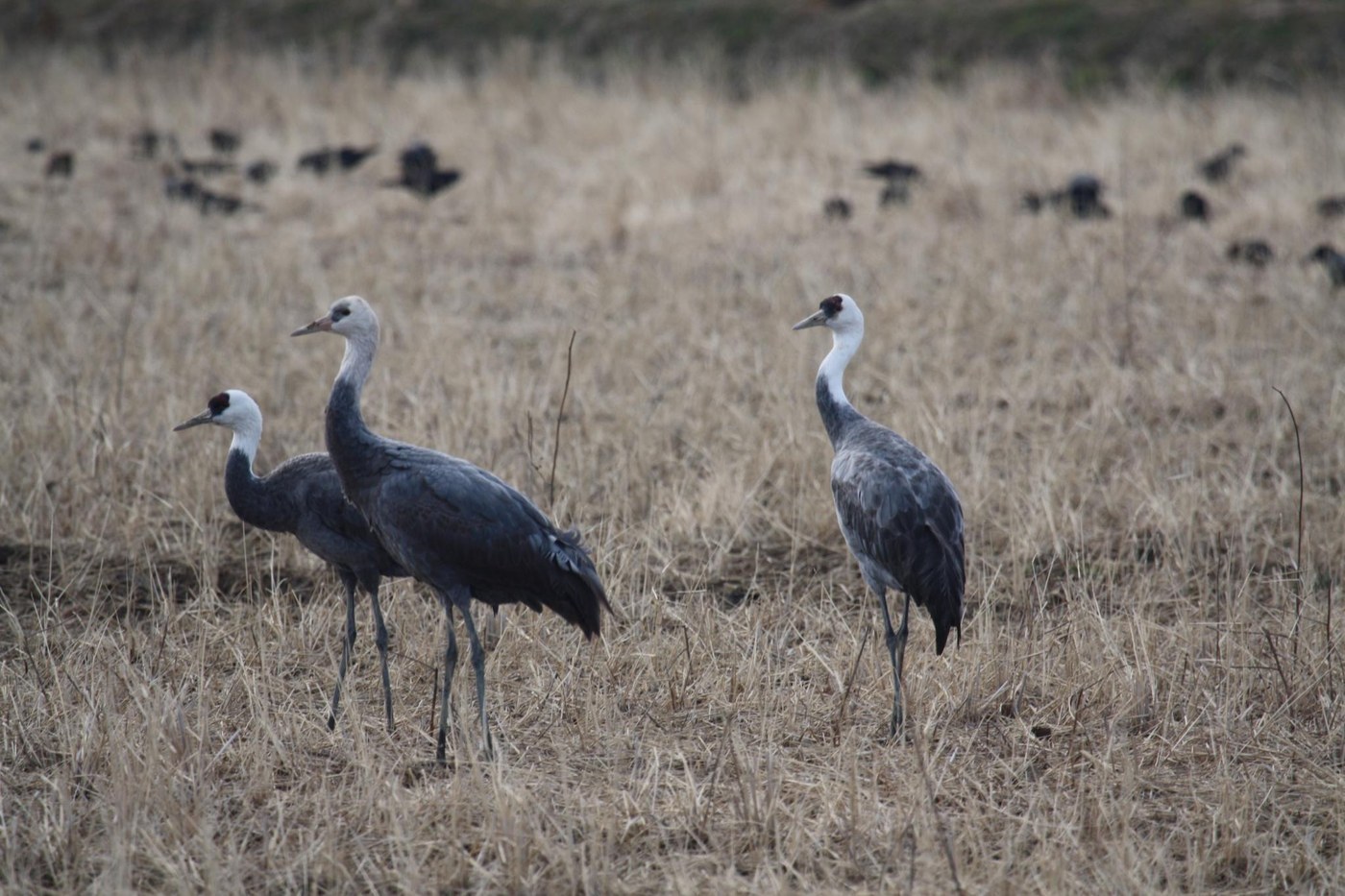
Hooded Crane
Dark slate-grey body feathers with a white head/upper neck 'hood' and black bustle plumes

Common Crane
Grey contour feathers with black head/neck feathers and drooping bustle plumes
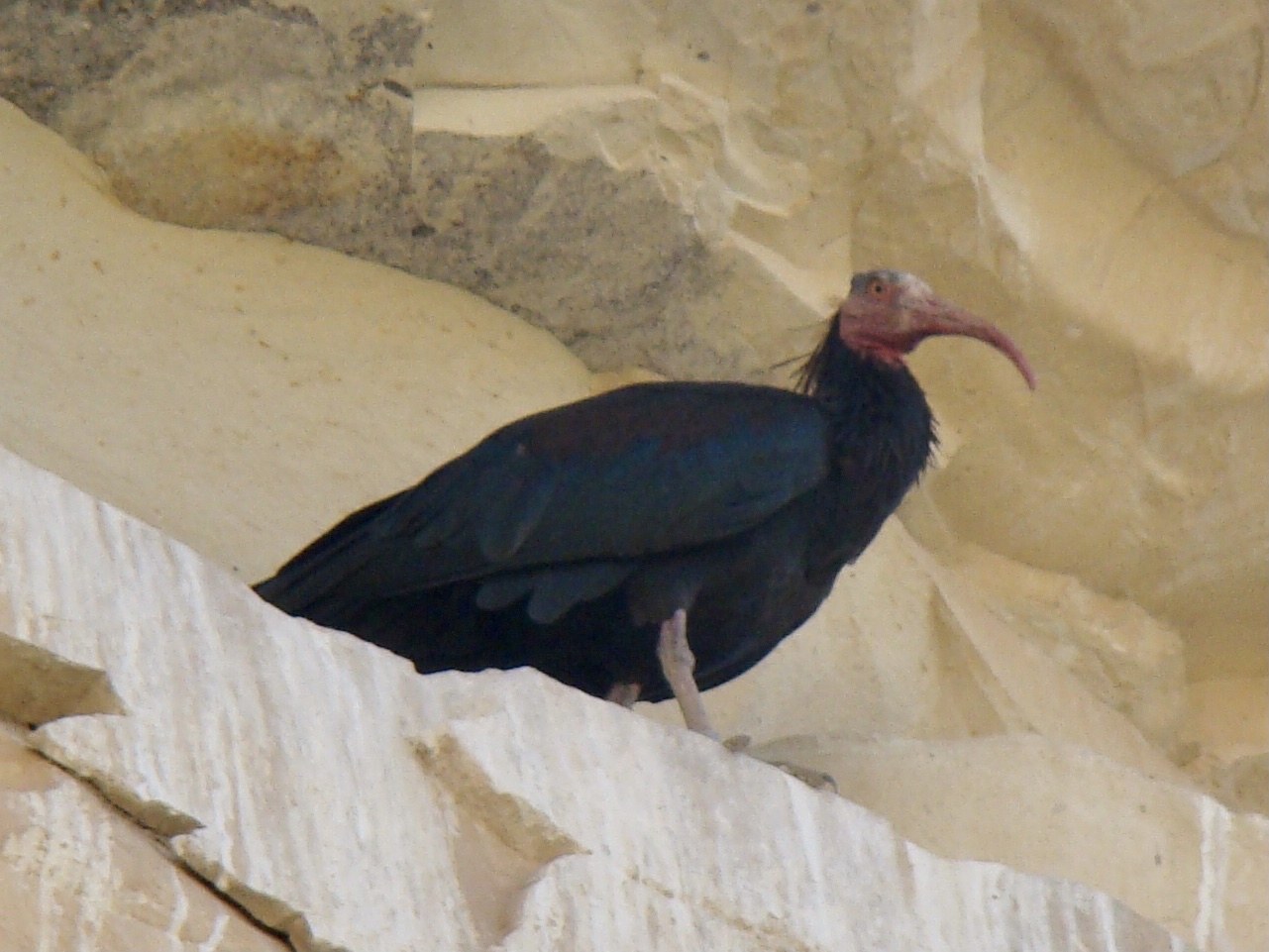
Northern Bald Ibis
Glossy black contour feathers with elongated nape plumes
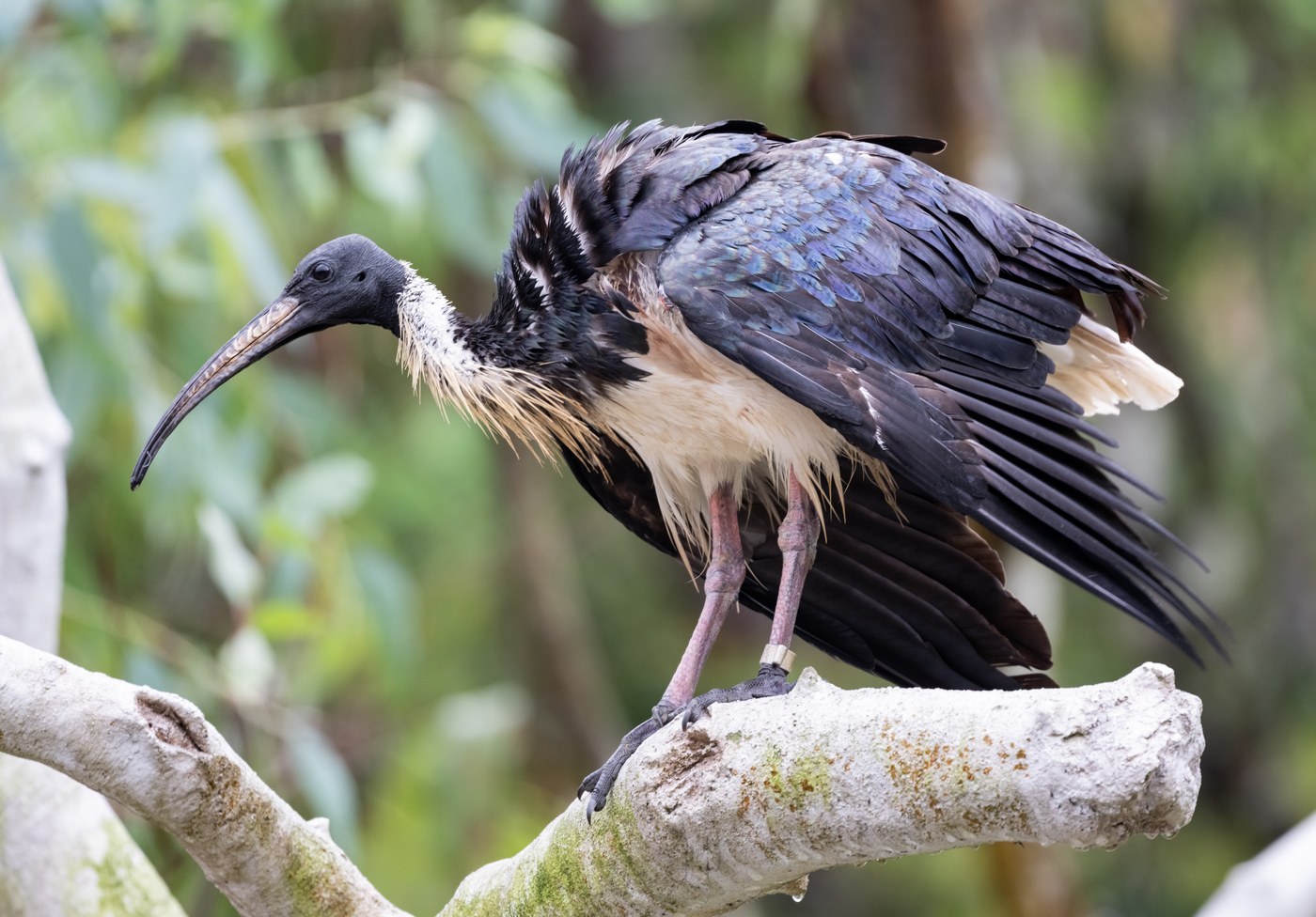
Straw-necked Ibis
Glossy contour feathers with unique straw-like neck plumes
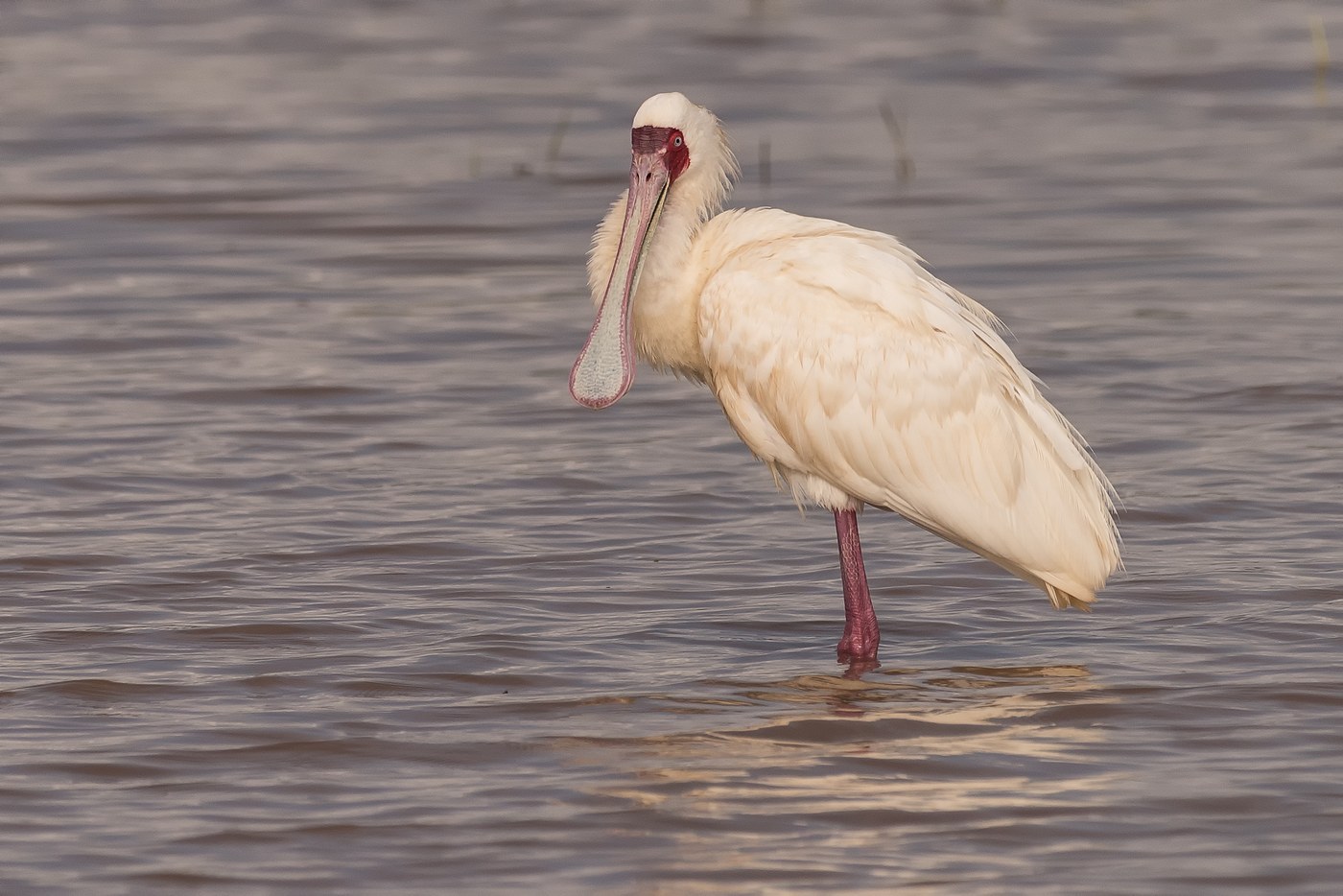
African Spoonbill
White contour and flight feathers, unmarked by black tips

Roseate Spoonbill
Pink and white contour and flight feathers with a carmine shoulder patch
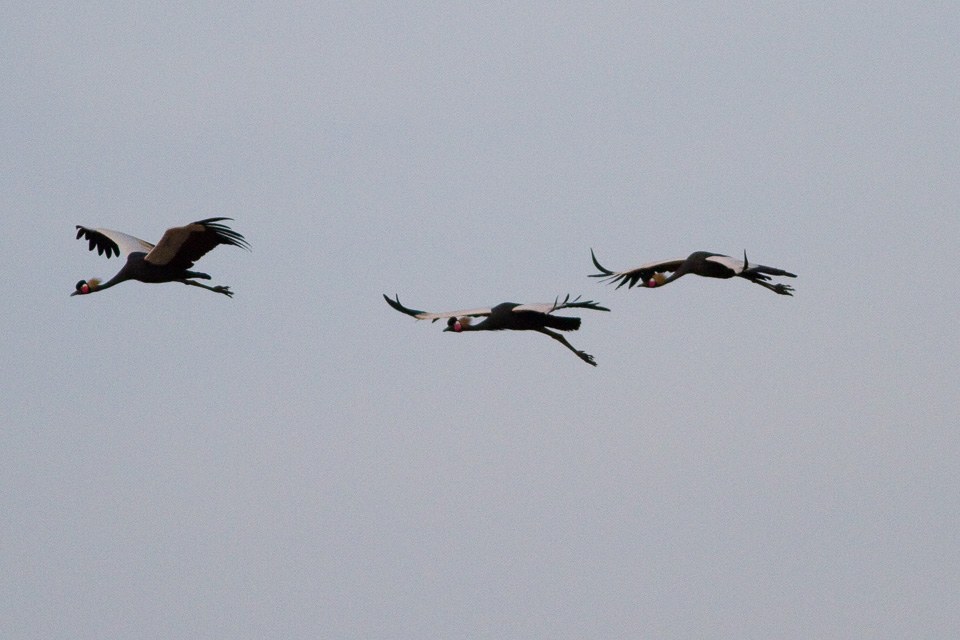
Black Crowned Crane
Dark grey-black body feathers with white wing coverts, chestnut flight feathers, and stiff golden crown bristles