
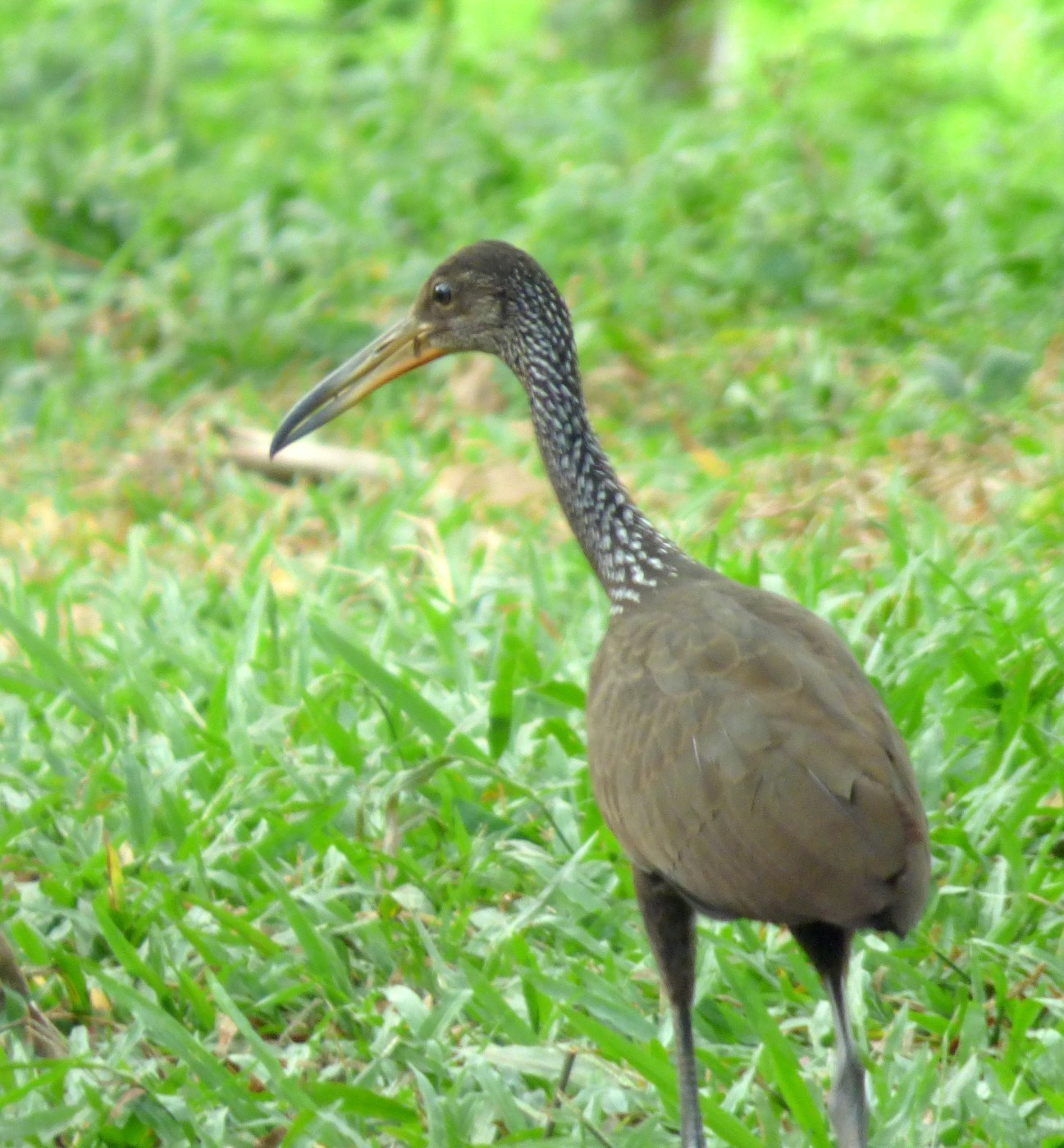
Limpkin
Aramus guarauna
A brown, white-spotted wading bird related to both rails and cranes, known for its loud, wailing calls and long, slightly downcurved bill.
- Feather type
- Brown contour feathers with white teardrop-shaped spots and streaks
- Colours
- Olive-brown overall with white spotting and streaking
- Bird size
- Medium-large wading bird, ~64-73 cm
Found a feather like this?
Identify any feather from a photo, free.
Overview
The Limpkin occupies a unique place among wading birds, belonging to its own family that is most closely related to rails and cranes rather than to herons or ibises. Found in freshwater wetlands from the southeastern United States through Central America, the Caribbean, and much of South America, it is best known for its loud, far-carrying wailing calls, often heard at night, and for its distinctive brown plumage marked with bold white teardrop-shaped spots and streaks.
Identifying the Feather
- Body feathers are olive-brown overall, marked with prominent white teardrop-shaped or elongated spots, especially dense on the neck, back, and wing coverts.
- Flight feathers are darker brown with reduced or absent white spotting compared to the body feathers.
- Feather shape is broad and rounded, similar in general structure to other large wading bird contour feathers, without the fine plume-like extensions seen in egrets or the elongated bustle feathers of cranes.
- The combination of brown ground color with bold white spotting is distinctive and not closely matched by any co-occurring wading bird in most of its range.
- Distinguish from immature night-herons, which show more diffuse pale streaking rather than crisp, bold white spots.
Plumage & Molt
Adults are olive-brown with bold white teardrop-shaped spots and streaks concentrated on the neck, back, and wing coverts, a long, slightly downcurved bill, and long grey-green legs. Sexes look alike. Juveniles resemble adults but with slightly less crisp spotting, developing full adult patterning within their first year. Molt is not sharply seasonal across the species' broad subtropical to tropical range.
Habitat & Range
Limpkins are found from Florida and the Gulf Coast of the United States through Mexico, Central America, the Caribbean, and much of South America, favoring freshwater marshes, swamps, and wetland edges with dense vegetation. Most populations are resident, without long-distance migration, though local movements can occur in response to changing water levels.
Behavior & Field Notes
This bird forages by probing wetland vegetation and shallow water for freshwater snails and other aquatic invertebrates, using its long bill to extract prey with notable precision. It nests on the ground or in low vegetation near water, or occasionally in low trees, building a platform nest. Its call is a loud, wailing scream, often given at night or dawn, that carries over long distances across wetlands and has made it one of the most recognizable wetland voices in its range. Its unusual taxonomic position, combining features reminiscent of both rails and cranes, reflects its status as the sole member of its family.
Frequently asked questions
How can you identify a Limpkin feather?
Look for olive-brown body feathers marked with bold white teardrop-shaped spots and streaks, especially on the neck and back.
Is the Limpkin closely related to cranes or herons?
It is most closely related to rails and cranes, forming its own unique family rather than belonging to the heron or ibis families.
What is the Limpkin best known for?
Its loud, wailing call, often heard at night across freshwater wetlands.
Is the Limpkin migratory?
No, it is generally resident, with only local movements tied to water levels.
Limpkin guides
In-depth guides for identifying and understanding Limpkin.
Other feathers you may enjoy

Yellow-billed Spoonbill
White contour and flight feathers with fine breeding plumes on the back and breast
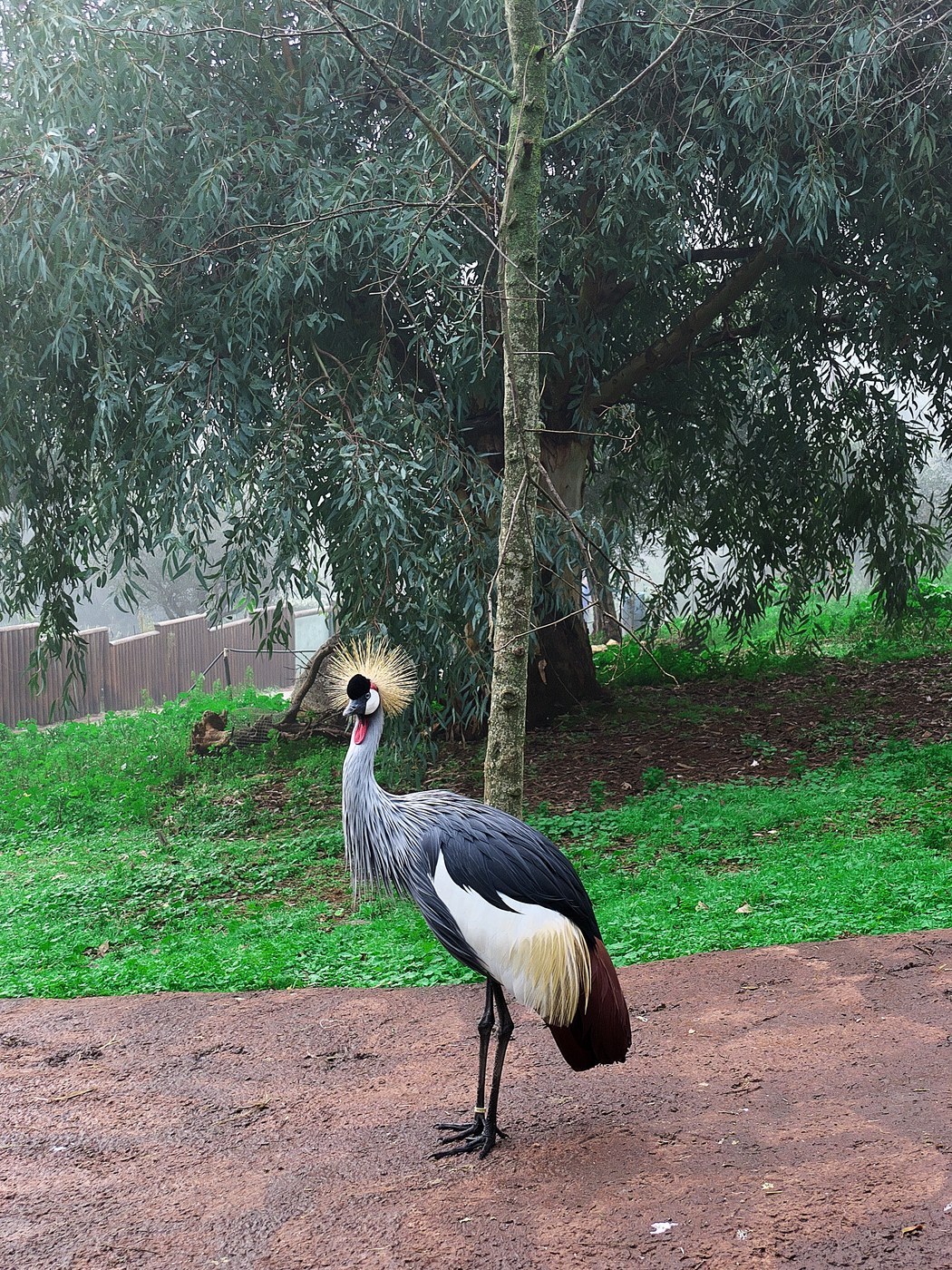
Grey Crowned Crane
Grey body feathers with white wing coverts, chestnut flight feathers, and stiff golden crown bristles
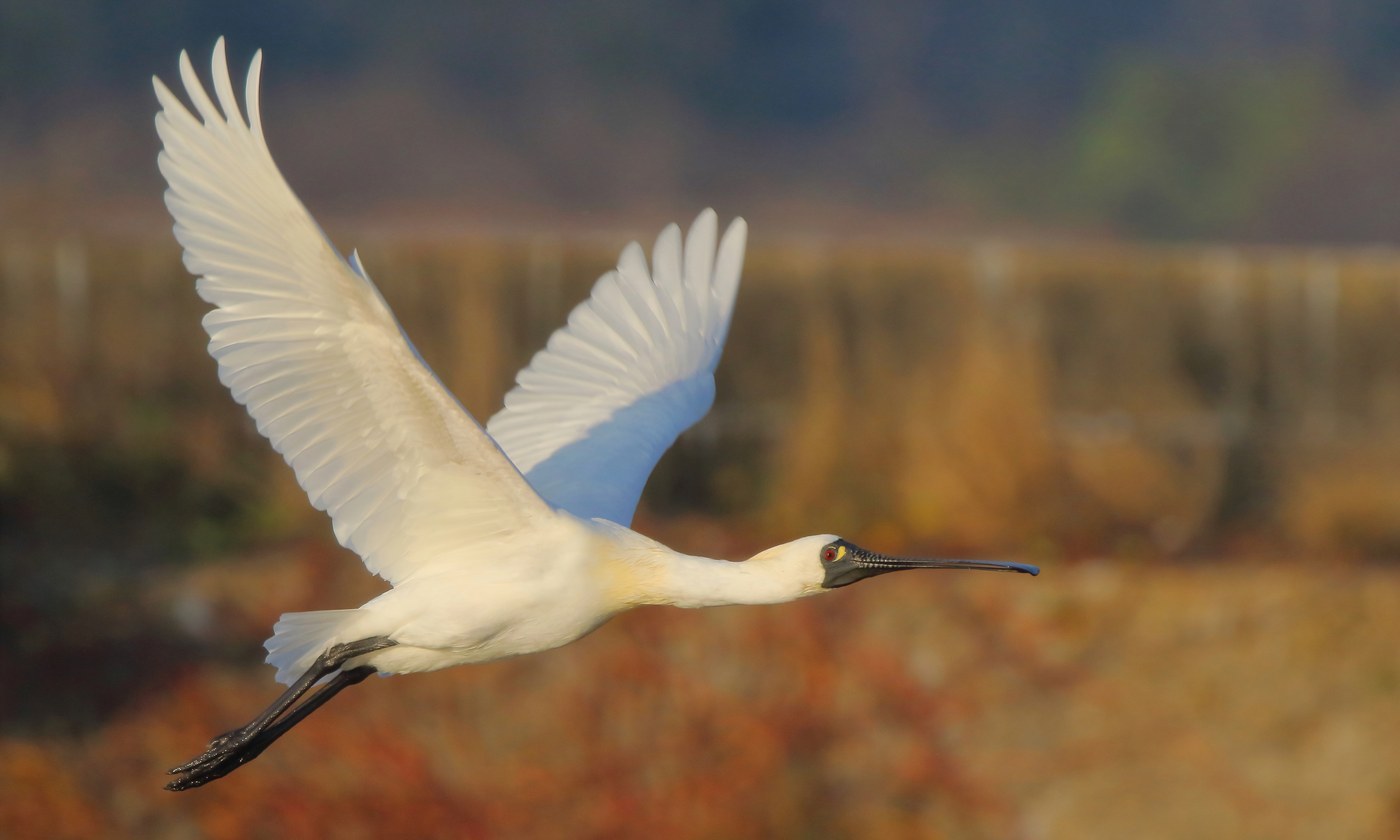
Black-faced Spoonbill
White contour and flight feathers with fine breeding crest and breast plumes
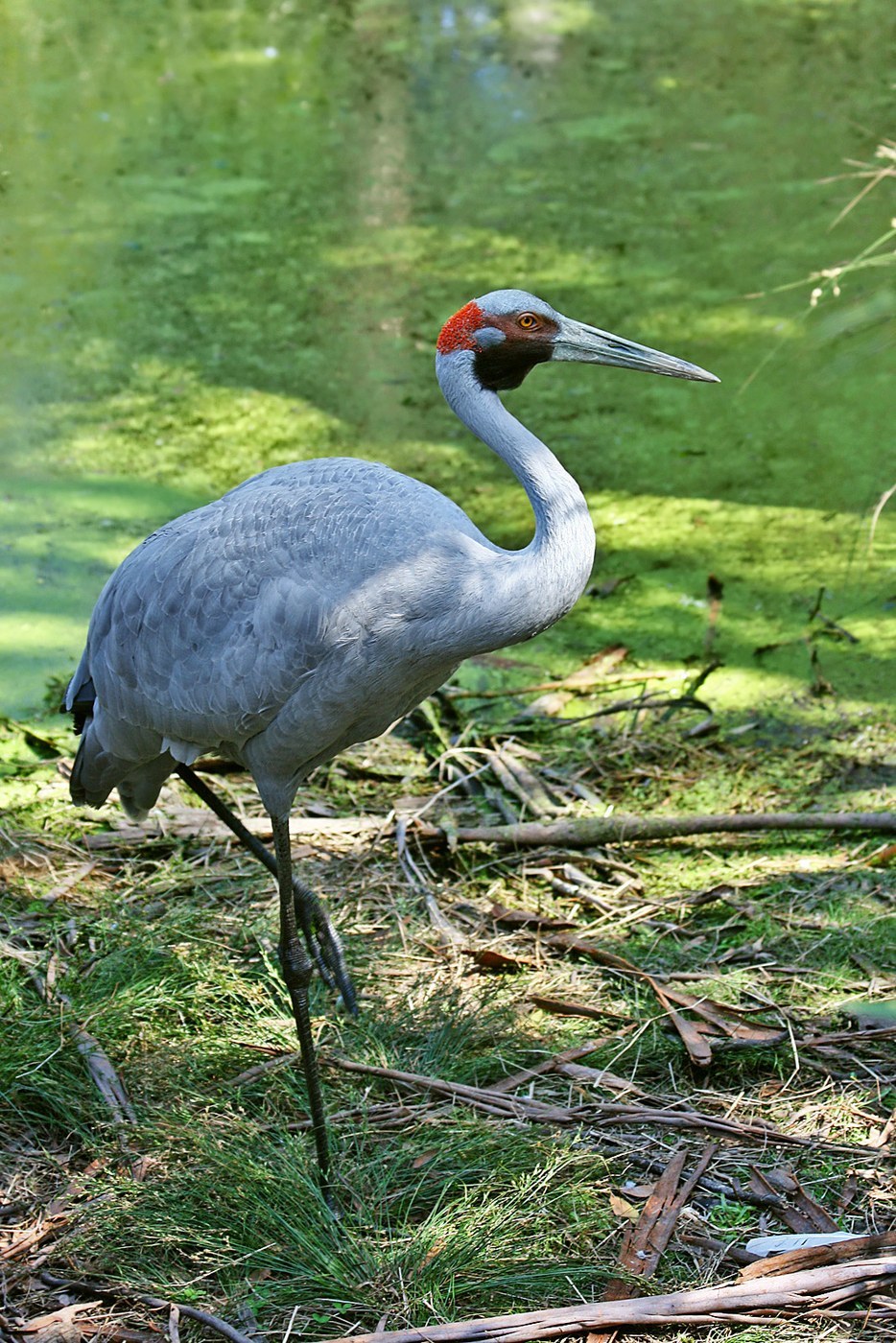
Brolga
Grey contour feathers with drooping bustle plumes
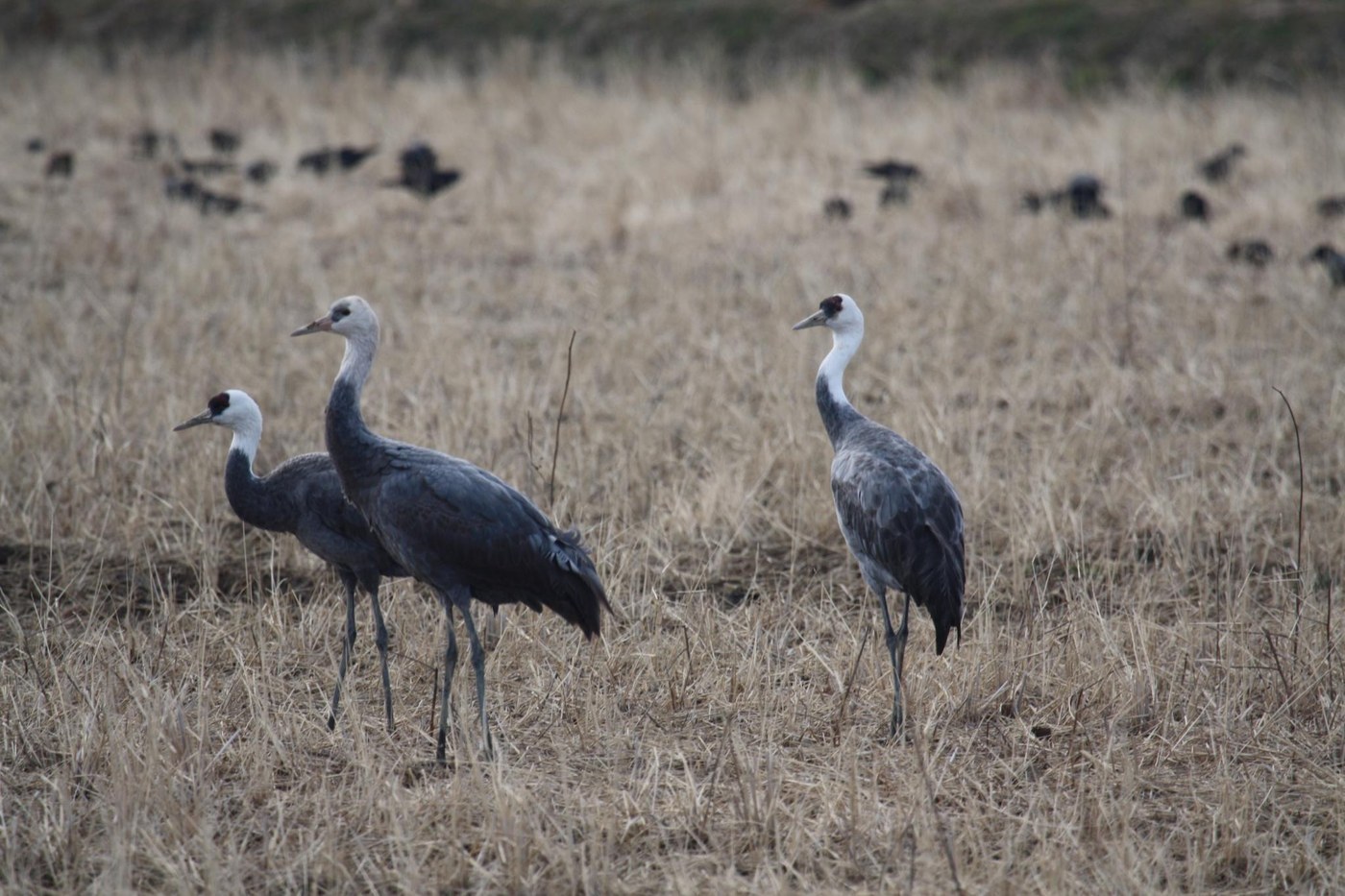
Hooded Crane
Dark slate-grey body feathers with a white head/upper neck 'hood' and black bustle plumes
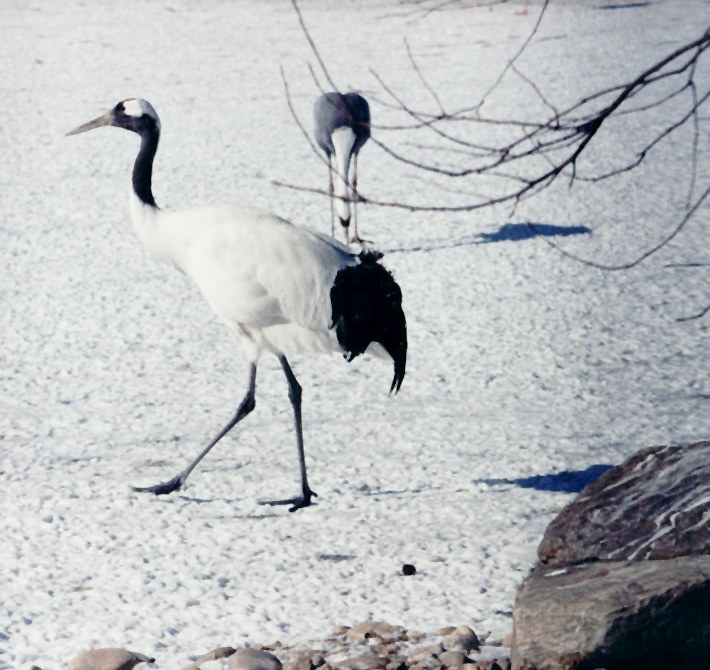
Red-crowned Crane
White contour feathers with black secondary/tertial bustle feathers and a bare red crown

Common Crane
Grey contour feathers with black head/neck feathers and drooping bustle plumes
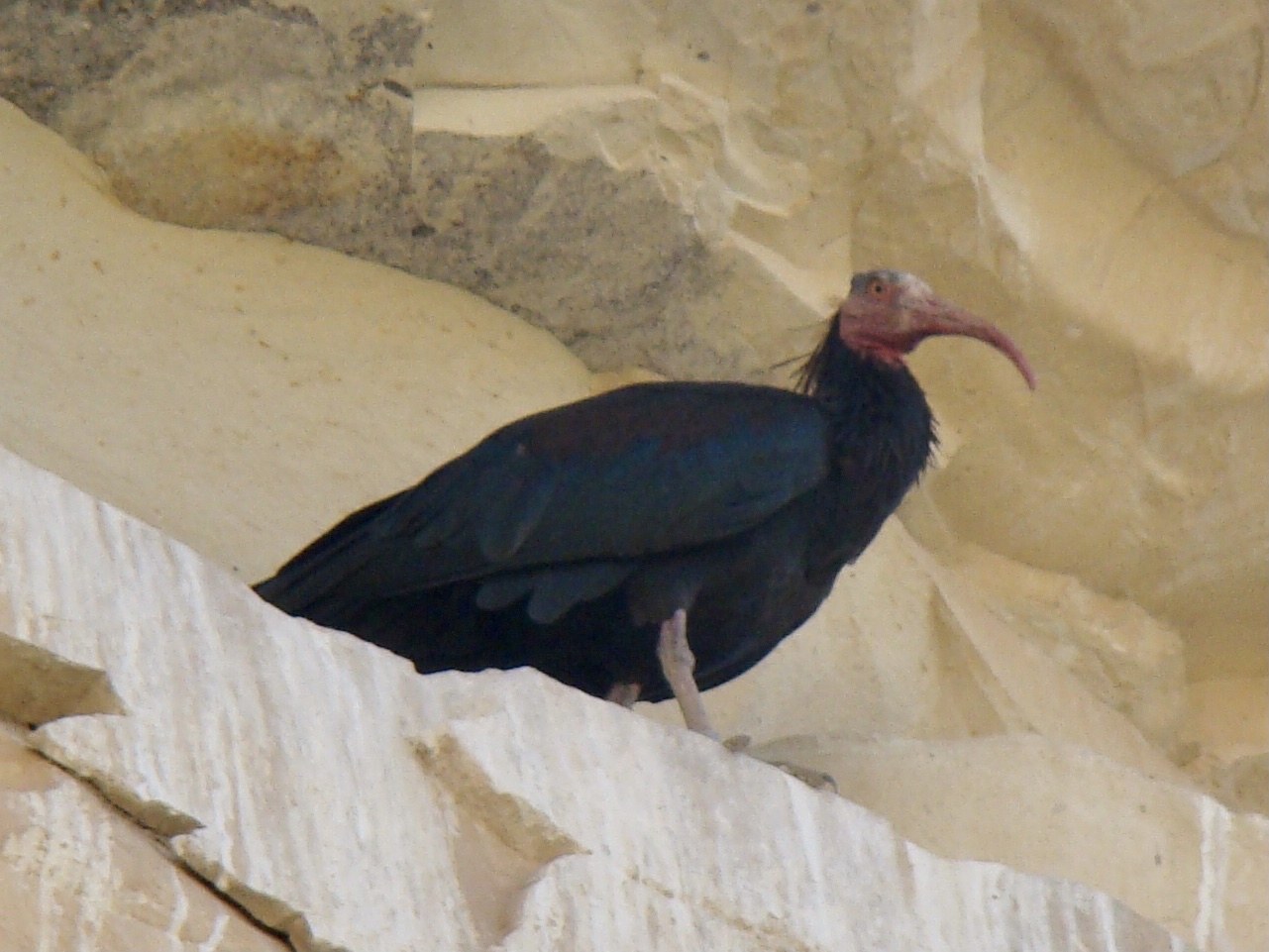
Northern Bald Ibis
Glossy black contour feathers with elongated nape plumes
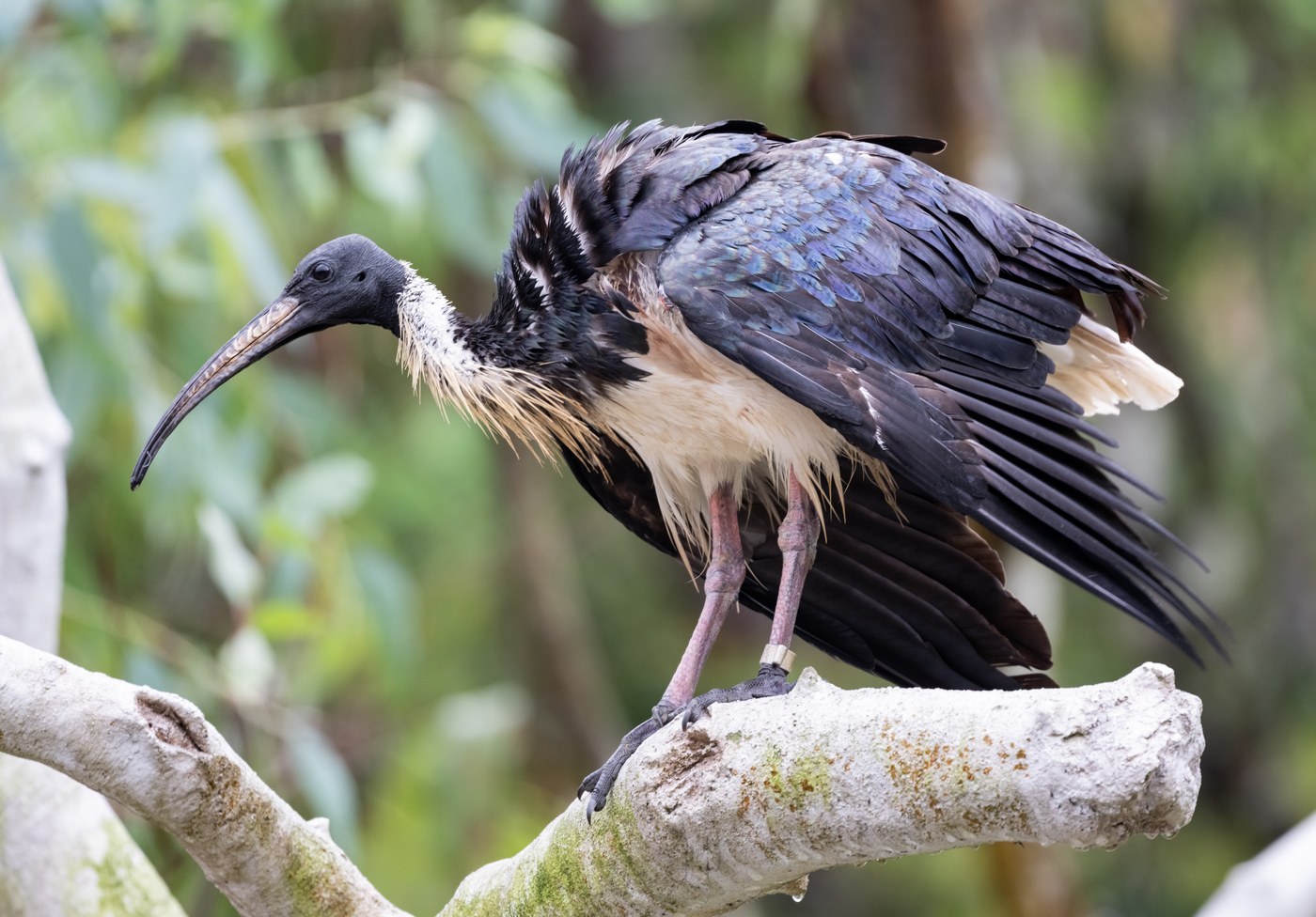
Straw-necked Ibis
Glossy contour feathers with unique straw-like neck plumes
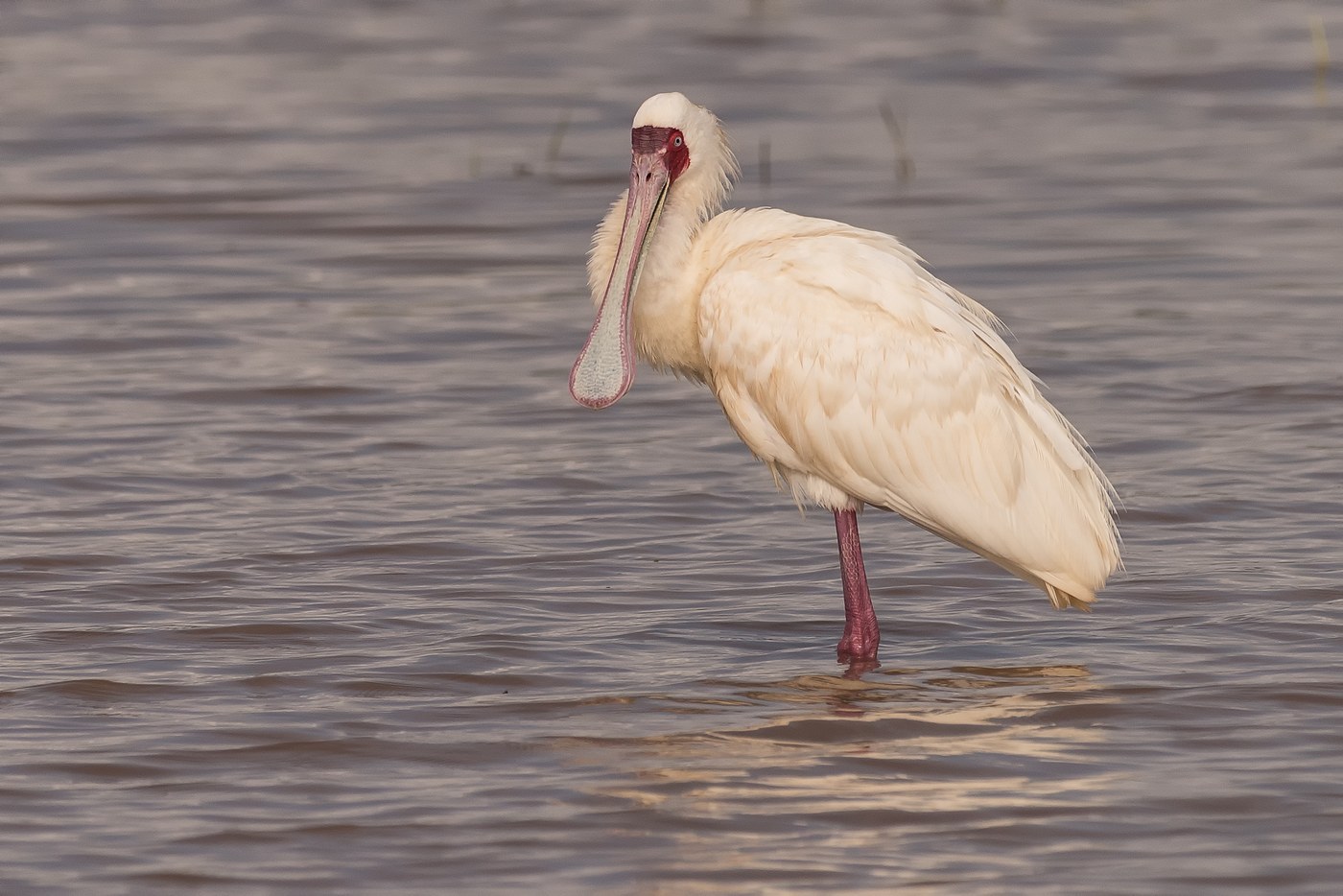
African Spoonbill
White contour and flight feathers, unmarked by black tips

Roseate Spoonbill
Pink and white contour and flight feathers with a carmine shoulder patch
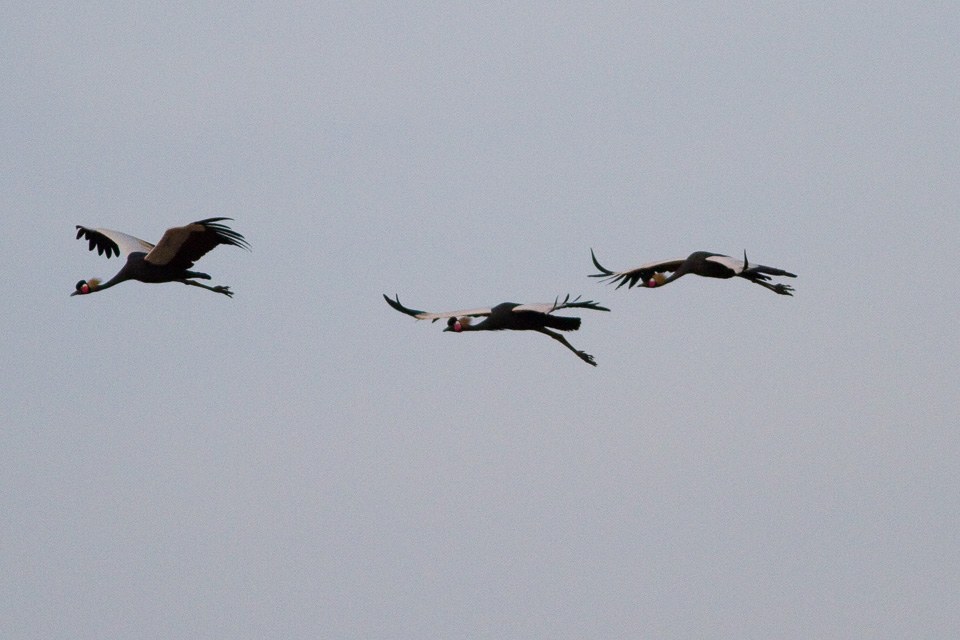
Black Crowned Crane
Dark grey-black body feathers with white wing coverts, chestnut flight feathers, and stiff golden crown bristles