
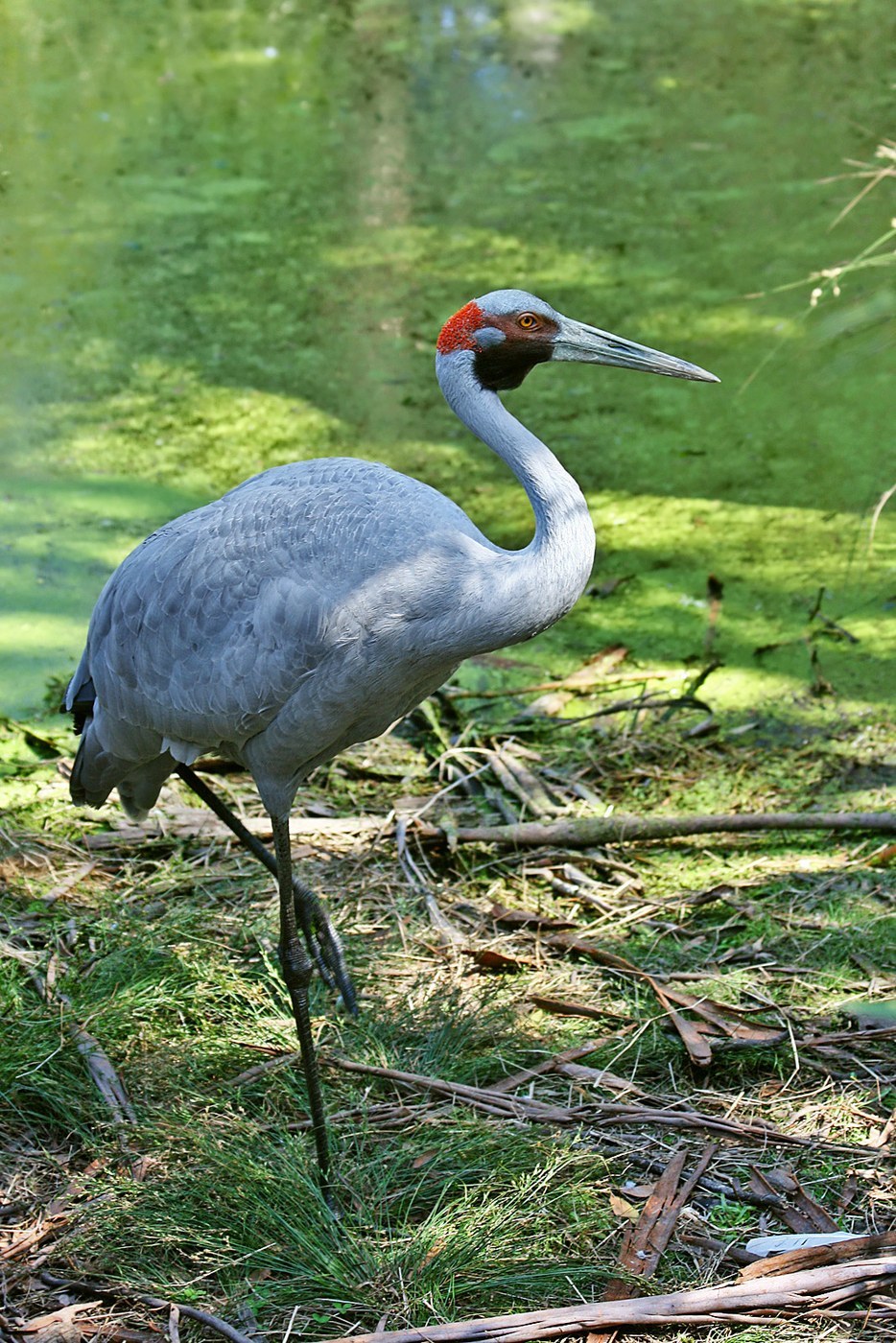
Brolga
Antigone rubicunda
Australia's iconic crane, grey overall with a bare red band of skin around the head and a distinctive fold of skin (dewlap) under the chin, well known for its elaborate dancing displays.
- Feather type
- Grey contour feathers with drooping bustle plumes
- Colours
- Grey overall with a red-and-grey bare head
- Bird size
- Very large crane, ~156-183 cm tall
Found a feather like this?
Identify any feather from a photo, free.
Overview
The Brolga is Australia's most widespread crane, found across the grasslands, wetlands, and floodplains of the tropical north and parts of the southeast, with an additional population in New Guinea. It is closely related to the Sarus Crane, which it resembles, but can be told apart by details of its bare head skin and legs. The Brolga is especially well known for its elaborate group dancing displays, involving leaping, wing-flapping, and bowing.
Identifying the Feather
- Body feathers are grey overall, similar in general tone to the Sarus Crane and Common Crane.
- Tertial (bustle) feathers are long, drooping, and grey, curling over the tail as in other large cranes.
- The bare red skin band covers the sides and back of the head but leaves a grey-feathered crown cap, unlike the more extensively bare-headed Sarus Crane.
- A loose fold of skin under the chin (the dewlap) is a feature unique to the Brolga among Australasian cranes, though it is not a feather feature itself.
- Distinguish from the Sarus Crane primarily by the grey crown patch (versus mostly bare red head) and by greyish-green rather than pink legs.
Plumage & Molt
Adults are grey overall with a red band of bare skin covering the sides, back, and front of the head, a grey feathered crown cap, and elongated drooping tertial bustle feathers; legs are grey to greenish-grey. Sexes look alike, though males average larger. Juveniles have a feathered, buffy-grey head lacking the bare red skin, which develops as the bird matures over its first year. Molt is not sharply defined given the tropical to temperate range the species occupies.
Habitat & Range
Brolgas are found across northern and eastern Australia, with an additional population in southern New Guinea, inhabiting wetlands, floodplains, grasslands, and coastal plains. Most populations are resident or make local seasonal movements tied to the wet and dry season cycle rather than undertaking long-distance migration.
Behavior & Field Notes
This crane forages in wetlands and grasslands for a varied diet including plant tubers, grains, and small invertebrates, often digging with its bill for underground plant parts. It nests on the ground in wetland vegetation, usually laying two eggs. Its call is a loud, far-carrying trumpeting, and Brolgas are especially renowned for elaborate communal dancing displays involving jumping, wing-spreading, and bowing, performed both in courtship and outside the breeding season. Large non-breeding flocks gather at favored wetlands during the dry season.
Frequently asked questions
How can you tell a Brolga feather from a Sarus Crane feather?
Both are grey, but the Brolga has a grey feathered crown cap and greyish-green legs, while the Sarus Crane has a more extensively bare red head and pinkish legs.
What is the Brolga best known for?
Its elaborate group dancing displays involving jumping, wing-flapping, and bowing.
Is the Brolga migratory?
It is mostly resident, with local movements tied to seasonal wetland conditions rather than long-distance migration.
Where is the Brolga found?
Northern and eastern Australia, with an additional population in southern New Guinea.
Brolga guides
In-depth guides for identifying and understanding Brolga.
Other feathers you may enjoy

Yellow-billed Spoonbill
White contour and flight feathers with fine breeding plumes on the back and breast
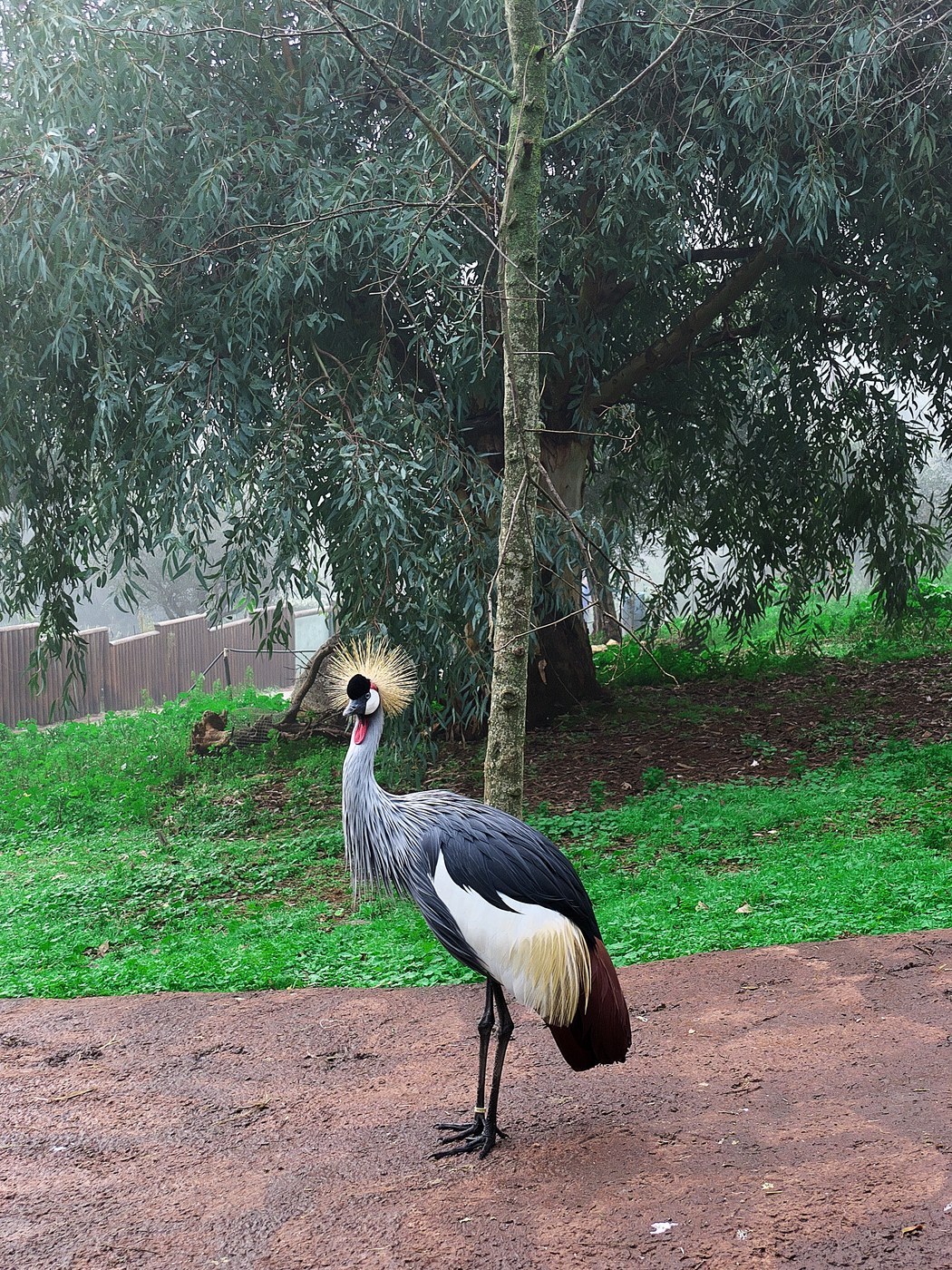
Grey Crowned Crane
Grey body feathers with white wing coverts, chestnut flight feathers, and stiff golden crown bristles
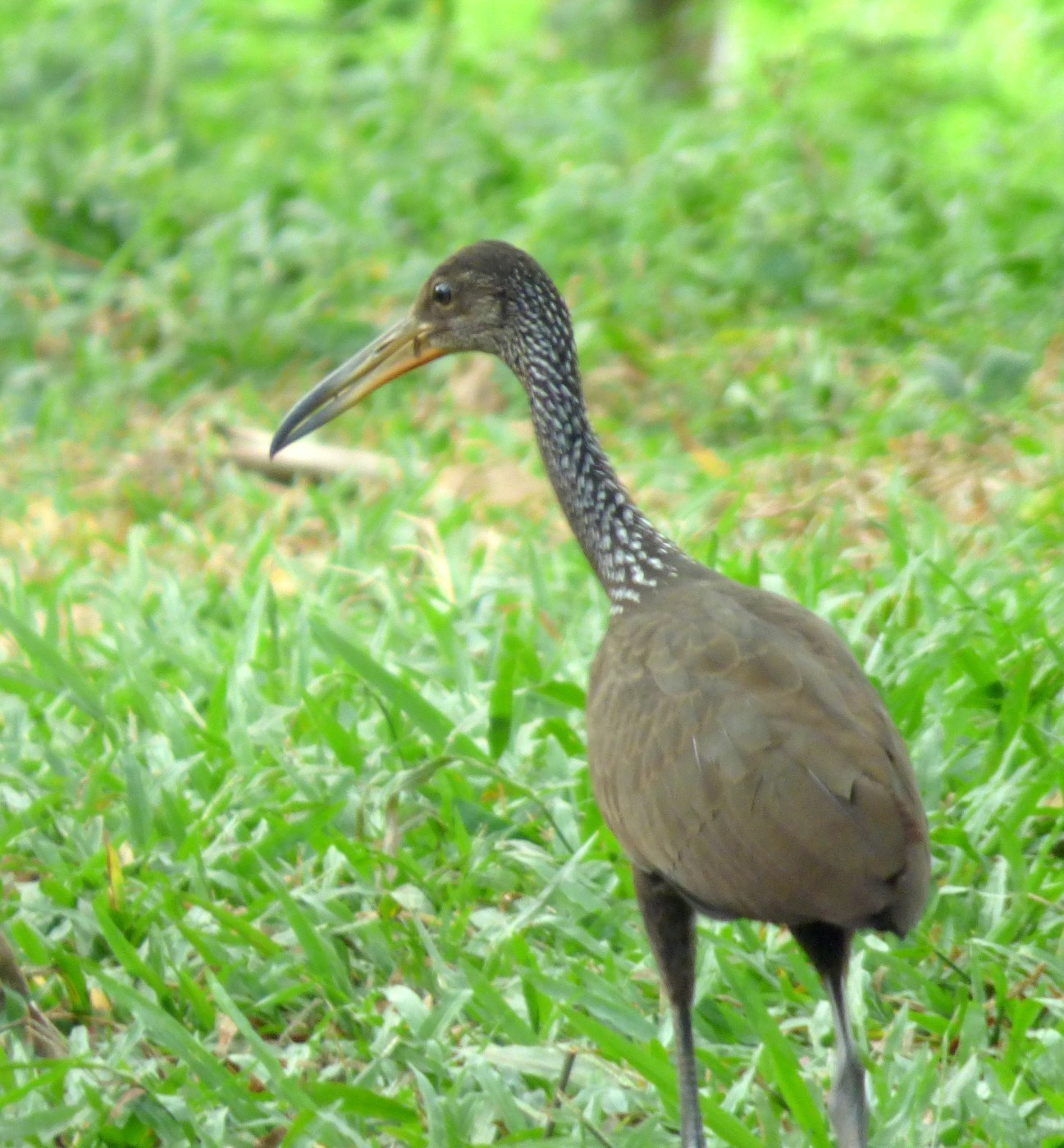
Limpkin
Brown contour feathers with white teardrop-shaped spots and streaks
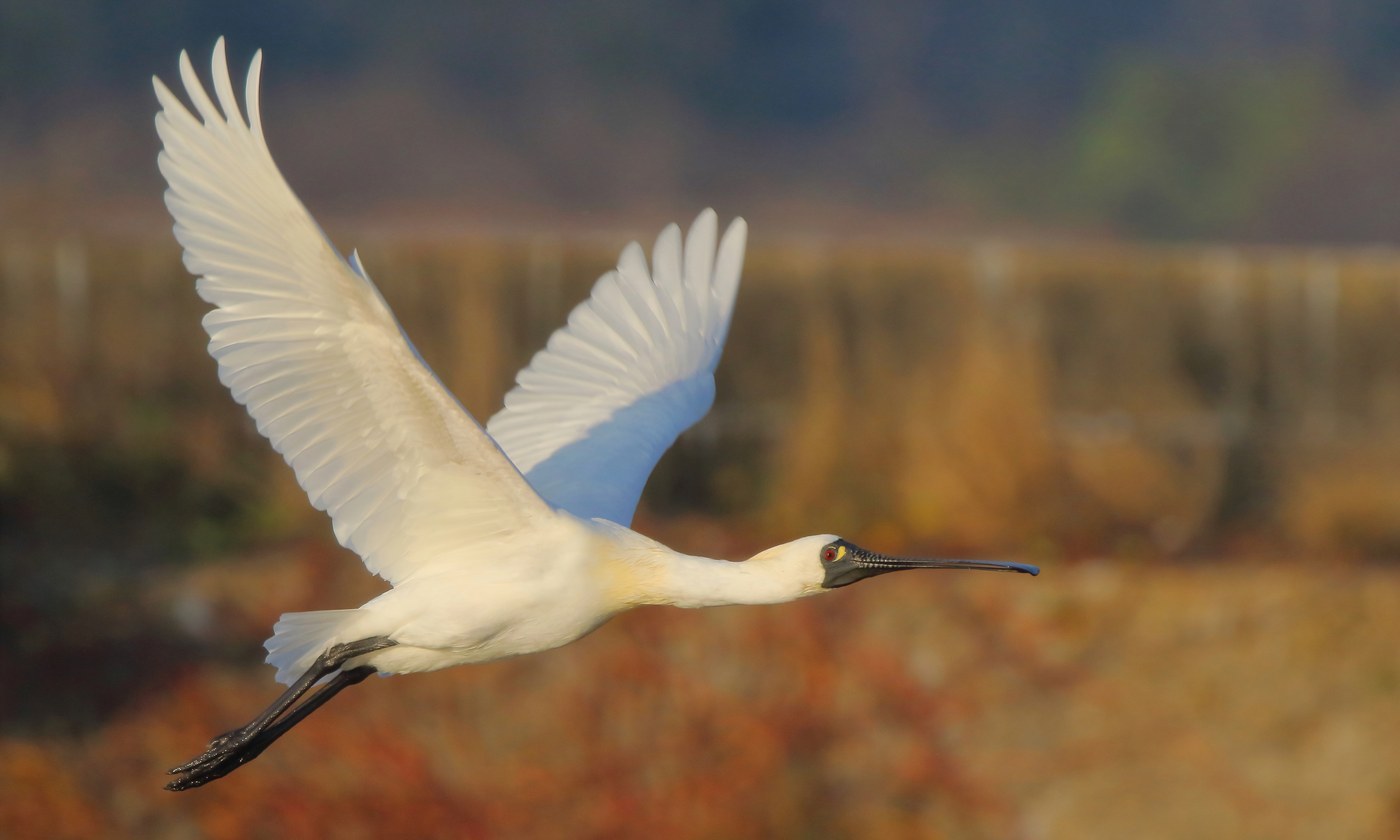
Black-faced Spoonbill
White contour and flight feathers with fine breeding crest and breast plumes
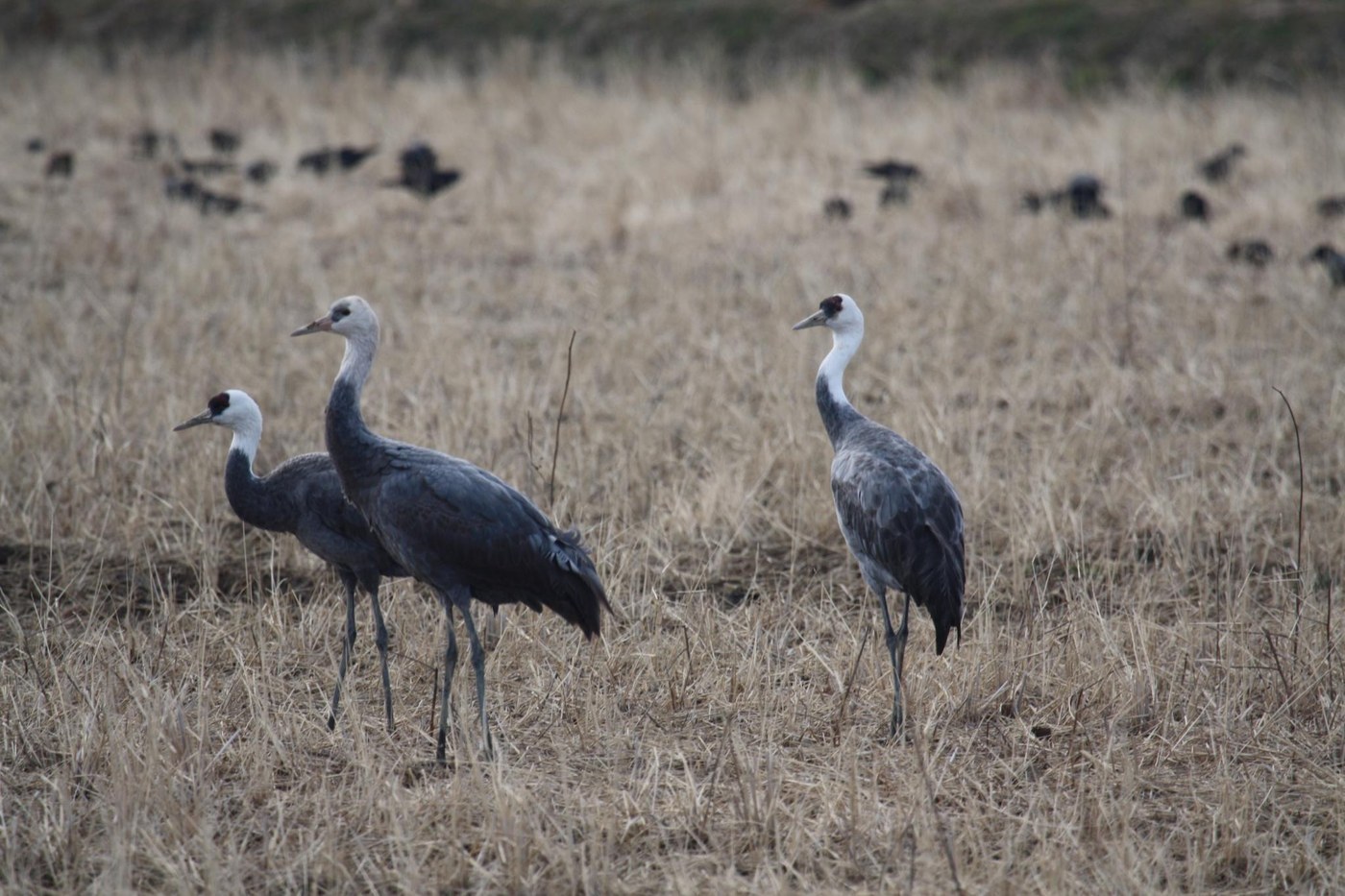
Hooded Crane
Dark slate-grey body feathers with a white head/upper neck 'hood' and black bustle plumes
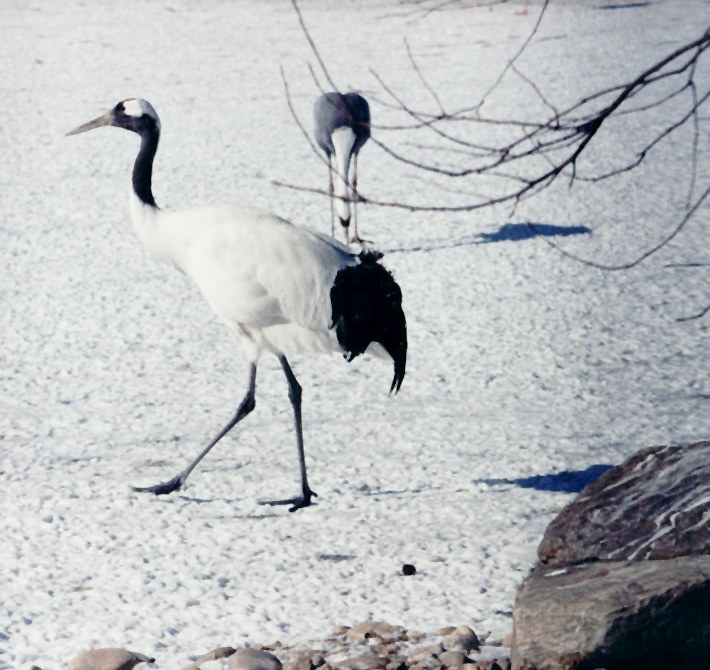
Red-crowned Crane
White contour feathers with black secondary/tertial bustle feathers and a bare red crown

Common Crane
Grey contour feathers with black head/neck feathers and drooping bustle plumes
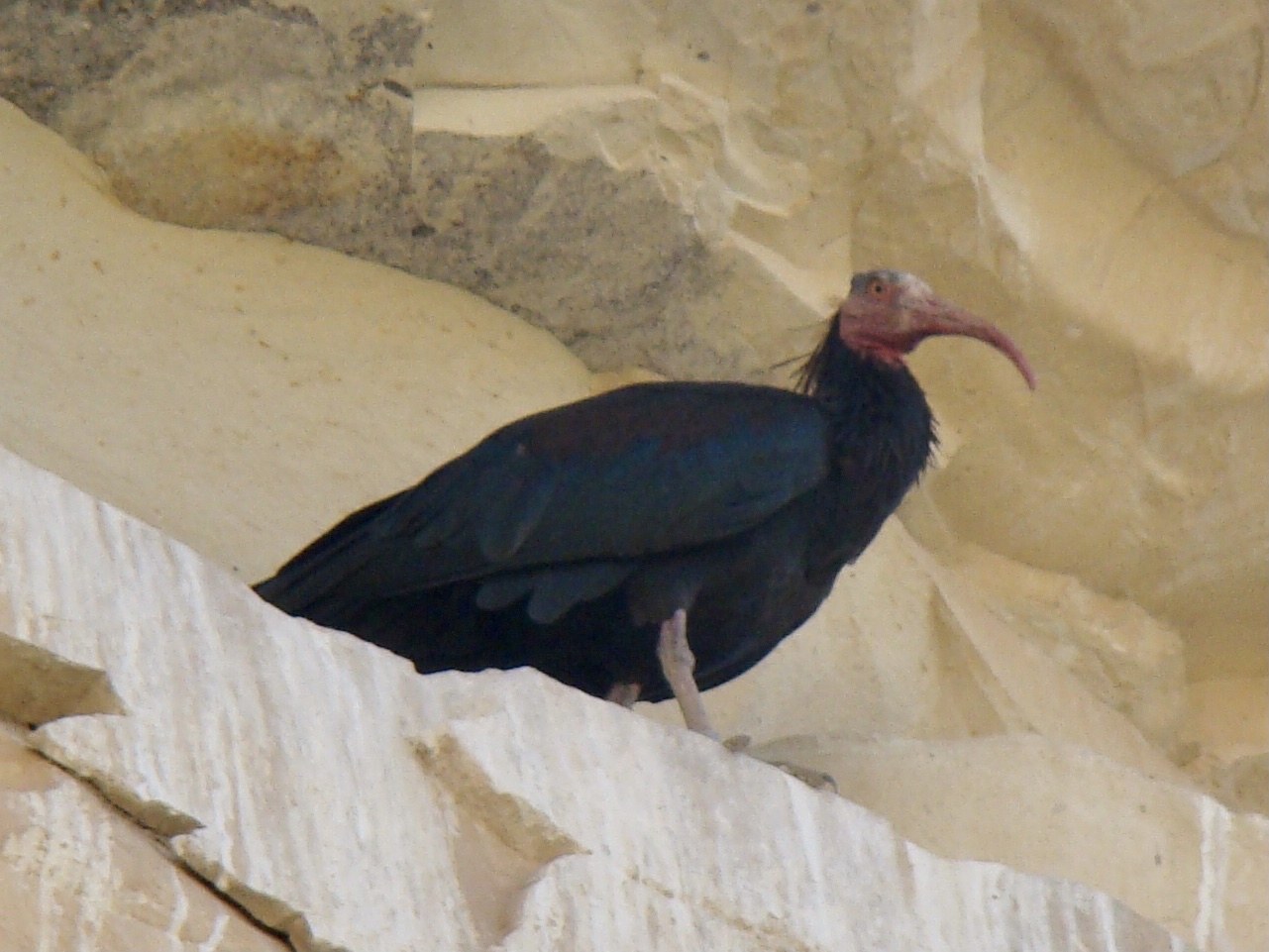
Northern Bald Ibis
Glossy black contour feathers with elongated nape plumes
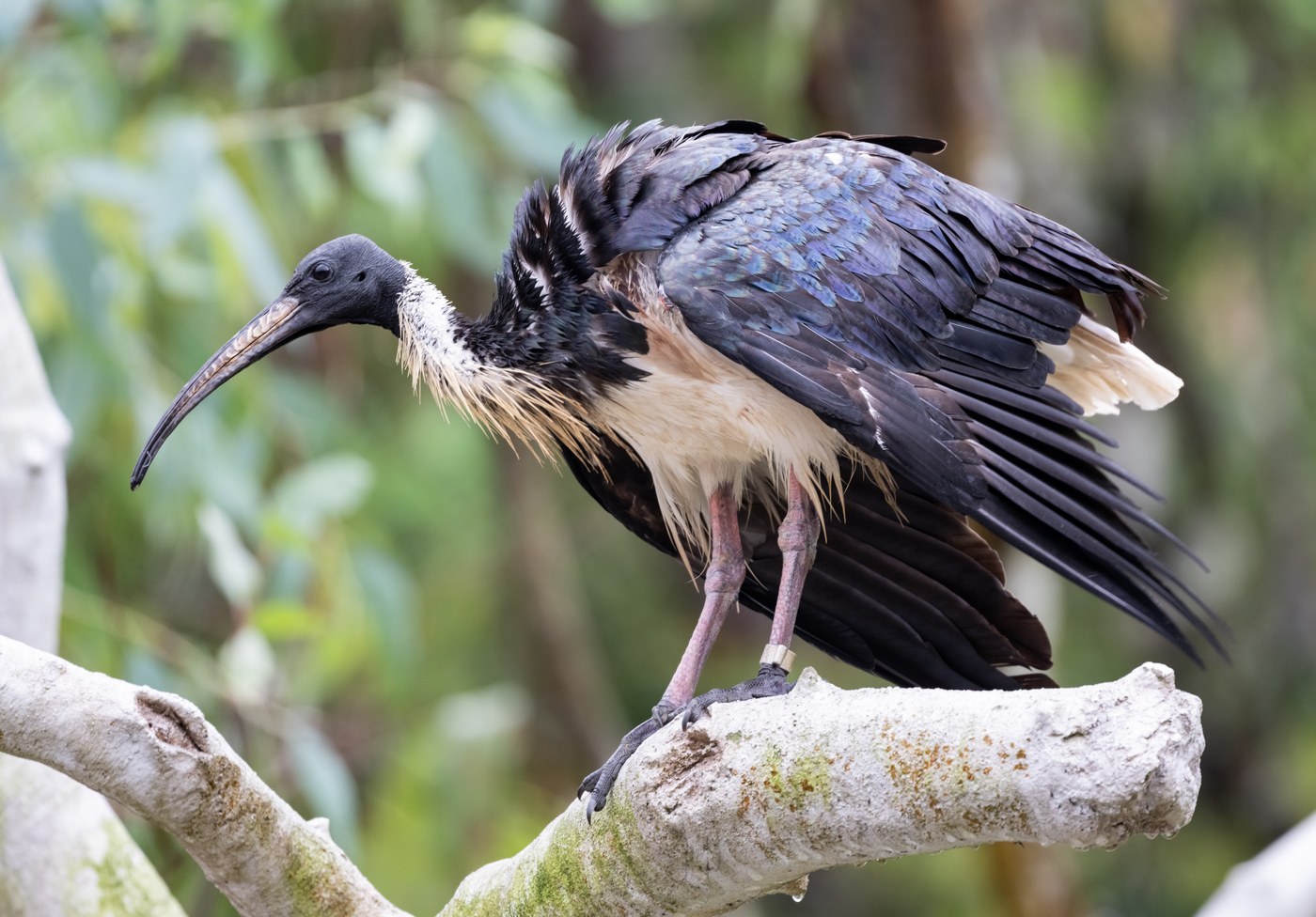
Straw-necked Ibis
Glossy contour feathers with unique straw-like neck plumes
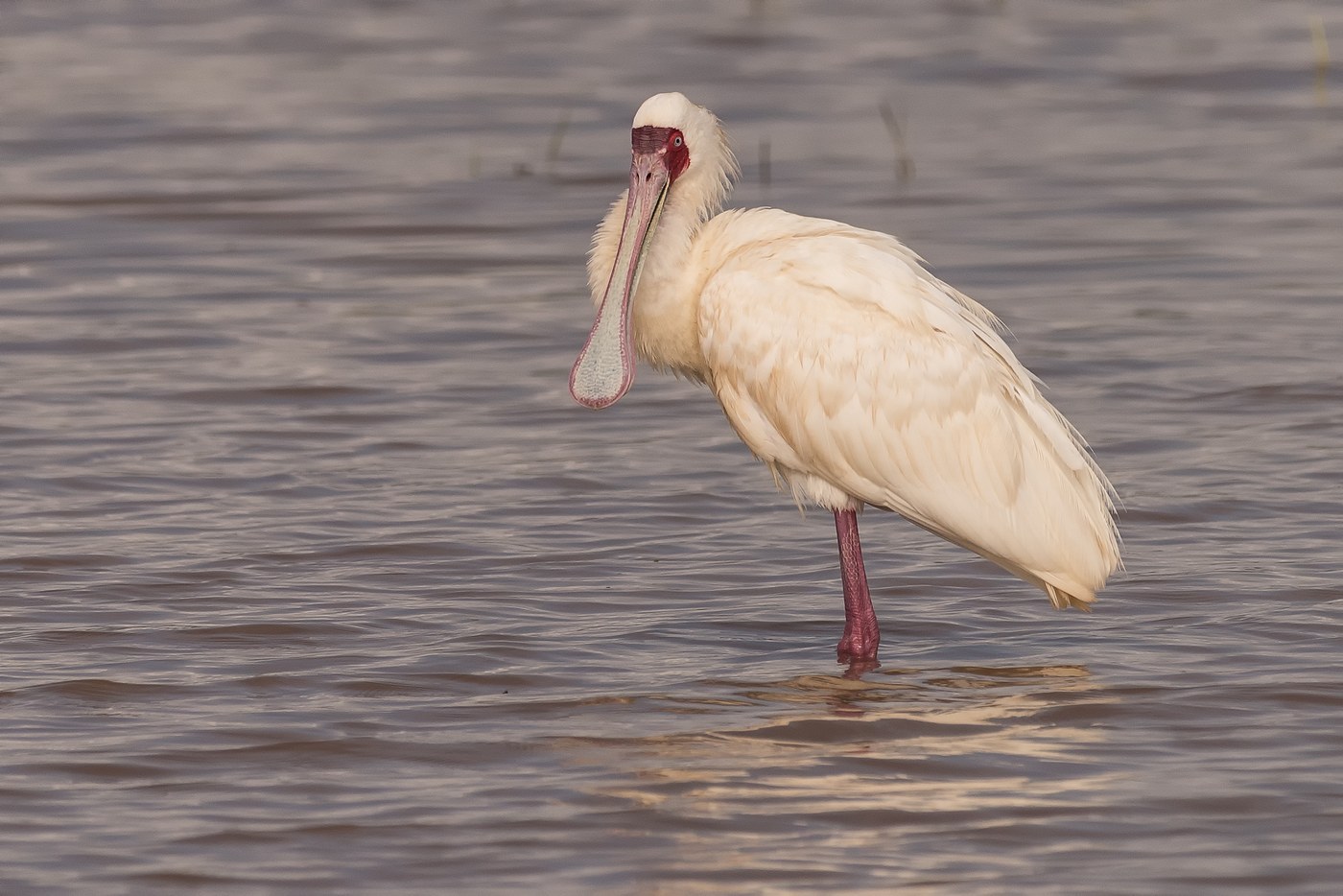
African Spoonbill
White contour and flight feathers, unmarked by black tips

Roseate Spoonbill
Pink and white contour and flight feathers with a carmine shoulder patch
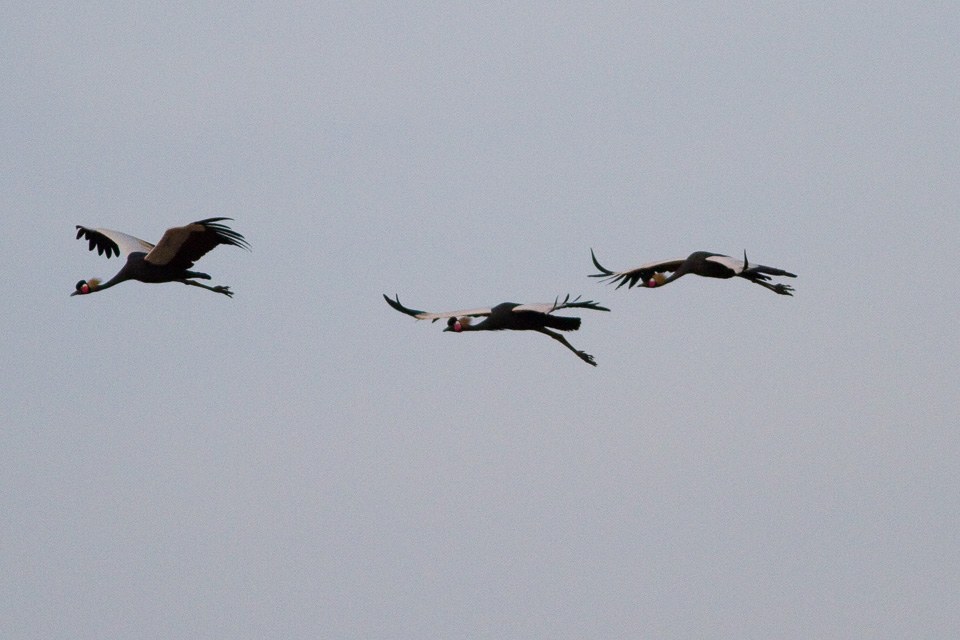
Black Crowned Crane
Dark grey-black body feathers with white wing coverts, chestnut flight feathers, and stiff golden crown bristles