
Grey Crowned Crane
Balearica regulorum
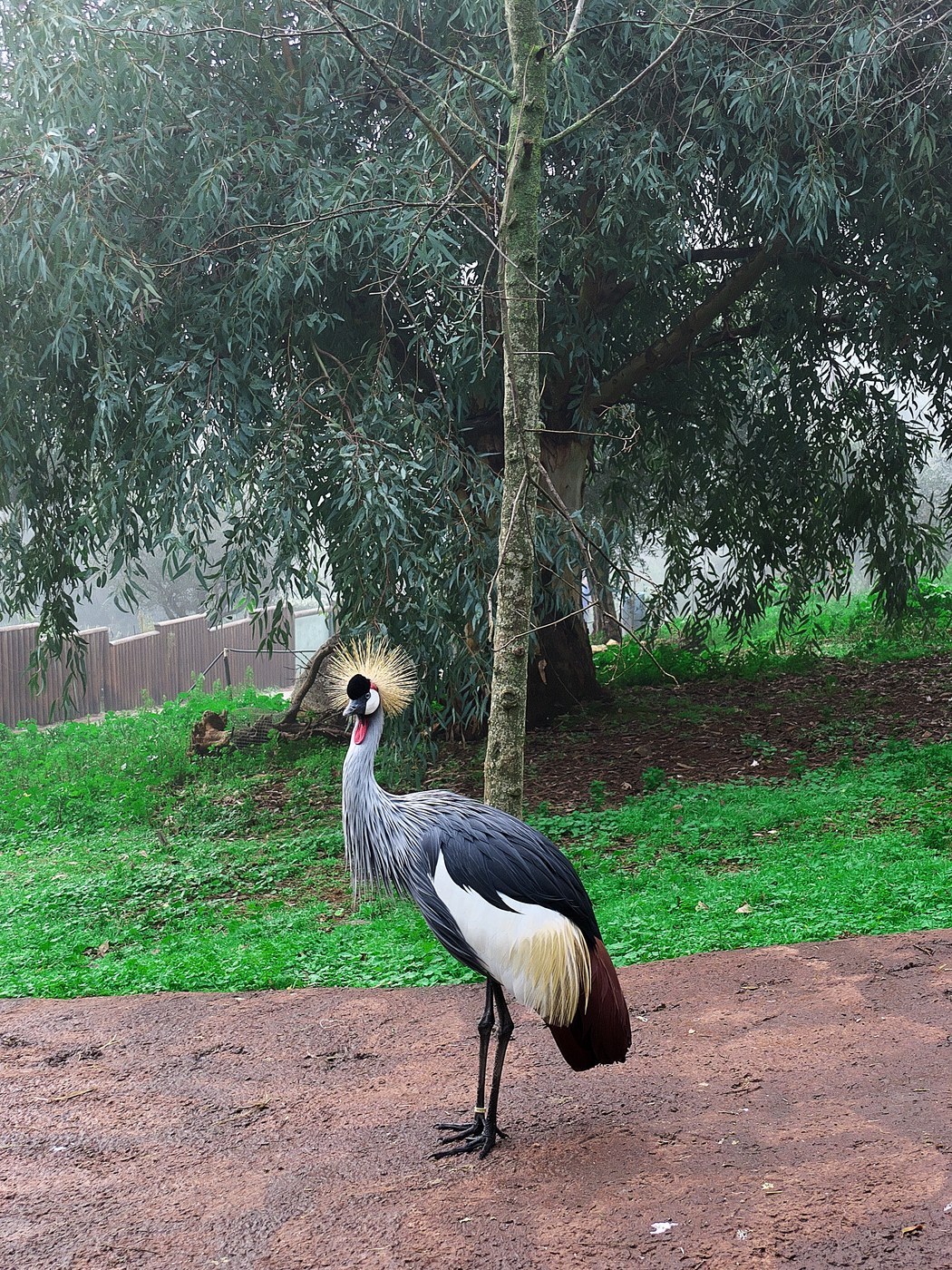
An African crane instantly recognized by its stiff, golden bristle crown, red throat wattle, and boldly patterned wings combining white, chestnut, and black.
- Feather type
- Grey body feathers with white wing coverts, chestnut flight feathers, and stiff golden crown bristles
- Colours
- Grey body, white wing patch, chestnut flight feathers, and a golden crest
- Bird size
- Large crane, ~100-110 cm tall
Found a feather like this?
Identify any feather from a photo, free.
Overview
The Grey Crowned Crane is one of the most visually striking cranes in the world, easily recognized by the crown of stiff, golden bristle-like feathers rising from its head, along with a bright red inflatable throat wattle and a bold, multicolored wing pattern. Found across grasslands and wetlands of East and Southern Africa, it is unusual among cranes for regularly roosting in trees, a behavior linked to its relatively primitive place among crane species.
Identifying the Feather
- Wing covert feathers are white, forming a large, conspicuous patch on the folded wing and in flight, quite different from the mostly plain-winged pattern of typical Grus and Antigone cranes.
- Flight feathers (primaries and secondaries) are chestnut to reddish-brown, contrasting boldly with the white coverts and grey body.
- Crown feathers are stiff, wiry, golden-yellow bristles forming an upright crest unlike any other crane's head feathering.
- Body (back, breast) feathers are slate-grey, softer in texture than the stiff crown bristles.
- Distinguish from the Black Crowned Crane by generally paler grey neck and body tone (Black Crowned Crane has darker neck feathering) and by range (East/Southern versus West/Central Africa).
Plumage & Molt
Adults have a slate-grey body, white wing coverts, chestnut flight feathers, a stiff golden crest, a bare red-and-white cheek patch, and a red inflatable throat wattle. Sexes look alike. Juveniles are duller grey-brown overall, with a smaller, less developed crest and reduced wattle, gradually acquiring the full adult crest and wing pattern over their first couple of years. Molt is not sharply seasonal given the largely non-migratory habits of the species across its tropical and subtropical range.
Habitat & Range
Grey Crowned Cranes are found across East Africa and into parts of Southern Africa, inhabiting open grassland, savanna, and wetland margins. Most populations are resident, though some local seasonal movements occur in response to rainfall and water availability rather than long-distance migration; unusually among cranes, this species regularly roosts in trees at night.
Behavior & Field Notes
This crane forages on the ground in grassland and wetland habitats, taking a varied diet of seeds, grains, insects, and small invertebrates, sometimes following grazing livestock to catch flushed insects. It nests on the ground in wetland vegetation, laying a small clutch. Its call is a distinctive, resonant honking or booming sound produced with the help of an inflated red throat wattle, quite different from the trumpeting calls of Grus and Antigone cranes, whose windpipe anatomy differs. Elaborate dancing and jumping displays occur during courtship and social interaction, and its habit of roosting in trees is a notable behavioral distinction from most other crane species.
Frequently asked questions
How can you identify a Grey Crowned Crane feather?
Look for a combination of white wing coverts, chestnut flight feathers, grey body feathers, and, if present, the stiff golden crown bristles unique to crowned cranes.
How is this species different from other cranes?
It has a bold white-and-chestnut wing pattern, a stiff golden crest, and regularly roosts in trees, unlike most other crane species.
How can you tell it apart from the Black Crowned Crane?
The Grey Crowned Crane has a paler grey neck and occurs in East and Southern Africa, while the Black Crowned Crane has darker neck feathering and occurs in West and Central Africa.
Is the Grey Crowned Crane migratory?
It is mostly resident, with local movements tied to rainfall rather than long-distance migration.
Grey Crowned Crane guides
In-depth guides for identifying and understanding Grey Crowned Crane.
Other feathers you may enjoy

Yellow-billed Spoonbill
White contour and flight feathers with fine breeding plumes on the back and breast
Limpkin
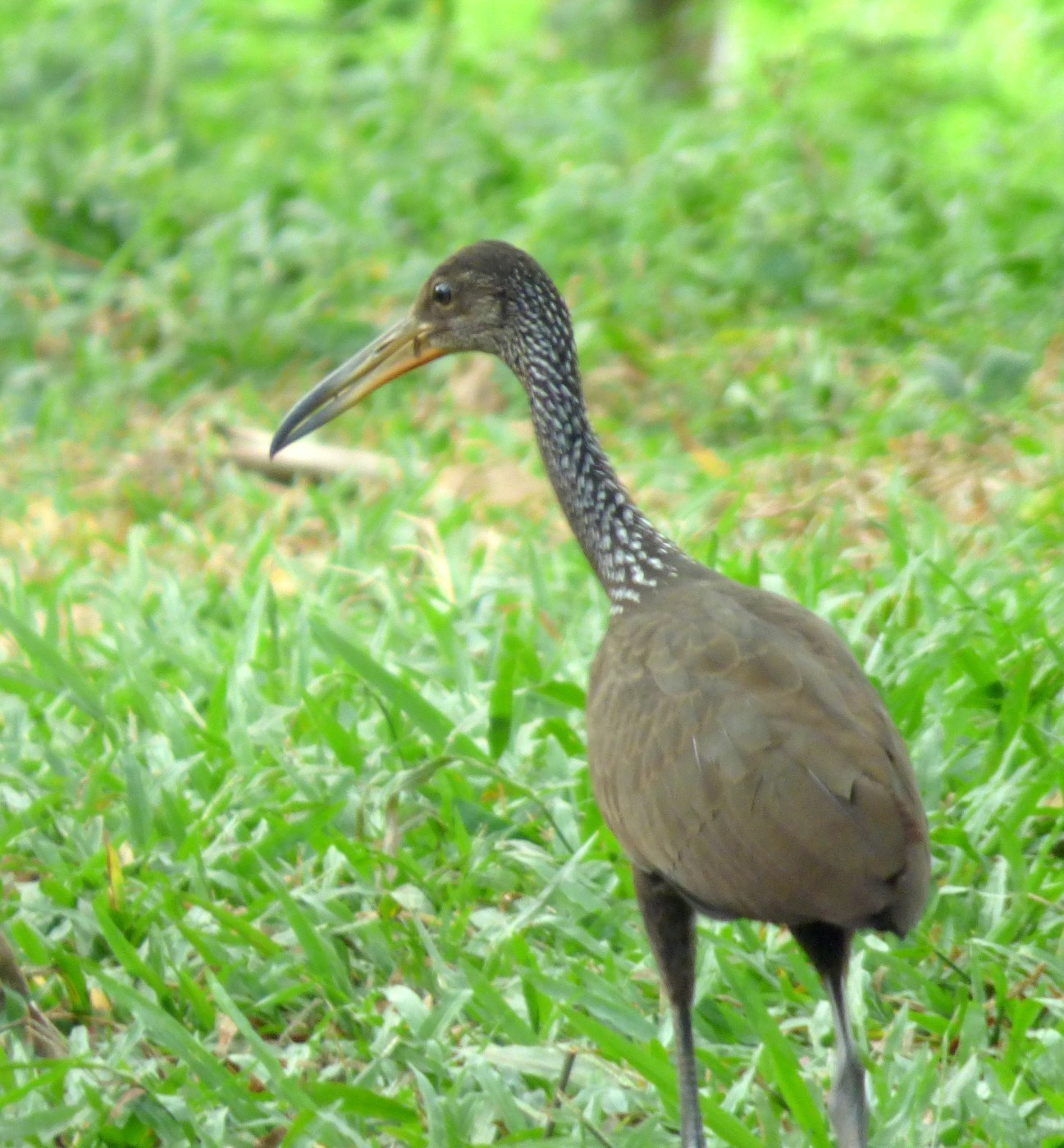
Brown contour feathers with white teardrop-shaped spots and streaks
Black-faced Spoonbill
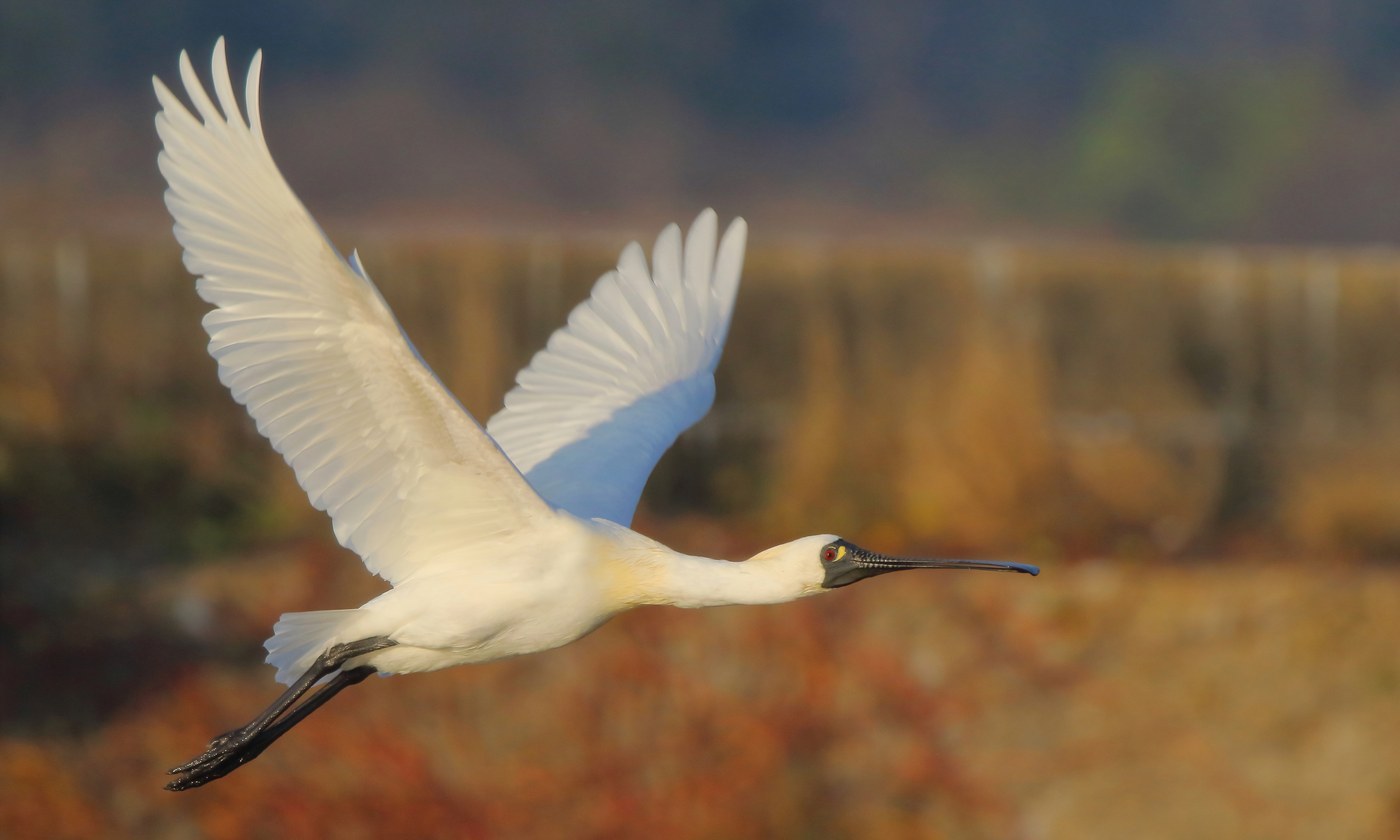
White contour and flight feathers with fine breeding crest and breast plumes
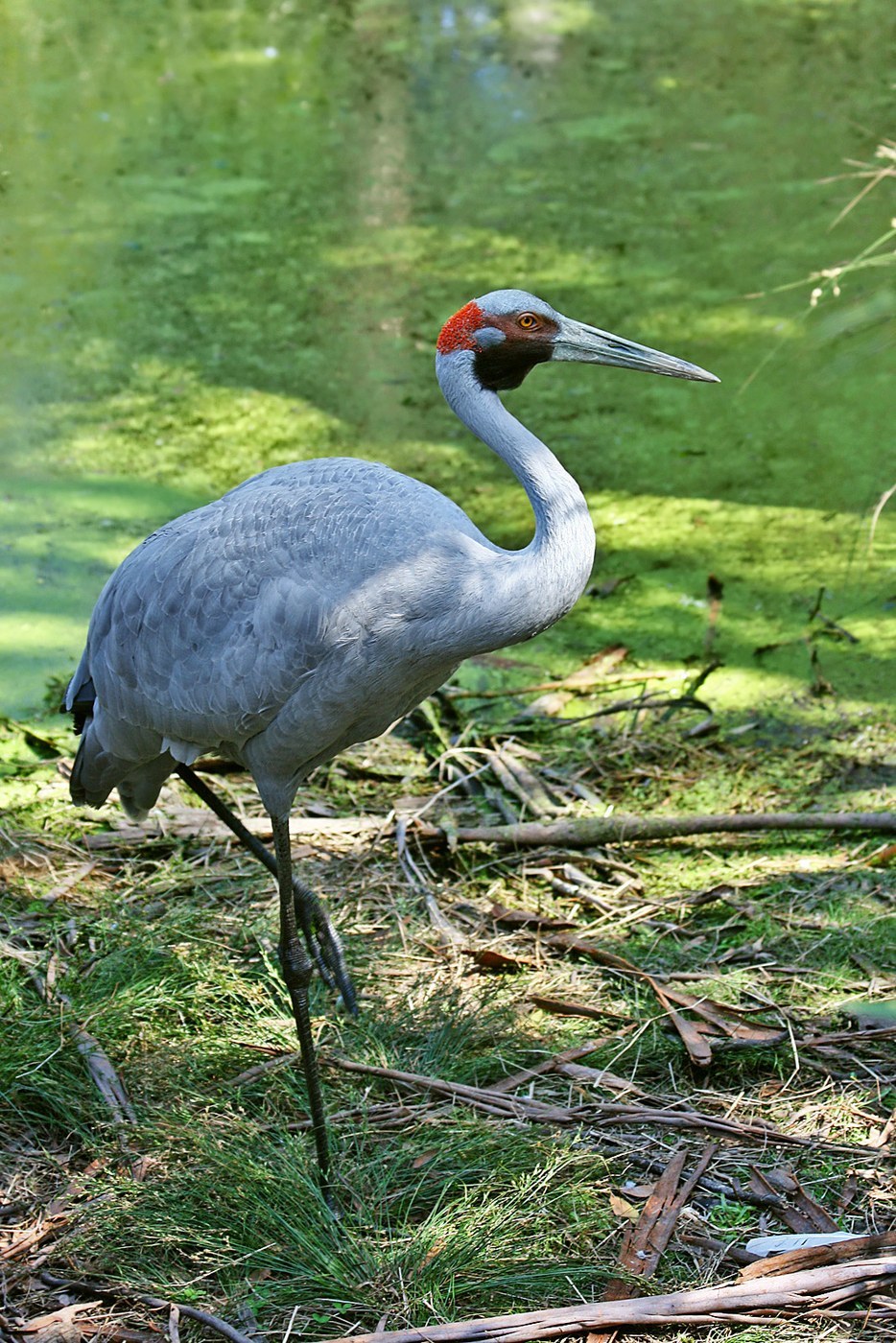
Brolga
Grey contour feathers with drooping bustle plumes
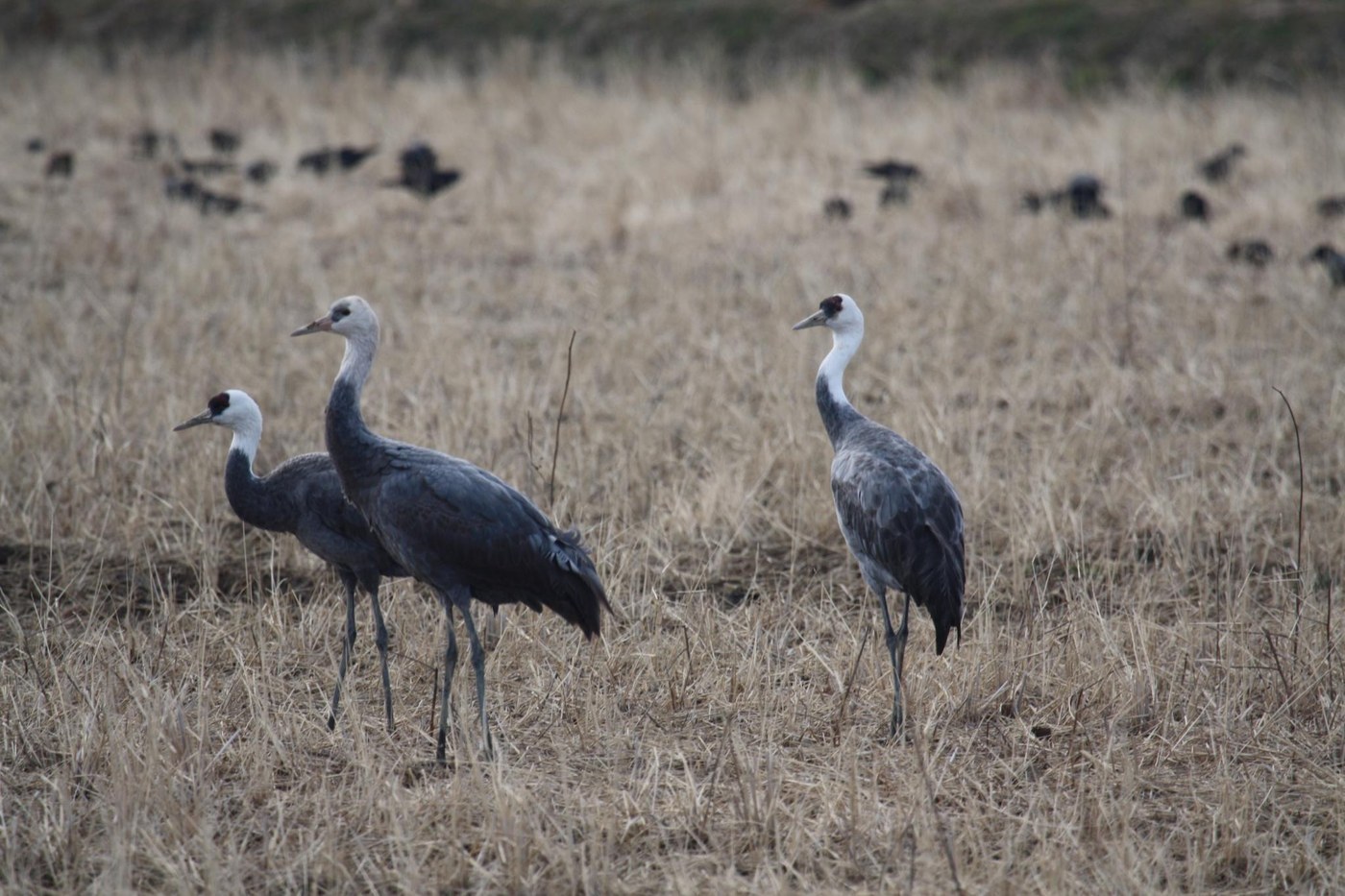
Hooded Crane
Dark slate-grey body feathers with a white head/upper neck 'hood' and black bustle plumes
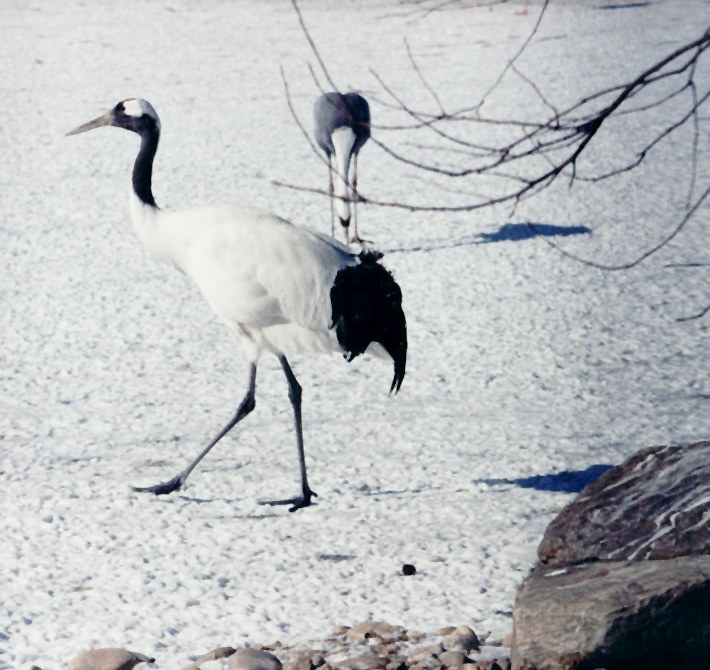
Red-crowned Crane
White contour feathers with black secondary/tertial bustle feathers and a bare red crown

Common Crane
Grey contour feathers with black head/neck feathers and drooping bustle plumes
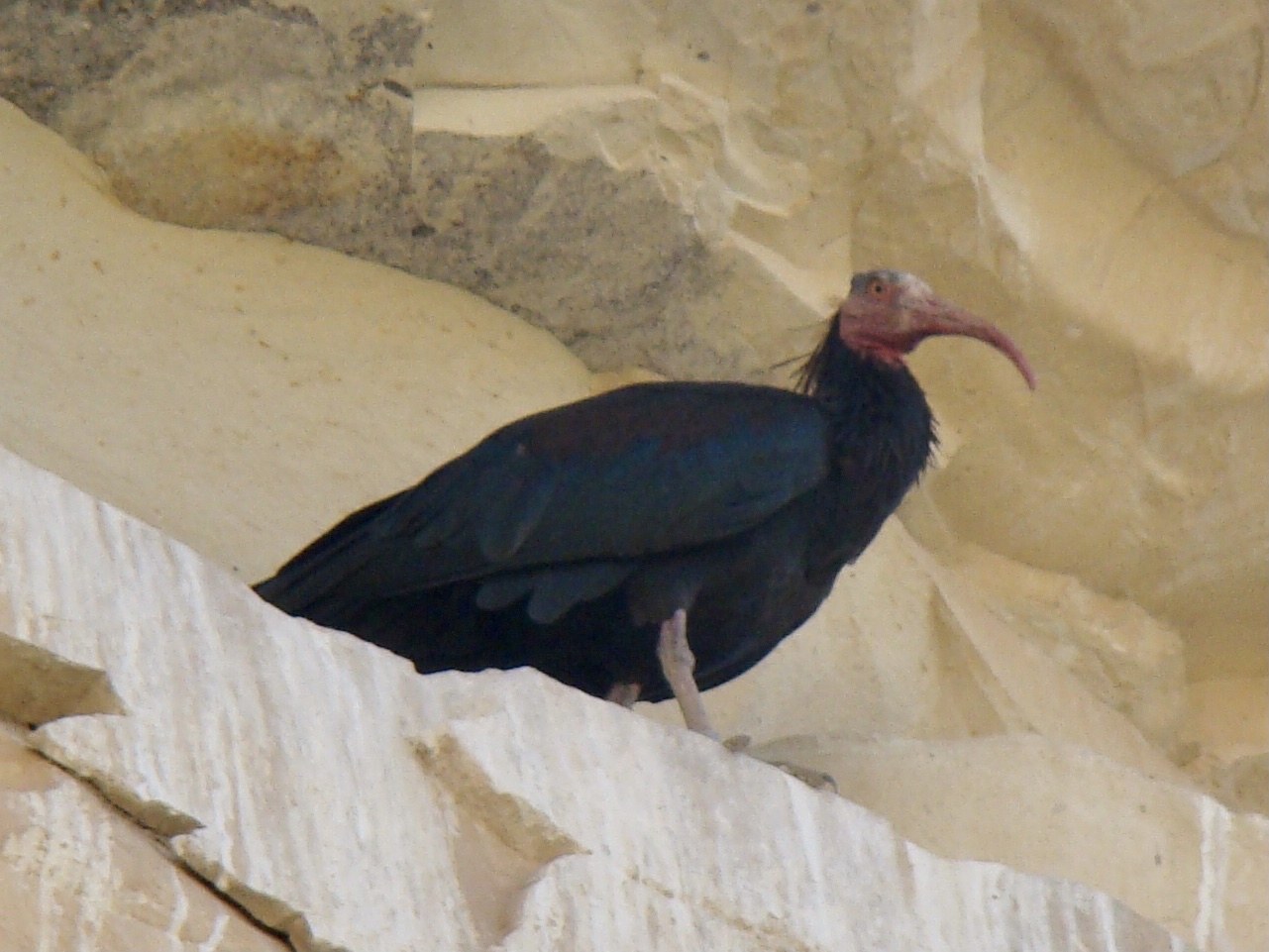
Northern Bald Ibis
Glossy black contour feathers with elongated nape plumes
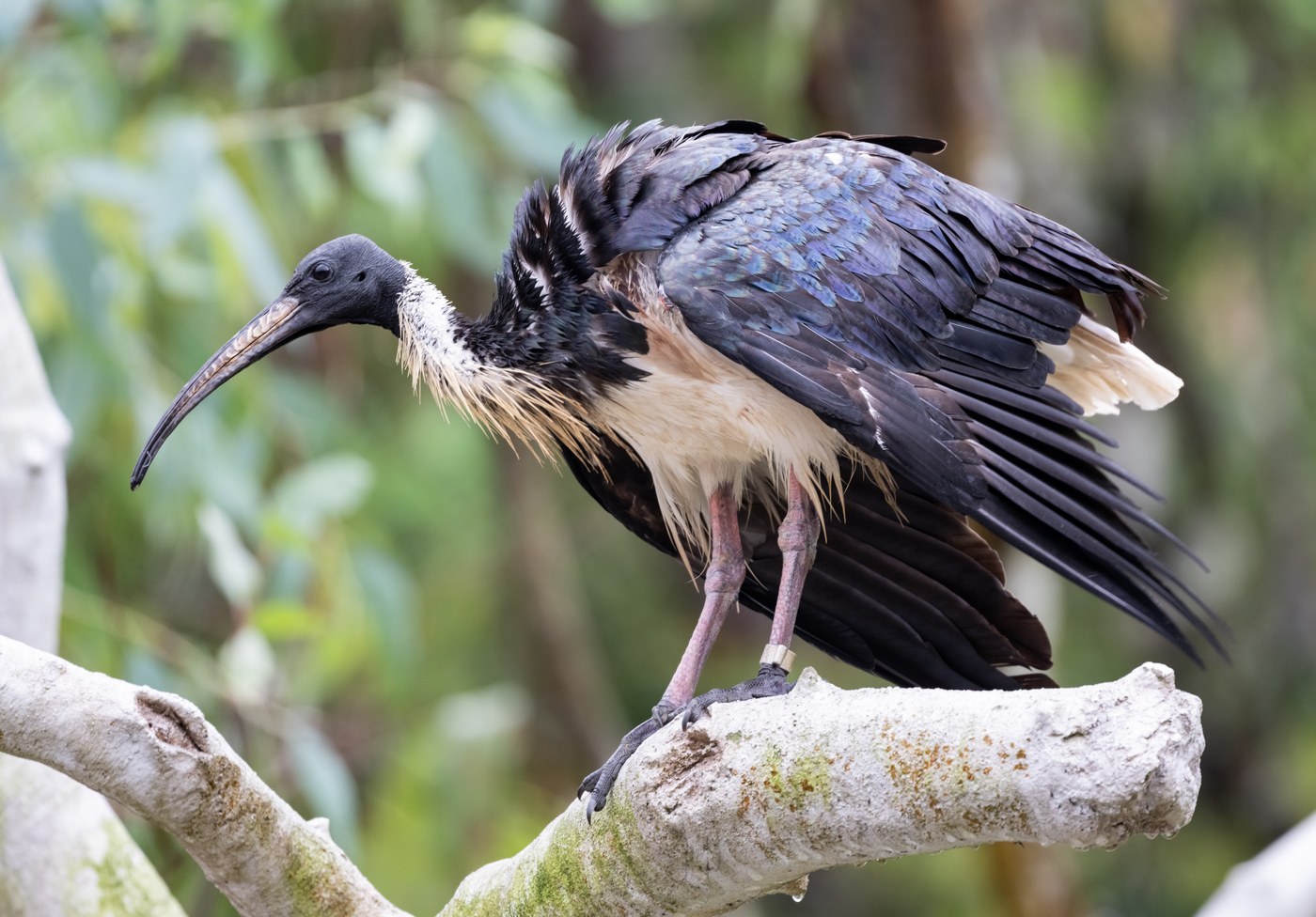
Straw-necked Ibis
Glossy contour feathers with unique straw-like neck plumes
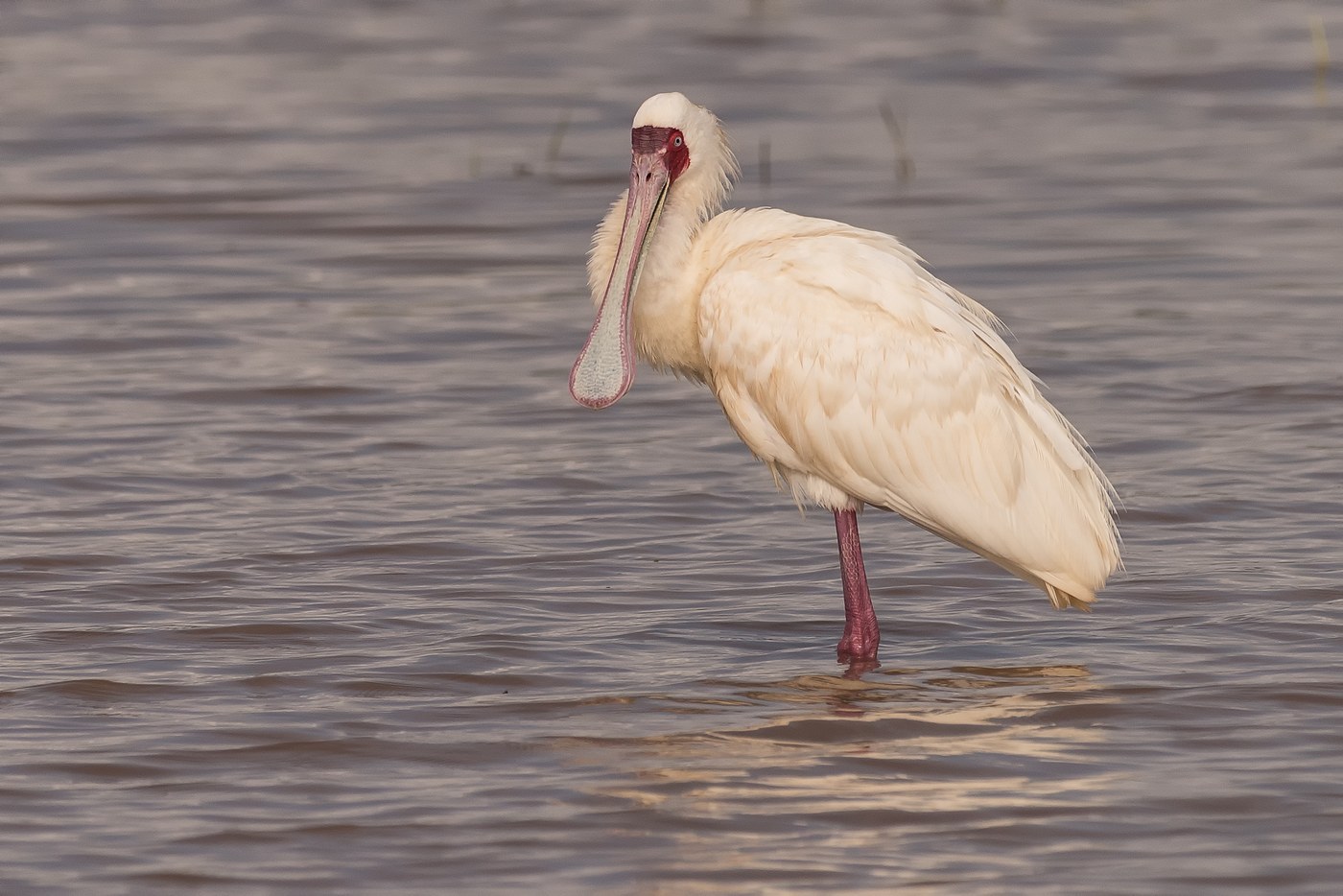
African Spoonbill
White contour and flight feathers, unmarked by black tips

Roseate Spoonbill
Pink and white contour and flight feathers with a carmine shoulder patch
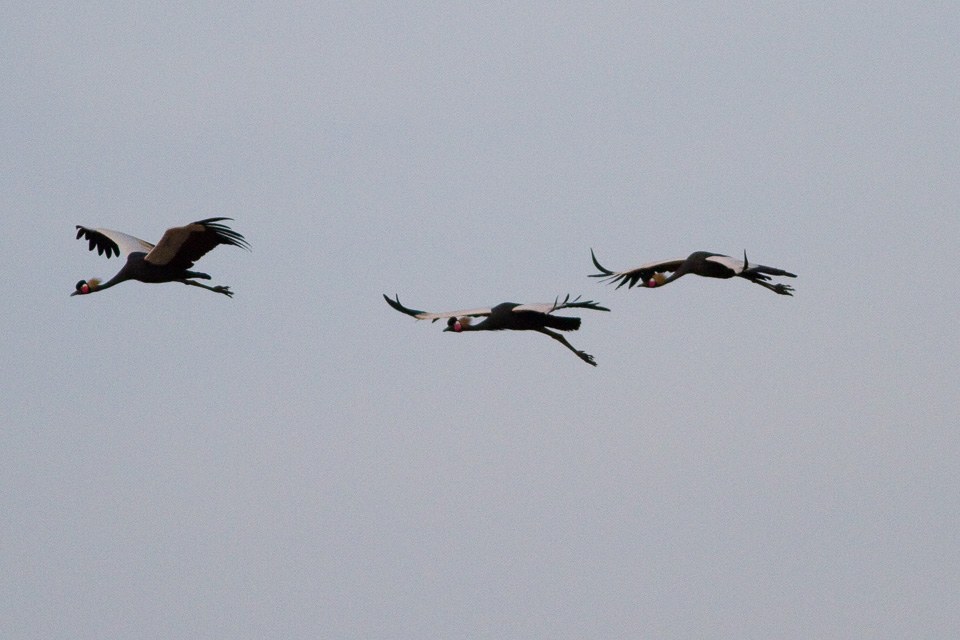
Black Crowned Crane
Dark grey-black body feathers with white wing coverts, chestnut flight feathers, and stiff golden crown bristles