

Black-billed Magpie
Pica hudsonia
A boldly patterned black-and-white corvid of the American West, instantly recognizable by its long, iridescent tail and noisy, sociable habits.
- Feather type
- Contour, wing, and tail feathers
- Colours
- Black head and body with a white belly and shoulder patch, iridescent blue-green wings and tail
- Bird size
- Dove- to small crow-sized with a very long tail, ~45-60 cm including tail
Found a feather like this?
Identify any feather from a photo, free.
Overview
The Black-billed Magpie is a familiar bird of open country across western North America, from ranchland and river bottoms to suburban parks. Its striking black-and-white pattern combined with an extremely long, graduated tail makes it one of the continent's most easily recognized corvids.
Until recently, this species and the Eurasian Magpie were treated as a single species, and the two remain very similar in structure and plumage, differing mainly in subtle proportions and range.
Identifying the Feather
- Body contour feathers are solid black on the head, throat, and back, sharply set off by pure white feathers on the belly and scapular shoulder patch
- Wing feathers show black bases that flash brilliant iridescent blue-green in good light, a metallic sheen produced by feather microstructure rather than pigment
- Tail feathers are exceptionally long and strongly graduated, glossy black with green-to-bronze iridescence and a slight downward curve near the tip
- The white shoulder and belly feathers have a soft, slightly looser texture compared to the sleek black feathers elsewhere
Plumage & Molt
Sexes look alike, though males average slightly larger with a marginally longer tail. Juveniles resemble adults but show a shorter tail and duller, less iridescent black feathering that brightens with the first complete molt. Adults undergo one full molt annually after breeding, regrowing the long tail feathers over several weeks.
Habitat & Range
- Resident across much of the interior western United States and western Canada, from the Rocky Mountains to the Pacific coast ranges
- Favors open habitats with scattered trees, including ranchland, river valleys, sagebrush country, and increasingly suburban areas
- Largely non-migratory, with local movements tied to food availability rather than long-distance migration
Behavior & Field Notes
Black-billed Magpies are gregarious and vocal, often gathering in loose flocks to feed and roost, and they are known for their harsh, chattering calls. Diet is broad and opportunistic, including insects, small animals, carrion, and grain. Nests are large domed structures of sticks built in trees, often reused or refurbished across years, and pairs may remain together on the same territory for multiple seasons.
Frequently asked questions
How can I tell a Black-billed Magpie feather from a crow feather?
Magpie feathers show a sharp black-and-white pattern with white shoulder and belly areas, while crow feathers are uniformly black; magpie wing and tail feathers also flash iridescent blue-green rather than a crow's more subdued purple sheen.
Why do the wing and tail feathers look green or blue in some light?
The iridescence comes from microscopic feather structures that scatter light, not from pigment, so the color shifts between blue, green, and even bronze depending on the viewing angle.
Is this the same species as the Eurasian Magpie?
It was long considered the same species as the Eurasian Magpie and remains very similar in appearance, but the two are now usually classified as separate species based on subtle differences and their separated ranges.
Where would I most likely find a shed feather?
Open rangeland, river valleys, and scattered woodland across the interior western United States and western Canada are the most reliable places, including suburban parks within that range.
Black-billed Magpie guides
In-depth guides for identifying and understanding Black-billed Magpie.

Black-billed Magpie identified by the community
Real feathers identified with Feather Identifier.


Other feathers you may enjoy

Yellow-billed Magpie
Contour, wing, and tail feathers

White-throated Magpie-Jay
Contour, wing, and tail feathers

White-necked Crow
Contour and flight feathers

Slender-billed Crow
Contour and flight feathers

Sinaloa Crow
Contour and flight feathers

Siberian Jay
Contour, wing, and tail feathers

Yellow-billed Blue Magpie
Contour, wing, and tail feathers
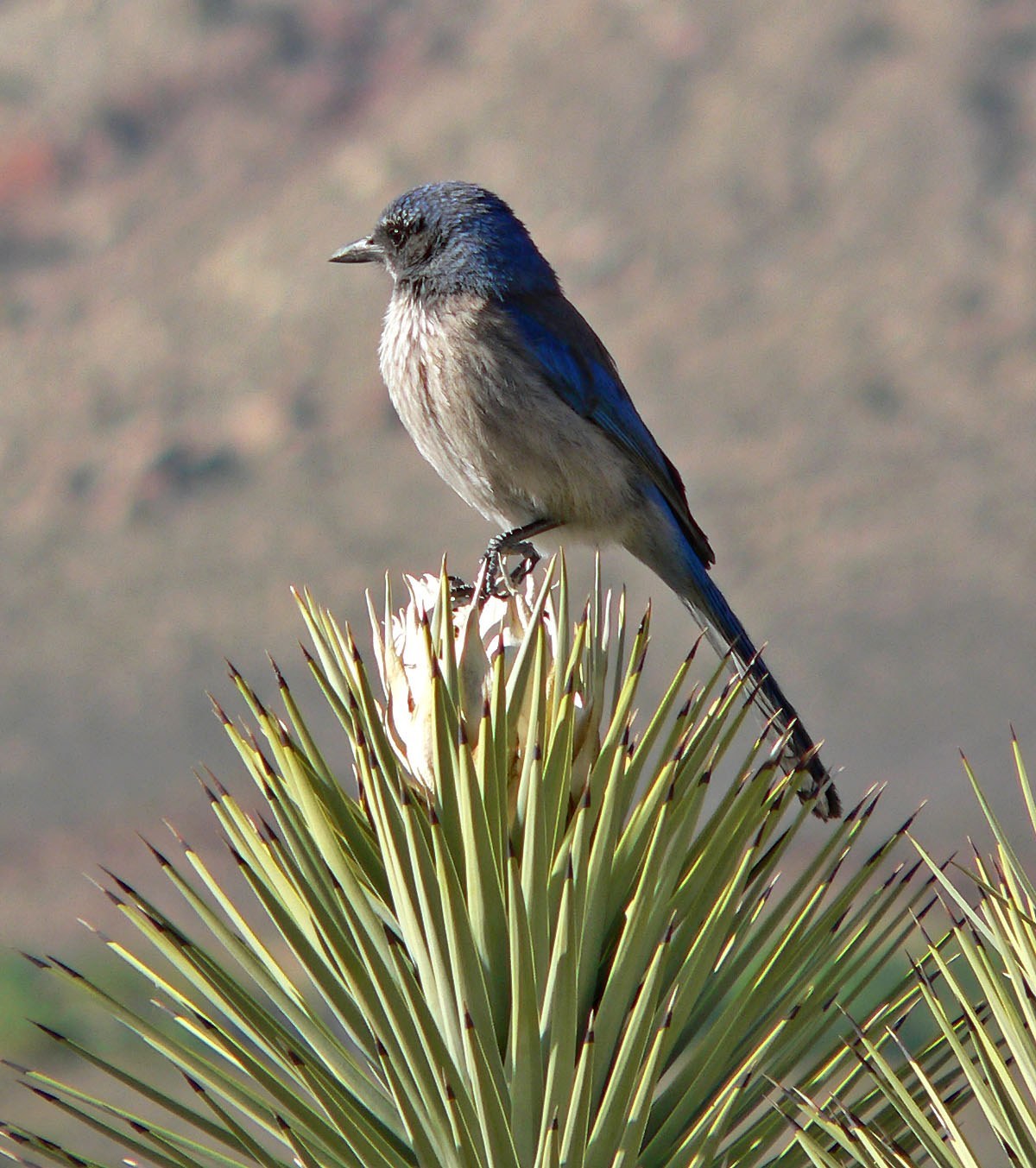
Woodhouse's Scrub-Jay
Contour and flight feathers
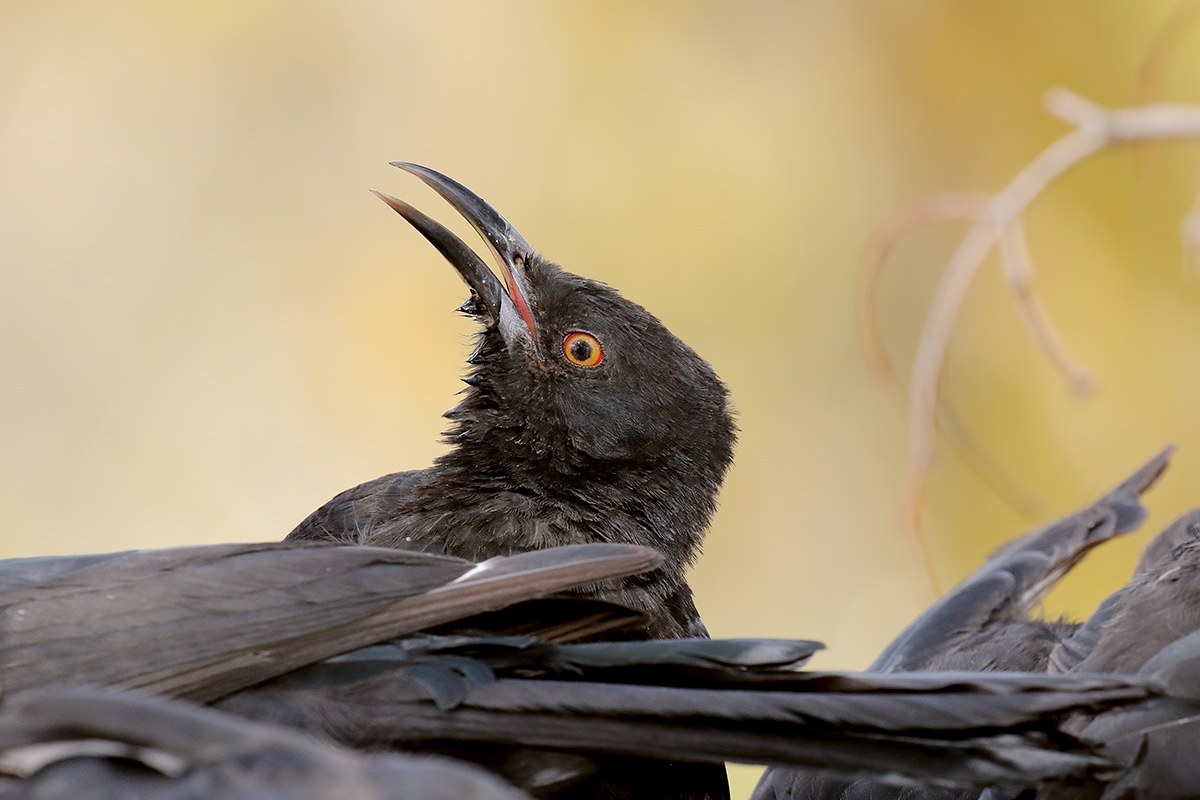
White-winged Chough
Contour and flight feathers

Rufous Treepie
Long, graduated tail feathers; loose body contour feathers

Thick-billed Raven
Contour and flight feathers
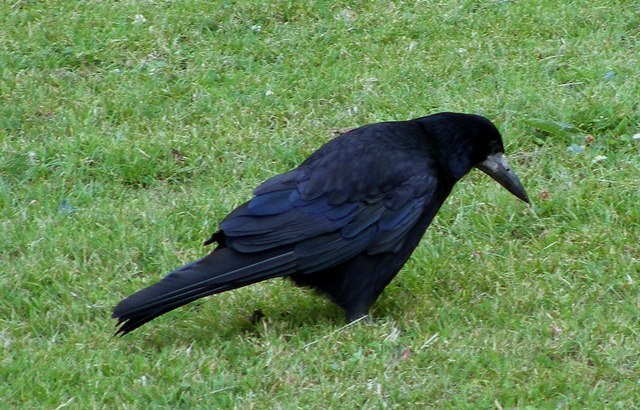
Rook
Glossy purple-black flight and body feathers; loose, shaggy thigh (leg) feathers