

White-necked Crow
Corvus leucognaphalus
A large Caribbean crow that looks entirely black at rest but reveals white feather bases on the neck when feathers are disturbed.
- Feather type
- Contour and flight feathers
- Colours
- Glossy black with white feather bases at the neck
- Bird size
- Large crow, ~44-48 cm
Found a feather like this?
Identify any feather from a photo, free.
Overview
Overview
The White-necked Crow is a large corvid found on the island of Hispaniola (Haiti and the Dominican Republic), with historical presence on Puerto Rico where it is now believed extirpated. It favors forested habitats more than some other Caribbean crows.
Its hidden white neck feathers are a distinctive feature not visible unless the plumage is ruffled or examined closely.
Identifying the Feather
Feather Identification
At rest, feathers appear entirely glossy black, but neck feathers reveal white bases when parted or ruffled, a key distinguishing feature from the similar Cuban Crow.
- Neck feathers: White at the base, black at the tip, creating a hidden white patch normally concealed by the overlapping black feather tips.
- Flight feathers: Broad, sturdy primaries and secondaries.
- Tail feathers: Squared, glossy black tail feathers.
- Similar species: The hidden white neck feather bases separate it from the Cuban Crow, which lacks this feature entirely.
Plumage & Molt
Plumage Notes
Adults show glossy black plumage overall with the characteristic white-based neck feathers. Juveniles are duller, gaining full adult gloss and the white neck feature with maturity.
Sexes are alike. A complete annual molt follows breeding.
Habitat & Range
Habitat & Range
White-necked Crows favor forest and woodland habitats on Hispaniola, occurring in both humid and drier forest types across Haiti and the Dominican Republic. The historical Puerto Rico population is now considered extirpated.
The species is resident within its remaining island range, without migratory movement.
Behavior & Field Notes
Behavior & Field Notes
This crow is social, often seen in small groups moving through forest canopy or forest edge. Diet is broad and opportunistic, typical of forest-dwelling corvids.
Nests are stick platforms built in trees. Calls are loud and varied, including harsh caws and other unusual notes. The hidden white neck feathers, visible only when plumage is disturbed by wind or preening, are a subtle but useful identification feature.
Frequently asked questions
What is unique about White-necked Crow feathers?
Neck feathers have white bases hidden beneath black tips, only becoming visible when the feathers are ruffled or parted.
How is the White-necked Crow different from the Cuban Crow?
The White-necked Crow shows hidden white feather bases on the neck, a feature entirely absent in the uniformly black Cuban Crow.
Where is the White-necked Crow found today?
It occurs on Hispaniola (Haiti and the Dominican Republic); a historical population on Puerto Rico is now believed extirpated.
Does the White-necked Crow's white feathering show at rest?
No, the white bases are normally hidden by overlapping black feather tips and only become visible when the plumage is disturbed.
White-necked Crow guides
In-depth guides for identifying and understanding White-necked Crow.

Other feathers you may enjoy

Yellow-billed Magpie
Contour, wing, and tail feathers

White-throated Magpie-Jay
Contour, wing, and tail feathers

Slender-billed Crow
Contour and flight feathers

Sinaloa Crow
Contour and flight feathers

Siberian Jay
Contour, wing, and tail feathers

Yellow-billed Blue Magpie
Contour, wing, and tail feathers
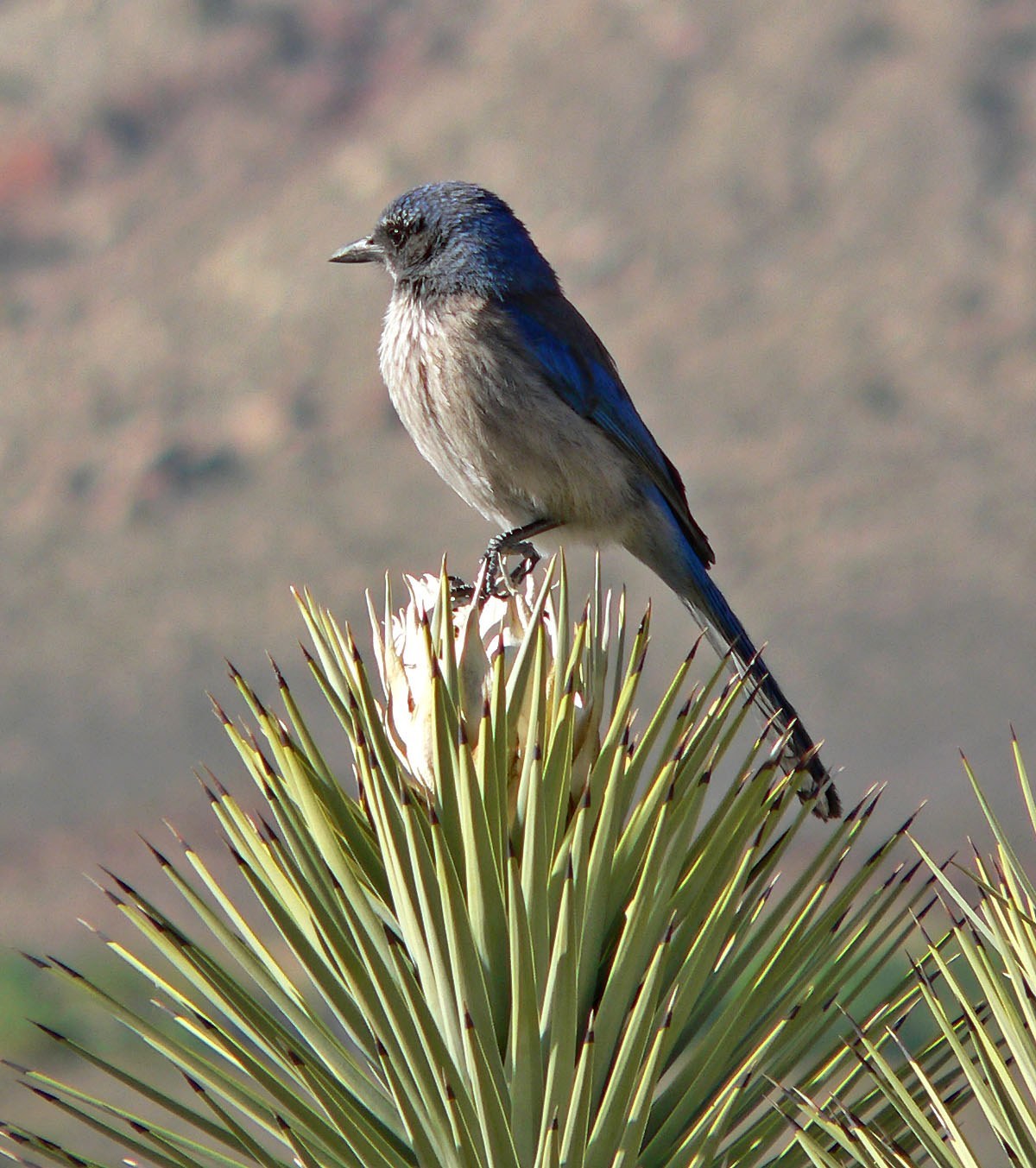
Woodhouse's Scrub-Jay
Contour and flight feathers
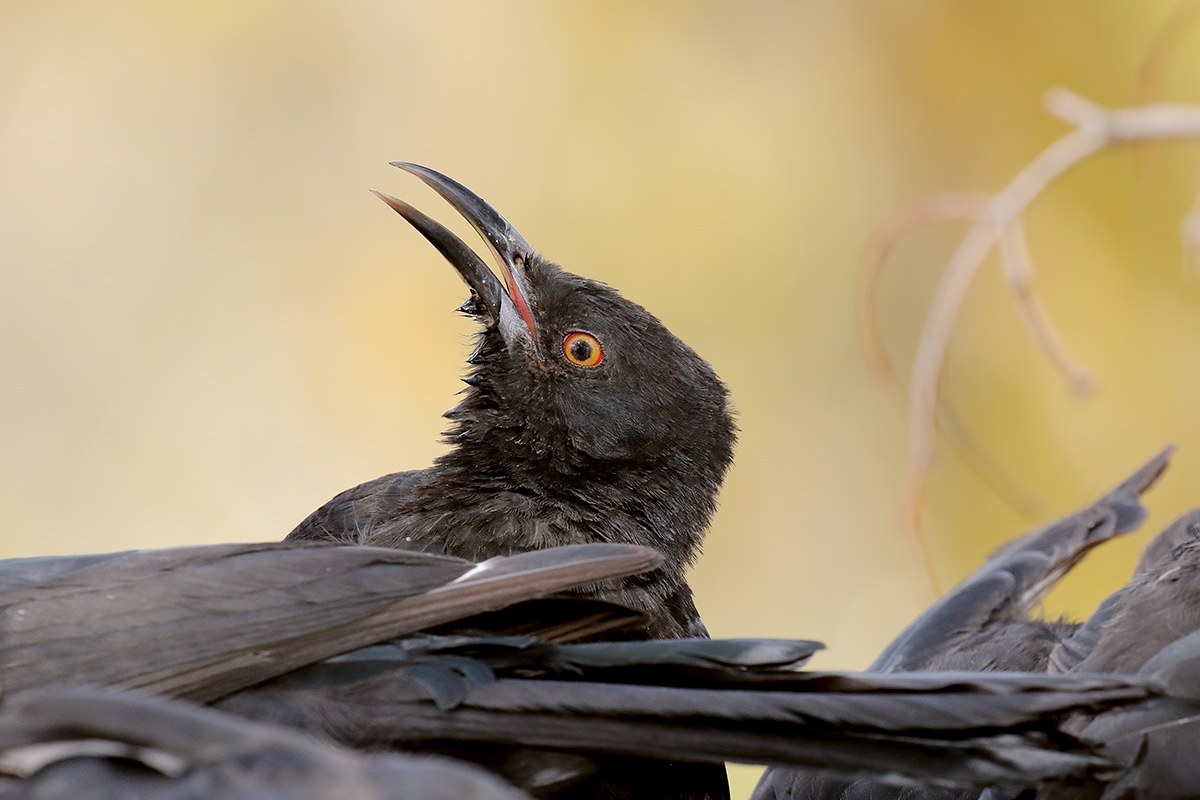
White-winged Chough
Contour and flight feathers

Rufous Treepie
Long, graduated tail feathers; loose body contour feathers

Thick-billed Raven
Contour and flight feathers
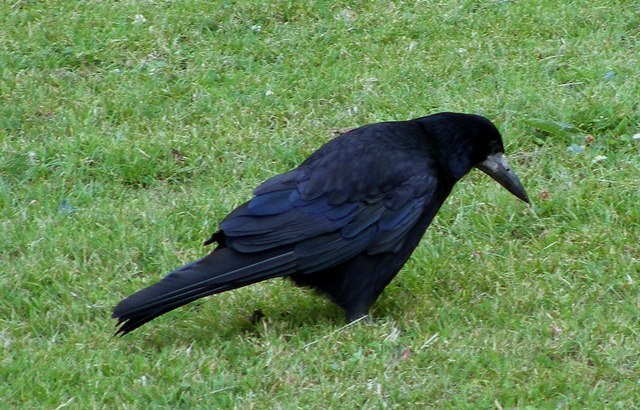
Rook
Glossy purple-black flight and body feathers; loose, shaggy thigh (leg) feathers
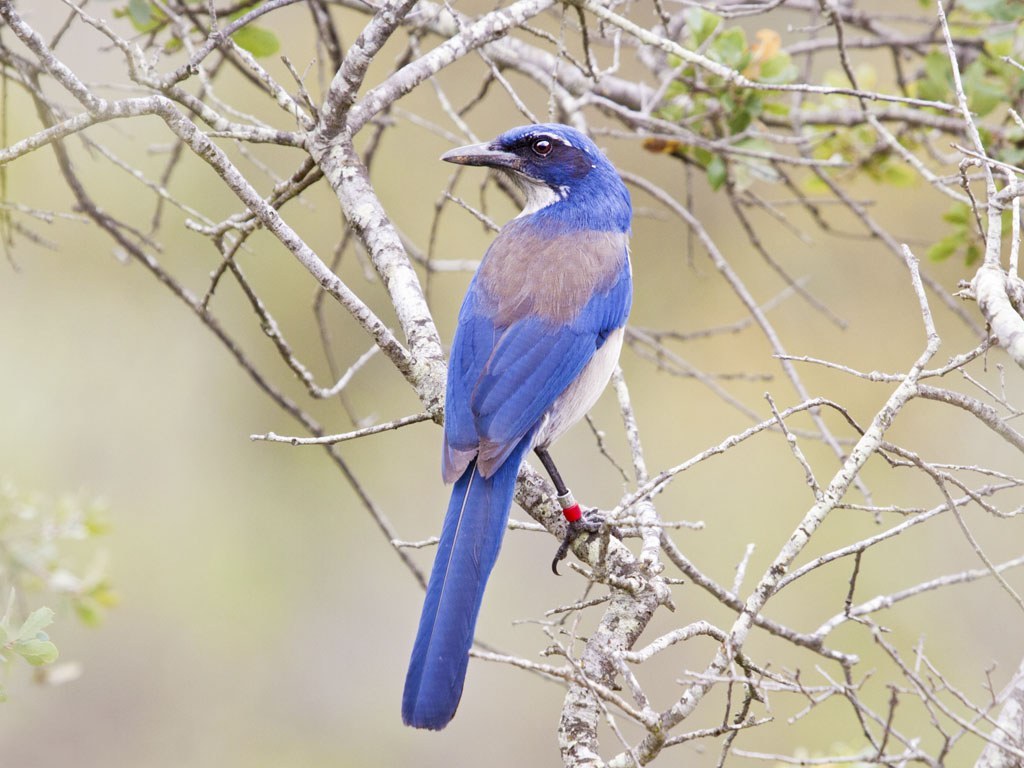
Western Scrub-Jay
Contour and flight feathers