
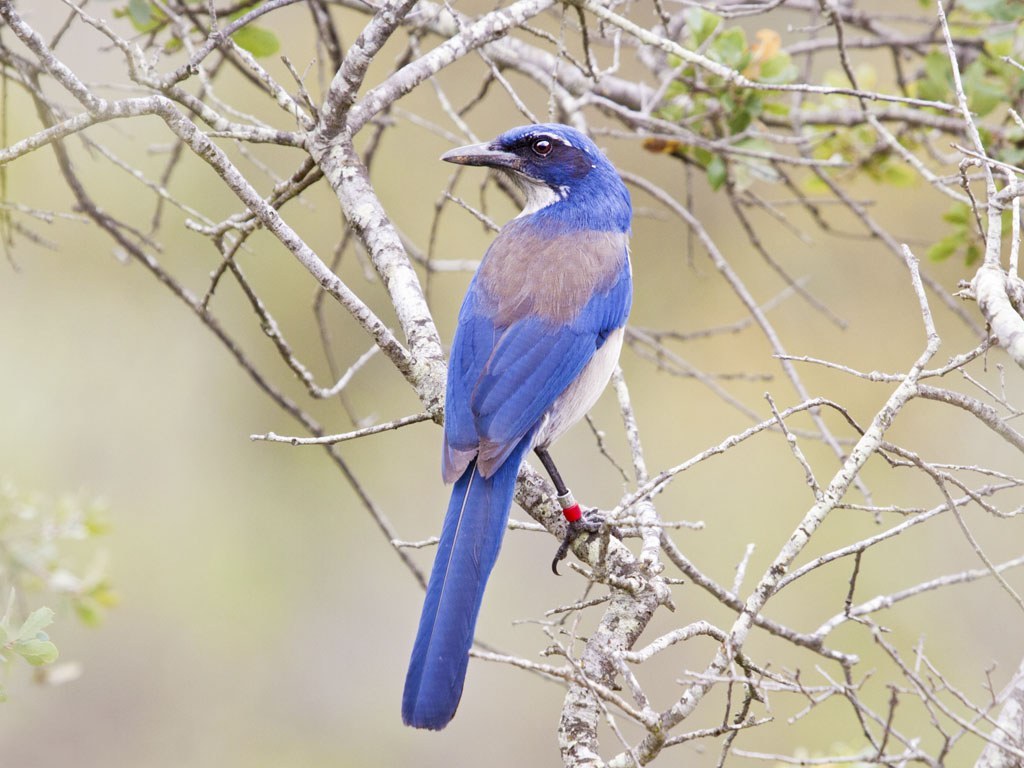
Western Scrub-Jay
Aphelocoma insularis
A crestless blue-and-gray jay of western oak woodland and scrubby habitat, easily told from crested jays by its plain head and blue "necklace" across the breast.
- Feather type
- Contour and flight feathers
- Colours
- Blue head, wings, and tail with a grayish-brown back and pale underparts
- Bird size
- Robin-to-crow-sized, ~28-30 cm
Found a feather like this?
Identify any feather from a photo, free.
Overview
The Western Scrub-Jay is a familiar corvid of oak woodland, chaparral, and suburban gardens across western North America. It shows blue on the head, wings, and tail contrasting with a grayish-brown back and pale grayish-white underparts, and unlike many jays it lacks a crest, giving it a smooth-headed profile. It is a bold, adaptable bird often seen around yards and parks.
Identifying the Feather
Head, wing, and tail feathers are blue, while the back and mantle feathers are a contrasting grayish-brown, and the underparts are pale gray to whitish. A faint blue band crosses the upper breast like a loose necklace, bordered by whitish throat feathers with fine streaking. The head is smooth and rounded with no crest, distinguishing it at a glance from crested jays such as the Steller's or Blue Jay. Flight feathers show clean blue edging without barring.
Plumage & Molt
Sexes look alike in plumage. Juveniles are duller, with a grayish head lacking the crisp blue of adults, gradually acquiring full blue coloration through their first year. Adults have a single complete molt after breeding.
Habitat & Range
This species is found in oak woodland, chaparral, pinyon-juniper habitat, and increasingly in suburban gardens and parks across the western United States. It is largely resident year-round within its range.
Behavior & Field Notes
Western Scrub-Jays forage on the ground and in trees for a wide variety of food, including caching acorns for later use, and are known for excellent spatial memory in relocating these caches. They are bold and vocal, giving harsh, scratchy calls, and are often seen perching prominently on fence posts or shrubs. Nests are built as twig cups placed in dense shrubs or low trees.
Frequently asked questions
How do I identify a Western Scrub-Jay feather?
Look for blue feathers from the head, wing, or tail paired with plain grayish-brown back feathers and no crest, distinguishing it from crested jays.
Where does the Western Scrub-Jay live?
It lives in oak woodland, chaparral, and increasingly suburban habitat across western North America.
How is it different from the Steller's Jay?
The Western Scrub-Jay lacks a crest and shows a plainer gray-brown back, while the Steller's Jay has a prominent crest and much darker overall coloration.
What does the Western Scrub-Jay eat?
It has a varied diet and is well known for caching acorns and other food items for later retrieval.
Western Scrub-Jay guides
In-depth guides for identifying and understanding Western Scrub-Jay.
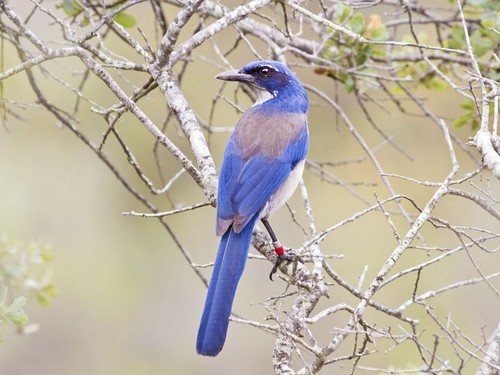
Other feathers you may enjoy

Yellow-billed Magpie
Contour, wing, and tail feathers

White-throated Magpie-Jay
Contour, wing, and tail feathers

White-necked Crow
Contour and flight feathers

Slender-billed Crow
Contour and flight feathers

Sinaloa Crow
Contour and flight feathers

Siberian Jay
Contour, wing, and tail feathers

Yellow-billed Blue Magpie
Contour, wing, and tail feathers
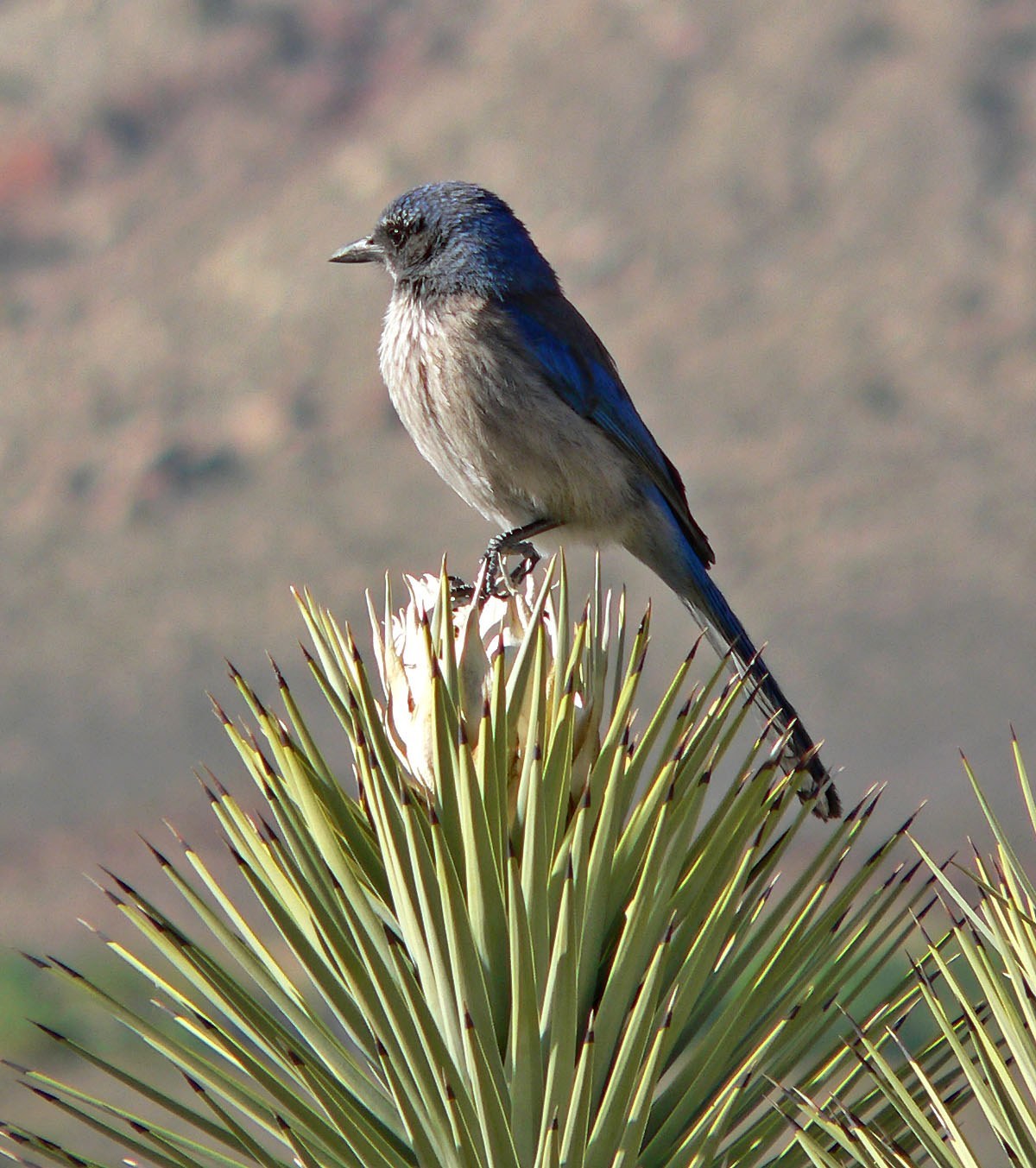
Woodhouse's Scrub-Jay
Contour and flight feathers
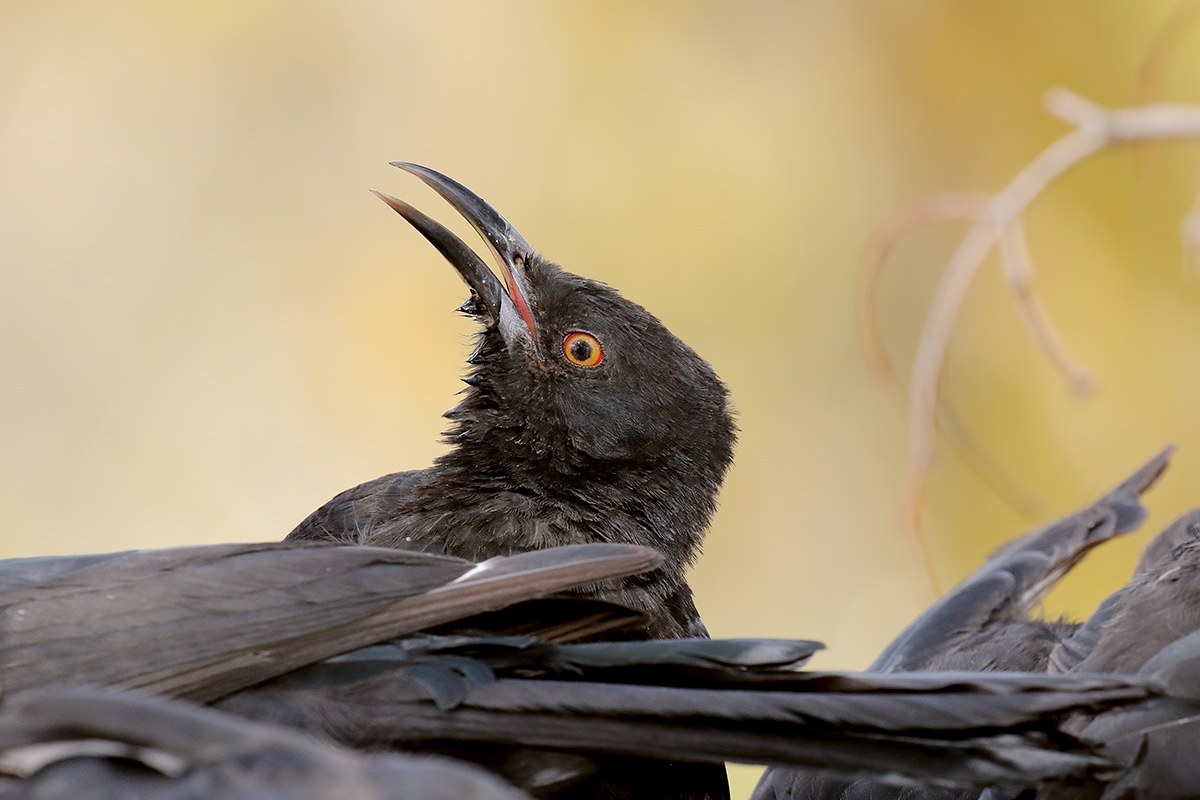
White-winged Chough
Contour and flight feathers

Rufous Treepie
Long, graduated tail feathers; loose body contour feathers

Thick-billed Raven
Contour and flight feathers
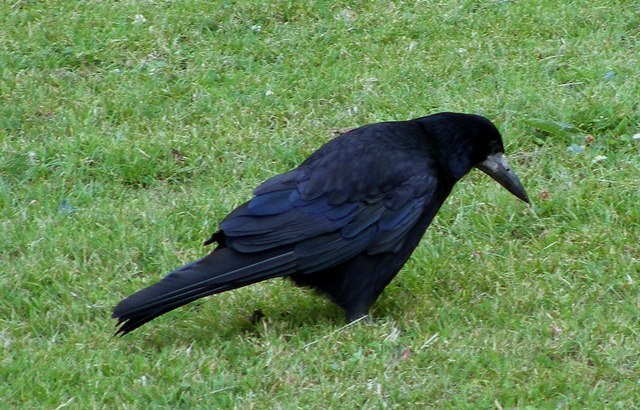
Rook
Glossy purple-black flight and body feathers; loose, shaggy thigh (leg) feathers