

Rufous Treepie
Dendrocitta vagabunda
A long-tailed corvid of the Indian subcontinent, warm rufous-orange with a black head and a pale wing patch, often heard before it is seen thanks to its loud, varied calls.
- Feather type
- Long, graduated tail feathers; loose body contour feathers
- Colours
- Rufous-orange body with a black hood and pale gray wing patch
- Bird size
- Jay-sized with long tail, ~46-50 cm including tail
Found a feather like this?
Identify any feather from a photo, free.
Overview
The Rufous Treepie is a conspicuous, long-tailed corvid found throughout the Indian subcontinent, familiar in gardens, groves, and open woodland where its warm rufous plumage and bold behavior make it easy to notice. As a member of the crow family, it shares the intelligence and adaptability typical of corvids.
Often moving in small noisy groups, treepies are quick to investigate new food sources and are known for a wide vocal repertoire, ranging from harsh calls to more musical notes.
Identifying the Feather
- Body is a rich rufous-orange on the back, breast, and belly
- Head, neck, and upper breast form a contrasting black hood
- Wings show a pale gray to whitish patch among otherwise black flight feathers, conspicuous in flight
- Tail is long and graduated, grayish with a black terminal band, making up nearly half the bird's total length
- Distinguished from other treepies and corvids by the combination of black hood, rufous body, and long gray-and-black tail
Plumage & Molt
Adults of both sexes look alike, with the rufous body, black hood, and long gray-black tail present year-round. Juveniles are duller and less richly colored, with a browner hood before molting into the adult pattern. There is no strong seasonal plumage variation, though feather wear can dull the rufous tones between molts.
Habitat & Range
The Rufous Treepie is found throughout the Indian subcontinent in open woodland, deciduous forest edges, groves, parks, and gardens, generally avoiding dense unbroken forest. It is a resident species, holding territories year-round and rarely undertaking significant movements.
Behavior & Field Notes
This adaptable corvid has an omnivorous diet, taking insects, small vertebrates, fruit, and scraps, and it readily visits gardens and feeding stations. Nests are bulky stick platforms built in tree forks. Rufous Treepies are highly vocal, producing a wide range of calls from harsh chattering to more bell-like notes, and often move and forage in small family groups.
Frequently asked questions
What does a Rufous Treepie feather look like?
Body feathers are rich rufous-orange with a black hood on the head and upper breast, a pale gray wing patch, and a long gray tail with a black tip.
How long is a Rufous Treepie's tail?
The graduated tail makes up nearly half the bird's total length, giving it a distinctly long, streaming silhouette in flight.
Is the Rufous Treepie related to crows?
Yes, it is a member of the corvid family, sharing the intelligence and adaptable, opportunistic habits typical of crows and jays.
Where does the Rufous Treepie live?
It is found across the Indian subcontinent in open woodland, groves, parks, and gardens.
Rufous Treepie guides
In-depth guides for identifying and understanding Rufous Treepie.

Other feathers you may enjoy

Yellow-billed Magpie
Contour, wing, and tail feathers

White-throated Magpie-Jay
Contour, wing, and tail feathers

White-necked Crow
Contour and flight feathers

Slender-billed Crow
Contour and flight feathers

Sinaloa Crow
Contour and flight feathers

Siberian Jay
Contour, wing, and tail feathers

Yellow-billed Blue Magpie
Contour, wing, and tail feathers
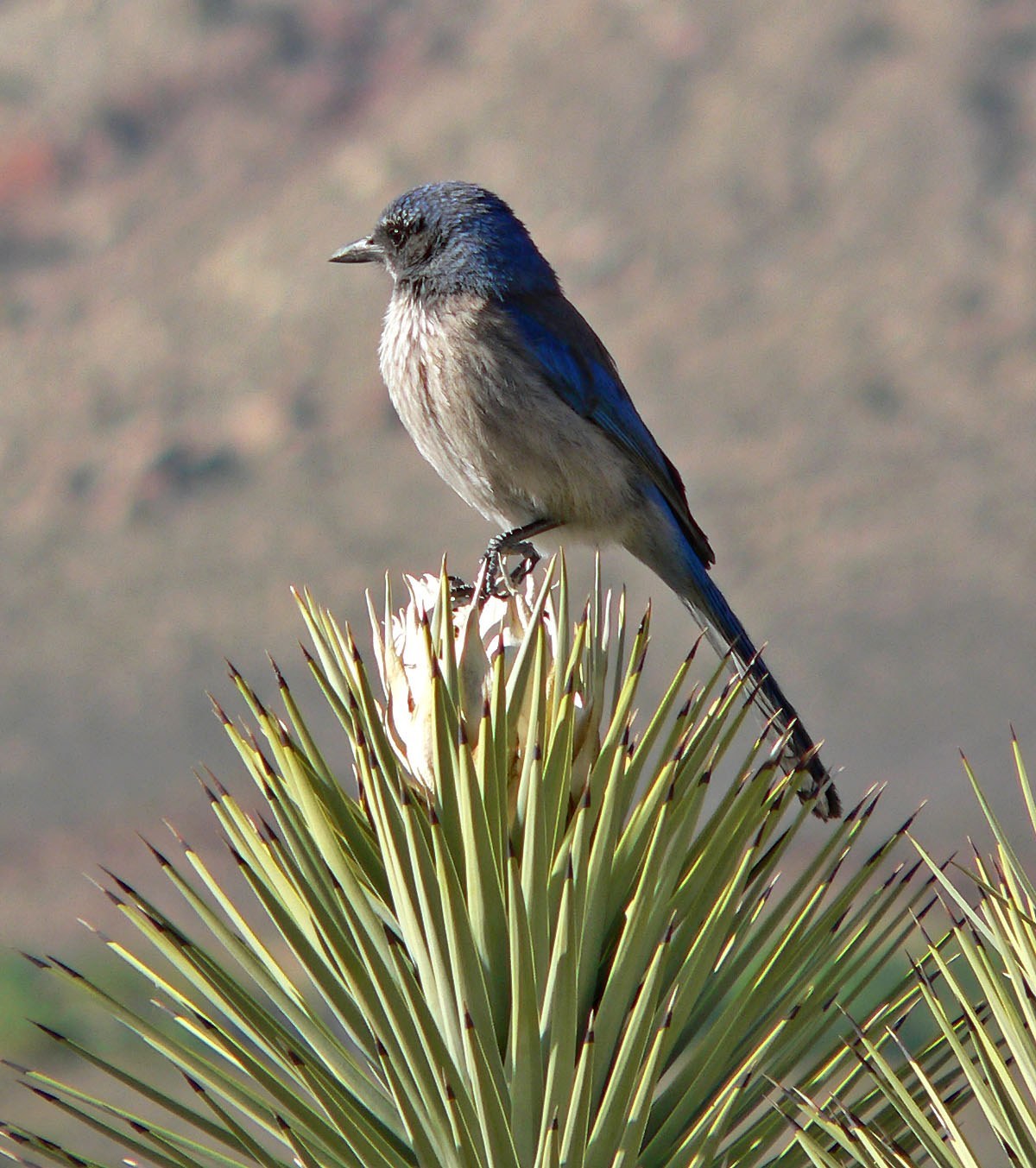
Woodhouse's Scrub-Jay
Contour and flight feathers
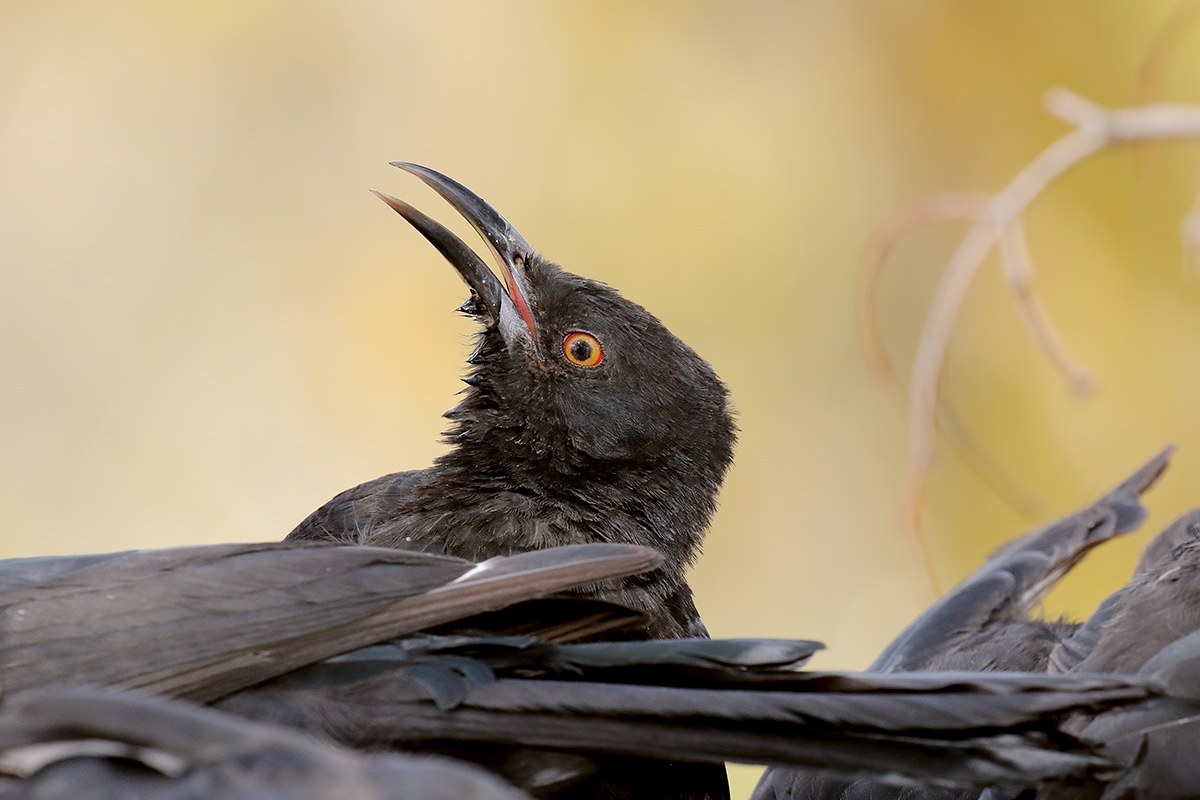
White-winged Chough
Contour and flight feathers

Thick-billed Raven
Contour and flight feathers
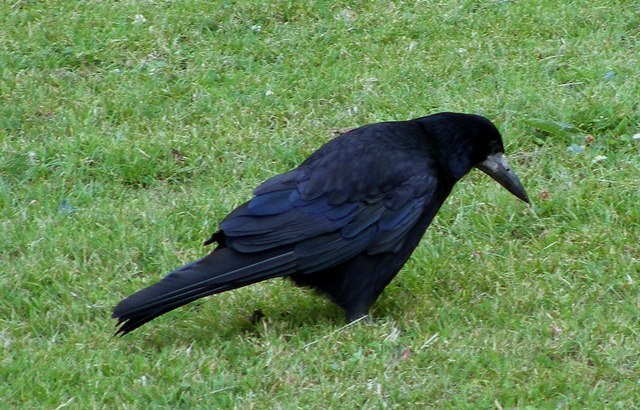
Rook
Glossy purple-black flight and body feathers; loose, shaggy thigh (leg) feathers
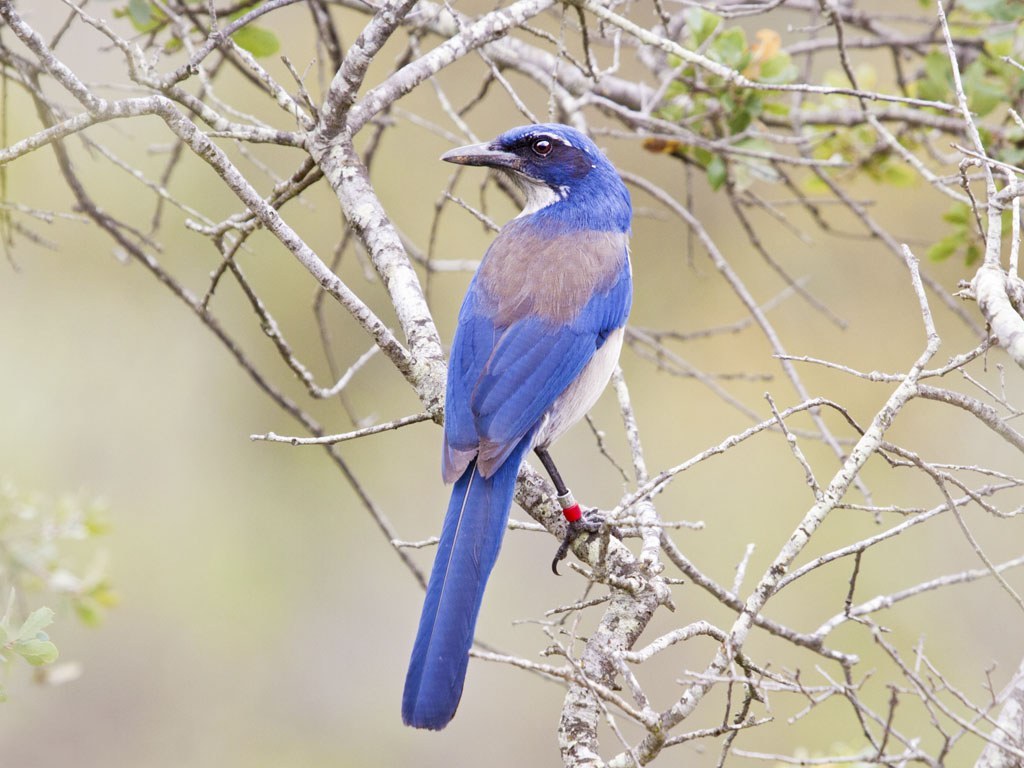
Western Scrub-Jay
Contour and flight feathers