

Steller's Jay
Cyanocitta stelleri
A bold, crested jay of western forests with a sooty black head and back giving way to vivid blue wings and tail marked with fine dark barring.
- Feather type
- Contour, crest, and flight feathers
- Colours
- Deep blue, sooty black, fine dark barring
- Bird size
- Large, ~30 cm
Found a feather like this?
Identify any feather from a photo, free.
Overview
The Steller's Jay is a striking corvid of coniferous forests throughout the mountainous West, easily told apart by its prominent black crest and two-toned body plumage. Its feathers show a sharp transition from dark sooty-black on the head, back, and chest to deep, vibrant blue on the wings, tail, and belly, often with fine black barring on the wing and tail feathers. This species is a frequent visitor to campgrounds and mountain feeders, making its feathers a common find in western coniferous habitats.
Identifying the Feather
Size and Shape
Steller's Jay feathers are moderately large and sturdy, with elongated, pointed crest feathers on the head and broad, rounded wing and tail feathers.
Color and Pattern
- Head, crest, and upper back feathers: sooty black to dark brown, unbarred
- Wing and tail feathers: rich blue with narrow dark barring
- Some individuals show faint pale streaking on the forehead
Distinguishing from Similar Species
Steller's Jay feathers are readily told apart from Blue Jay feathers by the lack of white markings; Steller's plumage has no white anywhere, while Blue Jay feathers show bold white wing bars and tail corners. The sooty black head and back contrasting sharply with blue wings is unique among western jays.
Plumage & Molt
Sexes are similar, both showing the sooty black head and back with blue wings, tail, and belly, and a prominent black crest year-round. Juveniles are duller and browner overall before acquiring adult coloration. Adults undergo a single complete molt in late summer after the breeding season, replacing crest, body, and flight feathers.
Habitat & Range
Steller's Jays inhabit coniferous and mixed forests through the mountainous western United States, western Canada, and south through Mexico and Central America. The species is largely resident, though some individuals move to lower elevations in harsh winters. It is a familiar visitor to campgrounds, picnic areas, and backyard feeders within its forested range.
Behavior & Field Notes
This jay is an opportunistic omnivore, eating conifer seeds, acorns, insects, small vertebrates, and readily taking scraps around human activity. It builds a bulky stick nest in conifers and is known for caching food for later use, similar to other jays. Steller's Jay has a harsh, scolding "shaak-shaak-shaak" call and is also an accomplished mimic, capable of imitating hawk calls and other sounds. It is bold and inquisitive around people, often approaching campsites for food.
Frequently asked questions
What colors are Steller's Jay feathers?
Sooty black on the head and upper back transitioning to deep blue on the wings, tail, and belly, with fine dark barring on the blue feathers.
Does Steller's Jay have white in its feathers?
No, unlike the Blue Jay, Steller's Jay plumage lacks white markings entirely.
Where would I find a Steller's Jay feather?
In coniferous and mixed forests across the western mountains, including campgrounds and forest feeders.
Is the Steller's Jay crest made of special feathers?
Yes, elongated, pointed sooty-black feathers on the crown form the distinctive crest visible year-round.
Steller's Jay guides
In-depth guides for identifying and understanding Steller's Jay.

Steller's Jay identified by the community
Real feathers identified with Feather Identifier.


Other feathers you may enjoy

Yellow-billed Magpie
Contour, wing, and tail feathers

White-throated Magpie-Jay
Contour, wing, and tail feathers

White-necked Crow
Contour and flight feathers

Slender-billed Crow
Contour and flight feathers

Sinaloa Crow
Contour and flight feathers

Siberian Jay
Contour, wing, and tail feathers

Yellow-billed Blue Magpie
Contour, wing, and tail feathers
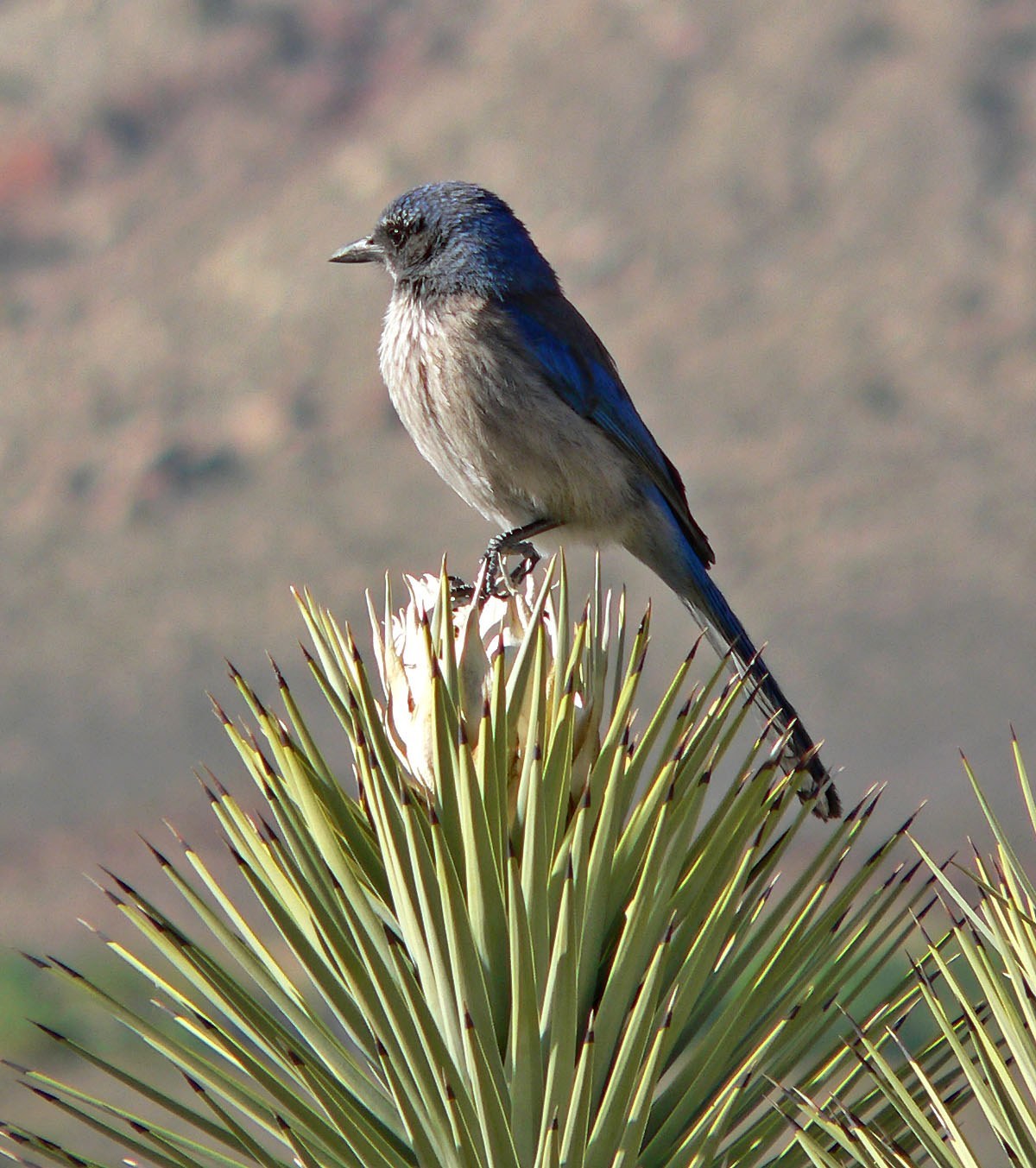
Woodhouse's Scrub-Jay
Contour and flight feathers
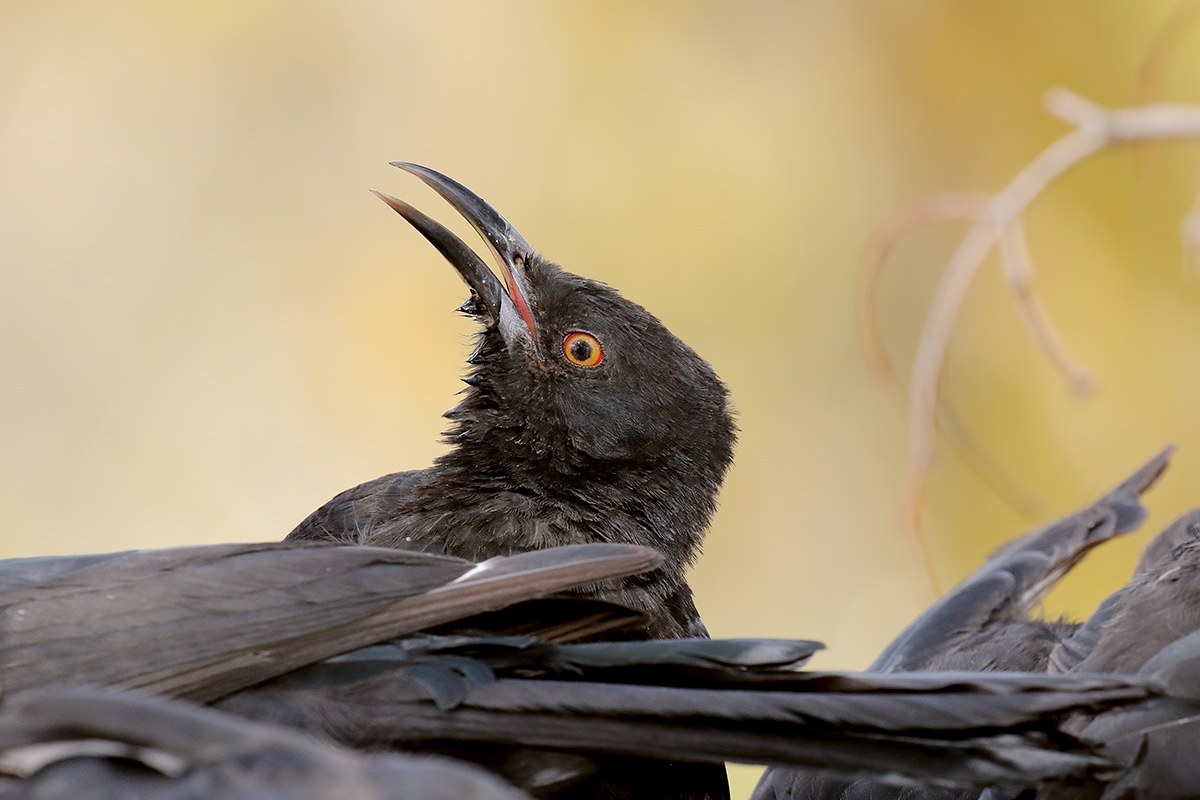
White-winged Chough
Contour and flight feathers

Rufous Treepie
Long, graduated tail feathers; loose body contour feathers

Thick-billed Raven
Contour and flight feathers
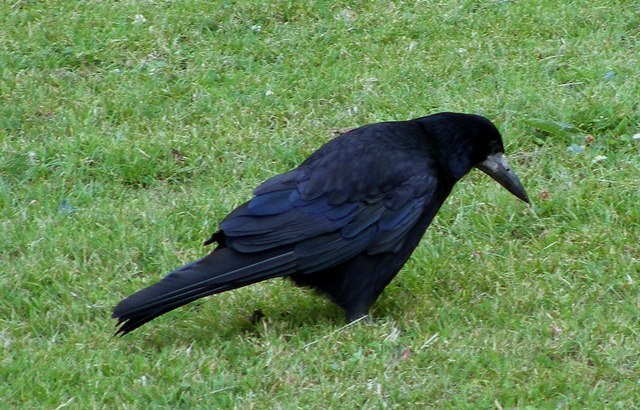
Rook
Glossy purple-black flight and body feathers; loose, shaggy thigh (leg) feathers