

White-throated Magpie-Jay
Calocitta formosa
A dramatic Central American jay with a long, forward-curling crest and an exceptionally long, graduated blue-and-white tail.
- Feather type
- Contour, wing, and tail feathers
- Colours
- Blue upperparts, white underparts and throat, long curled crest, extremely long blue-and-white graduated tail
- Bird size
- Very long overall due to tail, body jay-sized, ~45-56 cm including tail
Found a feather like this?
Identify any feather from a photo, free.
Overview
The White-throated Magpie-Jay is one of the most visually dramatic corvids in the Americas, found in dry forest, thorn scrub, and open woodland across Central America. Its most distinctive features are a long, curled crest of feathers arching forward over the crown and an extraordinarily long, graduated tail marked in blue and white.
It travels in small, noisy groups, its extreme tail length making it unmistakable in flight even at a distance.
Identifying the Feather
- Crest feathers are elongated and curl forward over the crown, a unique structural feature among jays that is often visible even on a single detached crest feather
- Head and upperpart feathers are blue, while the throat and underparts are white, creating a clean two-tone contrast
- Tail feathers are extremely long and strongly graduated, blue with white tips and edges, among the longest tail feathers of any regularly encountered New World songbird
- Wing feathers are blue, matching the upperpart tone, without strong additional barring
Plumage & Molt
Sexes look similar in plumage, with only subtle differences. Juveniles show a shorter, less developed crest and duller blue feathering that intensifies with maturity over successive molts, with the full tail length developing gradually. One complete molt occurs annually after breeding.
Habitat & Range
- Found from Mexico south through much of Central America
- Favors dry forest, thorn scrub, and open woodland rather than dense humid forest
- Non-migratory, with resident groups occupying stable territories
Behavior & Field Notes
White-throated Magpie-Jays are social, moving in small groups and often showing cooperative breeding behavior, with related birds helping raise young at shared nests. They forage for insects, small animals, fruit, and occasionally eggs or nestlings, both on the ground and in trees. Calls are loud and varied, including harsh screeches and softer notes used within the group, and the extremely long tail is often held raised or flicked during social interactions.
Frequently asked questions
What is the most distinctive feather feature of this species?
The extremely long, graduated tail feathers marked in blue and white, combined with the unique forward-curling crest feathers, make this one of the most recognizable jays by feather alone.
How does the crest feather differ from ordinary head feathers?
Crest feathers are notably elongated and curve forward over the crown, a specialized structural feature not found on the flatter feathers covering the rest of the head.
How can I tell this species from the Black-throated Magpie-Jay?
This species shows a clean white throat and breast, while the Black-throated Magpie-Jay has a dark band across the throat and upper breast; range also helps, since the two occupy largely separate parts of Mexico and Central America.
Where would I most likely find a shed feather?
In dry forest, thorn scrub, and open woodland from Mexico south through much of Central America.
White-throated Magpie-Jay guides
In-depth guides for identifying and understanding White-throated Magpie-Jay.

Other feathers you may enjoy

Yellow-billed Magpie
Contour, wing, and tail feathers

White-necked Crow
Contour and flight feathers

Slender-billed Crow
Contour and flight feathers

Sinaloa Crow
Contour and flight feathers

Siberian Jay
Contour, wing, and tail feathers

Yellow-billed Blue Magpie
Contour, wing, and tail feathers
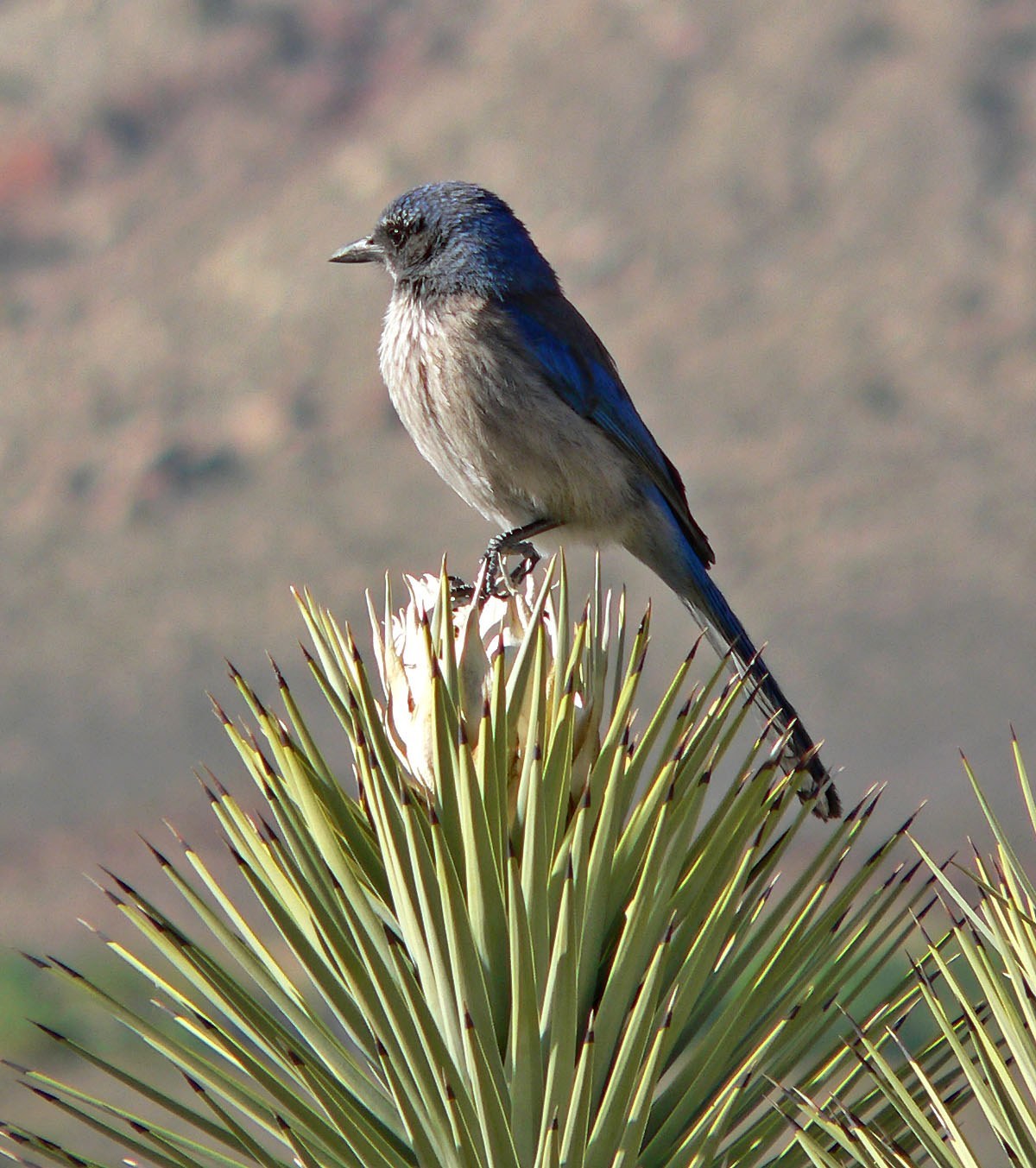
Woodhouse's Scrub-Jay
Contour and flight feathers
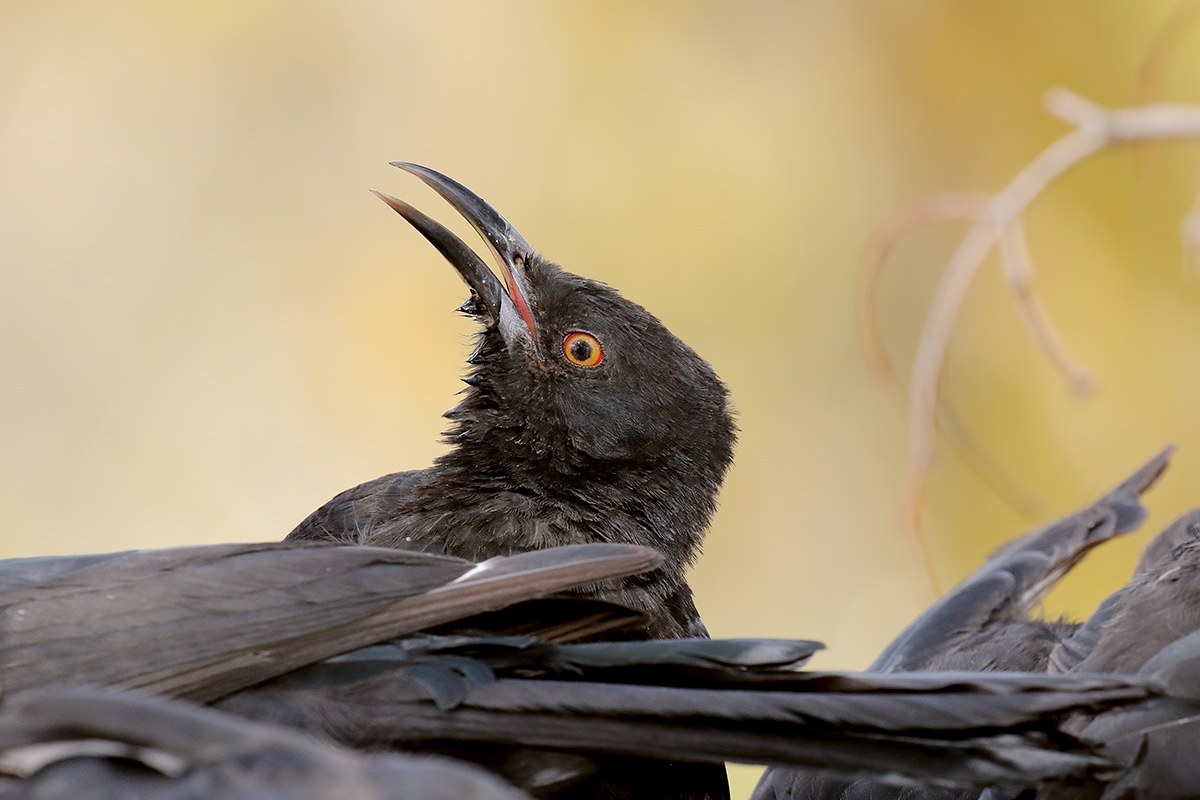
White-winged Chough
Contour and flight feathers

Rufous Treepie
Long, graduated tail feathers; loose body contour feathers

Thick-billed Raven
Contour and flight feathers
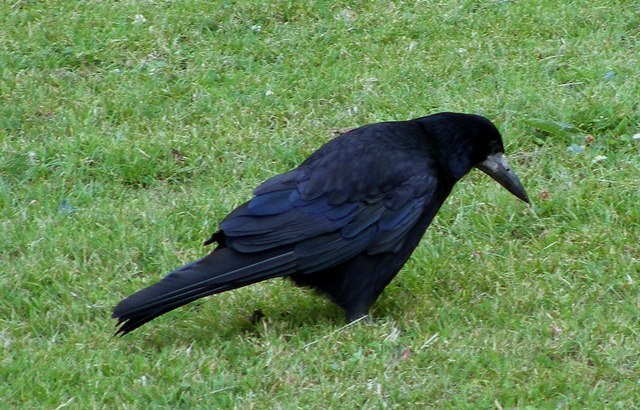
Rook
Glossy purple-black flight and body feathers; loose, shaggy thigh (leg) feathers
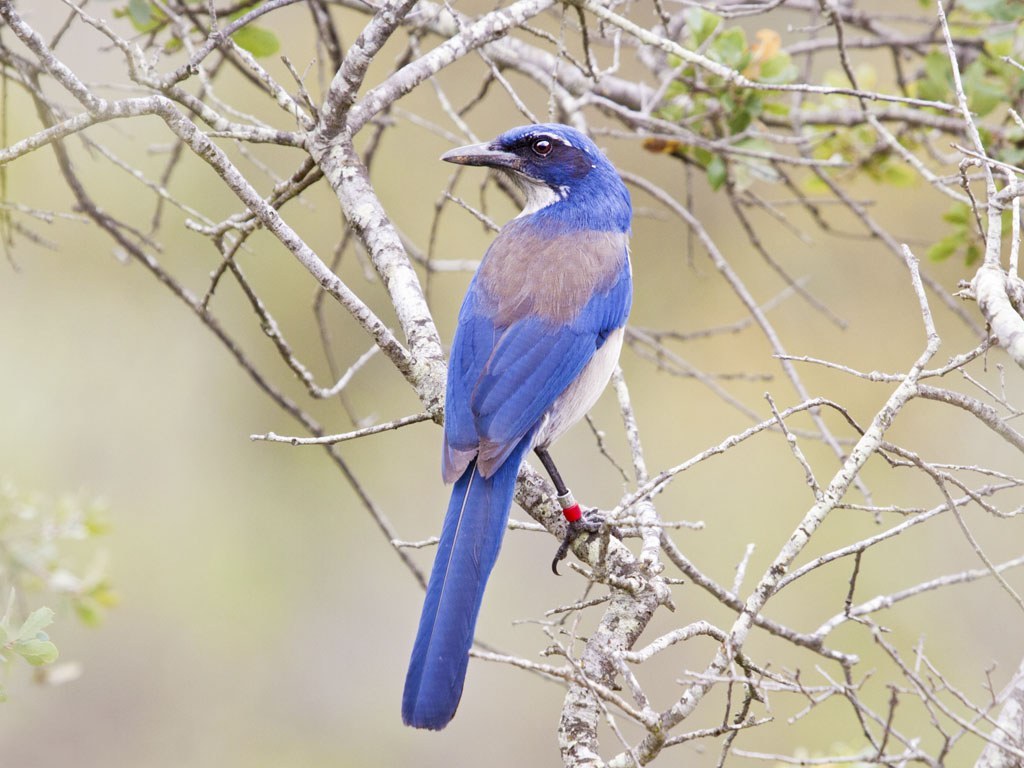
Western Scrub-Jay
Contour and flight feathers