

Siberian Jay
Perisoreus infaustus
A soft-plumaged jay of the northern boreal forest, easily recognized by its fluffy grey-brown body and rusty-orange wing and tail patches.
- Feather type
- Contour, wing, and tail feathers
- Colours
- Soft grey-brown body, dark cap, and rufous-orange patches on the wings, rump, and tail sides
- Bird size
- Robin- to jay-sized, ~27-31 cm
Found a feather like this?
Identify any feather from a photo, free.
Overview
The Siberian Jay is a bird of the vast boreal forest belt stretching from Scandinavia across Russia and Siberia, favoring dense conifer stands where it is often remarkably tame around people. Its soft, fluffy plumage and muted grey-brown tones are broken up by warm rufous-orange patches on the wings, rump, and tail sides, giving it a gentle, understated beauty compared to more boldly patterned corvids.
It is well adapted to harsh winters, caching food throughout the year to survive the long boreal cold season.
Identifying the Feather
- Contour feathers are soft, loose, and fluffy in texture, an adaptation for insulation in cold boreal winters, giving the bird a rounded, puffy appearance
- The cap and face feathers are darker sooty-brown to blackish, contrasting gently with the paler grey-brown body
- Wing feathers show warm rufous-orange edges and patches, most noticeable on the primaries and wing coverts
- Tail feathers are grey-brown centrally with rufous-orange sides, a useful identifying feature when a full tail feather is available
Plumage & Molt
Sexes look alike in plumage. Juveniles are similarly patterned but slightly duller, with less defined contrast between the dark cap and paler body. One complete molt occurs annually after breeding, and the soft, insulating feather structure is maintained through the molt to prepare for the coming winter.
Habitat & Range
- Found across the boreal forest zone of Scandinavia, Russia, and Siberia
- Strongly tied to mature coniferous forest, especially spruce and pine stands with abundant lichen and understory cover
- Largely resident, relying on cached food stores rather than migration to survive winter
Behavior & Field Notes
Siberian Jays are known for caching food, especially seeds and other items, sticking them to tree bark with sticky saliva for retrieval later in the year, a key survival strategy through long boreal winters. They are often unusually tame, sometimes approaching people and campsites closely in search of food. Calls are soft and varied, including mimicry of other birds, and nests are well-hidden cup structures built in dense conifer branches.
Frequently asked questions
What makes Siberian Jay feathers feel different from many other corvids' feathers?
The contour feathers are notably soft and fluffy, an adaptation for insulation in cold boreal winters, giving the plumage a looser, less sleek texture than typical crow or magpie feathers.
Where on the bird would I find the rufous-orange feathers?
Mainly on the wings, rump, and the sides of the tail, contrasting with the more muted grey-brown feathers covering most of the body.
Is the dark cap the same color as the rest of the head?
No, the cap and face feathers are noticeably darker, sooty-brown to blackish, standing out gently against the paler grey-brown body plumage.
Where would I most likely find a shed feather from this species?
In mature coniferous forest across the boreal zone of Scandinavia, Russia, and Siberia, especially spruce and pine stands favored by this species.
Siberian Jay guides
In-depth guides for identifying and understanding Siberian Jay.

Other feathers you may enjoy

Yellow-billed Magpie
Contour, wing, and tail feathers

White-throated Magpie-Jay
Contour, wing, and tail feathers

White-necked Crow
Contour and flight feathers

Slender-billed Crow
Contour and flight feathers

Sinaloa Crow
Contour and flight feathers

Yellow-billed Blue Magpie
Contour, wing, and tail feathers
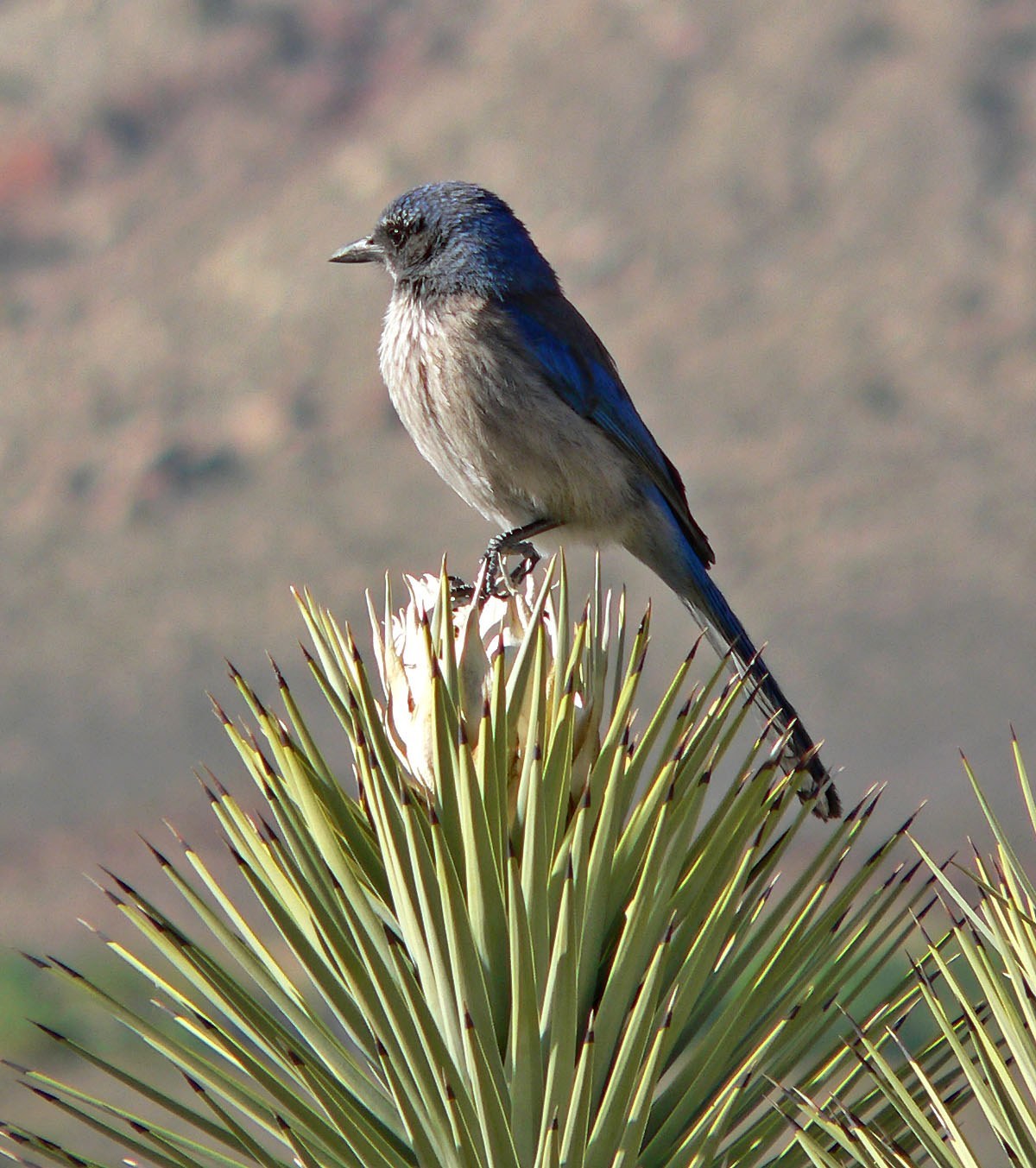
Woodhouse's Scrub-Jay
Contour and flight feathers
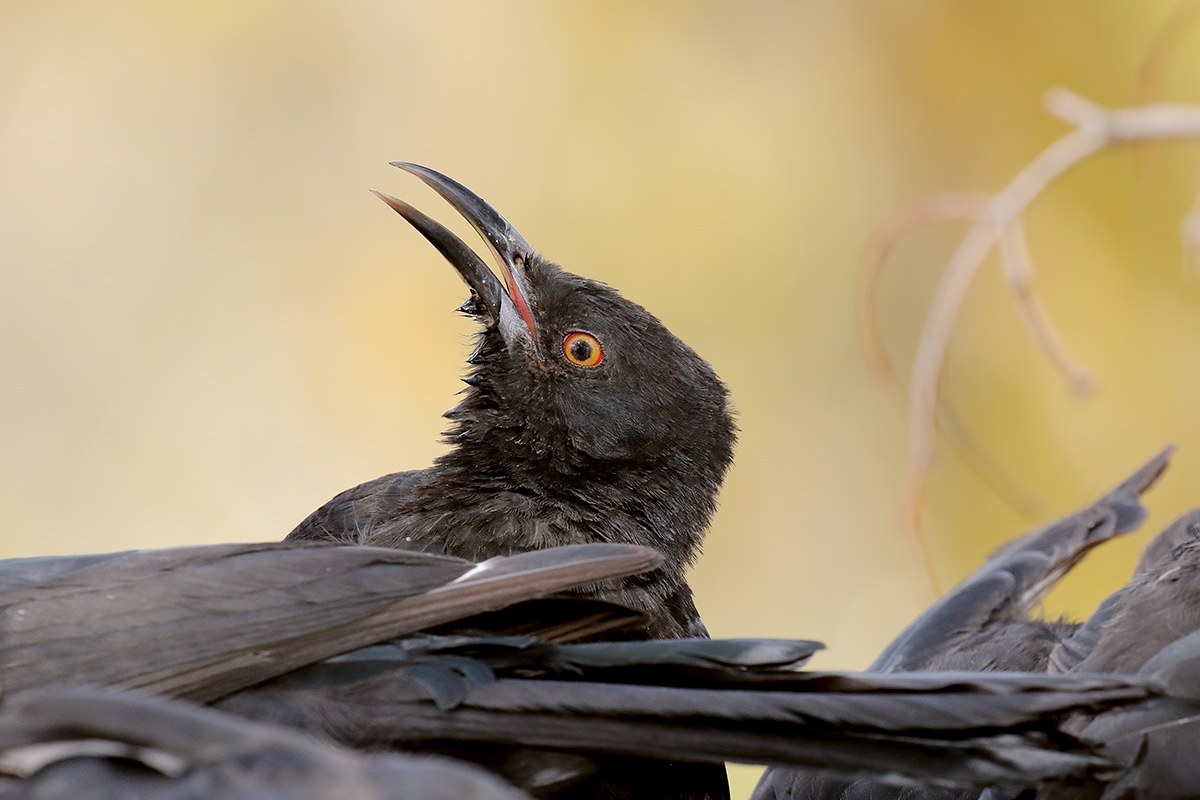
White-winged Chough
Contour and flight feathers

Rufous Treepie
Long, graduated tail feathers; loose body contour feathers

Thick-billed Raven
Contour and flight feathers
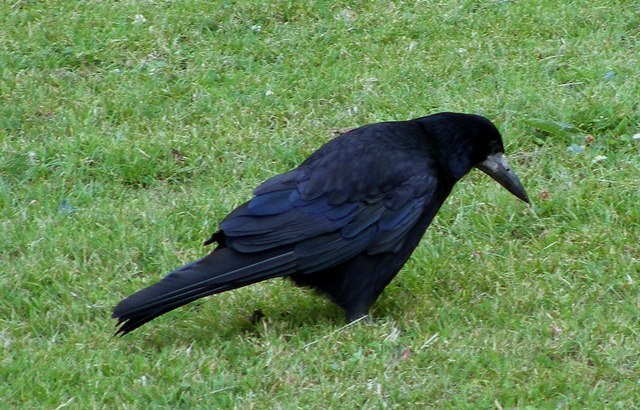
Rook
Glossy purple-black flight and body feathers; loose, shaggy thigh (leg) feathers
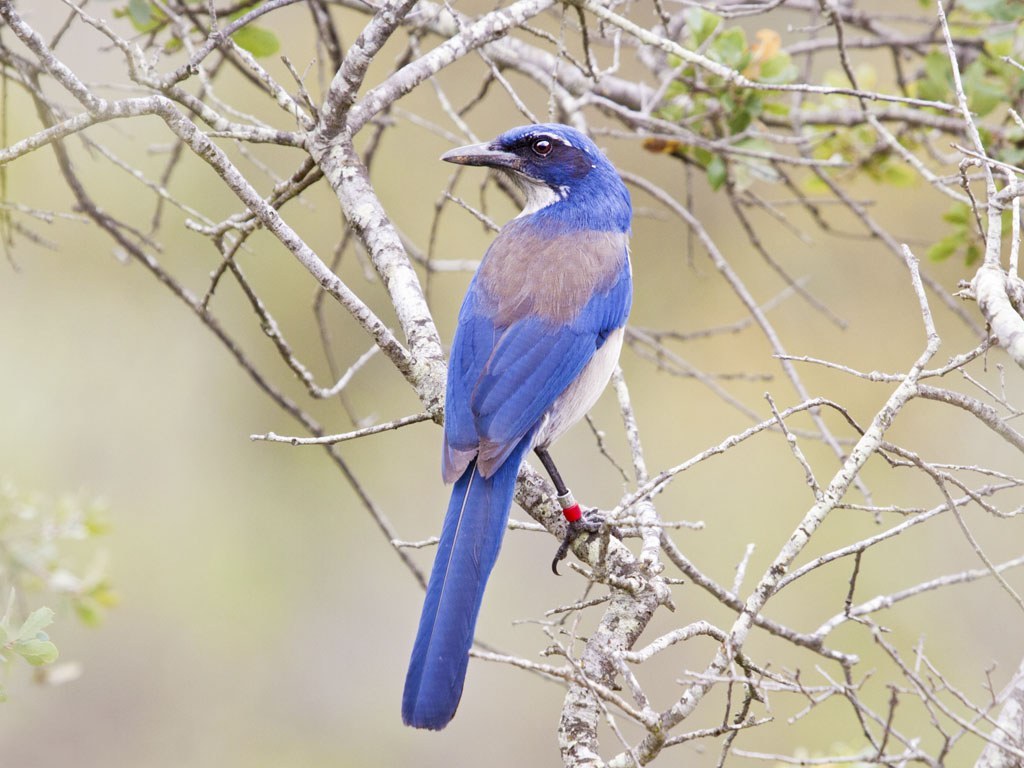
Western Scrub-Jay
Contour and flight feathers