

Torresian Crow
Corvus orru
A widespread crow of northern Australia and New Guinea, larger and more heavily built than the closely related Little Crow.
- Feather type
- Contour and flight feathers
- Colours
- Glossy black with white-grey feather bases
- Bird size
- Large crow, ~48-52 cm
Found a feather like this?
Identify any feather from a photo, free.
Overview
Overview
The Torresian Crow is a large corvid found across northern and eastern Australia as well as New Guinea and nearby islands. It fills a similar ecological role to other Australian crows and ravens but occupies a more tropical and subtropical distribution.
It is often confused with other Australian corvid species where ranges overlap, requiring attention to size, eye color, and voice for confident identification.
Identifying the Feather
Feather Identification
Feathers are glossy black overall with a notable pale whitish-grey base visible when feathers are ruffled or examined closely, similar to the pattern seen in Australian ravens.
- Base color: The pale grey-white feather bases are a helpful clue and differ from the duller sooty bases of Little Crow.
- Flight feathers: Broad, sturdy primaries and secondaries reflecting the bird's larger, more robust build.
- Tail feathers: Squared tail feathers, proportionally longer than in Little Crow.
- Similar species: Overlaps with Australian Raven and Little Crow in parts of its range; larger size than Little Crow and generally shorter throat hackles than Australian Raven (a live-bird trait) aid identification alongside feather size.
Plumage & Molt
Plumage Notes
Adults are glossy black throughout with whitish eyes that contrast against the dark head. Juveniles show duller, less glossy plumage and darker eyes that lighten as they age.
No marked differences exist between sexes. A complete post-breeding molt renews the plumage annually.
Habitat & Range
Habitat & Range
Torresian Crows occupy a broad range of habitats including open woodland, farmland, coastal areas, and urban environments across northern and eastern Australia, extending into New Guinea and nearby islands. They tolerate a wide range of climates from tropical to subtropical.
The species is largely resident within its range, though local movements occur in response to food availability.
Behavior & Field Notes
Behavior & Field Notes
This crow is social and adaptable, often seen in pairs or small groups foraging on the ground or perched prominently in trees. Its diet is broad and opportunistic, similar to other crow species.
Nests are bulky stick structures built high in trees. The call is a nasal, drawn-out "caw" often ending in a distinctive rising or nasal note, useful for separating it from other Australian corvids by ear. Watching for its tropical and subtropical range helps narrow identification alongside voice.
Frequently asked questions
How do Torresian Crow feathers compare to Little Crow feathers?
Torresian Crow feathers are larger overall and show paler, whitish-grey bases, whereas Little Crow feathers are smaller with duller, sooty-black bases.
What color are Torresian Crow feather bases?
The bases are pale whitish-grey, visible when the feather is parted or ruffled, similar to the pattern in Australian ravens.
Where does the Torresian Crow range?
It is found across northern and eastern Australia as well as New Guinea and some nearby islands, favoring tropical and subtropical habitats.
Is the Torresian Crow migratory?
No, it is generally resident, with only local movements tied to food availability rather than long-distance migration.
Torresian Crow guides
In-depth guides for identifying and understanding Torresian Crow.

Other feathers you may enjoy

Yellow-billed Magpie
Contour, wing, and tail feathers

White-throated Magpie-Jay
Contour, wing, and tail feathers

White-necked Crow
Contour and flight feathers

Slender-billed Crow
Contour and flight feathers

Sinaloa Crow
Contour and flight feathers

Siberian Jay
Contour, wing, and tail feathers

Yellow-billed Blue Magpie
Contour, wing, and tail feathers
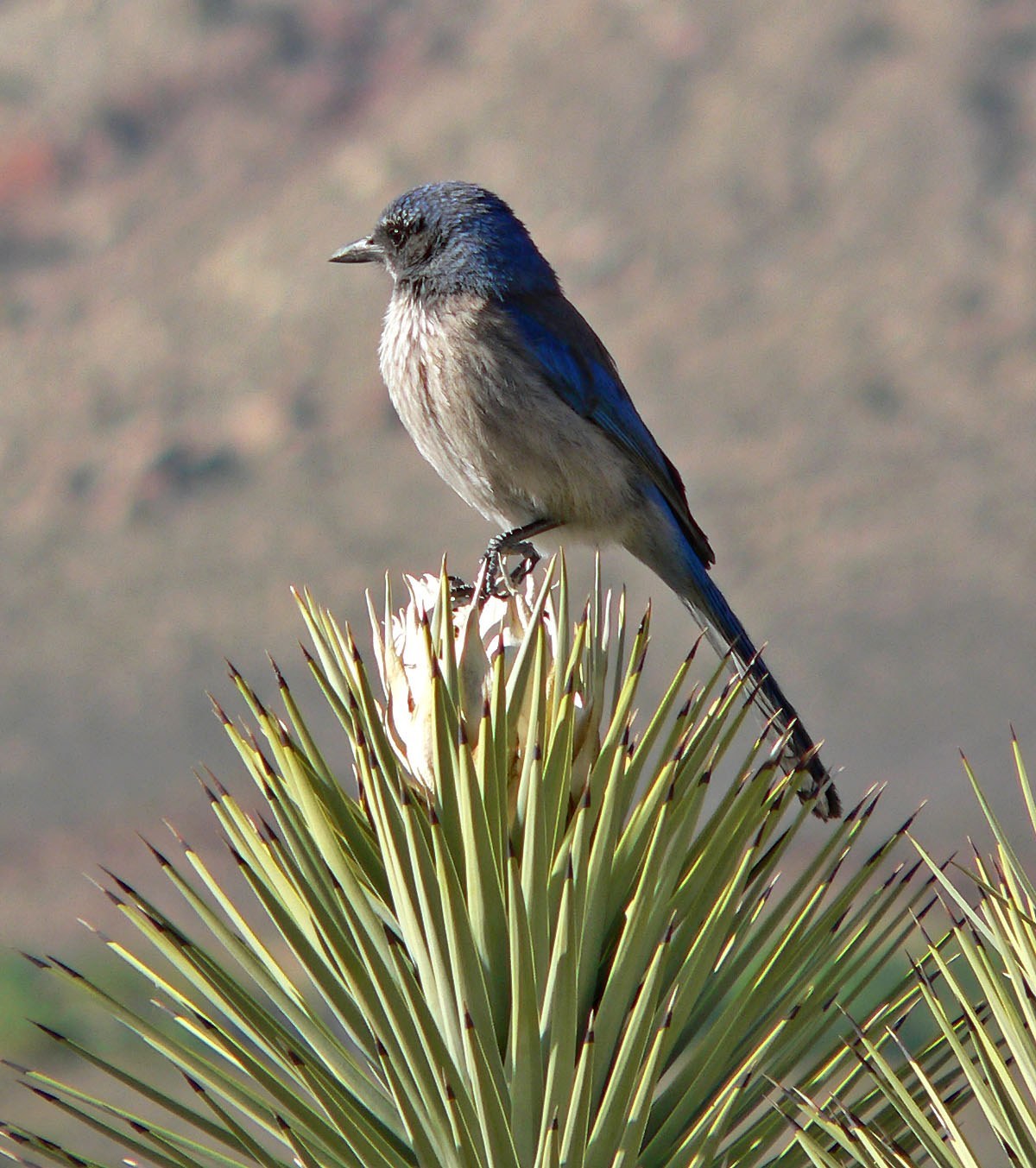
Woodhouse's Scrub-Jay
Contour and flight feathers
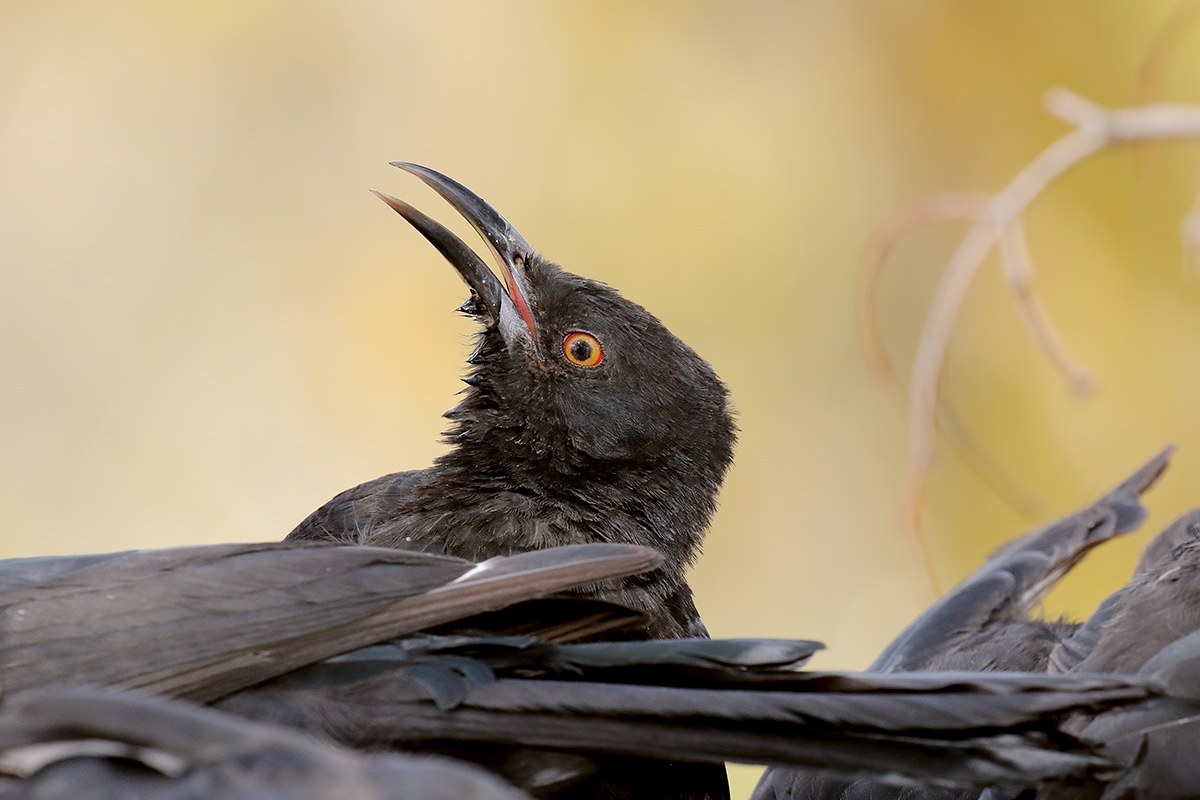
White-winged Chough
Contour and flight feathers

Rufous Treepie
Long, graduated tail feathers; loose body contour feathers

Thick-billed Raven
Contour and flight feathers
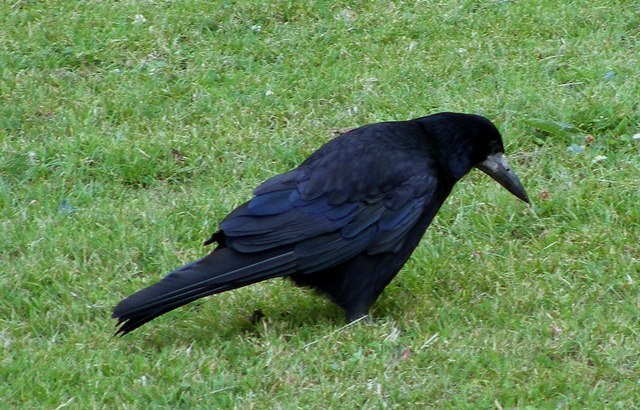
Rook
Glossy purple-black flight and body feathers; loose, shaggy thigh (leg) feathers