

American Flamingo
Phoenicopterus ruber
A vividly colored flamingo of the Caribbean region, showing some of the deepest pink-to-orange body plumage of any flamingo species.
- Feather type
- Long body plumes and black flight feathers
- Colours
- Deep pink to orange body with black flight feathers
- Bird size
- Very large, ~120-145 cm
Found a feather like this?
Identify any feather from a photo, free.
Overview
Overview
The American Flamingo is known for its especially saturated pink-to-orange plumage, among the most vivid of all flamingo species. It inhabits coastal wetlands across the Caribbean, parts of northern South America, and the Yucatan Peninsula.
- Deeply saturated pink-orange coloring compared to other flamingo species
- Long neck and legs adapted for wading and filter feeding
- Often the most recognizable flamingo in popular imagery due to its vivid color
Identifying the Feather
Feather Identification
American Flamingo feathers are notable for their unusually deep, saturated coloring compared to most other flamingo species.
- Body feathers: deep pink to orange, often the most vividly colored of any flamingo species
- Flight feathers: black, revealed prominently when the wings are spread in flight
- Covert feathers: some show a reddish tinge that deepens the overall color impression
- Bill and leg-adjacent feathering: the pink saturation typically extends closer to the head and neck than in paler species
- Compared to similar species: the Greater Flamingo is noticeably paler pink, while the Chilean Flamingo shows greyish legs with pink joints, so the deep, saturated pink-orange of the American Flamingo's feathers is a strong distinguishing trait
Plumage & Molt
Plumage Notes
Sexes look alike, with color intensity tied to diet rather than sex. Juveniles are grey-brown at first, gradually gaining the deep pink-orange coloring characteristic of adults over time.
- Plumage saturation can vary somewhat with diet and health but remains generally deeper than in other flamingo species
- Juveniles lack pink coloring initially, appearing dull grey-brown
- Molt is gradual, with full adult coloration developing over successive years
Habitat & Range
Habitat & Range
Found in coastal wetlands across the Caribbean, the Yucatan Peninsula, the Galapagos Islands, and parts of northern South America.
- Favors shallow saline lagoons, salt pans, and mangrove-fringed coastal wetlands
- Generally non-migratory within its tropical range, though local movements occur with changing water conditions
- One of the more range-restricted New World flamingo populations compared to the wide-ranging Greater Flamingo
Behavior & Field Notes
Behavior & Field Notes
American Flamingos are gregarious, forming large flocks at productive coastal wetland sites.
- Diet: small aquatic invertebrates and algae filtered from shallow water using the specialized bill
- Nesting: builds raised mud mound nests in dense colonies on exposed mudflats
- Voice: low, honking calls, often heard from flocks in flight or at breeding colonies
- Field notes: the intensity of pink-orange coloring makes this one of the most visually striking flamingo species, especially noticeable in bright coastal light
Frequently asked questions
Why are American Flamingo feathers so vividly colored?
Their deep pink-to-orange coloring comes from pigments obtained through diet, and this species tends to show some of the most saturated coloring among flamingos.
Where does the American Flamingo live?
It inhabits coastal wetlands across the Caribbean, the Yucatan Peninsula, the Galapagos Islands, and parts of northern South America.
How does it differ from the Greater Flamingo?
The American Flamingo shows noticeably deeper, more saturated pink-orange plumage compared to the paler pink of the Greater Flamingo.
Do juveniles show the same vivid coloring as adults?
No, juveniles start out grey-brown and gradually develop the deep pink-orange coloring as they mature.
American Flamingo guides
In-depth guides for identifying and understanding American Flamingo.

American Flamingo identified by the community
Real feathers identified with Feather Identifier.


Other feathers you may enjoy

Yellow-billed Spoonbill
White contour and flight feathers with fine breeding plumes on the back and breast
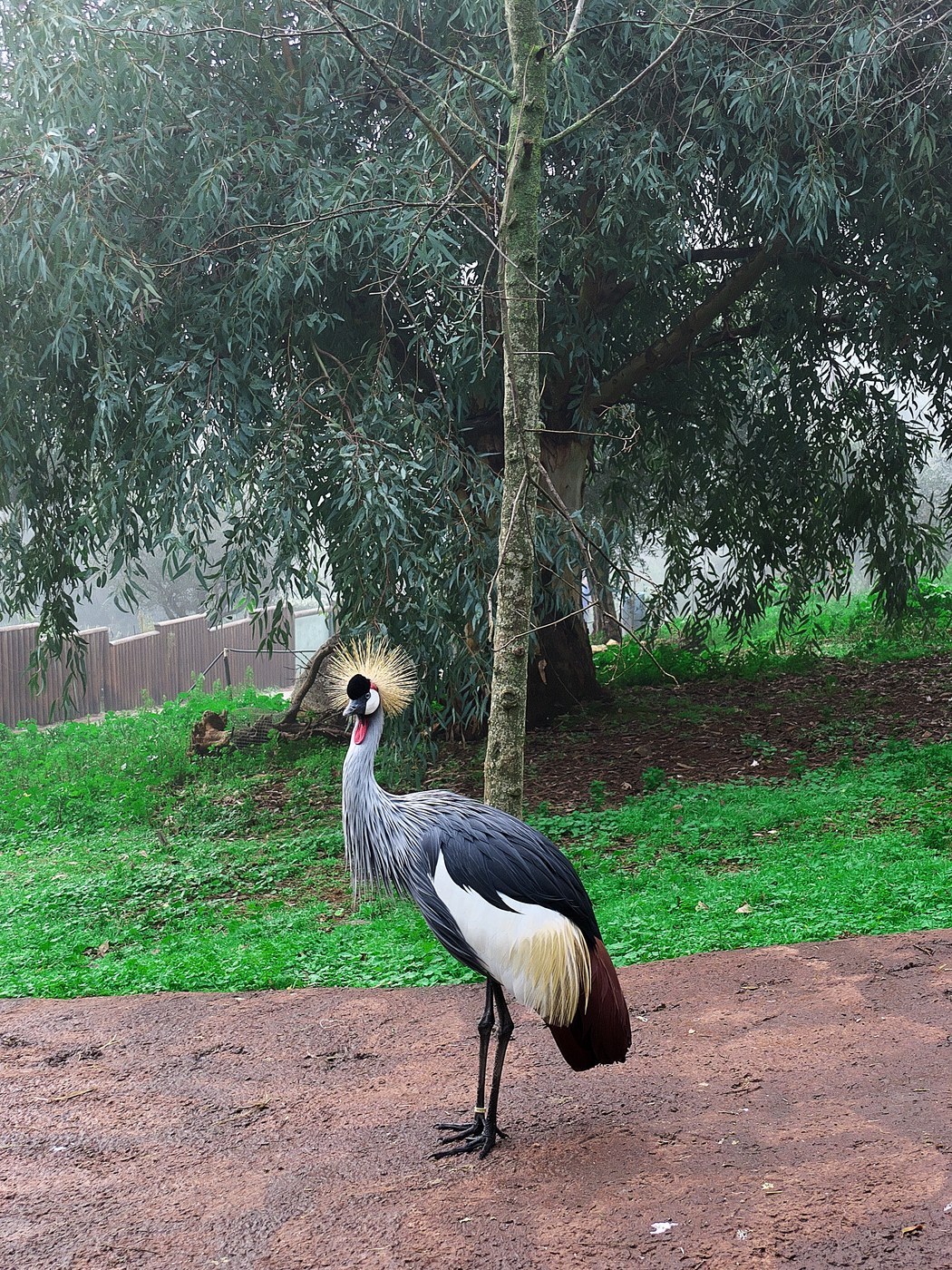
Grey Crowned Crane
Grey body feathers with white wing coverts, chestnut flight feathers, and stiff golden crown bristles
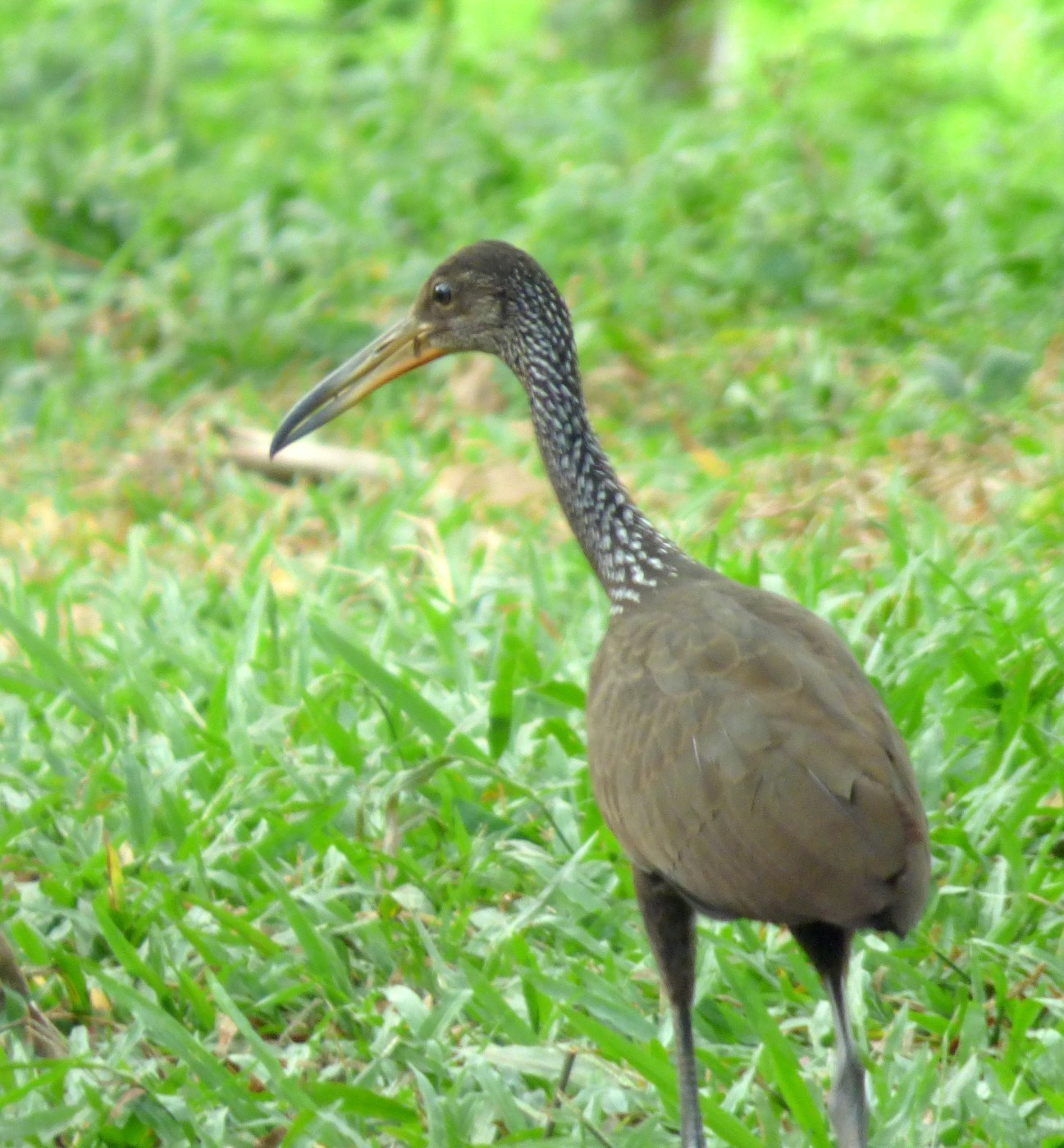
Limpkin
Brown contour feathers with white teardrop-shaped spots and streaks
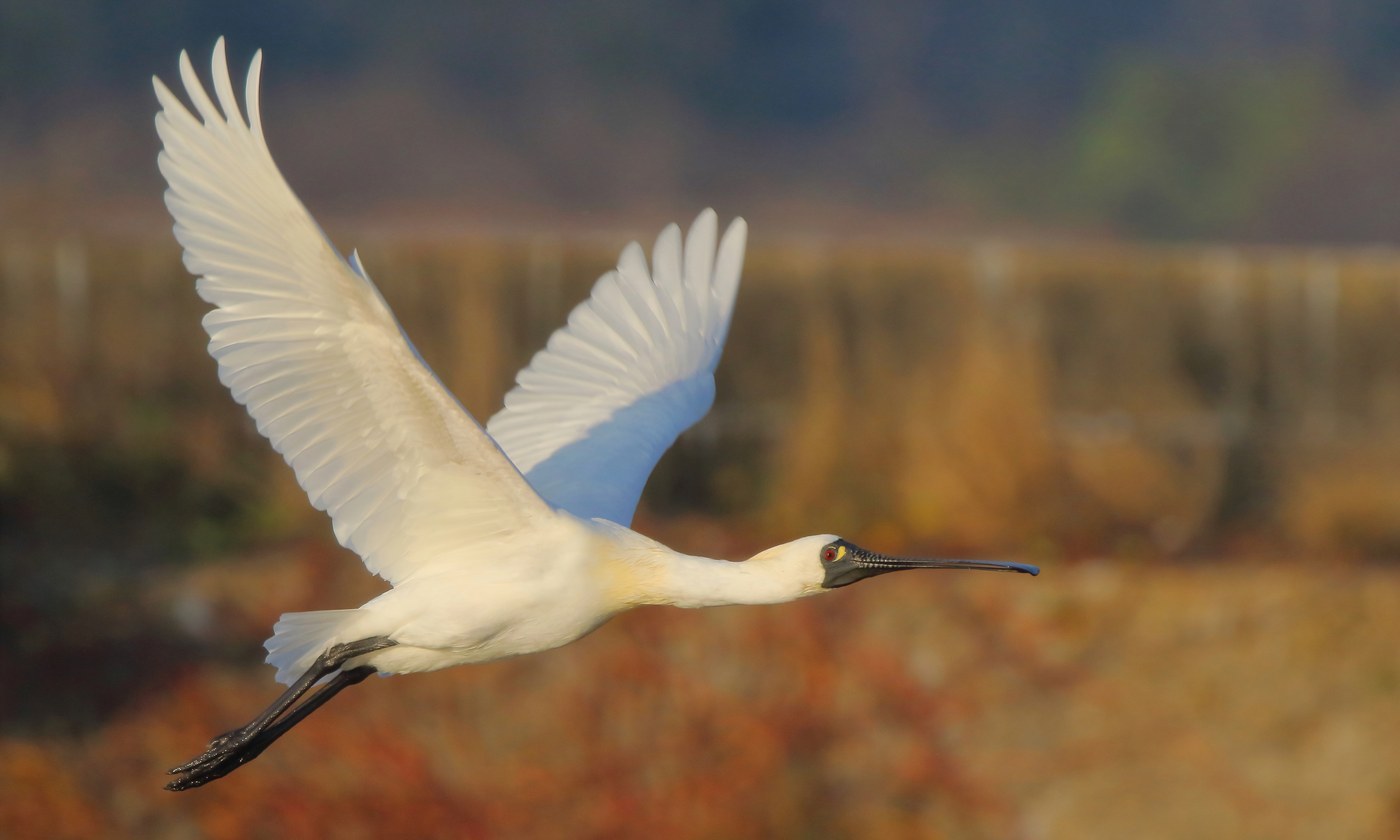
Black-faced Spoonbill
White contour and flight feathers with fine breeding crest and breast plumes
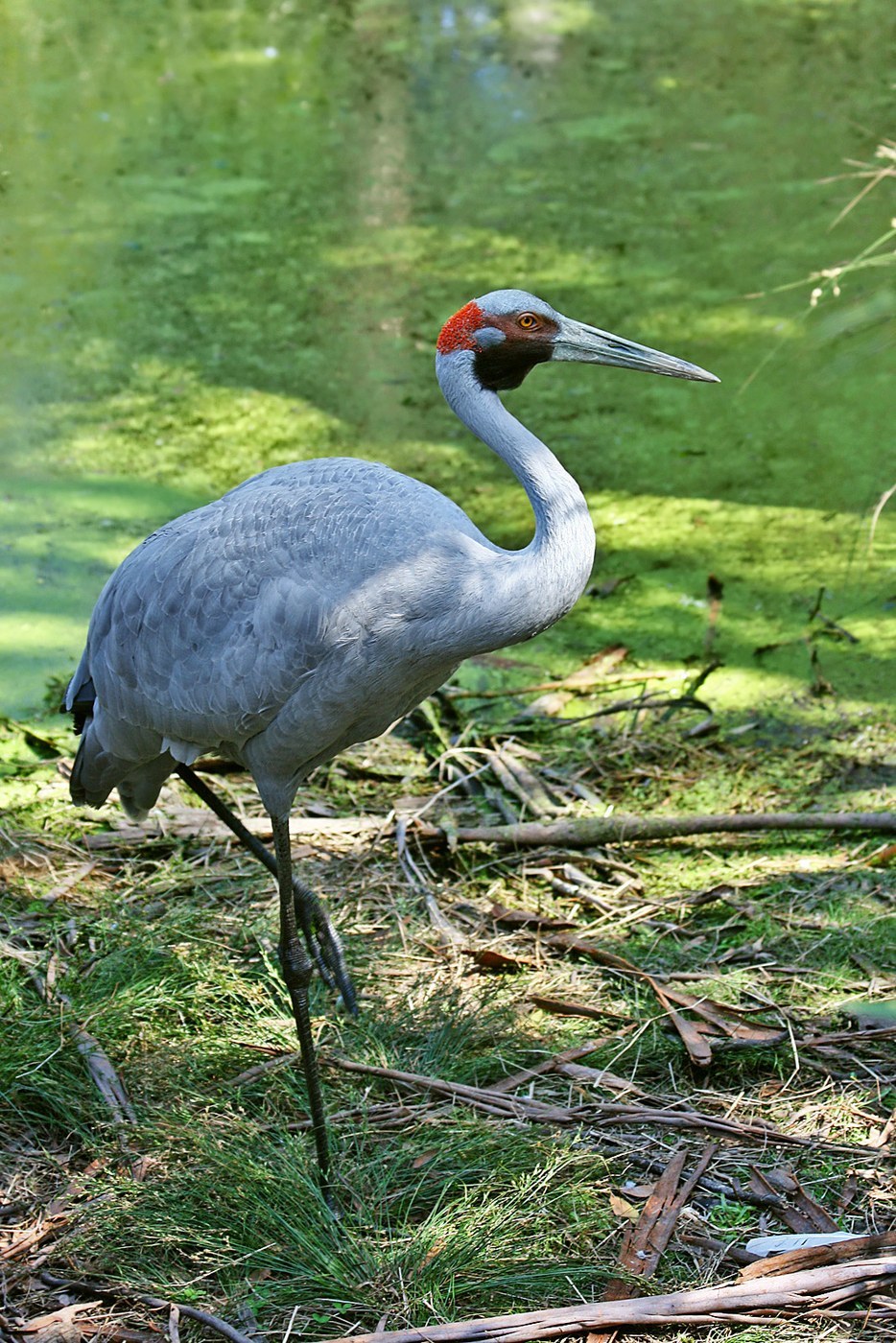
Brolga
Grey contour feathers with drooping bustle plumes
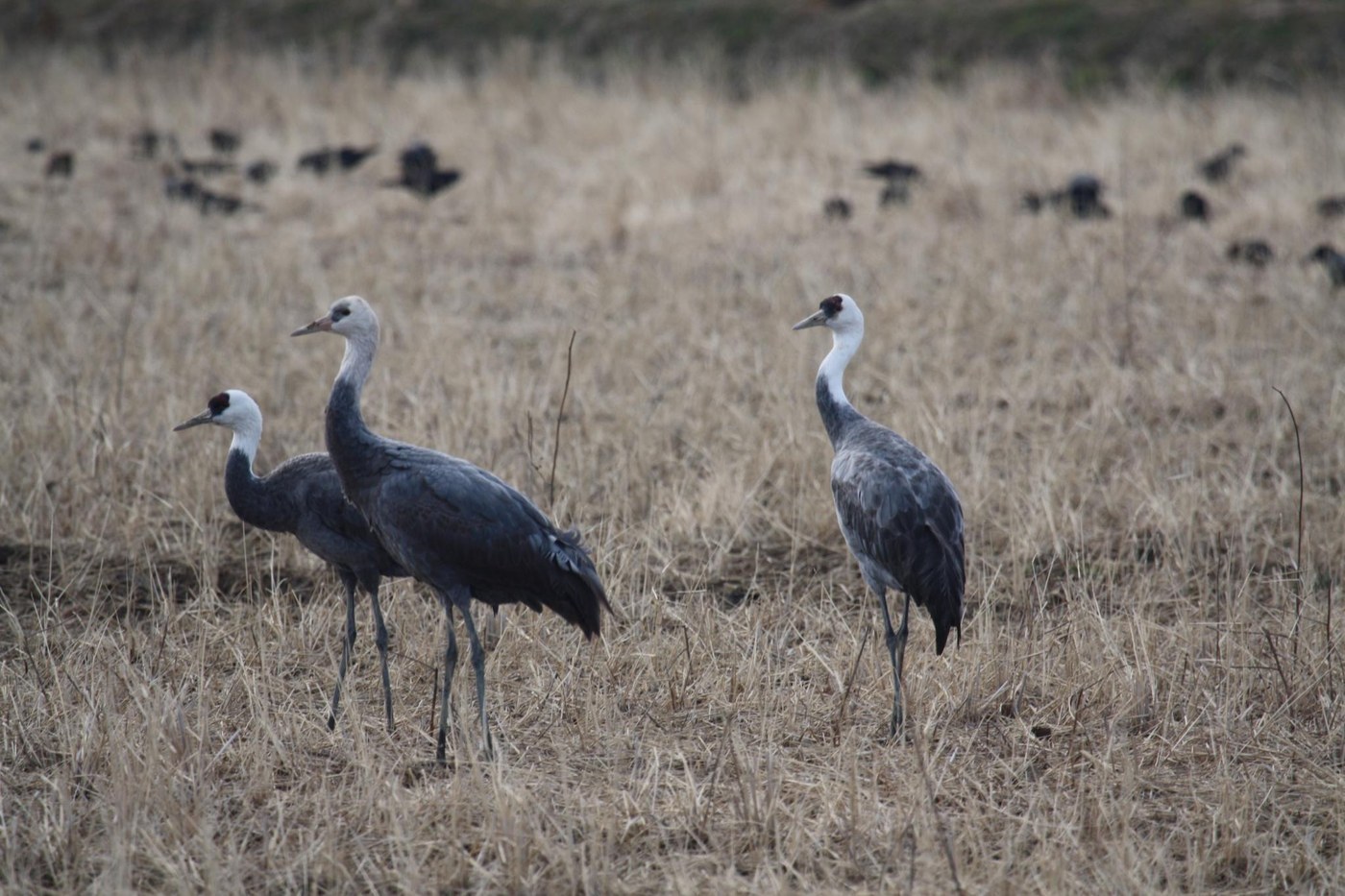
Hooded Crane
Dark slate-grey body feathers with a white head/upper neck 'hood' and black bustle plumes
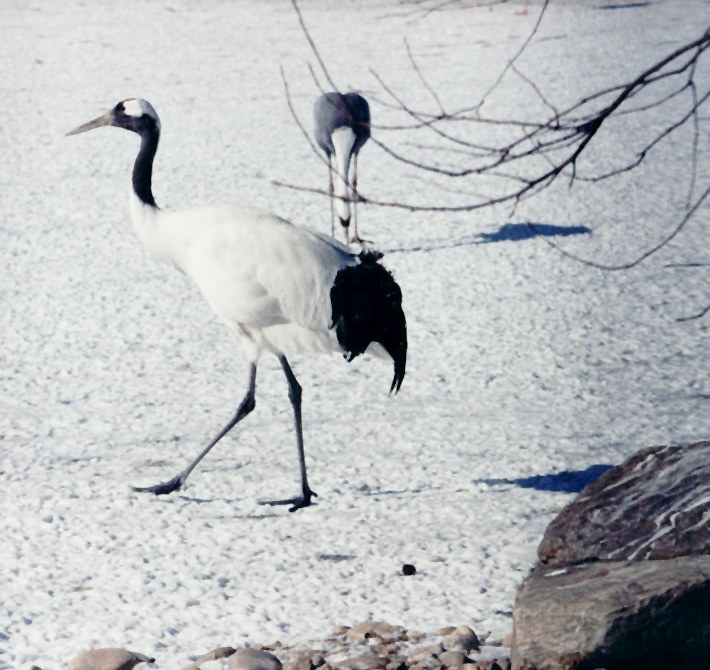
Red-crowned Crane
White contour feathers with black secondary/tertial bustle feathers and a bare red crown

Common Crane
Grey contour feathers with black head/neck feathers and drooping bustle plumes
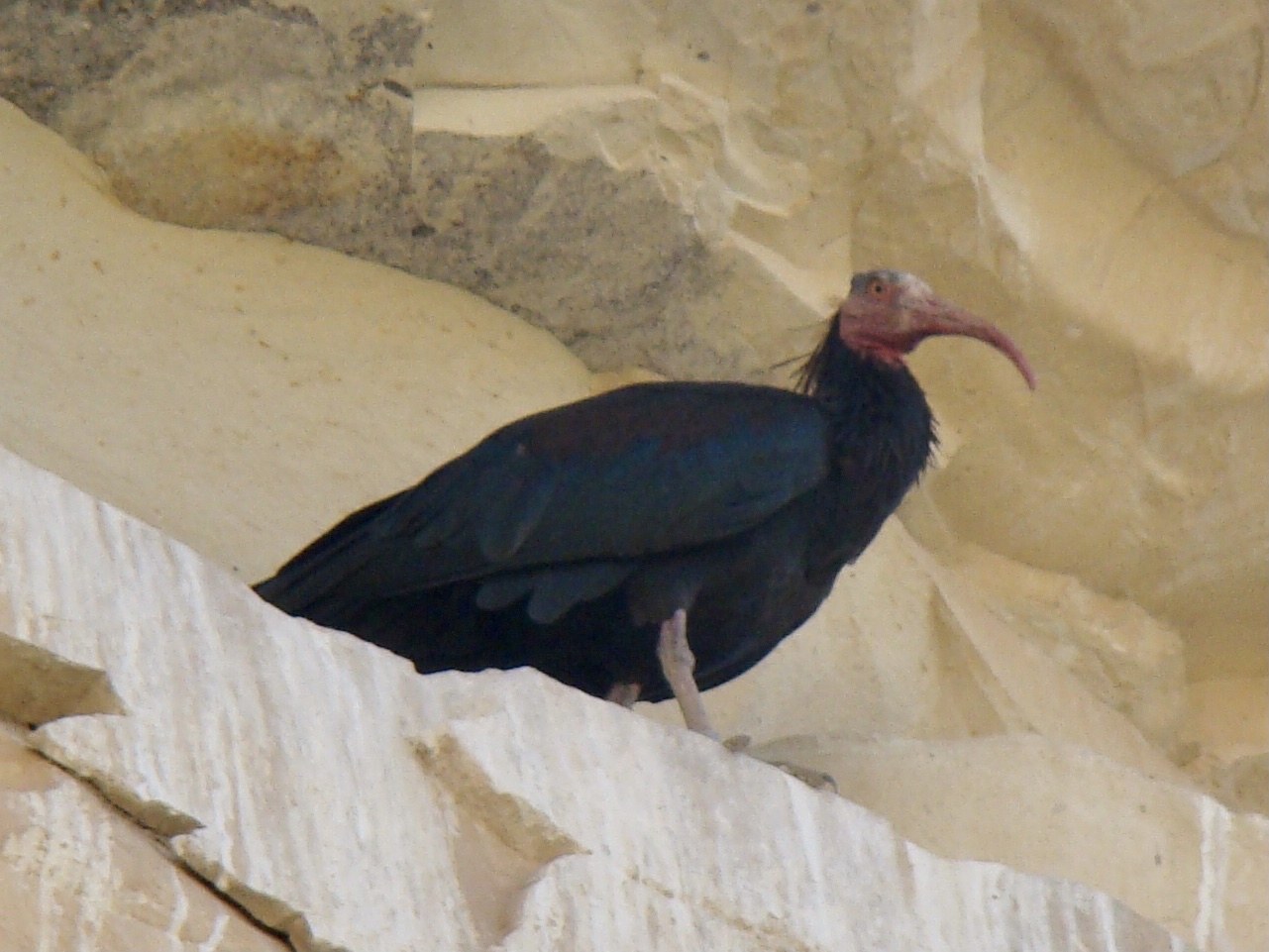
Northern Bald Ibis
Glossy black contour feathers with elongated nape plumes
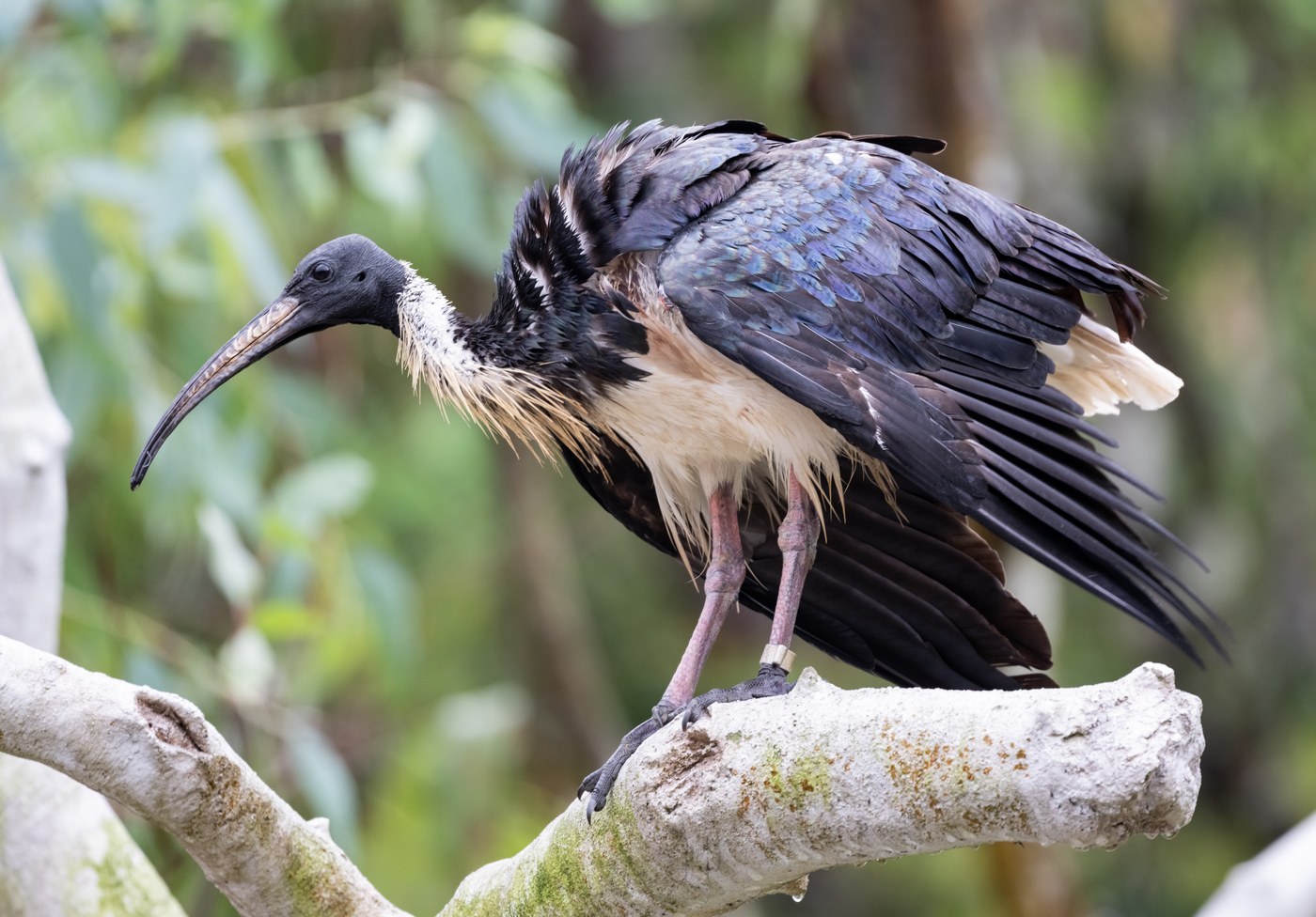
Straw-necked Ibis
Glossy contour feathers with unique straw-like neck plumes
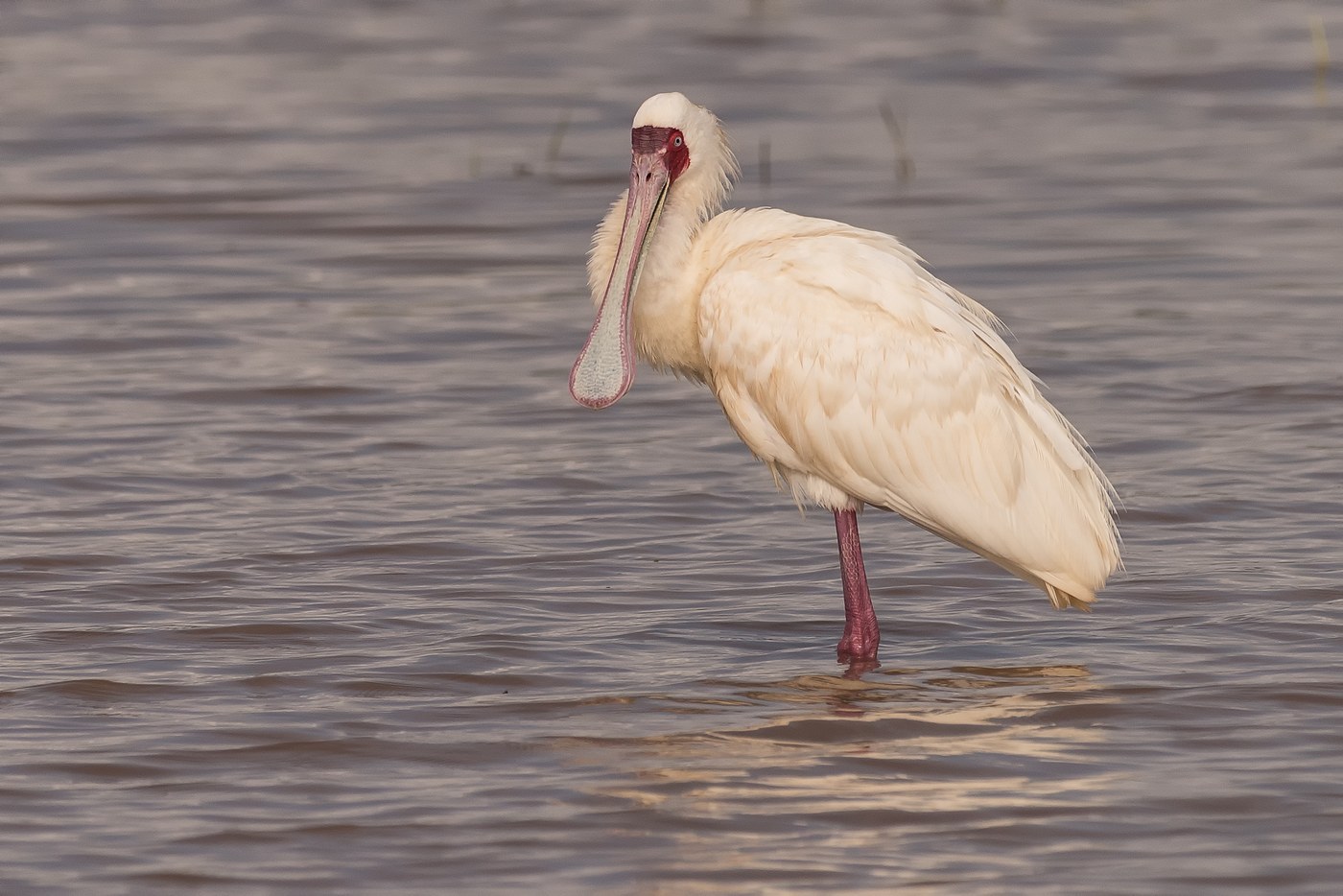
African Spoonbill
White contour and flight feathers, unmarked by black tips

Roseate Spoonbill
Pink and white contour and flight feathers with a carmine shoulder patch