

Greater Rhea
Rhea americana
A large flightless ratite of South American grasslands, with soft, loose grayish-brown plumage and a long neck, related more to ostriches and emus than to typical flying birds.
- Feather type
- Soft, loose plumes lacking interlocking barbules
- Colours
- Grayish-brown with paler underparts; blackish neck patch in males
- Bird size
- Very large flightless bird, ~127-140 cm tall
Found a feather like this?
Identify any feather from a photo, free.
Overview
The Greater Rhea is South America's largest bird, a flightless ratite found across open grasslands, savanna, and scrubland of the continent's southern and central regions. Standing over a meter tall on long legs, it is built for fast running rather than flight, much like its distant relatives the ostrich and emu.
Rheas live in flocks for much of the year, and males take on sole responsibility for incubating eggs and raising chicks after gathering a shared clutch from multiple females, an unusual breeding system among large birds.
Identifying the Feather
- Body plumage is soft and loose, with feathers lacking the interlocking barbules of flighted birds, giving a shaggy, hair-like texture
- Overall color is grayish-brown above, paler grayish-white on the underparts and flanks
- Males show a blackish patch on the foreneck and upper breast during the breeding season, more pronounced than in females
- Wings are reduced and non-functional for flight, used instead for balance while running and in display, with loose plumes rather than structured flight feathers
- Distinguished from the Lesser Rhea by larger size, unspotted plumage, and lack of the fine pale speckling seen in that species
Plumage & Molt
Adults show grayish-brown plumage overall, with males developing a darker blackish patch on the neck and breast, especially pronounced in the breeding season. Females and nonbreeding males are more uniformly pale grayish-brown without the dark neck patch. Chicks are downy and striped in gray and buff for camouflage in grass, gradually molting into the adult's soft plumage over the first year.
Habitat & Range
The Greater Rhea inhabits open grassland, savanna, and scrub habitats across central and southern South America, including parts of Brazil, Argentina, Paraguay, Uruguay, and Bolivia. It is a resident, non-migratory species, though flocks may shift locally in response to food and water availability across open plains.
Behavior & Field Notes
Rheas are omnivorous, feeding on grasses, seeds, and various small invertebrates encountered while foraging on open ground. Males build a ground nest and incubate a communal clutch of eggs contributed by multiple females, then care for the chicks alone. Rheas are largely silent apart from booming or roaring calls given by males during the breeding season, and they rely on speed and keen eyesight to evade predators across open terrain.
Frequently asked questions
What does a Greater Rhea feather look like?
Body feathers are soft, loose, and grayish-brown, lacking the interlocking structure of flight feathers, giving a shaggy texture; males show a blackish patch on the neck and breast.
Can Greater Rheas fly?
No, they are flightless, using their long legs to run at high speed instead, with reduced wings used mainly for balance and display.
How is the Greater Rhea different from the Lesser Rhea?
The Greater Rhea is larger with more uniform grayish-brown plumage, while the Lesser Rhea is smaller with fine pale speckling across its feathers.
Where does the Greater Rhea live?
It inhabits open grassland and savanna across central and southern South America.
Greater Rhea guides
In-depth guides for identifying and understanding Greater Rhea.

Other feathers you may enjoy

Common Cuckoo
Flight and body feathers
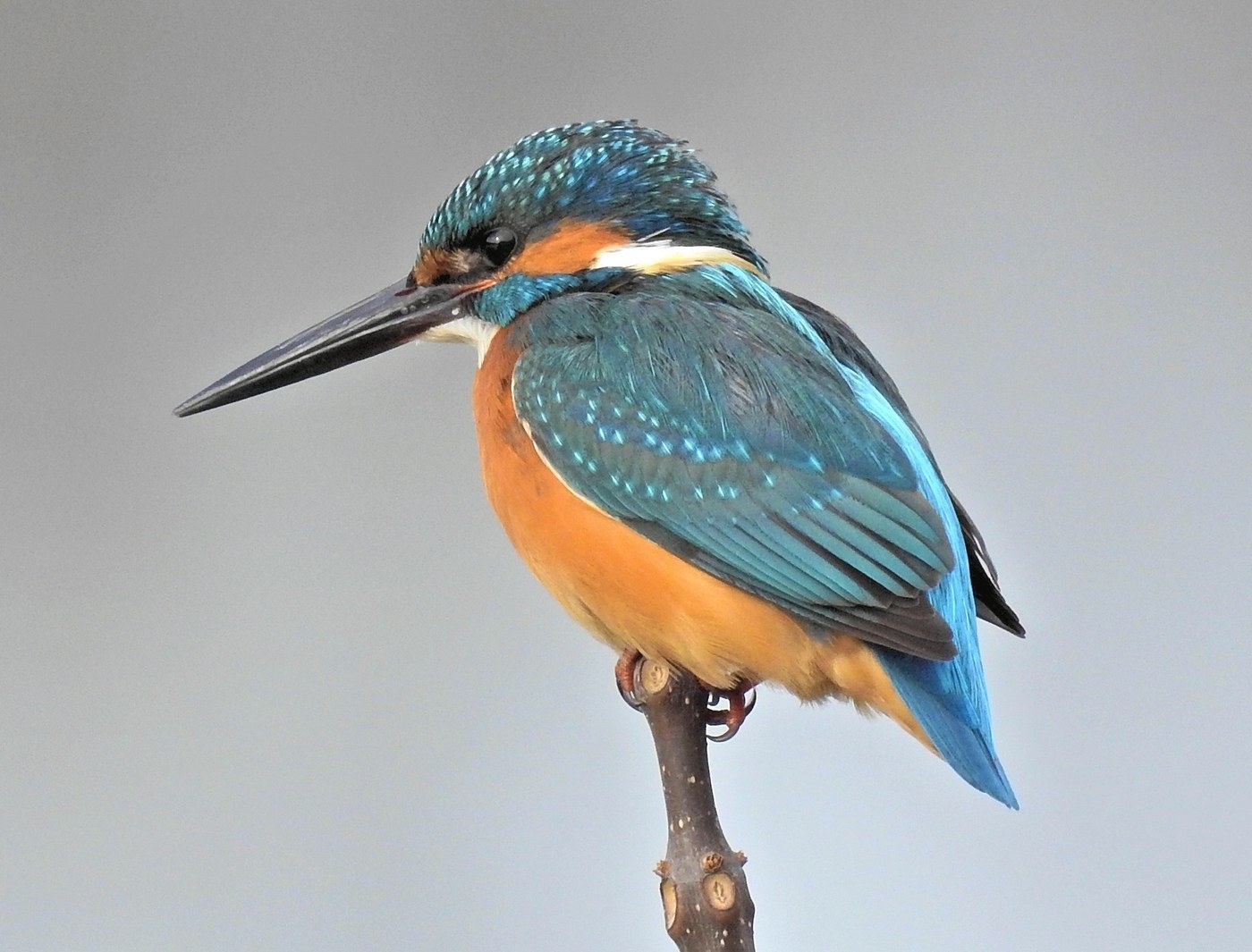
Common Kingfisher
Body (contour) and wing feathers
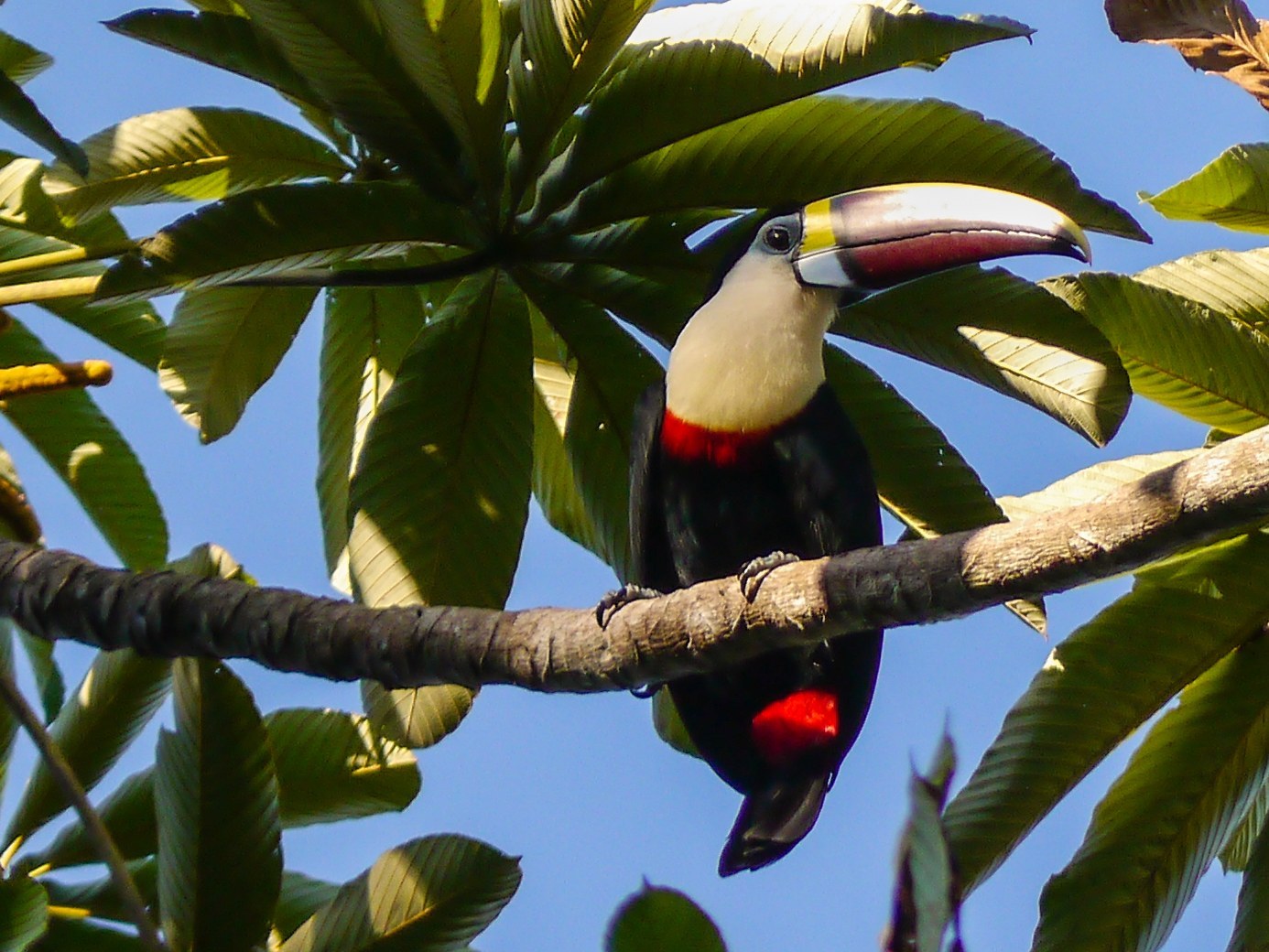
White-throated Toucan
Short rounded contour feathers, short broad wings
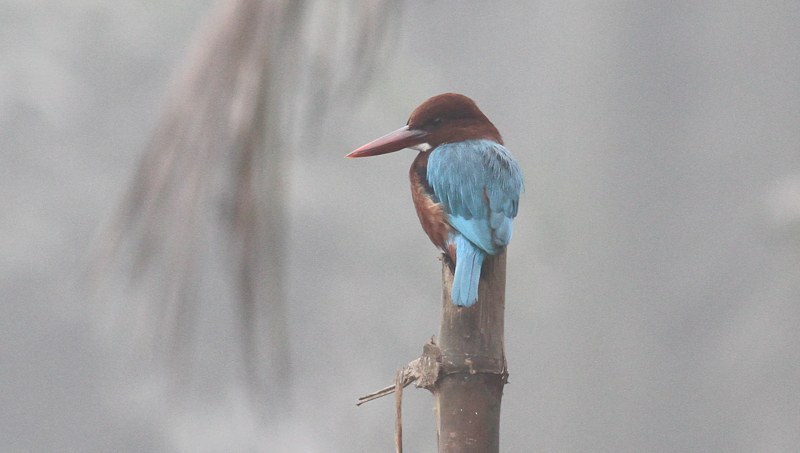
White-throated Kingfisher
Dense contour feathers; broad rounded wings

White-throated Bee-eater
Sleek, aerodynamic contour feathers; elongated central tail streamers
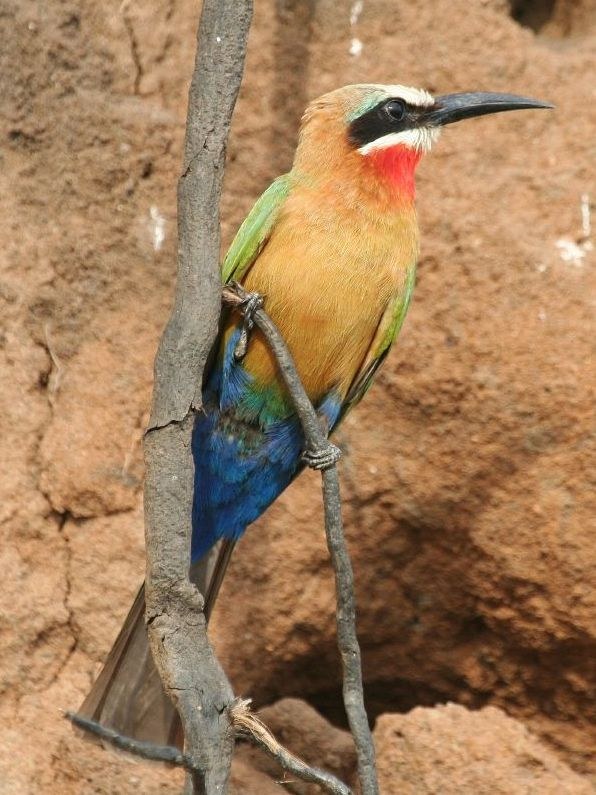
White-fronted Bee-eater
Sleek contour feathers; short tail with slight point

Southern Yellow-billed Hornbill
Slender contour feathers, moderate flight feathers
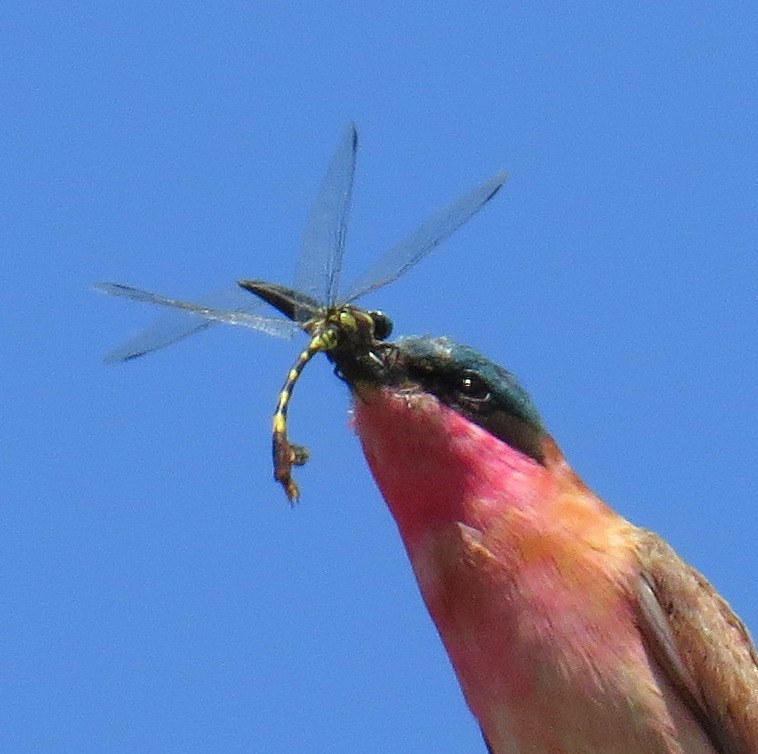
Southern Carmine Bee-eater
Sleek, pointed contour feathers; elongated central tail streamers
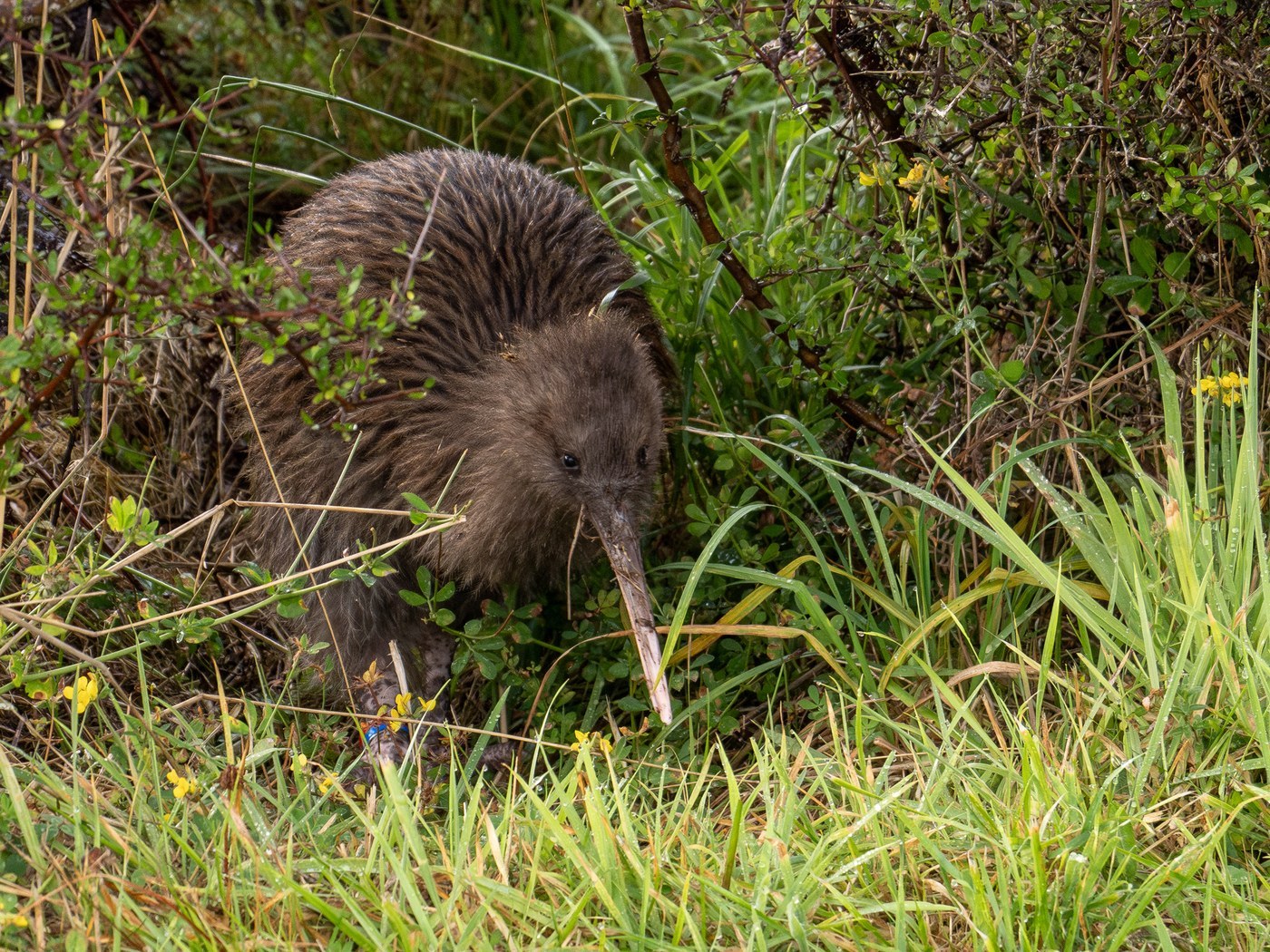
Southern Brown Kiwi
Shaggy, hair-like plumage with loose barbs lacking barbules; flightless, vestigial wings hidden beneath body feathers

Somali Ostrich
Loose, soft plumes lacking interlocking barbules

Wreathed Hornbill
Dense contour feathers, broad flight feathers

Woodland Kingfisher
Firm contour feathers; broad wing feathers