

Turquoise-browed Motmot
Eumomota superciliosa
This Central American motmot is best known for its bright turquoise eyebrow stripe and long tail ending in bare-shafted rackets that it swings like a pendulum.
- Feather type
- Smooth contour feathers with racket-tipped central tail feathers
- Colours
- Turquoise brow stripe, rufous crown and back, greenish-blue tail and wings
- Bird size
- Jay-sized, ~34 cm including tail
Found a feather like this?
Identify any feather from a photo, free.
Overview
The Turquoise-browed Motmot is a colorful, medium-sized bird of Central American dry forests and scrub, national bird of both El Salvador and Nicaragua. It is most recognizable for its long tail, which ends in two elongated central feathers with bare shafts and small racket-shaped tips. Perched motmots often swing this tail side to side in a slow, pendulum-like motion, a behavior that draws attention even before plumage details are visible.
Identifying the Feather
The central pair of tail feathers is diagnostic: the shaft is bare of barbs for a stretch near the tip, ending in a small flattened racket, a structure not found on the surrounding rectrices or on similar-sized songbirds. Body feathers combine rufous or cinnamon tones on the crown and back with turquoise-blue wing coverts and tail base, and a vivid turquoise stripe of feathers passes above and behind the eye. Wing flight feathers are shorter, rounded, and mostly blue-green, contrasting with the longer, more colorful tail. Loose racket tips are unmistakable field evidence of a motmot, while body feathers can be told from other motmots by the crisp turquoise brow against a rufous crown.
Plumage & Molt
Sexes look alike in this species, both showing the racket tail and turquoise brow, unlike some birds where ornamentation is male-only. Immatures show duller colors and a shorter, less developed tail before the racket tips fully form. The bare sections of the racket tail shafts are thought to result partly from feather wear and preening rather than molt alone, so tail appearance can vary somewhat between individuals.
Habitat & Range
It occupies dry tropical forest edge, scrubby woodland, and semi-open country with ravines or banks suitable for nest burrows, ranging from Mexico through Central America. The species is a year-round resident across its range, not undertaking long migrations, though some local movement can occur with seasonal food availability.
Behavior & Field Notes
Turquoise-browed Motmots perch conspicuously on low, open branches, watching for large insects and other small prey taken in short sallies. They nest in burrows dug into earthen banks or road cuts, often in loose colonies. Their voice includes low, nasal or croaking notes, and the tail-swinging display is frequently given when the bird is alert or agitated. Field observers often notice the tail motion before the bright plumage itself.
Frequently asked questions
What is the racket tail made of?
The two central tail feathers have a section near the tip where the feather barbs are missing, leaving a bare shaft that ends in a small racket-shaped tip.
Why does the bird swing its tail?
It swings its tail like a pendulum when alert, a display thought to signal awareness to potential predators or rivals.
Where does it nest?
In burrows excavated into earthen banks or road cuts, sometimes in loose colonies with other pairs.
Do males and females look the same?
Yes, both sexes show similar turquoise brow markings and racket-tipped tails.
Turquoise-browed Motmot guides
In-depth guides for identifying and understanding Turquoise-browed Motmot.

Turquoise-browed Motmot identified by the community
Real feathers identified with Feather Identifier.

Other feathers you may enjoy

Common Cuckoo
Flight and body feathers
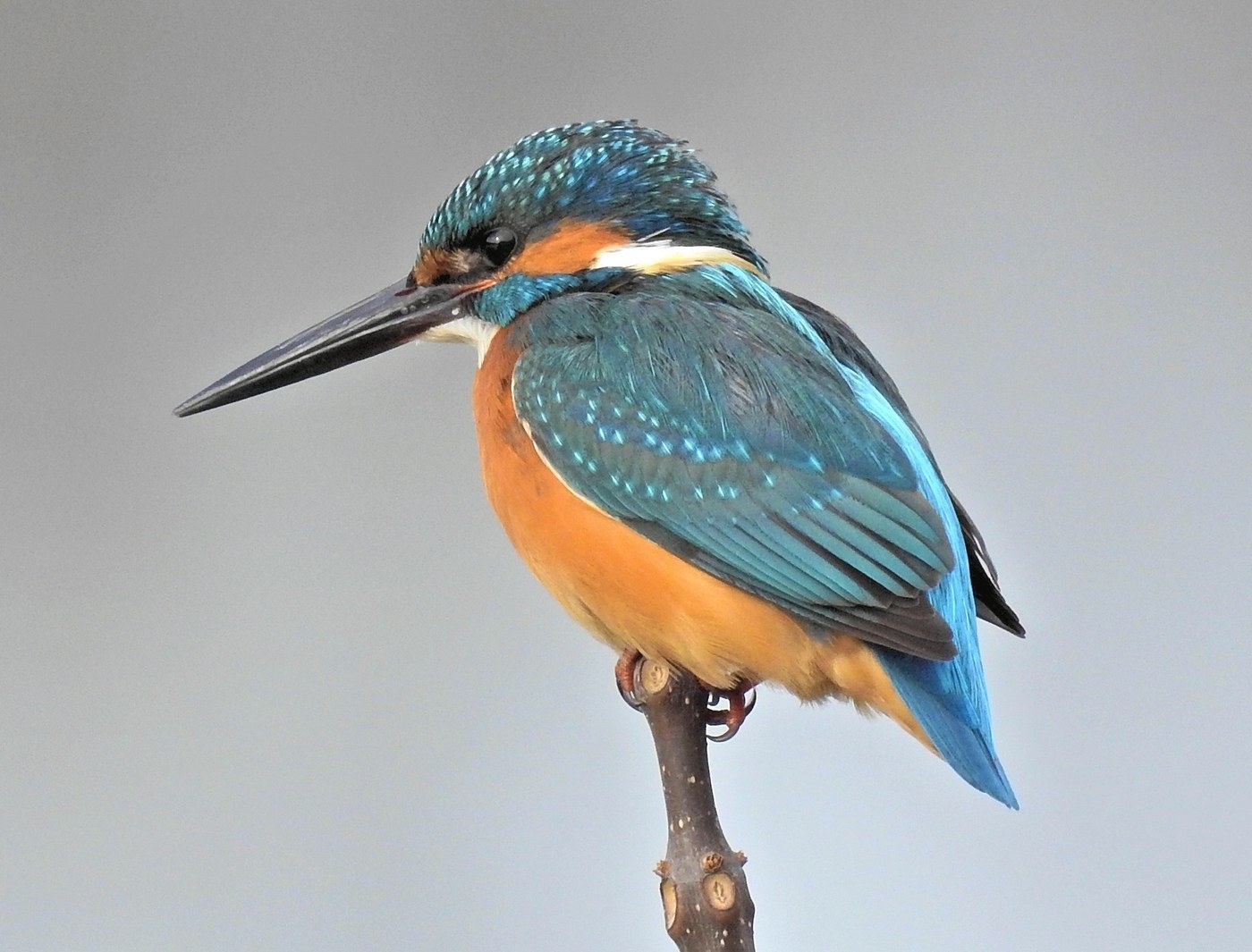
Common Kingfisher
Body (contour) and wing feathers
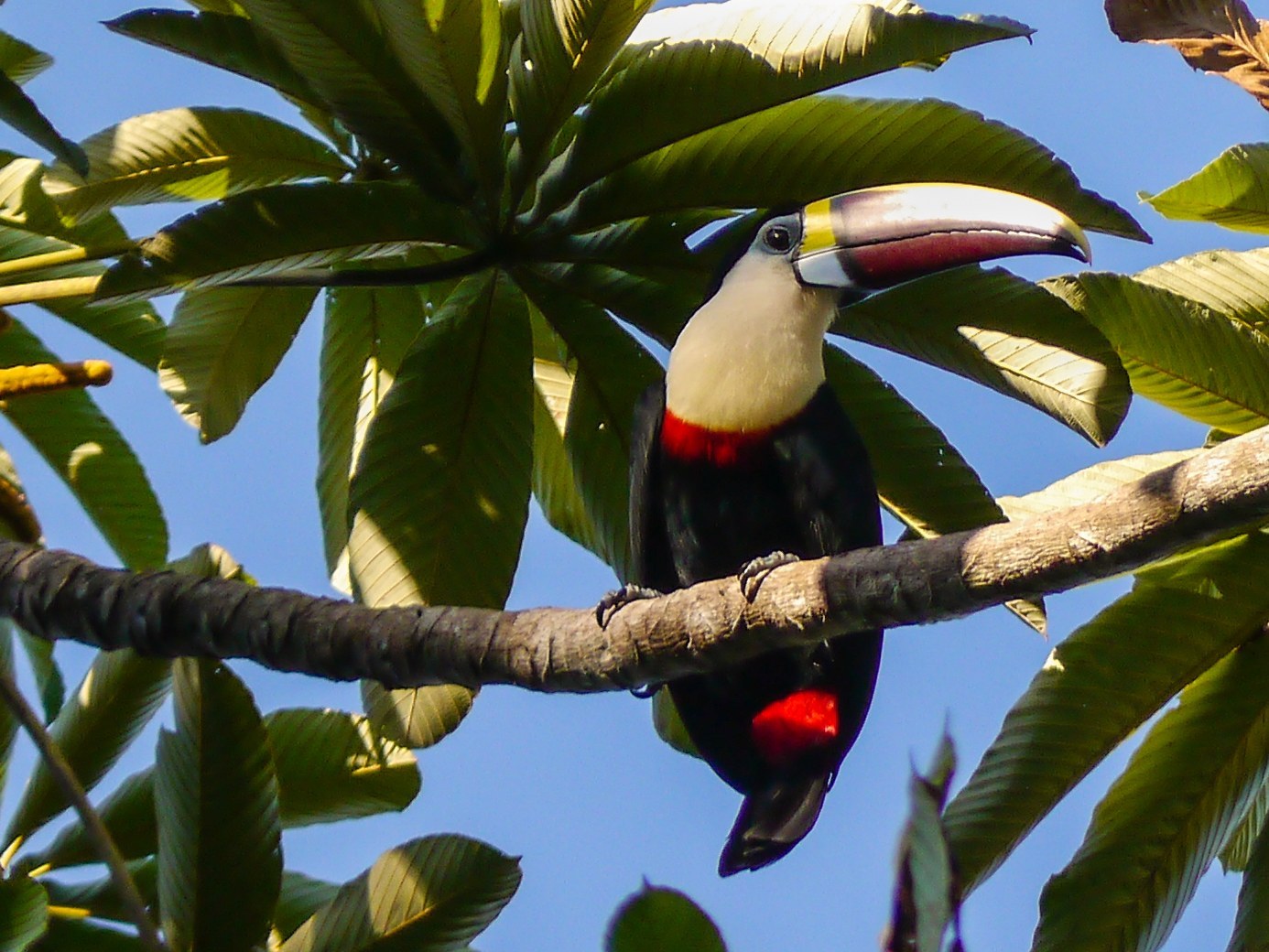
White-throated Toucan
Short rounded contour feathers, short broad wings
White-throated Kingfisher
Dense contour feathers; broad rounded wings

White-throated Bee-eater
Sleek, aerodynamic contour feathers; elongated central tail streamers
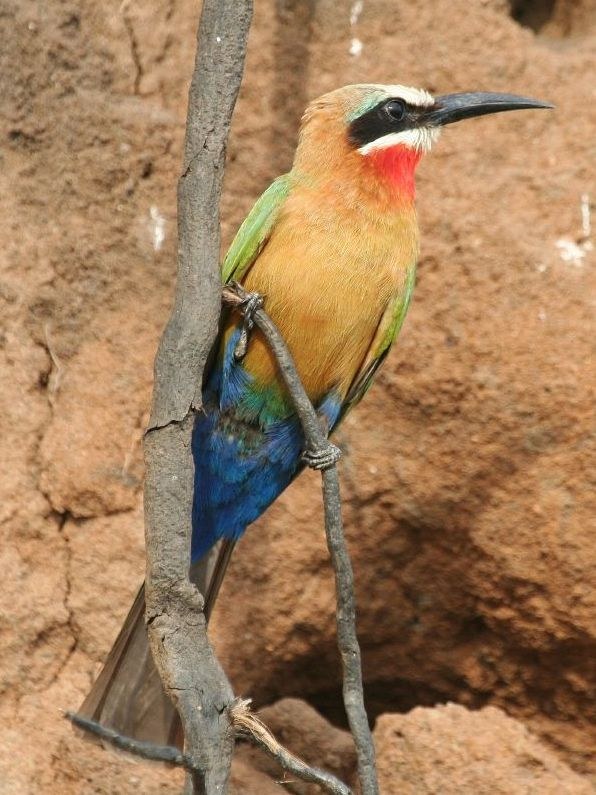
White-fronted Bee-eater
Sleek contour feathers; short tail with slight point

Southern Yellow-billed Hornbill
Slender contour feathers, moderate flight feathers
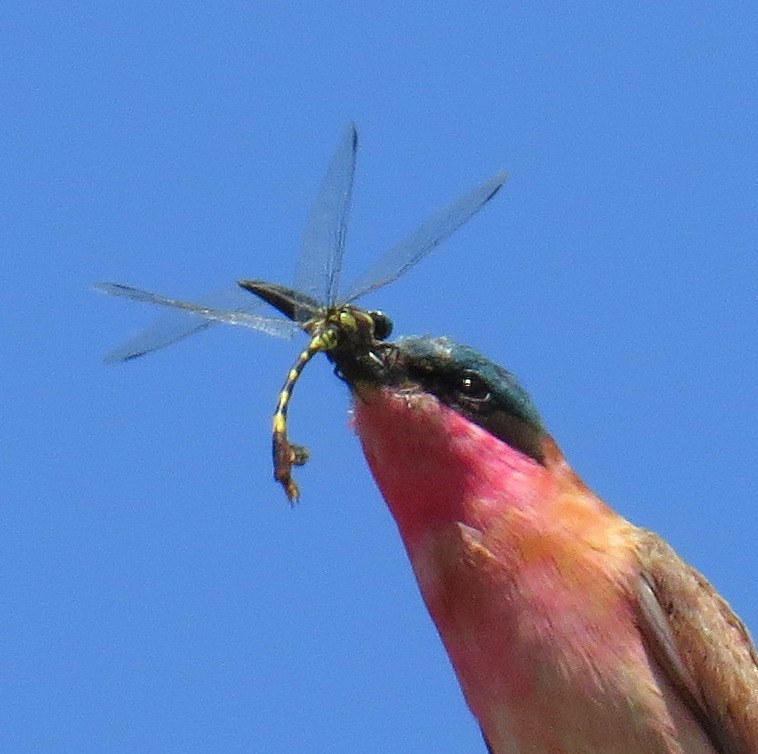
Southern Carmine Bee-eater
Sleek, pointed contour feathers; elongated central tail streamers
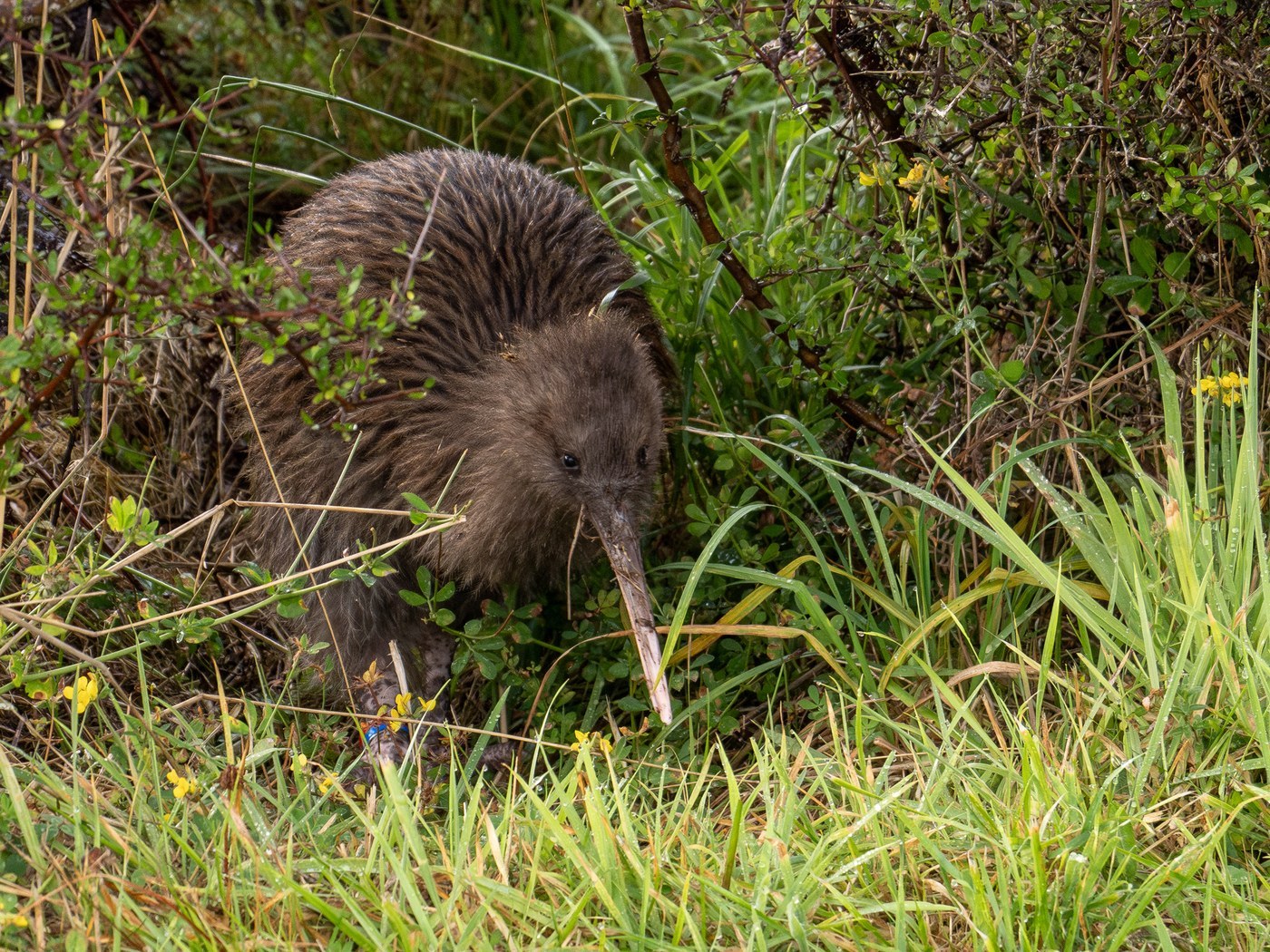
Southern Brown Kiwi
Shaggy, hair-like plumage with loose barbs lacking barbules; flightless, vestigial wings hidden beneath body feathers

Somali Ostrich
Loose, soft plumes lacking interlocking barbules

Wreathed Hornbill
Dense contour feathers, broad flight feathers

Woodland Kingfisher
Firm contour feathers; broad wing feathers