
Toco Toucan
Ramphastos toco
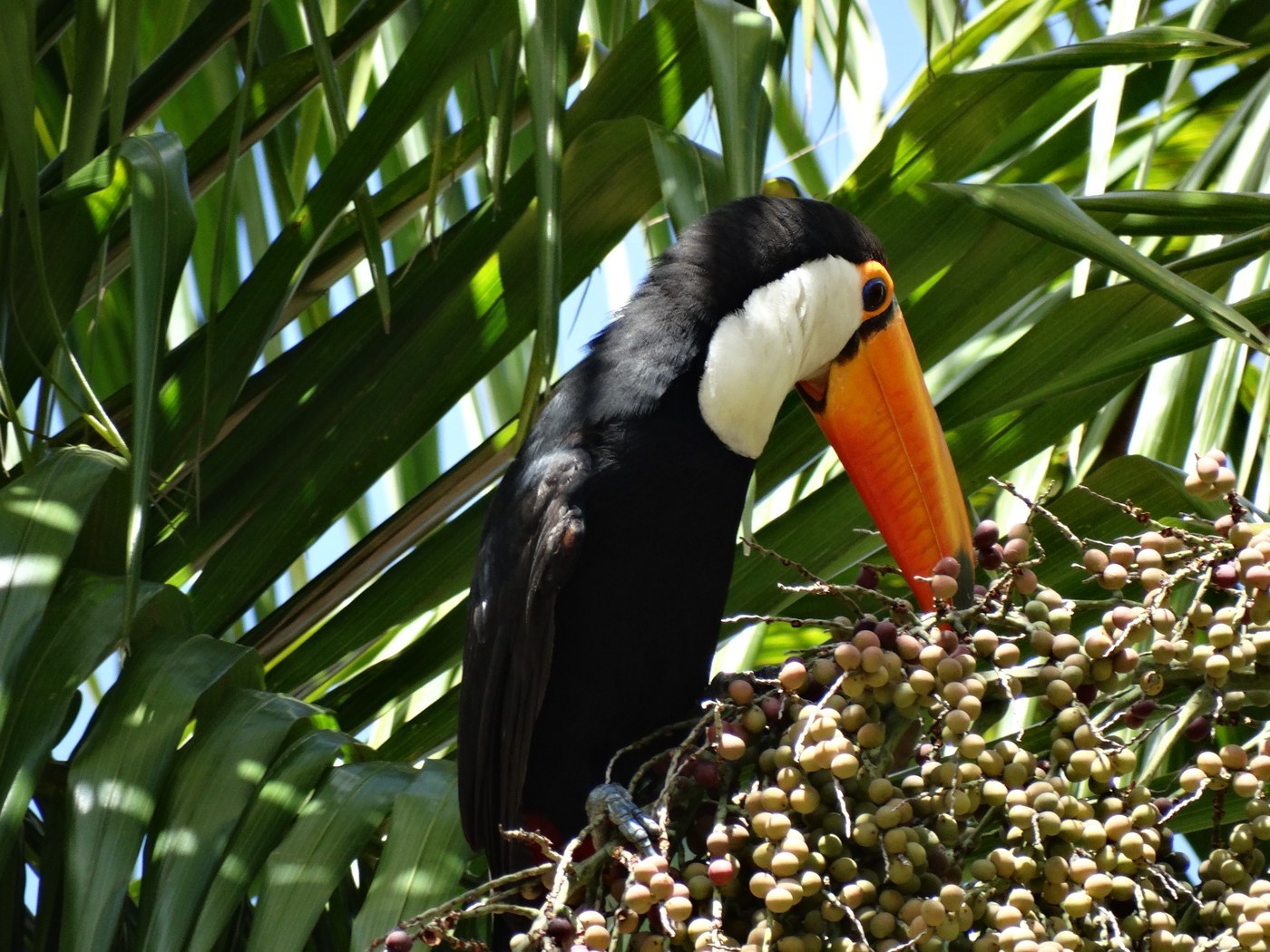
The largest toucan, instantly recognizable by its enormous bright orange bill contrasting with jet-black plumage.
- Feather type
- Dense, glossy contour feathers; short broad wings
- Colours
- Black body, white throat and chest patch, orange bill with black tip
- Bird size
- Crow-sized, ~55-65 cm including the large bill
Found a feather like this?
Identify any feather from a photo, free.
Overview
Overview
The Toco Toucan is the largest and most widely recognized species in the toucan family, found across central and eastern South America. Its oversized, colorful bill is one of the most iconic features of any bird in the region.
- Largest toucan species
- Found in savanna, woodland, and palm groves rather than dense rainforest
- The bill is proportionally the largest of any bird relative to body size
Identifying the Feather
Feather Identification
Toco Toucan feathers are simple in color but bold in contrast.
- Body: glossy black feathers covering most of the body
- Throat and upper chest: bright white patch, sharply demarcated from the black body
- Undertail coverts: red
- Bill: not feathered, but its huge orange-and-black coloration is a defining identification feature alongside the plumage
The combination of solid black body, white bib, and the massive orange bill make this species unmistakable and not easily confused with any other bird.
Plumage & Molt
Plumage Details
Sexes look similar, both black-bodied with a white throat patch and red undertail coverts, though females tend to have a slightly shorter bill. Juveniles have duller, shorter bills and slightly less crisp plumage contrast. A single annual molt maintains the bold black-and-white pattern.
Habitat & Range
Habitat & Range
Found across central and eastern South America, including Brazil, Bolivia, Paraguay, and northern Argentina, favoring savanna, open woodland, palm groves, and forest edges rather than dense unbroken rainforest. It is generally resident, with some local movements tied to fruiting seasons.
Behavior & Field Notes
Behavior & Field Notes
Toco Toucans feed on fruit as a dietary staple, supplemented by insects and occasionally small vertebrates or eggs, using the large bill to reach and manipulate food. They nest in tree cavities, often reusing natural hollows. Their call is a deep, croaking, frog-like grunt repeated in a series. The combination of black body, white bib, and enormous orange bill makes this one of the most easily identified birds in South America.
Frequently asked questions
What makes the Toco Toucan's bill so notable?
It is proportionally the largest bill of any bird species relative to body size, brightly colored in orange with a black tip.
What habitat does the Toco Toucan prefer?
Open savanna, woodland edges, and palm groves, rather than dense unbroken rainforest favored by some other toucans.
How can you tell males and females apart?
They look similar, though females typically have a somewhat shorter bill than males.
What does the Toco Toucan's call sound like?
A deep, croaking, frog-like grunt repeated in a series, quite different from typical songbird calls.
Toco Toucan guides
In-depth guides for identifying and understanding Toco Toucan.
Other feathers you may enjoy

Common Cuckoo
Flight and body feathers
Common Kingfisher
Body (contour) and wing feathers
White-throated Toucan
Short rounded contour feathers, short broad wings
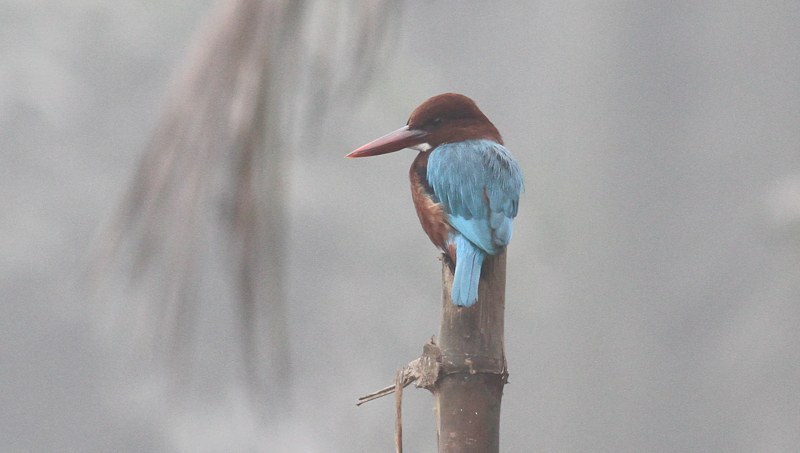
White-throated Kingfisher
Dense contour feathers; broad rounded wings

White-throated Bee-eater
Sleek, aerodynamic contour feathers; elongated central tail streamers
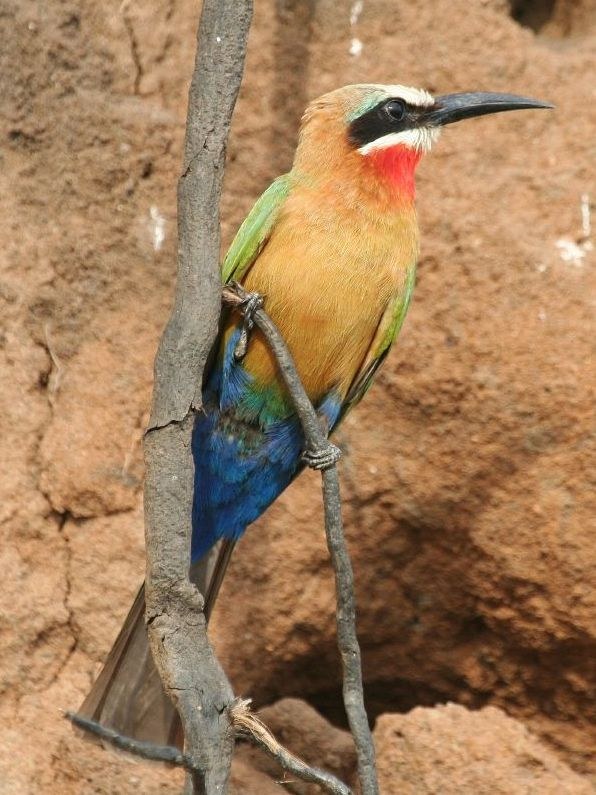
White-fronted Bee-eater
Sleek contour feathers; short tail with slight point

Southern Yellow-billed Hornbill
Slender contour feathers, moderate flight feathers
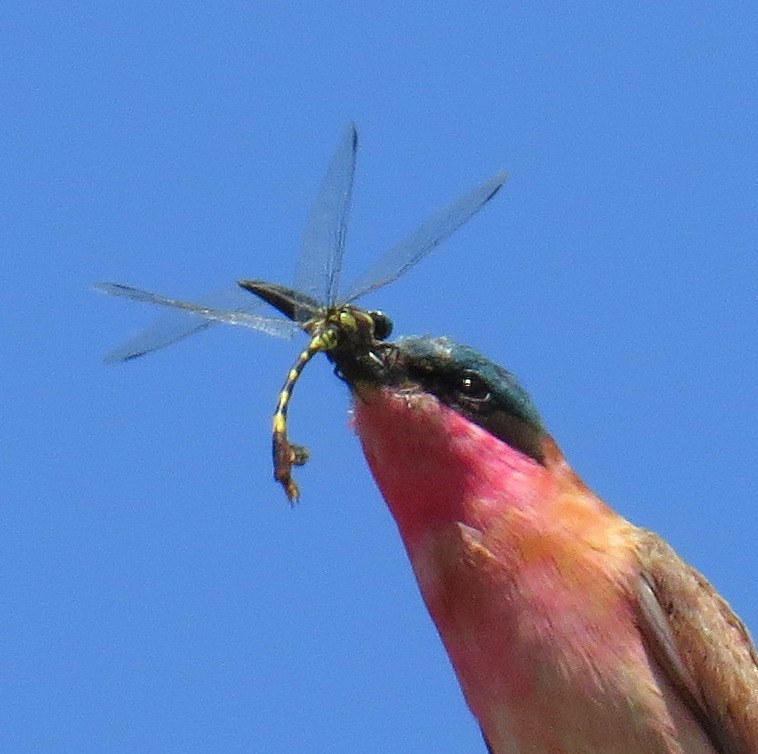
Southern Carmine Bee-eater
Sleek, pointed contour feathers; elongated central tail streamers
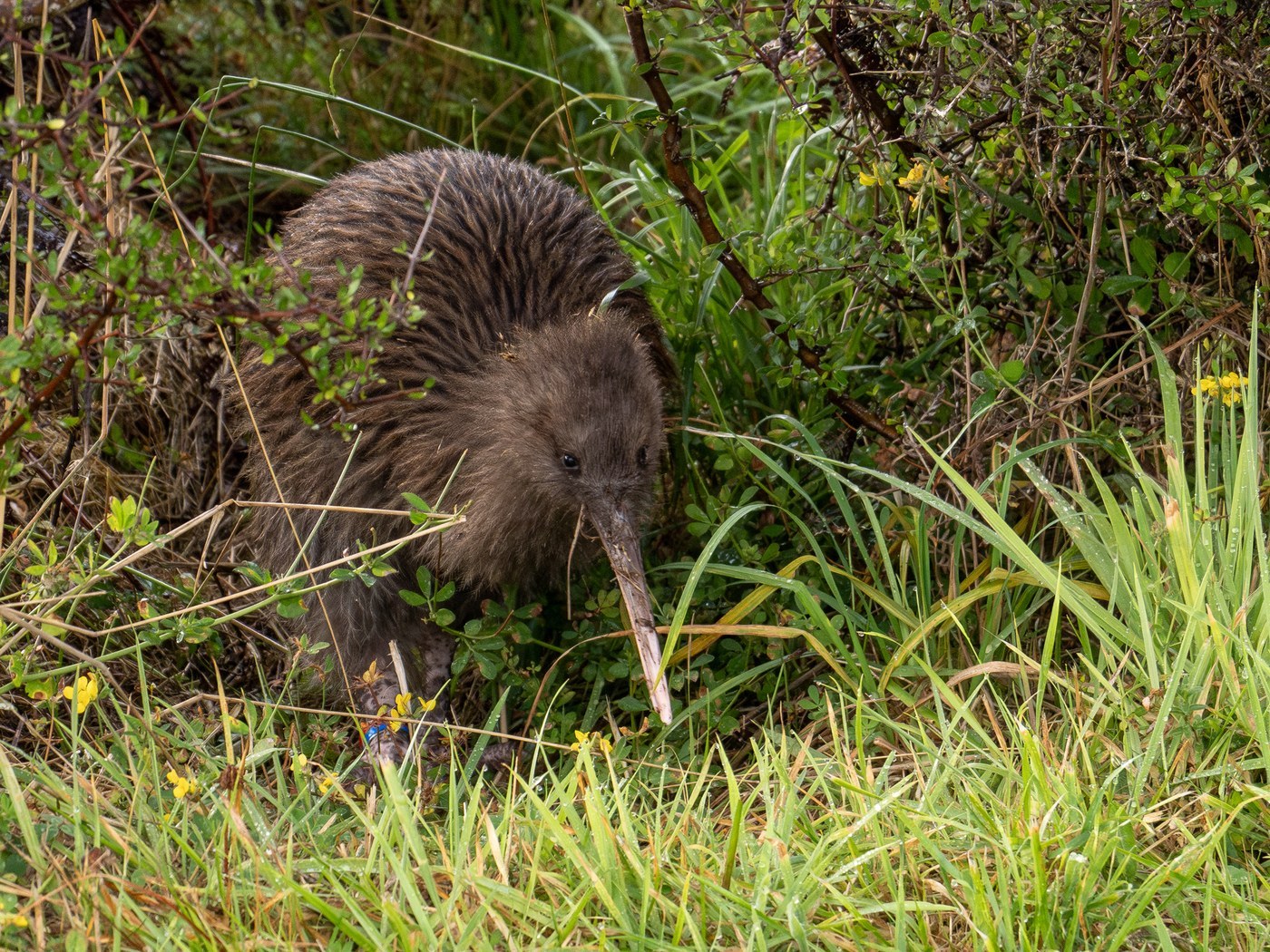
Southern Brown Kiwi
Shaggy, hair-like plumage with loose barbs lacking barbules; flightless, vestigial wings hidden beneath body feathers

Somali Ostrich
Loose, soft plumes lacking interlocking barbules

Wreathed Hornbill
Dense contour feathers, broad flight feathers

Woodland Kingfisher
Firm contour feathers; broad wing feathers